If you have ever watched squirrels for more than a minute, you know they’re tiny drama machines in fur coats. One second they’re sweetly sharing a tree trunk, the next they’re launching into a full‑on chase scene that looks like a cartoon come to life. The tricky part is figuring out what you’re actually seeing: is that squirrel being territorial and defensive, or is it being surprisingly social and tolerant? Once you know what to look for, the difference is as obvious as a bar fight versus a crowded café.
This guide walks you through the real‑world signals that separate a “get off my lawn” squirrel from a “sure, you can sit here” squirrel. We’ll dig into body language, sounds, chasing behavior, feeding habits, and even how they handle you as a human spectator. By the end, you’ll be able to stand under a tree and read a squirrel scene almost like subtitles on a movie. And honestly, once you start seeing these patterns, it’s hard to stop watching them.
The Big Picture: What “Territorial” and “Social” Really Mean for Squirrels
The first thing to understand is that “territorial” and “social” are about context, not personality labels carved in stone. The same squirrel can be fiercely territorial around a prime food stash or nesting site, then later be surprisingly tolerant around a neutral feeding area like a busy park lawn. Territorial behavior is about defending space, resources, or mates; social behavior is about tolerating or even cooperating with others when the stakes are lower. Think of it like how someone might guard their home fiercely but be relaxed in a coffee shop.
In many tree squirrel species, especially common ones like the Eastern gray squirrel or fox squirrel in North America, both patterns show up in daily life. During breeding season or over high‑value trees, you’ll see more chasing, posturing, and “back off” signals. Around scattered food sources, you might see several squirrels foraging within a few feet of each other, with only mild squabbles. So when you’re deciding if a squirrel is being territorial or social, always ask: what exactly is it defending, and how close are others allowed to get before it explodes?
Body Language Basics: Tense, Sharp Movements vs. Loose, Casual Postures
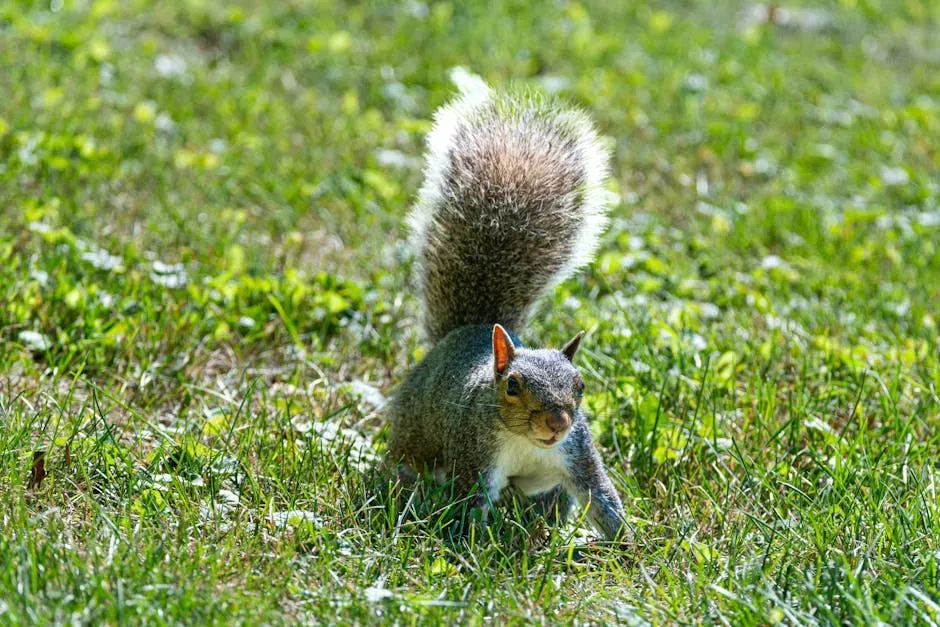
Start with the simplest cue: how does the squirrel’s body “feel” to your eyes? A territorial squirrel often looks like a coiled spring. It moves in short, sharp bursts, freezes frequently, and keeps its body angled toward the intruder. The tail may be held stiff or flicked in quick, jerky motions, and the back can arch slightly as if the squirrel is trying to look larger. These movements send a clear message: I see you, and I’m ready to react.
A more social or tolerant squirrel usually looks loose and busy rather than intense. It may forage with its body slightly hunched, head down, pausing only briefly to scan and then going right back to digging or chewing. The tail drapes more softly, moves in gentle swings, and the squirrel is less locked in on any one individual. You’ll often see social squirrels share a general space, each doing their own thing like people in a park. When you spot the difference between tight, confrontational posture and relaxed, mind‑your‑own‑business posture, you’re halfway to reading their mood.
Tail Flicks and Ear Signals: The Squirrel’s Flag and Radar
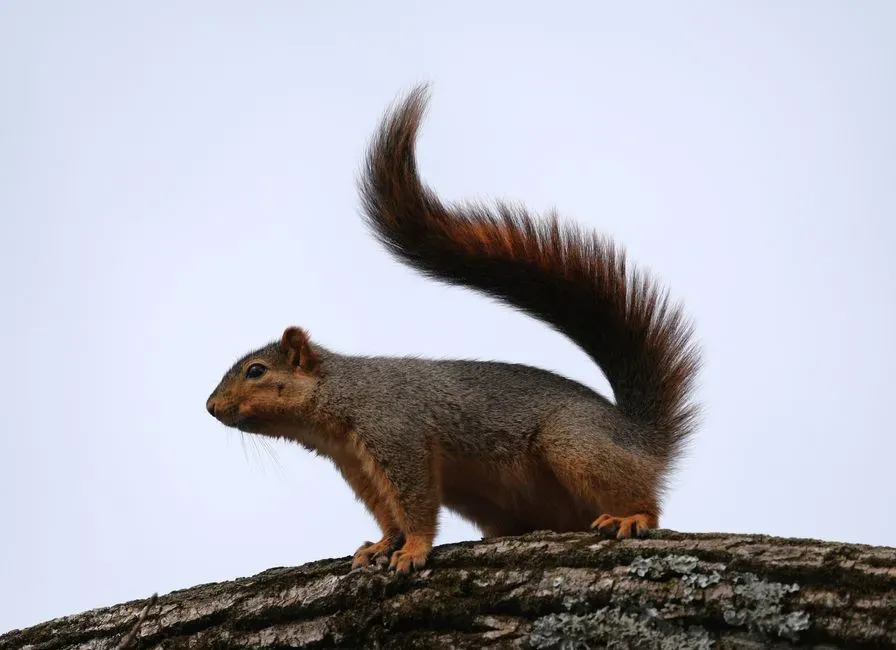
The tail is basically a squirrel’s flag, and how it’s waved matters. Territorial squirrels use fast, choppy tail flicks aimed right at a rival, especially when that rival gets too close to a nest tree, a cavity, or a rich feeding spot. Those rapid flicks, sometimes combined with a rigid, upright posture, are like a warning sign: this spot is taken, and you’re pushing your luck. In some cases, they’ll plant themselves on a trunk or branch, stare down the intruder, and whip that tail like a tiny bullfighter’s cape.
In more social moments, tail movements are generally slower and less precise. You might see the tail swaying for balance as they leap around, or gently lifting and falling while they forage near each other. The ears add another layer: pinned‑back or very forward‑focused ears can hint at tension or high alert, which you’ll often see in territorial stand‑offs. Ears that flick casually from sound to sound, without locking onto a single opponent, often belong to squirrels that are aware but not spoiling for a fight. Watch tail plus ears together and you’ll quickly notice when the vibe switches from relaxed to confrontational.
Vocal Clues: Harsh Scolds vs. Quiet Coexistence
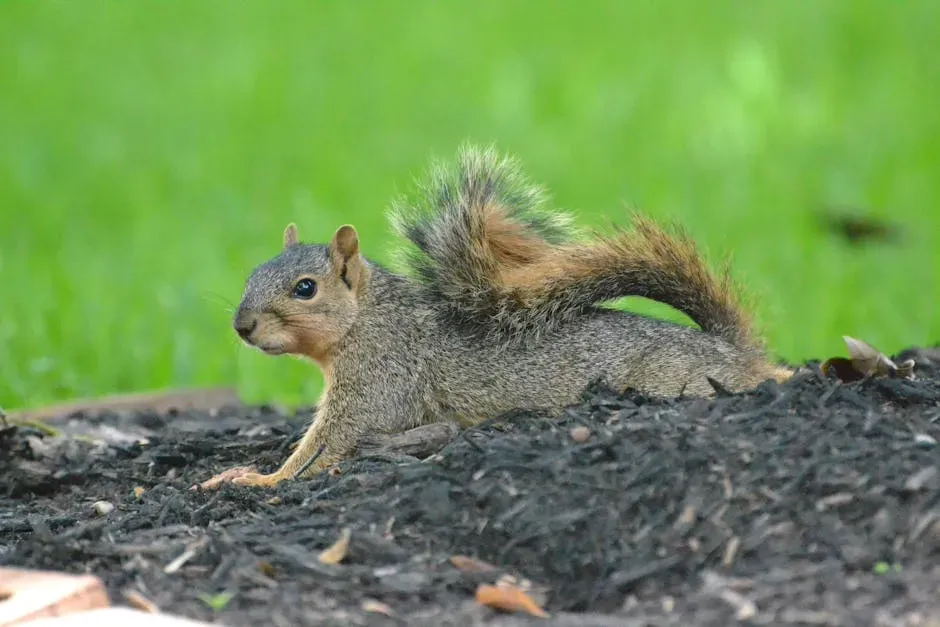
Squirrels are a lot louder than people realize, especially when they’re not happy. A territorial squirrel often unleashes a stream of sharp “scolding” sounds when another squirrel or even a predator comes too close to something it values. These can be rapid barks, chatters, or guttural sounds that repeat and rise in intensity as the threat persists. You may also see the squirrel’s body shake slightly with each bark, tail whipping in sync, which reinforces the warning: stay away from this area.
In more social settings, the soundscape becomes much quieter or at least more mixed. Squirrels foraging together might make occasional soft vocalizations, but the loud, relentless scolding is usually absent. You might hear brief calls if one spots a distant predator or if there’s a quick food dispute, but the sound dies down quickly and they return to normal activity. If you hear constant, furious barking directed at a specific animal or spot, you are likely watching territorial defense. If what you hear is mostly the rustling of leaves, the crunch of acorns, and only short bursts of chatter, that scene is leaning far more social.
Chases and Confrontations: Aggressive Guard Dog or Playful Roommate?
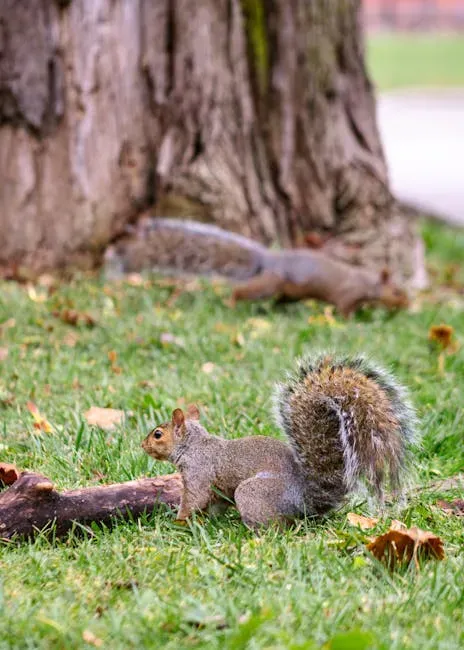
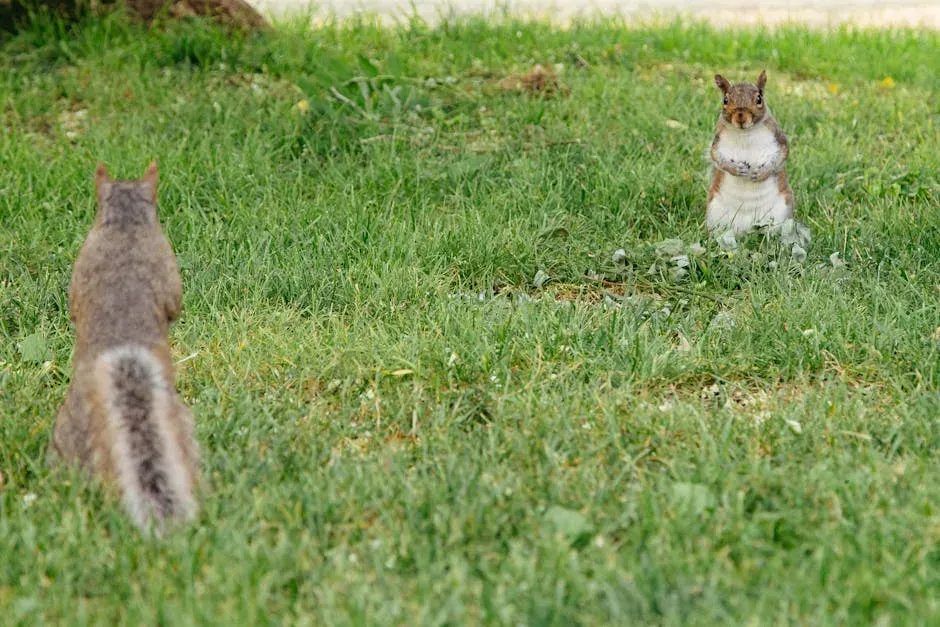
Chasing is one of the clearest signals, but it can be misread. Territorial chases tend to be intense, direct, and one‑sided. One squirrel relentlessly drives another out of a particular tree, branch, or feeding patch, following closely and not letting up until the intruder is multiple trees or several body lengths away from the contested area. There’s often a clear “winner” that stops at a boundary line and a “loser” that keeps fleeing, looking back nervously but not re‑entering the core spot.
More social or low‑stakes interactions look different. Sometimes squirrels chase in what appears to be play, especially younger animals: the pursuit may loop around in circles, trade roles, or pause with brief, non‑aggressive contact and quick returns to foraging. In these scenes, no one seems determined to own the entire space; it’s more like siblings roughhousing than neighbors in a property dispute. Pay attention to what happens after the chase: if the chased squirrel circles back soon and resumes feeding nearby without another explosion, you are likely watching social tension rather than strict territorial warfare.
Feeding Time: Guarding a Treasure vs. Sharing the Buffet
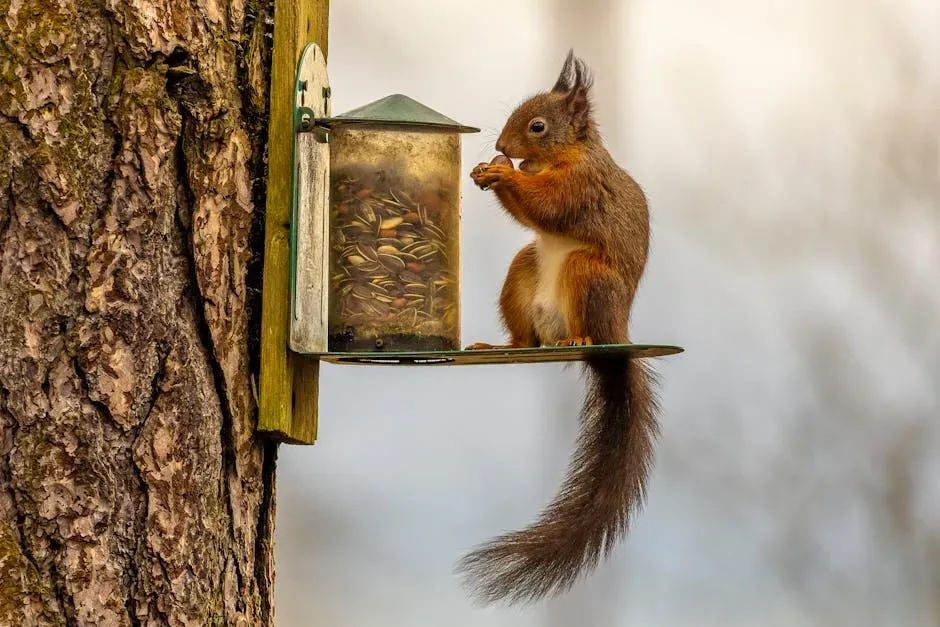
Food is where territorial and social lines get really clear. A territorial squirrel guarding a high‑value source, like a tree heavy with ripe nuts or a well‑stocked bird feeder, often stations itself strategically and reacts quickly to intruders. You’ll see it rush at newcomers, cut them off from the feeder, or occupy a key branch that lets it intercept others. The goal here isn’t to be friendly; it’s to monopolize or at least strongly control access to the best bites.
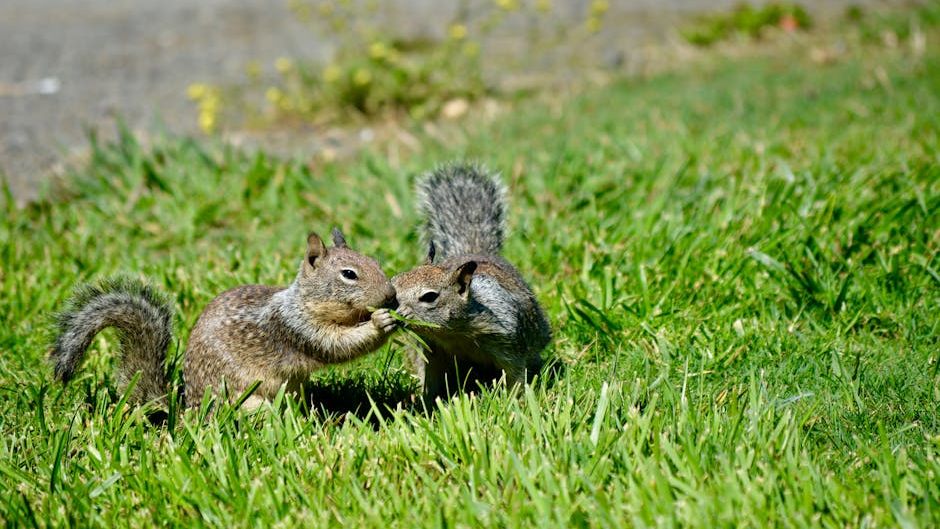
By contrast, in many urban parks or forest edges where food is more spread out, squirrels can be surprisingly tolerant. Several individuals might forage side by side on the ground, each digging for their own finds, with only occasional short squabbles that end quickly. They may follow the same general food trail, moving as a loose group rather than as sworn enemies drawing hard borders. When you see multiple squirrels eating within a few feet of each other without constant chasing, that’s a strong hint that, in that moment, their behavior is more social and food competition is being managed with mild, ritualized disputes rather than all‑out eviction.
Nests, Trees, and Personal Space: How Close Is Too Close?
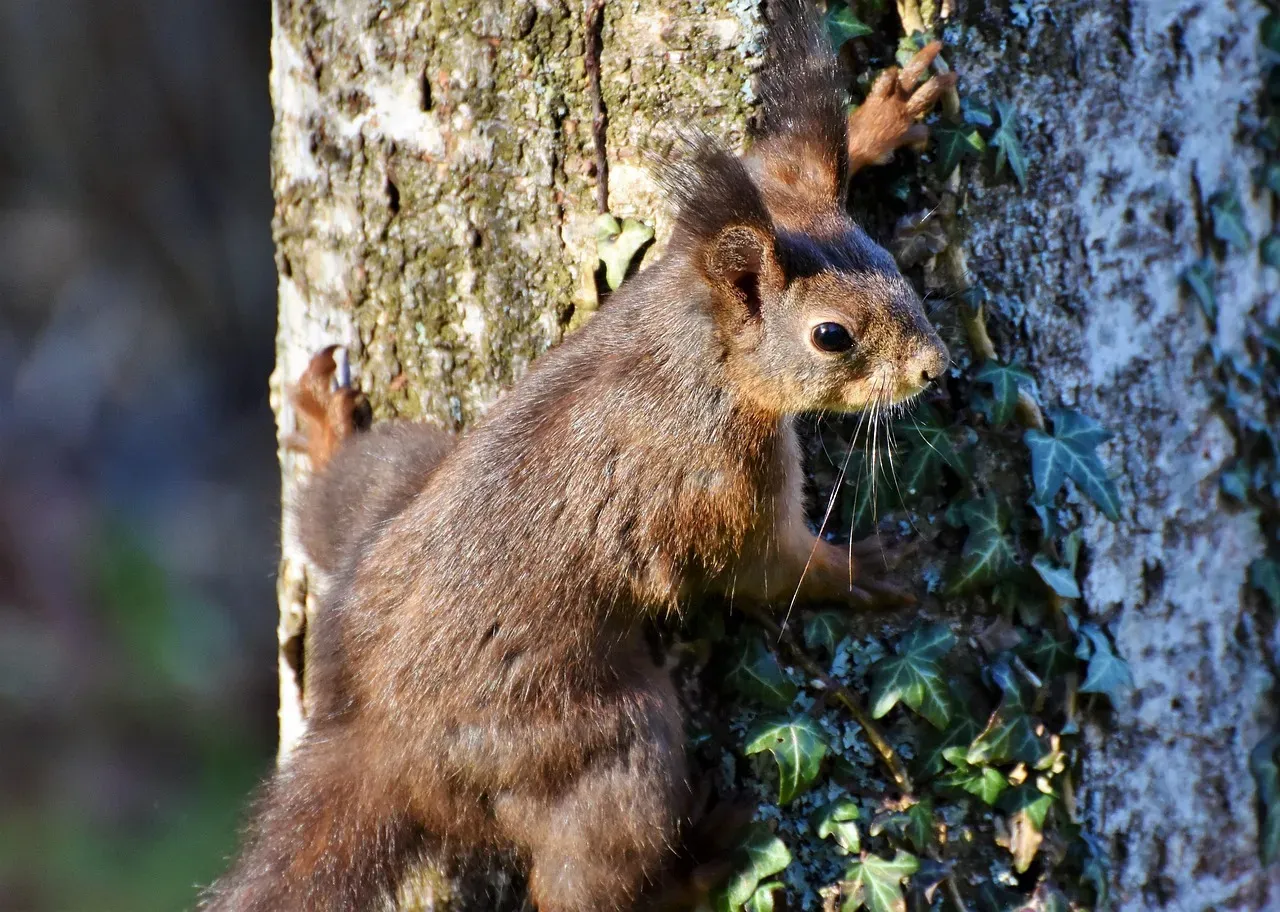
Nesting sites are prime real estate, and this is where territorial behavior often becomes most obvious. A squirrel defending a nest cavity or leafy drey tends to react strongly to any other squirrel that approaches the trunk or entry area. It may rush toward them, block access to the nest tree, or stage repeated charges until the intruder leaves entirely. The defended “bubble” here is usually small and specific: it’s about that tree or that corner of a tree, not the entire neighborhood.
In more social contexts, squirrels often accept relatively close neighbors as long as no one pushes into those sensitive zones. You might see several nests in nearby trees, with squirrels crossing paths or even pausing near each other without major fireworks. During colder weather, some species have been documented sharing nests or rotating through the same resting spots, which requires at least a basic level of tolerance. When you observe how close another squirrel can get to a tree, branch, or nest entrance before the resident flips out, you’re really watching the line between tolerated proximity and strict territorial boundaries.
Reading Their Reactions to You: Human as Threat, Opportunity, or Background Noise
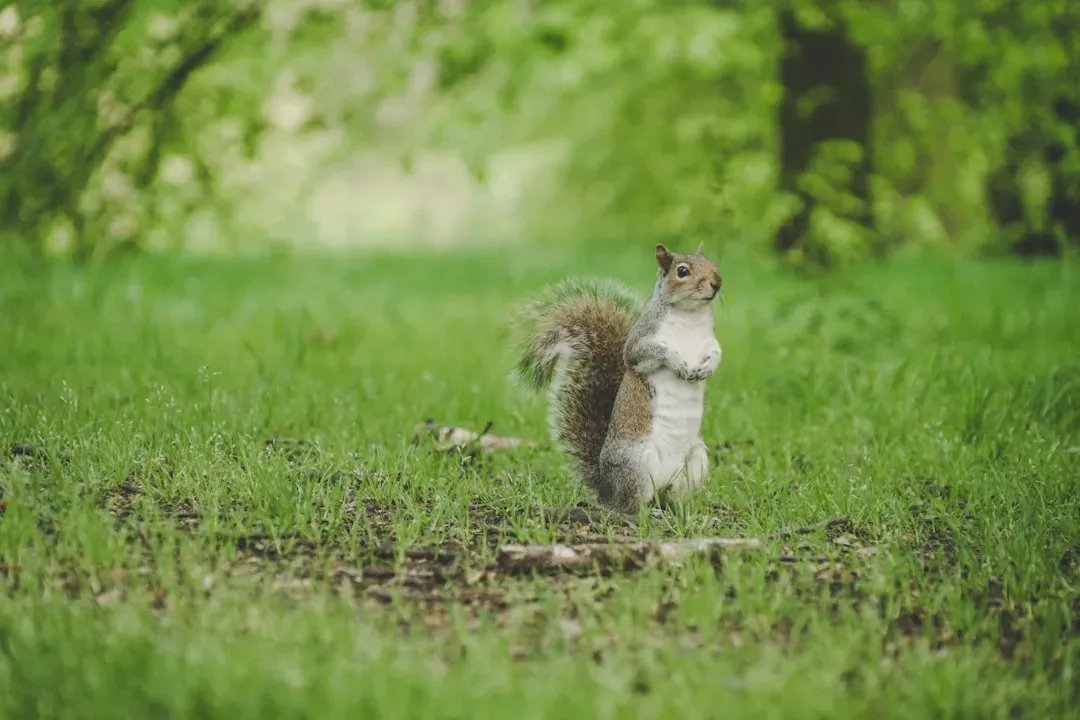
Interestingly, how a squirrel responds to you can hint at how territorial or socially flexible it is in general. A very defensive individual near a nest or key resource may bark relentlessly, tail flicking hard, and keep itself planted between you and its tree, even if you’re at a respectful distance. Sometimes it will follow you along a trunk line, keeping you in view, clearly treating you as a potential invader of its core space. That kind of persistence often mirrors how it handles rival squirrels too: intense focus, clear boundaries, low tolerance.
On the other hand, squirrels used to people in parks or neighborhoods often treat humans as walking vending machines or harmless background noise. You’ll see multiple squirrels foraging calmly nearby, sometimes coming closer in a semi‑bold, almost begging way, but not targeting each other aggressively. This relaxed attitude around you often accompanies more flexible, “social” behavior among themselves in that same setting. Of course, there are limits; toss food into a small area and their cooperative facade can vanish fast. But watching which individuals act like tiny security guards and which act like street performers can give you another angle on their broader territorial versus social tendencies.
Conclusion: Why It Matters That Squirrels Aren’t Just “Cute Chaos”
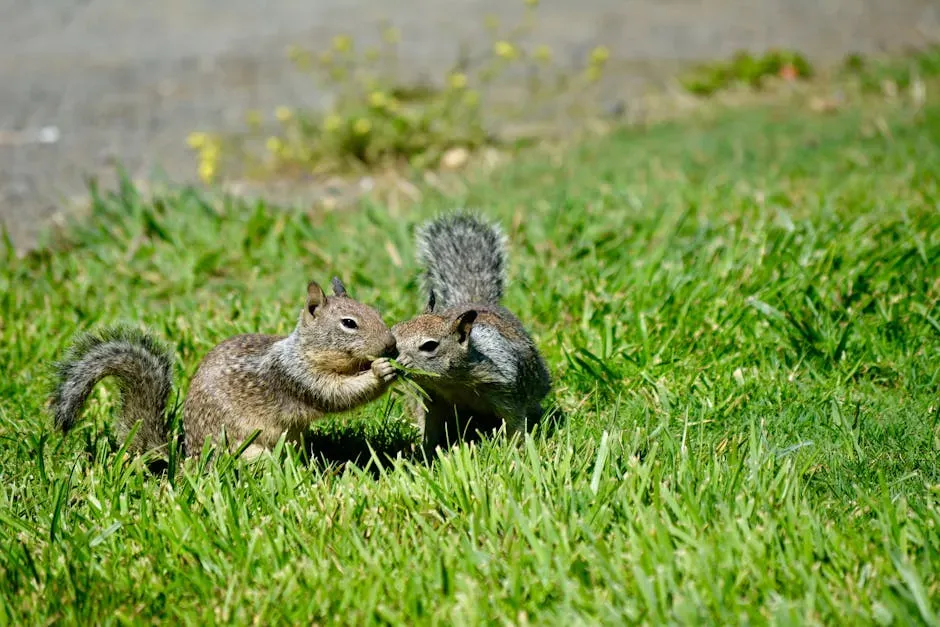
Once you start seeing the difference between territorial and social squirrels, it becomes hard to shrug them off as random little chaos machines. These animals are constantly making decisions about what is worth defending, who can be tolerated, and where the invisible lines in their world really lie. To me, that makes a simple walk through a park feel a bit like stepping into a tiny political thriller, where every chase, stare, and tail flick has meaning. It also forces us to admit that what looks like “meanness” or “friendliness” is usually just a smart response to resources, risk, and opportunity.
There is a quiet responsibility in understanding this. If we crowd nests, overfeed a few individuals, or rearrange their habitat, we can accidentally crank up territorial stress or create weird, artificial social scenes that do not truly benefit them. Paying attention to whether a squirrel is defending or simply sharing tells you when to back off, when to watch, and when to appreciate that they’re navigating a complex social map in a shrinking world. Next time you see a blur of fur zigzag up a tree, will you still call it random, or will you catch yourself asking what, exactly, that squirrel just decided was worth fighting for?