
For most of us, death is the one experience we know is coming but can never report back from. That mystery leaves a haunting question: what is it actually like, in those last moments, to fade out of the world? Families at the bedside often whisper to their loved one, hoping they can still hear, even when the monitors say there is almost nothing left. It sounds like wishful thinking, but modern science has started to test that ancient hunch in surprisingly direct ways.
Researchers studying the dying brain have placed monitors, played sounds, tracked waves of activity, and compared what happens in people who are close to death with those who are deeply unconscious but expected to recover. The picture that emerges is strange, a bit unsettling, and oddly comforting: hearing appears to hang on longer than our other senses, perhaps even into the final minutes when everything else has gone quiet. But like almost everything in biology, the story is messier than a simple headline, and the truth lives in the details of brains, nerves, and the strange in‑between state where life is slipping away.
The Surprising Evidence That Hearing Lingers at the End
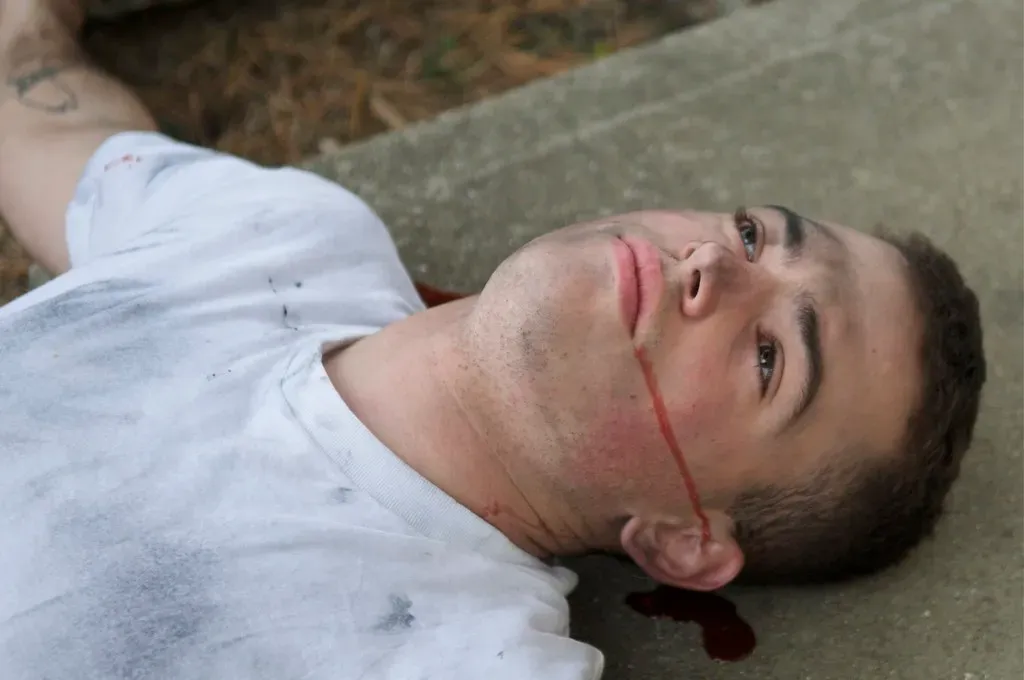
One of the most striking findings in end‑of‑life research is that the brain can still respond to sound when a person seems completely unresponsive. In several studies of hospice patients near death, scientists used electroencephalograms placed on the scalp to measure tiny bursts of electrical activity when sounds were played through headphones. Even when the patients could no longer speak, move, or open their eyes, their brains still produced patterns that looked surprisingly similar to those of healthy, awake volunteers listening to the same tones.
What makes this so powerful is not just that sound gets in, but that the brain appears to process it in a structured way rather than as meaningless noise. In some experiments, scientists used changing patterns of tones, and the dying brain still reacted differently when the pattern was broken, hinting that it was detecting and interpreting the change. That suggests hearing is not just technically “on,” but may be somewhat meaningful right up to the threshold of death. It does not prove that a person is consciously aware in a rich way, but it supports the idea that spoken words and familiar voices might still be reaching some inner part of them when everything else has gone silent.
Why Hearing Might Outlast Our Other Senses
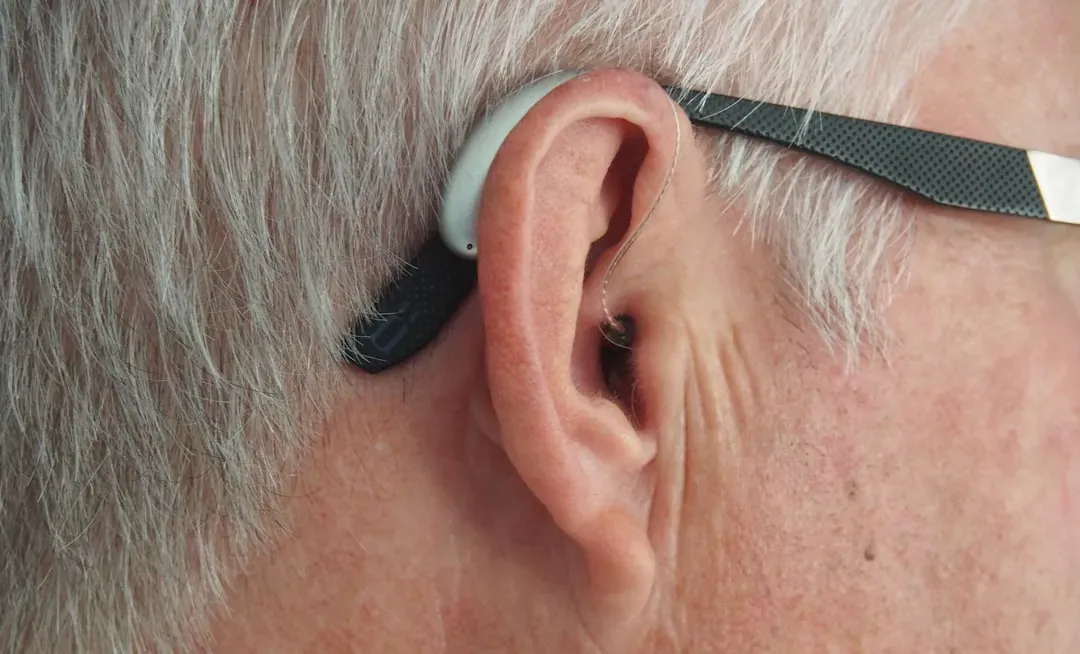
There are good biological reasons why hearing would be one of the last senses to fade. Vision relies heavily on blood flow and oxygen to the eyes and the visual cortex at the back of the brain; even slight drops can blur, tunnel, or darken sight very quickly. Touch and movement, meanwhile, depend on active muscles, intact spinal pathways, and a fully fueled nervous system, all of which falter as circulation fails. Smell and taste are famously fragile, often dulled early by illness, medications, or even just aging long before death is on the table.
Hearing, in contrast, can function at a surprisingly low level of arousal. The pathways from the ear to the brainstem and onward into the auditory cortex are robust and deeply wired into alertness and survival, tuned by evolution to notice a twig snapping in the dark long after our eyes have adjusted badly. Even in deep sleep, anesthesia, or coma, sounds can trigger measurable brain responses, startle reflexes, or changes in heart rate. That same resilience appears to play out in the dying process: as oxygen levels drop and the brain powers down, the auditory system seems to keep humming along longer than most, like the last light in a city going through a blackout.
What “Still Hearing” Probably Does and Does Not Mean

It is important not to romanticize the science into something it cannot support. When researchers say that hearing may be the last sense to fade, they are talking about brain responses to sound, not necessarily the vivid, self‑aware experience of listening that you and I feel when we put on a favorite song. The dying brain is under extreme stress from low oxygen, changing blood chemistry, medications, and disease; its activity is fragmented and unstable. So even if sound is getting in and triggering recognizable patterns, that does not guarantee that the person is consciously understanding words in a rich, fully coherent way.
At the same time, dismissing those responses as meaningless would go too far in the other direction. If the auditory cortex can still track patterns, distinguish changes, and show some of the hallmarks of higher processing, it is reasonable to think that fragments of awareness or emotional resonance might survive too. A familiar voice, a comforting phrase, or a beloved piece of music may still register at some level, nudging the fading mind in its final minutes. To me, the honest, science‑based middle ground is this: we cannot promise that the dying person hears you the way they once did, but we have enough evidence to say your voice probably still matters more than the monitors do.
How Other Senses Shut Down as Death Approaches

To understand what makes hearing special, it helps to look at what usually happens to the other senses as death draws near. In many people, vision becomes blurry or unfocused; eyes may stay partially open but no longer track movement or fix on faces. This is not just an emotional metaphor about “the light going out” but a physical reflection of failing circulation, unstable eye movements, and loss of coordination in the visual parts of the brain. The world can narrow into a vague blur or grayness, and for some dying patients, there may even be visual hallucinations as the brain misfires while trying to make sense of incomplete input.
Touch and body awareness change too. Some people become extremely sensitive to even gentle contact; others gradually stop reacting when their hand is squeezed or their skin is brushed. Pain perception can be heavily altered by medications, organ failure, and changes in the spinal cord and brain, so it is a mistake to assume that a lack of movement always means a lack of sensation. Smell and taste, which depend on delicate receptor cells in the nose and mouth, are usually heavily dulled early in serious illness, long before the very end. By the time someone is close to death, the balance of evidence suggests that if any doorway to the world is still open, it is hearing.
Stories, Science, and the Mystery of Near‑Death Awareness
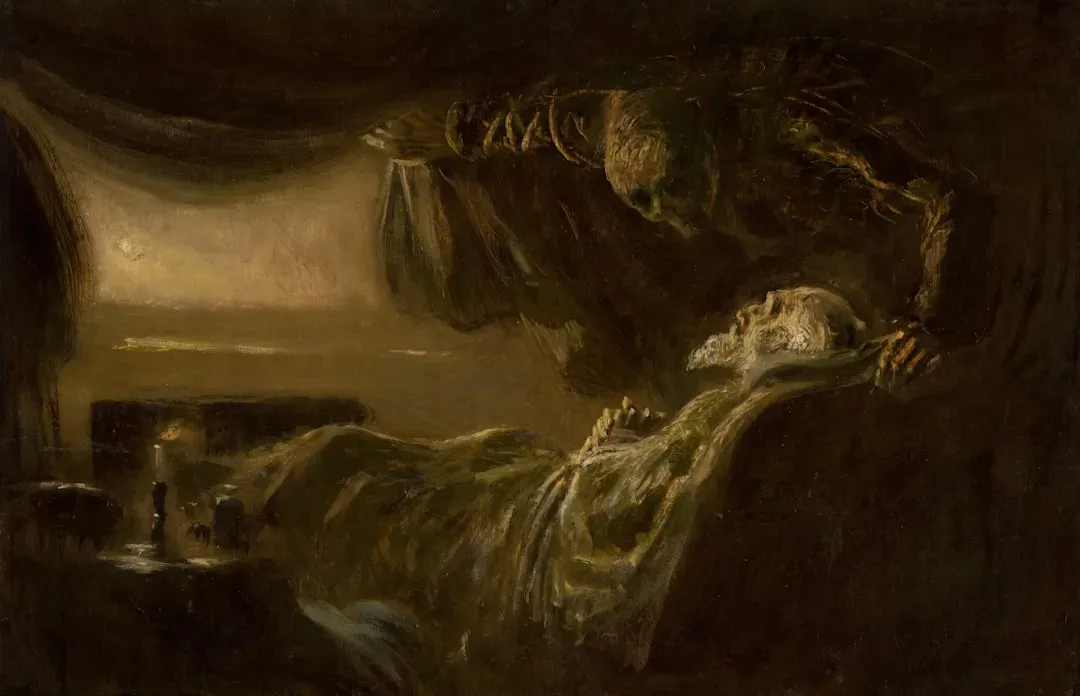
For decades, families, nurses, and doctors have shared stories of patients who seemed unresponsive but later recalled voices, music, or bedside conversations when they recovered. Near‑death experiences are full of sensory details: the sound of loved ones crying, snippets of dialogue, or even specific songs played in the room. While memory is famously imperfect and shaped by expectations, these reports helped push researchers to test, instead of dismiss, the possibility that parts of the mind are listening in when the body looks still. In that sense, everyday stories nudged science toward some of the very experiments that now suggest hearing does indeed persist late.
Of course, anecdotes by themselves cannot prove which sense is last, and not all experiences people report can be traced neatly to brain activity measured at the time. Still, when you line up the stories with what we now see on EEG monitors and in studies of comatose patients, a pattern emerges: hearing seems to play a central role in how people describe their most extreme brushes with death. Whether that is because it truly lasts longer than all other senses or because our culture trains us to notice spoken words more than other sensations, the tight link between sound and near‑death awareness is hard to ignore.
What This Means for Families at the Bedside
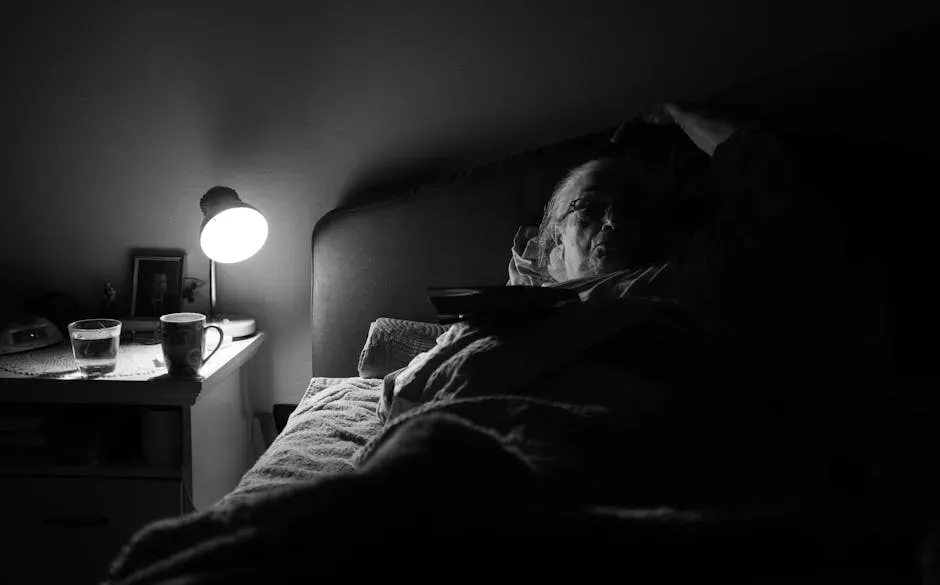
Knowing that hearing probably lingers gives a different weight to those quiet, heartbreaking moments in a hospital or hospice room. When you lean close to a loved one who has not opened their eyes in days and tell them you are there, science suggests that on some level, their brain may still be registering your presence. That does not magically make death less painful, but it can shift the feeling from talking into a void to offering something real: a final thread of connection, carried on sound waves, into a mind that is half in this world and half out of it. Many clinicians now actively encourage families to speak, sing, pray, or share memories even when the patient no longer responds.
At the same time, this knowledge carries a quiet responsibility. If the brain can still hear near the end, then harsh words, arguments, or careless comments probably reach in too, at exactly the moment when a person is most vulnerable. I remember sitting at my own relative’s bedside, unsure whether they could still hear me, and deciding to talk anyway – about silly memories, about gratitude, even about things we had never quite said out loud. It felt awkward and raw, but I am glad I treated that silence as listening silence. If hearing is the last bridge, it seems worth crossing it with as much kindness and honesty as we can manage.
The Honest Truth: What We Know, What We Guess, and What I Believe

So, is hearing definitively the last sense to fade before death, in every single person, all the time? The most honest scientific answer is that we cannot say that with absolute certainty, because the dying process is messy, individual, and hard to study in a perfectly controlled way. What we can say, based on actual measurements of brain activity and comparisons with other senses, is that hearing is very likely among the final senses to go and often outlasts vision, touch, and smell. The evidence is strong enough that many clinicians now act as if this is true in practice, even while scientists continue to refine the details. Science rarely hands out simple, universal rules about something as complex as death, and this case is no exception.
Personally, I think that is exactly how we should hold this knowledge: firmly enough to change how we behave, but loosely enough to stay humble. To me, the idea that hearing lingers is both scientifically reasonable and emotionally profound, because it means our last moments are not necessarily spent alone in a silent void. Instead, there is a good chance that what surrounds us – voices, music, the rhythm of familiar speech – still ripples through the fading brain. If that is true, then the most important technology at the bedside is not the ventilator or the monitor, but the human voice choosing what to say when it matters most. If you were the one lying there, what words would you want to be the last thing you ever hear?