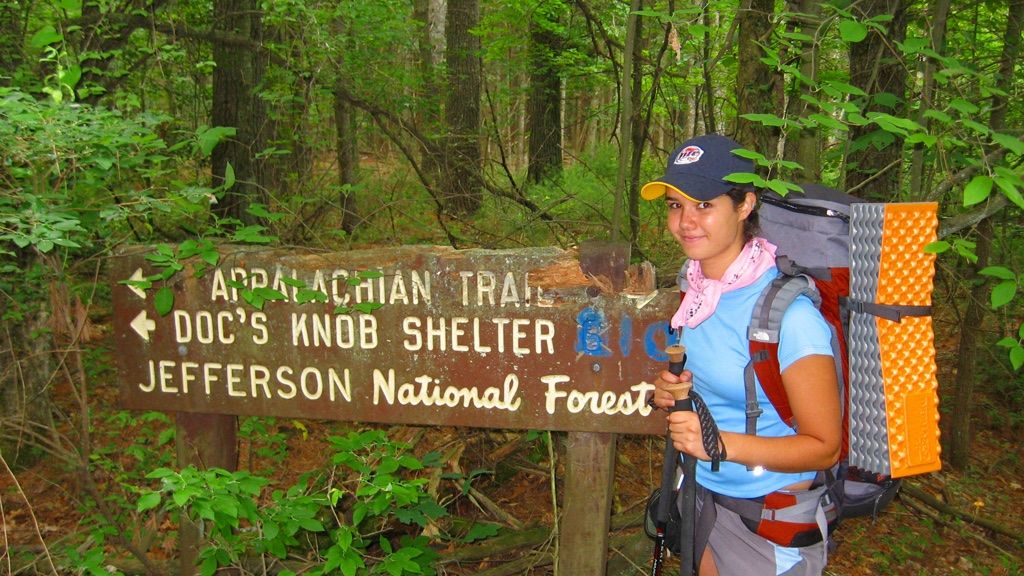

The Appalachian Trail is supposed to be a place where people go to reset their minds, push their bodies, and maybe come home with a good blister story. Yet hidden behind the sunrise photos and trail names is a quieter reality: a handful of hikers have stepped onto this famous path and never walked back out. No remains, no abandoned gear that explains everything, no neat final chapter – just a question mark that gets bigger every year.
What follows are twelve of the most discussed, most haunting disappearances connected to or closely intertwined with the Appalachian Trail corridor – cases where, as of 2026, no confirmed remains have been recovered and no official resolution has been reached. Some of them are documented in old police reports and local archives, others live on in ranger briefings and hiker lore, and nearly all of them leave more open doors than answers. The trail itself is not the villain here; statistically it is remarkably safe. But these stories remind you that in the deep woods, one wrong turn, one bad decision, or one encounter at the wrong moment can echo for decades.
1. The Georgia Day-Hiker Who Vanished Near Blood Mountain
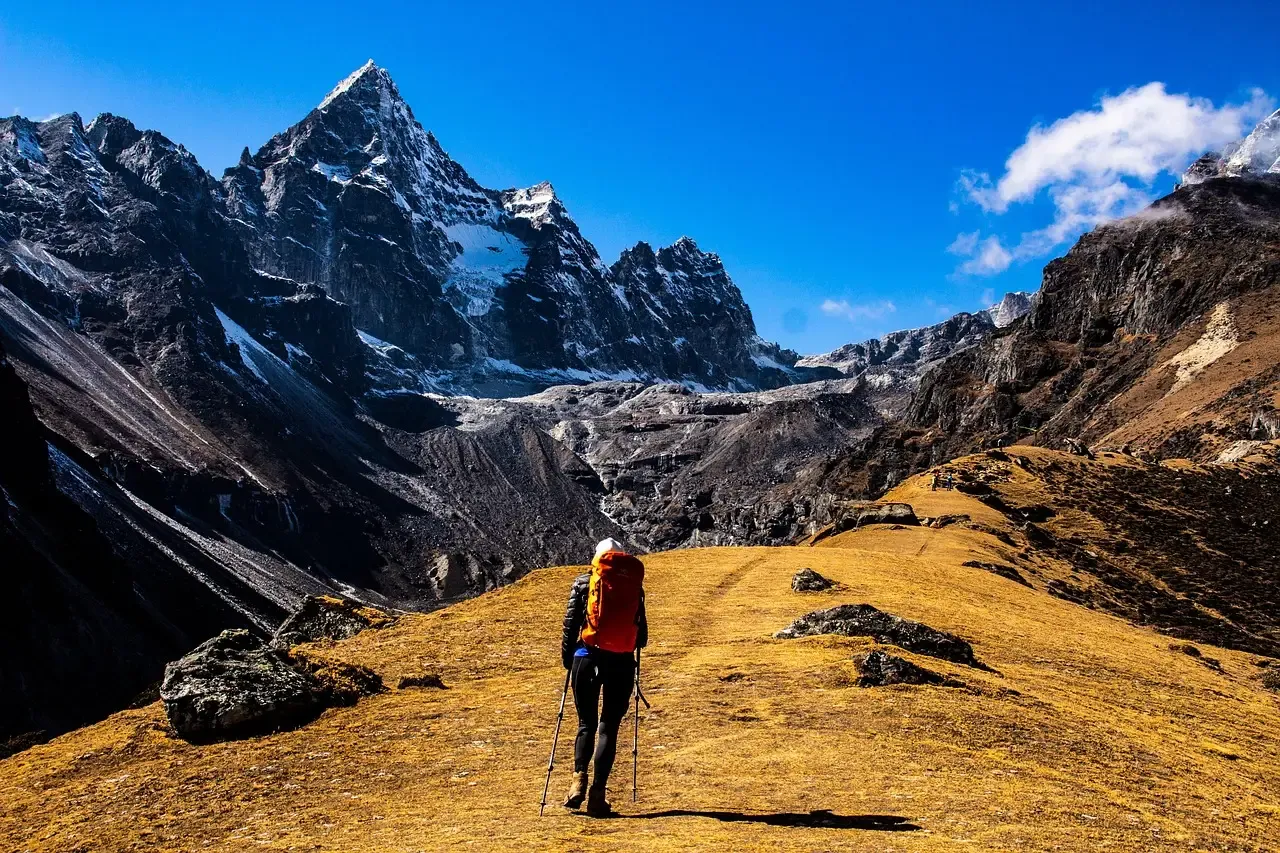
Blood Mountain in northern Georgia is one of the first big psychological tests for northbound Appalachian Trail hikers – steep, rocky, crowded on weekends, and often wrapped in fast-moving fog. In the mid-2010s, a middle‑aged man from Texas headed up from a nearby trailhead for what should have been a straightforward outing around the Blood Mountain section. Rescuers later found his vehicle at the parking area and confirmed he had checked in at a local lodging, but after he set off toward the Appalachian Trail he simply never came back. Intensive ground searches, helicopters, dogs, and technical teams combed the slopes and drainages around the summit for days, finding nothing that could be firmly tied to him.
What made this case stand out even to longtime rescue personnel was how little there was to work with. Weather during the initial days of searching was challenging but not catastrophic, and this part of Georgia sees a lot of foot traffic, which usually means lost hikers are picked up quickly. Locals and trail club volunteers kept returning over the years on their own time, sweeping ravines and side hollows that were considered long shots. To this day there has been no trace – no backpack wedged in a blowdown, no boots, no clothing scraps. Given how unforgiving the off‑trail terrain can be in that area, many believe he fell into a steep, vegetated gully where a person could lie concealed indefinitely, but without evidence that is only educated speculation.
2. The Experienced Section Hiker Who Disappeared in Pennsylvania
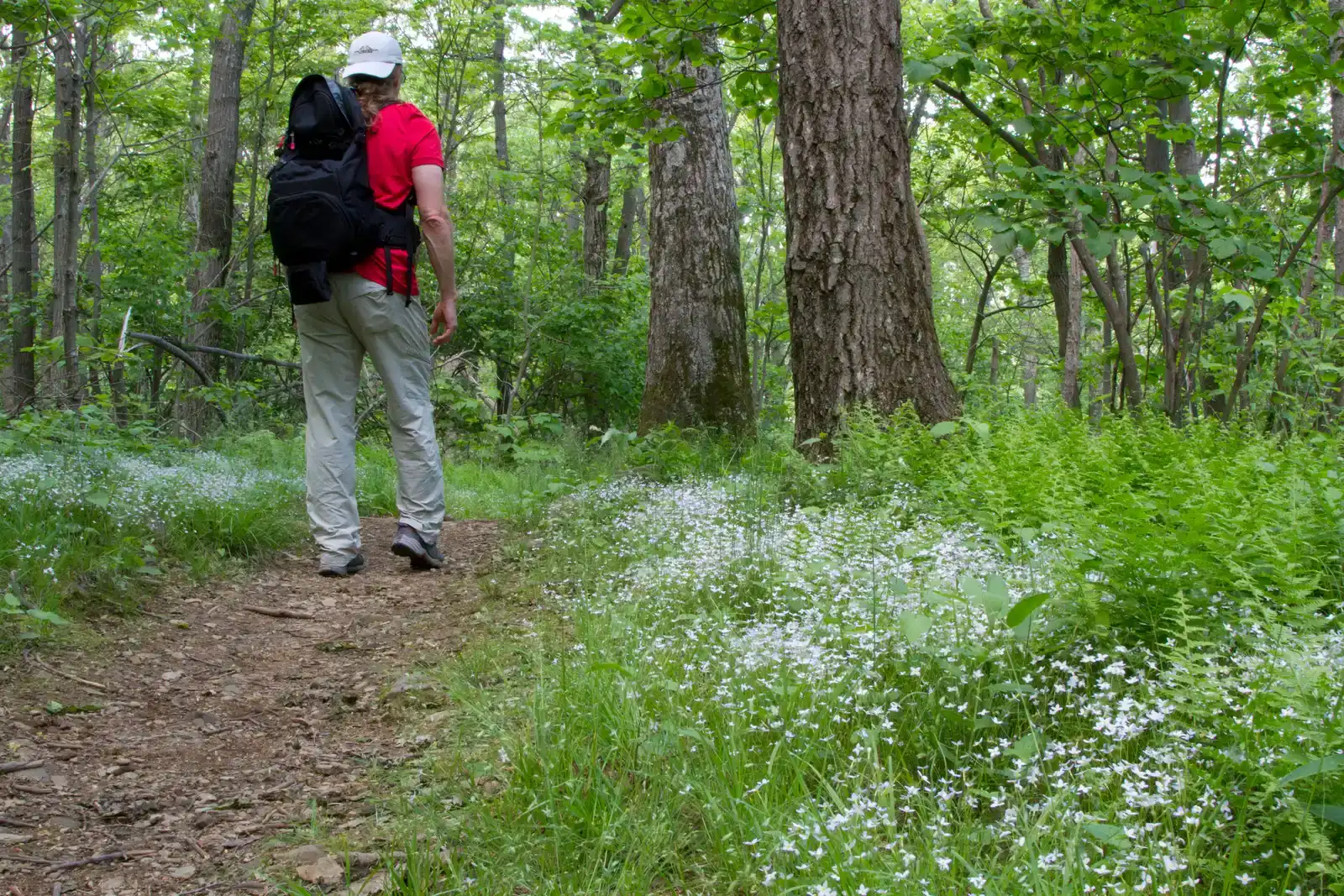
Pennsylvania’s stretch of the Appalachian Trail looks deceptively tame on a map: endless ridgelines, convenient road crossings, and plenty of shelters. On the ground, the rocks are notorious, and search‑and‑rescue teams know that once a hiker steps off the spine of the ridge into the side valleys, visibility drops and navigation gets murky. In the late 2010s, an older male hiker heading south through the state checked in with family, parked near a well‑known trailhead, and set out on what should have been a manageable section. When he stopped responding to messages and failed to appear where expected, a missing‑person bulletin went out to hikers up and down that stretch of trail.
What followed was the kind of search operation that usually ends with at least some kind of closure. State police, volunteer rescuers, and trail club members spent long days grid‑searching the forest and interviewing thru‑hikers who might have seen him at shelters or road crossings. Teams followed up on faint dog indications and re‑checked multiple suspect drainages. Hikers on the ridge that week reported seeing the missing‑person flyers taped to shelter logs and posted at road crossings for miles in both directions. Yet no clear sighting was ever confirmed, and no personal effects or remains have been tied to him. The working theories ranged from a medical emergency off trail to an intentional disappearance, but in terms of hard evidence, investigators were left with nothing firm enough to close the file.
3. The Depressed Long-Distance Walker Who Never Reached His Next Shelter
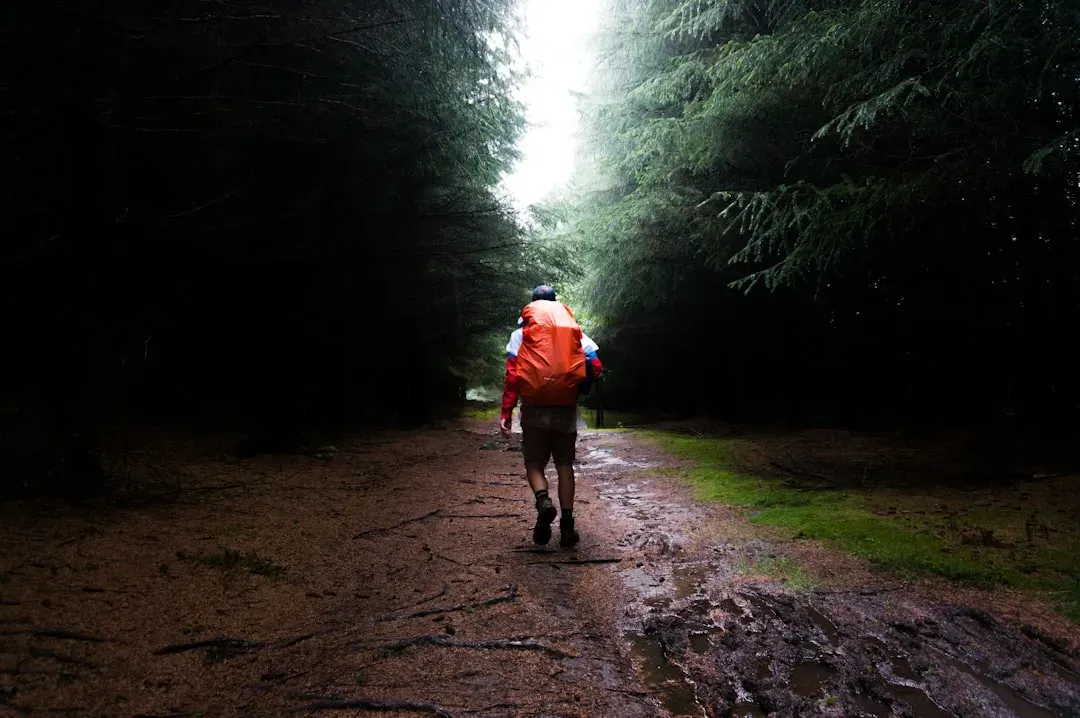
One of the darker realities of modern long‑distance hiking is that people sometimes head for the woods trying to outrun something inside themselves. In the 2010s, a man hiking along the Appalachian Trail corridor in the Mid‑Atlantic had been open with family about serious mental‑health struggles, and when he stopped checking in, their concern turned to alarm. Phone records and witness statements suggested he had indeed been on the trail near a known shelter, and that he was likely moving in the direction of the next road crossing. After he failed to appear or contact anyone, relatives and law enforcement coordinated with trail groups to get the word out rapidly among hikers.
Backpackers that week described an eerie sense of being pulled into someone else’s crisis as they were asked again and again if they had seen a hiker matching his description. Search teams methodically worked likely side ravines, viewpoints, and unofficial campsites where someone in distress might have stepped off the path, hoping at minimum to recover remains and give the family answers. Multiple days of focused searching and follow‑up checks in subsequent weeks turned up no trace. In online discussions, some hikers have speculated he chose to leave the trail intentionally and start a new life off the grid, while others suspect a suicide in terrain so broken that searchers simply never walked past the right clump of brush. With no definitive physical evidence, his disappearance sits in that painful limbo where every theory is plausible and none can be proven.
4. The Virginia Ridge Walker Who Vanished Between Road Crossings
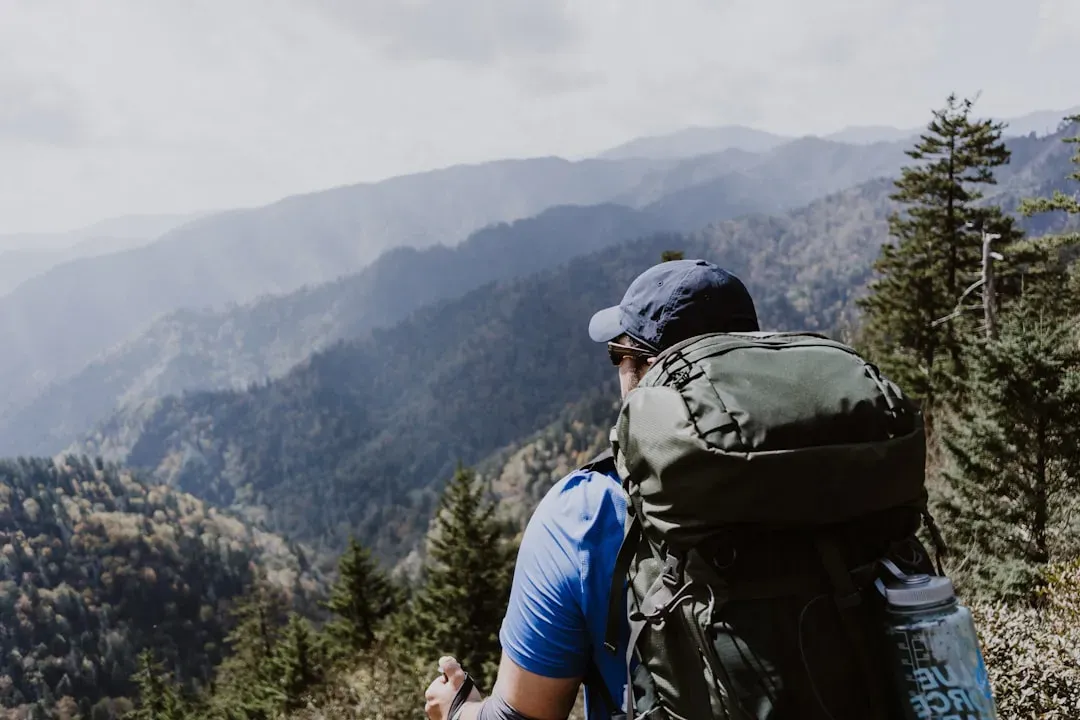
Virginia boasts more miles of the Appalachian Trail than any other state, and much of it runs along narrow ridgelines with steep drop‑offs into heavily forested hollows. In one case from the past two decades, a solo hiker left a car at a Blue Ridge trailhead, signed a register indicating his planned direction of travel, and was later confirmed by other hikers as having been on the ridge that day. He never made his planned rendezvous at the next road crossing, and when he failed to return to his vehicle, authorities launched a missing‑person investigation focused on a relatively well‑defined section of trail.
What frustrates both investigators and the hiking community is that the search area, at least on paper, was comparatively constrained: there were clear starting and intended end points. Helicopters flew slow patterns along the ridge and into adjacent drainages, while ground teams used GPS tracks to ensure full coverage of likely descent routes and unofficial side trails. Even with this level of effort, no gear, clothing, or remains turned up. Those familiar with the region point out that a single misstep near a cliff band, followed by a fall into thick mountain laurel or rhododendron, can hide a body shockingly well, even from experienced searchers. Others raise the possibility of a voluntary disappearance facilitated by the proximity of several road crossings. In the absence of firm evidence either way, his fate remains an open question.
5. The Shenandoah National Park Hiker Who Simply Did Not Come Back
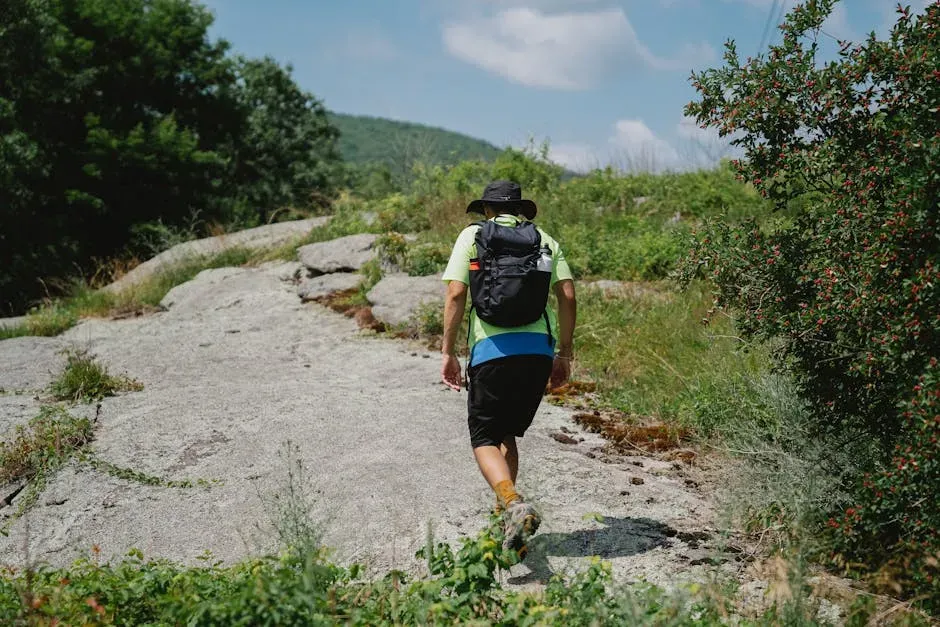
Shenandoah National Park, where the Appalachian Trail closely parallels Skyline Drive, might seem like one of the safer parts of the whole route. Road overlooks, lodges, campgrounds, and frequent day‑hiker traffic make it feel almost suburban compared to more remote stretches in Maine or New Hampshire. Yet park rangers have dealt with multiple missing‑person cases over the years in which a hiker left for what looked like a routine day outing from a parking area and never returned. In one widely discussed case from the early 2020s, a woman was last seen near an access point that feeds directly into the Appalachian Trail. When she did not come back and her car remained at the lot, a major search effort lit up the ridges.
Ground teams scoured both sides of the crest, while law enforcement followed up on potential sightings and tried to reconstruct her recent movements and headspace. Hikers along the trail described being stopped by rangers who asked if they had seen anyone matching specific details. As days passed with no solid leads, the formal search was scaled down, but rangers and volunteers kept informally checking side hollows, fire roads, and old homestead clearings that can draw the curious off path. Despite the park’s narrow footprint and relatively high visitor density, no remains or personal items conclusively tied to her have surfaced. For many in the trail community, this case is a sobering reminder that proximity to a paved road does not guarantee either safety or eventual discovery.
6. The North Carolina Teen Who Stepped Into the Trees and Was Gone
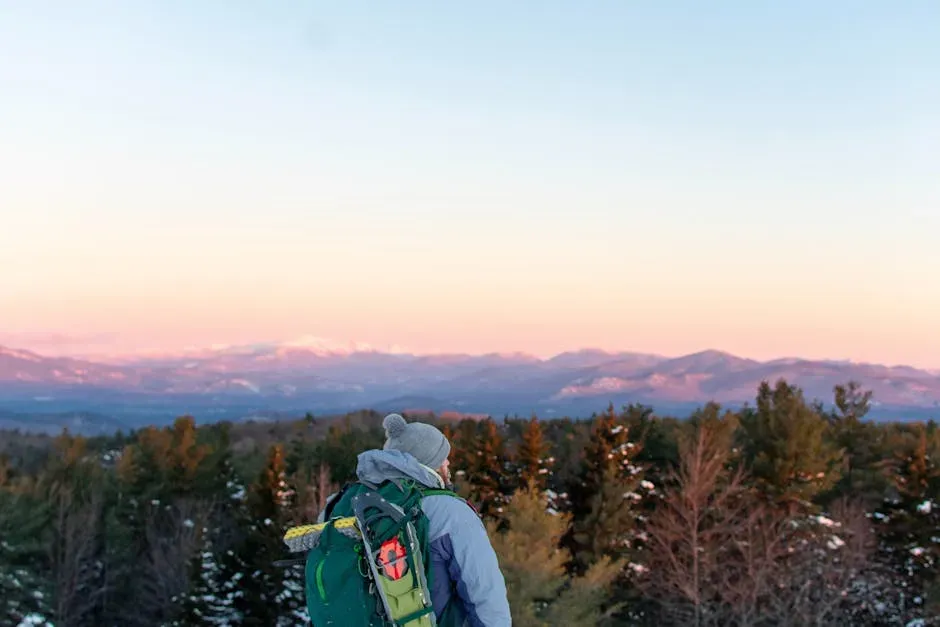
The Southern Appalachians have long been a magnet for school and youth group trips, and several unsolved disappearances in the broader mountain corridor involve teenagers walking in large groups. On at least one such trip in the Carolinas, a high‑school‑aged hiker fell behind or moved ahead of classmates near a junction where a side path intersects the main ridge route. Witnesses later gave slightly different accounts of whether they last saw the teen stepping off the path to investigate something in the trees or simply continuing along the trail, but by the time adults realized the student was missing, precious daylight had been lost.
Search operations quickly spread out along both the Appalachian Trail itself and nearby side paths into coves and creek valleys. Trained trackers attempted to pick up shoe impressions, and dogs were deployed around likely break‑off points. In rugged, heavily vegetated terrain, however, footprints and scent trails degrade fast, and a few hours can be the difference between a straightforward rescue and a mystery. No backpack, clothing, or electronic device definitively associated with the teen has ever been recovered. Speculation has ranged from an accidental fall into remote terrain that was never searched at the right angle, to an abduction facilitated by a nearby road, but with no physical evidence, investigators have been left with a list of painful hypotheticals instead of answers.
7. The Maine Section Hiker Who Vanished Between Shelters

Maine, the northern terminus of the Appalachian Trail, is famous among hikers for its roots, mud, and long gaps between road crossings. The forest there can feel endless, and in poor visibility a white blaze can be surprisingly easy to miss. In one lingering unsolved case in the western Maine mountains, an adult hiker was last reliably seen or documented at a shelter along the trail and planned to reach either another shelter or a road crossing by day’s end. When the hiker failed to turn up or contact anyone, search teams focused on what seemed like a straight‑forward corridor bounded by rugged but defined ridgelines.
Rescuers used everything from aircraft to grid‑based ground teams, checking not just the official footpath but side ridges, game trails, and old logging roads that could lure someone away from the blazes. Those who have participated in such searches in Maine describe boggy lowlands and dense spruce stands where visibility shrinks to only a few yards, even in daylight. Over time, attention inevitably shifted to other emergencies, but occasional volunteer sweeps and hunting‑season discoveries have also failed to produce any confirmed trace of the missing hiker. In a state where other lost hikers have ultimately been found, sometimes years later, this complete absence of evidence is particularly unsettling.
8. The New Hampshire Ridge Runner Who Never Returned From a Storm
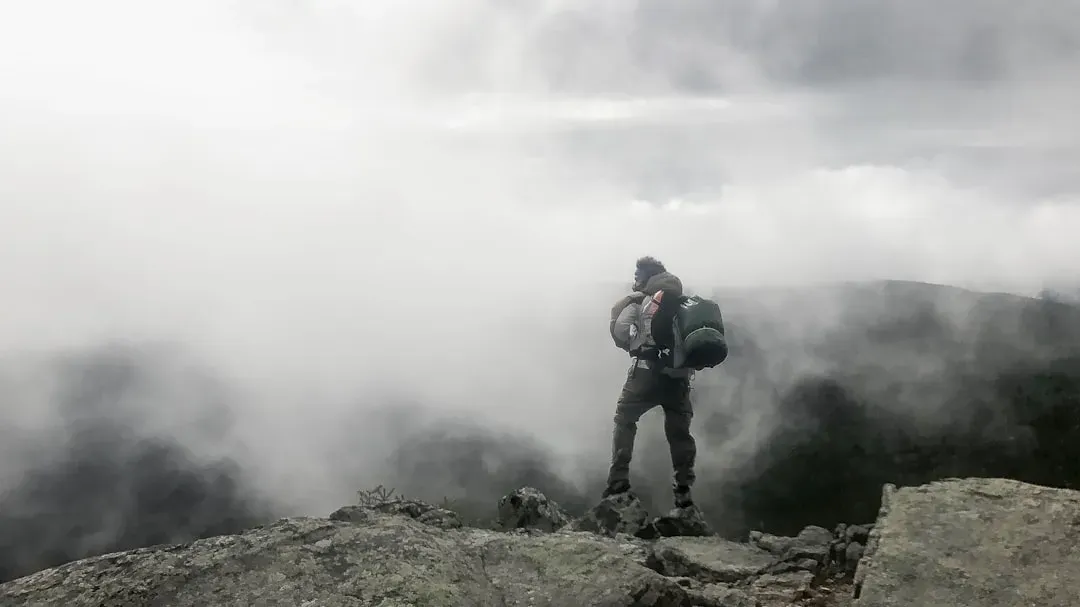
New Hampshire’s White Mountains hold a reputational grip on hikers for a reason: fast‑moving storms, long stretches above treeline, and ridges where turning back can be harder than pushing forward. The Appalachian Trail traverses this high country, and several fatal incidents there have been documented in detail. At least one widely discussed disappearance in the broader White Mountains–AT corridor involves a fit, experienced hiker last seen heading along a ridgeline just ahead of deteriorating weather. When the hiker did not show up at a hut or road crossing as planned, rescuers quickly realized that wind, visibility, and exposure had shifted the situation from a routine delay into a life‑threatening emergency.
Search teams battled wind and cold to cover both the official route and likely bailout options into surrounding valleys, but the combination of rocky talus, krummholz, and deep, brush‑choked gullies made it easy to miss someone even at close range. Over the following days and weeks, ground searches fanned out into lower‑elevation forest, assuming that if the hiker had survived the initial night, they might have tried to descend toward perceived safety. No such luck: no tent site, no discarded gear, no remains conclusively identified. In a region where other missing hikers have eventually been located, this particular case has become something of a phantom in local rescue circles, a reminder that even best‑practice search protocols cannot guarantee closure in unforgiving terrain.
9. The Vermont Backpacker Lost in a Maze of Side Trails
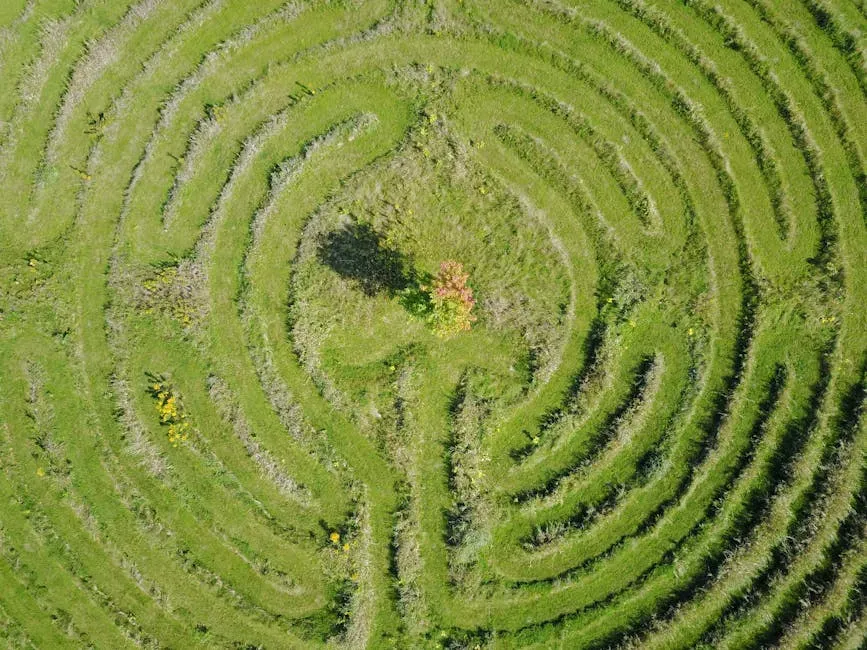
In northern New England, the Appalachian Trail overlaps and intersects with other long‑distance paths, local loops, and old forest roads, creating a complex web of blazes and tread. In Vermont, where the Long Trail and the AT share miles before diverging, there have been cases where hikers became confused at junctions and followed the wrong markings. One unsolved disappearance connected to this region involves an adult backpacker reported missing after failing to appear at a planned meeting point along the shared corridor. They had been seen previously at a shelter and were believed to be making ordinary daily mileage toward a rendezvous with family or friends.
Search efforts in this scenario are complicated by the sheer number of potential wrong turns. Teams checked junctions where the AT and Long Trail split, old logging roads that look inviting but fade into nothing, and lightly used side paths that might appeal to someone seeking a view or a quieter campsite. Over the course of days, aircraft and drones were added to the mix, scanning for bright colors or disturbed canopy. Despite all this, no clear sign of the missing backpacker surfaced, and their gear has never been definitively identified. Some trail veterans suggest that in regions with intersecting long‑distance routes, it is possible for a person to drift far from their expected trajectory before anyone realizes, drastically enlarging the search area and lowering the odds of a successful recovery.
10. The Solo Hiker Whose Gear Was Found But Not Their Body
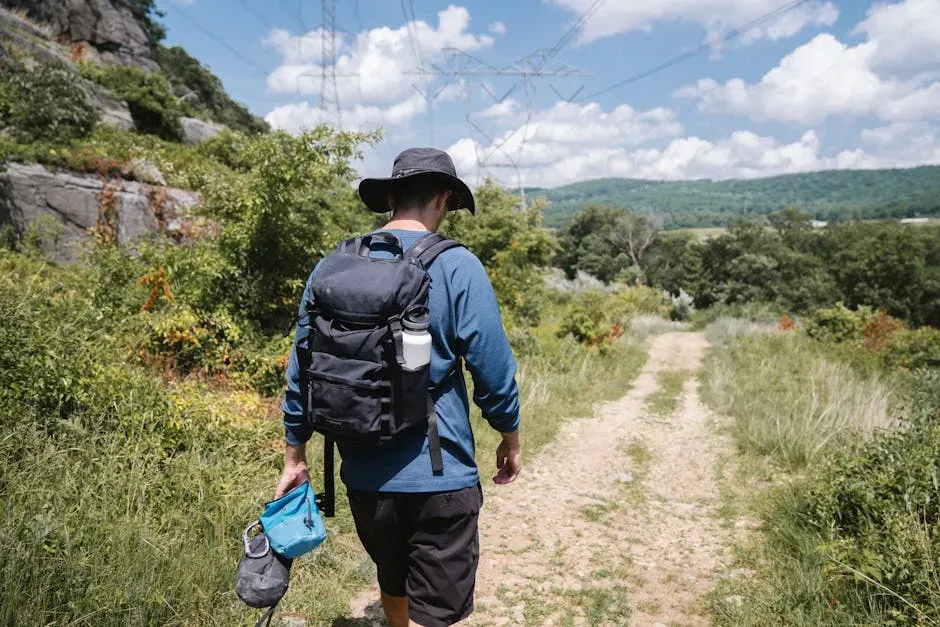
Every so often, a case emerges in the Appalachian Trail corridor where rescuers do find something – a tent, a campsite, scattered gear – but never locate the person who set it up. One such unsolved disappearance in the eastern mountains involved a solo backpacker whose campsite was eventually discovered off the main route, apparently intact but clearly abandoned. The tent, sleeping bag, and cooking gear suggested someone who had been out for more than a casual overnight, but there was no obvious sign of struggle, no note, and no clear indication of which direction they might have gone when they walked away from their own little nylon home.
Search teams worked outward from that point in ever‑widening circles, following drainages, ridges, and likely game trails. They checked cliffs, waterfalls, and river crossings in case a slip or misjudged ford had led to a fall. As time passed with no contact from the missing hiker and no discovery of remains, theories multiplied. Some lean toward a medical crisis, such as hypothermia‑induced confusion, that could have pushed the person to wander unpredictably away from both camp and trail. Others suggest foul play that left little visible trace at the original campsite. Without a body or definitive forensic evidence, investigators can neither confirm nor rule out any of these ideas, leaving family and friends with the worst of all outcomes: a story that starts in detail and ends in a blank page.
11. The Appalachian Trail Adjacent Drifter Who Stepped Out of the System
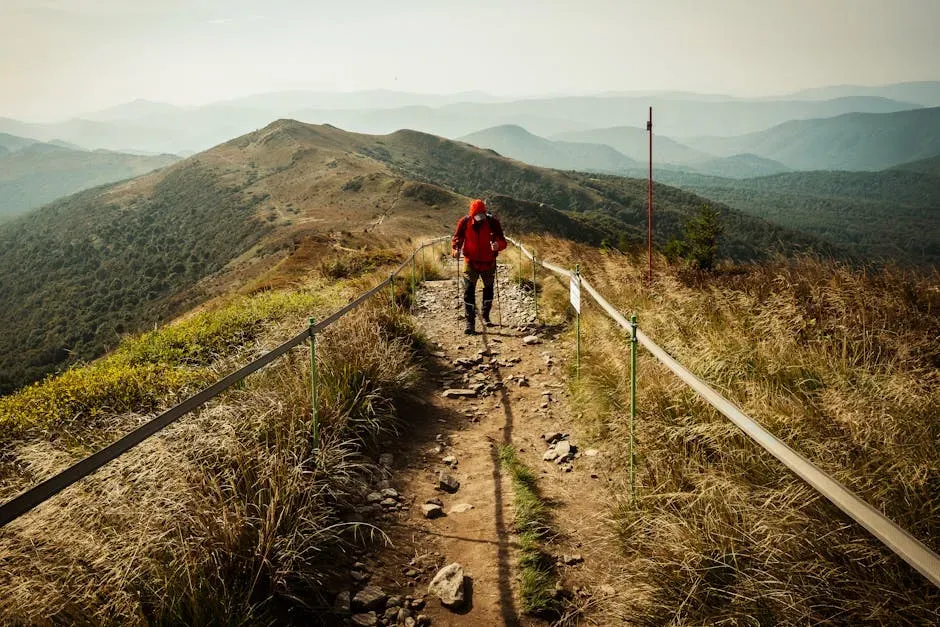
Not everyone who disappears around the Appalachian Trail does so as a traditional backpacker. The corridor has long attracted drifters, seasonal workers, and people experimenting with living outside conventional society. In one such case from the last couple of decades, a middle‑aged man known to frequent shelters, hostels, and trail towns along a particular stretch of the AT gradually became a familiar, if unofficial, part of the landscape. He was not a conventional thru‑hiker and often moved short distances between road crossings. When he suddenly stopped appearing at his usual spots, people who knew him casually realized they had no home address, no family contact, and in some cases not even a confirmed legal name to pass on to authorities.
Law enforcement and rangers tried to reconstruct his movements from sporadic witness accounts: a ride from a gas station here, a night at a low‑cost motel there, and some time at a well‑known hiker hostel. The lack of formal records meant that even establishing when, exactly, he had last been seen with certainty was difficult. No remains matching his description have been recovered along or near the trail, and there were no clear signs of a crime scene in the areas he frequented. Some hikers believe he simply chose to vanish further off grid, perhaps using cash or informal work to move to another part of the country. Others suspect an accident or exposure event deep in the surrounding forest. With no confirmed identity and no body, this case is a reminder of how easy it can be, in a transient subculture, to step off the radar entirely.
12. The Mystery Hiker Known Only by a Trail Name
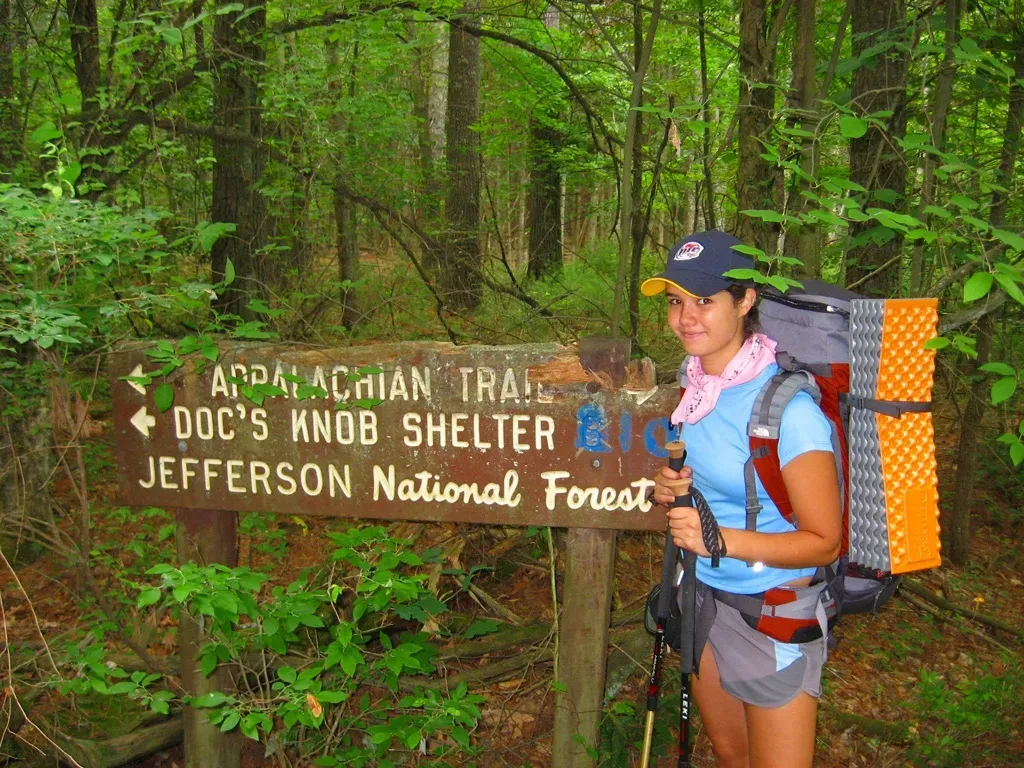
The tradition of trail names on the Appalachian Trail adds a layer of romance and anonymity: you might hike for weeks with “Sunrise” or “Moose” and never learn the name on their driver’s license. In at least one unresolved case, a hiker known only by a nickname traveled for a season along parts of the eastern long‑distance trail network, intersecting the AT in several states. After being seen at multiple shelters and road crossings, this person seemed to vanish between one season and the next. Unlike a typical missing‑person case, there was no family to file a report, no clear home state, and no easy way for authorities to even know they should be looking for someone.
Years later, other hikers still trade half‑remembered stories about that nickname, trying to align timelines and locations. Did they settle in one of the small mountain towns, shaving the beard and blending into local life? Did they push deeper into a different long trail and meet with a fatal accident where their remains have not yet been noticed? Without a formal missing‑person record, there are no official search grids or evidence logs – just a gap in the social memory of the trail community. As romantic as it can sound to abandon your legal identity and live by a single word on a shelter log, this story hints at the downside: if something goes wrong in the backcountry, it is much harder for anyone to notice that you are gone, much less find you.
Conclusion: The Myths, the Numbers, and the Uneasy Truth
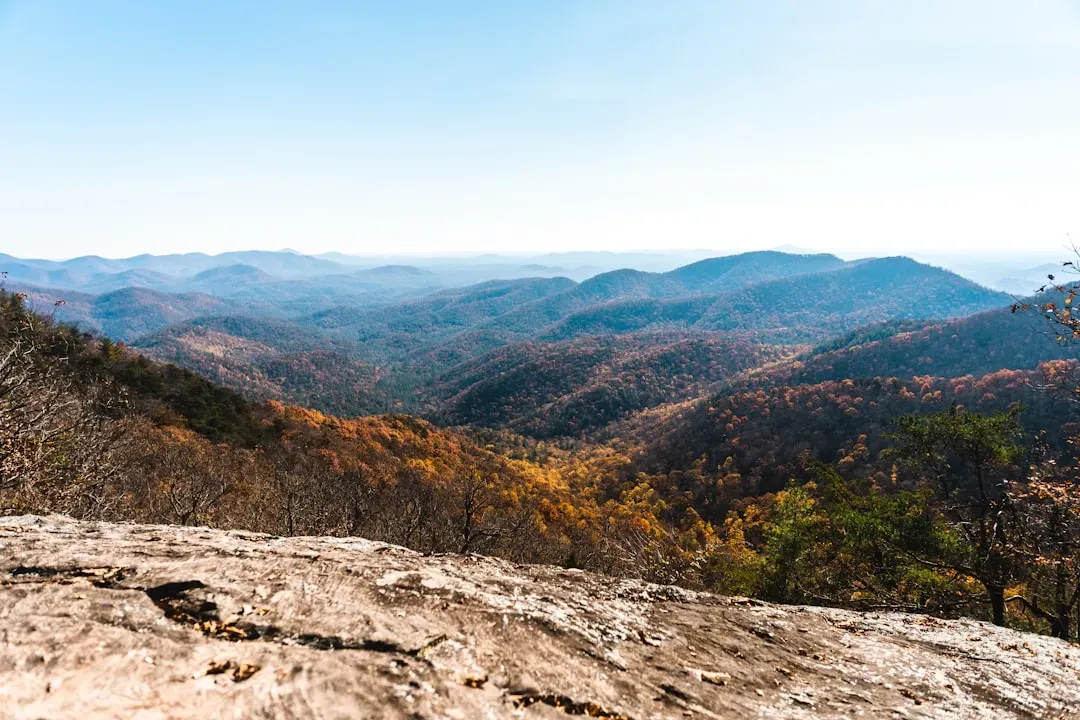
I still remember the first time I walked a lonely stretch of ridge and realized how easy it would be to step five yards off trail and disappear from everyone else’s story. The Appalachian Trail is, statistically, remarkably safe given how many hundreds of thousands of people use it; the vast majority of missing‑hiker calls end with someone sheepishly reunited with their car or their shuttle driver within a day. But safety in aggregate is cold comfort to the families whose loved ones never came home, and whose only connection to the trail now is a box of worn maps and an unanswered what‑if. These unresolved cases sit in that hard place between horror‑movie myth and mundane reality: no evidence of serial killers in the rhododendron, but also no tidy explanations that would let everyone sleep easier.
If there is one opinion I have come to hold strongly, it is this: we should talk about these disappearances without turning them into campfire ghost stories or using them to sensationalize a landscape that already carries enough emotional weight. They are reminders to take navigation, weather, mental health, and communication plans seriously, but they are also reminders that even with all of that, wilderness does not always give up its secrets. The trail offers freedom, beauty, and transformation, but it also demands a kind of humility that our technology‑soaked lives rarely teach us. When you step onto that ribbon of dirt, you are not only walking across states; you are walking across the thin line between certainty and mystery. How do you feel about that line now, knowing that for at least a few hikers, it never led back home?