

If you live anywhere near the Great Lakes, you get used to thinking of them as gigantic, slightly moody neighbors. They freeze, they roar, they swallow entire ships and then, every so often, they spit something back out that makes everyone uncomfortable. For all the romantic sunset photos and tourist brochures, these lakes have a dark habit of returning things that raise more questions than anyone seems willing to answer.
Over the past decades, divers, fishermen, beachcombers, and shoreline clean-up crews have stumbled onto finds that feel more like scenes from a crime thriller than from a family vacation spot. Some are linked to real investigations, some seem to vanish into bureaucratic silence, and others just get shrugged off with thin explanations that do not really add up. The result is a strange mix of cold, hard evidence and a whole lot of uneasy mystery. Let’s get into 15 of the most disturbing types of items pulled from the Great Lakes that, to this day, authorities either cannot or will not fully explain.
1. Human Remains in Advanced Stages of Decomposition

The Great Lakes are notorious for occasionally returning human bodies, but some of the most disturbing discoveries are partial remains so deteriorated or waterlogged that investigators struggle to even establish who the person was. In several cases, skeletal remains or badly decomposed torsos have washed ashore or become tangled in fishing nets, with no immediate match in missing persons databases. The cold, fresh water can preserve some tissues while destroying others, creating a forensic nightmare where typical timelines and indicators just do not behave the way textbooks say they should.
What unsettles people most is how often these cases seem to fade quietly from the news cycle. A headline appears about “unidentified remains found,” maybe a brief police statement follows, and then the story goes silent while locals keep swapping rumors in bars and bait shops. Were these victims of accidents, suicides, organized crime, or long-buried domestic tragedies? The official line is usually cautious and noncommittal, but the sheer number of unsolved identifications across all five lakes leaves a heavy sense that many stories and possible crimes are still lying just offshore, quite literally in pieces.
2. Suitcases and Barrels With Sinister Contents

There is something uniquely chilling about a suitcase or barrel pulled from deep water. It is not driftwood or natural debris; it is a container, which usually means someone put something in it on purpose. Around the Great Lakes, there have been recurring reports, stretching back decades, of divers and boaters finding submerged luggage, sealed drums, or weighted containers that, when opened, reveal items that suggest deliberate concealment – sometimes clothing and personal effects, sometimes biological material, sometimes objects so damaged by water that it is impossible to tell what they once were. In a few rare cases, such finds have been tied to confirmed homicides, but in many others, the public never learns what was inside.
Part of the secrecy comes down to ongoing investigations, but there is also a consistent pattern of vague language from authorities when these discoveries surface. Phrases like “no threat to the public” or “no foul play suspected” appear in brief news blurbs, even when the circumstances scream otherwise to anyone paying attention. The Great Lakes border major cities, vast rural stretches, and heavily industrial zones, so the possibilities for what someone might want to hide are enormous. When a suitcase or a barrel comes up from the depths with something unsettling inside and then disappears into an evidence room, it is hard not to imagine the worst.
3. Weapons Caches Corroded by Freshwater
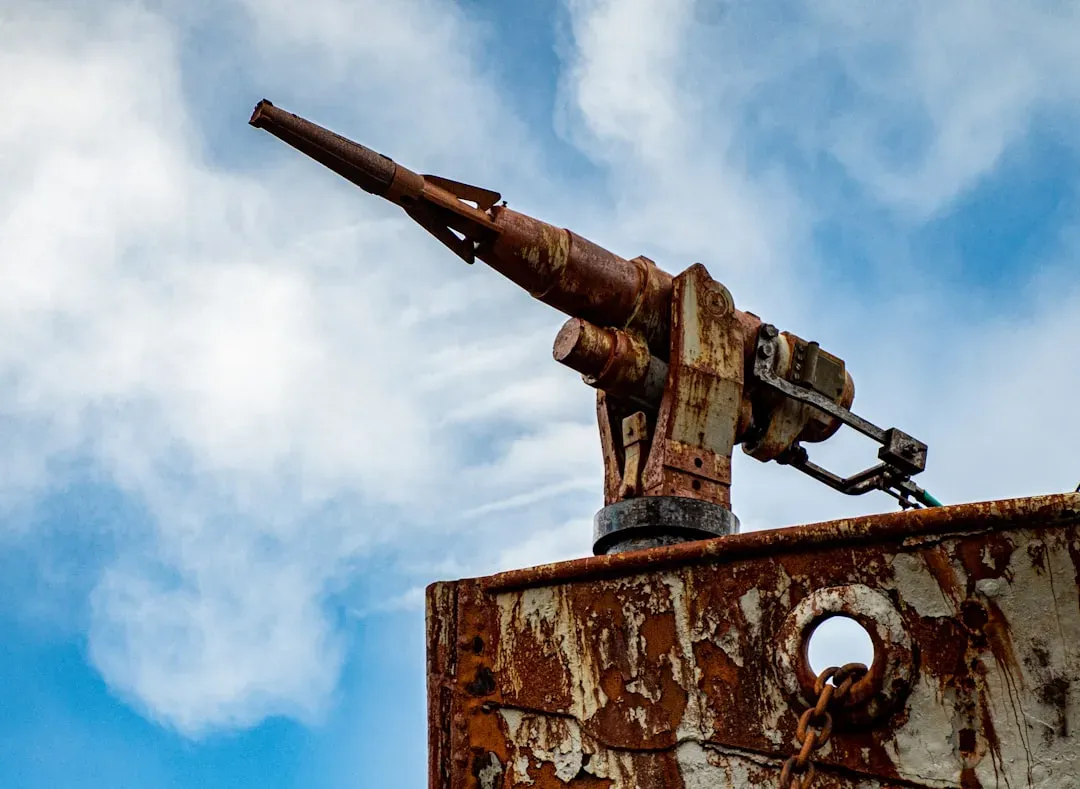
Rusted guns, corroded rifles, and even the occasional box of ammunition have been recovered from various parts of the Great Lakes. Some turn out to be old hunting weapons or discarded firearms from decades ago, but others appear in clusters that look uncomfortably like intentional dumps. The freshwater environment tends to preserve metal differently than saltwater, so even older guns can sometimes still be identified by make and model, raising questions about where they came from and what they might have been used for before they were pitched overboard.
Authorities will sometimes acknowledge that a recovered weapon is being tested against ballistic databases to see if it matches any open cases, but the follow-up rarely reaches the public. In a region that has seen everything from Prohibition-era smuggling to modern organized crime and gun trafficking, a pile of handguns buried in silt is not exactly reassuring. The idea that violent crimes – possibly never solved – are literally anchored to the lakebed, slowly turning orange with rust, adds a very real and very physical weight to the Great Lakes’ reputation for hidden history.
4. Unregistered Boats and Mystery Hulls
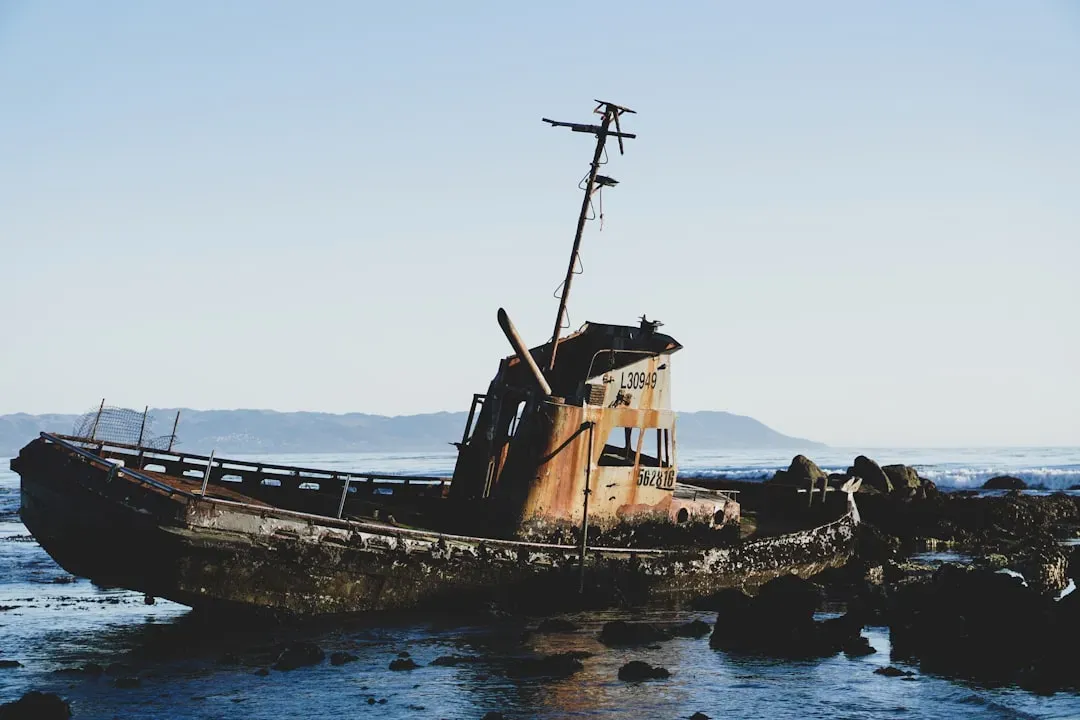
It is one thing to find a long-lost shipwreck whose story is well documented in maritime records. It is another thing entirely to find a small boat, cabin cruiser, or skeletal hull sitting on the bottom with no clear owner, no registration, and no obvious reason for being there. Divers across the Great Lakes, especially in wreck-rich zones like Lake Michigan and Lake Huron, have reported stumbling onto boats that do not appear in any database of documented wrecks. Some of these craft show signs of fire, obvious impact damage, or hasty attempts to remove identifying marks.
In theory, every significant vessel is supposed to leave a paper trail: sales records, registration numbers, insurance claims. Yet, in practice, plenty of boats change hands informally or get stripped for parts, and some appear to vanish into the water without anyone officially noticing or reporting it. When these unregistered boats are discovered, the public explanation is usually shallow if it appears at all. Were they used for smuggling, for clandestine crossings, or for something more personal and violent? The silence around these mystery hulls makes them feel like ghost vehicles, drifting between innocent neglect and darker possibilities.
5. Industrial Barrels and Chemical Drums
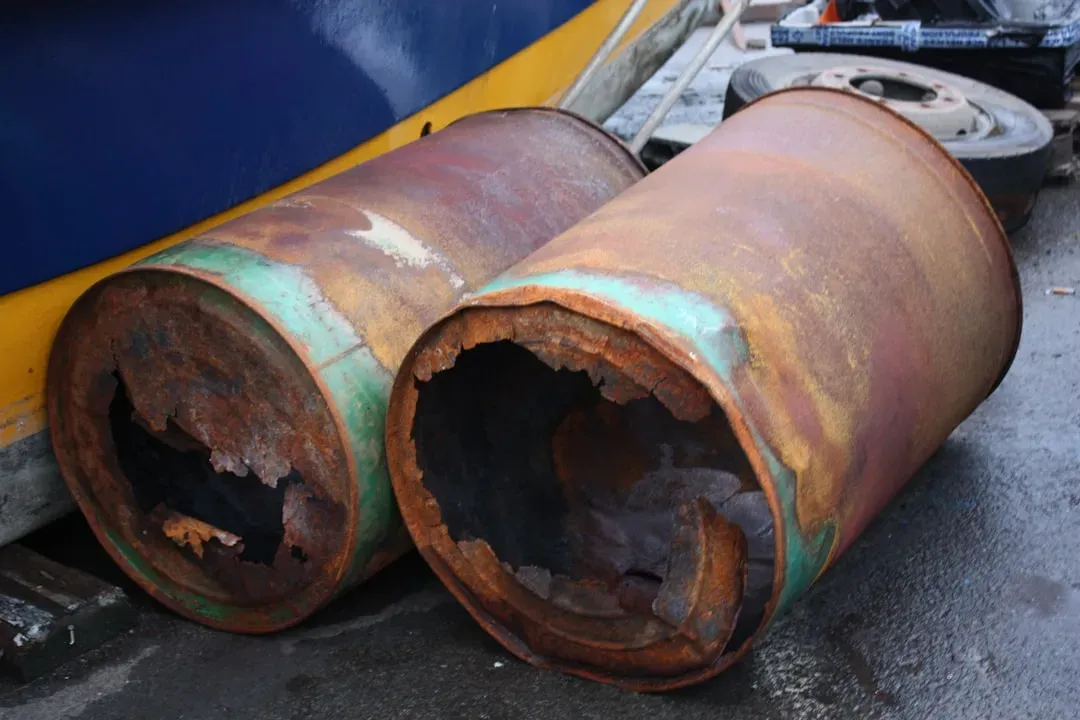
The Great Lakes have a long and ugly history of industrial pollution, and that history still surfaces literally in the form of old metal drums and chemical containers. Divers, fishermen, and shoreline crews have repeatedly reported drums with faded hazard labels, peeling paint, or no markings at all sitting on the lakebed or washed onto remote shores. Many of these are believed to be remnants from an era when dumping was treated as a cheap waste solution rather than the environmental crime it is seen as today. When such drums are recovered, authorities typically test them – but the full results rarely make for public reading.
The disturbing part is not just what might still be inside those containers, but what has already leaked out unnoticed over the decades. In lakes that supply drinking water for tens of millions of people, even small unknown contamination sources justify serious concern. Yet official statements often lean toward reassurance, focusing on how current levels are within regulatory limits rather than detailing what was actually found. That leaves residents wondering how many more barrels are still down there, quietly rusting open, and what kind of chemical time bombs they might represent.
6. Military Debris and Unexplained Training Artifacts
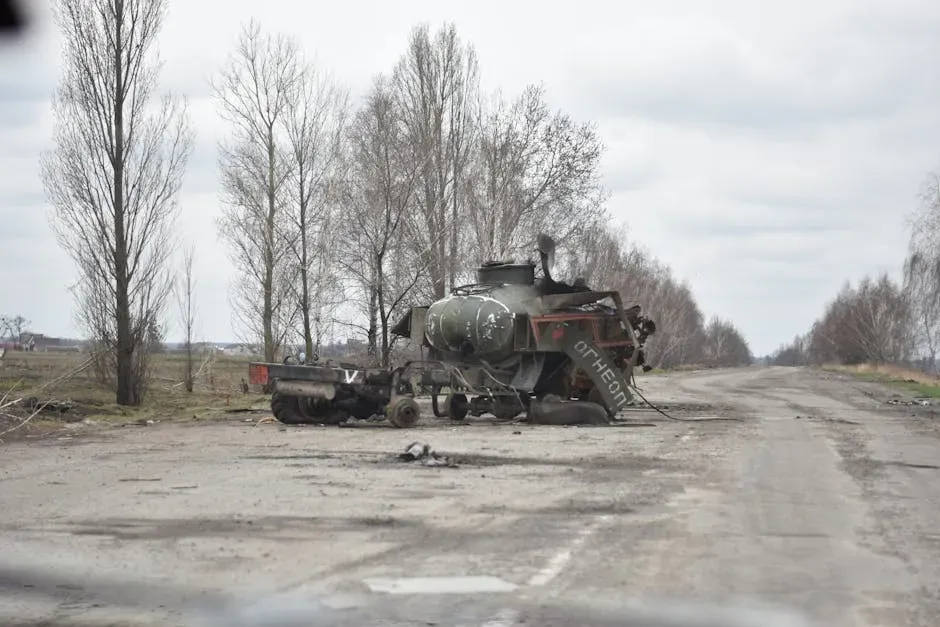
Because of past military activity and training exercises, especially during the Cold War and earlier, the Great Lakes are scattered with military-related debris. This can include practice bombs, shell casings, aircraft fragments, and other gear dumped or lost during training. Some of these items are officially acknowledged; others show up through accidental discovery, like a sonar anomaly that turns out to be a strangely shaped metal object with markings that are hard to read after years underwater. Every so often, locals hear about one of these discoveries, only to watch military or federal agencies quietly take over and say almost nothing afterward.
It is important to be realistic: not every odd military relic signals a cover-up. A lot of it is mundane training junk and obsolete hardware. Still, when sealed canisters, unusual devices, or unidentifiable equipment are pulled up and then swiftly removed without much explanation, it feeds into a pattern of partial transparency. Were these just inert practice items, or do they hint at past experiments and exercises that were never widely disclosed? In heavily militarized periods of history, the Great Lakes seemed to double as both a training field and a dumping ground, and not all of that history has been fully unpacked.
7. Entire Vehicles Submerged Without a Trace on Land

Cars and trucks pulled from the Great Lakes tend to make the news, often with dramatic photos of cranes hauling dripping vehicles out of the water. In some cases, the stories are straightforward: a drunk-driving accident from years ago, a stolen vehicle dumped by thieves, or a tragic misjudgment on an icy road. But there are also vehicles that emerge with much murkier backstories. Some have license plates that do not match any active registration or that trace back to owners who were never officially reported missing. Others are so old, stripped, or damaged that there is almost no easy way to reconstruct how they got there.
The unsettling thing about these submerged vehicles is how they hint at missing chapters in the region’s history. A car at the bottom of Lake Ontario or Lake Erie might represent nothing more than criminal convenience, but it might also mark the scene of a crime that never made it into any official file because no one realized something had happened. When authorities offer minimal detail beyond confirming the presence of a vehicle, curious locals are left to fill in the gaps themselves, imagining unsolved disappearances, insurance fraud, or disputes that ended with a splash and decades of silence.
8. Sealed Containers of Unknown Origin

Beyond the obvious industrial drums, there are smaller sealed containers – metal boxes, plastic canisters, heavy-duty cases – pulled from the Great Lakes that raise different questions. These are the kinds of items recovered by hobby divers, treasure hunters, or occasionally fishermen, who then sometimes report their finds to authorities when the contents look concerning. Some containers hold nothing more than tools, documents, or personal belongings; others may contain items that suggest attempts to hide evidence, from damaged electronics to bundles of unidentifiable material. A sealed case recovered from deep water almost always implies intention.
When these finds intersect with active law enforcement, details usually vanish behind investigative walls. That is understandable, but it also creates a lingering sense of mystery. People hear stories about containers being whisked away for “further examination,” but no one ever hears what the examination showed. In a region where the lakes touch multiple jurisdictions and even international boundaries, there is an added layer of complication that makes it easier for stories to get lost in the shuffle. What remains visible from the outside is just the pattern: sealed things, pulled from the dark, quickly moved into a different kind of darkness.
9. Strange Animal Remains and Deformed Wildlife
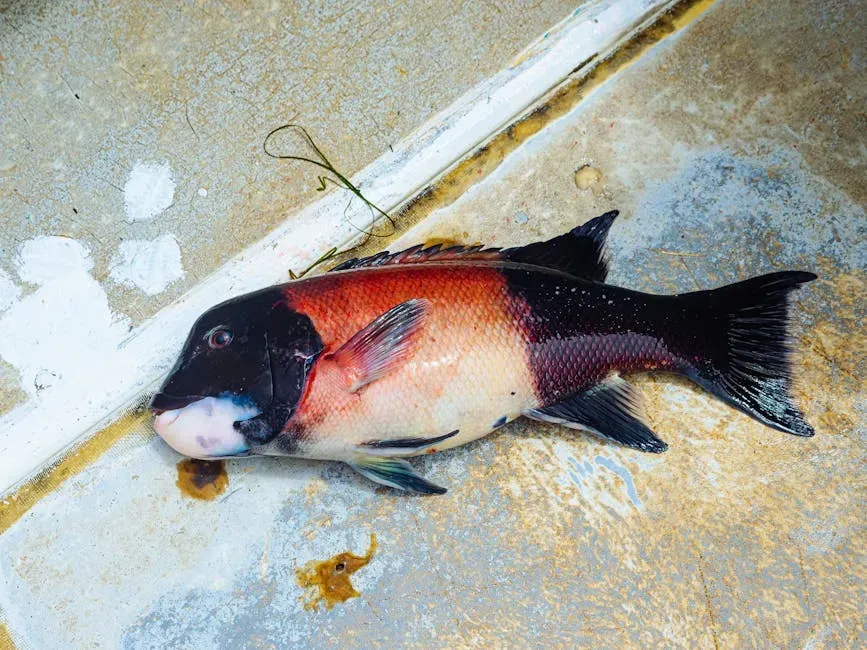
The Great Lakes have long been a case study in how pollution, invasive species, and climate shifts can reshape an ecosystem. One disturbing side effect has been the discovery of animal remains and deformed wildlife that defy easy explanation. Fishermen and researchers have reported fish with tumors, odd lesions, or skeletal deformities, as well as dead birds and mammals washed ashore with visible abnormalities. Some of this has been directly linked to known contaminants or nutrient imbalances, but not every case fits neatly into a documented cause-and-effect pattern.
When photos of strange fish or odd carcasses hit social media, official responses tend to focus on general environmental pressures rather than specifics. That is partially because ecosystems are genuinely complex, but it also leaves room for speculation. Are these isolated anomalies, or signs of broader toxic burdens that are hard to measure and easy to downplay? The emotional punch of seeing a visibly damaged creature, pulled from waters people swim in and drink from, is hard to shake. It reminds everyone that whatever humanity dumps into the Great Lakes does not simply disappear; it shows up again in the bodies of living things.
10. Historic Artifacts in Places That Make No Sense

In a region as old and heavily traveled as the Great Lakes, it is expected to find scattered artifacts: abandoned tools, old anchors, fragments of early industrial equipment. But every now and then, divers and shoreline combers turn up historic items in locations that do not line up with known trade routes, settlements, or recorded wrecks. Odd collections of old bottles, tools, or structural fragments can appear on remote lake bottoms, far from any documented human activity of that era, hinting at forgotten encampments, unrecorded accidents, or lost communities.
Archaeologists are often cautious about making bold claims, and rightly so. Yet there is something uncanny about an old object with clear signs of human shaping sitting alone in the silt, like a puzzle piece from a lost puzzle. Some finds eventually get tied into broader research about Indigenous trade routes, early colonial exploration, or nineteenth-century industry. Others just linger in reports and diver forums as head-scratchers. The lack of official narrative does not necessarily mean there is a conspiracy, but it does highlight how much of Great Lakes history remains literally underwater and how many stories have either eroded away or were never written down at all.
11. Shipwrecks With No Clear Historical Record
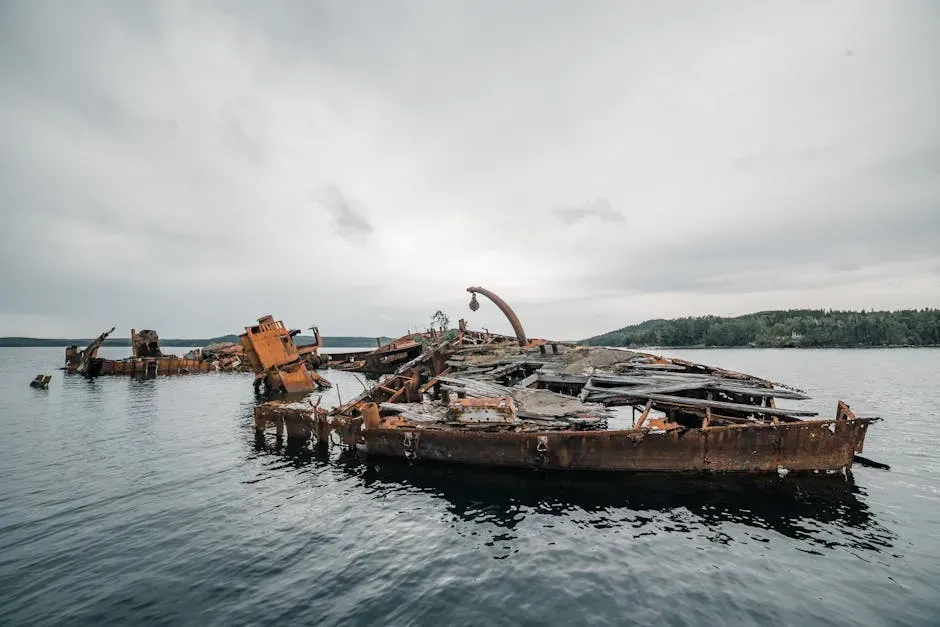
For shipwreck enthusiasts, the Great Lakes are a dream: hundreds of documented wrecks, many in cold, clear water that preserves them in eerie detail. Yet amid the well-known sites are wrecks that simply do not match anything in the historical record. These unknown or “mystery wrecks” can be small barges, wooden schooners, or even more modern vessels whose construction date, design, and location resist easy identification. When a wreck shows up that does not fit any known loss, it forces historians to admit that the written record is incomplete.
Authorities and researchers sometimes publicly acknowledge these mystery wrecks, but explanations often stop at speculation about undocumented accidents or vessels that were never registered properly. The disturbing aspect is less about ghosts and more about omission: if entire boats and their crews could vanish without a lasting record, what does that say about the fragility of official memory? In a region that has seen intense shipping, migration, and trade, each unidentified wreck could signify lives lost without names, stories that ended abruptly and then slipped through the cracks of history and bureaucracy alike.
12. Unexplained Personal Belongings in Deep Water
Scattered among the wrecks and debris fields of the Great Lakes are personal belongings that do not always have an obvious link to a known incident. Divers have reported finding lone shoes, wallets, jewelry, photographs sealed in plastic, and other intimate artifacts sitting on the lakebed or lodged in rocks. Sometimes these items can be tied back to a documented sinking or accident; other times, they appear in open water with no wreck nearby, no obvious marker of how they got there. A single child’s shoe or a weathered watch in deep water hits differently than random trash on a beach.
These objects carry emotional weight because they clearly belonged to someone, yet their stories are missing. Authorities rarely comment on such finds unless they are clearly tied to a current investigation, which means most of these items remain in a gray area between evidence and haunting curiosity. As a diver, stumbling across a wallet or a ring in an unexpected location can feel less like discovering treasure and more like intruding on a private tragedy. When these items are turned over and never publicly mentioned again, the silence around them feels as heavy as the water that hid them for so long.
13. Cryptic Messages and Marked Objects
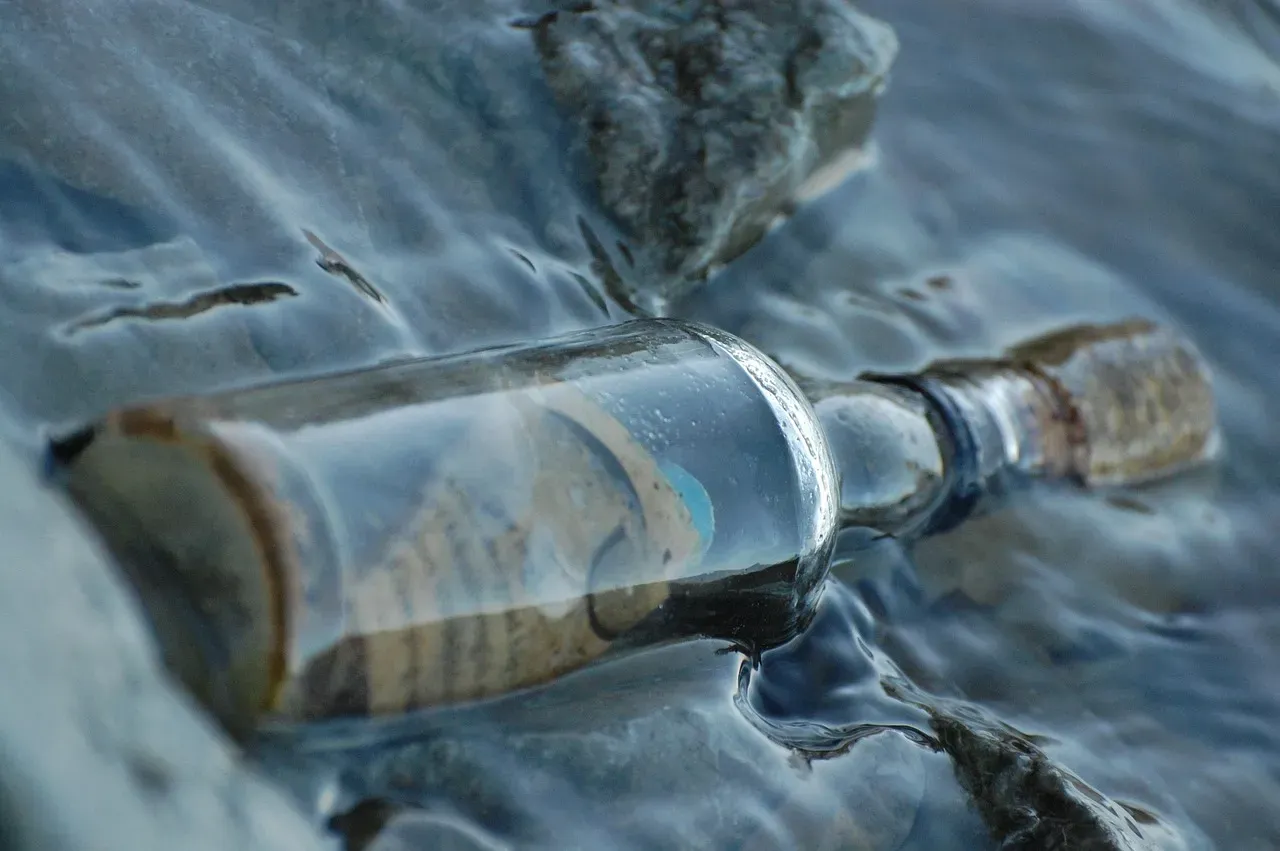
Every so often, reports surface of messages in bottles, carved driftwood, or marked buoys retrieved from the Great Lakes that contain strange or ambiguous wording. Some are harmless jokes or personal notes that simply traveled farther than expected. Others are dark, referencing despair, anger, or vague threats. There are also occasional mentions of objects marked with symbols, initials, or phrases that do not make immediate sense, discovered by kayakers, beachcombers, or cleanup crews. Most of these never become public beyond a few local social media posts or rumor threads.
Authorities understandably do not devote huge resources to decoding every odd message or symbol that washes ashore. Still, when something looks potentially tied to a crime, self-harm, or harassment, it typically gets at least a cursory review, after which the public hears very little. That lack of closure can make even the simplest carved sign feel ominous. In such a vast region, it is easy for context to be completely lost, leaving behind only a cryptic sentence or a symbol on a piece of plastic or wood. The human brain hates loose ends, and the Great Lakes – or at least their shorelines – are littered with them.
14. Anomalous Sonar Readings and “Objects” That Vanish

Modern sonar and scanning gear have made it possible to map the Great Lakes with far more detail than past generations had. Along the way, surveyors and hobbyists have detected odd shapes on the lakebed that, at first glance, look man-made: geometric formations, symmetrical “structures,” or large, regular outlines. Some of these anomalies have been investigated and reclassified as natural rock formations or debris fields. Others, though, are logged once, spark a burst of speculation, and then mysteriously do not show up again with the same clarity, either because of different equipment, shifting sediment, or simply lack of follow-up.
This has led to a strange subculture of half-documented sonar “mysteries,” from supposed circular structures to elongated shapes that people compare to crashed craft or artificial platforms. Most likely, the vast majority have perfectly ordinary explanations that just have not been worked out in detail. But when initial images leak out and then authorities or researchers go quiet, people understandably feel like they are watching a magic trick where the object disappears not just from the lakebed, but from the public record. In such a deep, cold environment, the line between solid evidence and suggestive blur is unusually thin.
15. Long-Lost Evidence From Cold Cases
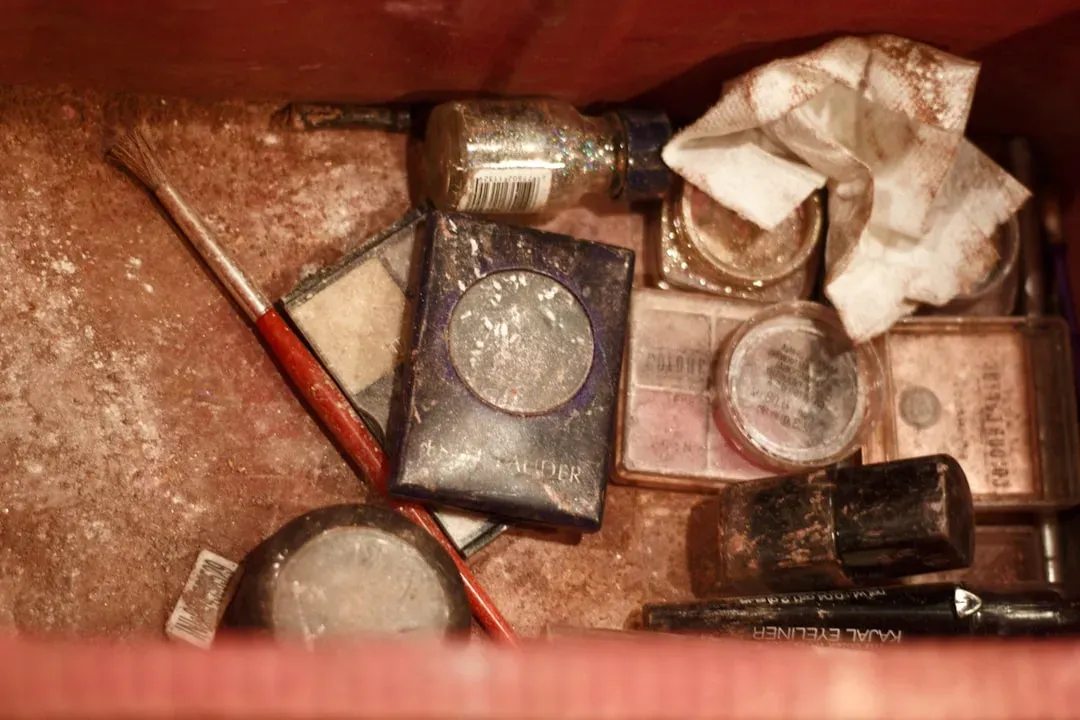
One of the most unsettling categories of Great Lakes finds involves items that appear to be tied to long-running or cold criminal cases: clothing that matches descriptions from an old missing person file, identification cards belonging to someone who vanished decades ago, or objects linked to notorious crimes along the shoreline. Occasionally, law enforcement acknowledges that a recovered item is being reviewed in connection with a specific case, but confirmation is rare. Investigators, understandably, keep their cards close, especially when a new lead might finally move a stagnant file.
From the outside, however, it means that ordinary people see fragments of possible justice being pulled from the water with no clear follow-through. The Great Lakes serve as both dumping ground and hiding place, and time helps them bury secrets under silt and algae. When storms, erosion, or chance dredging bring those secrets back up, we get only a glimpse before they vanish into evidence lockers and case files again. My personal feeling is that, in a region with this much water and this much history, we should assume that many unsolved stories are literally still underwater, and we are only scratching the surface of what might eventually be found.
Conclusion: The Great Lakes Remember More Than We Do

Standing on a calm shoreline, it is tempting to see the Great Lakes as clean slates – vast, blue, and forgiving. But once you start looking at what actually comes up from beneath the surface, that illusion falls apart quickly. Bodies, weapons, vehicles, industrial waste, unexplained artifacts, and hints of old crimes all point to the same uncomfortable truth: the lakes are less like blank mirrors and more like overstuffed attics where generations have thrown things they did not want to face. Authorities often have good reasons for holding back details, from protecting investigations to avoiding panic, but the net effect is a constant undercurrent of unease that locals can feel even if they cannot quite name it.
Personally, I think the most disturbing part is not any single item pulled from the depths, but the pattern they form together. They tell us that our histories – personal, criminal, industrial, and environmental – do not just vanish because we push them out of sight. Water hides, but it also preserves, and sooner or later the past has a habit of washing back up onto the shore. Next time you stand by one of these inland seas and watch the waves roll in, it is worth asking yourself: if the lakes could talk, how much of what they have seen would we actually want to hear?