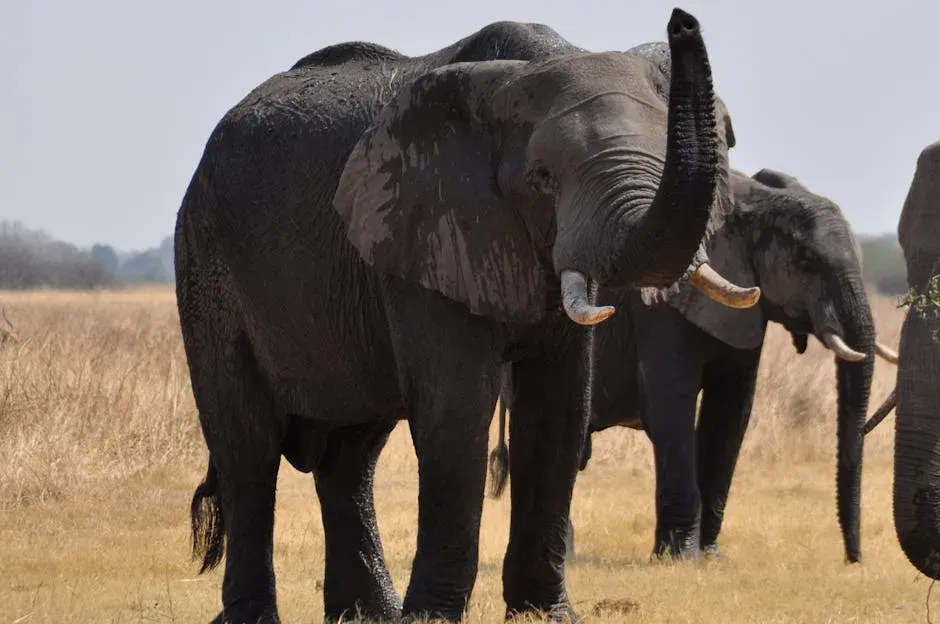
If you have ever watched elephants move silently across a savanna, it almost feels like they are sharing a secret the rest of us cannot hear. They freeze, shift, and suddenly change direction together, even when they are spread out over miles. For a long time, people assumed this was just good eyesight or some kind of mysterious intuition. In reality, the story is much stranger and far more impressive: elephants are running a long-distance communication network using sound, vibration, and an acute sensitivity that puts our phones to shame.
Elephant communication is one of those topics that pulls you in the more you learn about it. The deeper scientists look, the less “simple animal behavior” they see and the more they uncover a complex, layered system that looks almost like a blend of radio, touch, and body language. Understanding how elephants talk across vast distances is not just about appreciating a cool animal trick; it also opens a window into physics, evolution, and even how we might design better technology by copying nature. Once you realize they may be chatting below the threshold of human hearing while standing miles apart, it is hard to look at a quiet herd the same way again.
The Hidden World of Infrasound: How Elephants Speak Below Our Hearing

One of the most surprising facts about elephant communication is that much of it happens in a frequency range we simply cannot hear. Elephants produce very low-frequency vocalizations, known as infrasound, that fall below the lower limit of human hearing. These calls can have wavelengths long enough to travel over open landscapes with relatively little loss of energy. To us, the scene looks peaceful and almost silent; to elephants, it can be full of deep rumbles carrying news, warnings, and social updates.
These infrasound calls often come from what looks like a normal “rumble” in the elephant’s throat, but the acoustic power is intense and exceptionally well tuned to the environment. Low-frequency sounds bend around obstacles and are less easily blocked by trees, bushes, or uneven terrain. That means a message sent by one elephant can spread outward like a slow, rolling wave. In a way, it is like elephants are using a kind of natural subwoofer system, filling the landscape with a background conversation that we never notice unless we have special equipment to detect it.
The Physics of Long-Distance Sound: Why Elephant Rumbles Carry for Miles
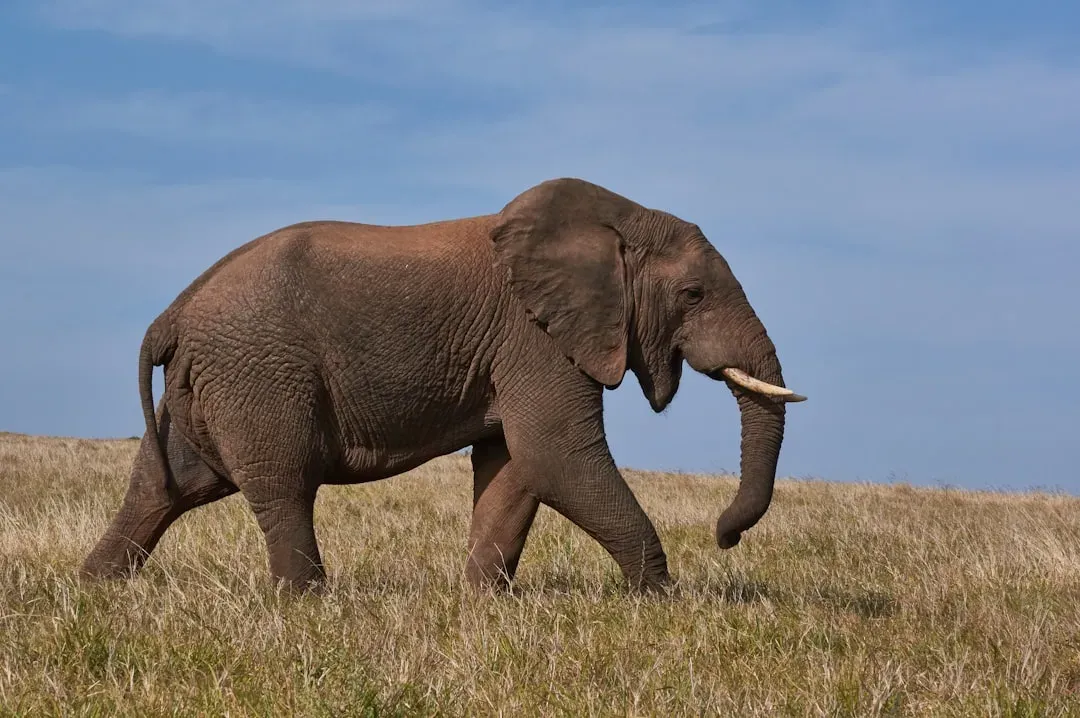
To understand how elephants communicate over vast distances, you have to think like a physicist as much as a biologist. Sound waves lose energy as they travel, but not all sounds fade equally. High-pitched sounds are easily scattered and absorbed, while very low-pitched sounds can move through air more efficiently and stay strong over larger distances. Elephants have, through evolution, landed on a frequency range that takes advantage of this property, letting their calls potentially travel for several kilometers under the right conditions.
Environmental factors also help or hinder those rumbles as they move across a landscape. Cooler nighttime air, gentle wind directions, and open savanna terrain can all extend how far an elephant’s call will travel. Some researchers talk about this almost like a weather forecast for elephant conversations: certain times of day and certain atmospheric profiles simply make long-distance sound transmission easier. Elephants, of course, are not doing calculations, but they live inside that acoustic world daily and seem to have an intuitive sense of when and how to project their voices.
Feeling the Earth Talk: Seismic Communication Through Elephant Feet
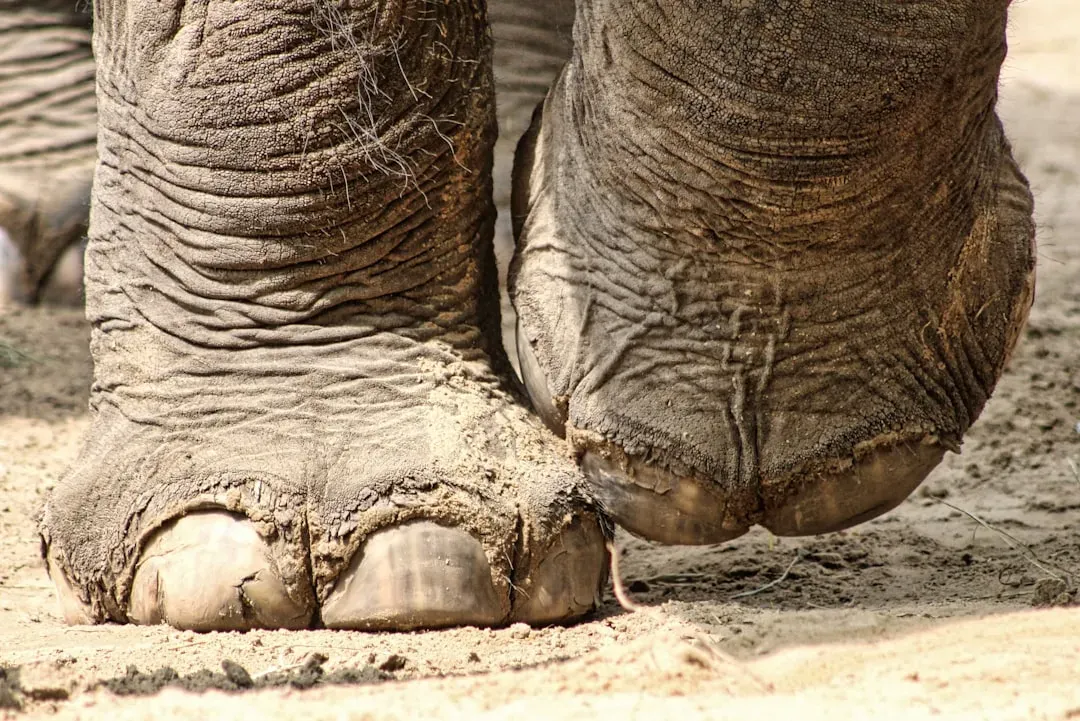
As if sending sound through the air were not enough, elephants also appear to use the ground itself as a communication channel. When they vocalize, some of the energy from their rumbles couples into the soil and travels as seismic vibrations. Other elephants can detect those vibrations through specialized structures in their feet and legs, sensing minute changes in the ground that we would never notice. It is like they have built-in vibration sensors, tuned to the rhythm of their own species.
On top of that, elephants do not only rely on rumbles to create ground signals. They sometimes stomp, shift their weight, or slap their feet in ways that also send distinct pulses through the earth. Herds can respond to these signals even when visual contact is impossible because of distance or vegetation. If you imagine the savanna as a giant drum, elephants are both the drummers and the listeners, using the soil as a shared surface through which messages can travel quietly but effectively.
Elephant Ears, Bones, and Brains: The Anatomy Behind Super Sensing

For this communication system to work, elephants need serious sensory hardware, and they have evolved exactly that. Their ears are large not just for cooling but also to help with sound detection and directionality, including lower frequencies than humans can pick up. Inside their skulls, the bones of the middle ear and the structure of the inner ear are adapted to be especially responsive to low-frequency vibrations. This means they can detect rumbles at levels that we would consider background noise or complete silence.
The story does not stop at the ears; the rest of the body is involved too. Thick, padded feet might seem like a barrier to sensation, but elephants actually have sensitive tissues and possible vibration-sensitive cells in their feet and legs that can feed information into the nervous system. Their brains, among the largest of any land mammal, devote significant processing power to sound and vibration. In a sense, the elephant body is like a multi-input sensor array, feeding detailed acoustic and seismic data into a brain built to notice patterns and respond appropriately.
What Are Elephants Saying? Social Bonds, Warnings, and Coordination

Once you know elephants can send messages over long distances, the next natural question is what exactly they are talking about. Field studies suggest that these low-frequency calls carry a range of social and practical information, from contact calls that keep loosely spread groups connected to more urgent alarm calls that flag danger. Mothers and calves use specific rumble patterns that help keep them in touch, even when thick vegetation or long distances get in the way of line-of-sight contact. In a scattered herd, this is not a luxury; it is survival-level coordination.
Elephants are also highly social animals with complex relationships, and their long-distance communication seems to support that social fabric. Individuals recognize one another’s calls and can respond differently depending on who is calling and in what context. There is evidence that some rumbles are associated with mating, some with group movement decisions, and some with specific threats like humans or predators. It is not a stretch to say elephants run an ongoing, multi-layered group chat over the landscape, using sound and vibration to weave individuals into a coherent, responsive community.
Distance Limits and Real-World Challenges: How Far Can a Message Really Go?
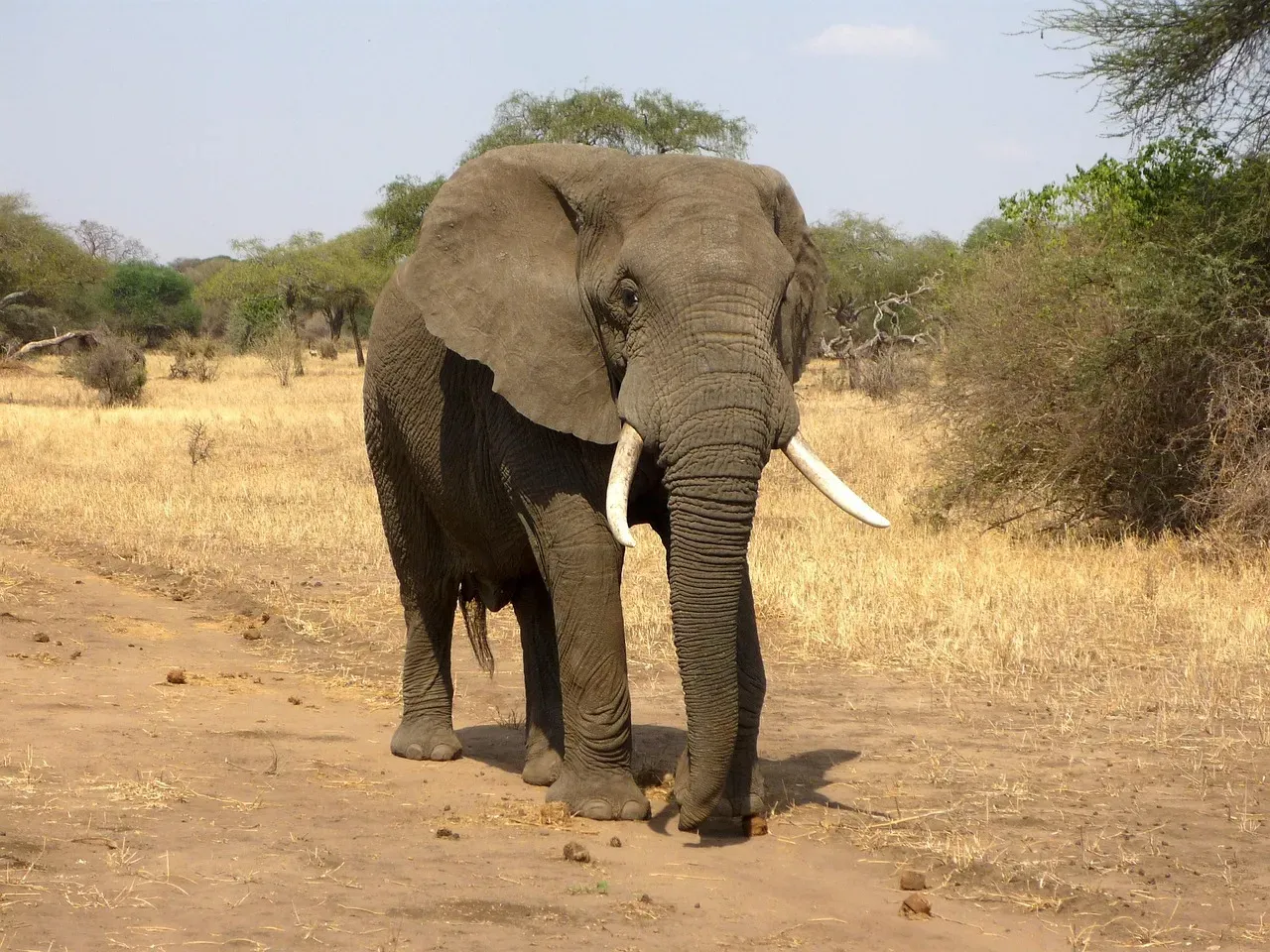
People love to repeat the idea that elephants can talk to each other across truly massive distances, but the reality is more nuanced. Under ideal conditions, infrasound might travel several kilometers and still be detectable, but in real landscapes, things like wind, uneven terrain, trees, and human noise all cut into that effective range. What looks like effortless long-distance coordination might actually be a chain of overlapping communication, where one group hears another and relays information, rather than a single elephant broadcasting to everyone for miles.
There is also the question of what is theoretically possible versus what elephants regularly use in day-to-day life. While it is tempting to imagine huge communication networks stretching across entire regions, the evidence suggests a more modest but still impressive picture. Elephants likely keep up with nearby family units and respond to relevant signals that travel within a practical range, rather than constantly exchanging messages with every distant herd. To me, that makes their abilities feel even more grounded and real: it is not magic, it is a finely tuned, evolution-shaped system performing exactly the job it needs to do.
Human Noise and Habitat Change: Interference in the Elephant Network
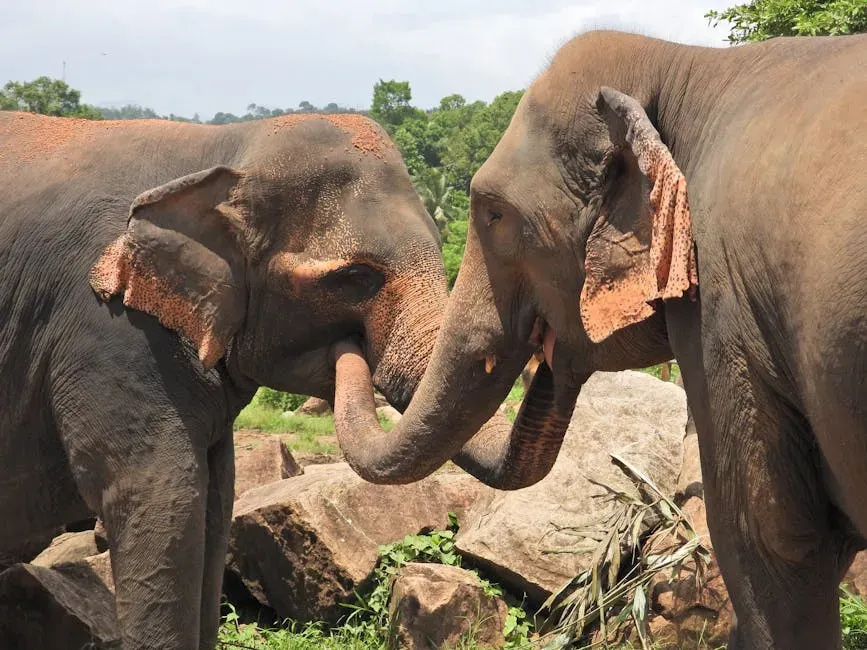
One of the most worrying parts of the story is that human activity is increasingly cluttering the acoustic and seismic world elephants rely on. Heavy vehicle traffic, industrial machinery, and expanding settlements all pump low-frequency noise into the environment. Because elephants use similar low-frequency bands for their calls, this added noise can act like static on a radio channel, masking important signals. In some areas, elephants may find their “long-distance lines” effectively jammed by the background grumble of human development.
Habitat fragmentation also cuts into both the physical and acoustic pathways that used to be open. Fences, roads, and patchy landscapes make it harder for herds to keep in contact and move toward each other in response to distant calls. In my view, we underestimate how disruptive this is because we still treat animal communication as a kind of side detail, rather than a central part of their survival strategy. If we care about saving elephants, we cannot just protect their bodies; we have to protect the invisible, low-frequency space they use to stay connected.
What Elephants Can Teach Us About Technology and Connection
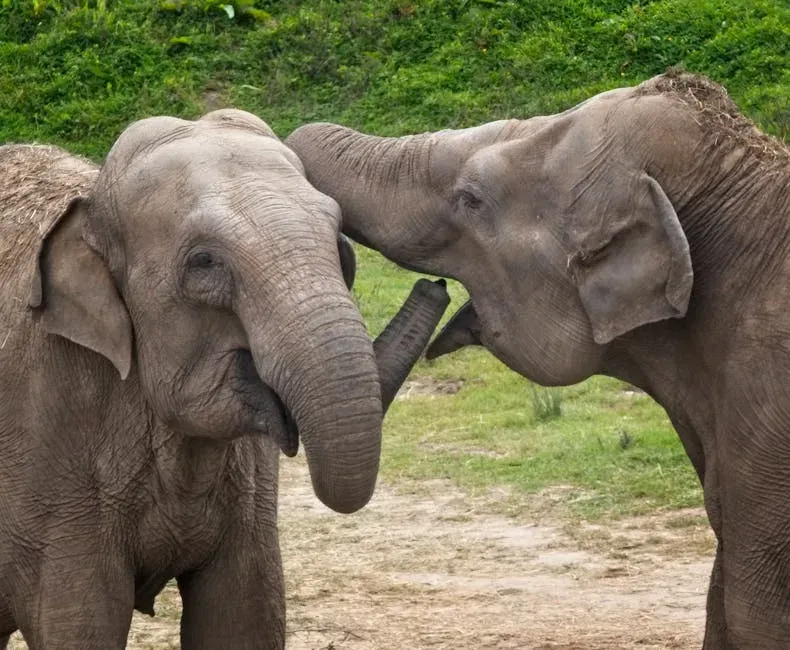
It is hard not to see the parallels between elephant communication and our own technology. We brag about long-range wireless signals and clever sensor networks, yet elephants have been running a hybrid system of airborne sound and ground-borne vibration for far longer than our species has even existed. Engineers interested in better low-frequency sensing, disaster detection, or communication in cluttered environments often look to natural systems for inspiration. Elephants offer a living example of a robust, redundant network running on physics, not batteries.
At a more philosophical level, is a quiet reminder that connection does not always look like we expect. While we stare at screens and measure signal strength on our phones, elephants stand in near-silence, feeling the faintest tremors in the ground and listening for rumbles carried on the breeze. They show that deep connection can be both powerful and almost invisible. In an age obsessed with constant digital noise, there is something strangely moving about a species that coordinates over miles with sounds most of us will never truly hear.
Conclusion: Why Elephant Conversations Should Change How We See the Wild
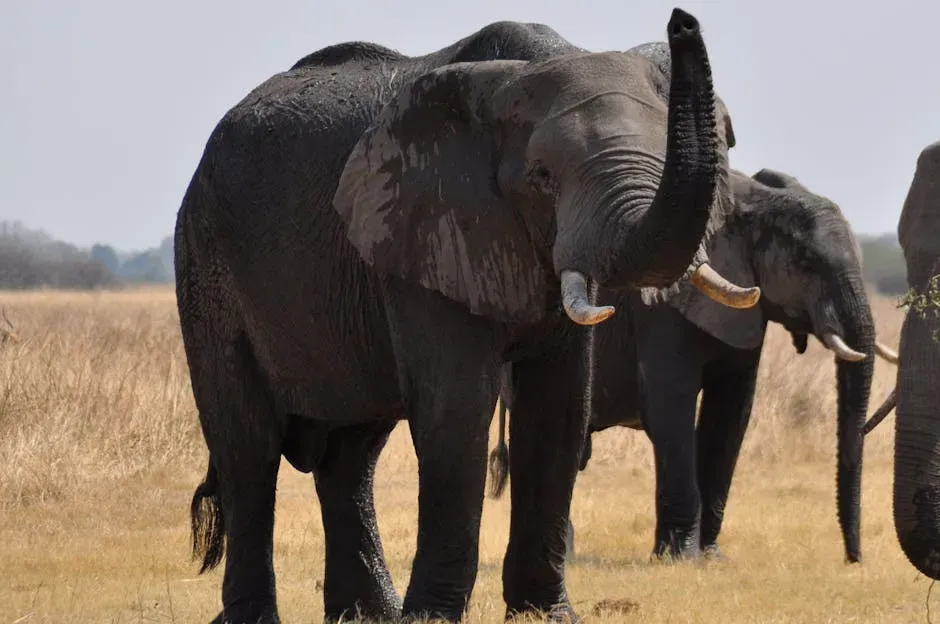
When you put the pieces together, is not a quirky side fact; it is a central part of how these animals think, move, and survive. Airborne infrasound, seismic signals through the ground, specialized anatomy, and rich social meaning all combine into a system that feels almost unsettlingly sophisticated. In my opinion, once you really absorb how much is being said in frequencies we ignore, it becomes impossible to see elephants as simple “charismatic megafauna” and nothing more. They are running a complex, low-frequency conversation across landscapes that we are steadily filling with noise and barriers.
I also think there is a bit of humility we owe them. While we argue about the latest communication apps and wireless standards, elephants quietly demonstrate that evolution has already solved many of the same basic problems in ways we are only starting to understand. Protecting elephants should mean protecting their ability to speak and listen across distance, not just protecting their bodies from immediate harm. Maybe the real question is not whether elephants can talk over miles, but whether we are willing to listen closely enough to keep those conversations alive. Did you expect their “quiet” world to be this full of sound?