Picture a raptor the size of a small car, with claws like meat hooks and a tail built like a living balancing pole. It sounds like something out of a sci‑fi movie, but fossils tell us that creatures very close to this nightmare actually prowled the Cretaceous world. When people hear the word “raptor,” they think of the sleek, deadly hunters from films, but the reality is stranger, bigger, and, in some ways, far more impressive.
The search for has turned into a kind of scientific detective story that stretches across continents, from Patagonia to Mongolia. New fossils keep forcing paleontologists to redraw size charts, reclassify species, and sometimes admit that what they thought was a “giant raptor” was actually something else entirely. The result is a story full of debate, surprises, and a few jaw‑dropping contenders for the title of largest raptor that ever lived.
What Do Scientists Actually Mean By “Raptor”?
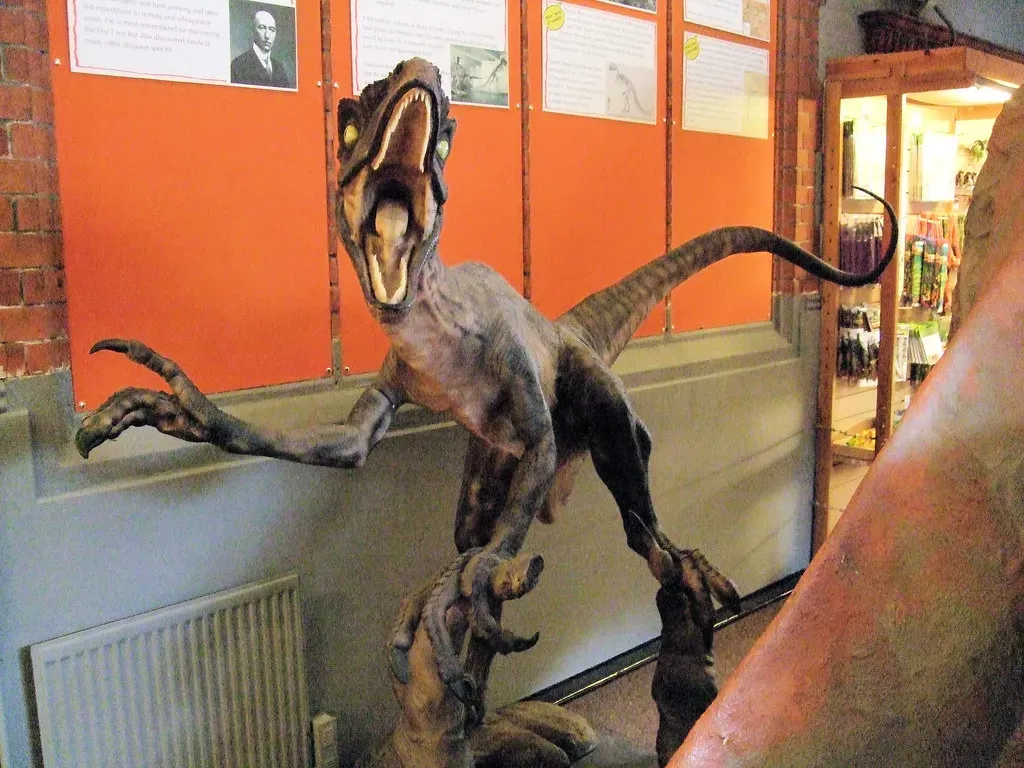
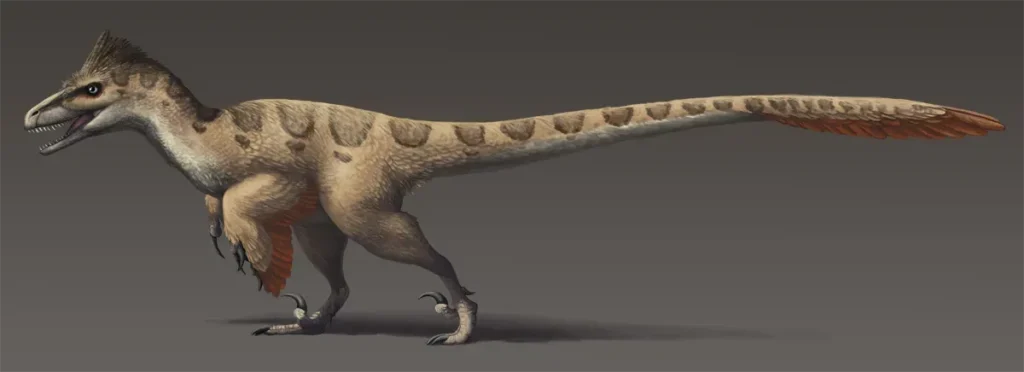
This is where the first big twist comes in: the term “raptor” means different things depending on who you ask. In movies and everyday conversation, people usually mean any fast, clawed, two‑legged predator that sort of looks like the famous Velociraptor. In science, though, that group is more precisely called dromaeosaurids, a family of feathered predatory dinosaurs known for a stiff tail and an enlarged sickle‑shaped claw on the second toe. These animals are close relatives of modern birds, and many were small and agile rather than gigantic monsters.
On the other hand, some massive predators have been nicknamed or marketed as “raptors” even when they do not belong to this dromaeosaurid group. A good example is Utahraptor, which actually does fall squarely within the dromaeosaurids, and another is the much larger Deinocheirus, which is not a true raptor at all despite having enormous arms and claws. Sorting out who counts as a genuine raptor is crucial, because if we blur the lines too much, the “largest raptor” race turns into a free‑for‑all where almost any scary predator with claws gets thrown into the mix. For this article, we’re talking about true raptor dinosaurs in the dromaeosaurid sense, not just any big carnivore with a mean set of hands.
Utahraptor: The Giant That Redefined Raptor Size
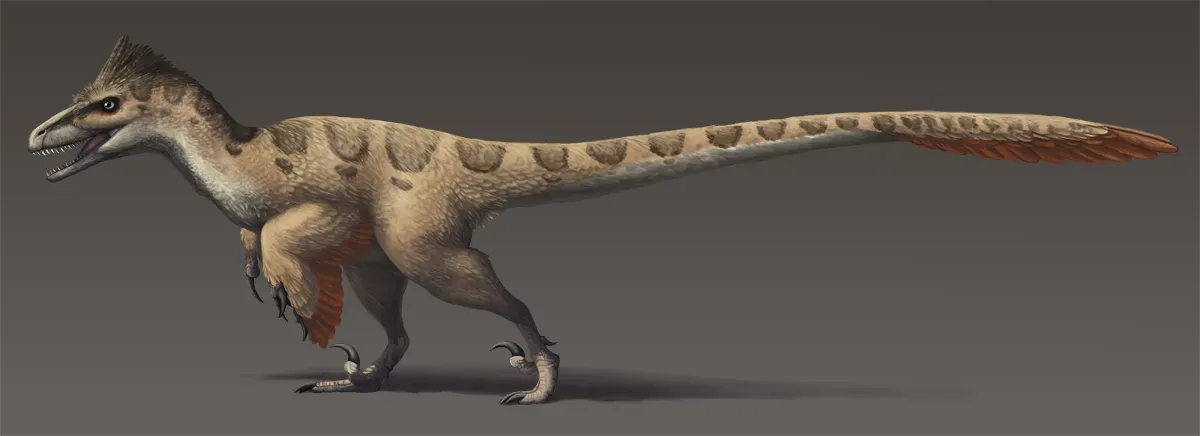
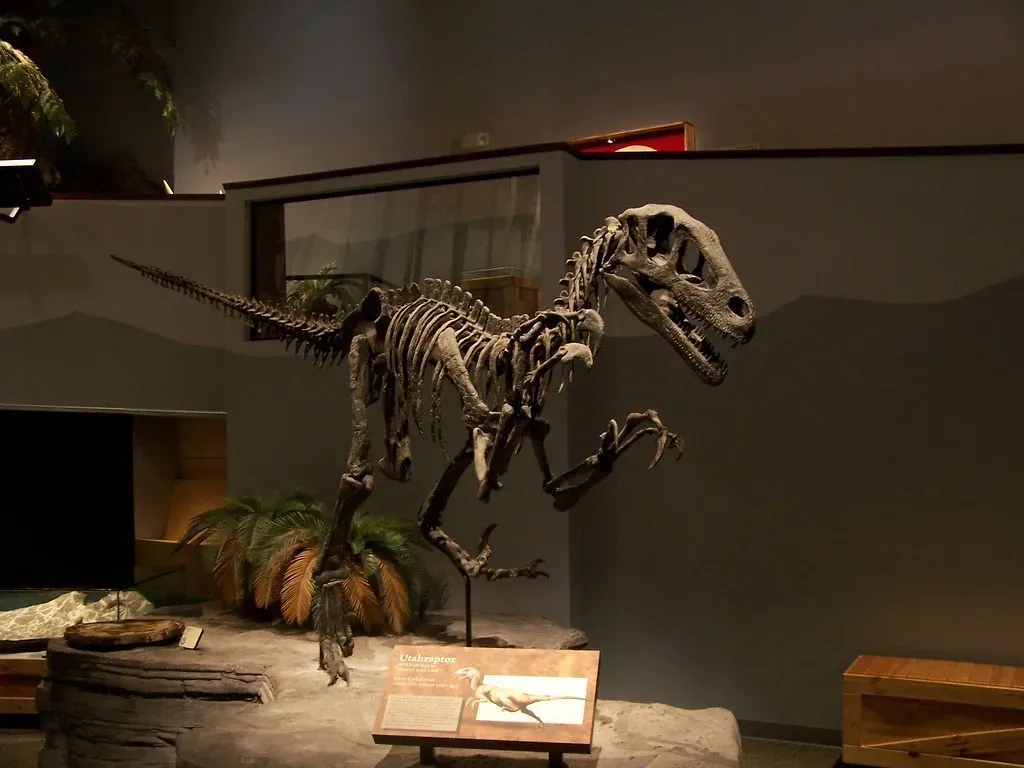
When Utahraptor ostrommaysorum was first described in the 1990s from fossils found in the Cedar Mountain Formation of Utah, it instantly blew up the old mental image of raptors as strictly small, turkey‑sized hunters. Estimates suggest Utahraptor could reach around six to seven meters in length, which is closer to a family car than to a hawk. Its famous killing claw on the second toe may have been over twenty centimeters long, making it more like a serious climbing axe than a simple talon. That alone makes it a top contender for the largest well‑understood dromaeosaurid ever found.
What makes Utahraptor especially interesting is not just its raw size but its build. It was stockier and more heavily muscled than the smaller, more lightly built raptors like Velociraptor or Deinonychus, which suggests it might have targeted larger prey or used a different hunting strategy. Recent finds of multiple individuals preserved together, possibly trapped in quicksand‑like sediments, have even led some researchers to wonder whether it showed some kind of pack behavior, although that idea is still debated. Either way, Utahraptor takes the Hollywood concept of a “giant raptor” and turns it into something real, scientifically respectable, and arguably even more intimidating than its fictional counterparts.
Achillobator and the Mongolian Heavyweights
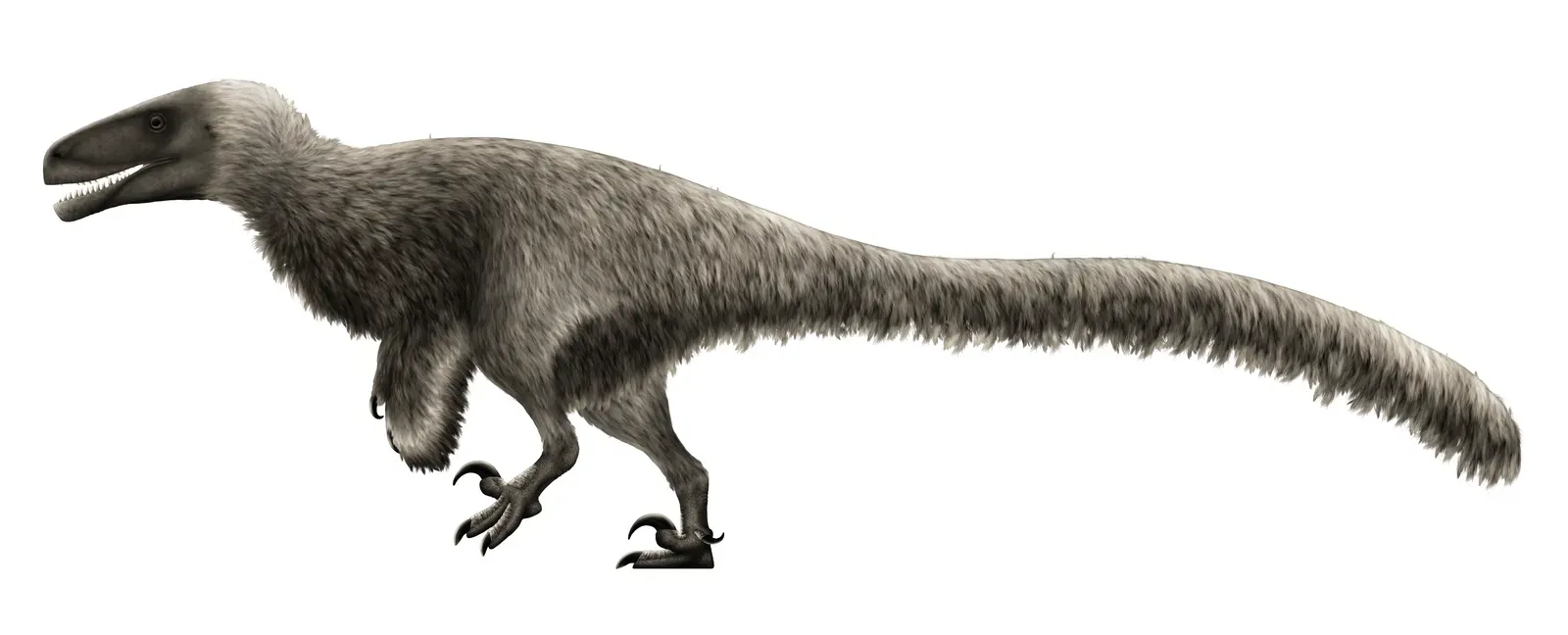
Utahraptor isn’t the only giant in the game. In the Late Cretaceous rocks of Mongolia, paleontologists uncovered another huge raptor, Achillobator giganticus, whose very name announces its size. Like Utahraptor, Achillobator appears to have been a large, powerfully built dromaeosaurid, with some estimates putting it in a similar overall size range. Its fossil remains are not as complete as those of some smaller raptors, which means its exact proportions are less certain, but the bones we do have point to a seriously robust animal, not a delicate runner.
Achillobator complicates the picture of “the” largest raptor because it shows that giant raptors were not limited to a single region or environment. The Mongolian deserts that produced Achillobator were also home to other impressive predators, so this animal was not stalking a quiet, empty landscape. Some scientists think that Achillobator’s heavy frame hints at ambush tactics or wrestling matches with large prey, a bit like a reptilian big cat rather than a pure speed hunter. Even if Utahraptor and Achillobator were roughly similar in scale, the existence of both tells us that giant raptors evolved more than once and in different corners of the ancient world.
The Murky Case of Dakotaraptor and Other Controversial Giants
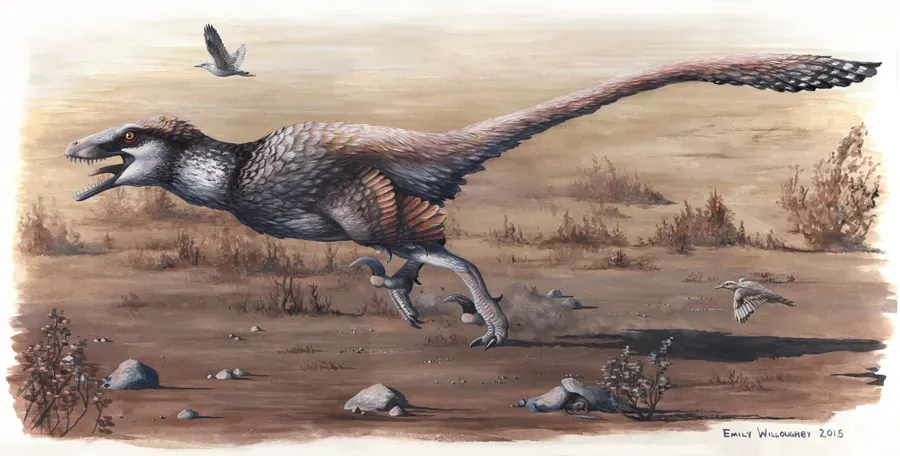
No story about the largest prehistoric raptor would be complete without the messy, controversial entries, and Dakotaraptor steini is at the center of that drama. When first announced from the Hell Creek Formation in North America, Dakotaraptor was hailed as a very large, late‑surviving dromaeosaurid, potentially living alongside famous dinosaurs like Tyrannosaurus and Triceratops. Size estimates suggested an animal over five meters long, suddenly giving the end‑Cretaceous ecosystems a big, feathered raptor to stand next to the giant tyrannosaurs. For a moment, it looked like the raptor size record book might need a serious update.
But later studies raised uncomfortable questions about some of the fossil material attributed to Dakotaraptor. Certain bones that were originally thought to belong to a giant raptor turned out, on closer inspection, to probably come from other types of animals. That does not erase Dakotaraptor as a species, but it does cast doubt on just how big and how complete our picture of it really is. To me, this is the part of the story that feels the most human: scientists got excited, took a bold step, and then had to back up and admit that the evidence wasn’t as clear as everyone hoped. It is a reminder that in paleontology, the largest, flashiest claim often ages the worst unless the fossil evidence is rock solid.
Could There Have Been Even Larger Raptors We Haven’t Found Yet?
Here’s the slightly unsettling, deeply exciting possibility: what if Utahraptor and Achillobator are not the true ceiling, but just the largest raptors we have stumbled across so far? The fossil record is notoriously incomplete, and big predators are often rare in any ecosystem, which means their remains are less likely to be found in abundance. There might have been slightly larger or differently built raptors roaming ancient floodplains or forests whose bones never fossilized, or whose fossils are still locked away in rock, waiting for someone to notice a bone peeking out of a cliff face. From that angle, every “largest ever” headline is really just a snapshot, not a final truth.
At the same time, there are limits set by physics, muscle strength, and the need to stay agile enough to hunt. Raptors relied heavily on speed, balance, and maneuverability, so there is probably a practical upper size limit beyond which the classic raptor body plan stops working well. That is why I suspect we will not suddenly discover a dromaeosaurid the size of a bus. What seems far more likely is that future finds might nudge the record upward a bit, or reveal more about how these giant raptors moved, hunted, and lived. The real mystery is less about a single ultimate champion and more about how close evolution pushed these animals to the edge of what a raptor could physically be.
Why Giant Raptors Capture Our Imagination So Much
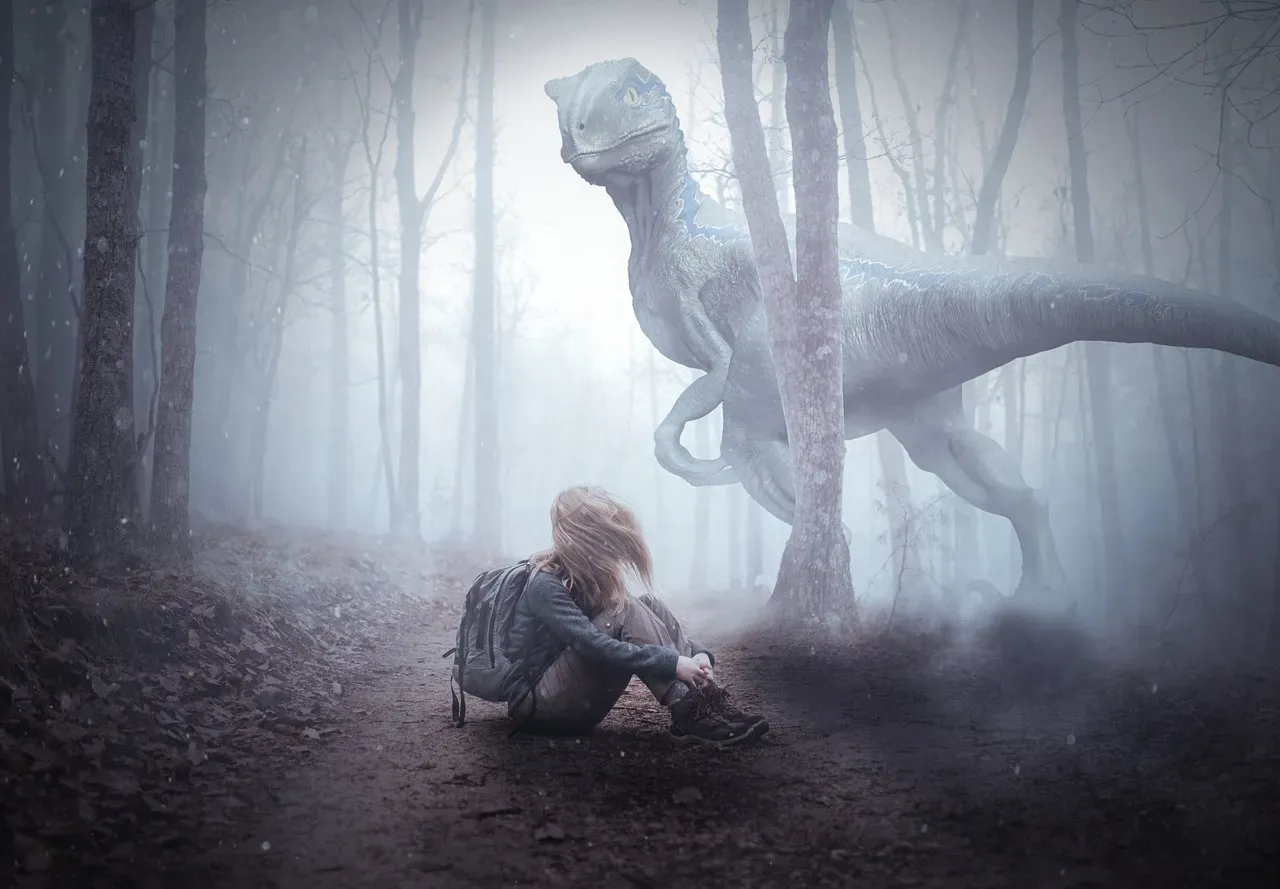
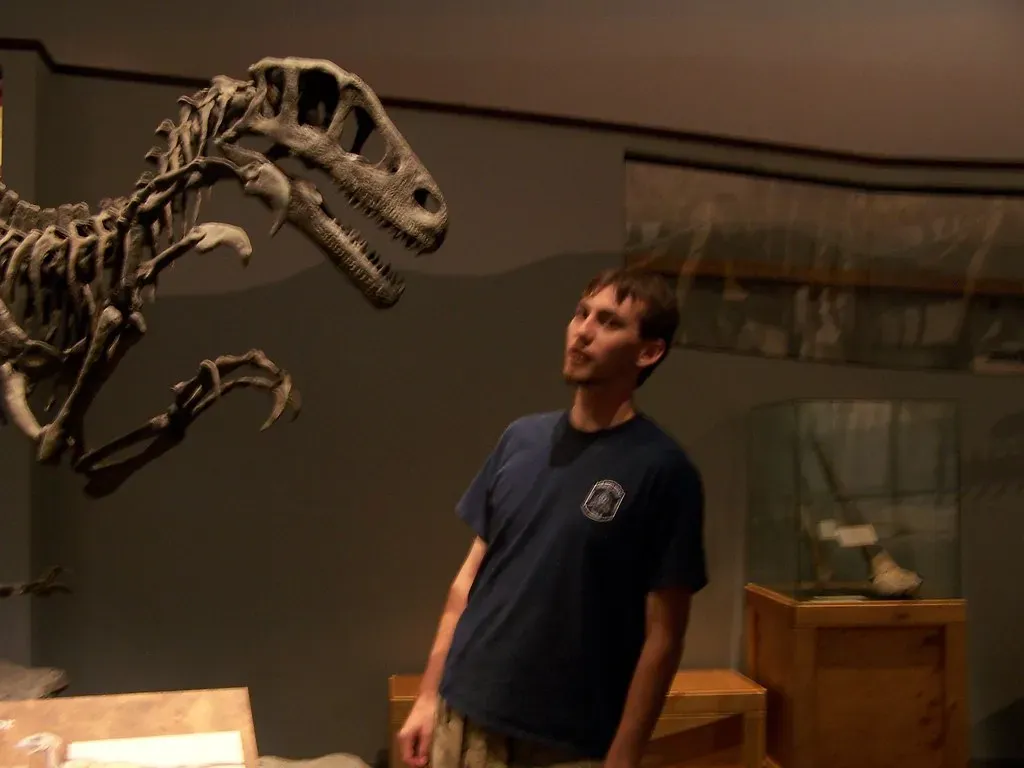
There is something uniquely gripping about the idea of a human‑sized or larger raptor, maybe because it lands right in the uncanny valley between animal and monster. We can imagine standing face to face with a Utahraptor and having it look back with a bird‑like tilt of the head, feathers bristling, clawed foot flexing. That mental picture is more personal and unnerving than a distant sauropod or an abstract, towering tyrannosaur. It taps into the same feeling you get when a big bird of prey turns its eyes directly on you, but dialed up to prehistoric extremes. I still remember seeing a mounted raptor skeleton for the first time and thinking it looked disturbingly like a predator built by a minimalist engineer.
Culturally, raptors have become the poster children for “smart, fast, scary” dinosaurs, so learning that some of them reached truly giant sizes turbocharges that image. It also forces us to ditch some old stereotypes about dinosaurs being slow or dim. These were active, dynamic animals, many with feathers and complex behaviors, and their giant representatives show that evolution experimented with some wild combinations of traits. When we obsess over the largest raptor, what we are really doing is trying to understand how far nature pushed this sleek, deadly design. In that sense, the fascination says as much about our own curiosity and fear as it does about the dinosaurs themselves.
Conclusion: The Crown Belongs to Utahraptor… For Now
Right now, if I had to bet my own reputation on one name, I’d hand the unofficial crown for “largest prehistoric raptor” to Utahraptor, with Achillobator standing very close beside it. Utahraptor has the combination of impressive size estimates and reasonably solid fossil evidence, which matters more than the occasional flashy press release about a fragmentary giant. Some contenders, like Dakotaraptor, remain intriguing but a bit too murky, and until the bones speak more clearly, I think it’s wiser to stay skeptical rather than chase the biggest possible number. That opinion might not be as thrilling as imagining a monstrous mystery raptor, but it respects the line between wonder and wishful thinking.
In the end, the real story is not about a single winner locked forever at the top of a leaderboard, but about how giant raptors stretch our understanding of what predatory dinosaurs could be. New discoveries could always nudge Utahraptor off its current pedestal, and honestly, I hope they do, because that would mean we’re still pushing deeper into Earth’s deep past. Until then, the largest is a reminder that reality can absolutely keep up with our wildest dinosaur dreams. If another fossil challenges that title in the next decade, whose side do you think you’ll be on: the reigning heavyweight, or the ambitious newcomer?