
You probably remember the first time the idea of death really hit you. Maybe it was the loss of a pet, a grandparent, or even just realizing one night that one day, you would not be here. That strange mix of fear, curiosity, and sadness is not just a random emotional storm; it’s a direct result of how your brain works and how your culture has shaped you. Being able to think about your own end is one of the most haunting, yet defining, features of being human.
What makes this even more fascinating is that, as far as scientists can tell, very few other species come close to this kind of awareness. Plenty of animals react to danger or grieve a loss, but you can imagine your own future, picture your own death, and even change how you live because of it. You carry this knowledge around quietly in the background of your everyday life. That might sound dark at first, but it is also one of the reasons you create art, form deep relationships, and search for meaning in the first place.
Your Big, Storytelling Brain: The Root of Death Awareness

When you think about death, you are not just reacting to a loud noise or a threat in front of you; you are running complex simulations in your mind. Your brain lets you imagine yourself in the future, replay the past, and build entire what-if scenarios that never actually happen. This ability, sometimes called mental time travel, is one of the main reasons you can grasp the idea that one day your story will end. You do not just experience the world; you narrate it to yourself, and every story, eventually, needs an ending.
Other animals absolutely have memories and can learn from experience, but you can talk to yourself about your life as if you were both the main character and the author. You tell yourself who you are, where you came from, and where you might be going. As soon as you start building that inner story, you also realize that at some point, the story stops. That realization might hit you late at night when you cannot sleep, or in a quiet moment at a funeral, but it all comes from the same source: a brain that is powerful enough to imagine a future in which you no longer exist.
The “Theory of Mind” That Lets You Imagine Your Own Absence
You do something every day that sounds simple but is incredibly sophisticated: you guess what other people are thinking and feeling. This skill, known as theory of mind, lets you imagine what is going on inside someone else’s head. When you look at a friend who just received bad news, you can sense their pain, even if they do not say a word. You mentally step into their shoes, and you feel a bit of what they feel.
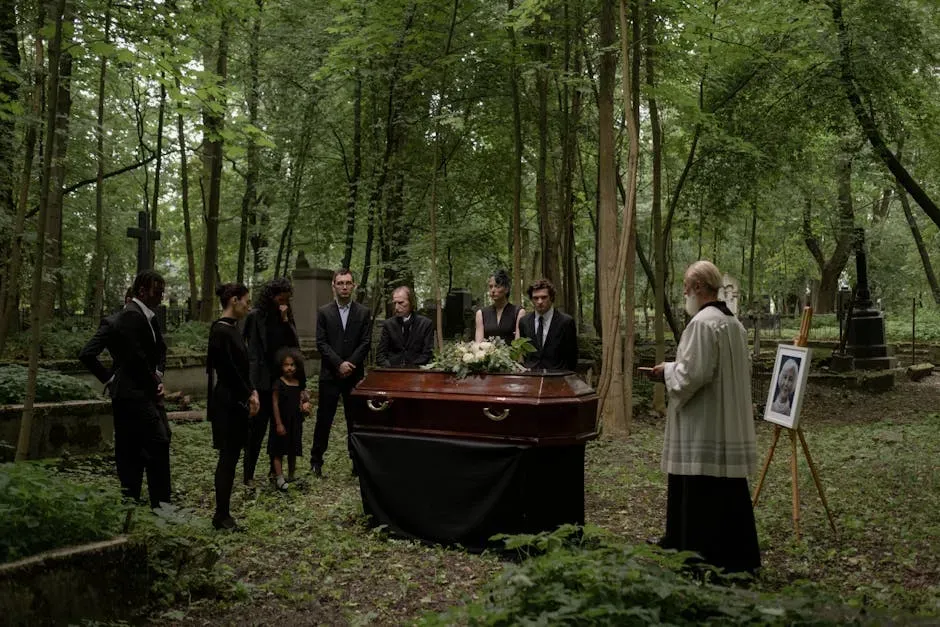
Now take that same ability and turn it back on yourself. You can imagine what others will feel when you are gone, how your death might affect your family, or how people might talk about you years later. You picture your own funeral, your loved ones crying, or even the empty chair where you once sat. That kind of perspective-taking is different from a simple fear reaction. It means you understand that you are a person in other people’s stories, and those stories keep going without you. That realization deepens your awareness of death in a way that goes far beyond just fearing pain or danger.
Language: The Tool That Turns Fear into Concepts

If you have ever tried to explain death to a child, you know how much language shapes the way you think about it. Words let you package messy experiences into neat concepts like “gone,” “forever,” or “afterlife.” Because you have language, you can talk about people who died years ago as if they were still part of your world. You can name your fears, share them, argue about them, and build belief systems around them. Language turns death from a raw experience into an idea you can examine from many angles.
Without language, your awareness of death would likely be vague and fleeting, just a rush of fear when danger appears. With language, you can discuss causes of death, preventions, rituals, and meanings. You can hear stories about someone dying on the other side of the planet and still feel something real. You can also learn from the deaths you never witness: reading medical advice, hearing the news, or listening to family stories. Every word you use about death strengthens the concept in your mind and makes it more permanent, more inescapable, and more deeply woven into how you understand life itself.
Cultural Rituals That Keep Death in Front of You
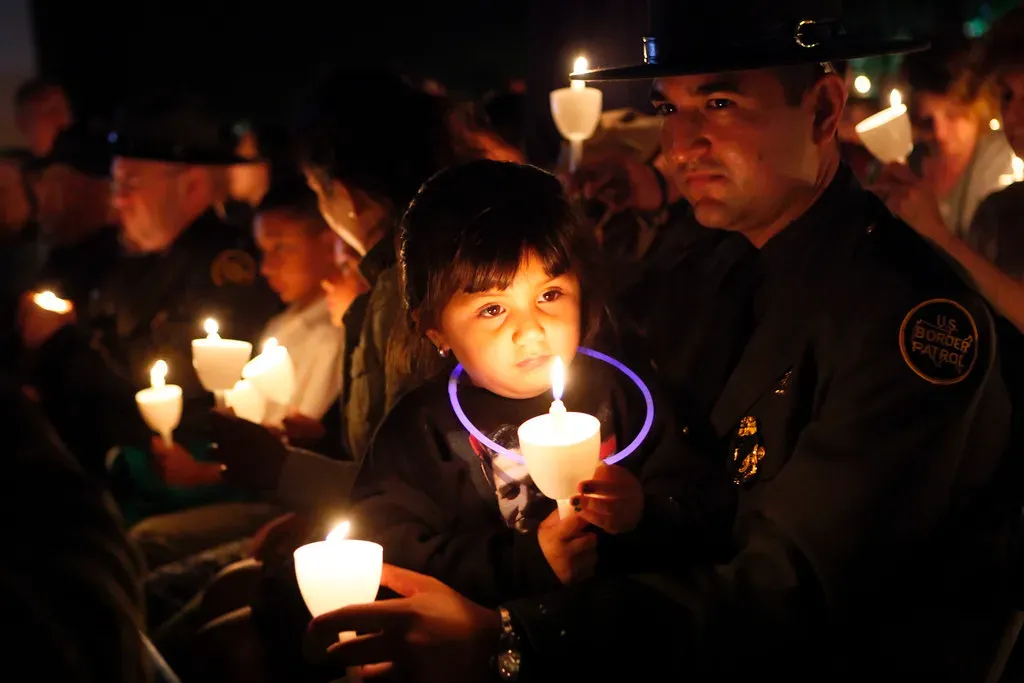
You do not encounter death awareness in a vacuum; you absorb it through your culture from a very young age. Funerals, memorials, religious ceremonies, national days of remembrance, graveyards, and even the way your family talks about loss all teach you that death is a shared reality. You learn not just that individuals die, but that entire communities find ways to honor, process, and make sense of it. When you stand in a cemetery or light a candle for someone you lost, you are participating in a long chain of human attempts to live with the knowledge that everything ends.
These rituals might look different across the world, but they have something in common: they make death visible, structured, and shared. Instead of facing it entirely alone, you move through cultural scripts that tell you how to grieve and how to remember. That constant cultural reminder keeps your awareness of death alive, even when you are not in immediate danger. It also shapes what you think happens next, whether you believe in some form of afterlife, reincarnation, or simply a legacy that lives on in others. You are not just an individual learning about death; you are part of a culture that weaves it into stories, symbols, and traditions.
Do Other Animals Know They Die? What You Can and Cannot Assume

When you see an elephant touching the bones of another elephant, or a chimpanzee staying close to a dead companion, it is hard not to project your own feelings onto them. You might feel certain they are grieving in the same way you would. It does seem clear that some animals respond differently to dead individuals than to living ones, and some show patterns that look like mourning, such as staying nearby, being quieter, or refusing food. These behaviors suggest they notice that something important has changed.
But noticing death and understanding your own eventual death are not necessarily the same thing. You can imagine yourself in the future, old or ill, and recognize that you will not escape the fate you see in others. Scientists still debate how far animal awareness goes, and it is honest to admit that you do not fully know what it feels like to be an elephant or a crow. What you can say with more confidence is that your own awareness includes not just reacting to a loss in the moment, but reflecting on the idea that one day you, personally, will be gone. That reflective, personal, and future-oriented understanding is what really sets your experience apart.
How Knowing You’ll Die Changes How You Live

The awareness of death is not only a burden; it is also a strange kind of fuel. When you know your time is limited, you care more about what you do with it. You chase certain dreams, mend certain relationships, and let go of petty grudges because you sense that the clock is ticking. You might feel a push to create something that outlasts you, whether that is raising children, building a business, making art, or simply being remembered as a kind person. The shadow of death can sharpen your priorities in a way that endless time never could.
At the same time, the thought of death can make you anxious or even panicked. You might distract yourself with work, entertainment, or constant busyness just to avoid sitting with the thought that your life has an endpoint. That tension between fear and motivation is part of being human. You are constantly balancing the urge to ignore death with the urge to use it as a reminder to live fully. When you find a way to let the awareness of death shape your life without being crushed by it, you tap into a powerful source of clarity and meaning.
Death Awareness as a Mirror for Meaning, Love, and Legacy
When you really let the fact of death sink in, it forces you to ask uncomfortable questions: What matters to you? Who matters to you? What are you willing to spend your limited days on? Those questions can be unsettling, but they also act like a mirror. They show you which parts of your life feel hollow and which ones feel deeply real. You might notice that some things you chase, like status or approval, matter less when you remember that none of it follows you to the grave.
On the other hand, love, connection, and small daily joys suddenly stand out as treasures instead of background noise. Sharing a meal, holding someone’s hand, watching a sunset, or laughing with a friend all take on more weight when you remember that none of this is guaranteed tomorrow. Your awareness of death makes each of those moments more vivid. In that way, death is not just an ending you dread; it is also the contrast that makes life’s colors brighter, pushing you to leave some kind of trace, however small, in the hearts and memories of others.
Conclusion: Living with the Knowledge You Cannot Unsee
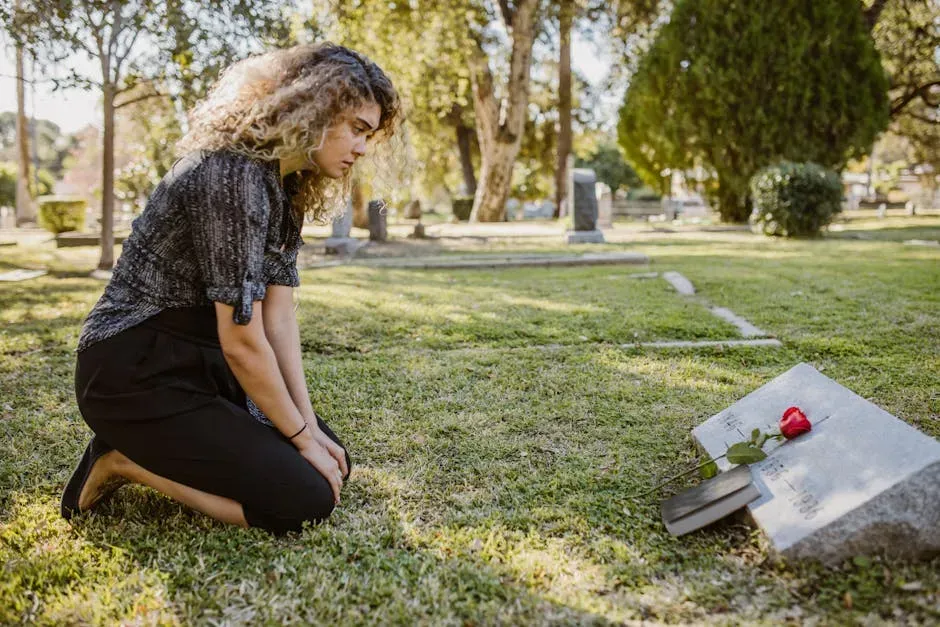
Once you become aware of death, you cannot truly go back to not knowing, and that is both the curse and the gift of being human. You walk through your life with the quiet understanding that every hello carries the possibility of a final goodbye. That knowledge can weigh on you, especially when you lose people you love, or when you catch a glimpse of your own fragility through illness, aging, or close calls. But it can also deepen your gratitude, your courage, and your honesty with yourself.
You are one of the few creatures, as far as anyone knows, who can look ahead, see the end of your own story, and still choose how to fill the pages in between. You cannot outrun that ending, but you can decide whether you spend your time numbing yourself to it or letting it wake you up. In the end, death awareness is less about darkness and more about clarity: it reminds you that every ordinary day is, in its own way, extraordinary because it will not come again. Knowing that, how do you want to live the rest of your story?