
Every so often, a discovery explodes across headlines and then vanishes from public view. But behind the scenes, archaeologists keep working with those finds for years, rewriting timelines, overturning assumptions, and sometimes admitting uncomfortable truths about what we do not know. The result is a quieter revolution: the drip‑drip of evidence that forces a complete rethink of human history, even if most people only ever see a single viral photo.
What follows are fourteen discoveries that did exactly that. Some are famous names you already know, others barely made the news, but each one quietly changed how archaeology works, what questions we can ask, and how bold we dare to be when we talk about the past. Think of this less as a list of “cool artifacts” and more as a tour of the moments when the ground under the discipline itself shifted.
1. The Rosetta Stone and the Birth of Scientific Decipherment
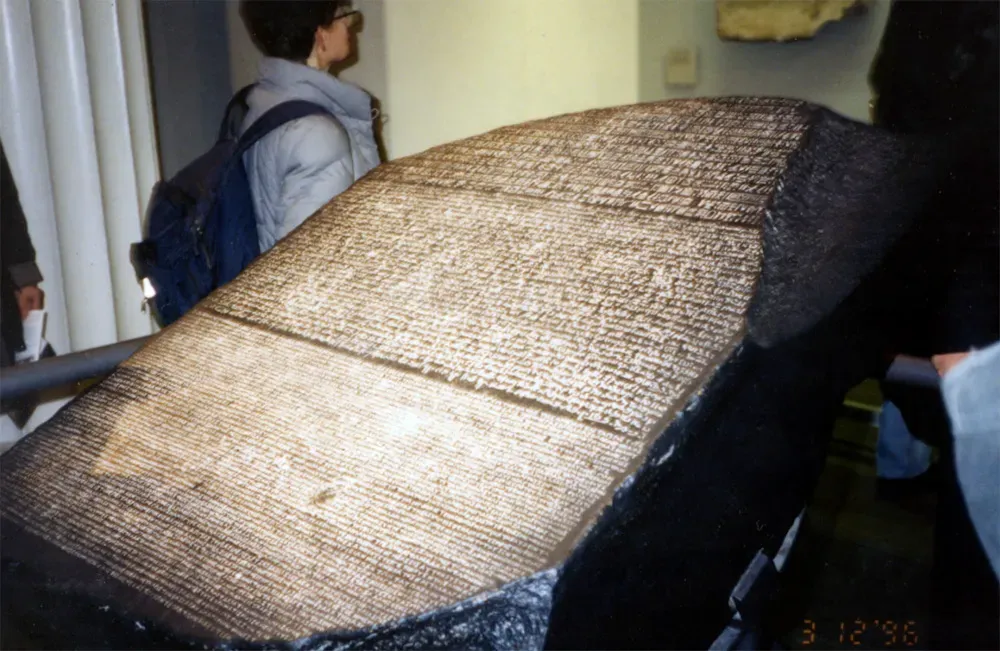
It is almost hard to imagine now, but before the early nineteenth century, ancient Egyptian hieroglyphs were essentially a closed book. The discovery of the Rosetta Stone in 1799, with the same text carved in Greek, Demotic, and hieroglyphs, quietly transformed that situation from impossible puzzle to solvable code. The eventual decipherment did more than just let scholars read tomb walls; it proved that systematic comparison, patience, and cross‑language pattern hunting could crack long‑dead scripts.
In practice, that stone set a template for how archaeologists and linguists would tackle any undeciphered writing system from then on. It showed that you did not need legends about magical keys or lost priestly orders, just repeated signs, known languages, and a willingness to be wrong many times before you were right. You can see echoes of that method in later work on scripts from the Near East, the Aegean, and beyond. In a very real sense, the Rosetta Stone dragged archaeology closer to a modern, test‑and‑verify science, rather than a playground for romantic speculation.
2. Troy and the Proof That “Myths” Could Hide Real Cities
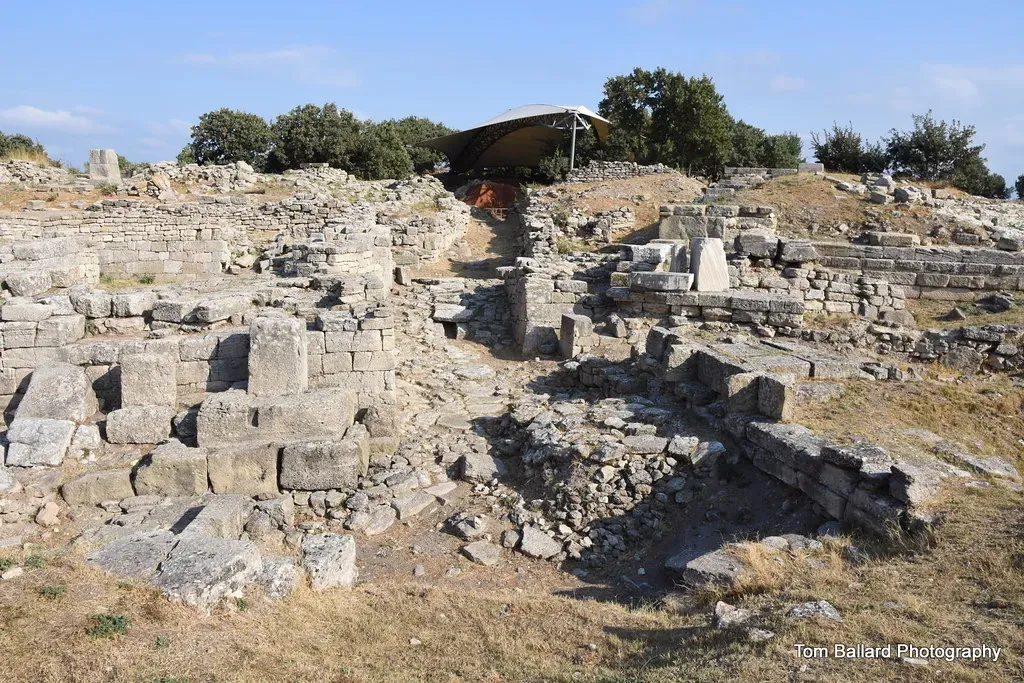
For a long time, the city of Troy was filed mentally alongside Atlantis and other legendary places: poetic, inspiring, and probably not real. Excavations in the late nineteenth century at Hisarlik, in modern‑day Türkiye, changed that, even if early digging was clumsy by modern standards. Layer by layer, archaeologists found the remains of several ancient settlements stacked on top of one another, including one that fit the rough time period and scale of the Trojan War stories. Suddenly, epic poetry did not look quite so disconnected from the archaeological record.
This did not prove that every detail in ancient texts was historically accurate, and responsible scholars have always stressed that point. What did change was archaeology’s relationship to tradition and myth. Researchers became more willing to treat old stories as potential data points, not literal maps but hints about real landscapes, trade routes, and conflicts. In my own reading of the field, Troy became a caution and an inspiration at the same time: proof that legends can point to real ruins, and a warning that you can still make a mess if you go in with more enthusiasm than method.
3. Tutankhamun’s Tomb and the Rise of Modern Excavation Standards
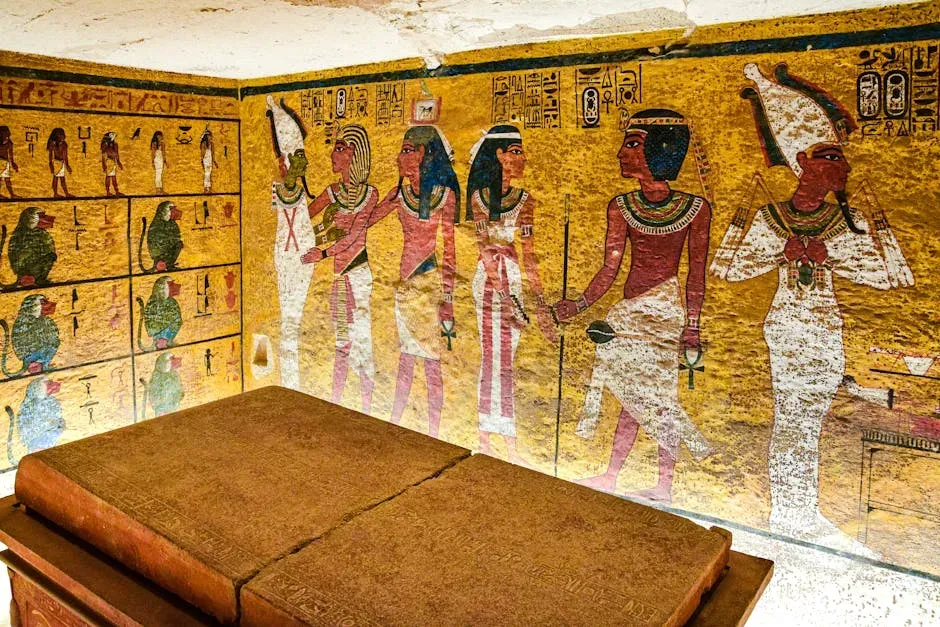
Tutankhamun’s tomb is the glamorous celebrity of archaeology, but its quiet impact is not just about gold masks and cameras flashing in the 1920s. When the nearly intact tomb was uncovered, it forced archaeologists to confront just how much context had been lost in earlier digs. Here was a burial preserved in extraordinary detail, from tiny everyday objects to grand ceremonial pieces, and suddenly scholars could see how many interpretive puzzles could be tackled when a site was recorded meticulously and left largely undisturbed.
The discovery helped shift expectations about what “good” archaeology should look like. Instead of measuring success in how many spectacular objects you could pull out of the ground, the field started talking more seriously about stratigraphy, detailed recording, and conservation. Museum‑driven treasure hunting began to feel outdated compared with slow, careful excavation that treated every bead and scrap of textile as meaningful data. In that sense, Tutankhamun’s tomb quietly pushed archaeology toward a more ethical, documentation‑heavy practice.
4. Çatalhöyük and the Rethinking of Early Urban Life
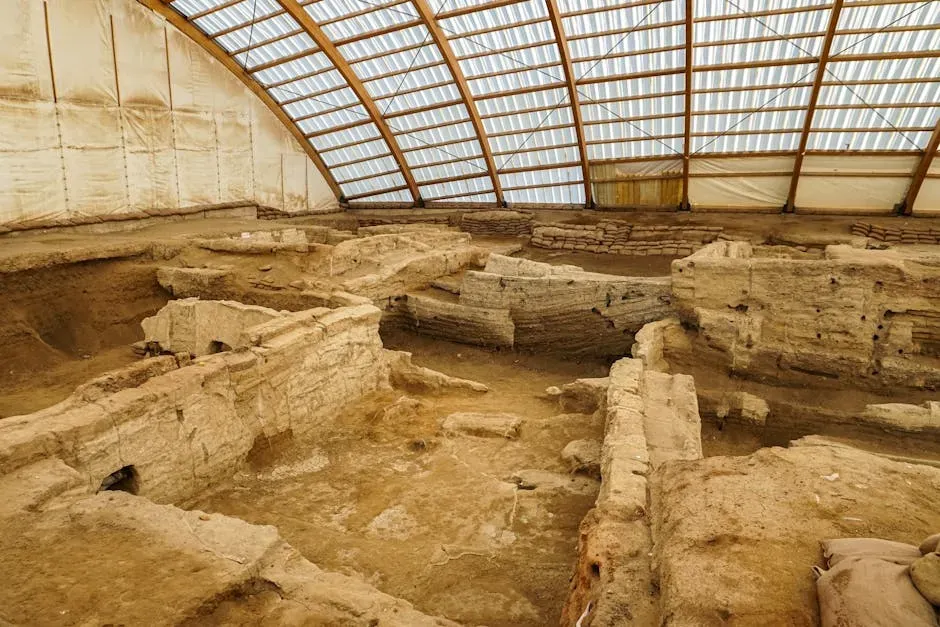
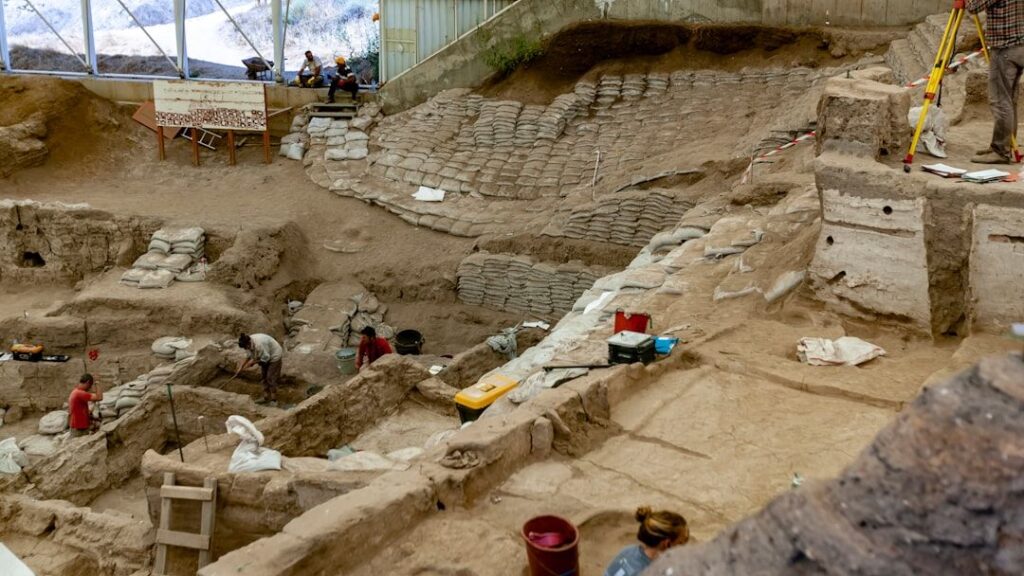
When excavations at Çatalhöyük in central Türkiye really took off in the twentieth century, they challenged comfortable ideas about when and how people started living densely together. This Neolithic settlement, dating back to the seventh millennium BCE, exposed crowded mud‑brick houses packed side‑by‑side, with people entering through roof openings rather than ground‑level doors. It did not look like the neat, planned cities imagined in early theories of urbanism, yet it clearly represented a complex, organized way of life.
What quietly changed was the story archaeologists told about the evolution from village to city. Çatalhöyük suggested that dense, socially intricate communities could emerge long before formal streets, palaces, or writing, and that religion, art, and daily domestic life were already deeply entangled. It nudged the field away from single‑cause explanations like “irrigation created states” and toward a messier, more human picture: early urbanism as a tangle of household decisions, shared rituals, and community negotiations rather than just the footprint of a ruler’s grand plan.
5. The Dead Sea Scrolls and the Power of Contextual Texts
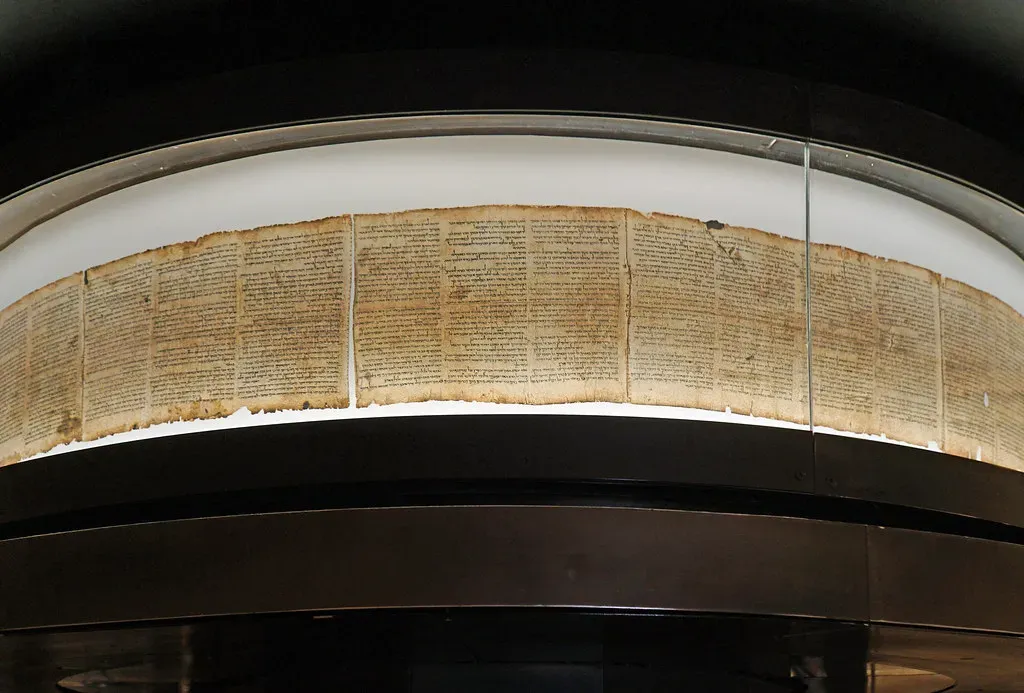
The Dead Sea Scrolls, first found in the mid‑twentieth century in caves near the Dead Sea, often show up in headlines for theological reasons. But their deeper, quieter effect on archaeology has been methodological. Here were ancient manuscripts preserved in situ, associated with a specific landscape, specific caves, and nearby settlement remains. Scholars could correlate texts not just with abstract history, but with pottery styles, building layouts, and material culture from a known community and period.
This fusion of textual and archaeological evidence strengthened what is now a core instinct in the field: never read texts in a vacuum. Instead, treat them as one line of evidence among many, to be checked against the dirt and the ruins themselves. The Dead Sea Scrolls era also exposed painful lessons about access, politics, and gatekeeping in scholarship. That experience contributed to later pushes for more open publication of findings, broader international collaboration, and an awareness that control over fragile texts can shape entire historical narratives.
6. Olduvai Gorge and the Deepening of Human Time
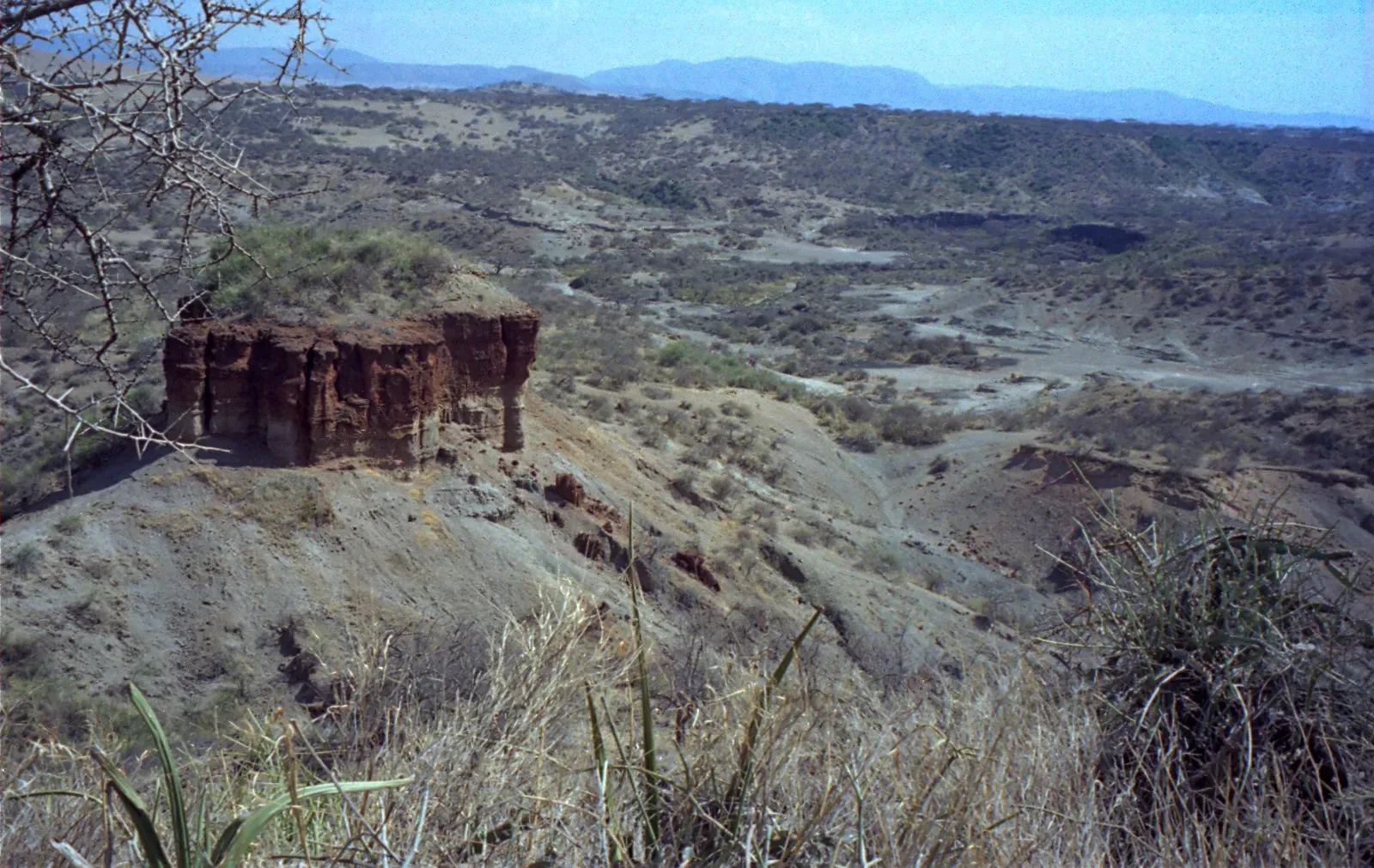
Work at Olduvai Gorge in Tanzania in the mid‑twentieth century did more than put a few famous hominin fossils in textbooks. Systematic excavations revealed stone tools, animal bones, and layers of volcanic deposits that could be dated with growing precision. The result was a layered record of early human relatives and their behavior, stretched across hundreds of thousands of years. That kind of deep time, grounded in careful stratigraphy, forced archaeology and paleoanthropology to think on far longer scales than traditional ancient history.
The gorge became a reference point for how to connect artifacts, fossils, and environmental data into a coherent story of human evolution. It helped normalize the idea that our species’ history cannot be understood without looking at climate shifts, landscape changes, and the behavior of earlier hominins. On a more personal note, the first time I saw a photo of the gorge, it struck me how ordinary it looked: just eroded hills and rock layers. Yet from that unassuming landscape, the timeline of humanity itself was redrawn, which is about as quietly revolutionary as archaeology gets.
7. Lascaux and the Recognition of Prehistoric Symbolic Sophistication
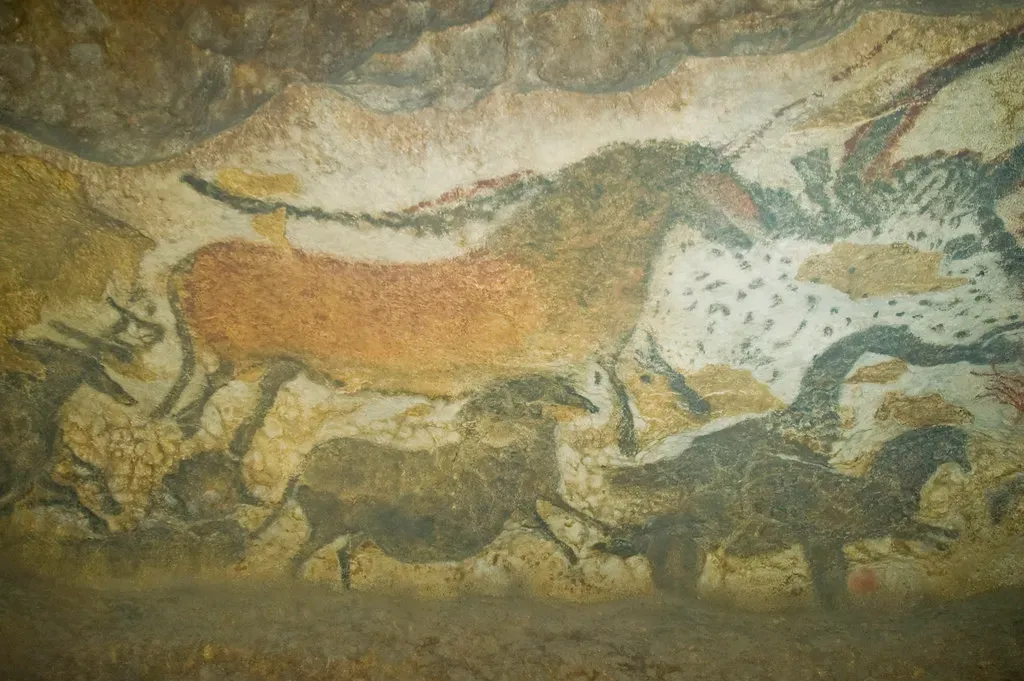
When the cave paintings at Lascaux in France came to light in the 1940s, many people struggled to square them with old stereotypes of “cavemen” as crude and barely capable. The animal figures, abstract signs, and complex compositions on those walls were sophisticated, deliberate, and deeply symbolic. Rather than mere doodles or practical hunting notes, they hinted at rich mental worlds, rituals, and perhaps even early storytelling traditions going back many thousands of years.
The real shift came as archaeologists realized that such art was not an odd exception, but part of a broader pattern of symbolic behavior in Paleolithic Europe and beyond. Field methods adapted accordingly: more attention to tiny pigment traces, careful mapping of cave spaces, and collaborations with cognitive scientists and ethnographers. Lascaux helped cement the idea that understanding early humans requires taking their symbolic lives seriously, not treating them as decorative side notes to stone tools and animal bones.
8. Sutton Hoo and the Reassessment of the “Dark Ages”
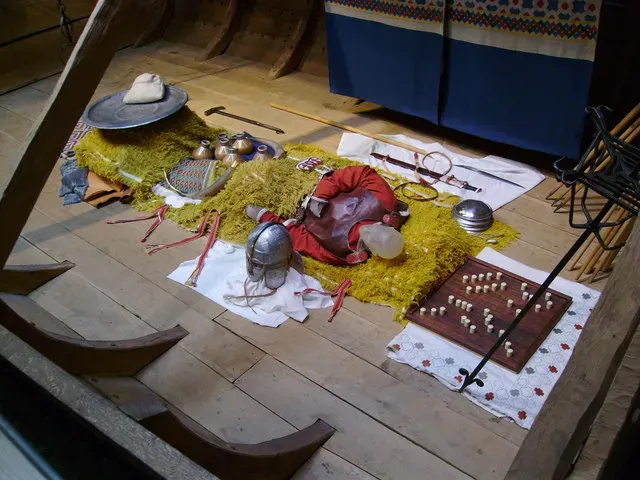
The ship burial at Sutton Hoo in England, uncovered in the twentieth century, landed like a lightning bolt in debates about early medieval Europe. Inside the ship outline and burial chamber, archaeologists found finely crafted metalwork, imported goods, and evidence of far‑reaching connections. This was not a picture of a backward, isolated “dark age,” but of an elite plugged into wide trade and cultural networks, with art and symbolism of impressive complexity.
Quietly, Sutton Hoo pushed scholars to retire the lazy notion that the centuries after Rome were simply a cultural collapse. Excavators became more attentive to elite burial mounds, regional styles, and connections between Scandinavia, Britain, and the continent. The find encouraged a more nuanced archaeology of transition: one that saw creativity and adaptation rather than just decline. It is a good reminder that one well‑documented site can overturn generations of hand‑me‑down clichés about an entire era.
9. Monte Verde and the Challenge to the Clovis‑First Model
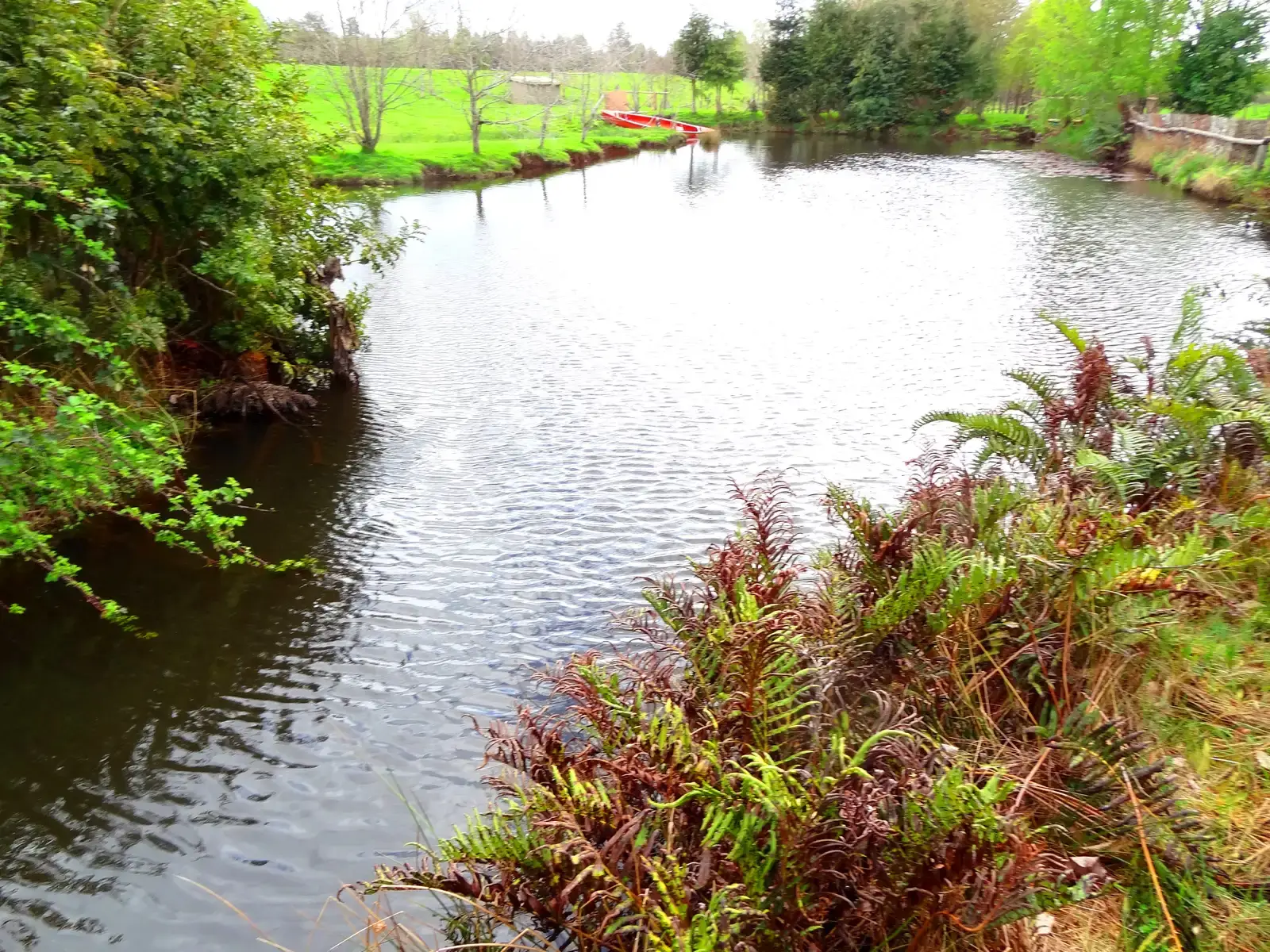
For much of the twentieth century, the dominant story in American archaeology was that the first people to enter the Americas belonged to a culture known as Clovis, identifiable by distinctive stone points. Then came Monte Verde in southern Chile, a site with compelling evidence of human occupation that appeared significantly older than the classic Clovis horizon. After rigorous debate and cross‑checking, the site forced a serious re‑evaluation of when and how the Americas were first peopled.
Monte Verde’s impact went beyond a single date. It reminded archaeologists how easily tidy models harden into dogma, and how crucial it is to let well‑documented outliers speak. Researchers expanded their search to coastal routes, earlier layers, and different kinds of evidence, from plant remains to subtle landscape modifications. The episode is a textbook case of science working the way it should: a stubborn anomaly, a decade of skepticism, and eventually a broader, more complex story that fits the data better than the old, simpler one.
10. Göbekli Tepe and the Inversion of the Farming‑First Narrative
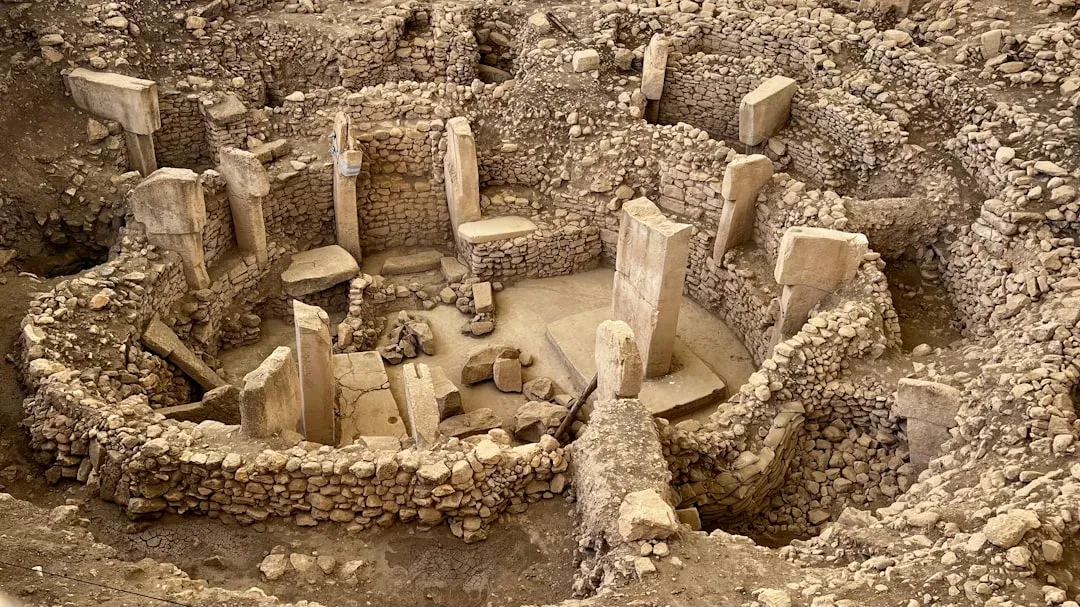
When Göbekli Tepe in southeastern Türkiye began to be excavated in detail, it caused a jolt that is still rippling through archaeology. Here were massive stone pillars, carved with animals and abstract symbols, arranged in monumental circles that predated settled farming in the region. For decades, the standard narrative had been that agriculture came first, creating surplus and social complexity, which then enabled large communal projects like temples. Göbekli Tepe seemed to flip that logic on its head.
The site encouraged archaeologists to consider that large ritual spaces and shared symbolic projects might have been catalysts for people to stay put, cooperate, and ultimately farm. It also highlighted just how wrong we can be when we treat neat theoretical models as laws instead of working hypotheses. As more sites of similar age and complexity emerge, Göbekli Tepe stands as a provocative reminder: humans have been capable of organizing big, meaning‑laden projects far earlier than our old schemes allowed.
11. Ötzi the Iceman and the Rise of Bioarchaeology
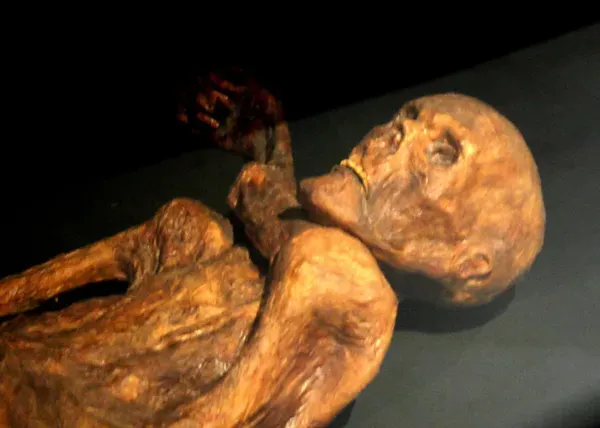
The discovery of Ötzi, a remarkably preserved Copper Age individual found in the Alps in the 1990s, offered something archaeologists rarely get: a near‑complete body, clothing, and toolkit frozen in time. Scientists could examine not just bones, but soft tissue, stomach contents, pollen grains on his gear, and microscopic wear on his tools. That level of preservation opened a window onto diet, health, mobility, and violence in a way that a typical skeleton simply cannot.
Ötzi’s case helped popularize and normalize a whole battery of scientific techniques in archaeology, from stable isotope analysis to ancient DNA and high‑resolution imaging. Bioarchaeology – treating human remains as rich archives of lived experience rather than just typological specimens – gained momentum. There are still debates about how far to push invasive testing and how to balance scientific curiosity with respect for the dead, but the basic idea that bodies are data sources as complex as any temple or city owes a lot to this one frozen traveler.
12. The Terracotta Army and the Logistics of Ancient States
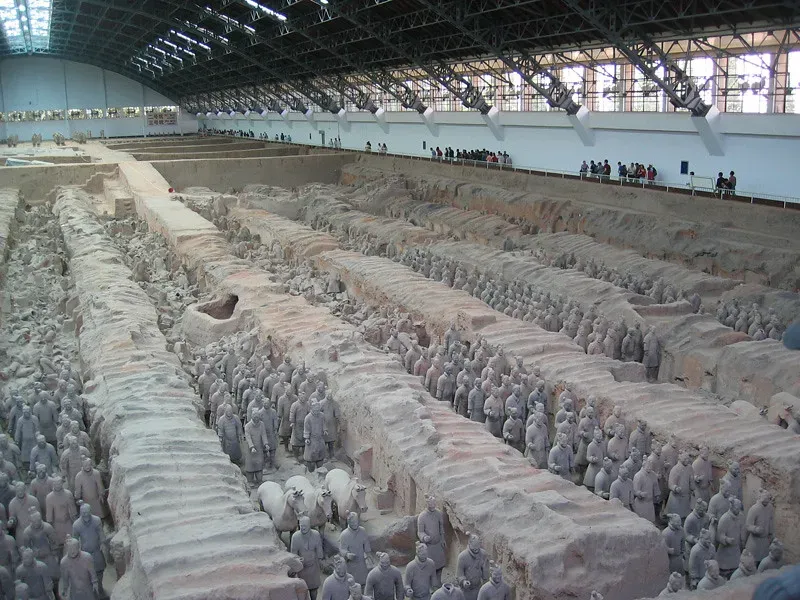
When farmers in China stumbled on fragments of the Terracotta Army in the 1970s, the initial shock was about sheer scale: thousands of life‑sized figures guarding the tomb of the First Emperor. As archaeologists studied the site, the quiet revolution was less about the drama and more about the logistics. The army revealed mass production systems, modular construction techniques, and evidence of organized labor on a level that demanded sophisticated planning and quality control.
This pushed archaeologists to think harder about the nuts and bolts of ancient states: supply chains, workshop organization, and the management of huge projects that went far beyond a single ruler’s whim. The Terracotta Army became a case study for how to read production marks, workshop signatures, and tiny variations in standardized objects to reconstruct economic systems. It also made it harder to cling to romantic ideas of ancient artisans as isolated geniuses, highlighting instead the reality of teams, hierarchies, and state‑run industries.
13. The Uluburun Shipwreck and the “3D Snapshot” of Bronze Age Trade
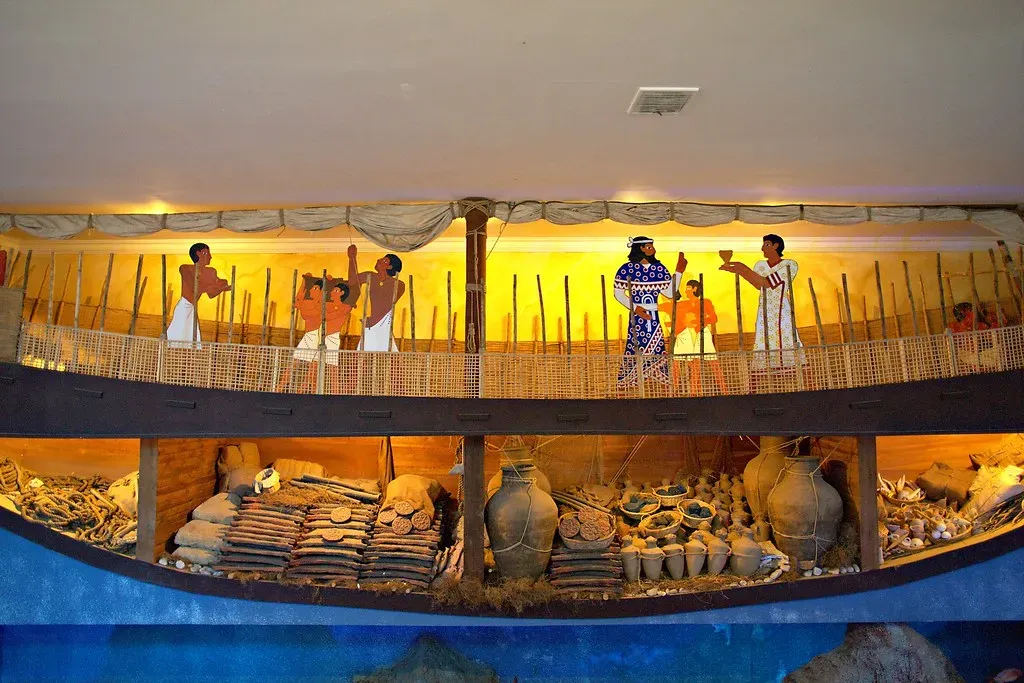
The Uluburun shipwreck, discovered off the coast of Türkiye and dated to the late Bronze Age, is often called a time capsule, and for once that metaphor actually fits. The cargo included raw materials and finished goods from across the eastern Mediterranean and beyond: copper ingots, tin, glass, ivory, luxury items, and everyday tools. Unlike scattered finds on land, this was a single, coherent load frozen at the moment of disaster, offering a three‑dimensional cross‑section of long‑distance trade.
For archaeology, Uluburun quietly demonstrated the power of underwater excavation done with the same rigor as on land. It forced a rethinking of how interconnected Bronze Age societies were, showing that materials and ideas moved across seas in complex, multi‑stop networks. The wreck also helped normalize a more globalized view of the past, where local cultures are not isolated chapters but nodes in dense webs of exchange. Once you have seen that ship’s cargo laid out, it becomes very hard to imagine ancient economies as slow or simple.
14. Ancient DNA from Neanderthals and the Blurring of Species Boundaries
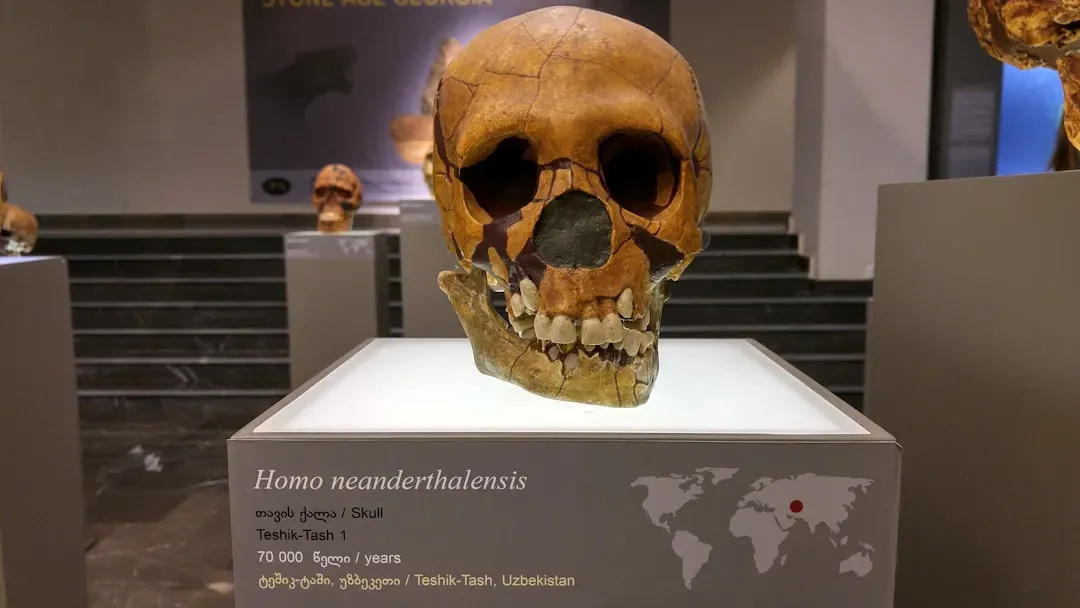
The extraction and sequencing of ancient DNA from Neanderthal bones was not a single shovel‑in‑the‑ground moment, but it has quietly remade archaeology and human evolution studies just the same. Genetic evidence showed that Neanderthals and modern humans interbred, leaving traces in many people alive today. That overturned the old image of Neanderthals as a separate, failed side branch and instead painted them as part of a messy, intertwined family history with multiple lineages overlapping and interacting.
Ancient DNA work has since expanded to many populations and species, but those early Neanderthal results set the tone: the past is more braided and less tidy than our diagrams suggested. Archaeologists now collaborate routinely with geneticists, adding genomic evidence to the toolkit alongside pottery typologies and radiocarbon dates. At the same time, there is a growing awareness of the ethical and interpretive challenges that come with turning bones into genetic data. The big lesson, to my mind, is that even our deepest categories – who counts as “us” and “them” – are shakier than we like to admit.
Conclusion: Archaeology’s Biggest Revolutions Rarely Make a Sound
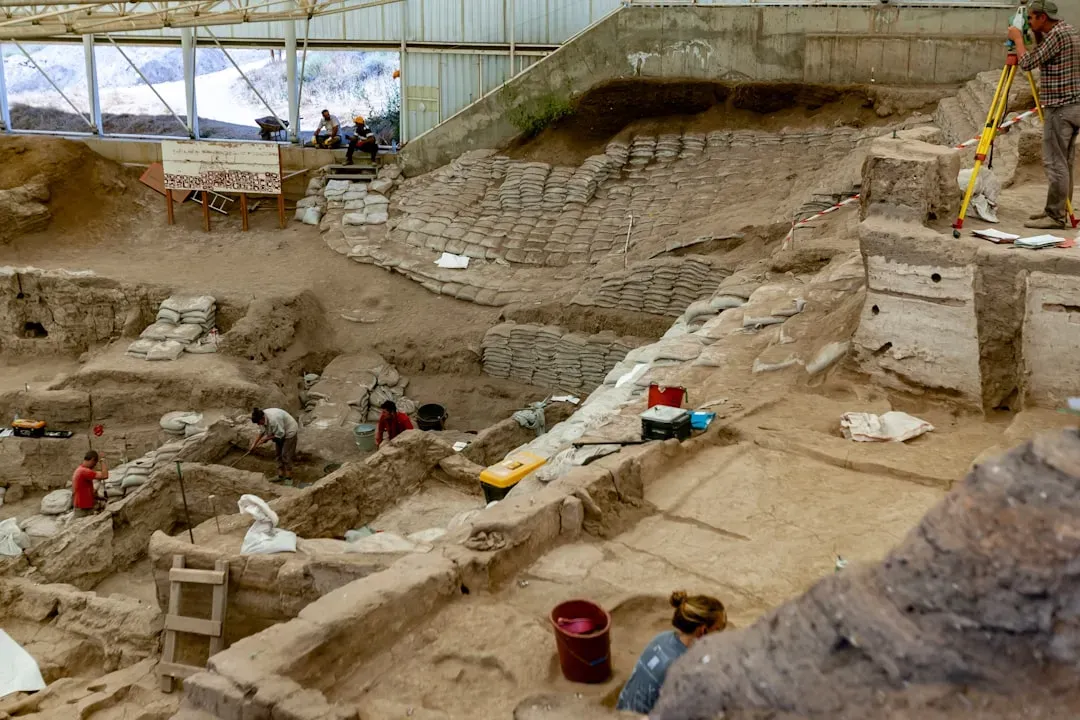
Looking across these discoveries, what jumps out is how rarely the real revolution matches the headline. The Rosetta Stone did not just give us pharaoh names; it hard‑wired comparative method into decipherment. Monte Verde was not just one ancient campsite; it cracked open a too‑comfortable migration story. Göbekli Tepe did not simply add another “mysterious site” to travel documentaries; it poked a hole in our favorite narrative about farming and temples. Again and again, the most important shift was not the object itself, but the way archaeologists were forced to change their questions and methods.
In my view, that is the healthy kind of discomfort any science needs: the moment when a find will not fit the model, and instead of trimming the evidence, you rebuild the model. These fourteen cases show archaeology at its best when it is humble, experimental, and willing to let a cave painting, a shipwreck, or a single frozen body overturn decades of confident storytelling. The next quiet revolution in the field probably will not arrive with fanfare; it will start as an odd layer in a trench notebook or a strange pattern in a lab result. The real question is whether we will notice it when it first whispers, or only recognize its importance years later when the story of the past has already changed – what would you have guessed?