There is a special kind of thrill in archaeology: that moment when you think a mystery is finally about to be solved, only for the ground to hand you something that makes the whole story even weirder. Over the last few decades, fresh digs, new technologies, and careful re-examination of old finds have done exactly that – taken supposedly “settled” puzzles and turned them into deeper riddles. Instead of neat answers, we keep uncovering contradictions, anomalies, and clues that refuse to fit the script.
I still remember the first time I walked through an exhibition about ancient cities and realized how much of what we “know” is really just well-informed guesswork. The more you listen to archaeologists, the more you hear that same mix of excitement and exasperation: every trench is a gamble, and every layer can rewrite the story. The cases below are not about aliens or fantasy, but about real sites where sober, careful research actually made things more mysterious. And honestly, that’s what makes them so hard to stop thinking about.
1. Göbekli Tepe: The Temple That Should Not Exist
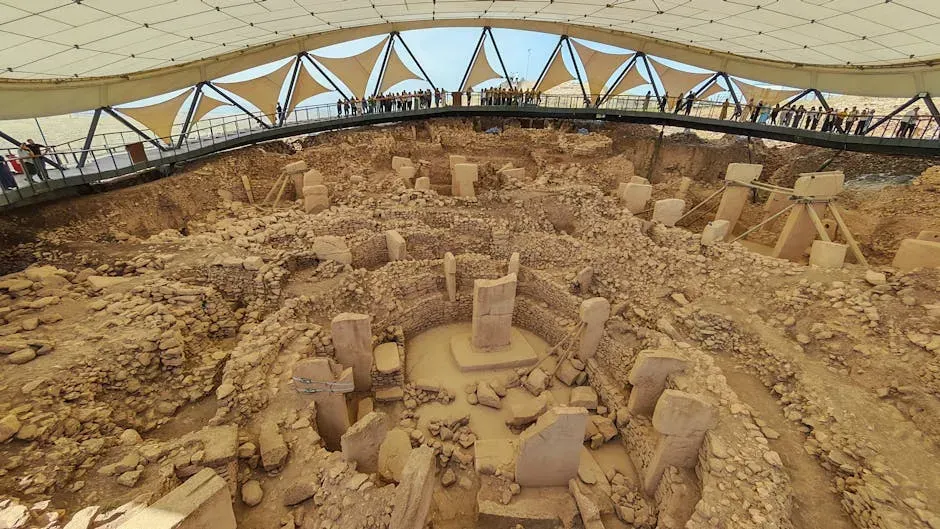
At the top of a windswept hill in southeastern Türkiye, Göbekli Tepe has become one of the most unsettling surprises in modern archaeology. Massive T-shaped stone pillars, some towering several meters high and weighing many tons, stand in circular enclosures carved with wild animals, abstract symbols, and eerie humanoid forms. The real shock is the date: this complex goes back to roughly eleven thousand to twelve thousand years ago, long before the rise of cities, writing, or even settled farming as we usually define it.
New excavations and deeper layers have only amplified the puzzle. Evidence suggests the builders were still hunter-gatherers or at best experimenting with early cultivation, yet they somehow coordinated large work forces and sophisticated stoneworking. Instead of clarifying who built it and why, recent digs have revealed more enclosures and carefully buried structures, as if the people themselves were sealing their own sacred spaces on purpose. Instead of a simple story of gradual progress, Göbekli Tepe hints that complex ritual life and large-scale organization might have come before permanent villages, turning the classic “farming first, temples later” timeline completely upside down.
2. The Nazca Lines: New Figures, New Questions
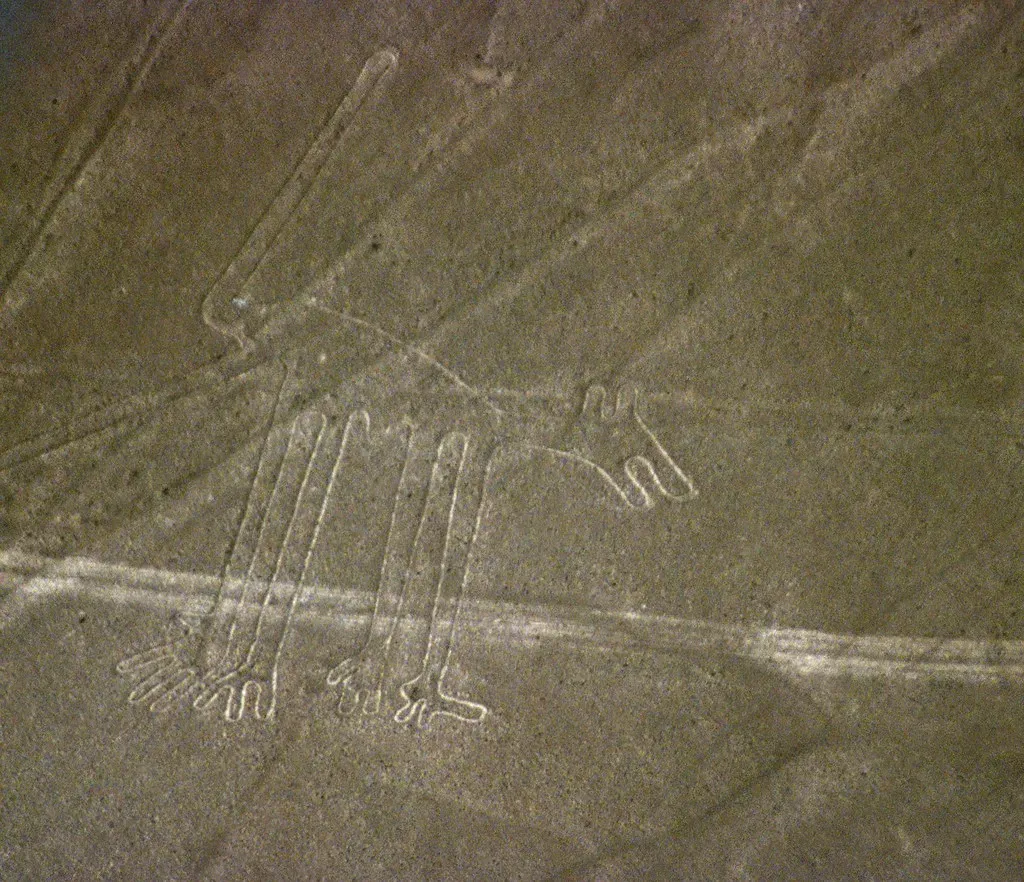
The Nazca Lines in southern Peru used to be introduced as a solved riddle: giant desert geoglyphs made around one and a half to two thousand years ago for ritual purposes, easily visible from the surrounding hills. But recent aerial surveys and high-resolution drone mapping have uncovered many more figures than anyone expected – tiny, faint, and often invisible from ground level. Some depict animals that were not well documented before, along with far more abstract shapes and strange hybrids that defy easy symbolism.
These new finds complicate the old neat interpretations about simple fertility rites or water cults. The variety of sizes and styles suggests different groups, different time periods, or overlapping traditions layered across the same pampa. Some lines cut through older figures, and in a few cases, newer geoglyphs seem to deliberately echo or distort earlier ones, like a conversation in the desert that lasted centuries. Instead of a single unified “Nazca religion,” the picture now feels more like a contested ritual landscape where meanings shifted over time – and that is much messier to explain.
3. The Great Pyramid’s Hidden Void: A Monument With Secret Rooms
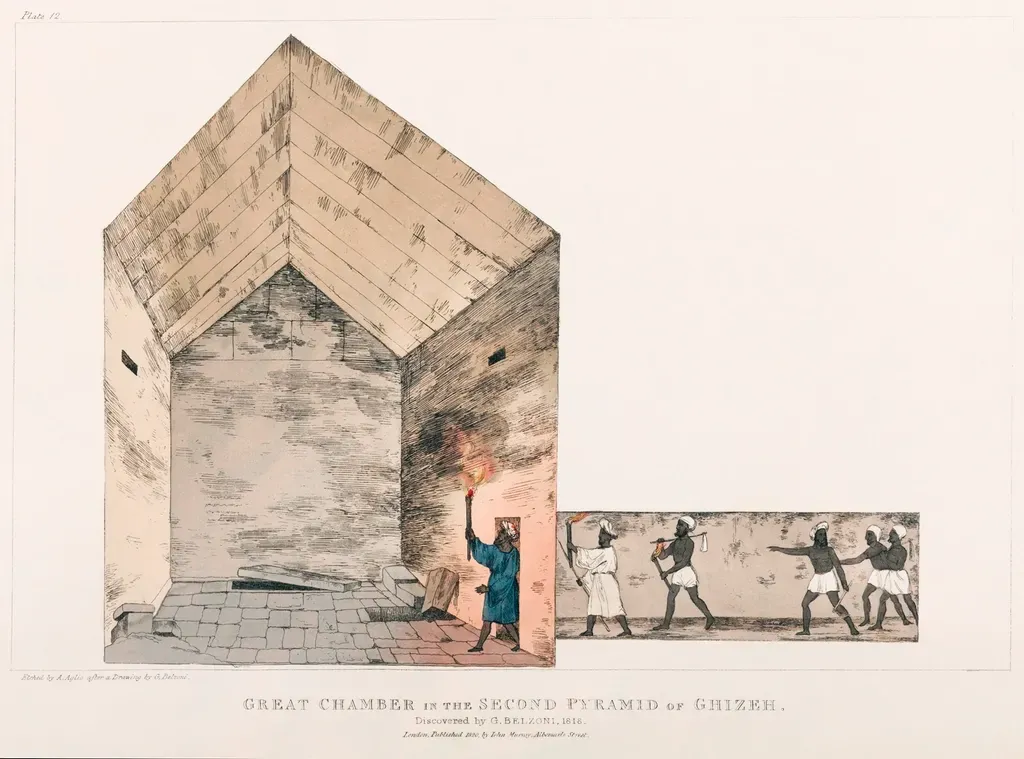
For a long time, you could get away with saying the pyramids of Giza were well studied, even if not every detail was known. Then a project using muon tomography – a technique that tracks particles from cosmic rays passing through stone – revealed a large, previously unknown void inside the Great Pyramid. This chamber-like space, roughly comparable in scale to the Grand Gallery, sits above existing corridors and is inaccessible by known passages.
Subsequent measurements have confirmed that this is not a minor flaw or random pocket but a deliberate structural feature, and yet no one can agree on what it is for. Is it a relieving chamber to reduce pressure on inner spaces, a symbolic void with ritual meaning, or a completely separate passage system we have not even begun to map? With no visible access, excavators are stuck balancing curiosity and caution, because drilling into one of the world’s most famous monuments is not done lightly. Instead of closing the book on pyramid construction, the new void suggests that even this iconic structure may hide an internal logic we still do not fully grasp.
4. The Antikythera Mechanism: Every New Fragment, a Bigger Enigma
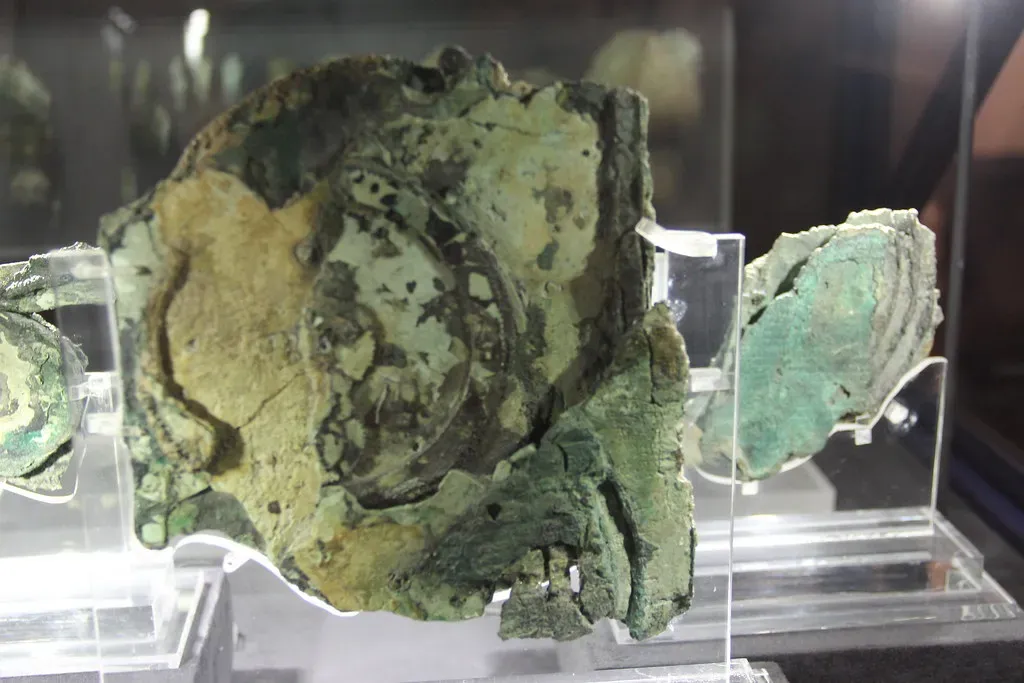
The Antikythera mechanism, found in a Roman-era shipwreck off a Greek island, already seemed impossibly advanced: a geared device that modeled the motions of the sun, moon, and possibly planets. But ongoing excavations at the wreck site and increasingly detailed imaging of encrusted fragments keep adding new gears, inscriptions, and design subtleties. Each step forward has forced scholars to upgrade their picture of ancient mechanical sophistication.
Recent reconstructions suggest it may have predicted eclipses, tracked complex cycles, and displayed multiple calendars at once, all in a compact bronze framework. That leads to an uncomfortable question: if such a device existed, was it unique, or just the only survivor of a broader tradition of precision instruments that left hardly a trace? The more researchers learn about its complexity, the harder it is to explain why we have not found more like it. Instead of gently nudging our timeline of technological innovation, the mechanism stands there like a jagged outlier, making the curve of history look strangely uneven.
5. Stonehenge and Its Hidden Landscape: A Lonely Circle No More
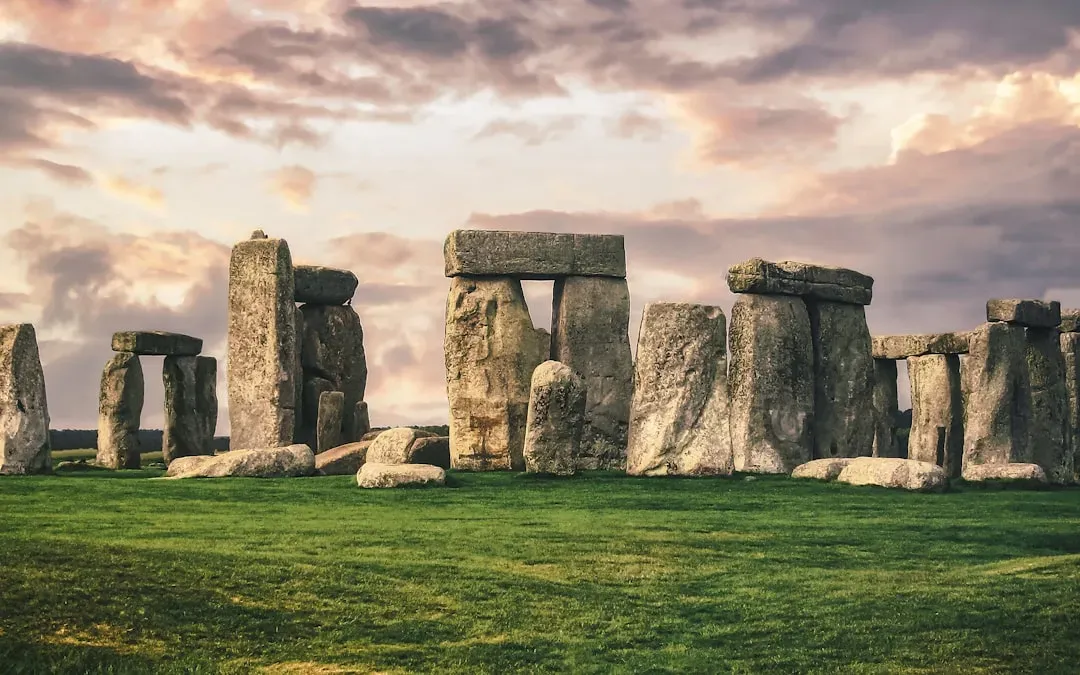
For a long time Stonehenge was treated almost like a standalone monument: a mysterious ring of stones on Salisbury Plain, its purpose argued over in isolation. Large-scale geophysical surveys and new excavations over the last decade have blown that picture apart. Researchers have mapped buried stone features, ditches, pits, and other enclosures spread across many square kilometers, revealing that Stonehenge is just one star in a whole constellation of ritual structures.
At sites like Durrington Walls and the so-called “Stonehenge Avenue,” new digs show evidence of feasting, wood circles, and processional routes tied to seasonal changes. Even more unsettling are hints of earlier stone or timber arrangements now gone, as if the entire landscape was continually redesigned. The mystery now is not simply “What was Stonehenge for?” but “How did this whole network function over centuries, and who coordinated it?” In trying to slot one enigmatic monument into a much bigger ritual choreography, archaeologists have discovered that every answer produces new gaps in the story.
6. The Indus Valley Script: More Seals, Less Clarity
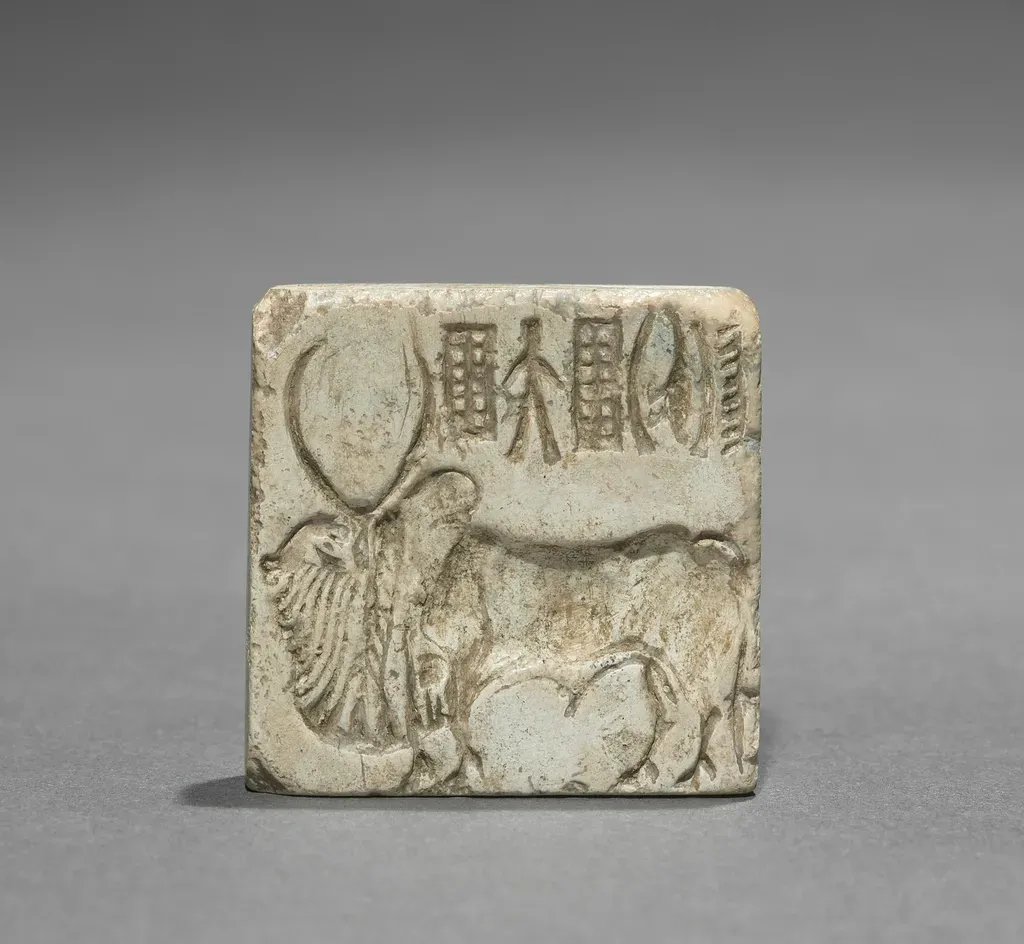
The cities of the Indus Valley – Harappa, Mohenjo-daro, and many others – are famous for planned streets, sophisticated drainage, and standardized weights, all pointing to a highly organized society around four and a half thousand years ago. Tiny carved seals bearing short strings of symbols were long hoped to be the key to understanding their language and politics. Ongoing excavations keep producing more seals and inscribed objects from new sites, which sounds like it should help.
Instead, the growing corpus has only deepened the puzzle. The inscriptions remain very short, making them incredibly hard to decipher, and new finds keep showing symbols in unexpected combinations that complicate proposed readings. Some researchers argue it is a true writing system, others see something more like emblematic or ritual signs. Without long texts, bilingual inscriptions, or a clear connection to known languages, every new seal feels like another piece from a jigsaw puzzle whose box and picture are missing. Curiously, the more evidence we have, the less confident most scholars feel about bold claims of decipherment.
7. Teotihuacan’s Tunnels and Liquid Mercury: A City of Hidden Depths
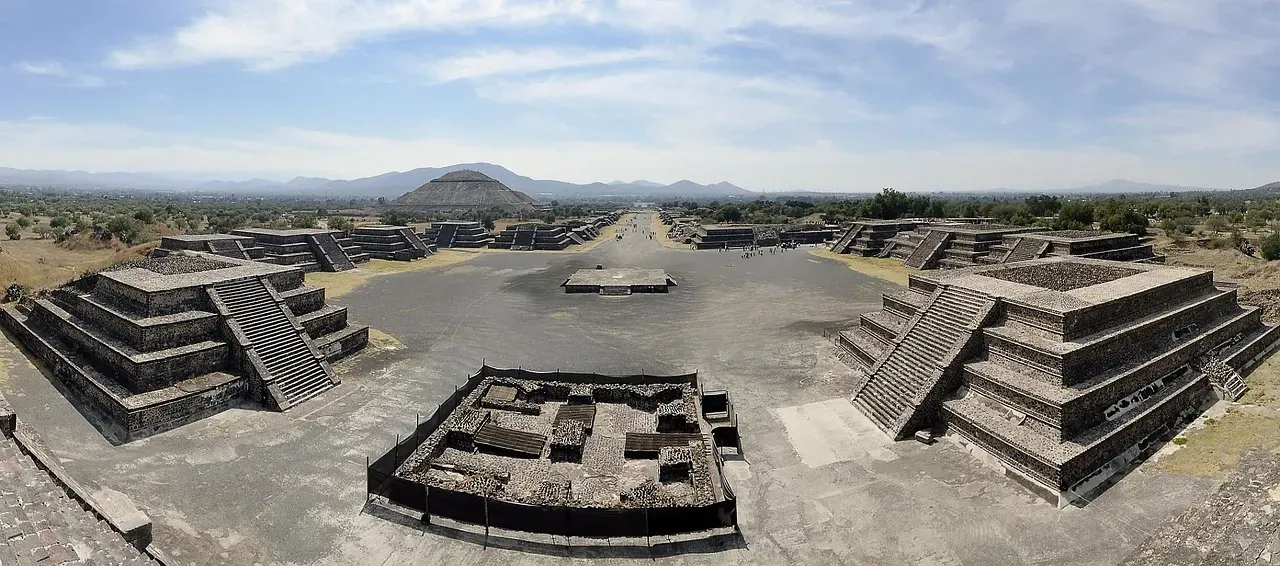
Teotihuacan in central Mexico, with its vast Avenue of the Dead and pyramids of the Sun and Moon, has always been imposing. Yet recent excavations beneath the Temple of the Feathered Serpent revealed something far stranger than anyone expected: a tunnel filled with thousands of offerings, sculpted figures, and pools of liquid mercury. Combined with metallic spheres and carefully shaped deposits, the tunnel seems built to evoke some kind of underworld or cosmic model rather than just a simple storeroom.
The discovery has raised more questions than it answers. Why use a toxic, shimmering metal that would have been extraordinarily difficult to obtain and handle safely? How were the ritual and political roles of such spaces understood by people who left no written records that survive? As researchers push deeper and explore other underground corridors hinted at by ground-penetrating radar, Teotihuacan looks less like a straightforward city and more like a three-layered ritual machine, with meaning encoded both above and below ground. Each new subterranean find makes any single, neat explanation feel more inadequate.
8. The Plain of Jars in Laos: Bomb Craters and Ancient Rituals
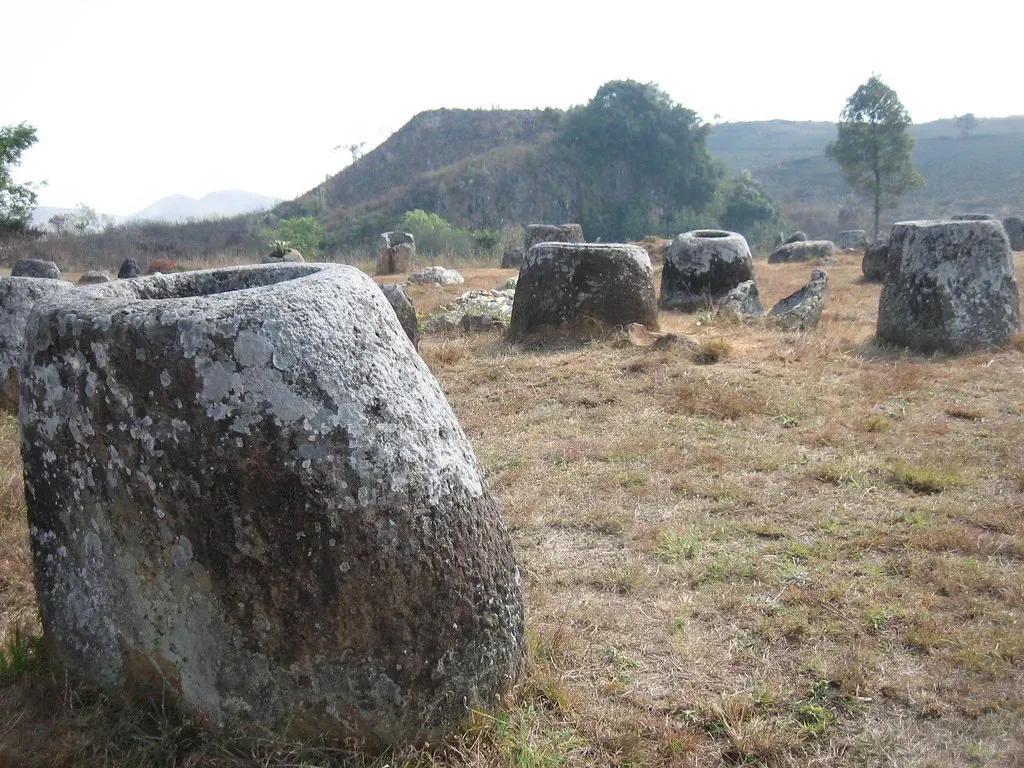
Scattered across the hills of Laos, thousands of massive stone jars lie in clusters, some standing, some toppled, as if abandoned in the middle of a forgotten ceremony. For years, war and unexploded ordnance kept most of the sites nearly inaccessible, which meant that theories about their purpose were largely speculative. More recent surveys and cautious excavations have started to peel back the layers, revealing human remains, burial goods, and evidence of complex mortuary practices tied to the jars.
That might sound like the mystery is closing, but the new details actually complicate the story. Different sites show variations in how jars were used and how the dead were treated, suggesting overlapping traditions rather than a single, unified ritual system. Some jars appear much older than associated burials, raising the possibility that they were re-used or even moved over time. On top of this, archaeologists have had to work around massive bomb craters from twentieth-century conflicts, which have disturbed and mixed ancient contexts. The result is a landscape where every jar is a clue but also a reminder of how much has been permanently scrambled.
9. The Shroud of Turin: Microscopes, Radiocarbon, and New Confusion
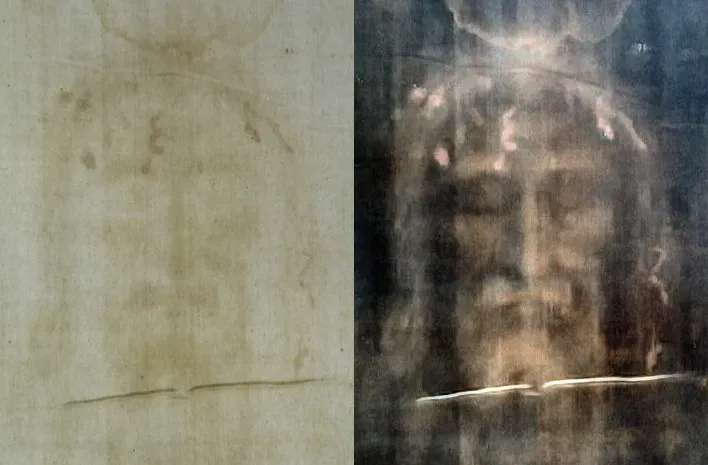
The Shroud of Turin – an image-bearing linen cloth venerated by many Christians – has been studied so intensively that you might think nothing surprising could be left. A key radiocarbon test in the late twentieth century dated the cloth to the medieval period, which seemed to settle the argument about its antiquity. Yet continued microscopic analyses, textile studies, and re-examinations of the sampling procedures have re-opened debates rather than silencing them.
Some researchers point to patterns of contamination, repairs, and patching that could have skewed the original test results, while others stand firmly by the medieval date and see no need for revision. Meanwhile, chemical analyses of pigments, fibers, and the nature of the image have produced results that are complex and sometimes contradictory. The more angles from which the cloth is examined, the more room there seems to be for competing interpretations, from pious forgery to much older relic. Instead of a tidy forensic case, the Shroud has become a cautionary example of how new techniques do not always yield consensus.
10. The Pyramids of Caral-Supe: A Civilization Without the Usual Markers
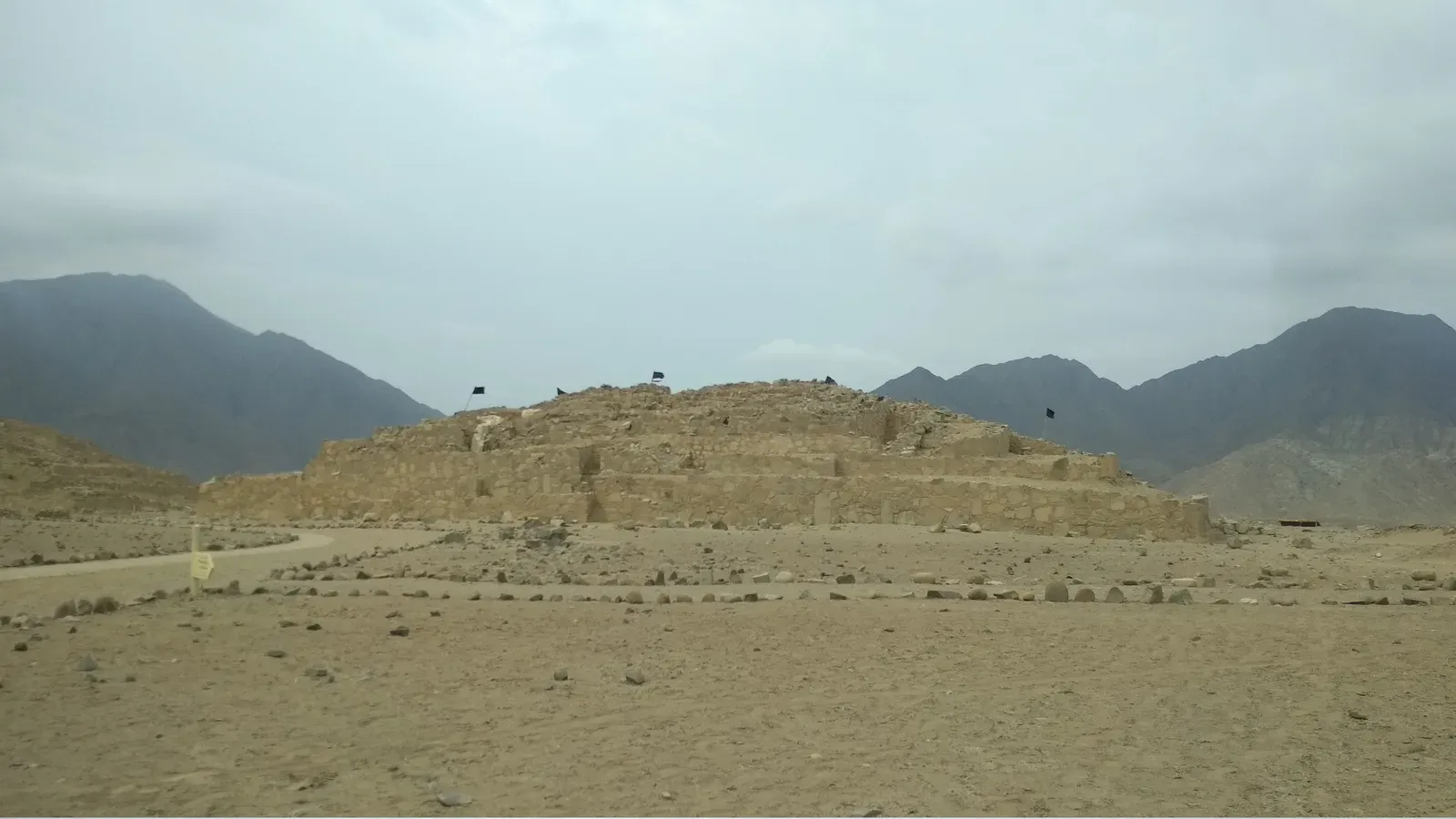
On the arid coast of Peru, the pyramids and platform mounds of Caral-Supe forced archaeologists to rethink the origins of complex societies in the Americas. These monumental constructions go back roughly five thousand years, making them some of the oldest known large-scale centers in the Western Hemisphere. New excavations have revealed plazas, sunken circular courts, musical instruments, and irrigation works, all suggesting an organized and enduring culture.
The twist is what seems to be missing: clear evidence of warfare, obvious defensive structures, or heavy-handed displays of violent power. While no society is perfectly peaceful, the material record here looks very different from the war-driven models often used to explain early state formation. As more sites in the same valley system are uncovered, the question becomes how such large public works and social coordination emerged without leaving the usual fingerprints of kings, armies, or written records. Caral-Supe complicates easy stories about what humans “must” do to build big, and each new excavation makes it harder to squeeze this civilization into standard frameworks.
11. The Phaistos Disc: More Context, Same Cipher
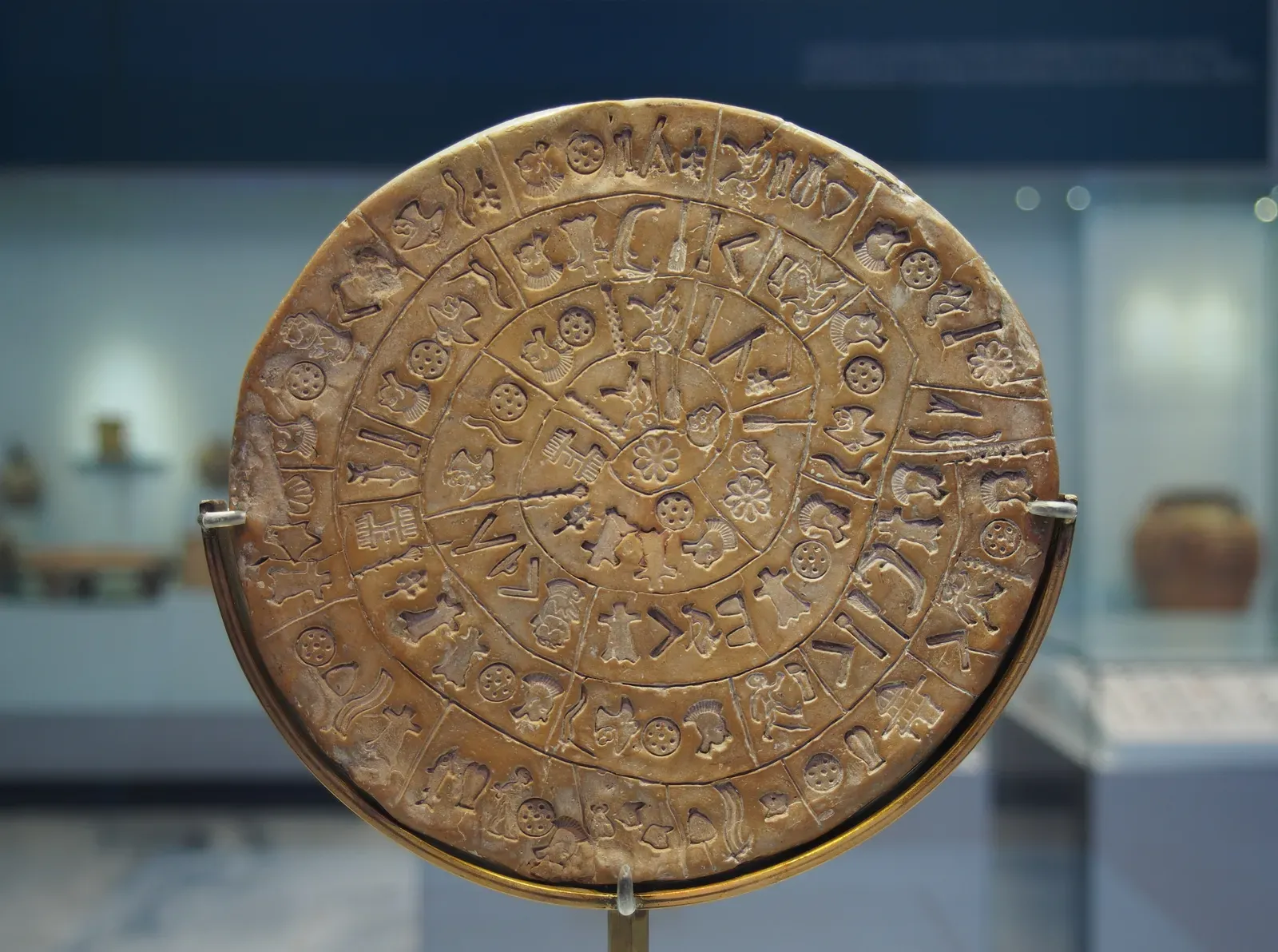
The Phaistos Disc from Crete, with its stamped spiral of mysterious symbols, has taunted decipherers for over a century. For many years it stood almost alone, a single artifact with no real parallels, making bold interpretations tempting but fragile. New excavations at Minoan sites have uncovered additional inscribed materials, sealings, and writing systems, particularly Linear A, offering a richer backdrop of symbols and languages once used on the island.
Strangely, this broader context has not unlocked the disc; it has only made its uniqueness stand out more sharply. The signs on the disc do not map neatly onto other known scripts, and the method of production – pressed stamps rather than individually carved characters – is still unusual for its era. Some scholars wonder if it represents a special-purpose creation, perhaps a ritual object, while others still chase the idea of a hidden literary or administrative text. Every new Minoan inscription adds data points, yet the disc remains stubbornly unaligned with them, sitting at the center of a spiderweb of hypotheses that keep getting more tangled.
12. The Sanxingdui Civilization: Masks From a Parallel World
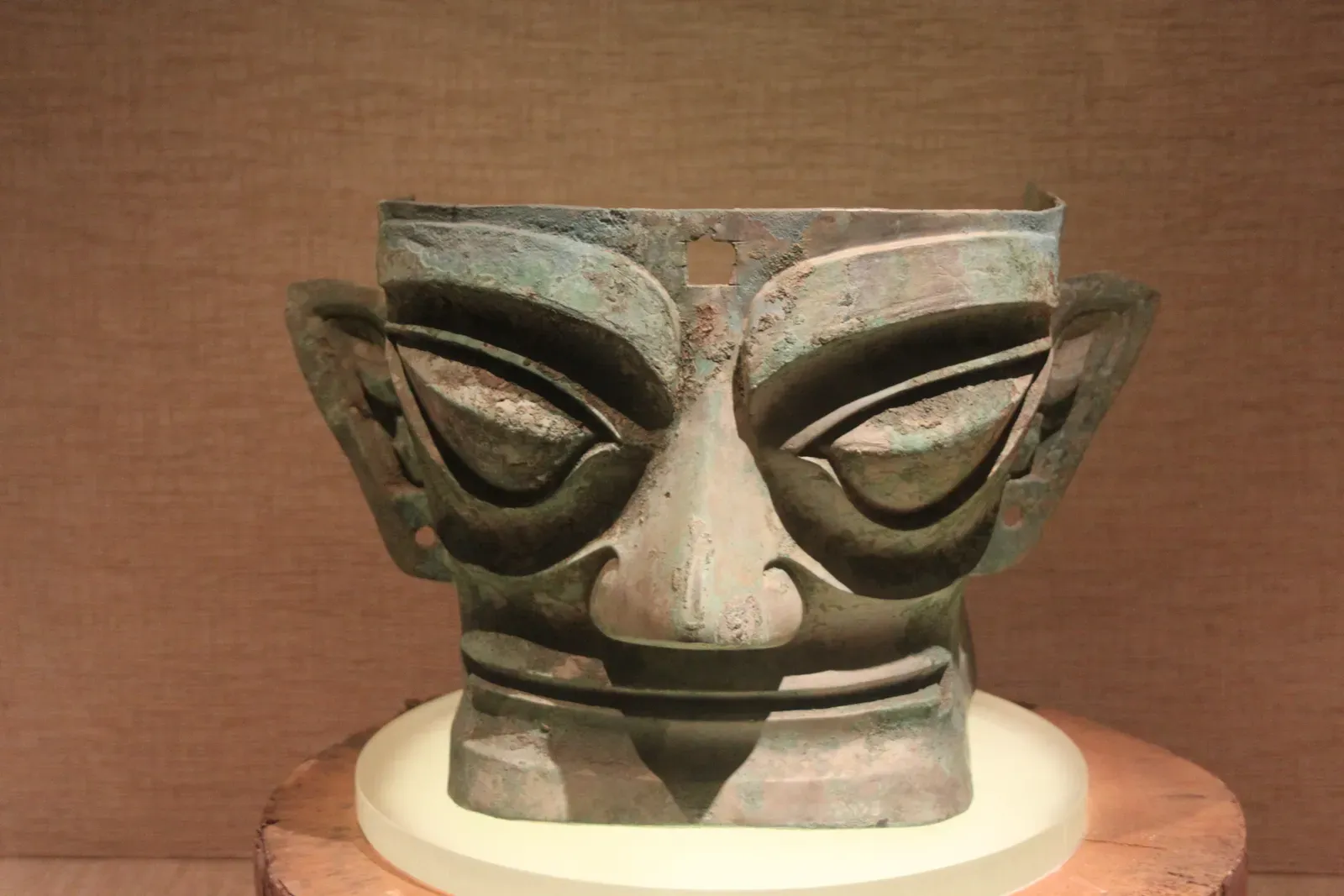
In China’s Sichuan region, the Sanxingdui site has upended older narratives about early Chinese civilization. Excavations over the years have uncovered deep pits filled with broken jade, burned ivory, and especially bronze masks and figures with exaggerated, almost otherworldly features. More recent digs in newly discovered sacrificial pits have revealed even more intricate bronzes, gold artifacts, and textiles, expanding the range of what this culture was capable of making.
These finds are not just beautiful; they are deeply disruptive. The style, iconography, and ritual deposits at Sanxingdui look very different from the better-known early dynasties farther east, suggesting that there were multiple independent centers of complexity in ancient China. As excavators uncover more temples, workshops, and ceremonial areas, the site feels less like a local curiosity and more like evidence of a parallel tradition with its own theology and power structures. Yet without substantial written records, the relationship between Sanxingdui and contemporaneous cultures remains hazy, and every spectacular new discovery seems to widen the gap in our understanding instead of bridging it.
13. The Varna Necropolis: Gold, Social Hierarchies, and a Vanished World
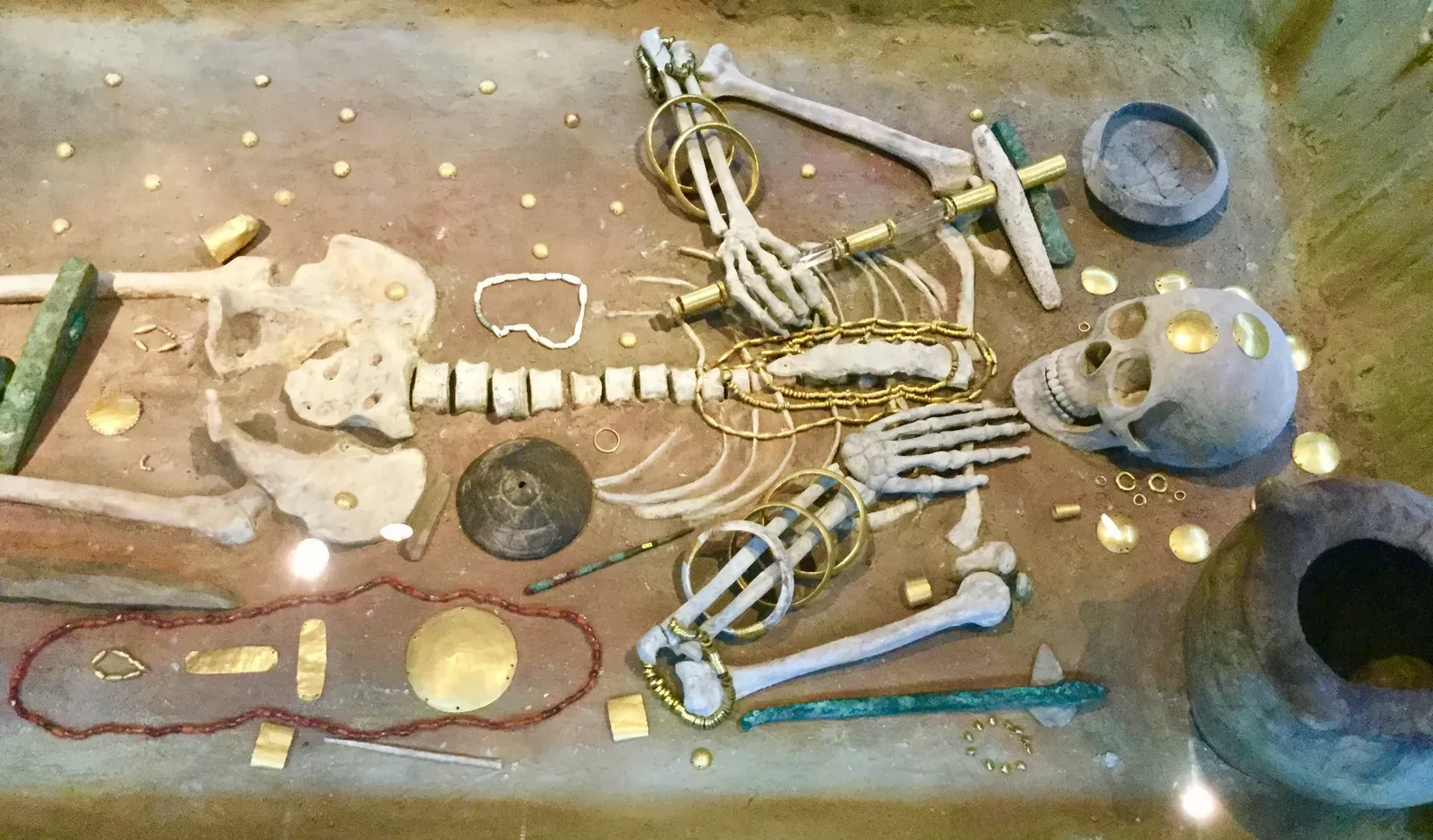
On the Bulgarian Black Sea coast, the Varna Necropolis stunned archaeologists with graves containing some of the earliest known worked gold in the world. New excavations and careful re-analysis of the cemetery have highlighted not only the quantity of gold but the extreme unevenness in how it is distributed. Some burials contain lavish ornaments, scepters, and symbolic items, while others have almost nothing, suggesting sharp social hierarchies thousands of years earlier than many expected in that region.
Subsequent work has only deepened the mystery of who these people were and how they fit into wider European prehistory. Evidence of long-distance trade, distinct ritual practices, and relatively sophisticated metalworking has to be reconciled with the fact that this particular cultural pattern seems to fade out rather than grow into a known later state. Varna feels like a glimpse into a complex society that rose, flourished, and then largely disappeared from the record, leaving only gold-laden graves and scattered clues. Each new burial uncovered adds detail to the internal ranking system, but not to the broader story of why such a striking social experiment did not clearly persist.
14. The Neolithic “Mega-Sites” of Eastern Europe: Cities Before Cities?
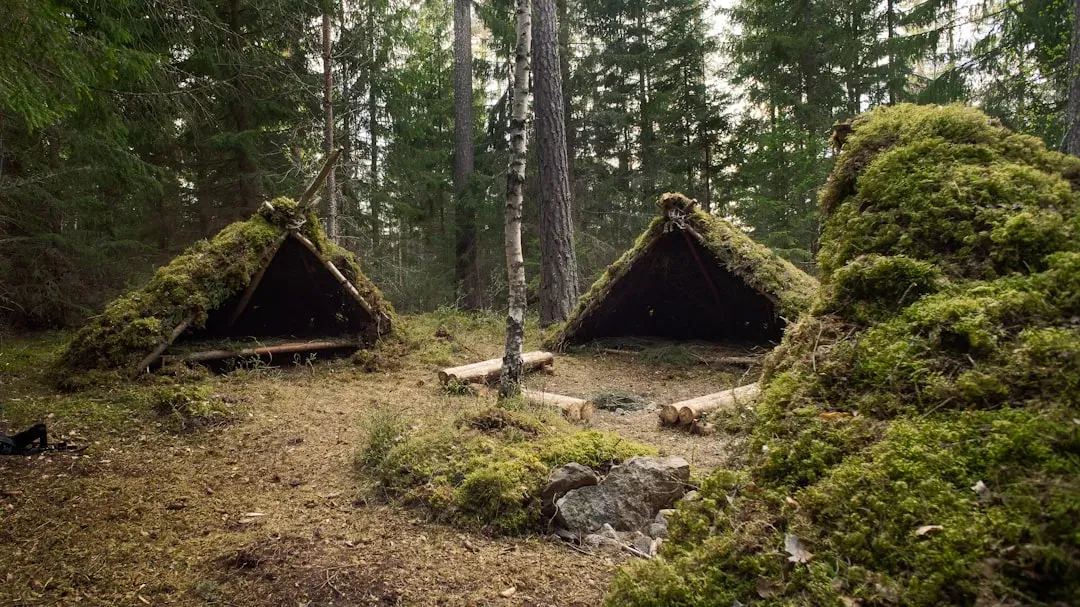
In parts of modern Ukraine and neighboring regions, archaeologists have identified vast Neolithic settlements known as mega-sites, some with thousands of houses laid out in concentric rings. Recent excavations and high-resolution mapping have forced scholars to take these places seriously as something close to early cities, dating back to roughly six thousand years ago. Yet the material evidence does not entirely fit the urban models built from Mesopotamia or later classical examples.
There are signs of planning and communal effort, but limited evidence for big palaces, centralized storage, or clear ruling elites. Environmental and stratigraphic studies suggest that many of these mega-sites were occupied for relatively short periods before being abandoned or burned, perhaps intentionally. As more structures and surrounding fields are excavated, the puzzle is how communities so large organized daily life, conflict resolution, and subsistence without leaving the usual archaeological signatures of tight hierarchical control. Instead of smoothing the picture of how cities emerged, every new trench adds wrinkles that make early European social experiments look more varied and volatile.
15. The Underwater Cities of the Mediterranean: Drowned Stories Rising
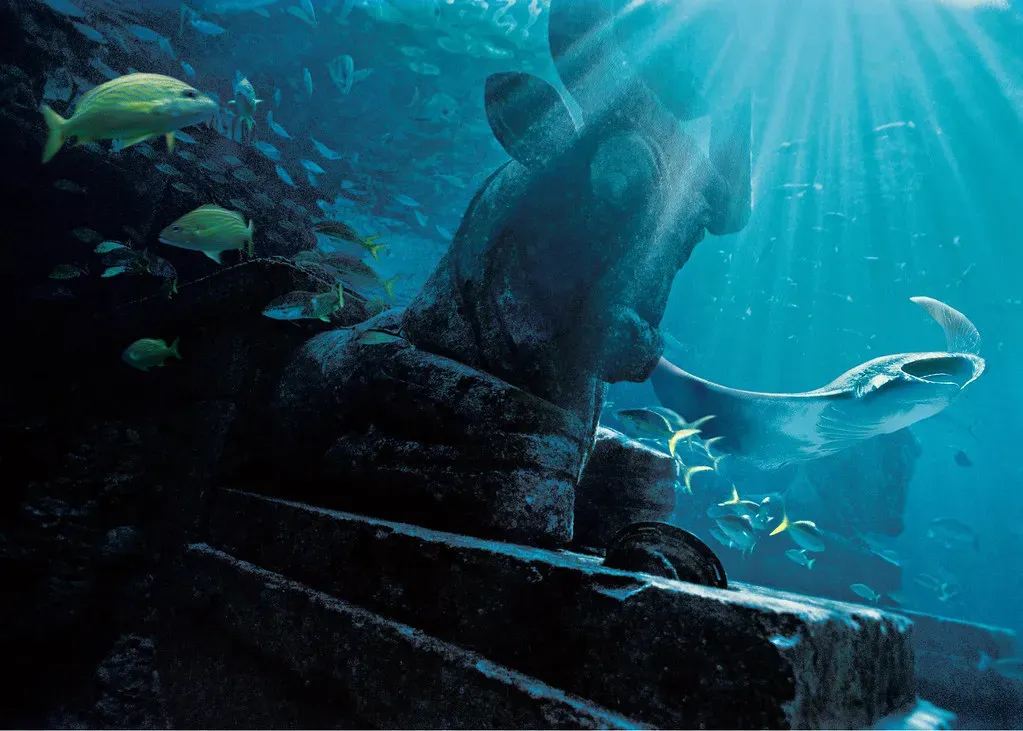
All around the Mediterranean, underwater archaeology has been bringing to light submerged harbors, temples, and entire districts of lost cities. Places like the area off the Egyptian coast near Alexandria, where ancient ports and shrines now lie beneath the waves, were once dismissed as half-legendary. Systematic surveys and new deep-diving excavations, however, have documented streets, colossal statues, and intact shipwrecks that anchor these stories firmly in reality.
The strange part is how these finds disrupt our sense of stability and continuity. Evidence of sudden subsidence, earthquakes, and gradual sea level rise shows how entire urban centers could shift or vanish from the shoreline memory in just a handful of generations. As underwater teams map more structures and recover inscriptions and everyday objects, they reveal urban lives that do not neatly match surviving literary accounts or later religious traditions. The past here is literally layered under water, and every new discovery suggests that our map of ancient coastal civilizations is still missing whole neighborhoods, maybe even entire cities, that we have barely begun to chart.
Conclusion: When Answers Make the Past Stranger
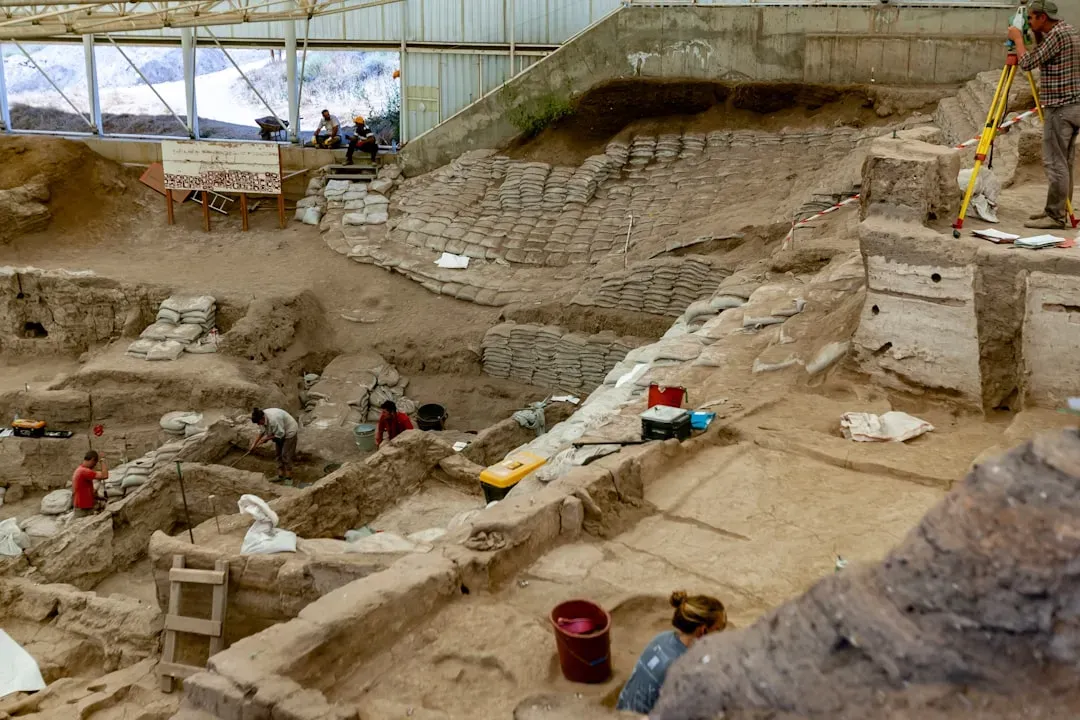
What ties these fifteen mysteries together is not that they are unsolved in a sensational way, but that each new layer of evidence has made the story more complicated than the neat textbook version. In almost every case, excavations and technologies we expected to close the file instead shredded the old narrative and replaced it with something messier, more contingent, and frankly more human. For me, that is the most honest picture of the past: not a straight line of progress, but a tangled forest of experiments, dead ends, and surprising bursts of innovation.
There is a quiet arrogance in assuming that every new dig will simply confirm what we already believe. The reality, as these sites show, is that the ground keeps pushing back, reminding us how limited our theories are when faced with the creativity and strangeness of real people long gone. Maybe the most important lesson from these excavations is that mystery is not a flaw in archaeology – it is its engine. The past is stranger, richer, and more unpredictable than we give it credit for, and that should make us a bit humbler about what we think we know now. Which of these puzzles would you quietly hope never gets fully solved?