
If you’re honest, the unknown probably scares you more than you like to admit. A new job, a medical test result, even a late-night noise in your own home can send your mind running through every worst-case scenario. You might tell yourself you’re just being “realistic,” but under the surface, your brain is doing something deeply ancient and automatic.
When you look closely, fear isn’t a personal flaw; it’s baked into how your nervous system, your culture, and even your sense of self are wired. Once you understand what’s going on, the unknown stops feeling like a black hole and starts looking more like a wild, unexplored landscape you can actually learn to walk through.
The Ancient Brain That Hates Uncertainty
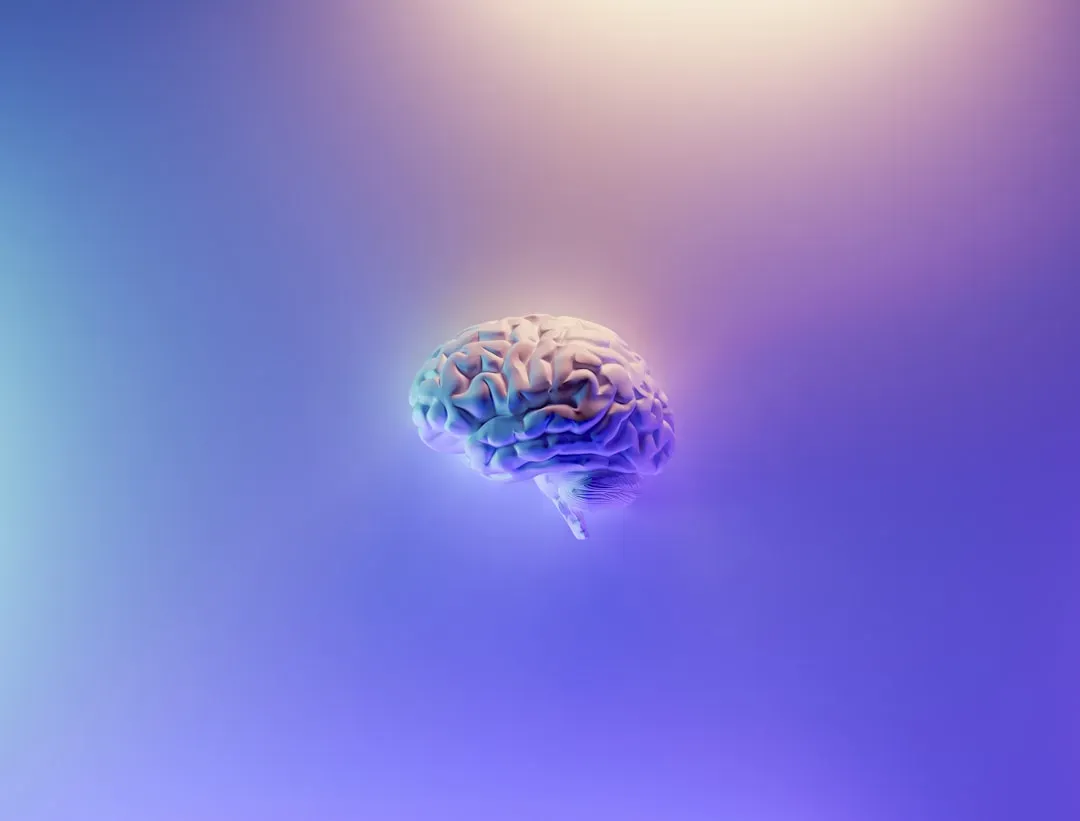
You’re walking in the dark and see a vague shape ahead. Before you can think, your heart speeds up, your muscles tense, and your breathing shifts. That rush is your threat-detection system kicking in, and it evolved in a world where guessing wrong about a rustle in the bushes could get you killed. When your brain doesn’t know what something is or what it means, it often treats it as dangerous by default, just to keep you alive.
Deep inside your brain, areas involved in processing threat and emotion light up disproportionately when you face uncertainty. You’re wired to assume “this might be bad” long before you can calmly weigh the evidence. In a modern world where most “unknowns” are emails, results, or choices rather than predators, this old survival circuit is still running the show, which is why a vague text message can make you feel like you’re under attack.
Why Your Mind Craves Predictability Like Oxygen

Take a moment and picture your perfect day. Odds are, it has rhythm: when you wake up, what you eat, where you go, who you see. Your brain loves that rhythm. Predictability lets you run on autopilot, saving mental energy for things that actually matter. When that predictability cracks – a sudden layoff, an unexpected breakup, a confusing headline – your mind scrambles to rebuild a sense of order as fast as possible.
Uncertainty demands constant mental work: you replay possibilities, simulate future outcomes, and obsessively check for new information. That’s exhausting, and your brain doesn’t like burning that much fuel without a clear payoff. So instead of sitting peacefully with “I don’t know yet,” you’re pulled toward any explanation, even a negative one, because almost any story feels better than a blank space.
The Stories You Tell Yourself in the Dark

When you don’t know what’s coming, your brain rarely fills in the gap with something gentle and hopeful. You default toward catastrophizing: the lump is always cancer, the silence always rejection, the unknown always disaster. You do this because predicting bad outcomes feels like preparation. If you brace for the worst, you tell yourself you’ll suffer less if it happens – even if you end up suffering more in advance.
You also lean hard on past experiences and cultural narratives to make sense of unclear situations. If you’ve been blindsided before, your inner storyteller gets grim and suspicious: you expect betrayal, humiliation, or loss. Over time, this can turn into a loop where the unknown equals pain in your mind, so you avoid new experiences, choices, and risks, and your world quietly shrinks around what already feels familiar.
Control, Ego, and the Fear of Being Exposed

Part of what scares you about the unknown isn’t just “What will happen?” but “Who will I be if I can’t handle it?” You build your sense of self on knowing how things work, staying competent, and looking like you’re in control. When you step into a situation you don’t understand – a new role, a strange social setting, an unfamiliar responsibility – it can feel like your identity is on the line, not just your comfort.
That’s why you sometimes cling to routines, opinions, or roles even when they’re not working for you. The unknown threatens your image of yourself as capable, smart, or strong, and that can sting more than the situation itself. It’s easier to stay in a job you’ve outgrown or a pattern you hate than to face the possibility that you’ll be awkward, unskilled, or visibly lost in some new territory.
How Culture Teaches You to Fear What You Don’t Understand
You weren’t born afraid of every unfamiliar thing; a lot of that fear was taught to you. From childhood, you probably heard warnings about strangers, strange places, and strange ideas. Schools, workplaces, and even families often reward predictability and punish experimentation. Over time, you internalize the message that staying within the lines is safe and stepping beyond them is reckless, naive, or wrong.
Media and social narratives also tend to dramatize the unknown as dangerous: unfamiliar groups are suspicious, new technologies are ominous, and uncertain futures are described with doom-heavy language. You absorb these patterns, so when you face something you don’t recognize – a different culture, a new technology, a big life transition – it’s easy to feel like you’re walking into a horror movie instead of a chapter that hasn’t been written yet.
Why Your Body Reacts Before Your Logic Does

Think about the last time you were waiting for important results – maybe a test, a medical scan, or an application. Even if you told yourself, “Whatever happens, I’ll deal with it,” your body likely had its own opinion. Maybe your stomach twisted, your sleep got weird, or you felt restless for no obvious reason. Your nervous system is designed to respond to potential threat before your rational mind can carefully analyze it.
Hormones linked to stress and vigilance surge when your brain evaluates a situation as uncertain and possibly important. Your muscles tense so you can move quickly, your senses sharpen, and your mind scans for signs of danger. This reaction helped your ancestors survive, but in your current life, it means you might feel physically awful simply because you lack information, not because something truly terrible is happening.
Turning the Unknown from Enemy into Ally

Here’s the twist: the very thing you fear is also where almost everything good in your life has come from. Every close friend you have was once a stranger. Every skill you’re proud of was once something you had never tried. Every choice that changed your life started as a step into uncertainty. When you look back, the unknown is where your growth, joy, and breakthroughs actually lived, even if they were wrapped in discomfort at the time.
You can’t erase your built-in fear , but you can change your relationship with it. You can practice taking smaller risks, naming your worst-case fantasies out loud, and asking, “What are the realistic outcomes here, not just the scariest ones?” Over time, you start to notice that most unknowns don’t crush you; they stretch you. The fear never fully disappears, but it can shift from a stop sign into more of a caution light that you learn to move through on purpose.
Conclusion: Walking Into the Dark With Your Eyes Open
When you pull all of this together, your fear makes a lot of sense. You carry an ancient brain built for survival, a mind hungry for predictability, a fragile sense of self, and a lifetime of cultural messages that tell you unfamiliar equals unsafe. Of course you tense up when you cannot see what’s around the corner; you were never designed to feel totally relaxed in the dark.
But you’re not just your instincts. You’re also the part of yourself that can notice the fear, question the stories, and still take a step forward anyway. The unknown will always stir something in you, but it does not have to run your life; it can just be the edge where your next chapter begins. So the next time you feel that familiar knot in your stomach as you face something uncertain, you might quietly ask yourself: is this a warning to retreat, or is it simply the feeling of your world getting bigger than it was yesterday?