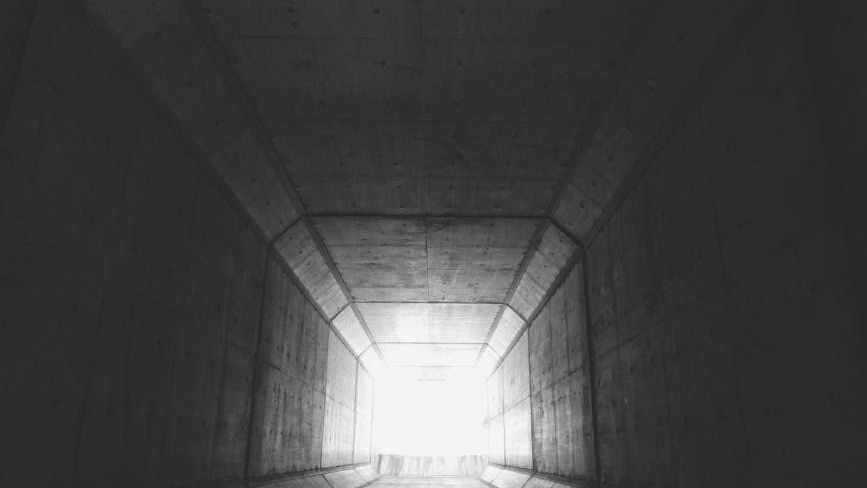
Almost everyone has heard stories of people who were close to death and reported seeing a bright, comforting light, sometimes at the end of what feels like a tunnel. It is one of those images that shows up in movies, on hospital shows, and in everyday conversations about the afterlife. Yet when you dig into it, the picture is more complex, more human, and honestly more fascinating than the pop‑culture version suggests. The light is not just a soft spiritual symbol; it is also a scientific puzzle sitting right at the edge of what we know about the brain.
In recent years, researchers have started to look at near‑death experiences with more serious tools, from advanced brain monitoring to large hospital studies. The result is not a simple “it’s all in your head” or “proof of heaven” answer, but a tangle of overlapping explanations, each catching part of the truth. The light‑at‑the‑end‑of‑the‑tunnel story sits right where biology, psychology, and culture collide. Understanding it means facing how our brains process reality when we are at our most fragile – and maybe what we fear and hope for the most.
The Near-Death Experience: More Common and Structured Than You Think
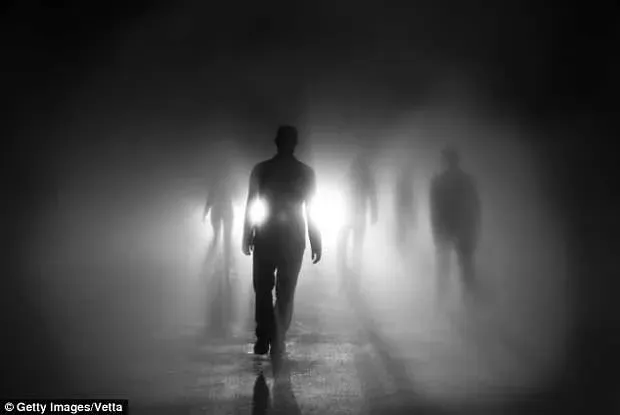
It can be surprising to learn how structured many near‑death experiences actually are. When researchers interview people who have been revived after cardiac arrest or severe trauma, they often hear recurring themes: leaving the body, floating above the scene, intense calm, a life review, and of course, that bright, often loving light. These patterns show up across different countries, ages, and backgrounds, with enough overlap that scientists have tried to map them into typical phases rather than dismissing them as random hallucinations.
At the same time, the details still vary a lot. Some people describe the light as distant, like the end of a long tunnel, while others say it feels like being surrounded by a glow. Some feel pulled toward it, others feel they have a choice to stay or go back. The emotional tone is usually comforting, but not always; there are also accounts colored by fear, confusion, or a sense of incompleteness. That mix of shared structure and individual variation is one reason scientists take these reports seriously instead of lumping them in with ordinary dreams.
What the Dying Brain Is Actually Doing
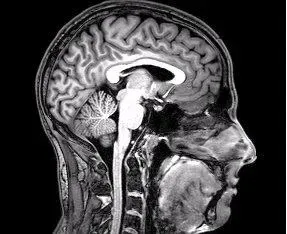
From a strictly biological point of view, the “tunnel” may start with something very down to earth: a brain that is starving for oxygen and blood. When the heart stops or blood pressure crashes, the brain is one of the first organs to suffer. The areas at the back of the brain responsible for processing vision are especially sensitive, and as they start to malfunction, they can generate strange visual effects. Narrowing fields of vision, flashes of brightness, and distorted shapes can be misinterpreted by the mind as a tunnel with a blinding light at the end.
There is also evidence that, in the first seconds or minutes after the heart stops, the brain can spike with surprising bursts of organized activity instead of just fading out. Monitoring in both animals and humans has sometimes shown waves of synchronized firing that look almost like an intense last surge of information processing. It is possible that in those brief windows, the brain is stitching together a vivid, emotionally loaded experience from sensory fragments, memories, and internal signals. The light and tunnel, in that sense, could be what it feels like from the inside when a brain is fighting hard to stay coherent while everything else is failing.
Vision Under Stress: Why a Tunnel Appears
One of the most grounded explanations for the tunnel shape comes from how our eyes and brain normally handle vision. Under normal circumstances, we see clearly in the center of our field and less clearly at the edges, but everything feels smooth and whole. When blood flow and oxygen drop, the cells in the retina and the visual cortex start to fail from the outside in, so the peripheral vision goes first. What remains is a shrinking island of clear vision surrounded by darkness or fuzziness, which can easily feel like looking down a narrowing tube.
On top of that, random firing of neurons in the visual system can produce patterns of light and geometric shapes, a bit like the swirls or flashes people see when they faint or stand up too fast. The brain is a meaning‑making machine; it tries to turn those chaotic signals into a story that makes sense. A bright center with darker edges becomes a tunnel, especially if the experience is already emotionally intense. So while the “light at the end of the tunnel” sounds mystical, the basic geometry might be rooted in simple visual physiology pushed to an extreme.
Chemicals, Neurotransmitters, and the Brain’s Emergency Mode
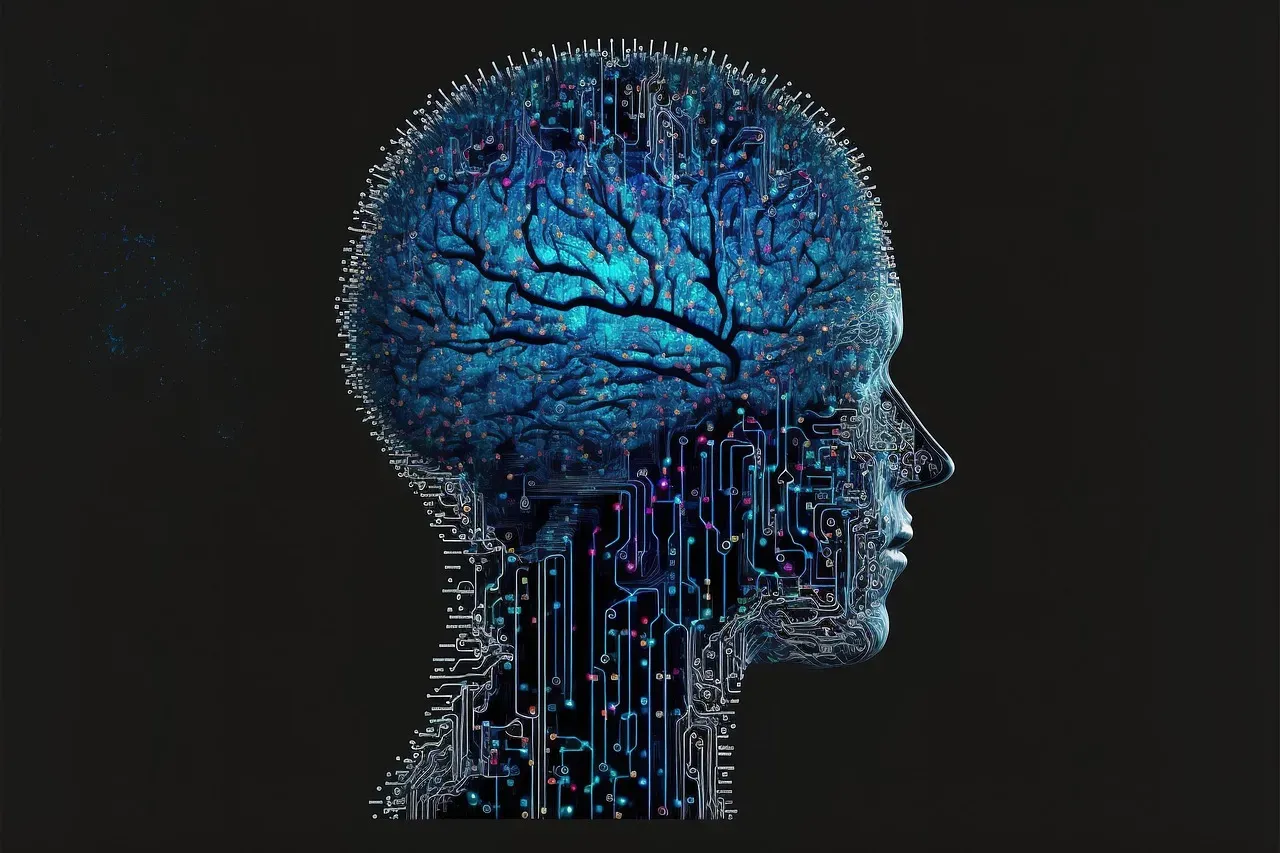
When the body thinks it is dying, it does not go quiet; it floods itself with chemistry. Stress hormones surge, and the brain may release large amounts of its own natural painkillers and mood‑altering chemicals. These shifts can change perception in powerful ways, softening pain, warping the sense of time, and amplifying colors, sounds, and emotions. That dreamy clarity some people describe, where everything feels more real than real, lines up neatly with a brain bathed in substances designed to keep you calm and focused in a crisis.
There has been a lot of speculation about whether near‑death experiences are similar to certain psychedelic states, since both can involve intense light, a sense of unity, and altered sense of self. While the overlap is not perfect and the evidence is still evolving, the comparison is useful. It suggests that when pushed far enough, ordinary brain circuits can generate extraordinary experiences without needing anything supernatural to kick them off. The light and tunnel, then, might be a side effect of the brain’s emergency chemistry – a last‑ditch attempt to manage overwhelming stress in a way that feels strangely meaningful.
Memory, Culture, and the Stories We Expect to See
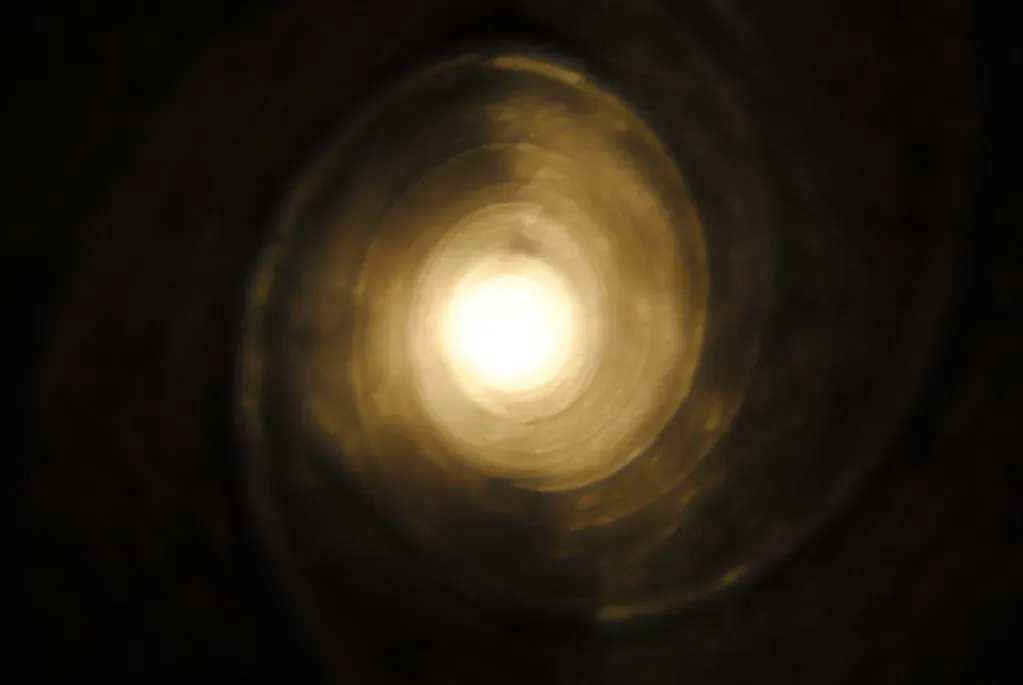
The brain does not just react to the present moment; it constantly pulls in memories, beliefs, and expectations. If you grow up hearing about a light at the end of the tunnel as a symbol of death or salvation, that image is sitting there in your mental library. When your brain is under extreme stress and trying to frame its own fading signals, it may naturally reach for stories and metaphors it already knows. That does not mean the experience is fake; it means it is filtered through the same narrative tools we use to make sense of everything else in life.
Interestingly, reports from different cultures and religious backgrounds do not all use the tunnel image in the same way, and in some places it appears less often or is described differently. Some people report light without a tunnel, or a presence without any visual scene at all. That cultural variation hints that the raw neurological event might be shaped heavily by what a person has been exposed to and what they expect might happen at death. In a way, the mind might be staging its final scene using props taken from religion, movies, and personal belief.
Does the Light Prove Anything About an Afterlife?
This is the uncomfortable question sitting behind most conversations about the light at the end of the tunnel: is it evidence that something of us survives the body, or just a trick of dying neurons? From a scientific standpoint, the honest answer is that near‑death experiences are powerful data about human consciousness, but they do not settle the afterlife question one way or the other. Every detail can be explained with brain processes, yet the timing and intensity of some reports keep the debate alive. For many people, the very existence of such a vivid, organized experience at the edge of death feels suggestive, even if it is not definitive proof of anything beyond.
Personally, I think it is a mistake to force a simple yes‑or‑no verdict out of something this complex. The light might be a natural event produced by a brain under extreme conditions, and at the same time it might carry deep spiritual meaning for the person who lives through it. One does not automatically cancel out the other. Just because we can describe what the visual cortex is doing does not mean we have squeezed all mystery out of the experience. The science tells us how the movie is projected; it does not tell us what the story ought to mean to each of us.
Why These Experiences Still Matter, Even If They Are “Just Brain Events”
Even if you take the most hard‑nosed materialist view and say the light at the end of the tunnel is entirely a construct of a failing brain, you still have to face what it does to people afterward. Many who have had near‑death experiences come back with less fear of dying and a greater sense of purpose or connection. They often describe caring less about status or possessions and more about relationships and authenticity. That kind of deep shift in values is not something we should shrug off just because we can point to neurons and neurotransmitters behind it.
In my view, that might be the most important part of the whole phenomenon. The science helps us avoid superstition and keeps us honest about what we can truly claim. But the personal impact shows that the brain, at its most stressed and vulnerable, can generate experiences that reorient a life. Whether you see that as the kindness of biology or the faint glow of something beyond, it changes how you move through the world. Maybe the real question is not whether the light proves anything cosmic, but what you choose to do with your time before you reach your own tunnel.
Conclusion: Between Neurons and Mystery
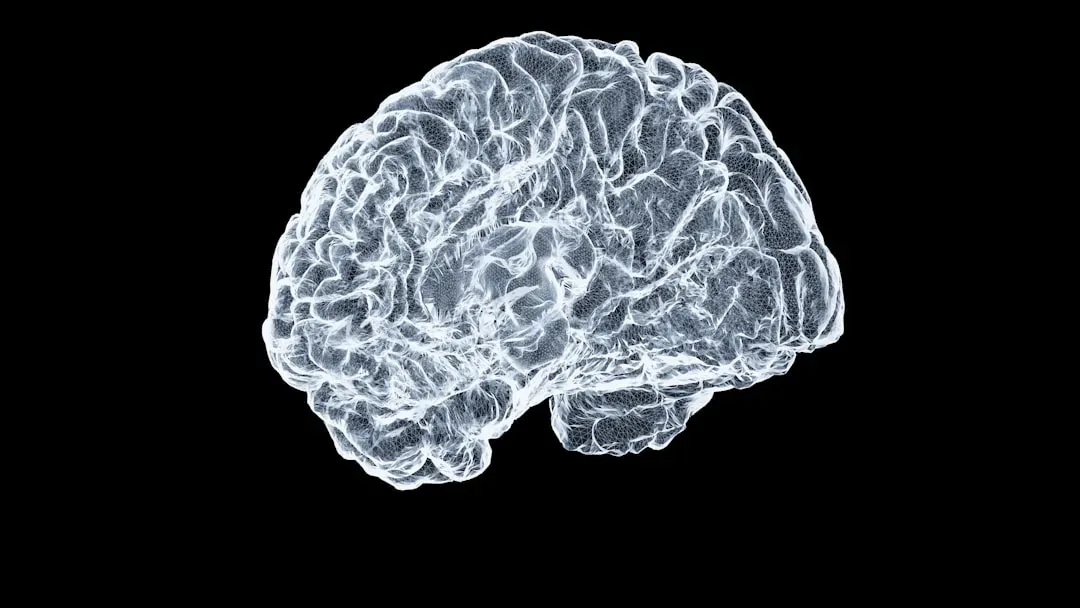
When you strip it down, the “light at the end of the tunnel” looks like a paradox wrapped in a very human story. On one side, there are strong, grounded explanations: failing vision fields, surges of brain activity, emergency chemicals, and cultural scripts all mixing into one last dramatic perception. On the other side, there is the raw lived reality of people who come back convinced they touched something larger than themselves. I lean toward the view that the brain is doing the heavy lifting here, crafting a protective, meaningful narrative as it struggles to keep going, but I also think we should resist the urge to act as if that makes the experience shallow or trivial.
To me, the most honest and useful stance is this: the light is probably a natural brain phenomenon, but that does not strip it of meaning. It is a mirror turned toward our deepest fears and hopes, and it can jolt people into living more fully while they still can. We may never know whether it points to another world or simply to the remarkable creativity of this one fragile organ in our skulls. But maybe that uncertainty is its own kind of gift, nudging us to stay curious, humble, and awake to the time we have. If you knew that, in your final moments, your mind might offer you one last, luminous story – how would you choose to write the chapters leading up to it?