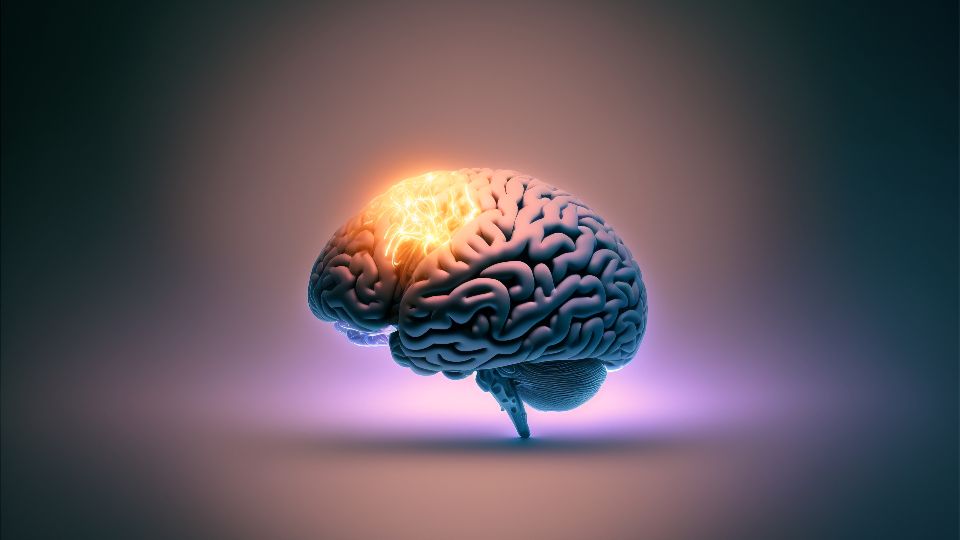
If you have ever wondered why some days you feel quietly content for no obvious reason and other days everything feels heavy, you are not imagining it. Behind every mood swing, quiet smile, or burst of motivation, there is a real biochemical story playing out in your brain. Happiness is not magic and it is not just “positive thinking”; it is chemistry, wiring, and experience all tangled together.
Once I learned how much neurotransmitters like serotonin and dopamine were involved in my own emotional ups and downs, it completely changed how I saw bad days. Instead of thinking there was something wrong with my character, I started seeing my brain as a system I could understand and work with. The science does not take the mystery or meaning out of happiness, but it does give us more tools and a little more compassion for ourselves when joy feels hard to reach.
The Brain’s Emotional Network: Happiness Is a Team Sport
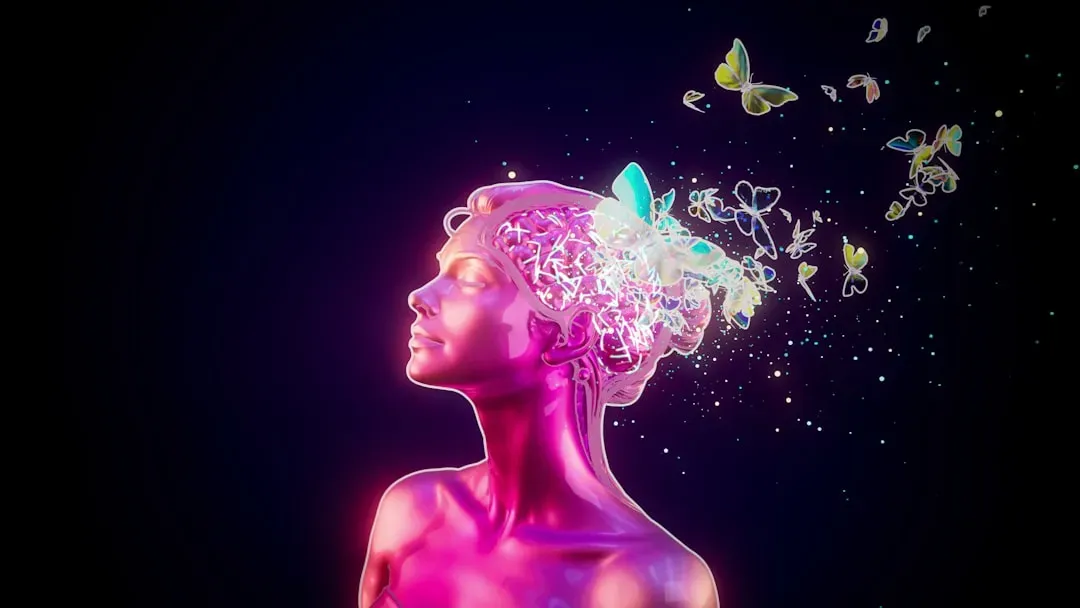
Happiness is not produced by one single “joy center” in the brain; it is the result of several regions talking to each other in complex, sometimes messy ways. The prefrontal cortex, sitting just behind your forehead, helps you interpret events, plan, and put things in perspective, which is why two people can live through the same situation and feel completely different about it. Deeper inside, the amygdala helps detect emotional significance, especially threats, while regions like the nucleus accumbens and ventral striatum are crucial for reward and motivation.
These areas are constantly exchanging chemical messages, almost like a crowded group chat that never stops. When the messages are balanced and well-timed, you are more likely to feel calm, motivated, and safe. When signaling is off, the exact same life can feel dull, overwhelming, or meaningless. This is one reason why telling someone with depression to “just be grateful” is about as helpful as telling someone with a broken leg to “just walk it off.” The hardware and the chemical signals genuinely matter.
Dopamine: The Thrill of the Chase, Not the Finish Line
Dopamine is often called the “pleasure chemical,” but that nickname is misleading and honestly a bit outdated. Dopamine is really more about wanting than liking; it fires when you anticipate reward, chase a goal, or feel that something exciting might happen. That is why the buzz of checking your phone, getting likes, or starting a new project can feel almost addictive, even if the actual payoff is tiny or disappointing.
In the brain, dopamine-rich pathways run from deep midbrain areas to the reward centers and prefrontal cortex, shaping motivation, learning, and habit formation. When dopamine signaling is healthy, it pushes you to explore, try new things, and work toward meaningful goals. When it is chronically over-stimulated by quick hits like junk food, endless scrolling, or impulsive shopping, your brain can start craving more “hits” while feeling oddly less satisfied. The chase becomes louder than the joy itself, which is one reason modern digital life can feel both stimulating and strangely empty.
Serotonin: The Steady Glow of Safety and Well-Being
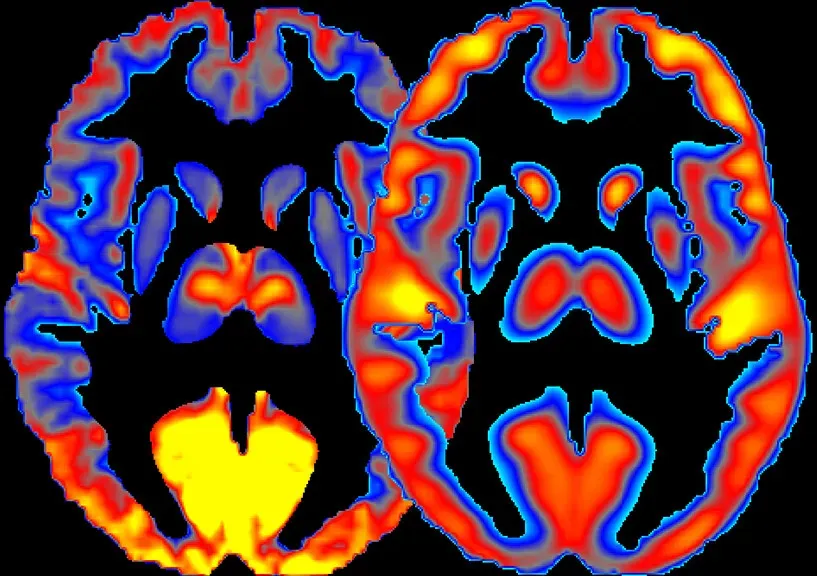
While dopamine is about the chase, serotonin is more like the quiet, stable glow in the background. It is involved in mood regulation, appetite, sleep, and a general sense that things are okay enough for you to relax. Many antidepressant medications work by increasing serotonin signaling, which tells you just how central it is to emotional balance, even if it is not the whole story. Unlike the intense rush of dopamine, serotonin’s influence tends to feel more like calm contentment than fireworks.
Serotonin pathways connect mood-related regions with areas involved in bodily functions, which is why stress, sleep, and digestion are all tangled up with how you feel emotionally. Low or disrupted serotonin signaling has been linked with depression, anxiety, and increased sensitivity to negative experiences. The frustrating part is that you cannot simply force your brain to “make more serotonin on demand.” But behaviors like getting sunlight, exercising regularly, and maintaining social connections can support serotonin systems over time, giving you a more stable emotional foundation rather than a rollercoaster of highs and lows.
Oxytocin and Endorphins: The Warm Blanket Chemicals
Oxytocin is often nicknamed the “bonding” or “cuddle” molecule, and while that is a bit simplified, it is not totally wrong. It is released during social connection, affectionate touch, and moments of trust, helping you feel closer and more secure with others. That cozy feeling when you hug someone you love, hang out with a trusted friend, or even spend time with a pet has real chemical roots. Oxytocin helps your brain interpret other people as safe rather than threatening, loosening some of your social anxiety and emotional armor.
Endorphins, on the other hand, are natural painkillers that your brain releases in response to stress, pain, laughter, or intense exercise. They can create that classic “runner’s high,” but they also show up when you laugh hard or have a good cry. Together, oxytocin and endorphins act like a warm blanket for both mind and body, buffering you against stress and helping you feel connected and alive. This is why a tough day can become surprisingly bearable after a long walk with a friend, a great comedy special, or even a deep conversation where you finally let your guard down.
Stress Hormones: How Cortisol Can Hijack Your Joy

Happiness chemistry does not exist in a vacuum; it is constantly shaped by your body’s stress response. When you face a challenge or threat, your brain releases stress hormones like cortisol and adrenaline to help you respond quickly. In short bursts, this system is protective and even energizing. The trouble starts when stress becomes chronic, as it often does with money worries, job strain, caregiving burnout, or constant digital overload.
Over time, persistently elevated cortisol can interfere with serotonin, dull reward pathways, disrupt sleep, and shrink your capacity for simple pleasure. You may start to feel numb, exhausted, or easily irritated, even if nothing “dramatic” is happening on the outside. I have had seasons where I was not miserable, just strangely joyless, and later realized my body had been stuck in low-grade fight-or-flight for months. Learning simple stress-regulation tools – like slow breathing, movement, boundaries around work, and actual rest – can lower that hormone background noise so your brain chemistry has room for joy again.
Genes, Personality, and the Limits of “Just Think Positive”

One uncomfortable but liberating reality is that people are not all born with the same brain chemistry baseline. Some of us have genetic variations that influence how our neurotransmitters are made, released, or recycled. Twin and family studies suggest that a noticeable portion of our overall happiness tendencies comes from inherited factors. That does not mean your fate is sealed, but it does mean some people start life closer to “sunny and optimistic” while others have to work much harder for the same level of contentment.
Personality traits like neuroticism, openness, and extroversion also have biological and developmental roots that shape how we experience the world. If your brain is wired to notice possible threats more than possible rewards, being told to “just focus on the bright side” can feel like an insult. I lean naturally anxious myself, and once I accepted that my brain’s default is a bit stormy, I stopped chasing some mythical permanent positivity. Instead, I focused on building habits, environments, and relationships that support my particular brain, which feels far more realistic and humane.
Habits That Nudge Your Chemistry Toward Happiness

Even though we cannot manually dial our neurotransmitters up and down like a stereo, everyday choices can gently influence brain chemistry over time. Regular physical activity boosts dopamine and endorphins, and over the long run can support serotonin and stress regulation. Even moderate movement – a brisk walk, dancing in your kitchen, cycling with a friend – can have measurable mood benefits. Sleep is another massive lever; during deep rest, the brain clears out metabolic waste and resets many of the systems that regulate mood and attention.
Nutrition and social connection are quieter but equally important players. Diets rich in whole foods, fiber, and healthy fats support the production and function of key neurotransmitters, while highly processed, sugar-heavy diets are linked with increased mood problems. Meanwhile, consistent, emotionally safe relationships act like a long-term oxytocin and safety generator. None of these habits are a guaranteed happiness hack, and they do not cure serious mental illness on their own. But they create a biochemical environment where joy has a better chance of showing up and sticking around.
Modern Life, Technology, and the Hijacking of Reward Systems

One of the biggest challenges for our brain chemistry today is that our environment has changed much faster than our biology. Our dopamine systems evolved to reward effortful, meaningful tasks like finding food, building shelter, and nurturing relationships. Now, those same circuits are constantly pinged by hyper-designed digital products, fast food, streaming platforms, and infinite scroll. The result is an almost constant stream of low-effort, high-stimulation “rewards” that are never quite satisfying.
Over time, this flood can blunt your sensitivity to more subtle, slower forms of joy, like reading a book, learning a new skill, or sitting quietly with someone you love. I have noticed that after periods of heavy social media use, simple pleasures feel strangely flat, almost like music played through cheap speakers. Many people find that small experiments – like taking app breaks, turning off nonessential notifications, or blocking off tech-free hours – can reset their reward systems a bit. It is not about becoming a digital monk; it is about recognizing that your brain chemistry was not built for endless novelty and making choices that protect your capacity for deeper happiness.
When Chemistry Needs Help: Therapy, Medication, and Honest Self-Compassion

Sometimes, despite good habits and honest effort, happiness still feels far out of reach. In those cases, the issue may involve deeper or more entrenched disruptions in brain chemistry and neural circuits, often shaped by genetics, trauma, or long-term stress. This is where therapy and, in some cases, medication can play a crucial role. Talk therapies can literally reshape patterns of thinking and connection between brain regions over time, while medications can adjust neurotransmitter signaling enough to make change feel possible again.
There is a strange stigma around needing biochemical help, as if willpower alone should be enough to outthink depression or anxiety. But if you accept that the brain is an organ, just like the heart or lungs, then getting support for its chemistry stops being a moral issue and becomes a medical and human one. My opinion is unapologetically clear: if your brain chemistry is making life unlivable, you deserve every available tool, without shame. Happiness will always be more than chemicals, but sometimes adjusting those chemicals is exactly what allows you to reconnect with meaning, relationships, and a life that feels worth inhabiting.
Conclusion: Happiness Is Chemistry, But Never Only Chemistry

When you look closely, happiness turns out to be both more mechanical and more mysterious than it first appears. On one hand, moods are deeply tied to tangible things: neurotransmitters firing in patterns, hormones rising and falling, brain regions lighting up or going quiet. On the other hand, those same circuits are shaped by love, loss, stories, culture, and the small choices you make every day. Reducing joy to “just brain chemicals” misses the point, but ignoring the chemistry is like trying to sail without ever checking the wind.
My own view is that accepting the biochemical side of happiness is not cynical; it is compassionate. It means we stop blaming ourselves for every bad day and start seeing our brains as partners we can understand and care for. It also means we take seriously the power of sleep, movement, food, therapy, boundaries, and real connection, not as self-help slogans but as ways to steadily shape our inner chemistry. You may never have total control over your joy, but you have more influence than it often feels like. Knowing that, what is one tiny experiment you are willing to try with your own brain this week?