If you think history is a neat, polished story written in stone, buried discoveries are here to ruin that illusion. Time and again, something strange comes out of the ground, and the first reaction from experts is not excitement, but disbelief: this cannot be what it looks like. It does not fit the timeline, it does not match the textbooks, and sometimes it seems to demand that entire chapters of human history be rewritten from scratch.
In the last century and a half, archaeologists, looters, farmers, divers, and random dog walkers have stumbled on objects and sites that sounded more like conspiracy-theory clickbait than serious research. Yet many of them turned out to be very real. Some are now museum centerpieces; others are still quietly argued about in academic journals. Let’s walk through 25 of the most jaw‑dropping finds that scholars either dismissed, mocked, or nervously side‑eyed before finally accepting they were genuine.
#1 The Antikythera Mechanism: An Ancient “Computer” That Shouldn’t Exist
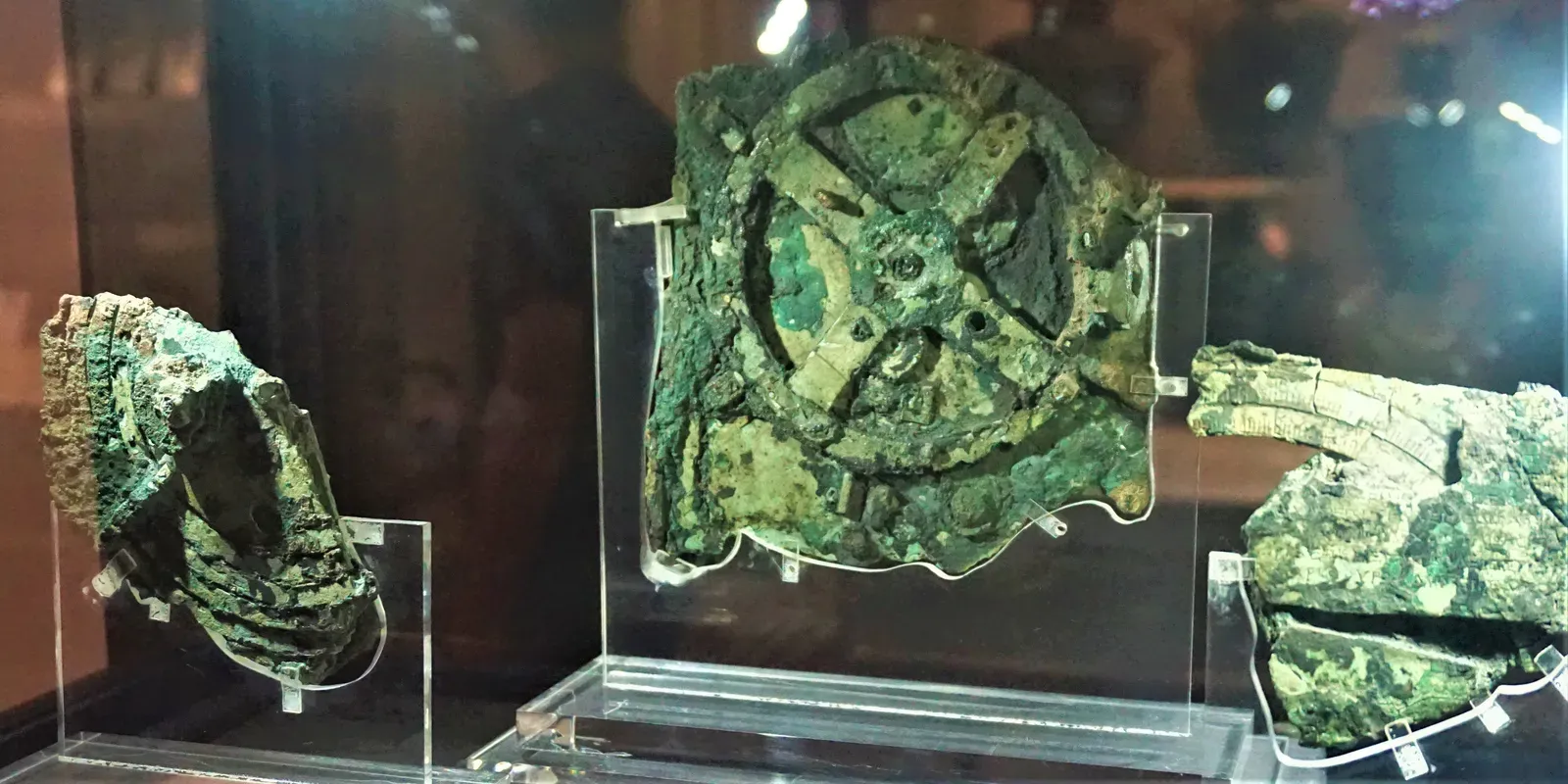
When corroded bronze fragments were pulled from a Roman‑era shipwreck near the Greek island of Antikythera in the early 1900s, nobody imagined they hid precision gears. For decades, museum staff treated the lump as just another encrusted curiosity, and early suggestions that it contained a complex mechanism were brushed off as overinterpretation. An ancient analog computer capable of predicting eclipses and tracking planetary motions simply did not fit the accepted picture of classical technology.
Only in the second half of the twentieth century, after detailed X‑ray studies, did researchers finally accept that the Antikythera Mechanism was exactly that: a sophisticated astronomical calculator with dozens of interlocking bronze gears. Even then, some historians resisted, because admitting its reality implied a lost tradition of high‑level Greek engineering that had barely left a trace elsewhere. I still remember the first time I saw a 3D reconstruction; it felt like someone had dropped a piece of Renaissance clockwork into the wrong millennium, and suddenly the old narrative about “simple” ancient technology looked embarrassingly naive.
#2 Göbekli Tepe: The Stone Temples Older Than Farming
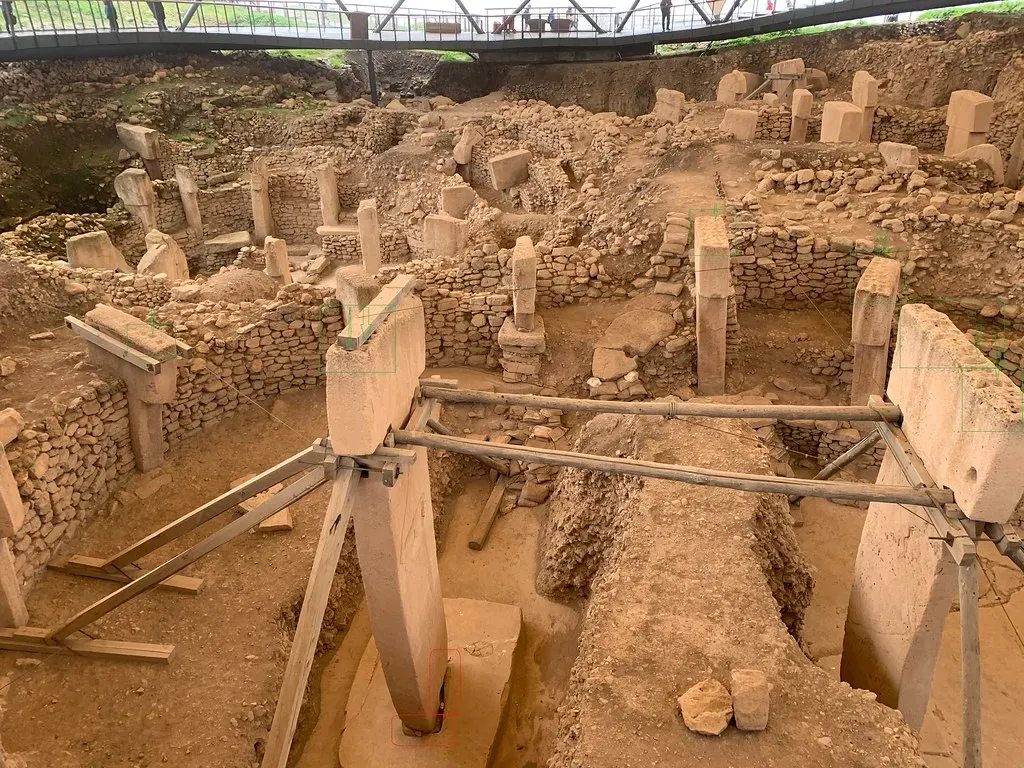
Up on a windy hill in southeastern Turkey, archaeologists uncovered rings of massive T‑shaped pillars carved with animals and abstract symbols. Radiocarbon dates pointed to roughly eleven and a half thousand years ago, long before cities, pottery, or domesticated crops were supposed to exist. Many scholars initially suspected some kind of dating error or misinterpretation; the idea that hunter‑gatherers could organize labor for such monumental stonework flatly contradicted the standard model where agriculture came first and temples later.
As more enclosures were excavated, the evidence became impossible to shrug off. These were planned, symbolically rich structures built by communities that still lived off wild game and plants. The resistance to Göbekli Tepe was really resistance to what it implied: that complex religious or ceremonial centers might have come before settled village life, not after. Personally, I think this site is one of those rare discoveries that doesn’t just tweak timelines but forces us to ask whether our entire story about how “civilization” starts has been upside down.
#3 The Nebra Sky Disc: A Bronze Age Star Map That Looked Too Good
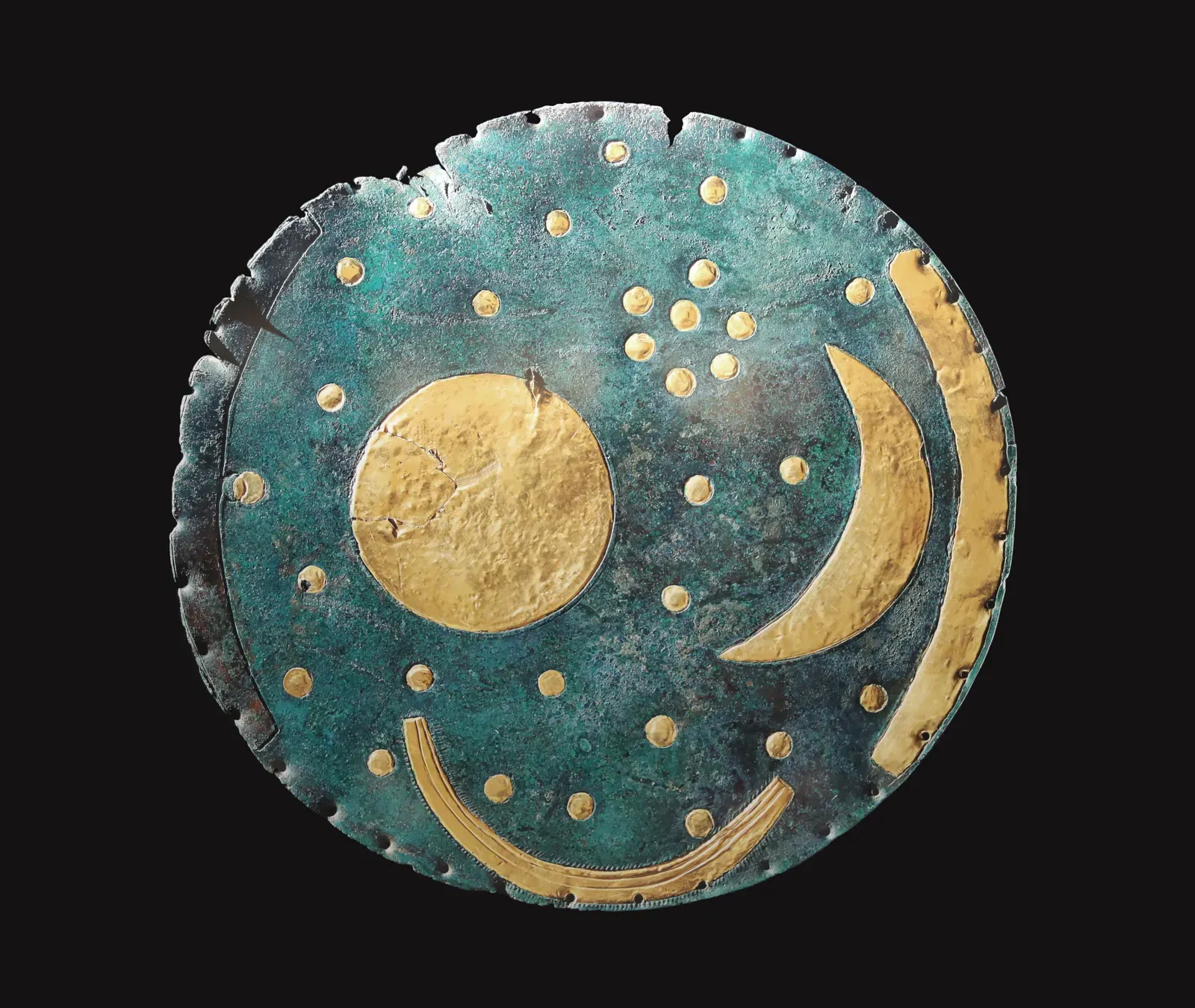
When the Nebra Sky Disc surfaced on the antiquities market in Germany around the early 2000s, many historians and archaeologists immediately suspected a modern forgery. It was almost too poetic: a bronze disc inlaid with gold symbols that looked like a night sky, complete with a cluster interpreted as the Pleiades and arcs that could mark solstices. Its reported discovery by illegal metal detectorists, rather than a formal excavation, made the skepticism even sharper.
Over time, metallurgical analyses, soil traces, and comparisons with other items in the associated hoard pushed opinion toward authenticity, though debates about its exact date and context still simmer. The disc now tends to be placed in the European Bronze Age, suggesting surprisingly sophisticated sky‑watching and symbolism. What I find fascinating is how long some specialists clung to the forgery hypothesis, not because the data demanded it, but because the idea of such a refined astronomical object in prehistoric Europe felt “wrong” on a gut level.
#4 The Dead Sea Scrolls: “Too Convenient” to Be Genuine Scripture
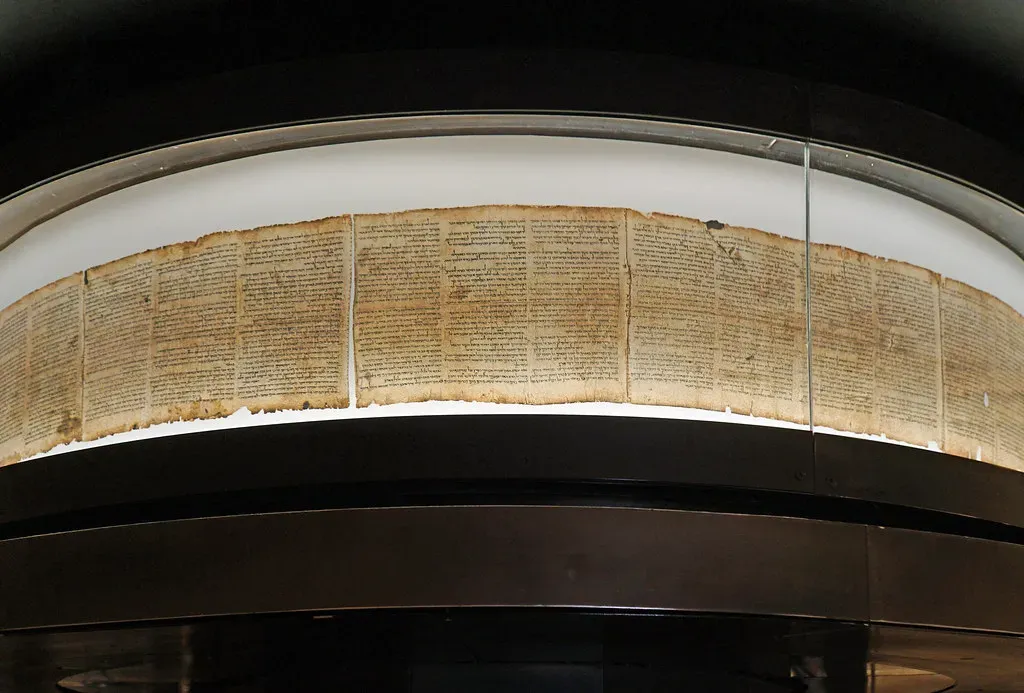
When Bedouin shepherds first sold fragments of the Dead Sea Scrolls in the late 1940s, some scholars thought the whole thing was a clever scam. Here were ancient Hebrew and Aramaic texts, many echoing or paralleling parts of the Hebrew Bible, emerging at a moment when interest in biblical archaeology was exploding. The combination of sensational content and a murky discovery story made skeptics immediately suspect modern forgers chasing a payday.
Meticulous study of ink chemistry, parchment aging, language, and paleography gradually showed that the vast majority of the scrolls were genuinely from the last few centuries BCE and the early first century CE. What had seemed “too good to be true” turned out to be a once‑in‑a‑lifetime window into Second Temple‑period Judaism. The initial refusal to believe, though, says a lot about how experts react when new evidence threatens to give religious or political debates an uncomfortable amount of archaeological backing.
#5 Troy: A Legendary City That Refused to Stay Myth
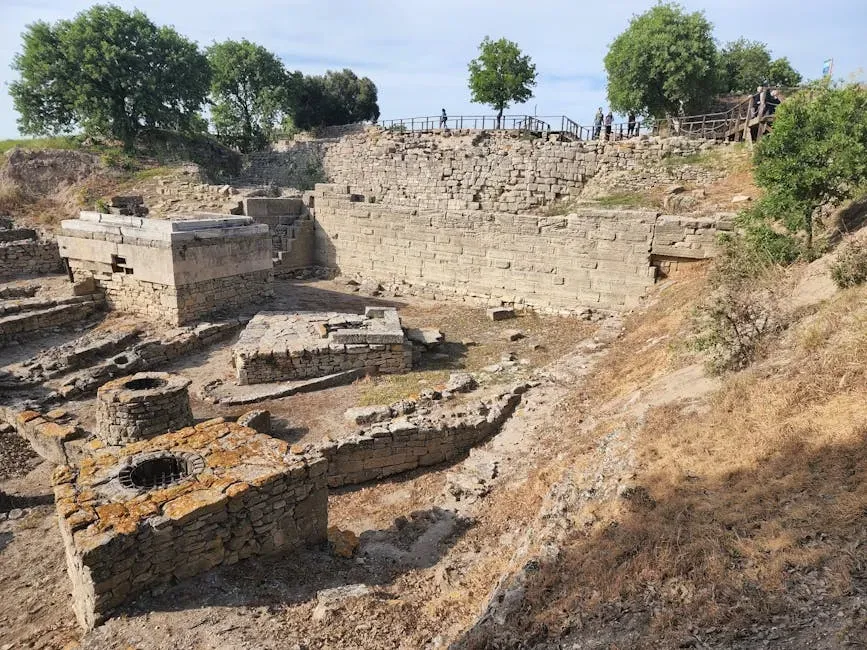
For a long time, many historians treated Homer’s Troy as literary scenery rather than a real place. When Heinrich Schliemann began digging in northwestern Turkey in the nineteenth century, loudly claiming he had found Troy based on epic poetry, the academic world largely rolled its eyes. He was seen as a reckless amateur treasure‑hunter, and his early claims that “Priam’s Treasure” proved the Iliad were widely dismissed as romantic nonsense.
Over the twentieth century, careful stratigraphic work by more systematic archaeologists revealed multiple layers of settlement at the site of Hisarlik, including a powerful Late Bronze Age city destroyed by violence or disaster. While details of the Homeric story remain unprovable, the broad idea that a real city of Troy lay behind the legend is now mainstream. What started as something historians refused to take seriously morphed into a textbook example of how myth and archaeology can unexpectedly intersect, even if not in the simple way early enthusiasts hoped.
#6 The Rosetta Stone: A Linguistic Cheat Code Dismissed as Just Another Stele
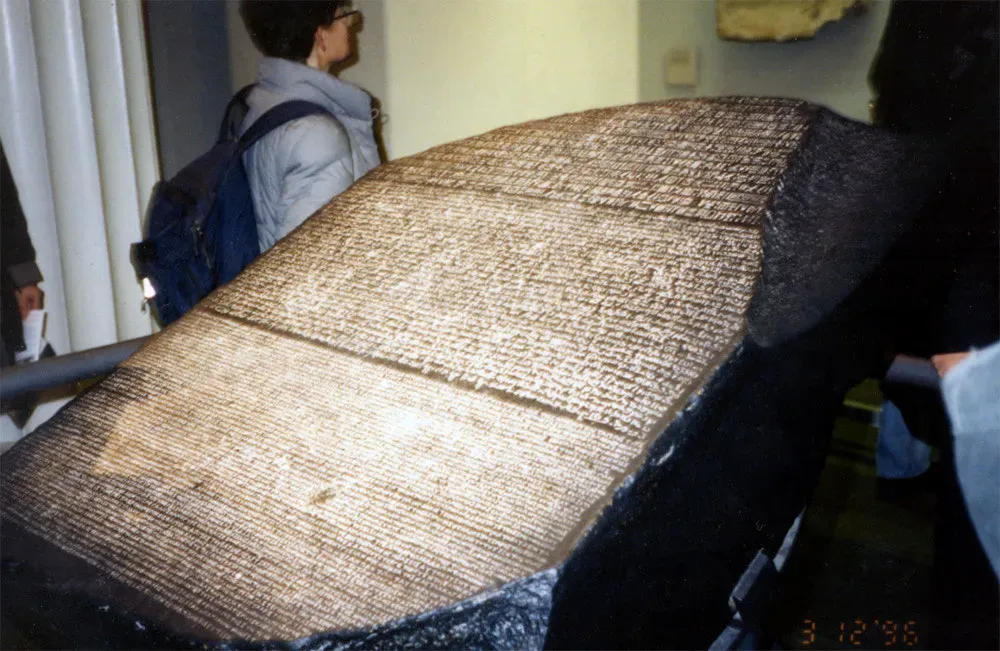
When French soldiers in Napoleon’s Egyptian campaign uncovered a chunk of inscribed basalt in 1799 near the town of Rashid (Rosetta), it was initially cataloged as a routine monumental inscription. Local scholars and officers noted the three scripts on the stone – hieroglyphic, Demotic, and Greek – but the true significance of that multilingual repetition did not instantly dawn on everyone. Some early observers underestimated how crucial it could be for decoding the long‑silent hieroglyphs.
In the years immediately after its discovery, there were scholars who doubted that Egyptian writing could ever be fully deciphered, even with a bilingual text. The proposition that the mysterious pictorial script recorded a real, phonetic language – rather than vague symbols or esoteric codes – met resistance. As Jean‑François Champollion and others slowly cracked the system, the stone’s importance became obvious in hindsight. To me, the reluctance here feels like a reminder of how often people underestimate what can be done with a single, stubborn piece of evidence.
#7 The Piri Reis Map: An Ottoman Chart That Seemed to Know Too Much
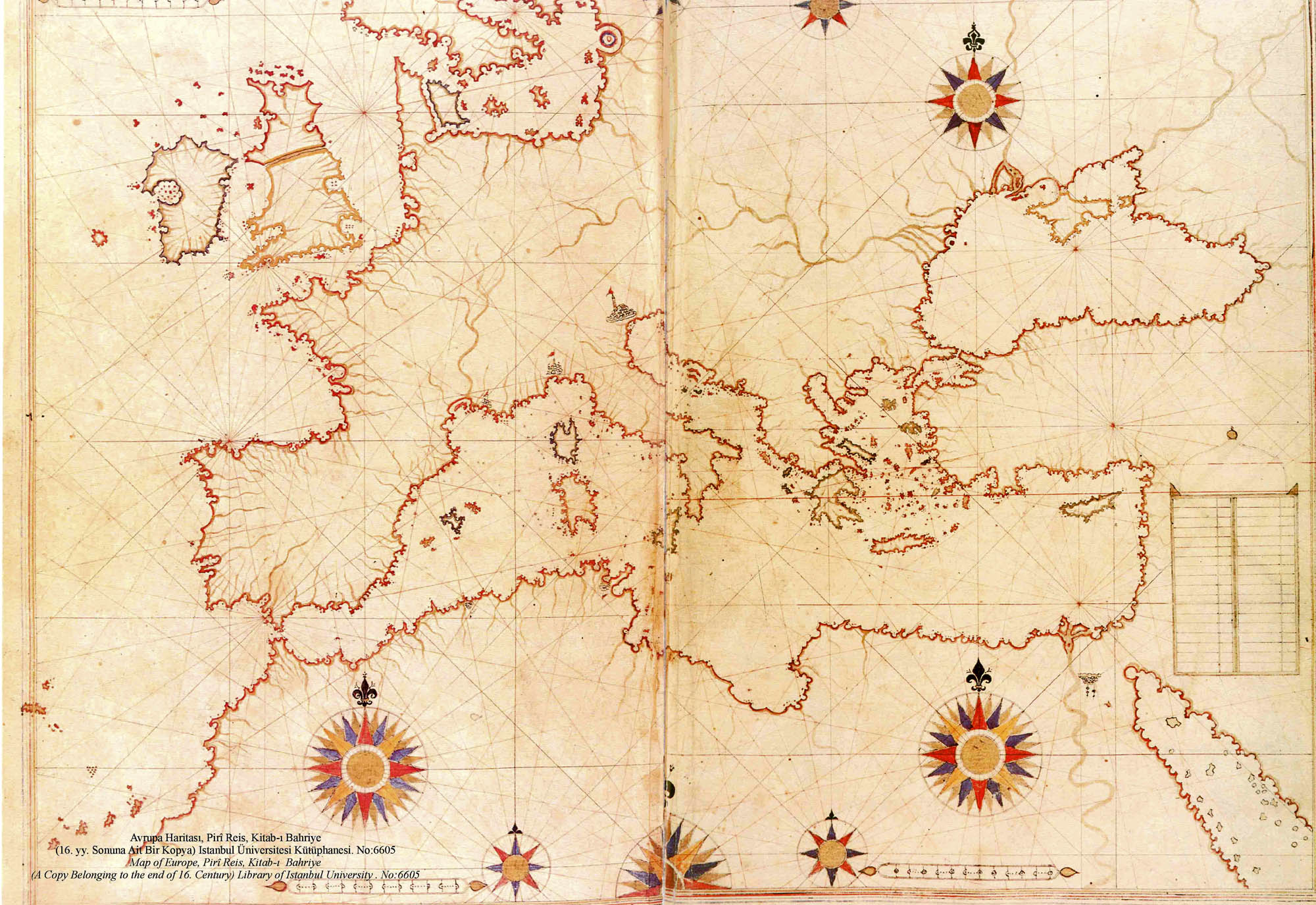
In 1929, staff at Istanbul’s Topkapı Palace rediscovered a fragment of a world map drawn in 1513 by the Ottoman admiral Piri Reis. At first glance, it showed parts of the Atlantic, including the coasts of Europe, Africa, and the Americas, created astonishingly soon after Columbus and other early explorers. Some historians initially doubted that the dating and authorship could be right, largely because the depiction seemed unusually accurate for the time.
Piri Reis had annotated his map with notes about using older sources, including Arabic and possibly lost Portuguese charts. As scholars dug into the cartographic details, they realized that the map, while not perfect, genuinely reflected a sophisticated synthesis of early sixteenth‑century geographical knowledge. Fringe writers later wildly exaggerated its precision and claimed it showed an ice‑free Antarctica, which serious research does not support. Still, that first jolt of disbelief among mainstream historians shows how even a well‑documented map can feel “impossible” when it appears to leap ahead of its era.
#8 The Baghdad “Battery”: A Clay Jar That Challenged Technological Timelines
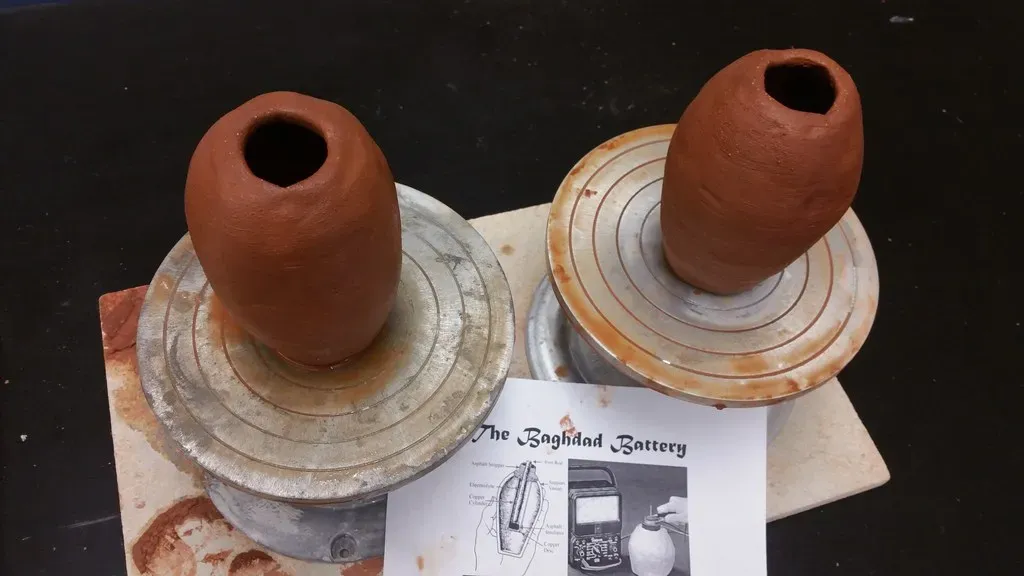
When a small clay jar with a copper cylinder and iron rod inside was unearthed near Baghdad in the 1930s, some researchers speculated that it might have been used as a primitive galvanic cell. The notion that people in the Parthian or Sasanian period could have built something resembling a battery instantly drew both fascination and scorn. Many archaeologists and historians flatly rejected the idea as anachronistic and accused early proponents of being dazzled by modern technology.
To this day, the so‑called Baghdad Battery sits in an uneasy place: visually real, archaeologically documented, but with no consensus about its function. Some experiments show it can produce a small voltage with the right electrolyte, while most experts think it was more likely a simple container with a ritual or decorative purpose. What matters for our list is that the discovery forced people to confront their assumptions; the harsh pushback against the “battery” interpretation was as much about protecting neat timelines as about careful analysis.
#9 The Vinland Map: A Medieval Chart That Rocked the “Discovery” of America
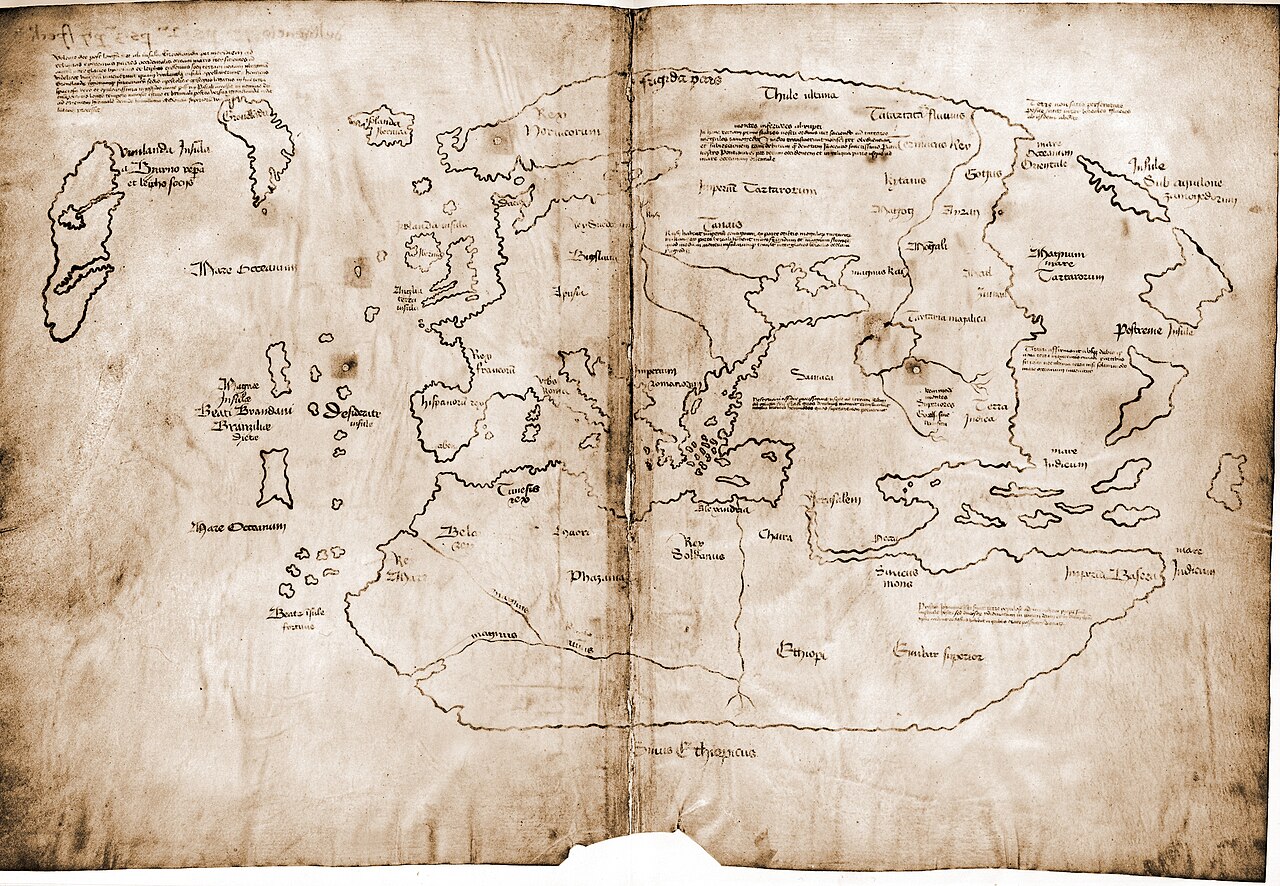
When the Vinland Map was made public in the 1960s, it seemed to show parts of North America labeled as “Vinland” on a document allegedly from the mid‑fifteenth century. If authentic, it would have implied that knowledge of lands across the Atlantic, tied to Norse exploration, had circulated in Europe long before Columbus. Understandably, many historians greeted it with intense skepticism, suspecting a modern forgery crafted to stir controversy.
Over the decades, chemical ink analysis, parchment dating, and stylistic studies created a tangled picture. Some results pointed toward a later forgery, including modern pigments, while others suggested the parchment itself was genuinely medieval. By the 2000s and 2010s, the balance of opinion had swung strongly toward the map being a twentieth‑century fake drawn on old parchment, even though a tiny minority still hedge. It stands as an odd case where an object historians initially refused to accept as real “history” turned out, in large part, to justify that caution.
#10 Norse Settlements in Newfoundland: L’Anse aux Meadows Breaks the Mold
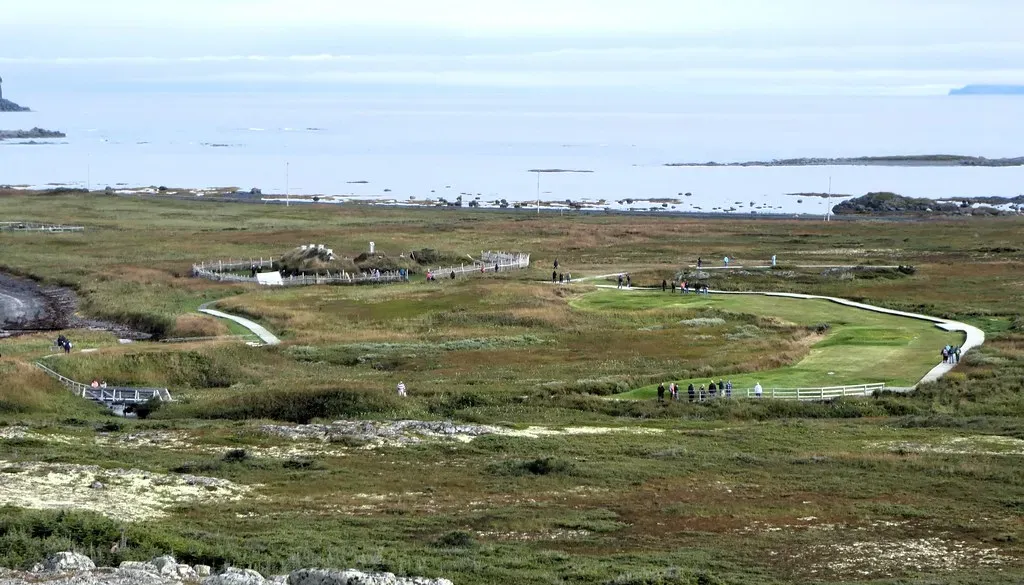
Before the 1960s, stories of Vikings reaching North America were mostly relegated to sagas and speculative books. Many professional historians considered the idea plausible but unproven, and some treated it as romantic fantasy no better than sea‑monster tales. When archaeologists Helge and Anne Stine Ingstad proposed in the early 1960s that they had found a Norse site at L’Anse aux Meadows in Newfoundland, a lot of scholars were politely doubtful.
Excavations, however, revealed turf buildings, ironworking evidence, and artifacts unmistakably tied to Norse Greenlandic culture around the turn of the second millennium. That forced a major rewrite: Europeans had reached the Americas centuries before Columbus, even if those visits did not lead to permanent colonization. I find the shift in tone striking; what was once waved off as saga exaggeration is now a staple of any serious timeline of Atlantic exploration, and it only happened because people were willing to follow the evidence into uncomfortable territory.
#11 Çatalhöyük: A “City” That Was Supposed to Be Impossible That Early
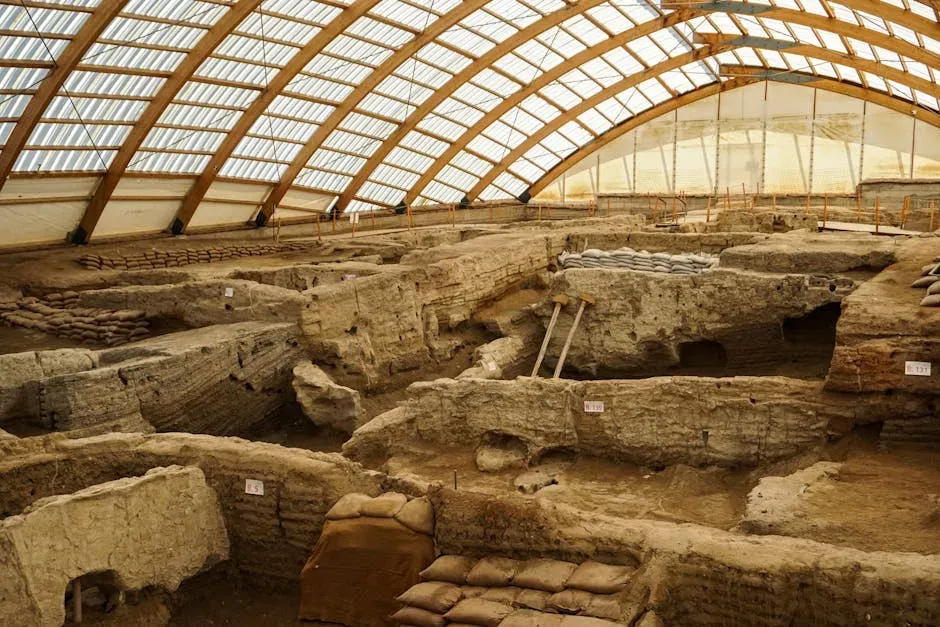
In the 1950s and 1960s, excavations at Çatalhöyük in central Turkey uncovered a densely packed settlement dating back more than nine thousand years. Houses were built wall‑to‑wall, entered through roof openings, and decorated with vivid wall paintings and bull skulls. At the time, some archaeologists struggled to accept that such a large, complex community could exist so early in the Neolithic, before what they considered “true” urbanism.
Early reports were met with both excitement and caution, with a few critics suggesting overinterpretation or doubting the neat, dramatic reconstructions. Later work, especially in the 1990s and 2000s, refined the picture but confirmed that this was indeed one of the world’s earliest large, sedentary communities. The initial resistance reflected a deeper bias: the assumption that social complexity and symbolic art had to wait until much later, an assumption that Çatalhöyük cheerfully buried under layers of mudbrick and plaster.
#12 The Terracotta Army: An Underground Force No One Believed at First
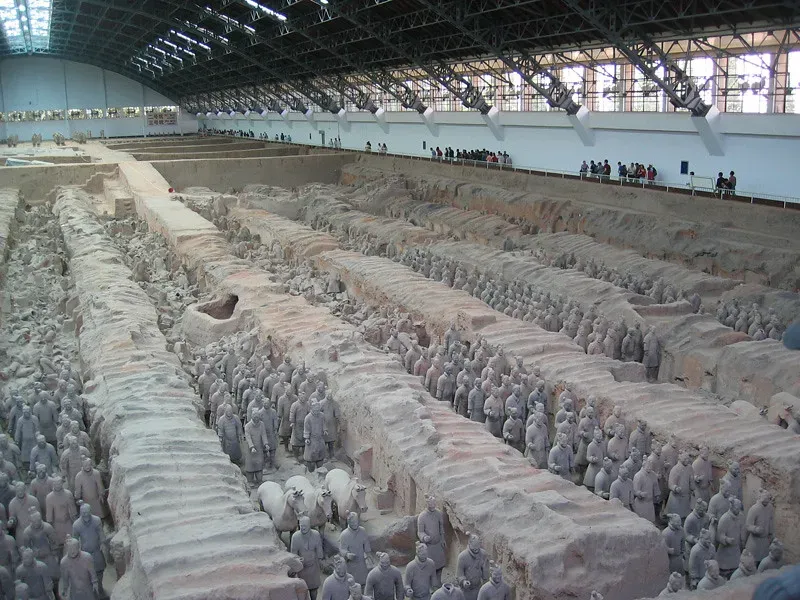
In the 1970s, farmers digging a well near Xi’an in China stumbled on life‑size terracotta figures, which turned out to be part of a gigantic army buried with the first Qin emperor. Local officials reportedly met the first reports with a mix of confusion and disbelief; the idea that thousands of detailed clay soldiers, horses, and chariots were sitting under farmland sounded like rumor or exaggeration. It took time and further digs for the scale of the find to be taken seriously.
Once teams of archaeologists began to uncover full ranks of warriors, the reality became almost overwhelming. The Terracotta Army forced scholars to reassess the organizational capacity, artistic sophistication, and imperial ideology of the third‑century BCE Qin state. To me, this is a great example of how even governments and institutions can initially downplay or doubt a discovery simply because its scale feels unreal, as if a fantasy novel had leaked into real life through a crack in the ground.
#13 Ötzi the Iceman: A Mummified Stranger from the Wrong Time
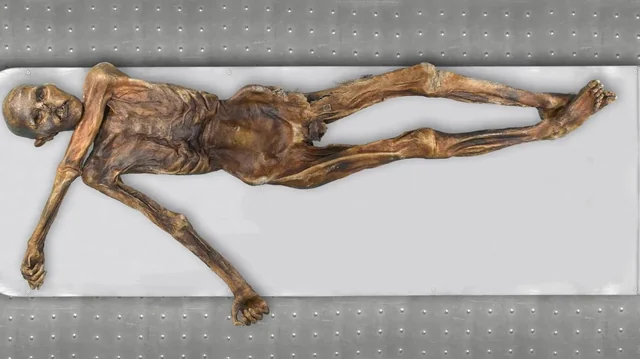
When hikers found a body protruding from melting ice in the Ötztal Alps in 1991, authorities first assumed it was a relatively recent mountaineer. The gear and clothing seemed odd and primitive, but the modern mind is good at making things fit a familiar story. It was only after closer examination and radiocarbon dating that the truth emerged: this was a man who had died more than five thousand years ago, preserved almost miraculously in glacial conditions.
Some early reactions to the idea of such an ancient, intact mummy in the Alps were hesitant, with casual observers suspecting sensationalism or exaggeration. Once the data and artifacts – copper axe, grass cloak, tattoos – were properly published, however, resistance faded. Ötzi went from an implausible curiosity to a cornerstone of European prehistoric studies, showing in microscopic detail how one person dressed, ate, traveled, and possibly fought in the late Neolithic.
#14 The Sutton Hoo Ship Burial: Anglo‑Saxon Wealth That Nobody Expected
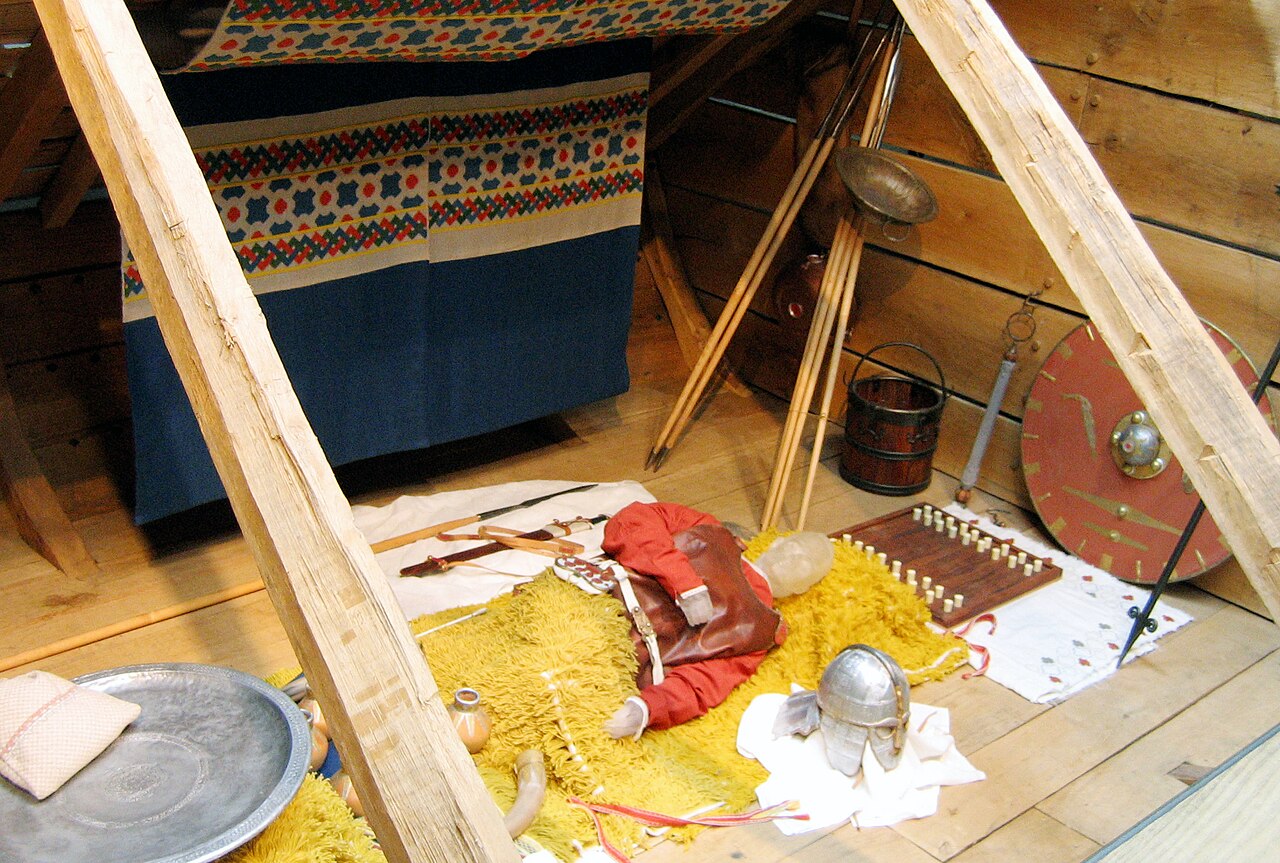
Before the famous excavation at Sutton Hoo in eastern England in 1939, many scholars thought of early Anglo‑Saxon England as a relatively crude, impoverished era following the fall of Rome. When excavators uncovered the outline of a huge ship burial packed with glittering metalwork, a superb helmet, and intricate gold ornaments, some early reactions were simply disbelief: could this extraordinary royal‑level wealth really belong to the so‑called “Dark Ages”?
Alternative explanations – that it must be later or somehow atypical – did not hold up against the dating evidence and stylistic analysis. Sutton Hoo forced a major upgrade in expectations about early medieval craftsmanship, trade links, and political power. Personally, I find it telling that people reflexively preferred to doubt the find rather than abandon the comforting idea of a simple, uncivilized post‑Roman Britain; the burial literally unearthed a more complex past than many wanted to see.
#15 The Staffordshire Hoard: A Treasure So Big It Looked Suspicious
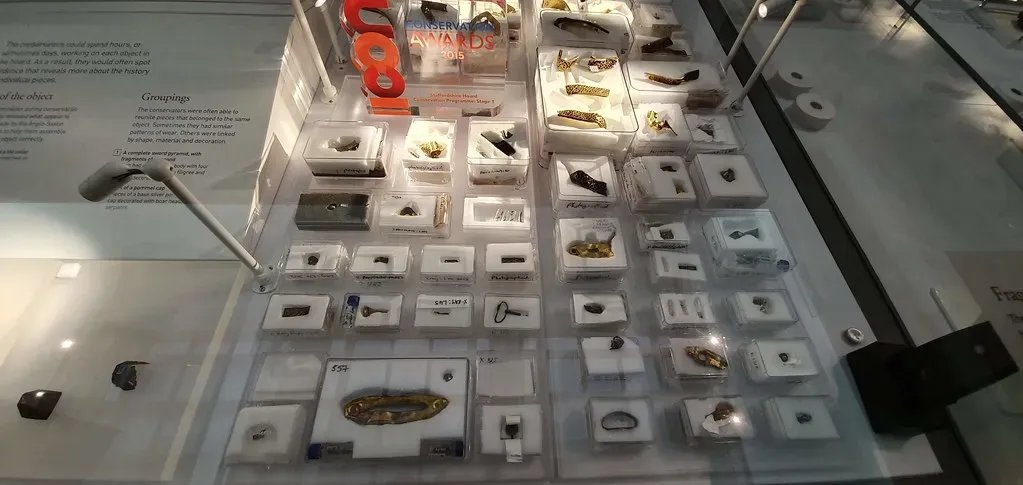
In 2009, an English metal detectorist uncovered what turned out to be the largest hoard of Anglo‑Saxon gold and silver ever found, now known as the Staffordshire Hoard. At first, the sheer quantity and quality of the items – helmet fittings, sword decorations, Christian motifs – made some observers wonder if something odd was going on. Was it really possible that such a staggering collection had just sat there undetected in a farmer’s field?
Subsequent controlled excavations and careful study confirmed the hoard’s authenticity and roughly seventh‑century date, transforming it from a suspicious windfall into a critical data set for understanding war, religion, and elite culture in early medieval England. The initial unease, though, says something about our instincts: when reality delivers something beyond what our mental model allows, the first human reaction is often to suspect trickery rather than admit we were thinking too small.
#16 The Nazca Lines: Giant Geoglyphs Dismissed as Modern Pranks
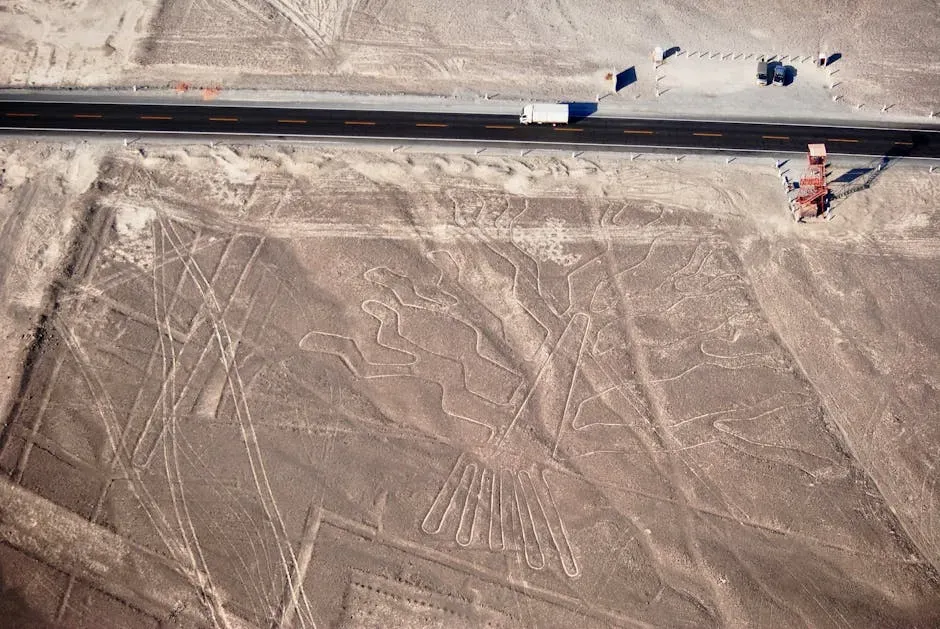
When pilots in the early twentieth century began reporting enormous ground drawings in Peru’s Nazca Desert – animals, geometric shapes, arrow‑straight lines stretching for kilometers – some people initially suggested modern hoaxes or recent road works. The idea that pre‑Columbian societies could create such large‑scale, coordinated designs only fully visible from the air did not fit neatly with established ideas about their capabilities.
Archaeological work eventually dated the lines to the first millennium BCE through the early centuries CE, tying them to Nazca and related cultures. Theories about their purpose range from ritual pathways and astronomical alignments to water symbolism, and serious research continues. The early skepticism, however, reflected a deeper discomfort: we struggle to accept that people without modern mapping tools could think at landscape scale, even though they demonstrably did.
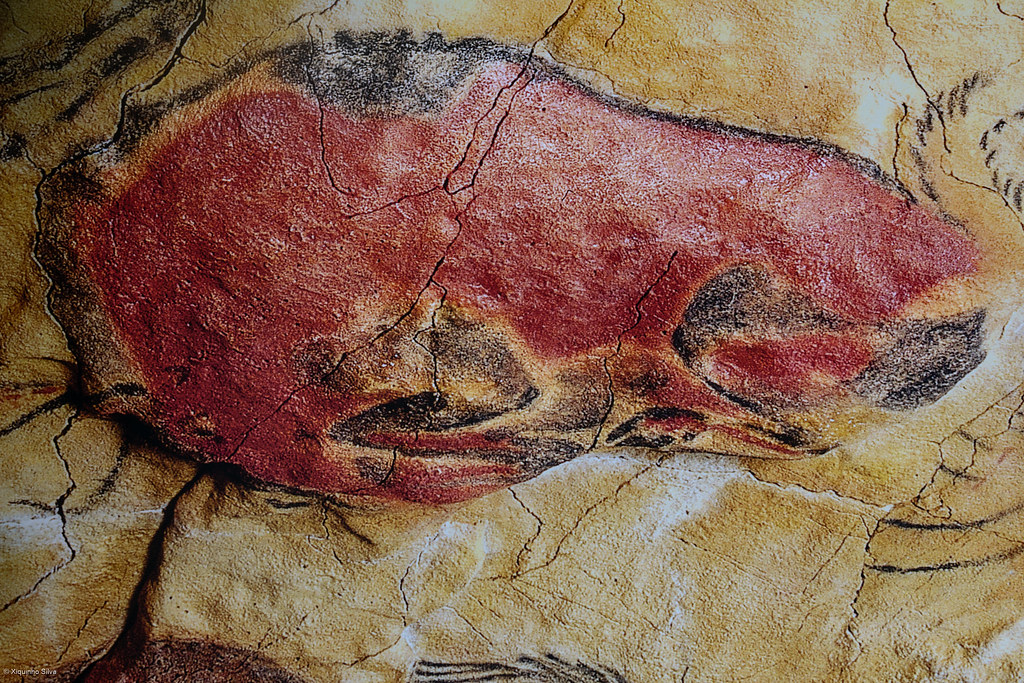
#17 The Cave Paintings of Altamira: “Too Beautiful” to Be Paleolithic
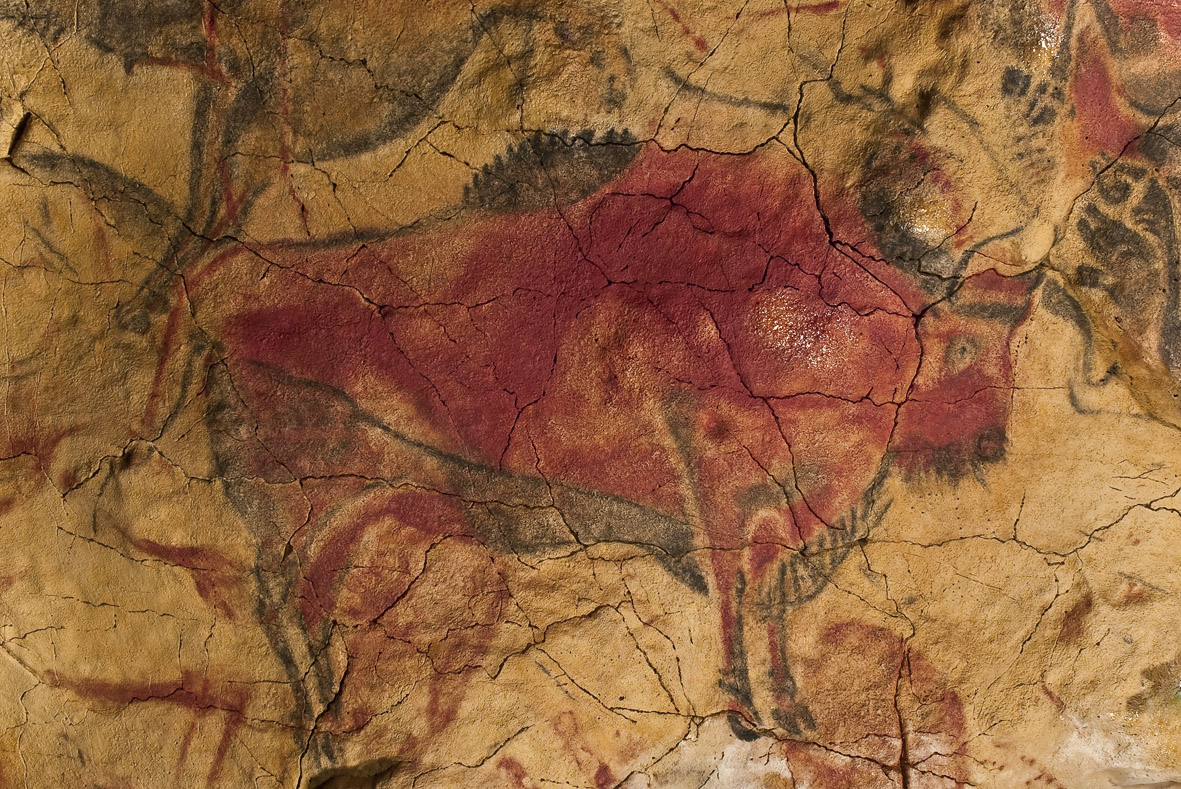
In the late nineteenth century, when detailed, colorful cave paintings were reported at Altamira in northern Spain, many leading archaeologists flatly refused to believe they were Paleolithic. They argued that Stone Age people lacked the artistic ability and symbolic thinking required for such lifelike bison and other animals. Some even accused the discoverers of forgery, claiming the paintings had been faked with modern pigments to gain fame.
Only after similar cave art was found in other locations, combined with chemical and stylistic analysis, did the scholarly community grudgingly accept that Altamira’s paintings were genuinely tens of thousands of years old. That turnaround is, frankly, a bit embarrassing in hindsight: experts preferred to label the art a hoax rather than expand their mental picture of our Ice Age ancestors. It shows just how powerful our biases about “primitive” humans can be, even among professionals.
#18 The Denisovan Genome: A New Human Group from a Finger Bone
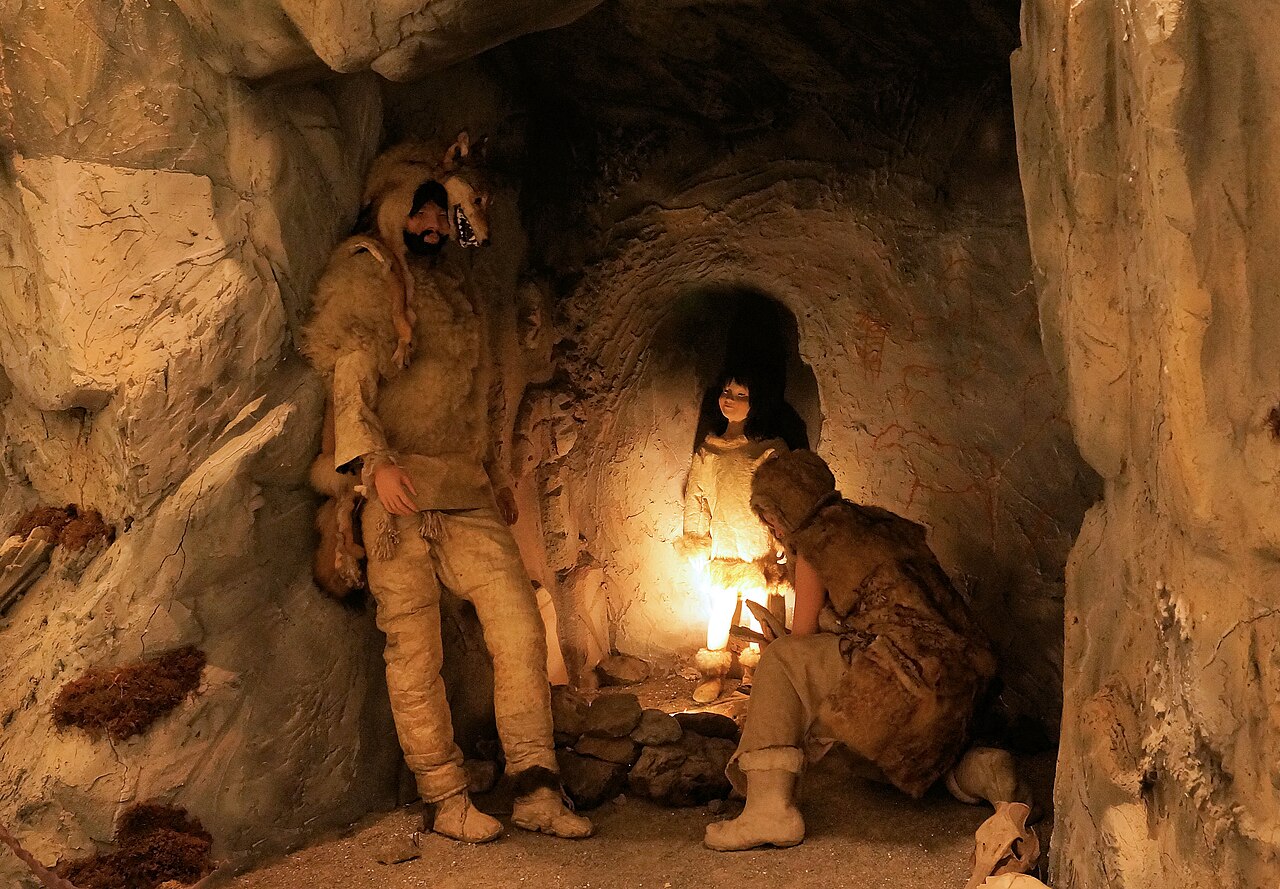
When geneticists sequenced DNA from a tiny finger bone found in Denisova Cave in Siberia, the initial results were so unexpected that some researchers suspected contamination or lab error. The genome did not match Neanderthals or modern humans; it belonged to a previously unknown archaic hominin group that had interbred with our ancestors. The idea that a whole branch of the human family tree could be identified from such a small, isolated fragment felt almost science‑fictional at first.
Further genetic studies using samples from living populations in Asia and Oceania revealed Denisovan ancestry markers, confirming that this was not a fluke. Additional fossils and proteins have since strengthened the case. This discovery is not an artifact in the traditional sense, but it absolutely qualifies as a buried finding experts were reluctant to embrace, because it implied our species’ story is much messier and more intertwined than the tidy diagrams in old textbooks.
#19 El Mirador and the “Lost” Maya Megacities Under the Jungle
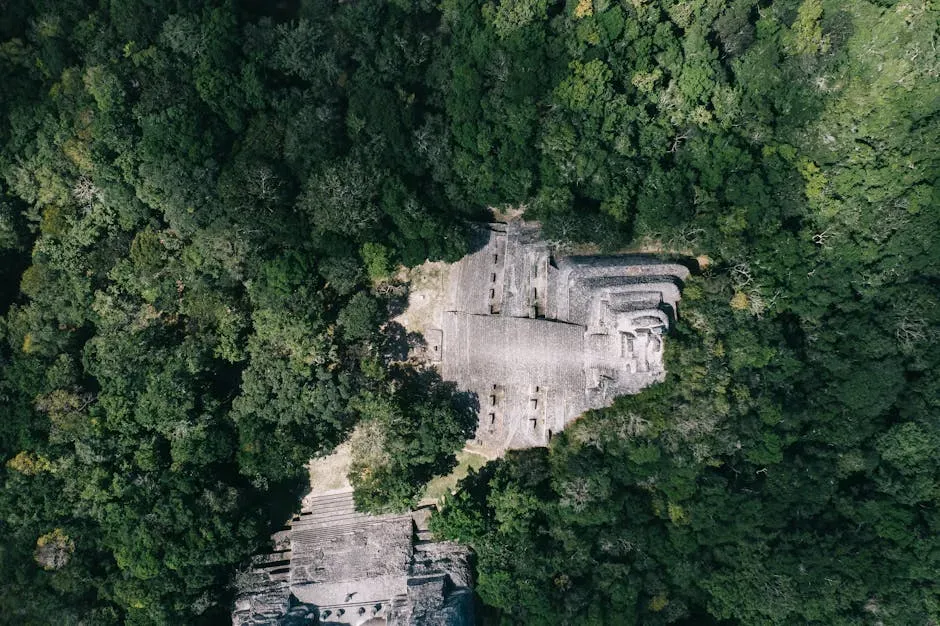
For much of the twentieth century, popular images of the Maya focused on a scattering of temple ruins and modest cities. When surveys and excavations at sites like El Mirador in Guatemala revealed enormous Preclassic urban centers, some early reactions were muted skepticism. Could such large, organized cities really exist centuries before the better‑known Classic‑era capitals like Tikal and Palenque?
As lidar (laser mapping) technology began peeling back jungle cover in the 2010s and 2020s, revealing connected road networks, platforms, reservoirs, and defensive works, the scale of ancient Maya urbanism became impossible to deny. The resistance here was less about individual objects and more about accepting that an entire civilization had built sprawling, sophisticated landscapes that our imagination simply could not see at first. It is a humbling reminder that forests can hide not just ruins, but whole missed chapters of human history.
#20 The Clovis‑First Collapse: Ancient Footprints and Tools That Came “Too Early”
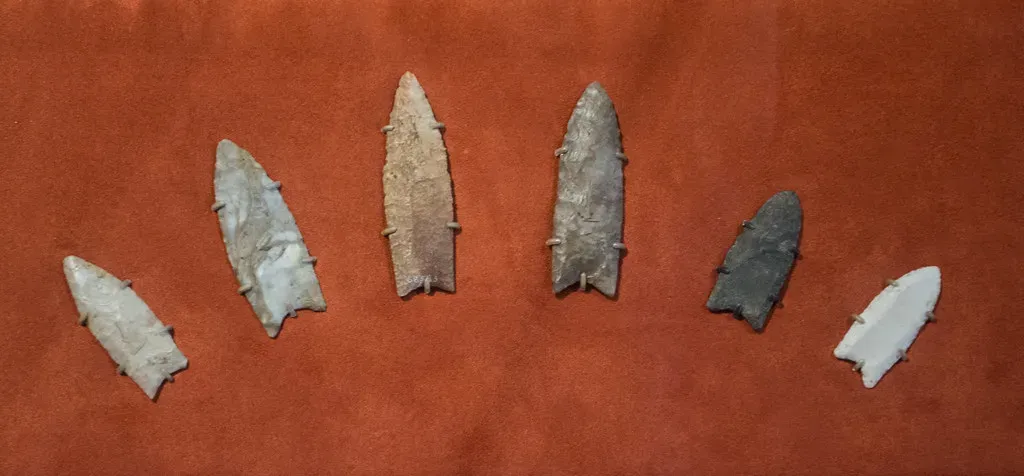
For decades, North American archaeology revolved around the “Clovis‑First” model, which held that the first humans arrived around thirteen thousand years ago, leaving distinctive spearpoints. Sites that appeared older were often dismissed as misdated, contaminated, or misinterpreted. When footprints, tools, and other evidence began accumulating for earlier human presence – at places in the American Southwest, the Pacific Northwest, and beyond – many experts initially balked.
Gradually, radiocarbon, optically stimulated luminescence dating, and other methods converged to show that humans were in the Americas earlier than the Clovis horizon, likely by several thousand years or more. The resistance was not just about one site; it was about an entire professional culture built around a neat, single‑pulse migration story. Watching that model crumble has been one of the most dramatic shifts in recent archaeology, and it started with data that everyone wanted to explain away.
#21 The Sanxingdui Masks: Bronze Faces from an Unknown Tradition
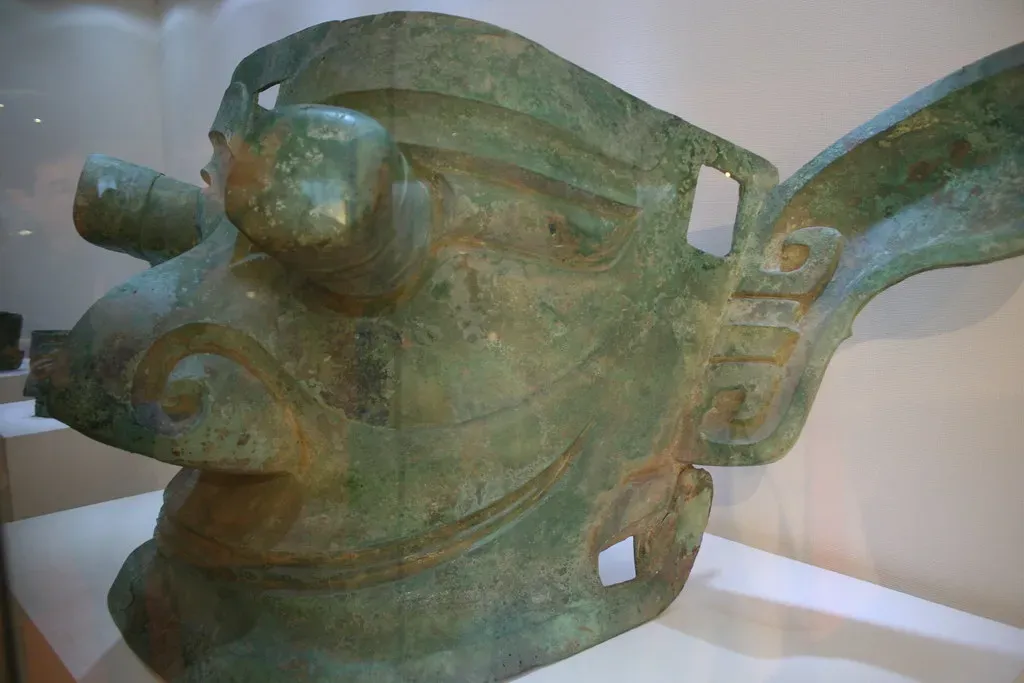
In the 1980s, workers in China’s Sichuan province stumbled upon massive bronze masks and statues at Sanxingdui, sporting exaggerated eyes, stylized ears, and an aesthetic completely unlike the better‑known Shang and Zhou bronzes. Some scholars initially questioned whether these objects belonged to the expected time period or whether they had been disturbed and mixed with later materials. Their alien look also encouraged wild theories, which in turn made more cautious historians wary.
Ongoing excavations and dating have since confirmed that Sanxingdui represents a distinct Bronze Age cultural tradition, sometimes linked with the ancient Shu kingdom. The discovery forced a major rethinking of early Chinese civilization as not just a single, Yellow River–centered story but a tapestry of interacting regional powers. To me, the initial refusal to fully credit Sanxingdui came down to a simple issue: the artifacts did not look how Chinese antiquity “was supposed” to look, so people tried to fit them into older, safer boxes.
#22 The Laetoli Footprints: Human‑Like Steps from Deep Time
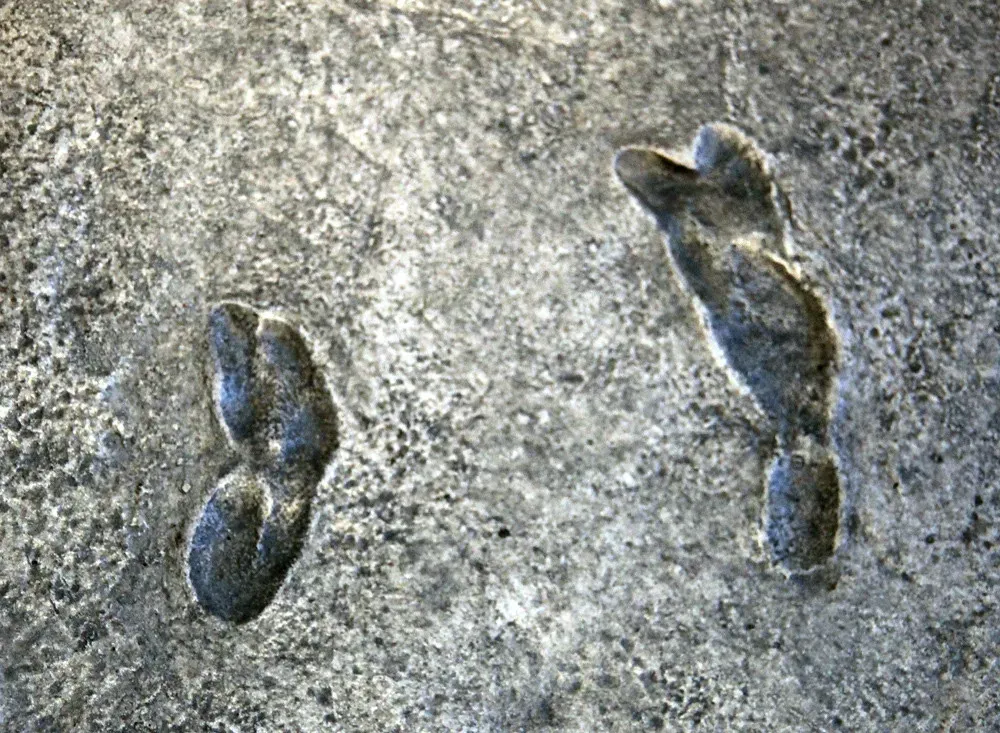
In the 1970s, Mary Leakey’s team uncovered hominin footprints preserved in volcanic ash at Laetoli in Tanzania, dating back more than three and a half million years. The prints looked strikingly like those of a modern human walking upright, which clashed with older assumptions that full bipedal locomotion came much later. Some anthropologists initially questioned the dating or suggested that erosion might have altered the tracks’ appearance.
Further analysis, additional footprints, and independent dating methods solidified the conclusion: early hominins were walking on two legs far earlier than expected. The discomfort at first was understandable; it is jarring to see such familiar motion frozen in rocks from so long ago. Yet again, the pattern repeated: the evidence did not match the tidy evolutionary timeline, and so the first impulse among some experts was to doubt the evidence, not the timeline.
#23 The Liangzhu Hydraulic System: Neolithic Dams and Canals That Felt “Too Advanced”
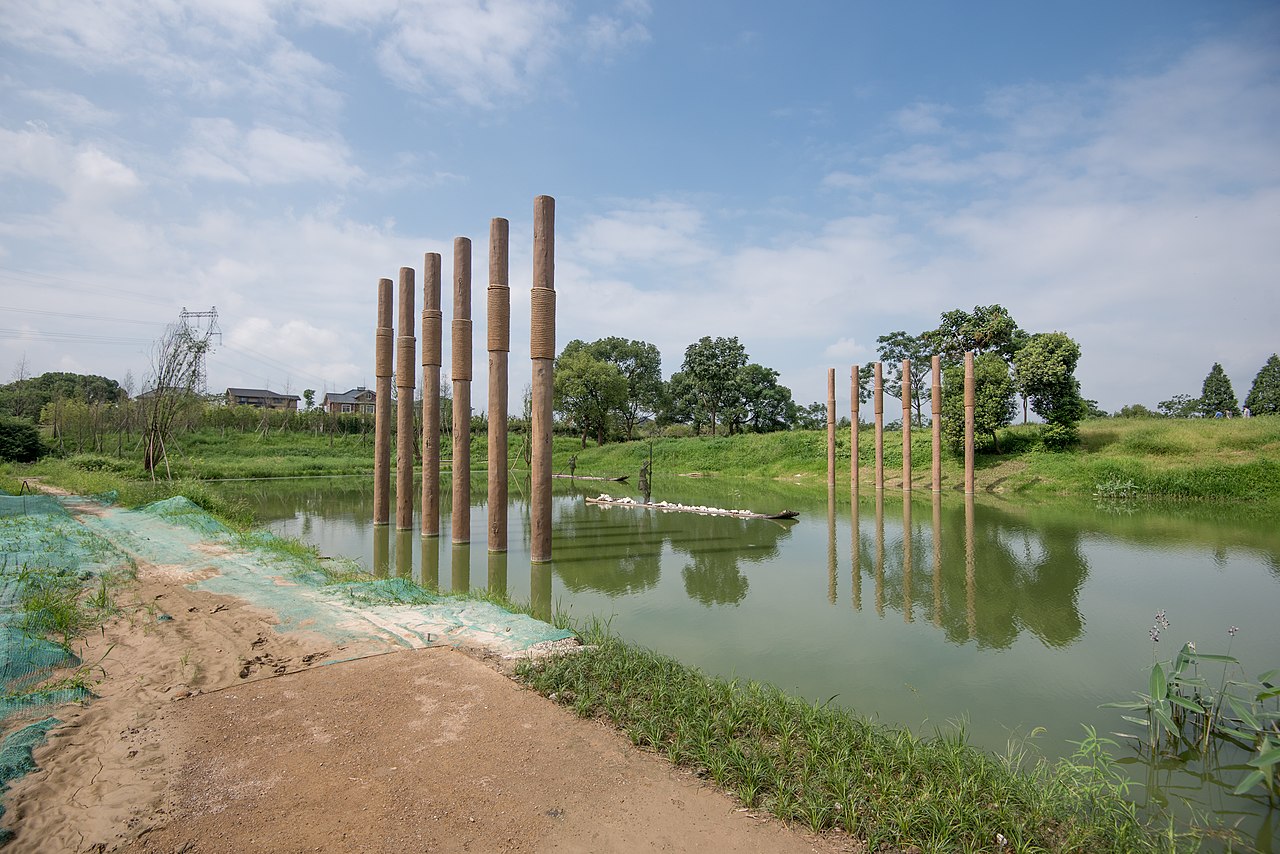
Excavations around the Liangzhu culture site near Hangzhou, China, revealed an extensive system of dams, levees, and canals dating back more than four thousand years. At first, the idea that a Neolithic society – with no writing and relatively simple tools – could construct such an organized hydrological network met quiet skepticism. Large‑scale water management was usually associated with later, literate states like ancient Egypt or Mesopotamia.
As surveys and radiocarbon evidence accumulated, researchers had to accept that Liangzhu engineers had, in fact, reshaped their landscape on a grand scale. The sophistication of their flood control and irrigation forced a re‑evaluation of how early complex organization and central planning arose in East Asia. For me, the striking part is that nothing about the soil or the tools changed; only the willingness to believe shifted as more dam walls and channels emerged from the mud.
#24 The Homo floresiensis “Hobbits”: Tiny Humans No One Wanted to Believe In
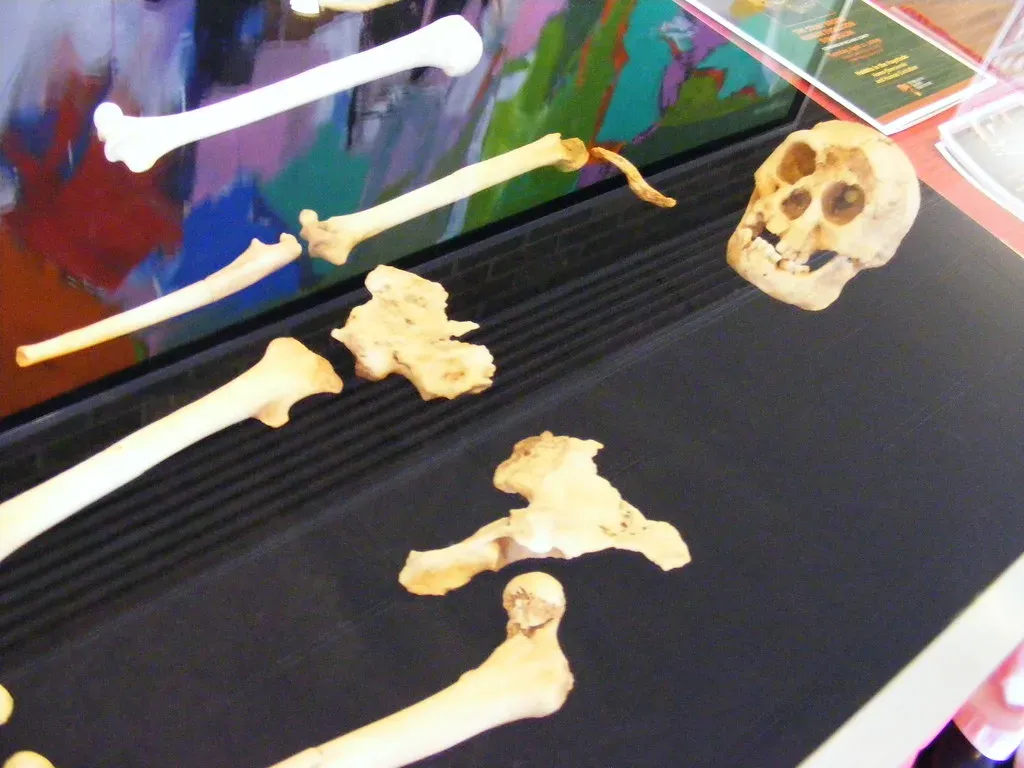
When fossils of a tiny hominin – later named Homo floresiensis – were announced from the Indonesian island of Flores in the early 2000s, a fierce backlash followed. Some researchers argued that the bones were simply modern humans with pathological conditions like microcephaly, unwilling to entertain the possibility of a distinct small‑bodied species surviving until the last hundred thousand years or so. The idea of miniature “hobbit” humans living alongside Homo sapiens felt too strange and storybook‑like to be tolerated easily.
Over time, further skeletal finds, detailed anatomical analyses, and improved dating methods built a strong case that Homo floresiensis was indeed a separate, long‑lasting lineage. The reluctant acceptance of these island “hobbits” mirrors that of the Denisovans: buried bones that forced a redraw of our family tree. There is something deeply human about the urge to fold every anomaly back into what we already know, even when reality is cheerfully more varied than our imaginations.
#25 The Shroud of Turin: A Controversial Relic That Refused a Simple Answer
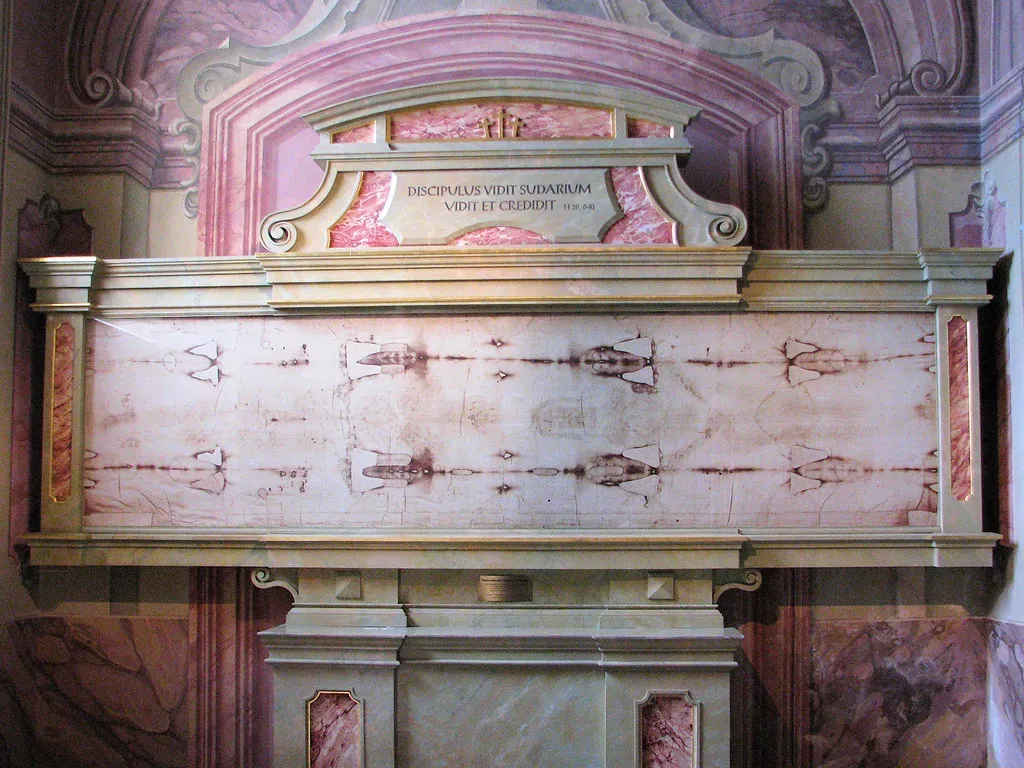
The Shroud of Turin, a linen cloth bearing the faint image of a crucified man, has sparked more than a century of argument. When it was first promoted as the burial shroud of Jesus, many historians and scientists were understandably skeptical, suspecting a medieval forgery possibly linked to the booming market in relics. Radiocarbon tests in the late 1980s appeared to date the cloth to the Middle Ages, which seemed to settle the question for a lot of scholars.
Yet questions about sample contamination, patching, and image formation techniques have kept the controversy alive, with a minority of researchers arguing that the dating tests may not tell the whole story. Most historians today treat the shroud cautiously, seeing it as an authentic medieval object at the very least, while remaining divided on any earlier origins. It is a perfect example of how a buried or half‑buried find can hover in a limbo between belief and disbelief for generations, with neither side getting the tidy closure they crave.
Conclusion: When the Ground Disagrees With the Textbooks
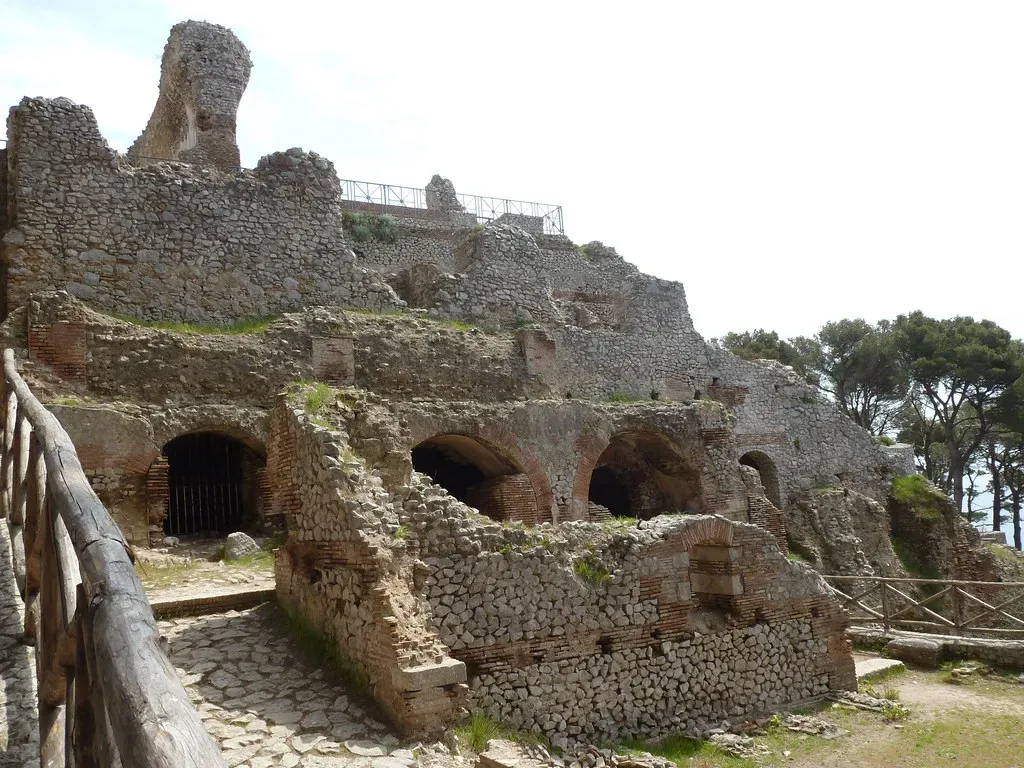
Looking across these twenty‑five discoveries, a pattern jumps out: the dirt keeps telling us things the textbooks did not prepare us for, and our first instinct is often to argue with the dirt. From Göbekli Tepe’s impossible temples to the Antikythera Mechanism’s gearwork and the Nebra Sky Disc’s night sky in bronze, the most unsettling finds do not just add details; they threaten the scaffolding of the stories we tell about ourselves. No wonder the initial reaction from many historians and archaeologists has been to doubt, minimize, or delay acceptance until the evidence piles so high it can no longer be ignored.
In my view, the healthiest stance is not blind belief in every sensational claim, but a willingness to let genuinely stubborn facts reshape the narrative – even when they arrive in the hands of a farmer, a diver, or a hiker who never planned to rewrite history. The ground has no loyalty to our theories; it releases what it releases, on its own schedule. The real question is whether we are brave enough to follow where the buried evidence leads, even when it drags our favorite stories through the mud. If the next impossible object came out of the soil tomorrow, would you bet on the experts’ first reaction being acceptance – or disbelief?