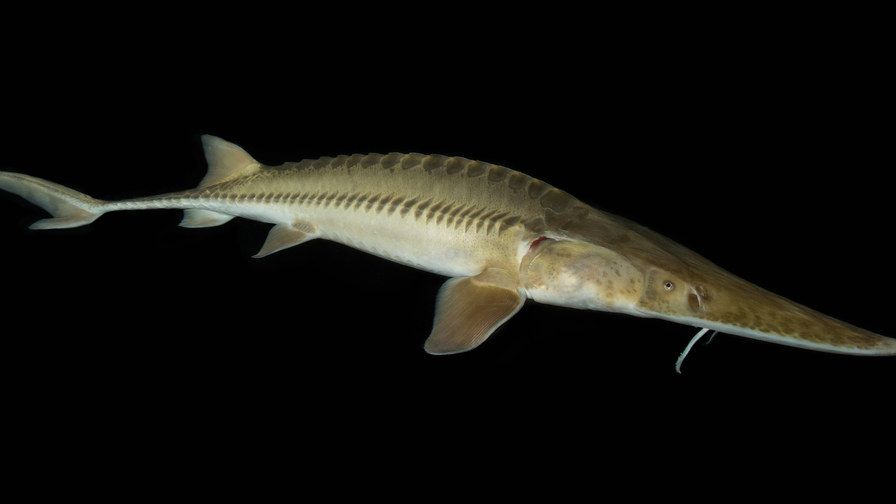
If you heard there was a creature in the Great Lakes today that was already old news by the time Tyrannosaurus rex showed up, you’d probably assume it was science fiction. Yet the lake sturgeon, an armored, whiskered “river monster” that once swam beside dinosaurs, is very real – and slowly making a comeback in waters where it was nearly wiped out. This isn’t just a quirky nature story; it’s a rare second chance in conservation, unfolding in real time across the United States.
All over the Great Lakes region, people are pulling up massive, prehistoric-looking fish from icy rivers and deep channels and realizing they are touching something that has survived asteroid impacts, Ice Ages, industrial booms, and environmental disasters. The reemergence of sturgeon is a reminder that recovery is possible, but it’s also a test: will we actually let this 200‑million‑year‑old survivor thrive, or simply celebrate a few viral photos and move on? To understand what’s really happening, you have to look at the science, the history, and the very human choices that almost erased this species in the first place.
The Dinosaur-Era Giant Hiding in Plain Sight
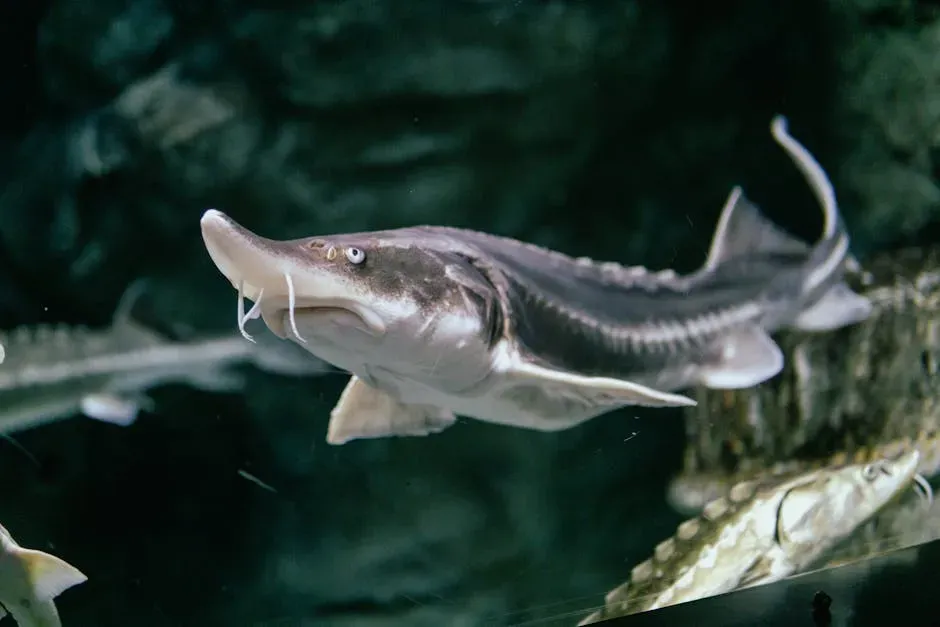
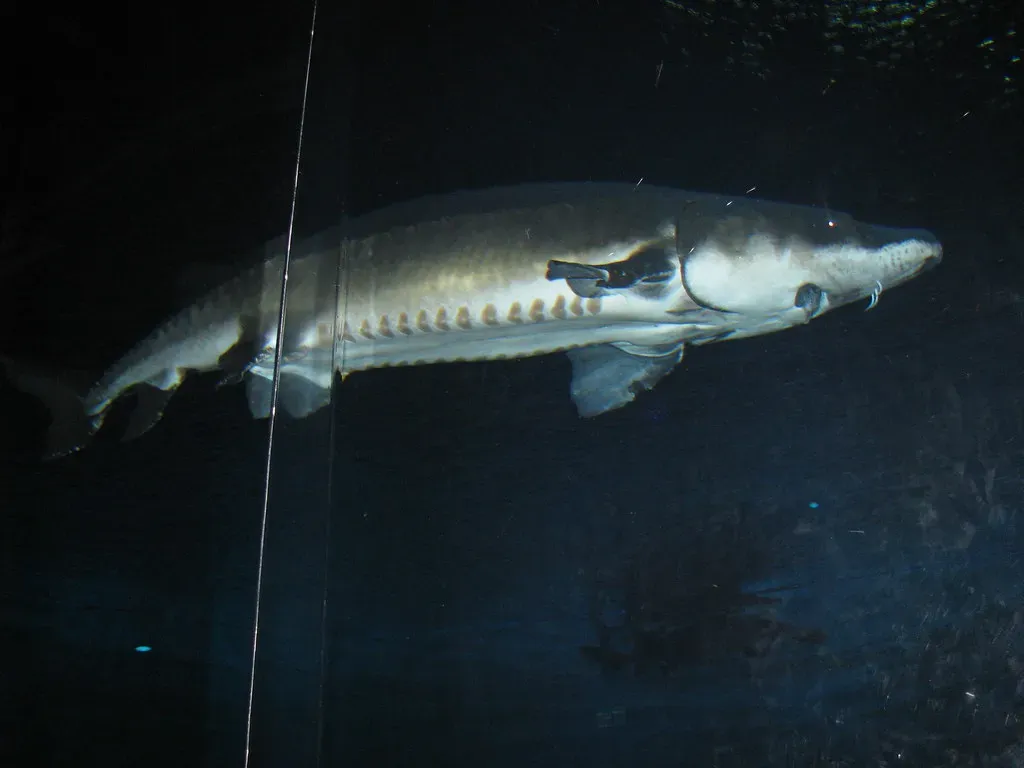
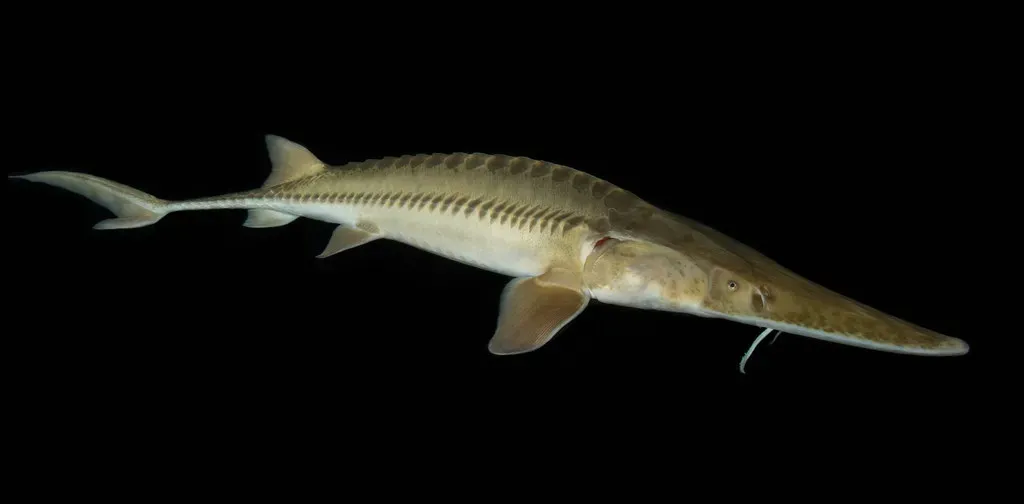
It sounds like myth, but sturgeon genuinely trace their lineage back more than 200 million years, long before T. rex stomped across what is now North America. Lake sturgeon, the species native to the Great Lakes and large rivers of the upper Midwest, look every bit the ancient survivor: armor-like bony plates called scutes, long torpedo-shaped bodies, and a vacuum-like mouth hanging under a pointed snout. They are bottom-feeders, gliding along river and lake floors, sifting through gravel for mussels, insect larvae, and small invertebrates.
Despite their intimidating size – some individuals can stretch longer than a grown person is tall – lake sturgeon are surprisingly gentle and slow. They grow at a glacial pace, can live more than a century, and take over a decade just to reach sexual maturity. That kind of life history works beautifully in a stable ecosystem over millions of years, but it becomes a serious liability when humans enter the picture with dams, pollution, and large-scale fishing. It’s one of the reasons this “river monster” was nearly gone from huge parts of its range within just a few human generations.
From Abundance to Near-Extinction in a Single Century
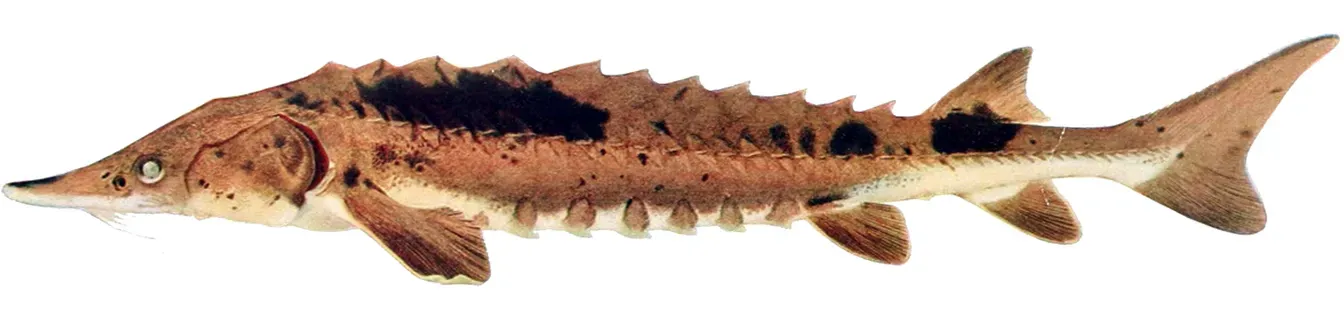
In the 1800s, lake sturgeon were so numerous in the Great Lakes that commercial fishermen saw them as an annoying nuisance, hacking them out of their nets and tossing their bodies onto the shore like trash. That attitude did not last. Once the value of their meat and, especially, their eggs for caviar became widely known, the fish went from garbage to gold nearly overnight. Industrial-scale harvest exploded, and populations, which had taken thousands of years to build, collapsed in a matter of decades.
At the same time, rivers that sturgeon needed for spawning were being dammed, dredged, and polluted. Imagine taking a species that only reproduces after 15 or 20 years and then blocking its migration routes while removing adults faster than they can ever be replaced. By the mid‑1900s, lake sturgeon were gone from many rivers, reduced to tiny fragments of their former numbers in others, and labeled threatened or endangered across much of the United States. The creature that outlived dinosaurs almost lost its fight against deforestation, dams, and dollar signs.
The Great Lakes Comeback: Sturgeon Reemerge in US Waters
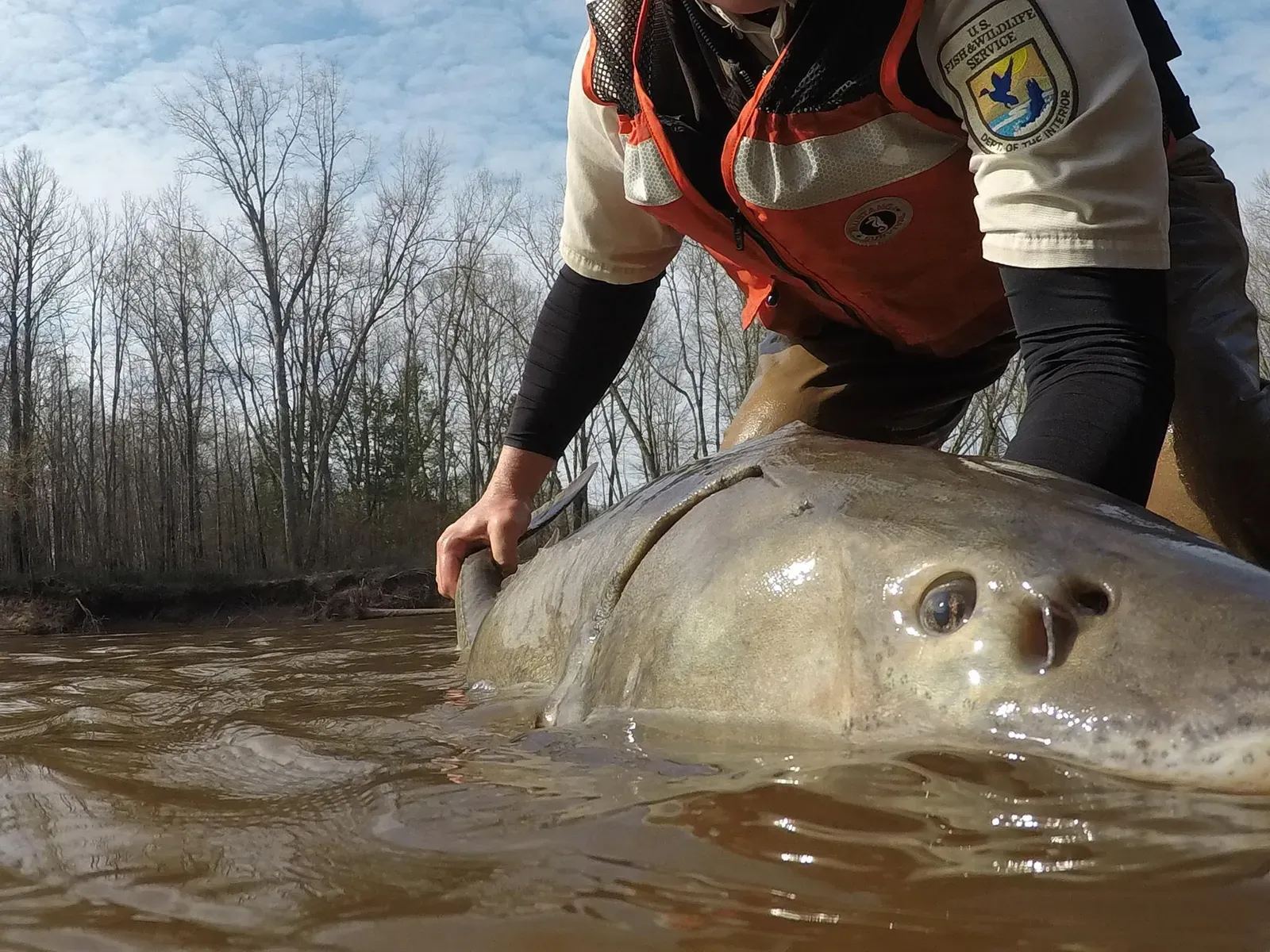
That makes the current reemergence of sturgeon in the Great Lakes feel almost miraculous. Across states like Wisconsin, Michigan, Minnesota, Ohio, and New York, biologists and local communities are finally seeing more sturgeon returning to traditional spawning grounds and appearing in places where they had not been recorded for decades. Some of these fish carry tiny tags inserted by scientists as hatchlings, quietly documenting their journeys through rivers and into the immense inland seas of the Great Lakes.
This isn’t just a story about one iconic fish in one region; it’s part of a larger, nationwide effort to bring sturgeon back in the United States. On rivers connected to the Great Lakes – like the St. Clair, Detroit, St. Louis, Menominee, Sturgeon, and others – teams have been releasing hatchery-raised young, restoring rocky spawning habitat, and removing or modifying dams. Every time a massive female sturgeon is spotted laying eggs on newly restored riverbed, it’s a sign that the years of careful work are starting to pay off, albeit slowly and unevenly.
Science, Stocking, and the Slow Art of Recovery
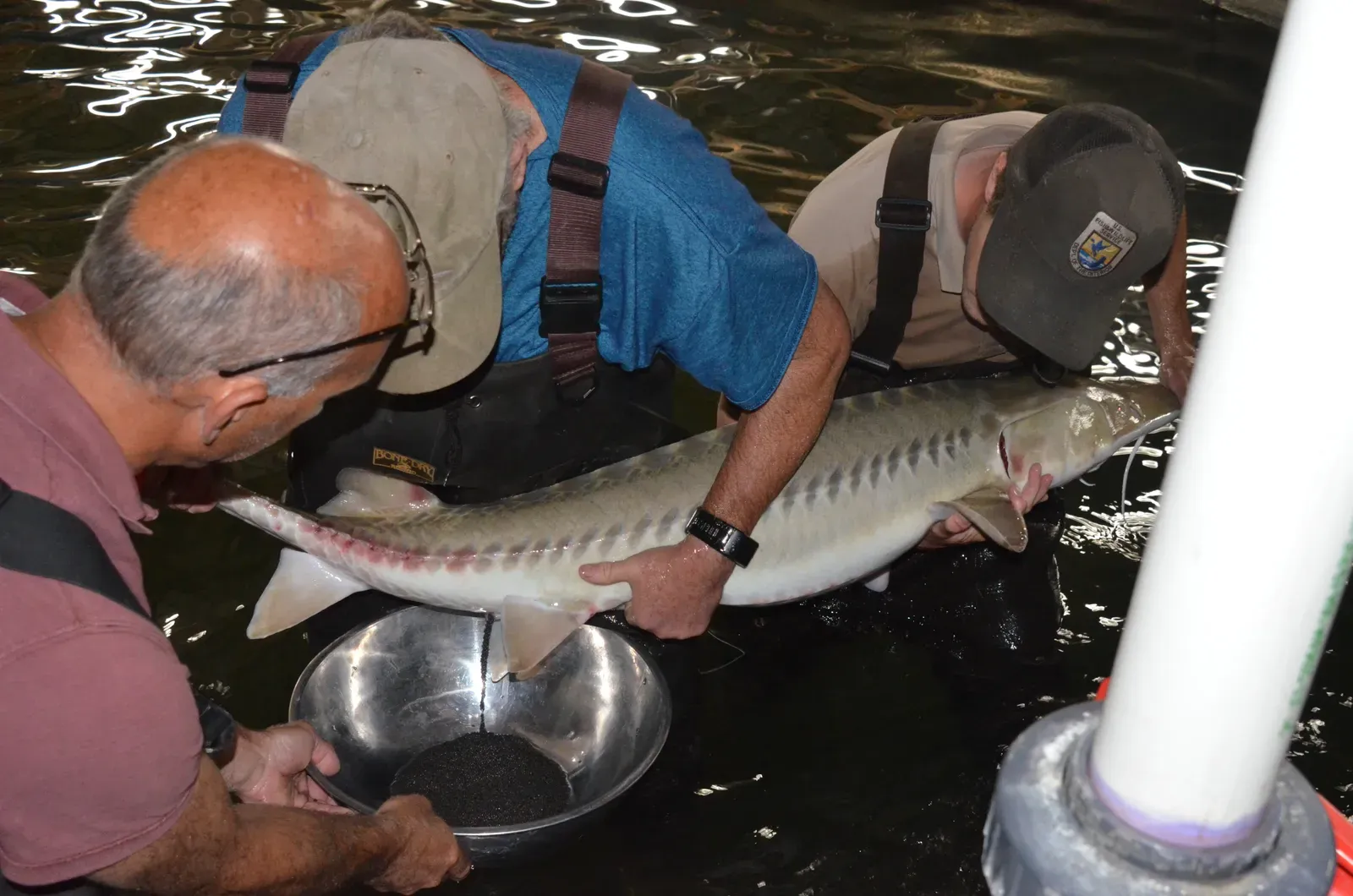
Bringing back a long-lived, late-maturing species is a little like trying to rebuild an ancient forest: you can’t rush it, no matter how badly you want results. Biologists collect eggs and sperm from wild adults, carefully fertilize them, and raise the fragile embryos and larvae in controlled hatchery tanks until they are big enough to avoid the worst of predation. These juveniles are then released at specific sites to mimic natural spawning locations, often with tiny tags or marks that allow them to be identified years later.
At the same time, scientists are mapping historical spawning grounds, restoring rocky riffles that were buried or blasted away, and adjusting dam operations to give migrating fish windows of opportunity. They monitor water chemistry, track movements with underwater receivers, and analyze genetic diversity to prevent inbreeding. It is meticulous, sometimes tedious work, and results can take decades to fully show up in the form of stable adult populations. But that long horizon is exactly what a species that thinks in centuries, not seasons, requires.
River Monsters in a Changing Climate
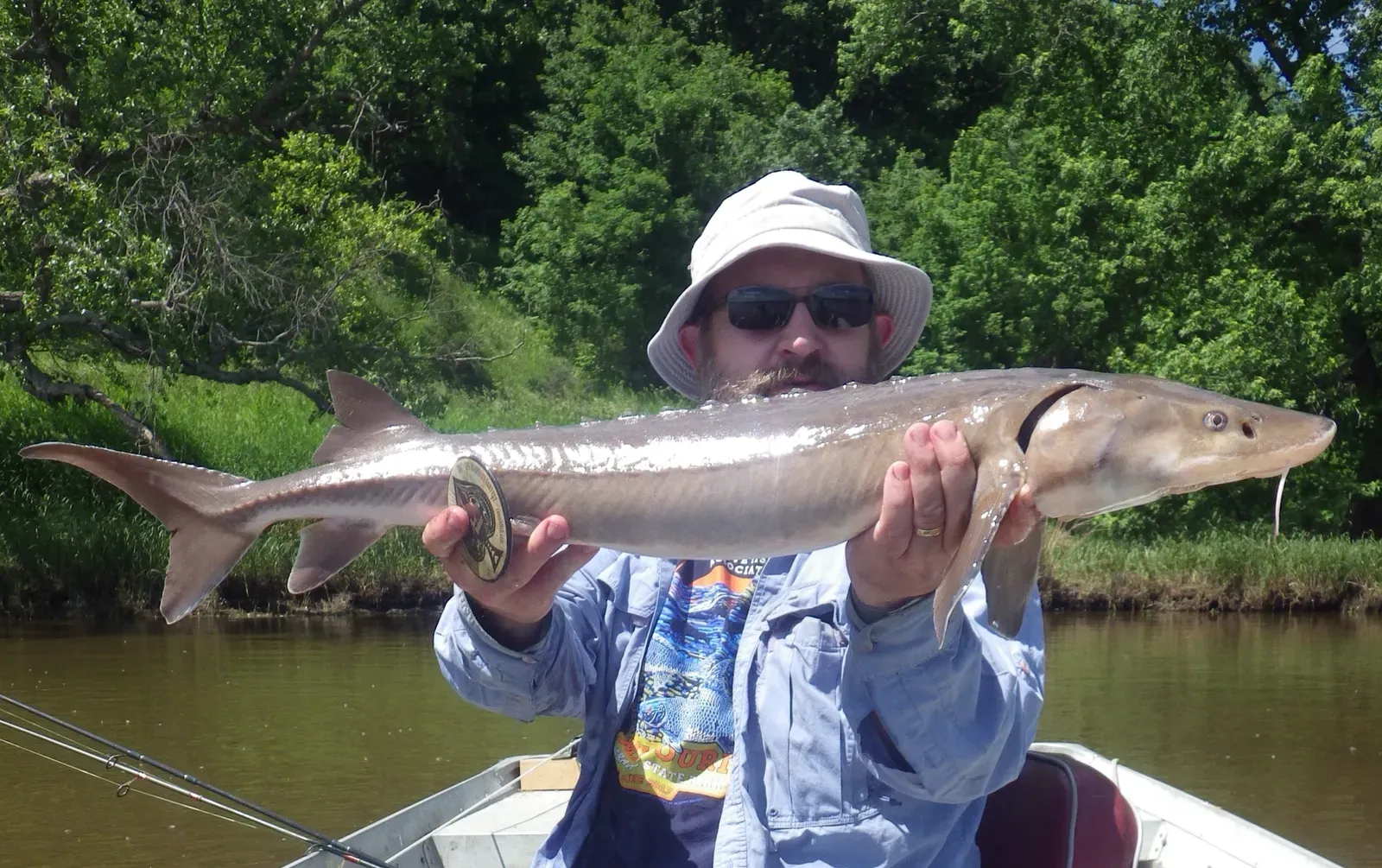
Climate change quietly complicates every part of this recovery story. Lake sturgeon are tuned to specific water temperatures and seasonal cues to migrate and spawn, so warming winters and altered river flows can shift those natural rhythms. If spring floods arrive earlier, or ice cover lasts for less time, the conditions that sturgeon relied on for thousands of years can become mismatched with their internal clocks. In some rivers, rising summer temperatures can also reduce oxygen levels, creating stressful or even lethal conditions for young fish.
On the other hand, these animals have survived massive climate swings in the deep past, from warm greenhouse worlds to freezing glacial periods. The difference now is speed and human pressure layered on top: habitat fragmentation, pollution, invasive species, and warming all at once. Whether sturgeon can adapt to the rapid pace of twenty‑first‑century change depends on how much breathing room we give them – literally and figuratively. Protecting cold-water refuges, restoring floodplains, and keeping rivers connected and clean may matter as much as any hatchery program.
Culture, Community, and the Emotional Weight of a 100-Year Fish
For many Indigenous communities in the Great Lakes region and beyond, sturgeon are not just fish; they are relatives, teachers, and central figures in cultural stories. Their decline was felt not only as an ecological loss but as a cultural wound, severing food traditions and ceremonial connections that stretched back countless generations. The reappearance of sturgeon in some ancestral waters is therefore deeply emotional, symbolizing resilience and the possibility of healing relationships with rivers that were heavily damaged during industrial expansion.
Even for people with no cultural or historical connection to sturgeon, meeting one in person can be surprisingly moving. Anglers talk about carefully cradling a fish older than they are and feeling a strange sense of responsibility. Tourists lining bridges during spring spawning runs cheer when a six-foot “river monster” rolls in the current, suddenly aware that they are watching a living piece of Earth’s deep history. When a community adopts a fish festival, a classroom tank, or a local restoration project, that emotional investment often becomes the strongest protection tool of all.
Why the Sturgeon’s Second Chance Should Change How We Think
It’s tempting to treat the return of lake sturgeon in the Great Lakes and across US rivers as a feel-good victory lap, but that would miss the point. This comeback is fragile, uneven, and absolutely not guaranteed. In my view, the uncomfortable truth is that the same societies that nearly destroyed this ancient species now like to pat themselves on the back for saving it, even while approving new developments, water withdrawals, and infrastructure that can chip away at its recovery. Celebrating a few success stories without changing the habits that caused the disaster in the first place is a recipe for repeating history.
At the same time, I think the sturgeon’s reemergence is one of the most hopeful signals we have. If a fish that outlived T. rex, survived asteroid impacts, and then somehow endured our worst century of abuse can still find a way back into our rivers, what else might be possible if we get serious about restoration? The real measure of success will not be a handful of giant fish turning up in headlines, but thriving, self-sustaining populations that no longer need human life support. The question is whether we are willing to treat this prehistoric neighbor as more than a curiosity and actually share our waters with it for the next hundred years and beyond. When you picture the future of the Great Lakes, do you see only cargo ships and skylines – or can you imagine, deep below the waves, a slow, armored shadow cruising past, still here after everything we have thrown at it?