If you think you already know American wildlife, the creatures hiding in the country’s farthest corners will prove you wrong in a heartbeat. In the high desert, deep swamps, Arctic tundra, and sky‑high peaks, you’ll meet animals that seem almost unreal until you see them with your own eyes. Many of them survive on a razor’s edge, clinging to scraps of habitat where most people will never set foot.
As you explore these remote regions, you’re not just looking at interesting animals; you’re peeking into entire worlds that operate by different rules. You’ll see how isolation shapes evolution, how fire and ice decide who lives and who disappears, and how your choices – yes, yours – can tip the balance between recovery and extinction. Let’s head into the quiet places and meet ten creatures you’re unlikely to stumble across on a weekend hike.
1. Island Fox – California’s Tiny, Isolated Canid
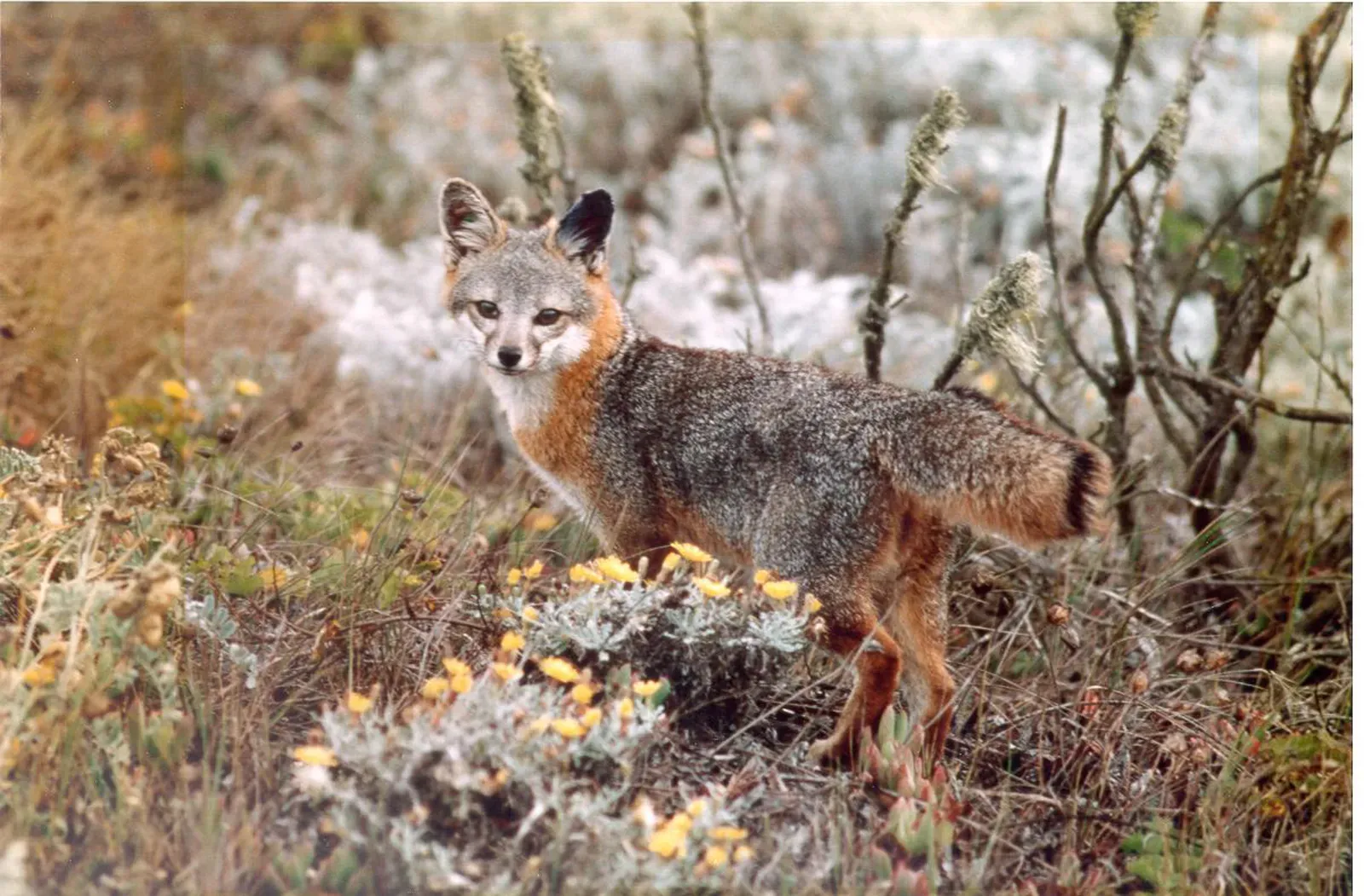
If you ever camp on California’s Channel Islands, you might feel like you’ve shrunk and wandered into a fox‑sized version of the world. The island fox lives only on six of these offshore islands and is roughly the size of a house cat, much smaller than its mainland gray fox ancestor. Because it evolved without large native predators, you’ll notice that it often behaves almost casually around people, trotting through campgrounds in broad daylight as if it owns the place.
Each island has its own distinct subspecies, shaped by thousands of years of isolation, so you’re essentially looking at six tiny, evolving chapters of the same story. Not long ago, several populations crashed to just a few dozen animals per island, pushed to the edge by disease and predation, and were listed under the Endangered Species Act. Thanks to intense conservation work – captive breeding, predator control, and habitat protection – numbers have rebounded, turning the island fox into a rare conservation success you can actually see wandering past your tent.
2. American Pika – The Alpine “Hay Farmer” of the High West
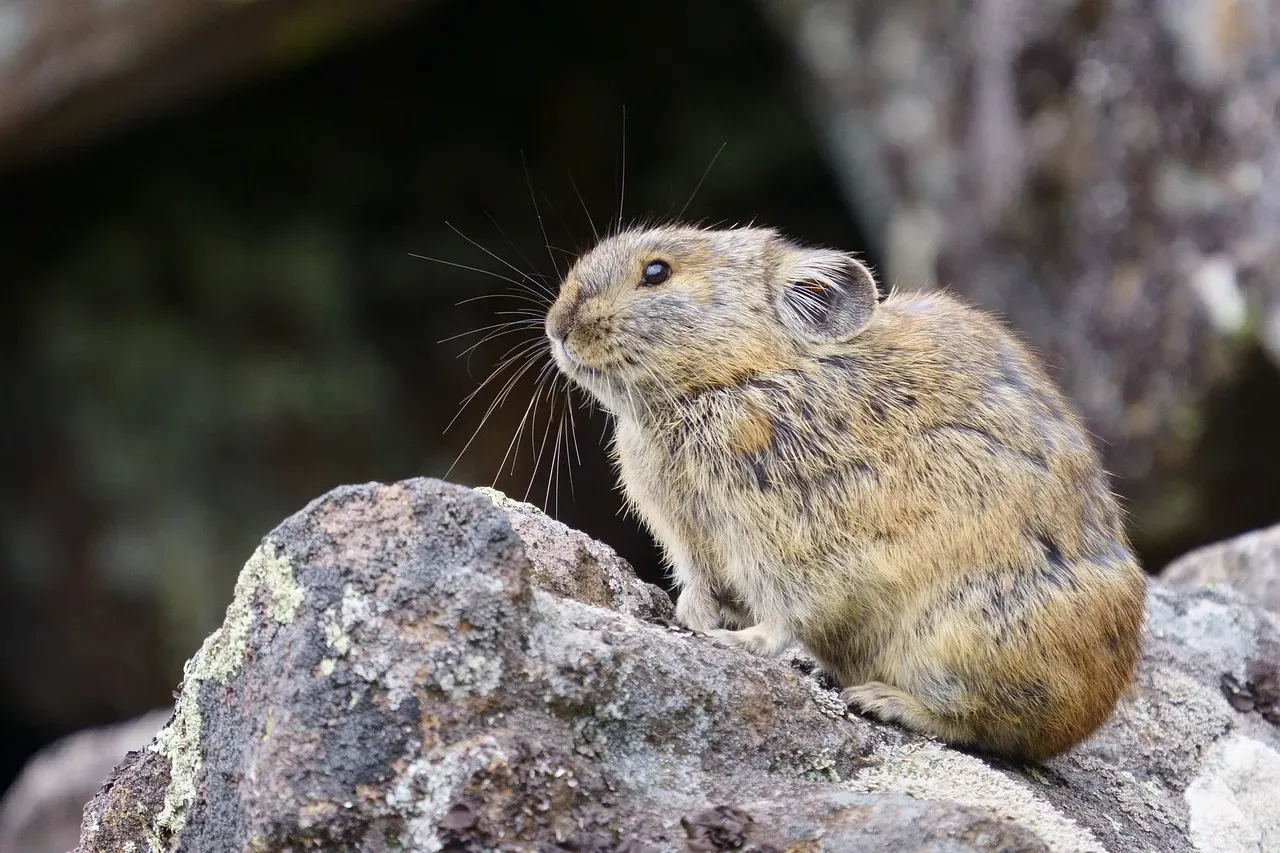
When you climb into the high mountains of the Rockies, Cascades, or the Great Basin, listen for a sharp, squeaky call coming from a jumble of rocks; that’s the American pika announcing that you’ve stepped into its world. You might mistake it for a rodent, but it’s actually a tiny relative of rabbits and hares, with round ears and no visible tail, perfectly built for life in cold, rocky talus fields. If you watch patiently in summer, you’ll see a pika dart out to snip wildflowers and grasses, then race back to stuff them into drying piles called haystacks.
Those little hay piles are its winter pantry, and they’re the reason the pika can stay active all year instead of hibernating. But there’s a catch: this species is highly sensitive to heat and depends on cool microclimates in its rocky homes. In some parts of its range, you’re already seeing populations disappear from lower, warmer sites, while in other mountainous areas, pikas are hanging on and even recolonizing old habitat. When you meet one on a windswept ridge, you’re looking at a living, furry thermometer for how quickly the alpine West is changing.
3. Wolverine – The Phantom of the Northern Rockies and Alaska
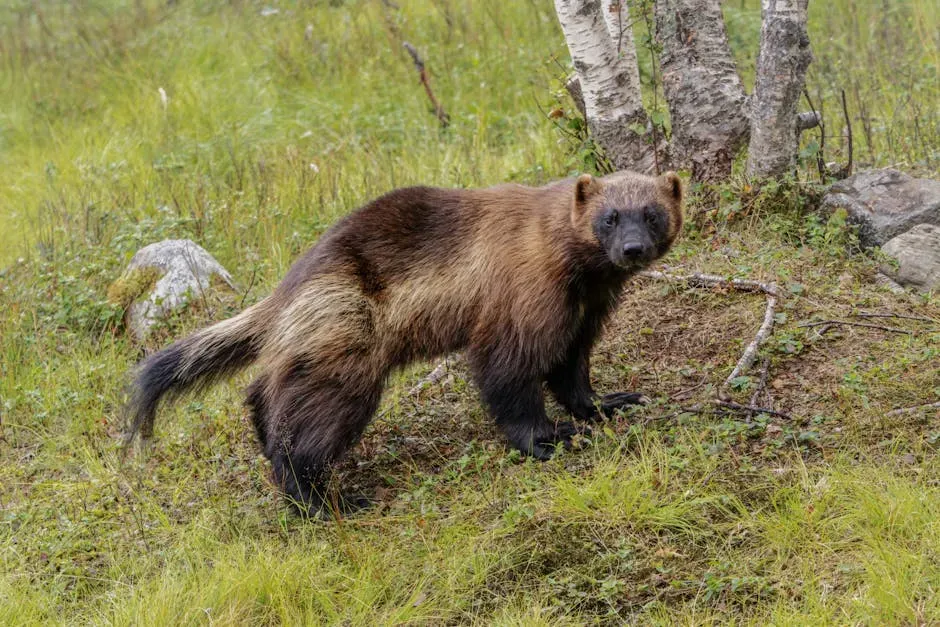
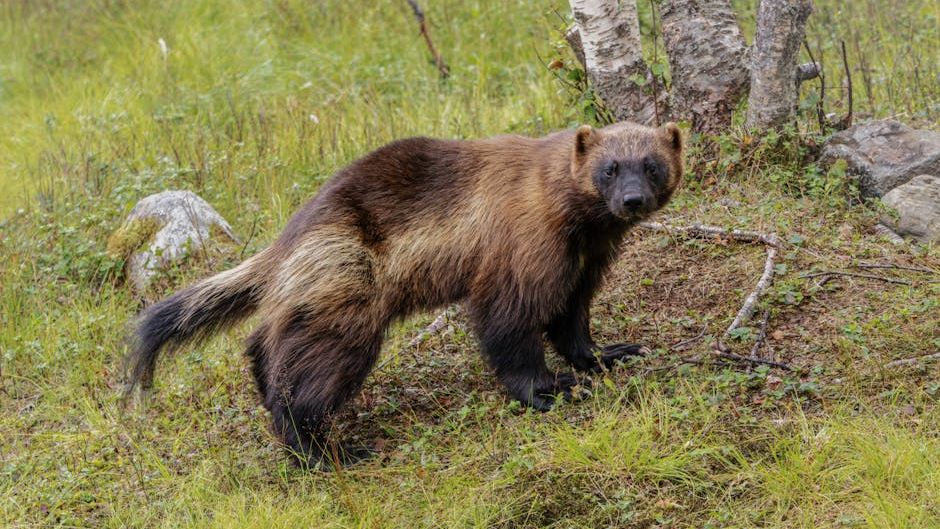
In the wildest corners of the northern Rockies and Alaska, the wolverine rules a frozen kingdom that most people will only ever see in photographs. You probably know its reputation: tough, solitary, and strong enough to drive larger predators off a carcass. What you might not realize is how much space one wolverine needs; an individual can roam over hundreds of square miles, using high, snowy basins and ridges as its personal highway system.
Because it prefers cold, snowy environments, you’re most likely to find this species in remote mountain regions like the North Cascades, the Greater Yellowstone ecosystem, or Alaska’s mountain ranges. Biologists often track wolverines with GPS collars or motion‑triggered cameras because you almost never bump into one by accident. Their dependence on persistent spring snow for denning makes them vulnerable as temperatures rise, so every time you see a photograph of a wolverine bounding across a snowfield, you’re also looking at a species living on the front lines of climate and land‑use change.
4. Desert Tortoise – Slow Survivor of the Mojave and Sonoran Deserts
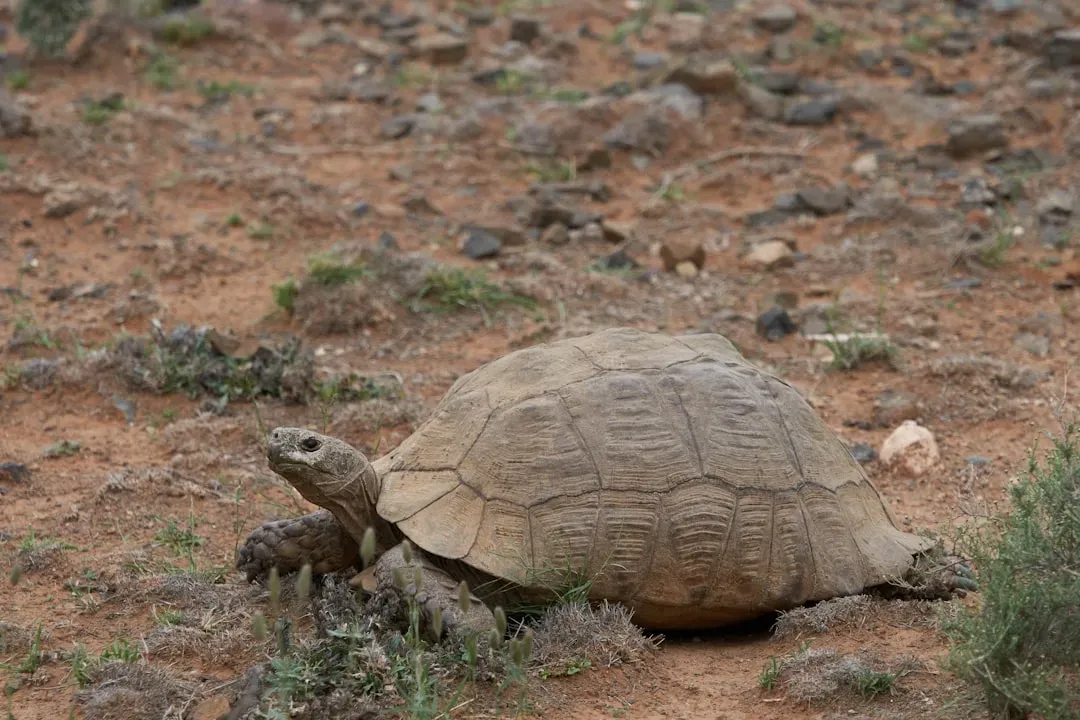
In the shimmering heat of the Mojave and Sonoran deserts, the desert tortoise quietly outlives almost everything around it. If you’re lucky enough to encounter one in Nevada, California, Arizona, or parts of Utah, you’ll notice its domed shell and sturdy, elephant‑like legs built for digging. Rather than wandering aimlessly across the sand, it spends much of its life in underground burrows, where temperatures are cooler and moisture loss is lower.
This slow lifestyle is a brilliant survival strategy in a place where summer heat and scarce rain would kill most animals. Unfortunately, it also means the species is extremely vulnerable to rapid changes: roads, off‑road vehicles, habitat development, and disease can undo decades of survival in a single season. When you see a desert tortoise, you’re looking at an animal that can live for half a century or more, yet is now listed as threatened in much of its range. Its fate rests heavily on how you and your neighbors treat the fragile desert it calls home.
5. Florida Panther – Ghost Cat of the Southern Swamps
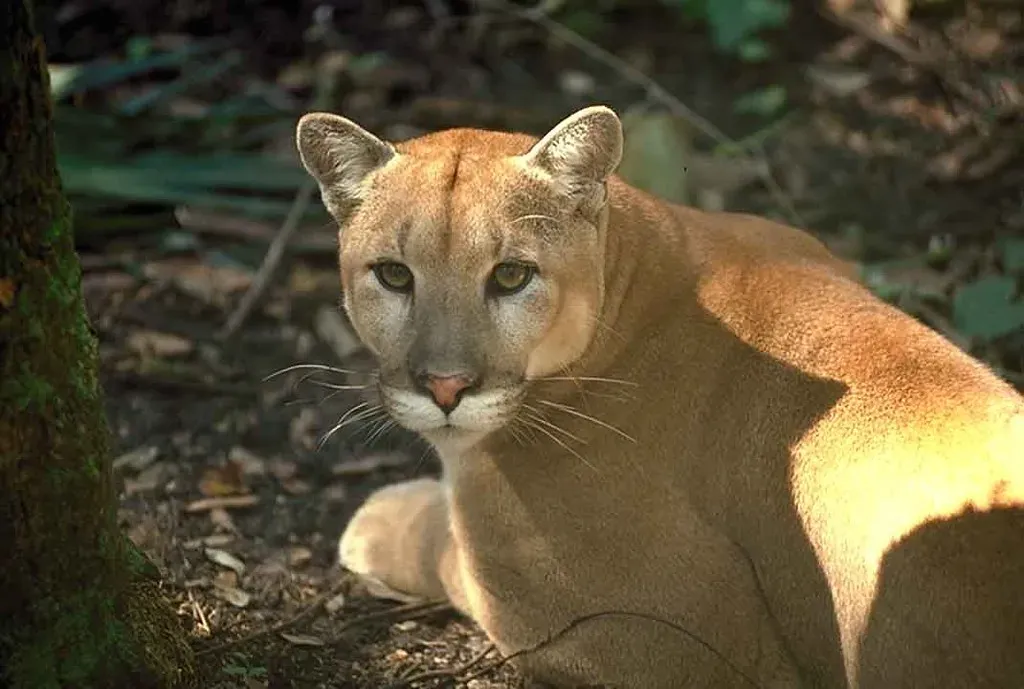
Deep in the cypress swamps and sawgrass prairies of southern Florida, the Florida panther slips through shadows like a rumor. This animal is a critically reduced population of the North American cougar, adapted to the wetlands and forests of the lower peninsula. You’ll find it mostly in and around places like Big Cypress National Preserve and the remaining wild portions of the Everglades, where it hunts deer, feral hogs, and smaller prey under cover of dense vegetation.
By the late twentieth century, the Florida panther population had crashed to fewer than a few dozen animals, and inbreeding was taking a visible toll in the form of heart defects and skeletal problems. Wildlife managers used a controversial but ultimately life‑saving strategy: bringing in closely related cougars from the West to restore genetic diversity. Today, the population has grown but still lives in a small, fragmented area, hemmed in by highways and development. If you ever see paw prints along a remote Florida trail, you’re standing inside one of the last strongholds of big cats in the eastern United States.
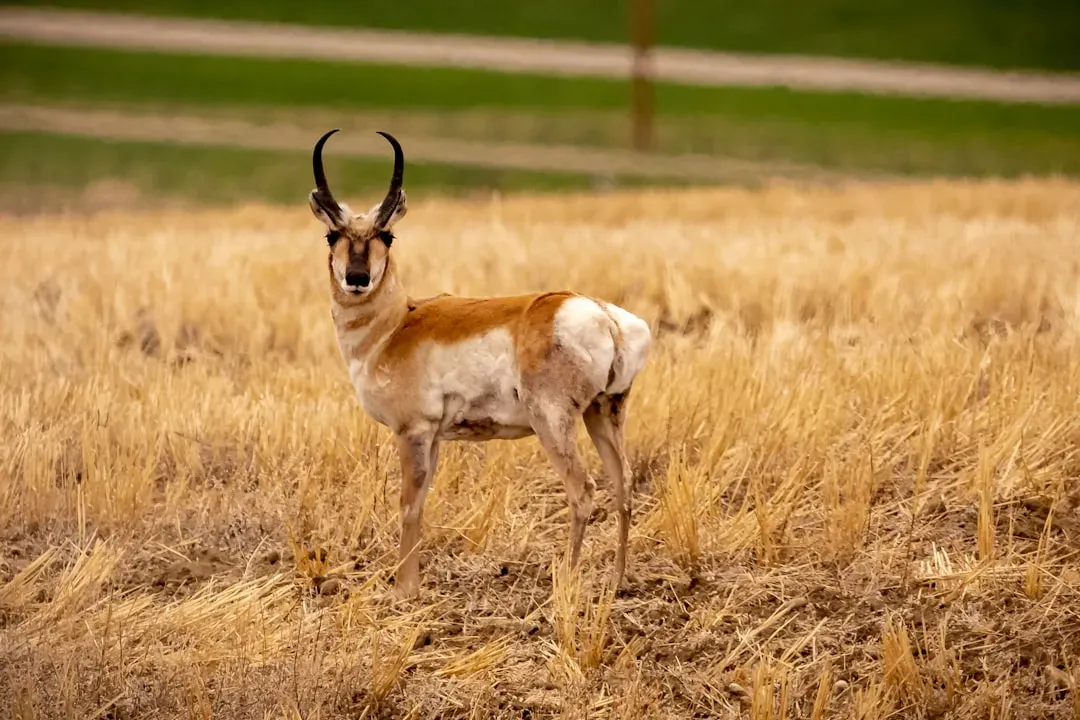
6. Pronghorn – High‑Speed Specialist of the Open Sagebrush Sea
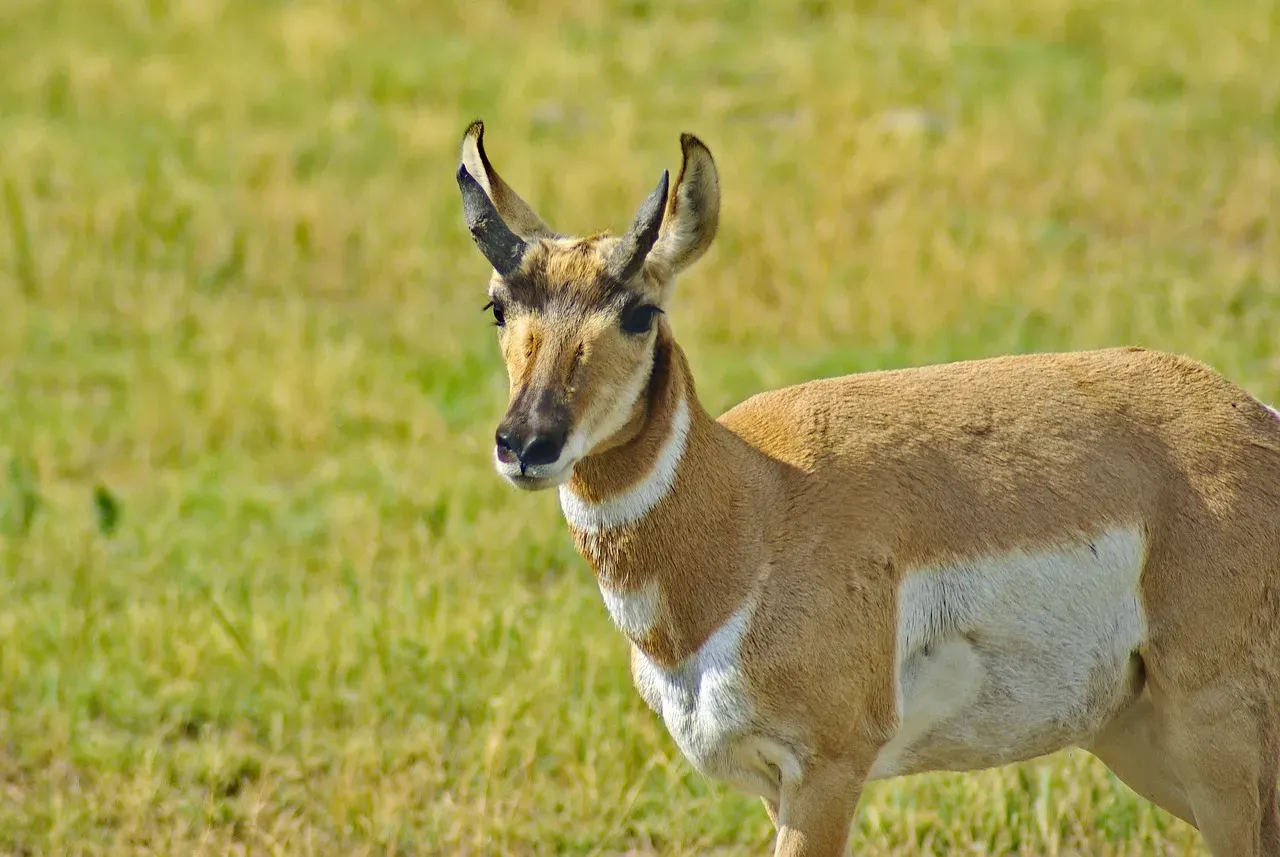
Cross the wide, empty basins of Wyoming, Montana, or Nevada, and you might spot what looks like a small antelope streaking across the horizon – that’s the pronghorn. It is not a true antelope, but a uniquely North American species that can outrun nearly everything else on land here. You’ll notice its tan body, white rump, and distinctive black horns with forward‑facing prongs, features that make it easily recognizable among the low sagebrush and grasslands it prefers.
Pronghorn evolved in a world with now‑extinct American cheetah‑like predators, and its extreme speed is basically a leftover superpower. Today, its biggest problems come from fences, highways, and habitat loss that cut across ancient migration routes. In some areas, conservation groups and agencies are working with ranchers to modify or remove fencing so herds can still move between seasonal ranges. When you see a line of pronghorn flowing across the plains, you’re watching one of the last great migrations of North America’s open country.
7. Kirtland’s Warbler – Specialist of Young Jack Pine Forests
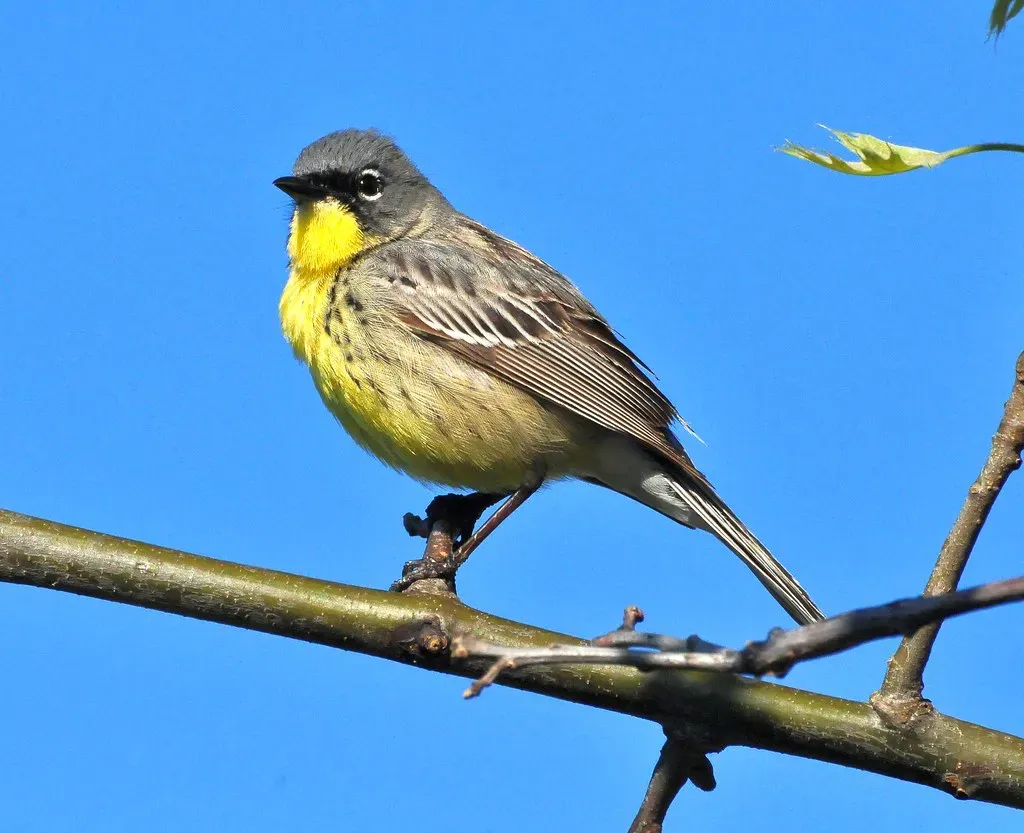
In a small patchwork of northern Michigan, Wisconsin, and now parts of Ontario, you’ll find one of the rarest songbirds you’re ever likely to search for: Kirtland’s warbler. This bird is surprisingly picky; it breeds almost exclusively in young jack pine forests that have grown back after fire or intensive management. If you’re birding in the right habitat, you’ll look for a medium‑sized warbler with gray upperparts and a yellow belly, often singing from the lower branches of short pines.
Decades of fire suppression and habitat changes nearly wiped this species out, and by the late twentieth century only a few hundred singing males were counted. Conservationists answered with a detailed plan: they managed forests to mimic natural fire cycles and controlled nest predators like brown‑headed cowbirds. The warbler’s numbers climbed enough that it was removed from the federal endangered list, but it still depends heavily on carefully timed habitat management. When you finally spot one flitting through a jack pine, you’re seeing proof that targeted, patient conservation can pull even a highly specialized bird back from the edge.
8. Hellbender – Giant Salamander Hidden in Appalachian Streams
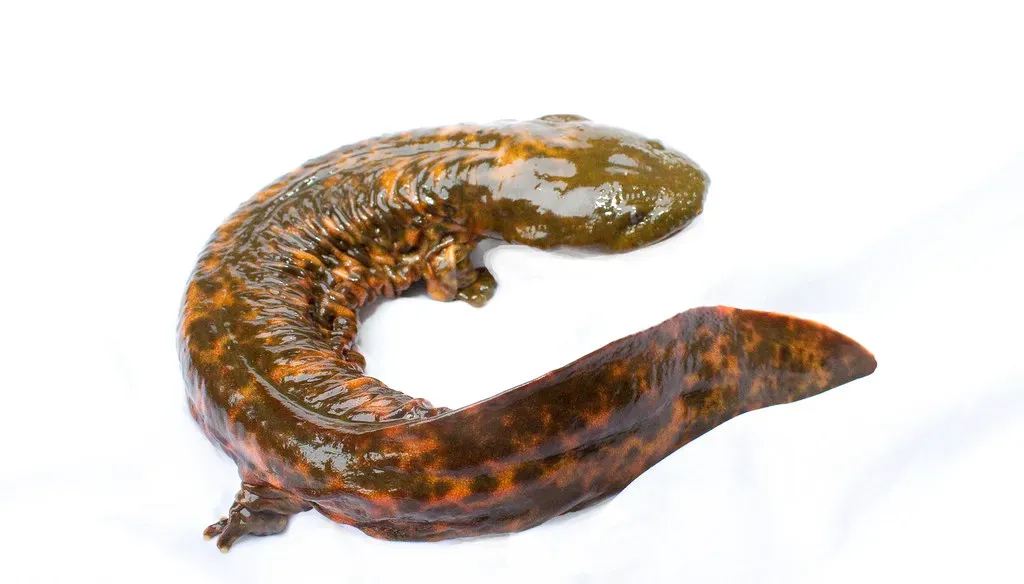
If you wade into cold, rocky streams in the Appalachians or parts of the Ozarks, you might be sharing the water with a creature straight out of a myth: the hellbender. This is one of North America’s largest salamanders, with a flat body, wrinkled skin, and a wide, flattened head that helps it squeeze under rocks. You usually will not see it during the day because it spends most of its time hidden from view, coming out at night to hunt crayfish and other aquatic prey.
Hellbenders rely on clean, well‑oxygenated water and stable, rocky streambeds, which makes them very sensitive to pollution, siltation, and dam construction. In many places, populations have dropped as water quality declined or stream habitat was altered. Biologists are now raising young hellbenders in captivity and releasing them into restored streams, while also working with landowners to improve water conditions. If you ever flip a rock (carefully and legally) and glimpse one of these secretive salamanders, you’re looking at a living signal that your river system is still hanging on.
9. Blind Cave Fish – Sightless Survivors in Underground Worlds
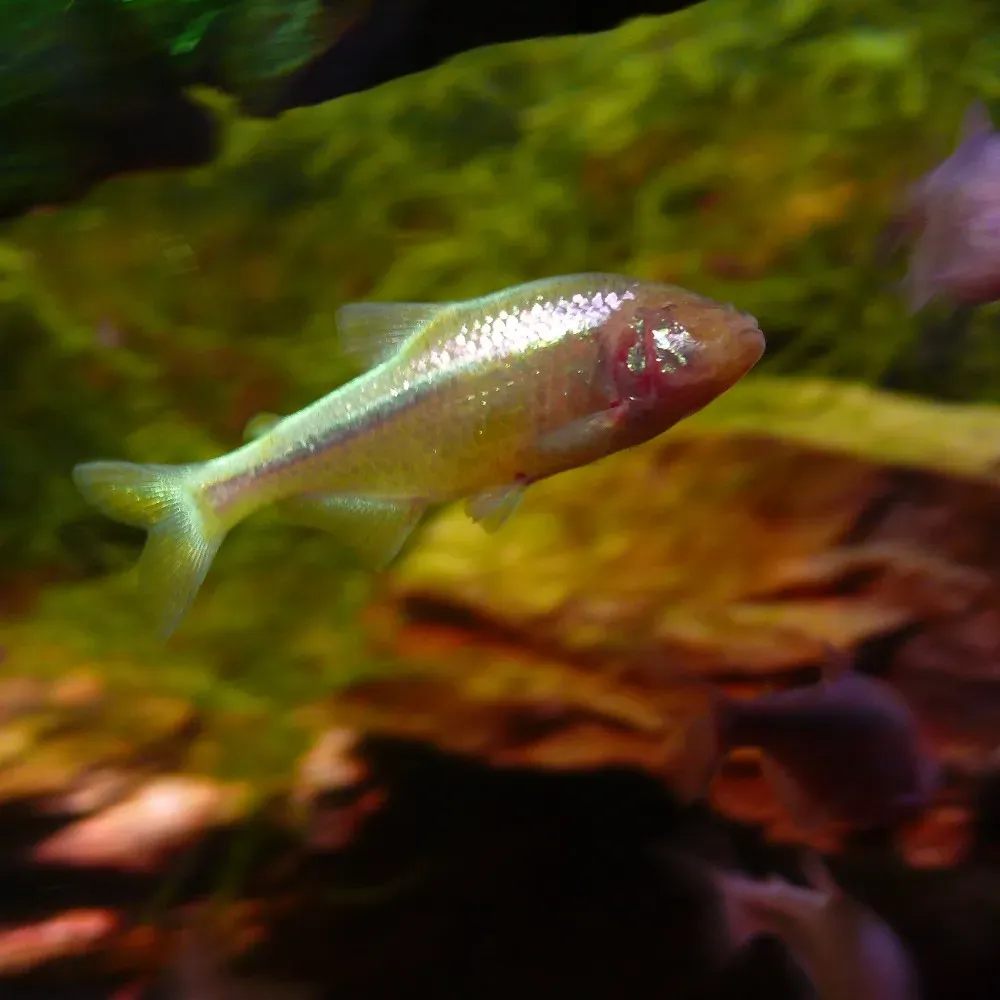
Far below the surface in limestone regions like southern Indiana, Missouri, or parts of the Ozarks, you’ll find streams that never see daylight, and in those waters live blind cave fish. These fish have evolved in total darkness, often losing their pigment and functional eyes, trading vision for heightened senses of touch and vibration. When you shine a light into an underground pool, you might see pale, ghostlike shapes drifting through the water, apparently unconcerned by your presence.
Because they depend on the delicate groundwater systems that feed caves, blind cave fish are extremely vulnerable to anything that seeps into the underground: agricultural runoff, industrial pollution, or careless dumping at the surface. Their entire world can be just a few connected pools and passages, making them among the most localized vertebrates you’ll ever hear about. When you visit a wild cave or even live over karst terrain, your everyday actions – from how you handle chemicals to what you pour down a drain – can determine whether these unseen fish continue their slow, silent existence.
10. Muskox – Ice‑Age Relic of the Arctic Tundra
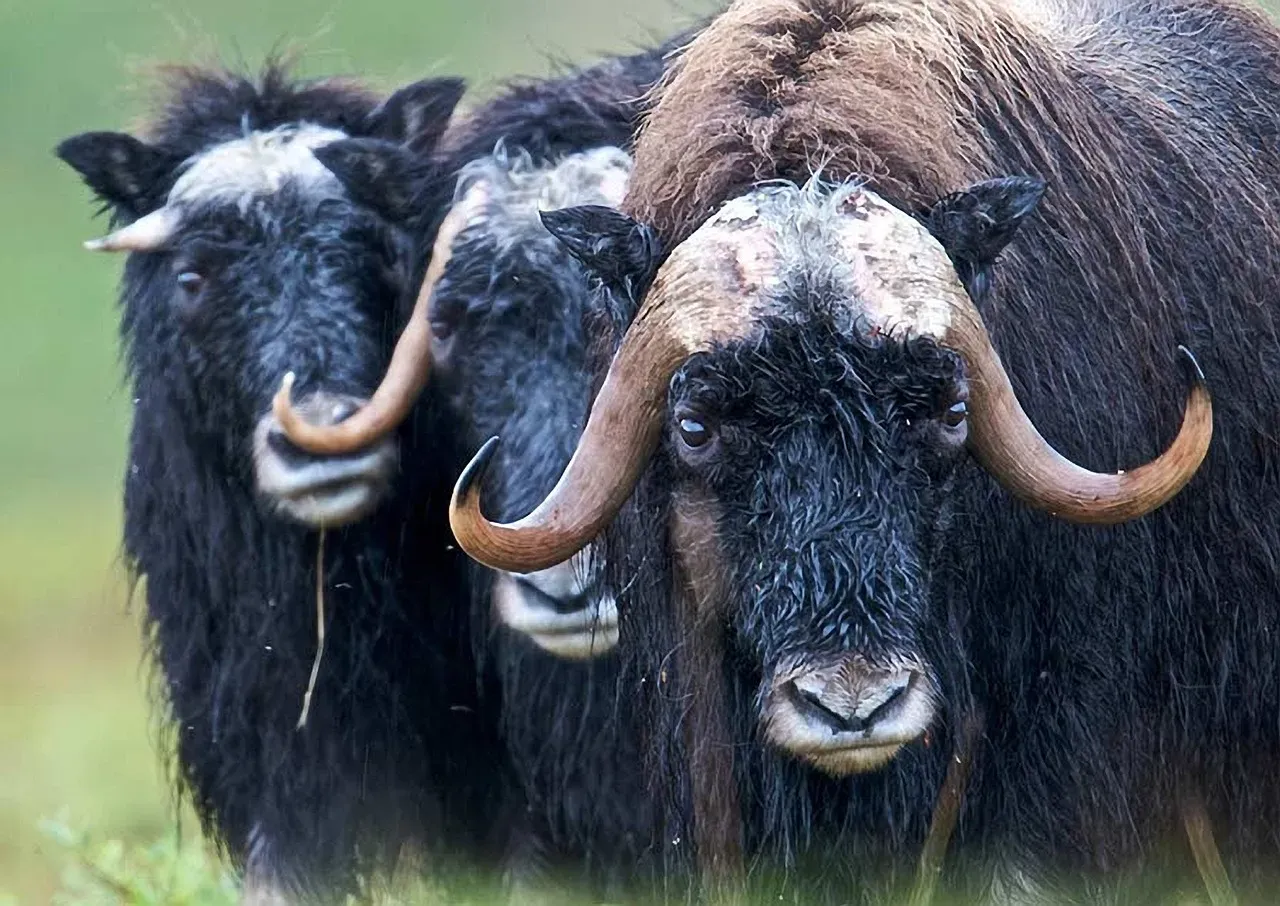
Travel to the wind‑scoured tundra of northern Alaska, and you step into a landscape that still feels like the last Ice Age never quite ended. There, in small, scattered herds, you can find the muskox, a shaggy, horned mammal built for brutal cold. Its long outer coat and incredibly dense underfur trap heat so well that it can stand through Arctic winters that would kill most other large herbivores, drawing energy from the sparse grasses and sedges it digs from under the snow.
When threatened by wolves or bears, muskoxen form a tight defensive ring, adults facing out with their sharp horns while calves are sheltered in the middle. This behavior once helped them resist natural predators but offered little defense against human hunting, which wiped out local populations in parts of Alaska and Canada. Carefully managed reintroductions and protections have brought them back to some areas, though climate and land‑use changes continue to reshape the Arctic. If you ever see a muskox herd silhouetted against a low polar sun, you’re looking at one of North America’s most ancient survivors, still holding a thin line against a rapidly changing world.
Conclusion – Why These Remote Creatures Matter to You
Even if you never set foot in an Alaskan tundra, a Florida swamp, or a jack pine forest, these animals still affect how you think about the country you live in. They prove that the United States is more than highways and suburbs; it is also island archipelagos where foxes evolved into miniature canids, mountain talus slopes where tiny pikas farm hay in the shadow of glaciers, and dark caves where sightless fish drift in ancient water. Each species is a reminder that evolution never stops and that survival strategies can be as subtle as a salamander’s need for cool, clean water or as dramatic as a pronghorn sprinting across an open basin.
When you care about these creatures, you’re really choosing to care about places that most people will never see but that still anchor the health of entire regions. Your choices – what you drive, what you support, where you travel, and how you vote – ripple all the way out to island foxes, hellbenders, and muskoxen. The next time you see a map of the United States, try to imagine the hidden lives pulsing in those vast blank spaces between cities and roads. Which of these remote residents surprised you the most, and which one would you most want to go looking for if you could?