You’re used to hearing breathless stories about archaeological treasures that “had to be saved at all costs.” But what about the finds that maybe never should’ve been pulled from the ground, stored in climate‑controlled vaults, or set behind glass for you to stare at? When you look closely, you start to see a darker side of preservation: human bodies turned into spectacle, sacred objects ripped from their communities, and pieces of violent history frozen in place instead of being healed.
In this article, you’ll walk through fifteen discoveries that raise an uncomfortable question: just because you can preserve something, should you? You’ll see how museums, labs, and governments have sometimes treated human beings like specimens, and how calls for repatriation and reburial are forcing a painful rethink. By the end, you may never look at a “world‑famous exhibit” the same way again.
1. Egyptian Mummies Turned Into Museum Attractions
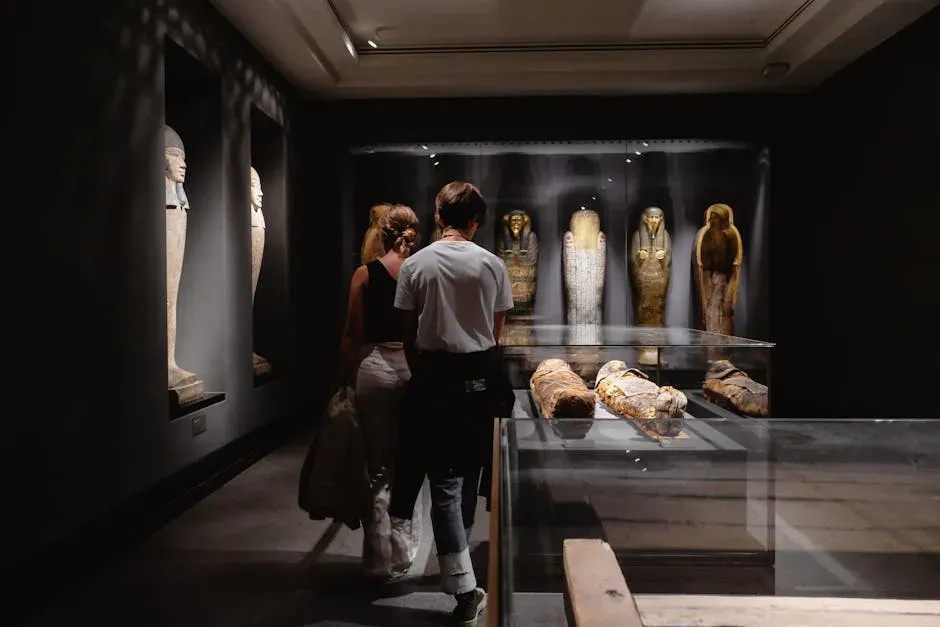
The next time you stand in front of a glass case staring at a wrapped body from ancient Egypt, ask yourself something simple: if this were your grandmother, would you be okay with this? For a long time, you were expected to treat mummies as curiosities, not as people who went through elaborate, sacred burial rites to rest in peace. Nineteenth‑ and early twentieth‑century collectors unwrapped bodies for entertainment, sold them as souvenirs, and stuffed museum basements with more mummies than curators knew what to do with.
Today, you’re living in a world where the ethics have finally caught up, and that neat “mummy room” suddenly looks a lot like a room full of disturbed graves. Museum professionals now openly admit that many of these individuals never consented to end up on display, and their descendants were never asked. You’re told it’s all in the name of education, but deep down you can probably feel how thin that excuse can be when the person in front of you is reduced to a label and a spotlight instead of a name and a story.
2. Bog Bodies Pulled From Peat And Put Behind Glass
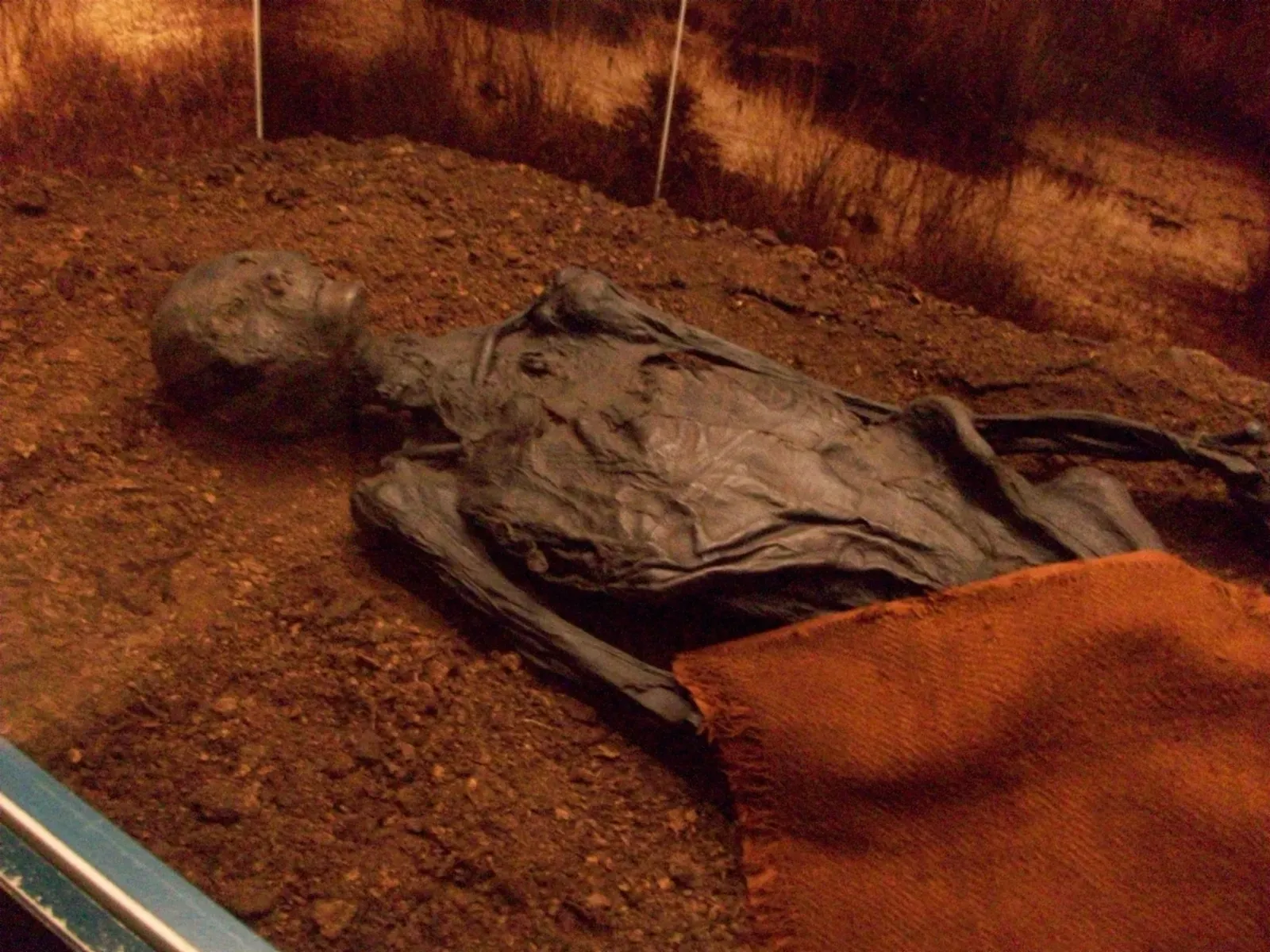
Bog bodies are the stuff of nightmares: soft skin, facial expressions, even hair surviving for centuries in the acidic, oxygen‑poor world of peat wetlands. When you first hear about them, it sounds like a miracle of science, a time machine that lets you “meet” someone from the Iron Age. But when you step closer, it hits you that you’re looking at the end of a person who often met a violent, ritualized death, then was dragged out centuries later, measured, dissected, and laid out in a case for you to gawk at.
Researchers have learned a lot from these remains – what these people ate, how they died, how they were sacrificed – but knowledge has come at a cost. You’re invited to stare into faces twisted by their final moments, sometimes with ropes still around their necks, as if their suffering is a permanent exhibit. It’s hard not to feel that some of these individuals might have been better left in the peat, where at least their bodies weren’t turned into a morbid photo op.
3. The “Race Science” Skulls In Old Anthropological Collections
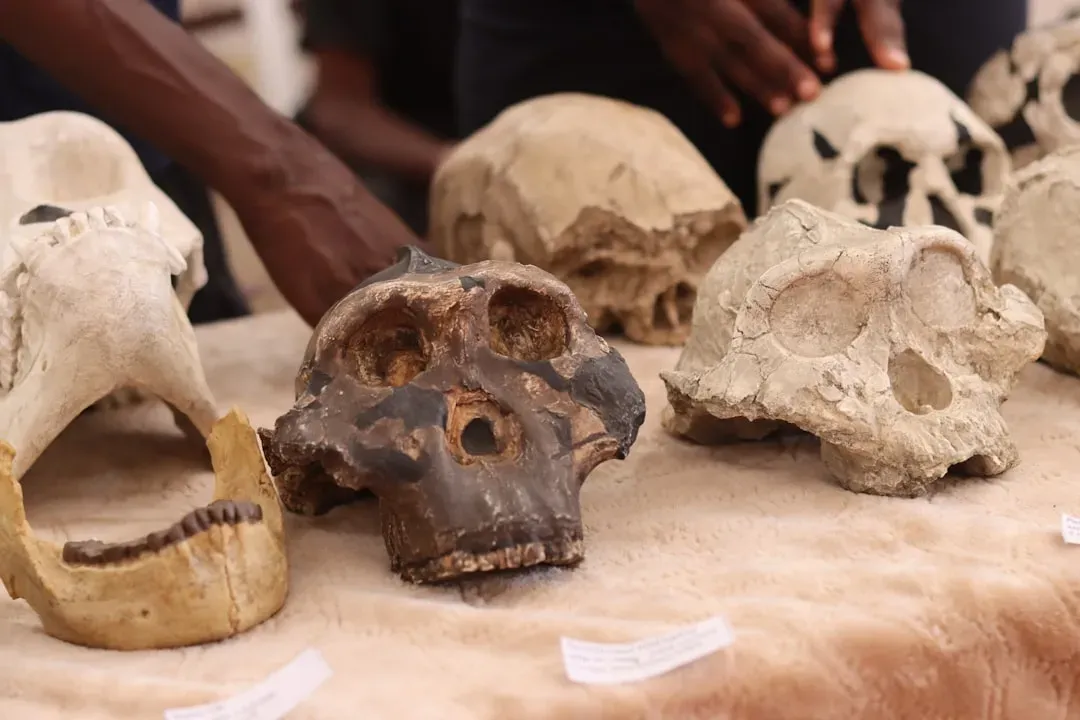
If you walk into certain older museums or university collections, you may still find shelves of anonymous human skulls, lined up and catalogued like rocks. Many of these collections exploded during the height of so‑called “scientific racism,” when Europeans and Americans dug up Indigenous graves or took remains from colonies to “prove” that different groups formed a hierarchy. When you realize that some of those heads were collected to argue that your worth could be measured by skull shape, the whole idea of careful preservation starts to feel tainted.
Modern researchers argue that these bones can now be used to tell different stories about health, migration, and lived experience, and sometimes that’s true. But you’re also facing cabinets of people who never agreed to be there, whose descendants are still fighting to bring them home or at least get their names back. Every time one of those skulls is dusted off for another measurement or photo, you’re reminded that not all preservation is neutral – sometimes it keeps racism frozen in place instead of letting it be buried.
4. The Benin Bronzes Looted And Locked Into Western Museums
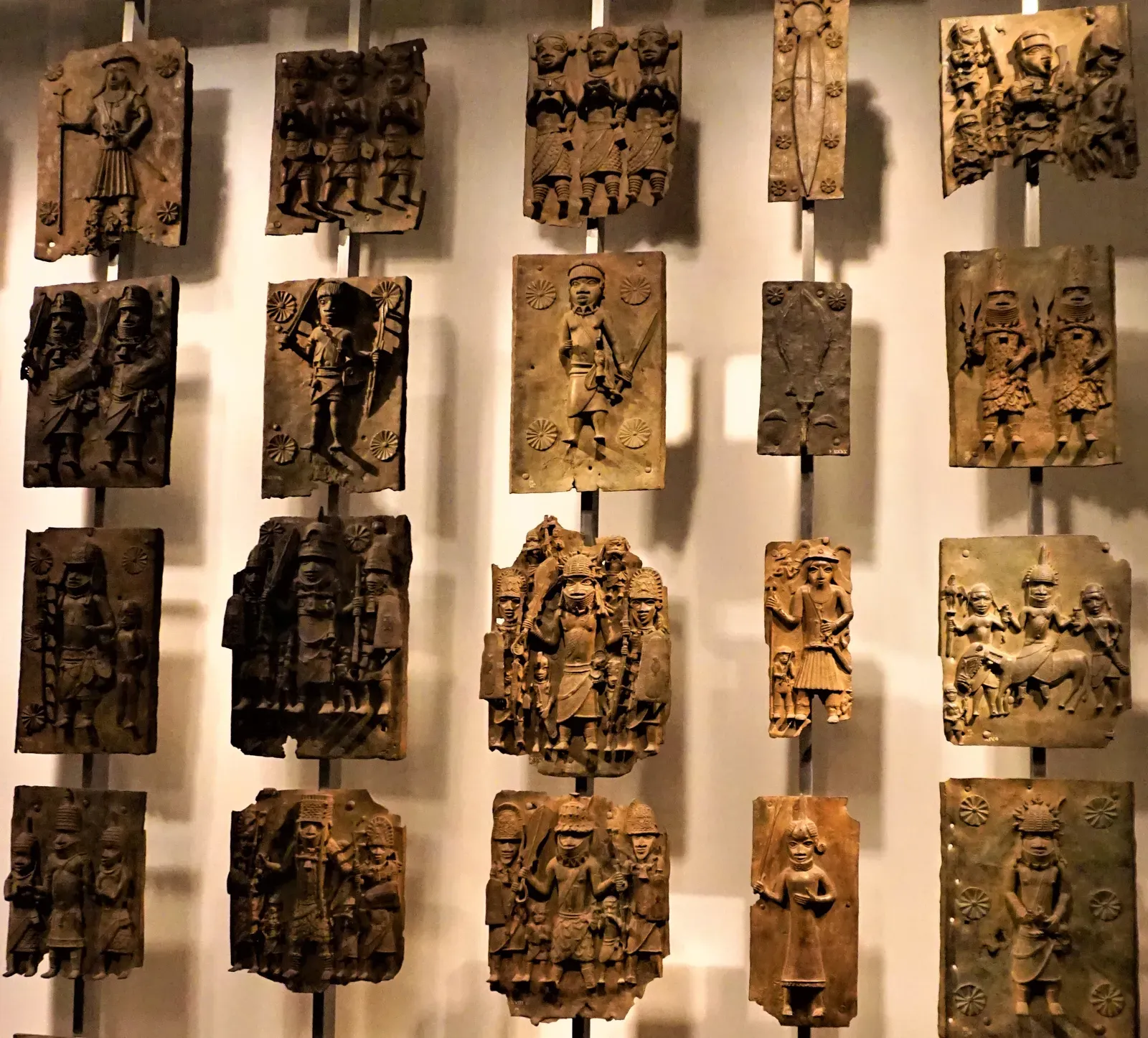
At first glance, the Benin Bronzes are stunning: intricate plaques and sculptures from the Kingdom of Benin, in what’s now Nigeria, often described as masterpieces of world art. You’re told they must be preserved in “world museums” for the good of humanity. What you’re not always told is that thousands of these works were looted in a brutal British military raid in the late nineteenth century, ripped from palaces and shrines and shipped to Europe as trophies and proof of imperial power.
Yes, the bronzes themselves are not human remains, but their preservation in foreign institutions has kept a violent story alive in a very specific way: the conqueror controls the narrative. When you see them in London or Berlin, you’re seeing objects that, by all moral logic, should have gone back decades ago. Keeping them polished and protected while their rightful owners negotiate, beg, and argue for their return makes the whole idea of “preservation” feel less like care and more like captivity.
5. Dissected Medical Specimens That Forgot The Person
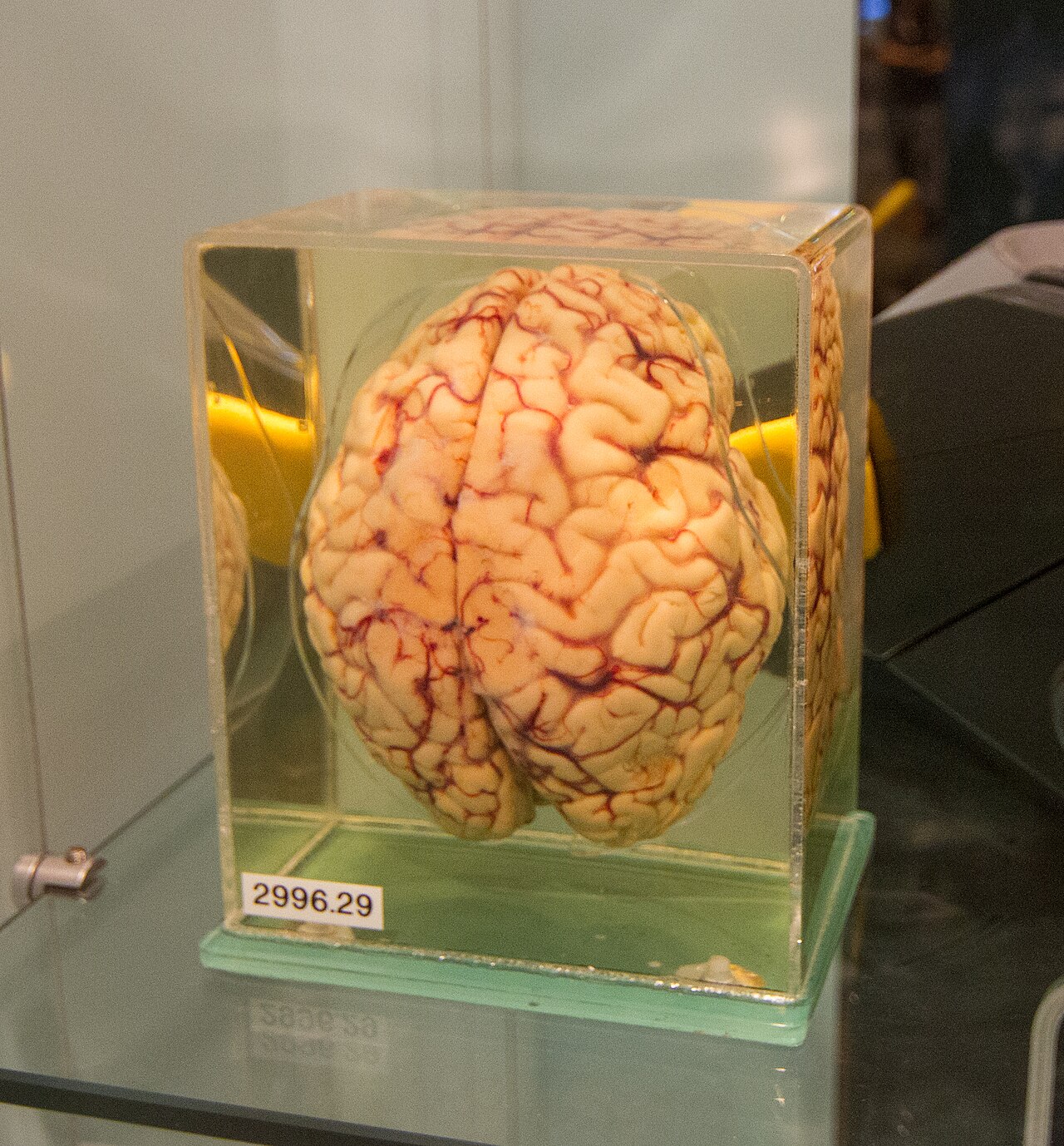
If you’ve ever visited a medical museum, you’ve probably seen preserved organs, malformed fetuses in jars, or dissected limbs floating in clear fluid. You’re told these are vital teaching tools, monuments to scientific progress. But look a little longer and you start to ask: who were these people? In the nineteenth and early twentieth centuries, bodies were often taken from poorhouses, prisons, or hospitals without clear consent, turned into permanent teaching specimens because they were seen as disposable in life and in death.
Modern ethical guidelines are stricter, but you’re still standing in front of hearts, brains, and skulls that once belonged to someone with a family, fears, and maybe dreams that never allowed for this fate. When all that remains of your story is a pathology label and a catalog number, preservation becomes a second erasure. You might wonder whether some of these jars should have been emptied long ago, their contents quietly buried instead of left to be stared at by passing school groups and bored tourists.
6. Trophy Skulls And Remains Taken In Colonial Wars
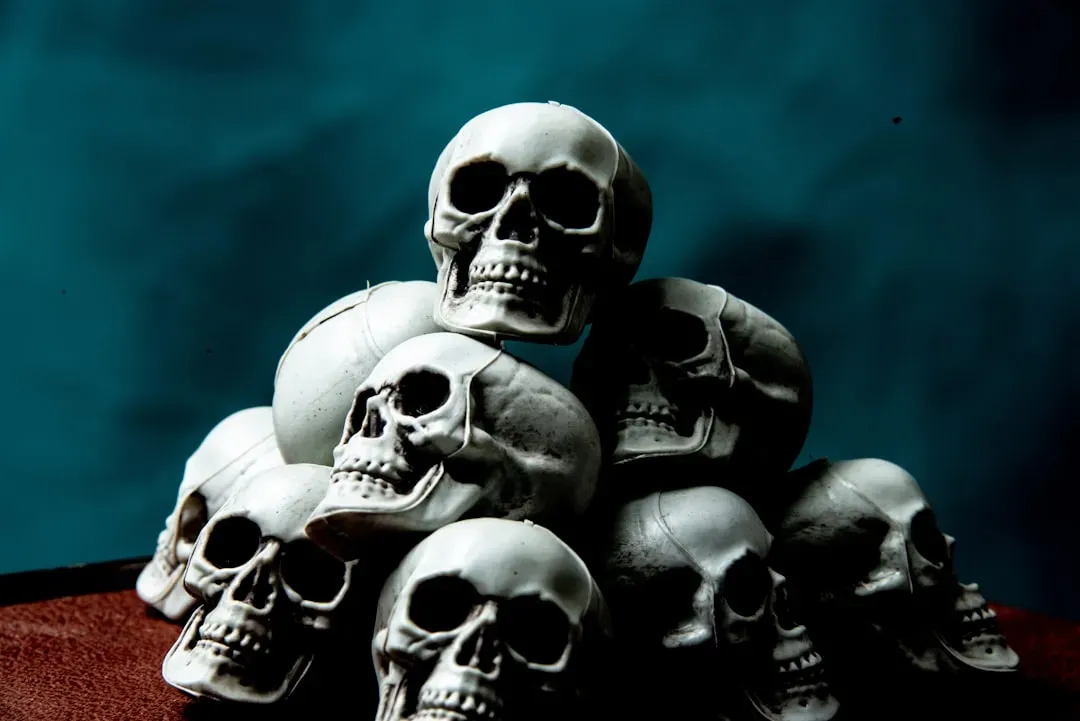
Colonial soldiers and settlers sometimes took human body parts as trophies – skulls, scalps, even whole skeletons – which later ended up in museums or private collections. You might see them referred to in catalogs with cold phrases like “war relic” or “ethnographic specimen.” Behind that language is a brutal reality: people were killed, mutilated, and then preserved so someone else could feel victorious or “scientific.” From an ethical standpoint, it’s hard to imagine any justification for keeping those remains on shelves today.
You may hear arguments that they serve as evidence of atrocities or that they can help document history. But you have to weigh that against what their continued preservation does to communities whose ancestors were literally turned into trophies. For many descendants, every bone that stays in a drawer instead of being returned and laid to rest is an open wound. In those cases, closing the box for good through reburial might be far more powerful than any future research or display.
7. Unnamed Skeletons Used As Classroom “Teaching Skeletons”
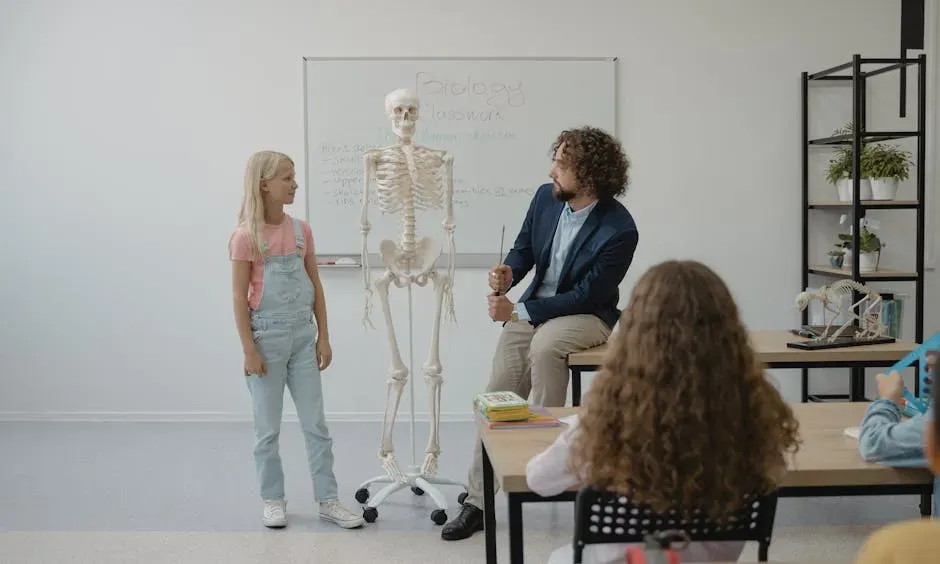
Maybe you remember the first time you saw a real human skeleton in a classroom – wired together, yellowed, maybe missing a few teeth. It probably felt thrilling, a little spooky, and very scientific. But many of those teaching skeletons came from people who died in poverty, in colonized regions, or in institutions where no one spoke for them. Their bodies were purchased in bulk from dealers who treated them like supplies, not like the remains of individuals.
Today, you see universities scrambling to take stock of these collections, trying to figure out who these people were and whether they can be repatriated. You might feel a pang of guilt realizing that the skeleton you once thought of as a neutral “model” was actually a stolen person. In hindsight, preserving their bones for generations of anatomy classes without consent starts to look less like a public service and more like a quiet, everyday violation.
8. Human Remains From Indigenous Burial Grounds
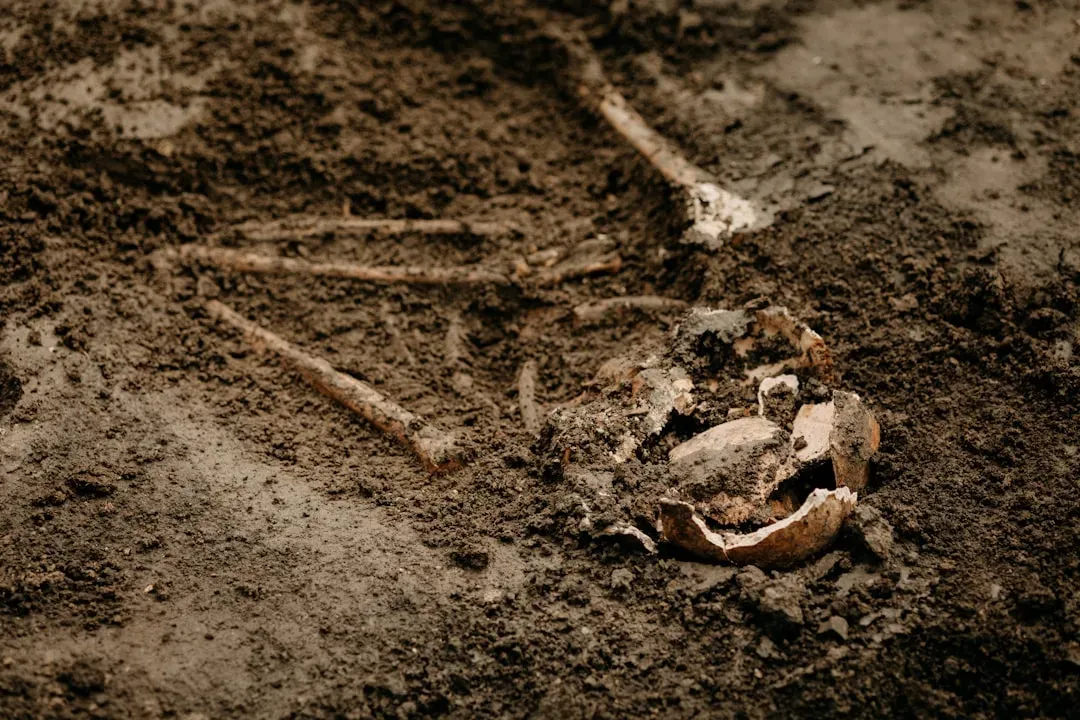
For decades, archaeologists treated Indigenous burial sites as research opportunities rather than sacred spaces. If you live in North America, you’re surrounded by stories of graves disturbed, bones boxed up, and funerary items catalogued in museums far from the communities that buried them. These remains were carefully preserved: cleaned, labeled, stored in acid‑free materials – everything you’d expect from professional stewardship, except for one thing: respect for the wishes of the living descendants.
Laws and policies have begun to change, and you now see more remains being repatriated and reburied. But you can’t ignore that thousands of individuals still lie in storage, sometimes literally stacked in cardboard trays. When you picture the care and ceremony you’d want for your own family’s graves, it’s hard not to feel that many of these ancestors would have been better off left undisturbed in the earth, instead of spending decades as anonymous case numbers in some distant institution.
9. Infamous Battle Dead Turned Into Permanent Case Studies
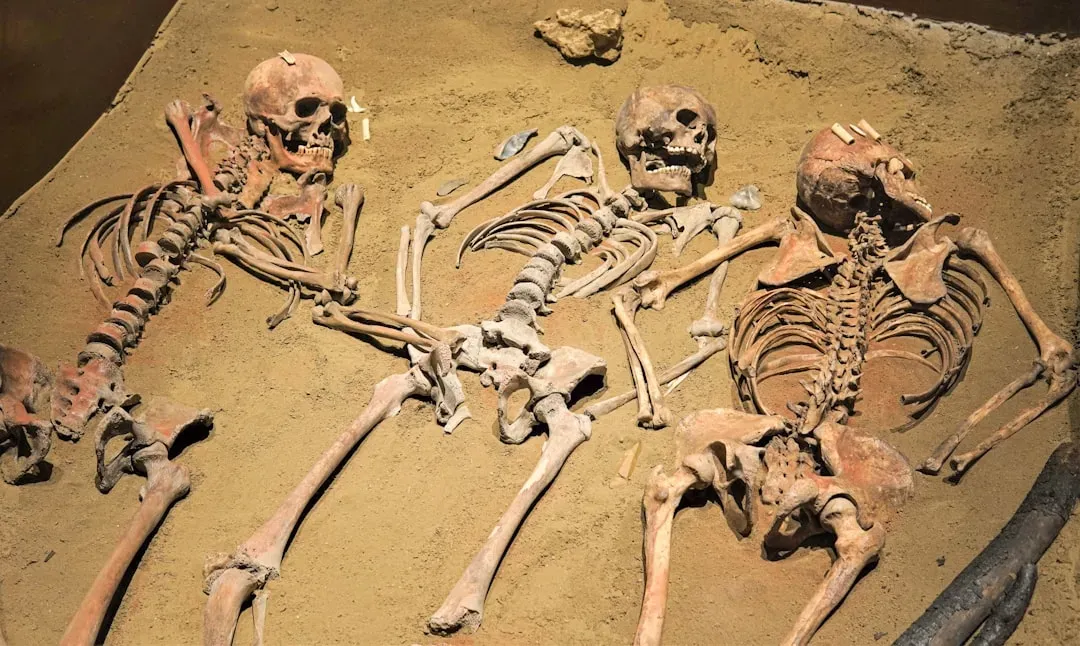
When archaeologists uncover mass graves from famous battles, it can be profoundly moving to see how people died, where they fell, and how they were treated afterward. You’re offered detailed reconstructions of wounds, armor, and final positions. But there’s a point where this kind of forensic storytelling slides into spectacle, especially when remains are kept intact and on display as if they’re props in a war documentary that never ends.
Some memorial sites have chosen a different path, reburying the dead and using replicas or digital reconstructions instead. When you compare those approaches to cases where skeletons from battle sites are still on display, you can feel the ethical tension. Do you really need to see the actual bones to understand the horror of a battle, or are you just being pulled into a morbid curiosity that keeps someone’s violent death frozen in a display case forever?
10. Child Mummies Preserved As Curiosities
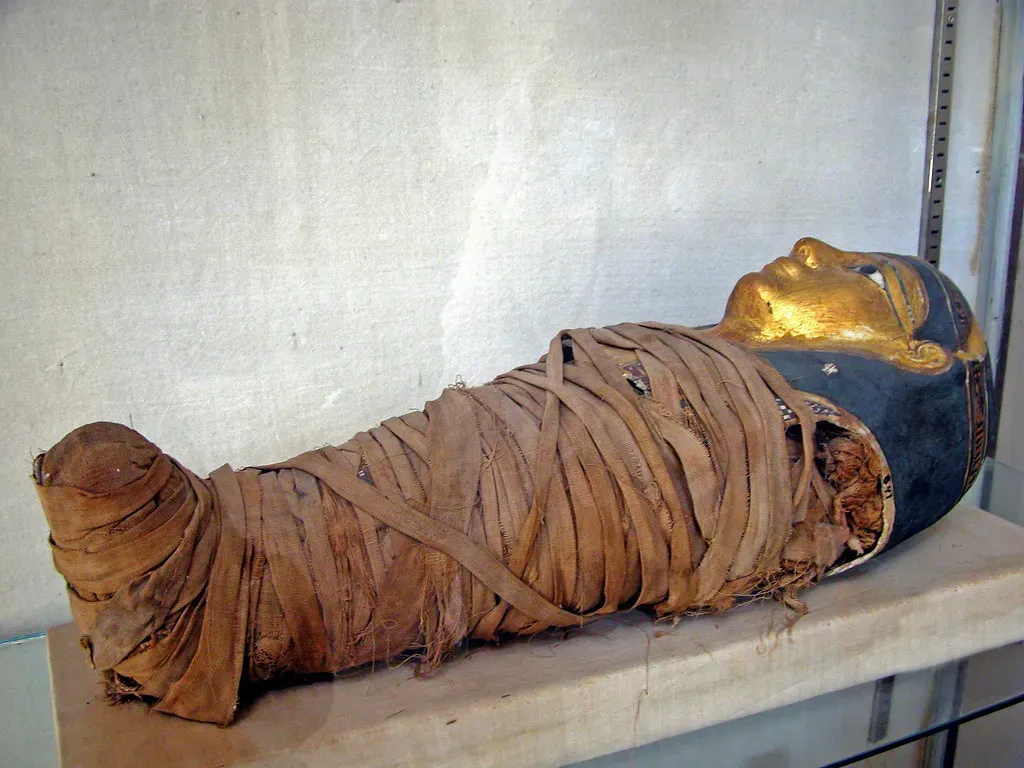
Child mummies and tiny skeletons might be the most haunting of all. Museums sometimes highlight them because they draw strong reactions – small bodies wrapped in linen, cradled in baskets, or laid out with toys. You’re meant to feel the tragedy and the mystery, and often you do. But behind the glass is still a child whose death became a magnet for ticket sales, research papers, and endless photos taken by strangers who will never know their name.
Many cultures buried children with intense care, hoping to protect them in an afterlife or at least give them peace. When you see those same children lifted out of the ground, scanned, unwrapped, and then placed under bright lights, you have to ask if the line has been crossed. Maybe, in some of these cases, the kindest thing you could do is allow them to return to darkness and silence instead of preserving every tiny bone and fiber for centuries of strangers to inspect.
11. Bodies Preserved In Situ In Catacombs And Ossuaries
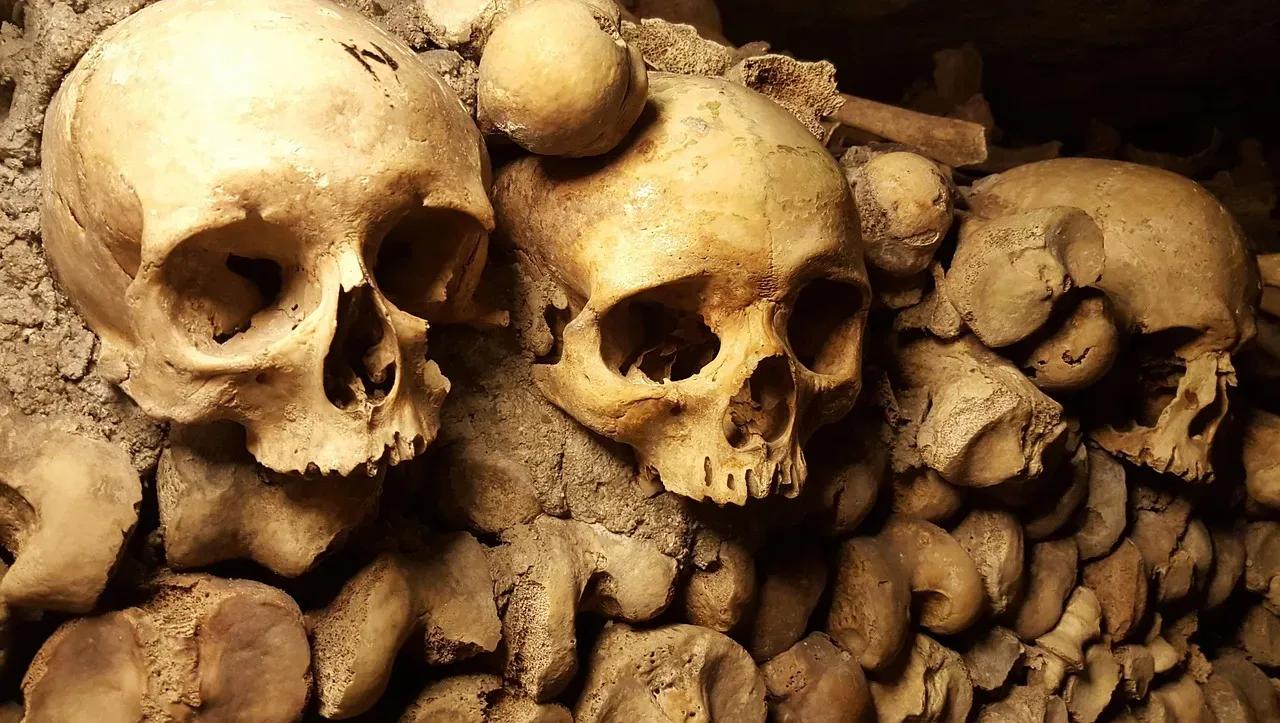
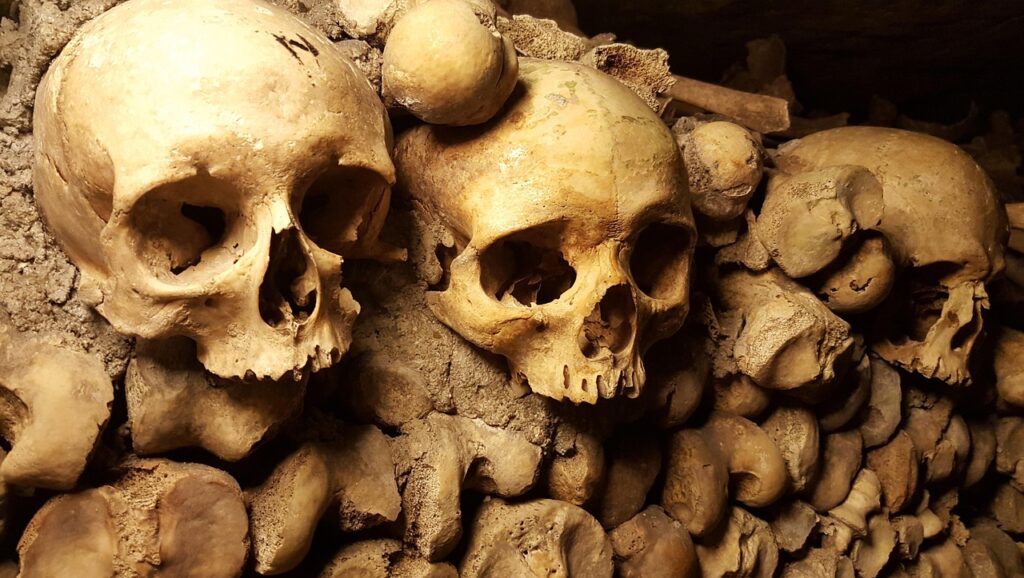
When you walk through European catacombs or ossuaries, walls of skulls and bones stare back at you. These spaces have become tourist magnets, marketed as spooky, beautiful, or “must‑see” attractions. The remains themselves are preserved and managed like cultural heritage, but the people behind those bones often never consented to have their resting places turned into Instagram backdrops. Their anonymity makes it easy for you to forget they were individuals, not decorations.
There is an argument that maintaining these sites teaches you about past plagues, burial crises, and religious practices. But when preservation morphs into themed tourism – complete with gift shops and selfie spots – it’s fair to wonder whether some of these bones should have been quietly reinterred. You have to ask yourself whether walking through an underground gallery of skulls is genuine remembrance, or whether you’re just participating in a centuries‑long habit of turning the dead into scenery.
12. Human Remains Embedded In Everyday Objects
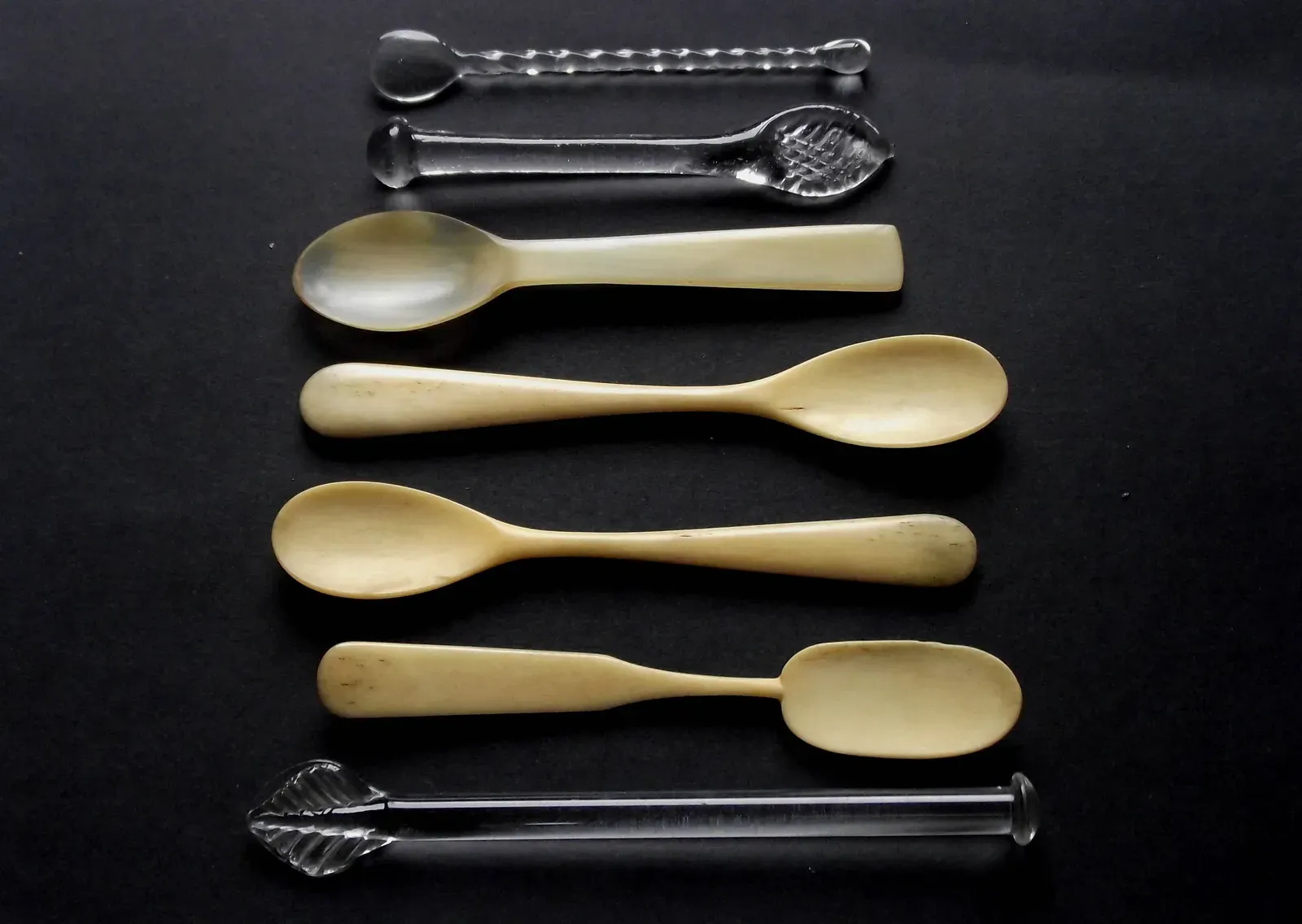
Archaeology sometimes turns up things that stop you cold: human bones repurposed as tools, jewelry made from teeth, or relics where bits of real people are encased in objects of devotion. Historically, some of these items were meant to honor the dead or saints, but when they enter modern collections, they’re often stripped of that spiritual context. You’re left with items that museums fight to stabilize and preserve, even when their original communities might prefer them to decay or be ritually retired.
Think about holding a comb made from human bone or a pendant carved from a vertebra. Should you really be conserving it under perfect humidity so that future generations can do the same? Or would it be more ethical to acknowledge that the object’s power came from a living relationship that’s now broken – and that the person it includes deserves rest rather than endless preservation? In cases like this, your instinct to “save the artifact” can easily override your sense of what’s owed to the human being inside it.
13. Forensically Detailed Faces Reconstructed From The Dead
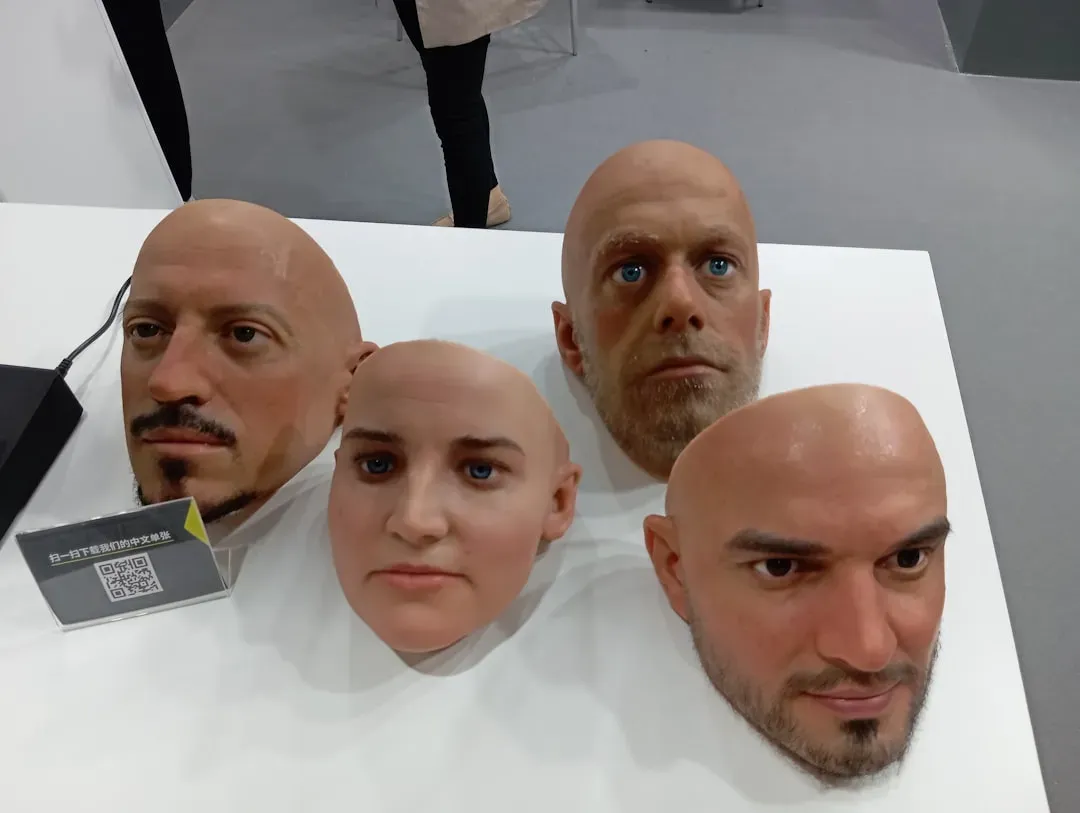
One of the most visually striking trends in archaeology is facial reconstruction: taking a skull and, through careful analysis and digital modeling, giving it a face again. When you see those lifelike models, you’re told you’re “meeting” someone from the distant past. But pause and imagine this happening to you without permission centuries from now – your face rebuilt, your features guessed at, your image displayed in a museum where people comment on your nose or your jawline.
Reconstruction can be a powerful tool for education, no question. Yet it also fixes a specific version of a person in the public imagination, often without input from any descendant community. The original remains are preserved, studied, scanned, and turned into a perpetual identity project. Sometimes, the kinder option might be to let those bones speak only in general terms – age, health, diet – without dragging their faces back into the spotlight for the rest of time.
14. Remains From Sites Of Recent Atrocity Kept In Storage
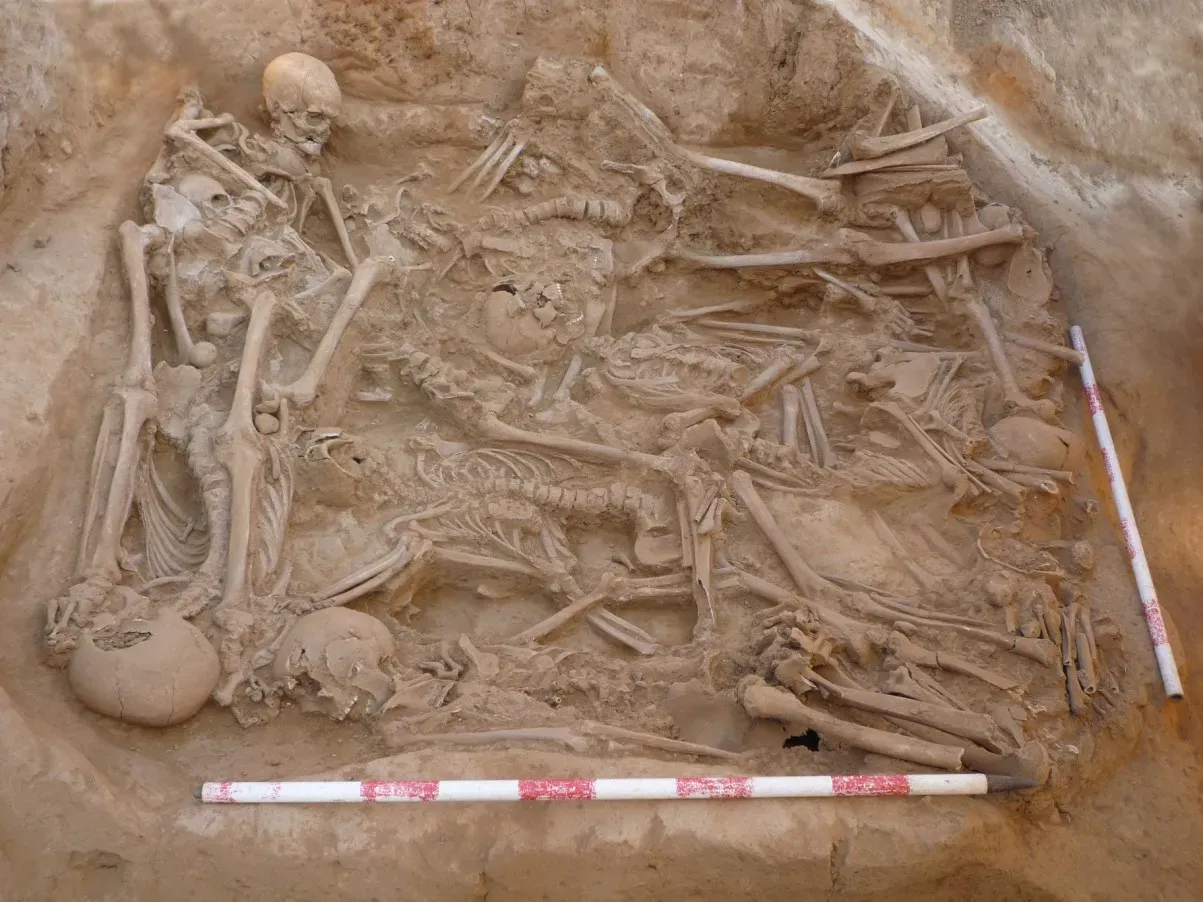
Archaeology is sometimes used to investigate very recent horrors – mass graves from genocides, clandestine burials from dictatorships, or graves of enslaved people. In those cases, preserving remains can help identify victims, prove crimes, and give families answers. But once the legal work is done, you’re faced with a painful decision: do you keep those bones as “evidence” and research material, or do you allow them to be buried according to the wishes of families and communities?
When remains from atrocities linger for decades in boxes, preserved but unburied, it can feel like a second injustice. You might understand the impulse to save everything for “future research,” but you also have to admit that research does not always come, while grief never really stops. In these situations, insisting on preservation at all costs can quietly prioritize scientific curiosity over human healing, when what many people need most is a grave they can visit instead of a shelf they can never see.
15. Anonymous “Problematic” Collections No One Wants To Talk About
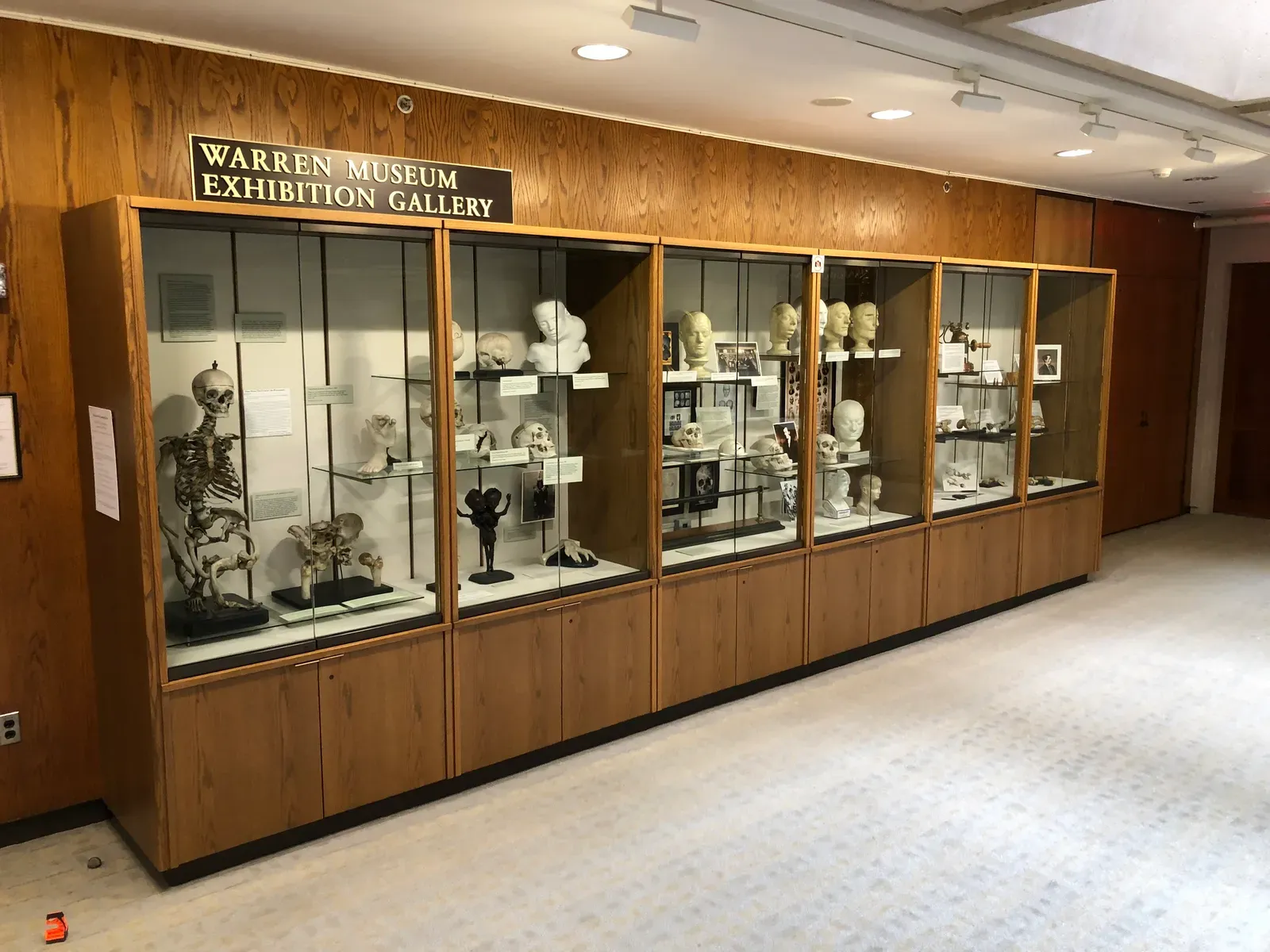
Every big institution has them: the boxes no one knows quite what to do with. Human remains collected under murky circumstances, fragments with no clear provenance, or specimens that were once celebrated and are now deeply embarrassing. You’re unlikely to see these in glossy brochures, but they still sit in climate‑controlled rooms, carefully preserved because no one wants to make the call to stop. The longer they stay, the harder it becomes to admit they probably should not have been collected or kept in the first place.
When you think about it, this is where your own role comes in. As a visitor, a reader, or a citizen, you can ask the awkward questions that curators sometimes avoid: why is this here, who agreed to it, and what would it take to let it go? Preservation is not a neutral default; it’s a choice made over and over again. Sometimes the bravest, most ethical decision is to say: this ends with us. We’ll document the past, tell the story, and then allow what remains to rest.
Conclusion: When Letting Go Is The Most Respectful Choice
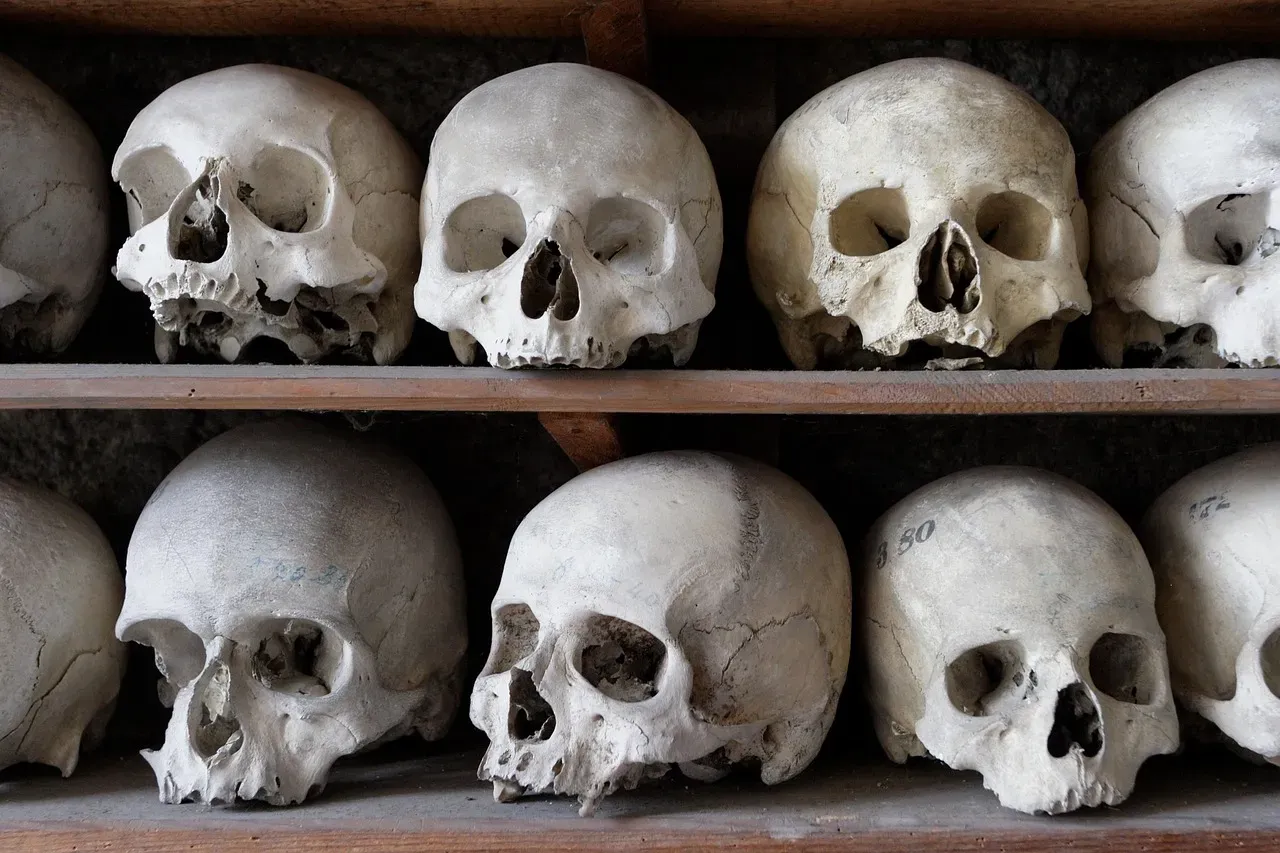
By now, you’ve seen how messy the word “preservation” really is. It covers everything from life‑saving conservation of fragile manuscripts to the indefinite storage of people who never chose to be there. When you look closely at these fifteen cases, you start to notice a pattern: the more a discovery involves real human beings – especially those who were marginalized, colonized, or silenced in life – the more preservation risks turning into a second round of exploitation in death.
That doesn’t mean you need to empty every museum or shut down every exhibit. It does mean you’re invited to look harder, to ask who benefits from keeping something forever and who pays the price. Sometimes, the most humane act is not to stabilize, label, and store, but to document respectfully and then allow the dead, and the objects bound up with them, to finally go. The next time you step into a gallery and face a body, a skull, or a looted treasure, will you still see a neutral “artifact” – or will you start wondering whether it should ever at all?