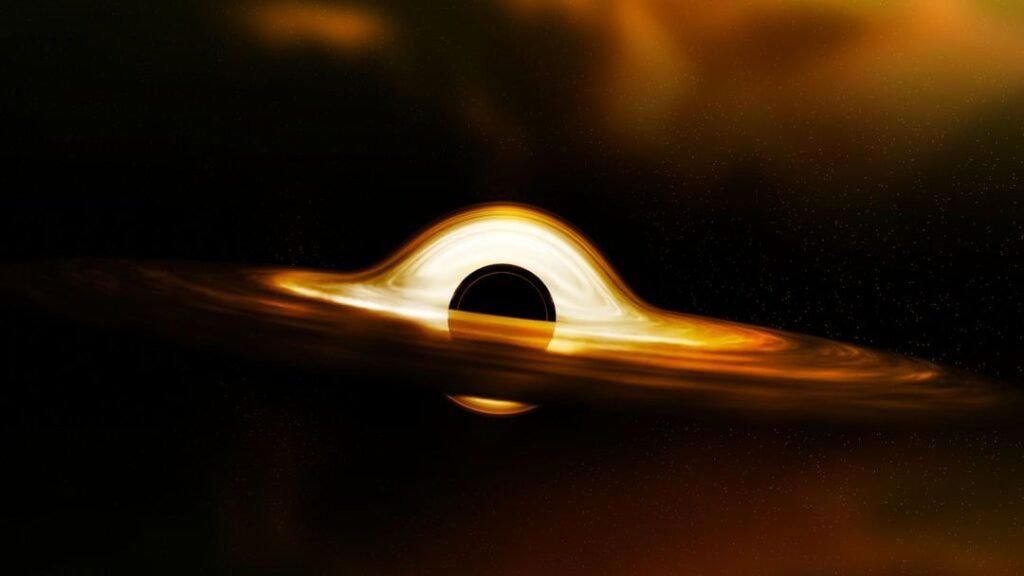
Every so often, science gets a plot twist so big that it makes even the experts sit back and say, “Wait… what?” Most of these shifts do not arrive with fireworks or dramatic press conferences. They creep in through oddly behaving data, stubborn anomalies, or a quiet paper that only a few people read at first. Then, slowly, these discoveries force everyone to redraw the mental map of how the universe, life, and even our own bodies really work.
What follows is a tour of 24 such turning points, ranging from the cosmic scale of dark energy to the microscopic weirdness of quantum entanglement, and from ancient DNA rewriting human history to surprising new organs hiding in plain sight. Some of these discoveries are now textbook material, others are still contested or evolving, and a few are probably just the beginning of even bigger shocks to come. As you read, ask yourself: if so many “certainties” have crumbled in just the last few decades, how much of what we are sure about today will look naive in 50 years?
#1 The Universe Is Not Just Expanding – It’s Accelerating
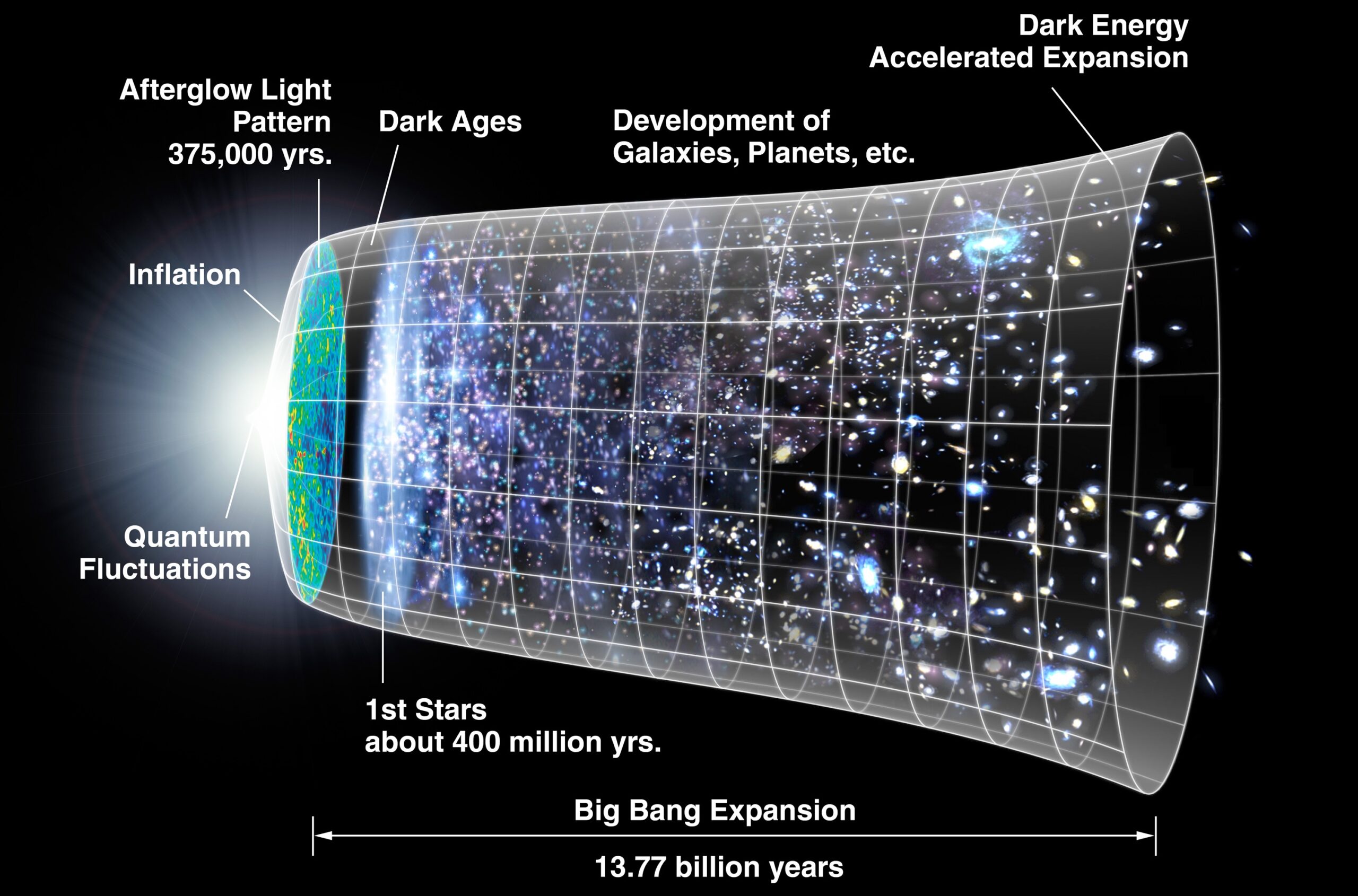
For most of the twentieth century, the big debate in cosmology was whether the universe would expand forever or eventually slow down and collapse back in a “big crunch.” The safe assumption was that gravity, pulling on all the matter in the universe, should at least slow the expansion over time. Then, in the late 1990s, teams studying distant exploding stars noticed something deeply unsettling: those supernovae were dimmer than expected, as if the galaxies were farther away than they should have been. The only explanation that fit the data was that the expansion of the universe is actually speeding up, not slowing down.
This flipped cosmology on its head. To account for the acceleration, scientists proposed some kind of mysterious “dark energy” permeating space, pushing everything apart. Suddenly, the neat picture of a universe made mostly of atoms and radiation was replaced by a profoundly strange one: ordinary matter like stars, planets, and people makes up only a small fraction of the cosmic budget, while dark energy dominates. The most unsettling part is that we still do not really know what dark energy is; it’s like discovering your house is being pushed apart by an invisible force and having no idea what is doing the pushing.
#2 Most of the Universe Is Invisible Dark Matter
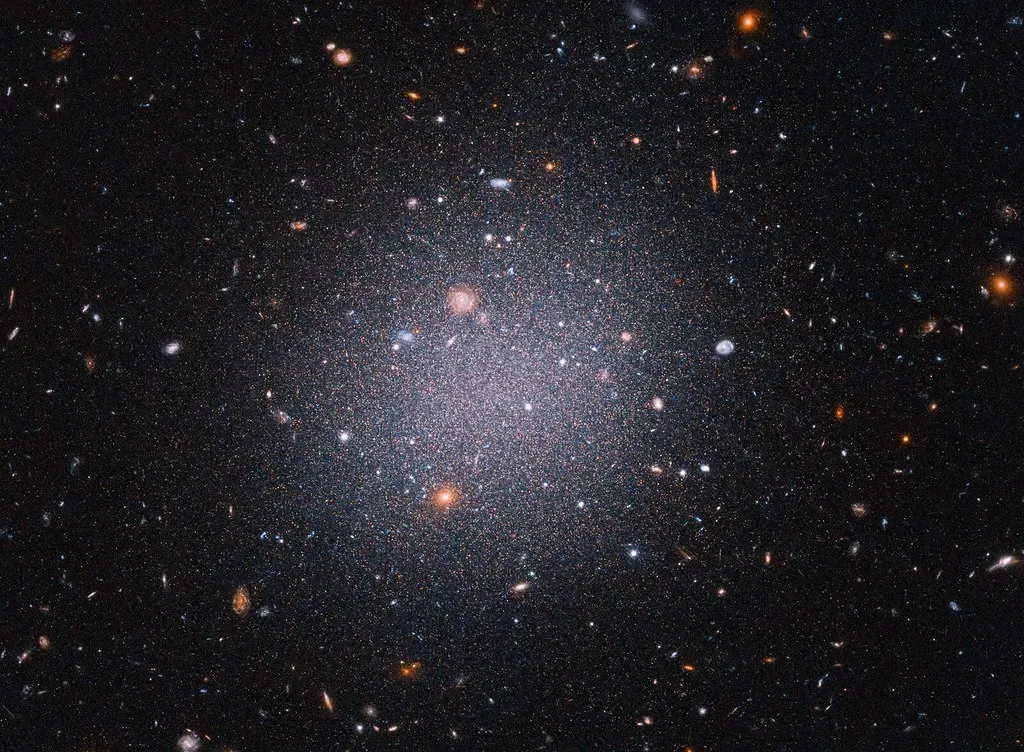
As if dark energy were not enough, astronomers had already been wrestling with another invisible ingredient: dark matter. When they looked at galaxies, they saw them spinning so fast that, by normal physics, they should fly apart. The visible stars and gas simply did not provide enough gravitational glue to hold them together. Similar problems showed up when measuring how galaxies cluster in space and how light bends around massive objects. Piece by piece, the evidence pointed toward some unseen mass outnumbering ordinary matter by several times.
This discovery was humbling because it suggested that everything we can see – from our own bodies to the most distant galaxies – is only a tiny slice of reality. Dark matter does not emit light, does not reflect it, and barely interacts with normal matter except through gravity. Scientists have built elaborate detectors in deep mines and under mountains trying to catch even the faintest hint of dark matter particles, but so far, the culprit has stayed stubbornly hidden. The result is a deeply uncomfortable situation: physics is solidly built on something we have never actually seen.
#3 Plate Tectonics: The Continents Really Do Drift
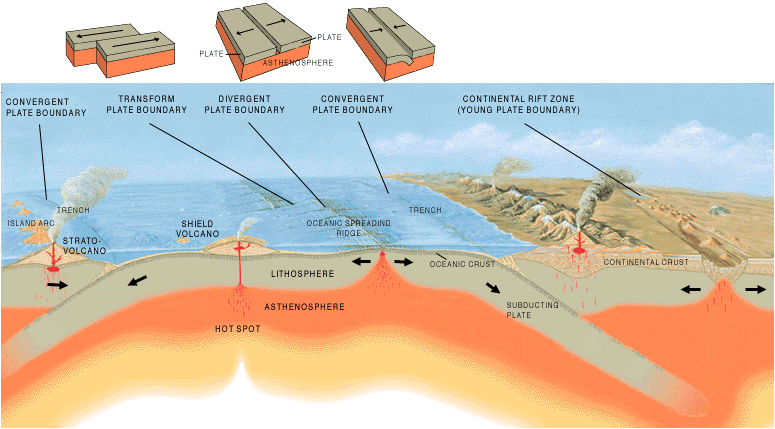
When Alfred Wegener first suggested in the early 1900s that continents drift across the surface of the Earth, most geologists dismissed the idea as almost laughable. The continents looked like they could fit together, but no one could imagine a force strong enough to move entire landmasses. For decades, the ruling view was that continents and ocean basins were fixed in place. It took mid‑twentieth century evidence from seafloor mapping, magnetic stripes in ocean crust, and earthquake patterns to finally force a revolution.
The birth of plate tectonics reshaped everything from how we understand mountain building to why earthquakes and volcanoes line up in distinct belts. It turned the Earth’s crust from a static shell into a dynamic jigsaw of plates sliding, colliding, and diving under one another. What had seemed like slow, eternal landscapes were suddenly part of a restless, convecting planet. Today, it is hard to imagine geology without plate tectonics, but it is worth remembering that, for a long time, the idea sounded almost as wild as continents floating on water.
#4 Quantum Mechanics: Particles Can Be Waves and Here-and-There at Once
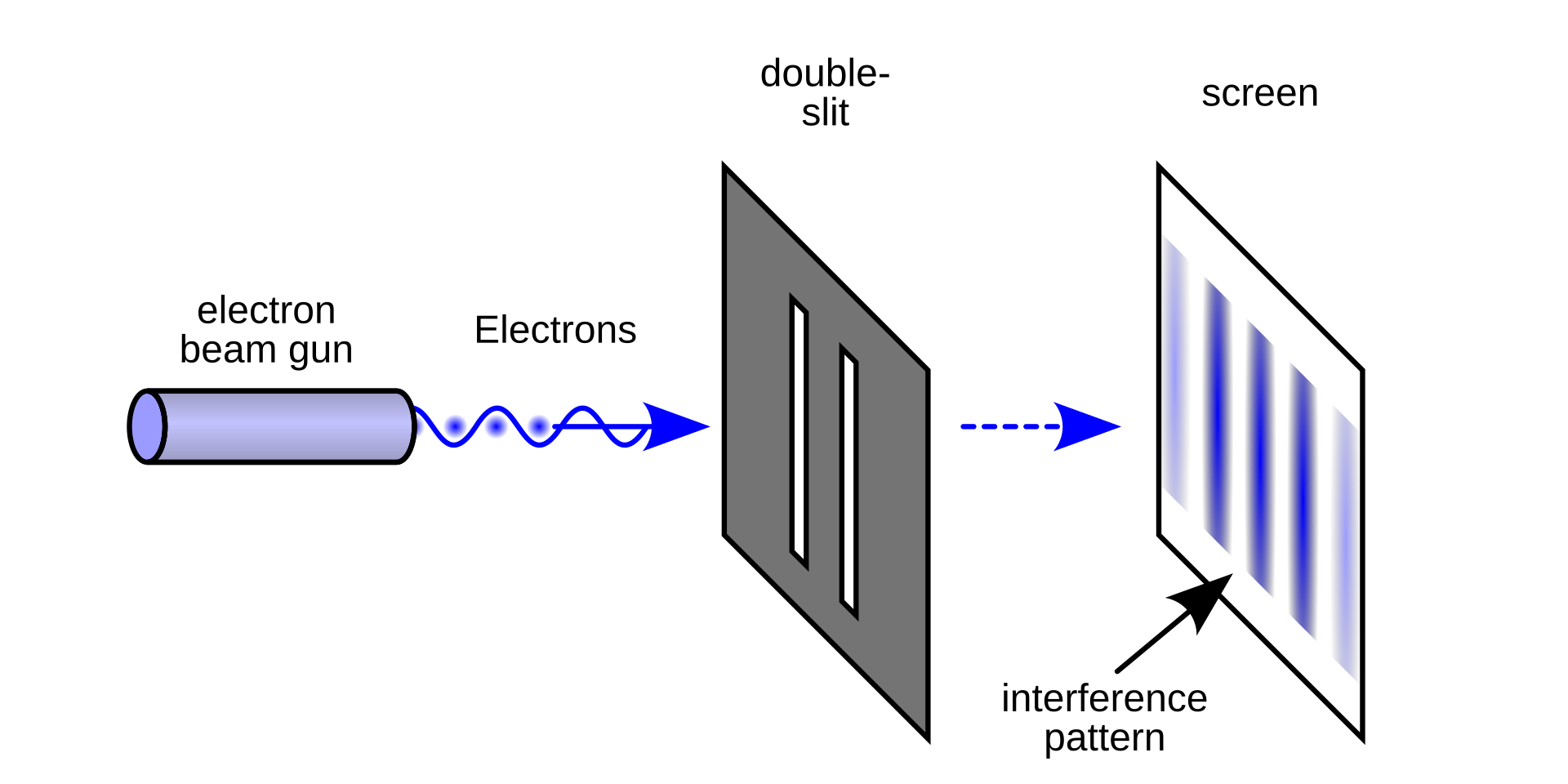
Classical physics assumed that objects always have definite positions and speeds, and that if you know enough, you can predict the future like clockwork. Quantum mechanics smashed that comforting picture. Experiments in the early twentieth century showed that light sometimes behaves like a particle and matter sometimes behaves like a wave. Worse, particles at the smallest scales do not have precise positions or speeds until we measure them; instead, they are described by probabilities and “clouds” of possibility.
The famous double-slit experiment drove the point home: a single particle sent through two slits behaves like a spread-out wave until it is detected, at which point the wave function “collapses.” This is not just weird; it suggests that the act of measurement itself changes reality at the quantum level. For a lot of scientists raised on the idea of a predictable, fully knowable universe, quantum mechanics was (and still is) deeply unsettling. Yet the same bizarre rules now power technologies like lasers, semiconductors, and the first prototypes of quantum computers.
#5 Quantum Entanglement: Spooky Connections Across Space
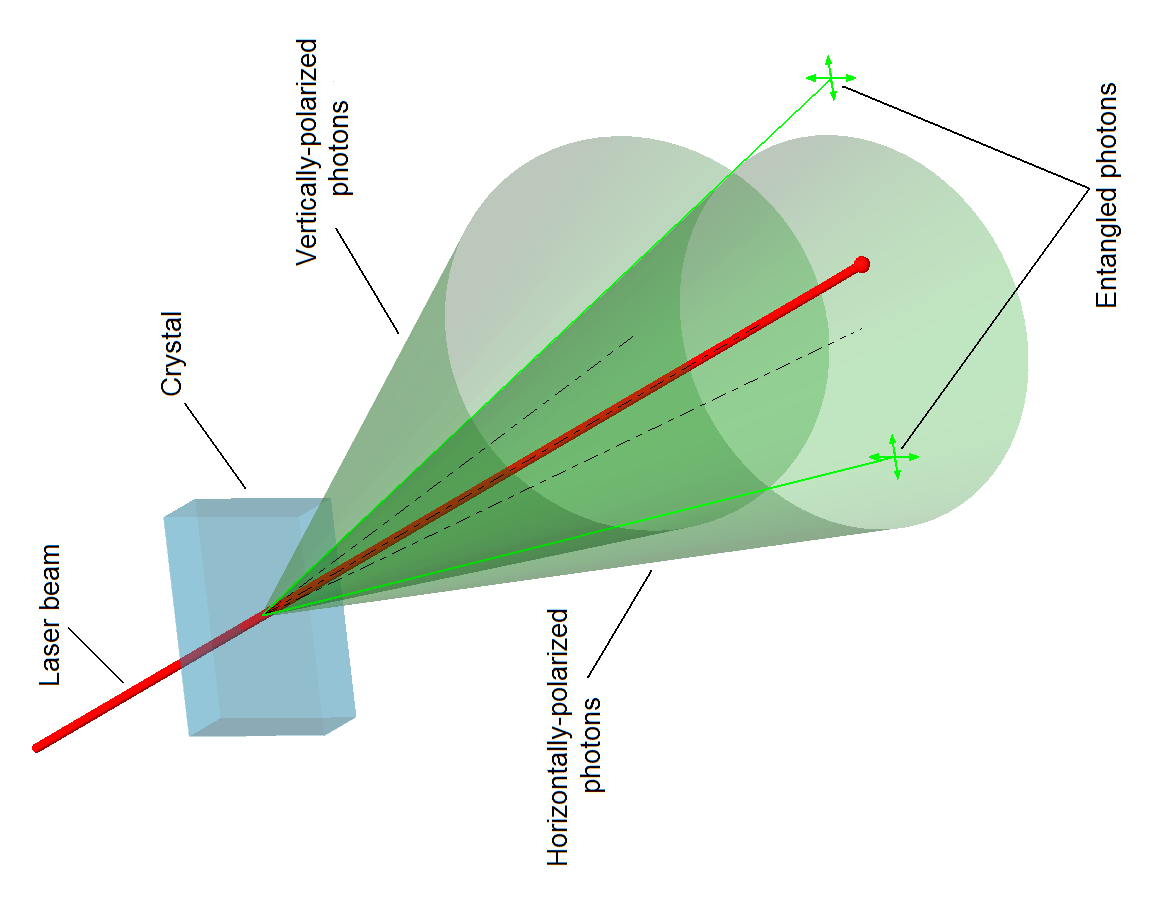
As if quantum mechanics were not strange enough, entanglement added another layer of discomfort. When two particles become entangled, their properties are linked so that measuring one instantly tells you something about the other, no matter how far apart they are. To early physicists, this sounded like a violation of the rule that nothing, not even information, can travel faster than light. Some argued that there had to be hidden variables giving particles predetermined values, and that the apparent “instant” connection was just an illusion.
Careful experiments, however, gradually closed those loopholes and showed that entanglement is real and cannot be explained by any simple local mechanism. The universe appears to have a non‑local, deeply holistic side where distant parts are mysteriously correlated. Today, scientists are trying to harness this spookiness for quantum cryptography and ultra‑secure communication. But philosophically, entanglement is a constant reminder that our everyday intuition about separateness and locality is, at best, an approximation.
#6 Time Is Not Absolute: Relativity Bends Space and Time
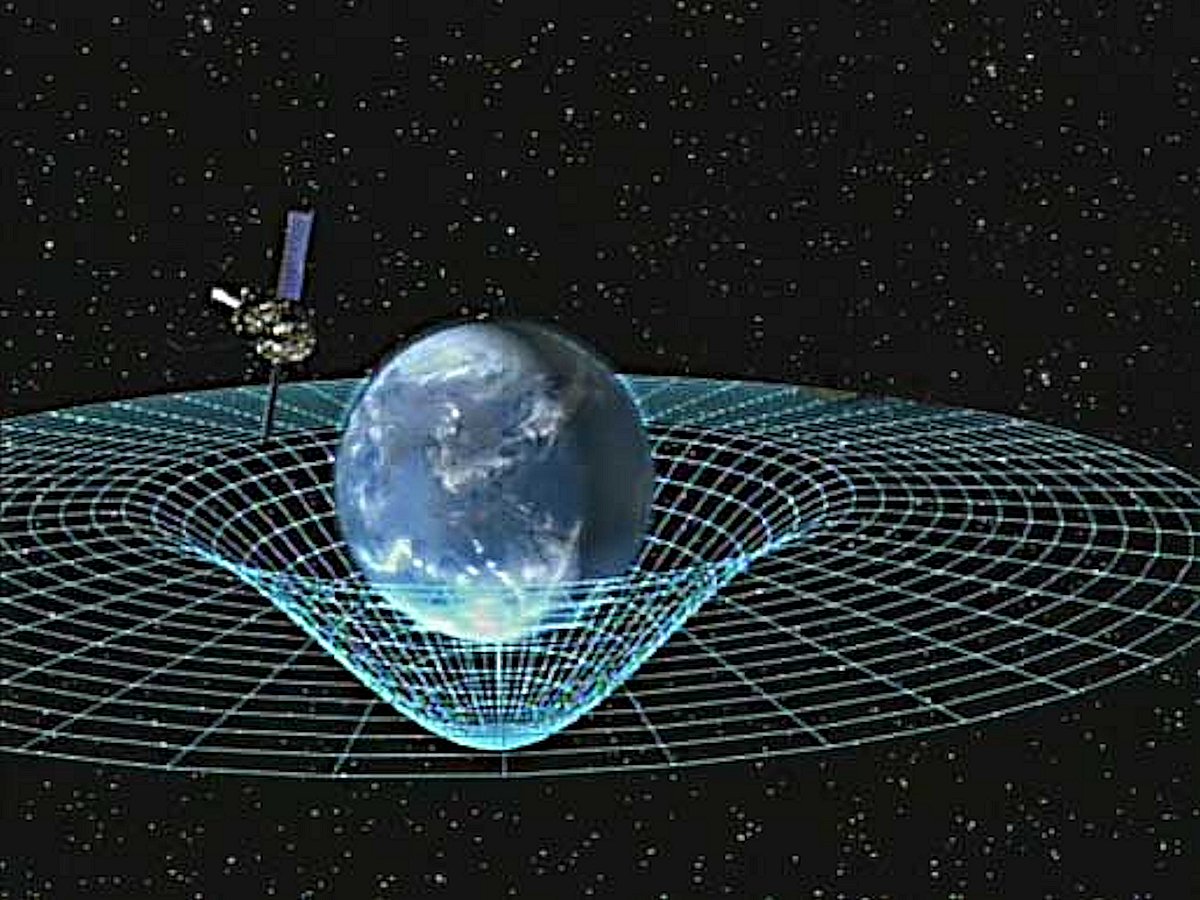
Before Einstein, time was treated as a universal clock ticking the same for everyone, everywhere. Space was a fixed stage where matter moved, but the stage itself never changed. Relativity shattered that comfortable backdrop. Special relativity showed that time runs differently depending on your speed, and that nothing can exceed the speed of light. General relativity went further, describing gravity not as a force pulling at a distance but as the curvature of spacetime itself, warped by mass and energy.
These ideas sounded almost mystical when first proposed, but experiments soon backed them up: clocks on fast‑moving satellites tick at different rates than clocks on Earth, and light really does bend around massive objects like the Sun. The realization that time is elastic and space is not flat forced physicists to give up the idea of a universal “now.” For everyday life, Newton’s simpler picture still works fine. Yet, under the hood, our GPS systems and modern cosmology quietly rely on a universe where space and time are fused and flexible.
#7 CRISPR: Bacteria Taught Us How to Edit Genomes
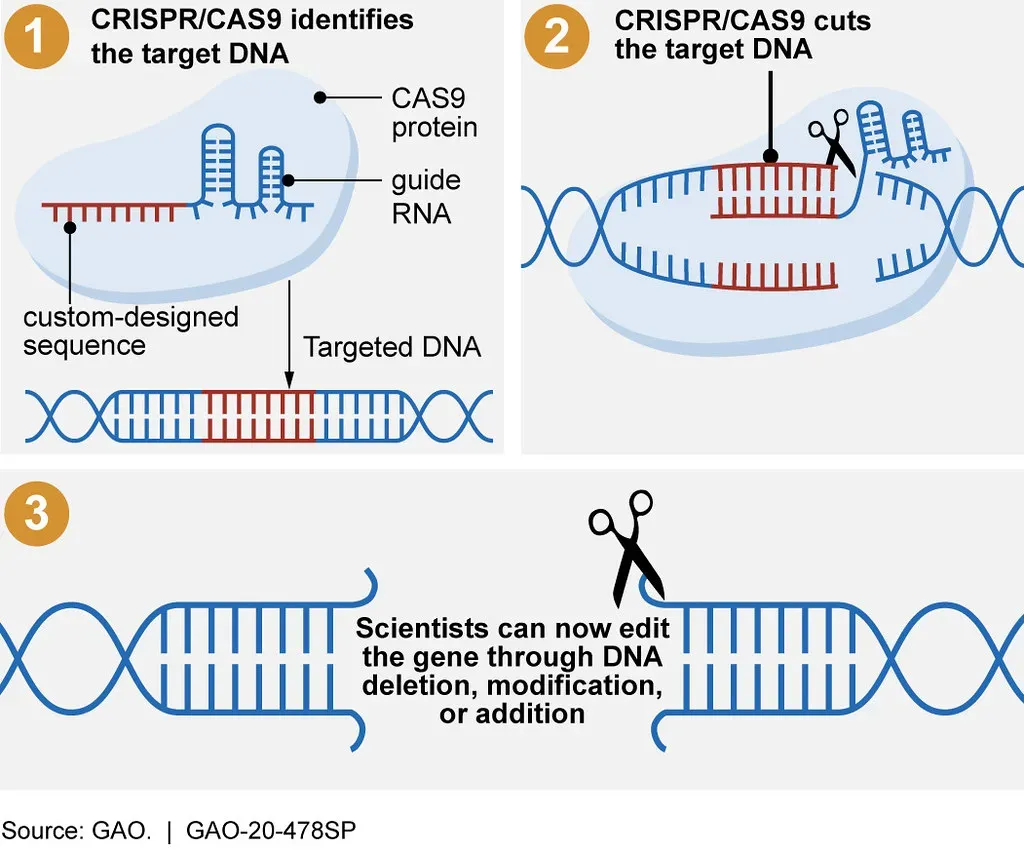
For years, strange repeating patterns in bacterial DNA were just a curiosity that many biologists skipped past. Eventually, scientists realized those sequences were part of an ancient bacterial immune system that stores memories of past viral invaders. Even more surprising, they learned to harness this system – now known as CRISPR – as a molecular tool for cutting and editing DNA with remarkable precision. What started as a quirky genomic pattern turned into a genetic scalpel.
The impact has been enormous. Suddenly, tasks that once took years and felt clumsy, like knocking out a gene to study its function, can be done quickly and relatively cheaply. CRISPR‑based tools are being explored to treat genetic diseases, engineer crops, and even combat invasive species. At the same time, the ease of rewriting DNA has raised deep ethical questions, from designer embryos to ecological risks. CRISPR did not just change a technical method; it challenged the assumption that the genome is a fixed, untouchable script.
#8 The Microbiome: We Are Not Just “Us”
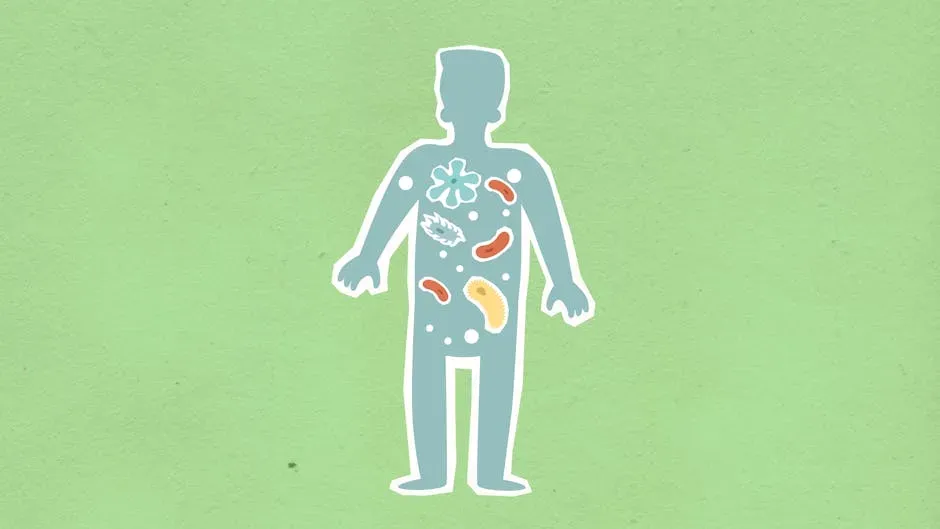
For most of modern medicine, microbes were treated mainly as enemies: germs to be killed with soap, antibiotics, and disinfectants. The idea that bacteria might be partners rather than just threats was, at best, a side note. Then came the explosion of microbiome research, powered by DNA sequencing. Scientists began to map the vast communities of microbes living in and on our bodies, especially in the gut, and realized that they are not just tag‑alongs. They influence digestion, metabolism, immunity, and even mood and behavior.
This recognition blurred the line between “self” and “other” in a way that is still sinking in. When you realize you are walking around as a super‑organism, a kind of mobile coral reef made of human and microbial cells, health suddenly looks more like ecology than simple mechanics. Attempts to manipulate the microbiome through diet, probiotics, or even fecal transplants are still in early days, and overselling is a real problem. But the core discovery – that our biology is tightly entwined with trillions of microbes – has quietly overturned a century of germ‑war thinking.
#9 Epigenetics: Genes Are Not Destiny
For a long time, the dominant story in biology was simple: DNA sequences are the blueprint, and once you inherit your genes, your destiny is largely written. The Human Genome Project seemed poised to make that story even cleaner. Then epigenetics complicated everything. Researchers found that chemical tags and structural changes on DNA and its packaging can turn genes on or off without altering the underlying sequence. Even more surprising, some of these marks can be influenced by environment, stress, diet, and other life experiences.
This does not mean you can “think” your way out of inherited risks, but it does mean the relationship between nature and nurture is more intimate than anyone imagined. In some cases, epigenetic patterns linked to trauma, famine, or toxic exposures appear to echo across generations. That idea is still being tested and refined, but the broader lesson stands: inheritance is not just about static letters in DNA. The genome is more like a script with stage directions that can be added, erased, and revised in response to the world.
#10 The Age of the Earth and Deep Time
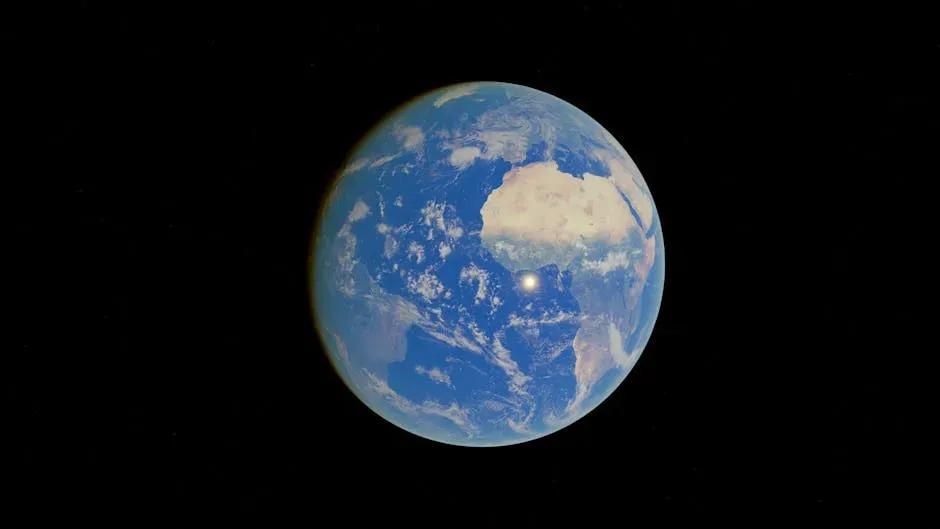
There was a time when serious scientists argued that the Earth could only be a few thousand or maybe a few million years old, constrained by rough estimates of cooling rocks and solar energy. That timeline always sat awkwardly with the slow pace of geological processes and biological evolution. Radiometric dating, developed in the twentieth century, finally pushed open the door to deep time, revealing an Earth over four and a half billion years old and a universe even older.
Deep time is one of those concepts that quietly rewires your brain once you absorb it. Mountain ranges stop looking eternal and start to feel like fleeting wrinkles in a long‑running story. Human history shrinks to a thin scratch on the end of a vast tape. For evolution, deep time provided the space needed for random mutations and natural selection to sculpt the dizzying diversity of life. For geology, it turned slow processes from curiosities into powerful forces shaping continents and climates over unimaginable spans.
#11 Birds Are Living Dinosaurs
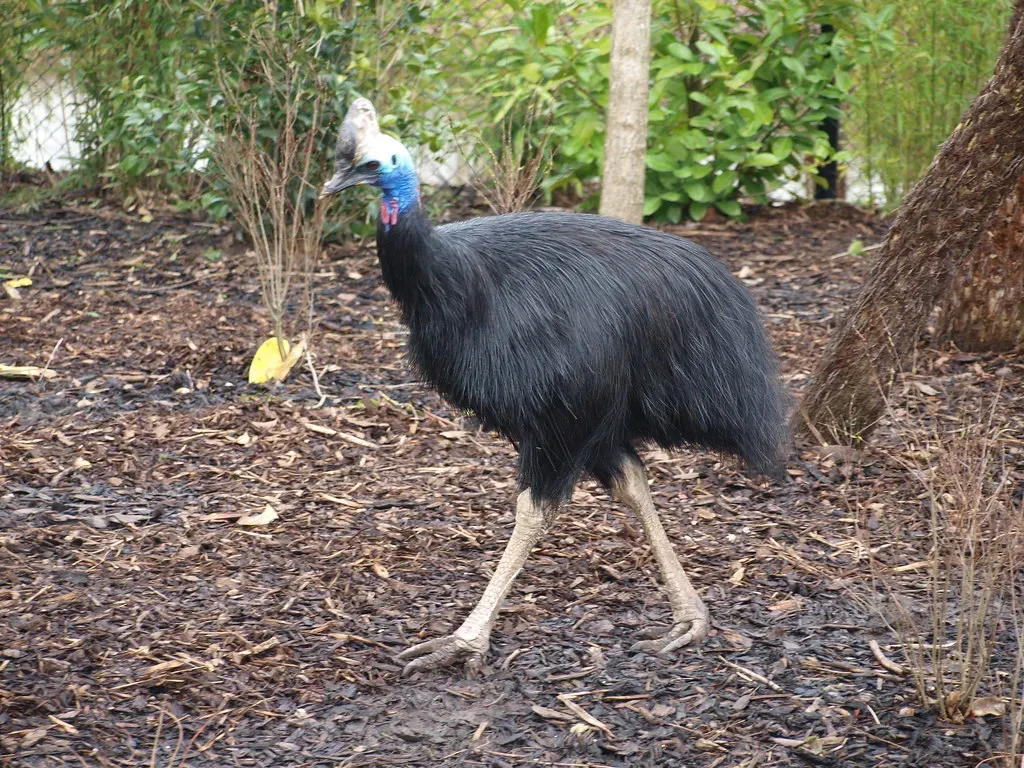
For generations, dinosaurs were portrayed as lumbering, cold‑blooded reptiles that vanished completely in a catastrophic extinction. Birds were… well, birds: modern, lightweight, feathered. Fossil discoveries, especially from the late twentieth century onward, began to blur that line. Skeletons of small, feathered theropod dinosaurs showed striking similarities to birds, and the evolutionary links became harder to deny. The conclusion many paleontologists now embrace is bold but straightforward: birds are the surviving branch of theropod dinosaurs.
This realization flipped museum imagery and childhood mental pictures. Instead of vanished monsters, you have living dinosaurs perched on power lines and visiting backyard feeders. It also changed how scientists think about dinosaur biology, behavior, and physiology. If many dinosaurs were feathered, active, and possibly warm‑blooded, then the whole group looks less like sluggish reptiles and more like dynamic, bird‑like animals. Every pigeon pecking crumbs on a sidewalk is now a reminder that extinction stories can have unexpected survivors.
#12 Human Evolution Is Not a Straight Ladder
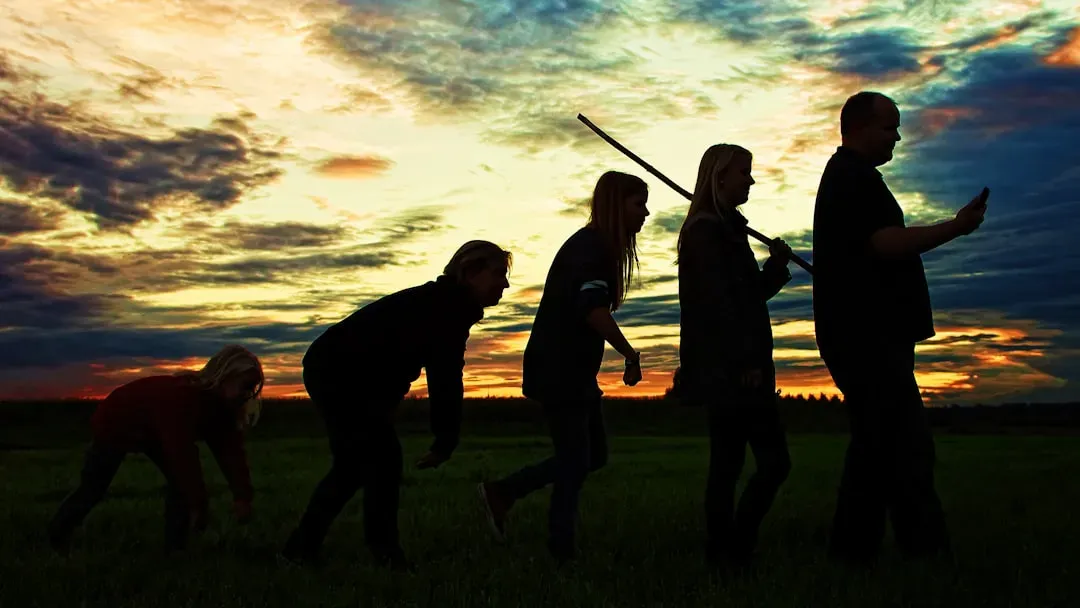
The old drawings of human evolution showed a neat line: knuckle‑walking ape, then a series of slightly straighter hominins, ending with modern humans standing tall and proud. It was a comforting story of steady progress, with one species replacing another in an orderly march. Fossil finds and, more recently, ancient DNA work have shredded that picture. Instead of a ladder, human evolution looks more like a tangled bush or braided river, with multiple hominin species overlapping in time and space.
Discoveries of Neanderthals, Denisovans, and other archaic humans revealed that Homo sapiens was not alone. Genetic evidence shows that our ancestors interbred with these cousins, leaving traces in many modern human genomes. The idea of a single, pure human lineage has given way to a story of mixing, branching, and local adaptation. For me, this makes our origin far more interesting: we are not the inevitable end point of a simple climb but the current snapshot of a much messier, more experimental process.
#13 Ancient DNA Rewrote Human History
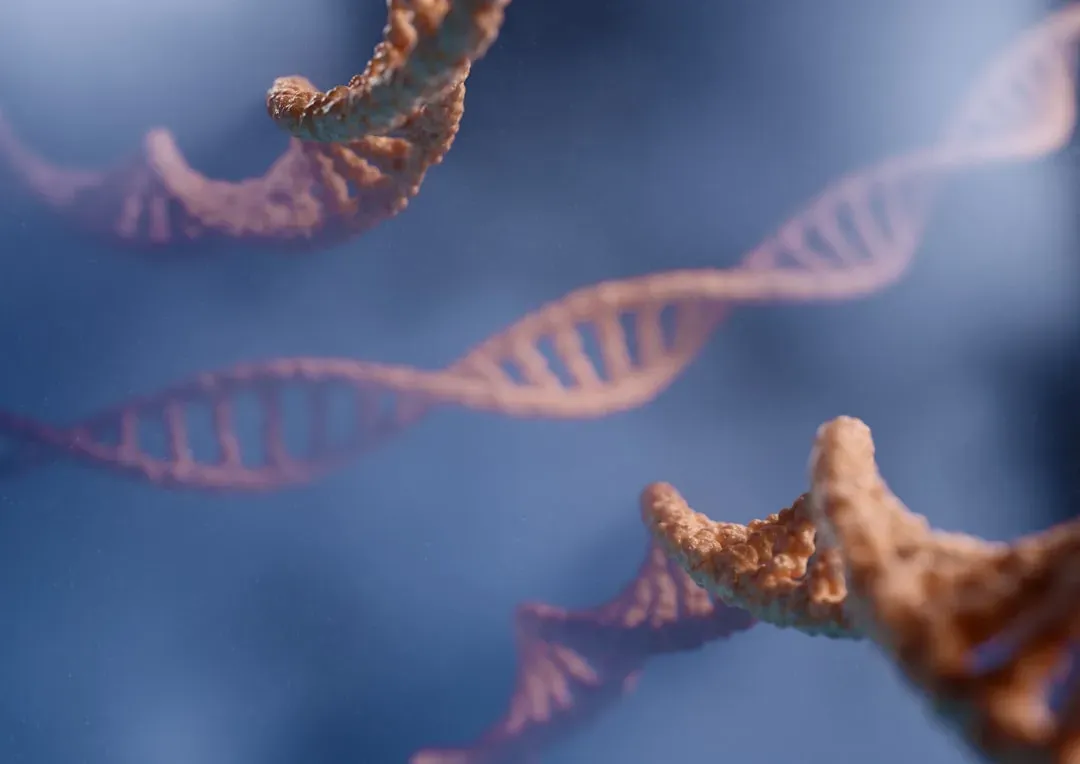
Before ancient DNA technology matured, archaeologists mostly relied on bones, tools, and pottery to reconstruct the past. They could infer migrations and relationships, but many debates felt like educated guesswork. The ability to extract and sequence DNA from ancient skeletons – sometimes tens of thousands of years old – changed that almost overnight. Suddenly, researchers could track the movement of peoples, see who mixed with whom, and connect genetic patterns with archaeological cultures in ways that were previously impossible.
This new window has overthrown many tidy narratives. For example, some regions once thought to have stable, continuous populations turned out to have experienced repeated waves of migration and replacement. Identities that felt ancient and rooted often emerged as relatively recent blends. There is still a risk of overinterpreting the data or ignoring the social and cultural side of history, but one thing is clear: our past is more dynamic and intertwined than the neat stories many of us were taught.
#14 The End of the Simple Food Pyramid
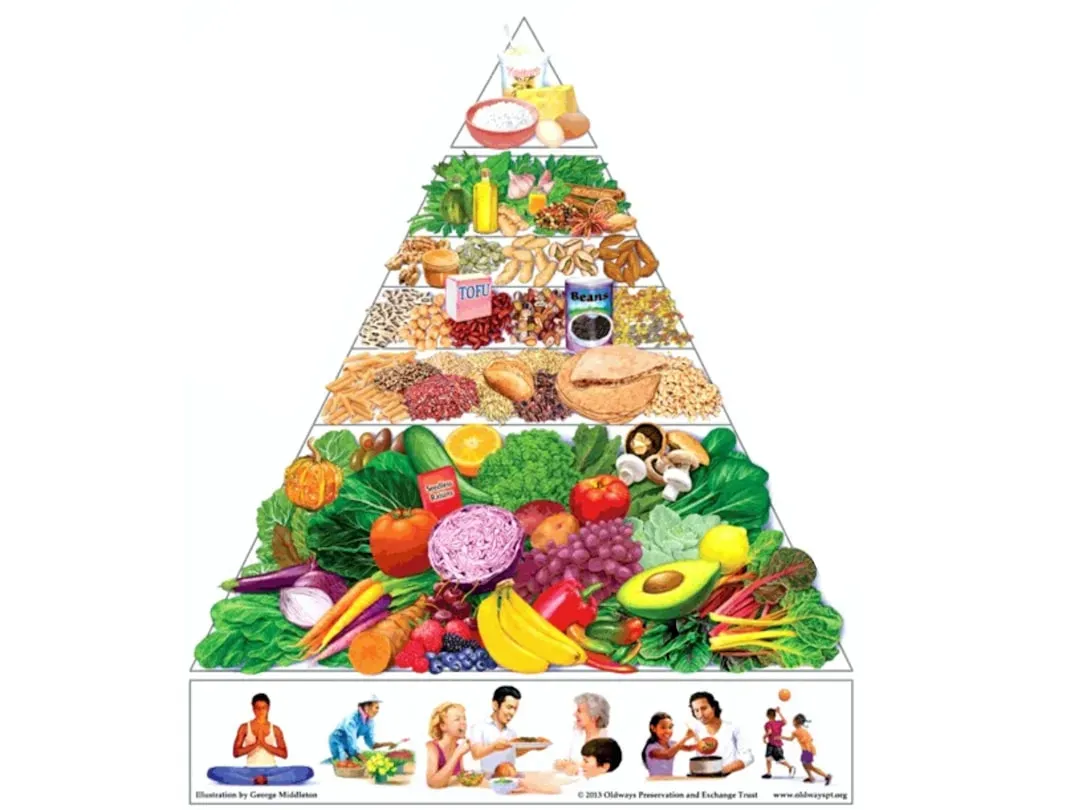
For years, nutrition advice was summarized in a simple food pyramid that many of us saw in school posters. Carbohydrates formed the broad foundation, fats were mostly pushed to the top as villains, and the message was that low‑fat, high‑carb eating was the safest route to health. Over time, careful studies began to undermine that story. The types of fats turned out to matter far more than the total, refined carbohydrates started to look increasingly problematic, and ultra‑processed foods emerged as a more worrying category than fat itself.
The unraveling of the old pyramid is a cautionary tale about how science, politics, and industry interests can mix. It also shows how hard it is to study something as messy as human diets over long periods. Today, there is more emphasis on overall dietary patterns – like focusing on whole foods, fiber, and minimally processed ingredients – rather than obsessing over single macronutrients. The lesson is not that nutrition is unknowable, but that neat charts can hide a lot of uncertainty and evolving evidence.
#15 Ulcers Are Caused by Bacteria, Not Just Stress
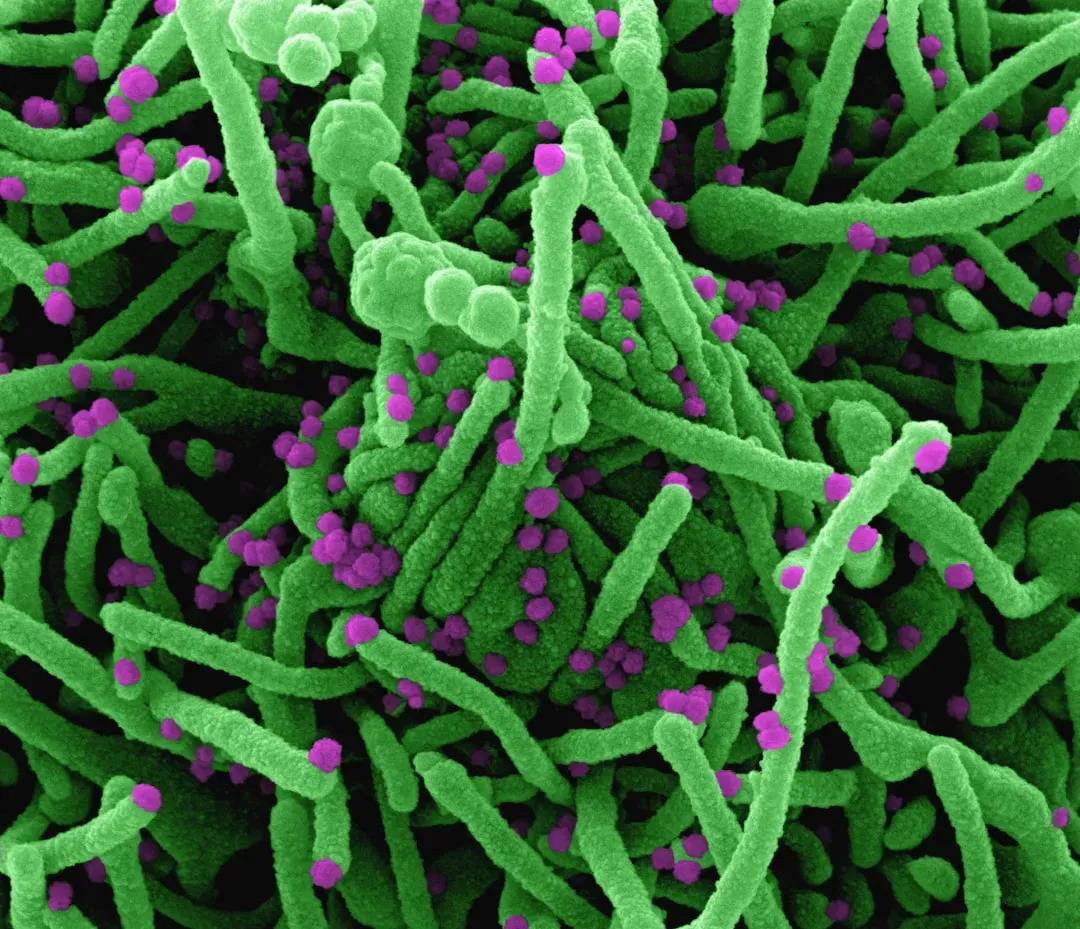
Stomach ulcers were long blamed on stress, spicy food, and excessive acid. The idea that a bacterium might be living in the acidic environment of the stomach and causing ulcers sounded ridiculous to many doctors. When two researchers proposed that Helicobacter pylori was the main culprit, they faced skepticism and even ridicule. One of them famously swallowed the bacteria himself, developed gastritis, and then cured it with antibiotics to make the point clear.
Once the evidence piled up, the medical community had to admit a major blind spot. Ulcers became a treatable infectious disease in many cases, not just a lifestyle‑induced condition to be managed with antacids and anxiety reduction. This episode still echoes in how people view medical consensus: it is both a reminder that the majority can be very wrong and a testament to how strong evidence can eventually win out. Whenever someone claims “doctors used to think X and were wrong,” this story is one of the clearest examples.
#16 Prions: Infectious Proteins Without DNA
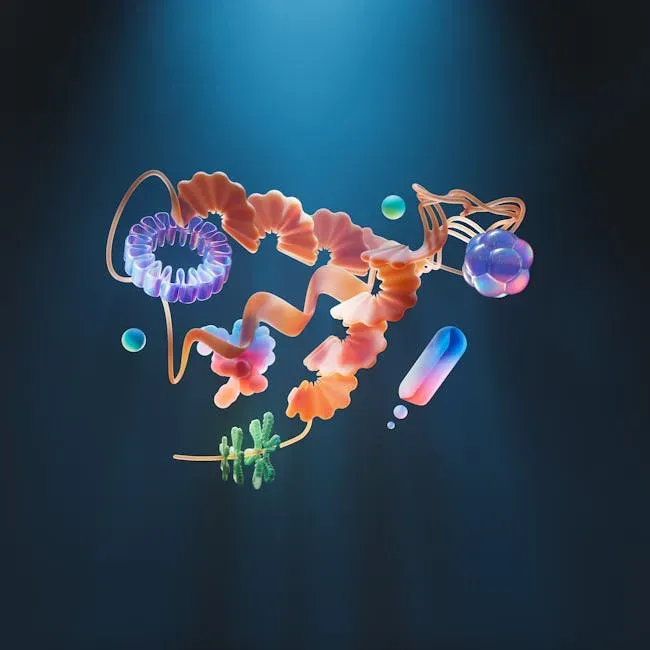
Biology students are often taught that infectious agents fall into tidy categories: viruses with genetic material, bacteria with cells, parasites with complex life cycles. The idea that a misfolded protein could spread disease without any DNA or RNA seemed impossible. Yet research on diseases like mad cow disease and Creutzfeldt‑Jakob disease slowly forced scientists to accept that prions – infectious proteins – were real. These proteins induce normal versions in the brain to misfold, setting off a chain reaction.
The prion concept challenged the deep assumption that heredity and infection must always involve nucleic acids. It also opened uncomfortable possibilities in other fields, as some neurodegenerative diseases now look suspiciously prion‑like in the way misfolded proteins spread through brain tissue. While prions are rare and exotic compared to viruses and bacteria, their discovery is a reminder that nature is not obligated to fit our categories. Sometimes, it invents a new kind of nightmare entirely.
#17 The Brain’s Surprising Plasticity
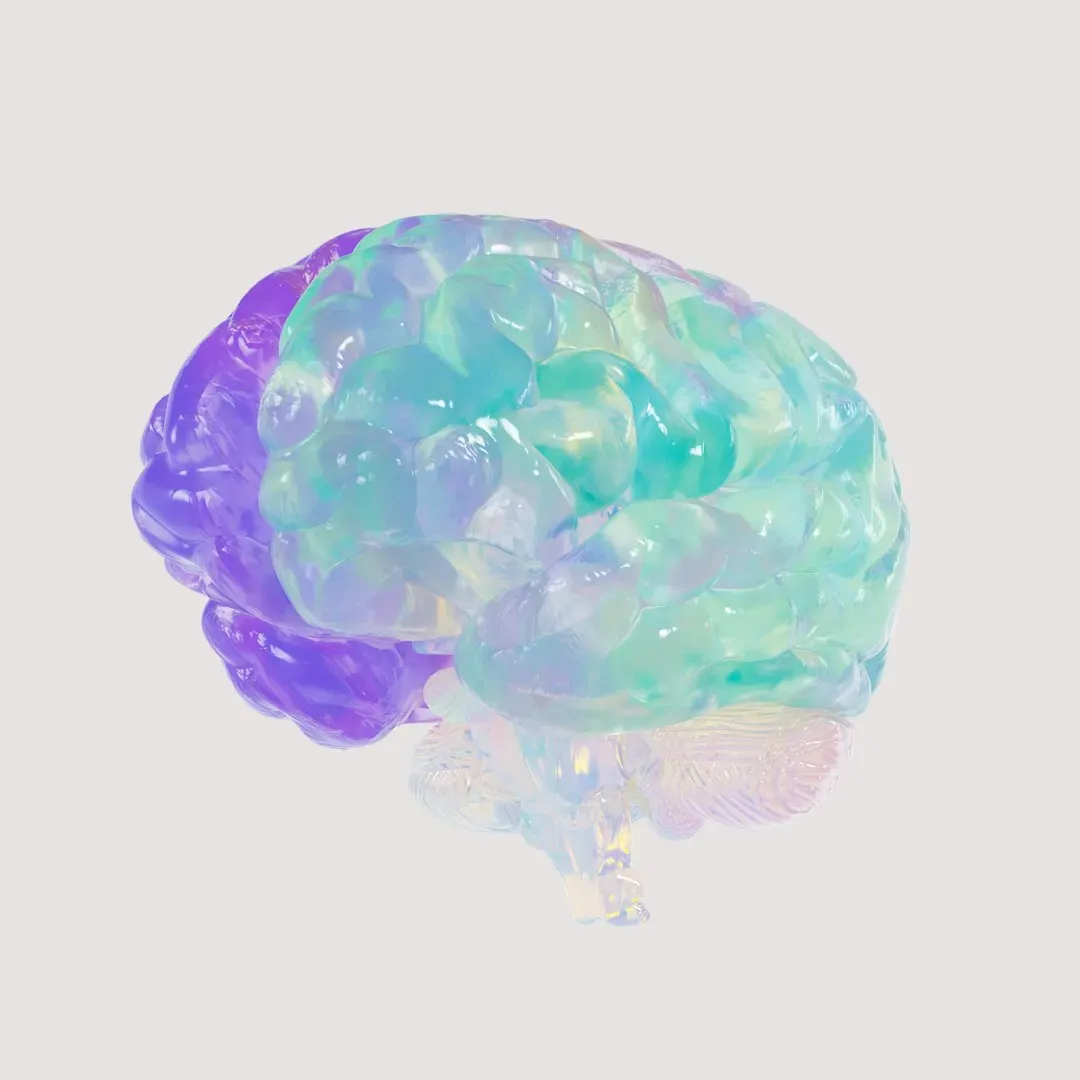
For a long time, the adult brain was pictured as relatively fixed. Neurons were thought to be mostly set by early development, and the idea that new neurons could appear in adulthood was considered fringe at best. Recovery after brain injury was expected to be limited and slow, with little structural change. Then, accumulating research in animals and humans started to show that the brain is far more flexible. In some regions, new neurons do form; connections can strengthen, weaken, and rewire in response to experience, training, and injury.
This plasticity does not mean the brain is a magical, endlessly regenerating organ – there are still hard limits – but it has changed how therapists, educators, and doctors think about learning and recovery. Stroke rehabilitation, language acquisition, and even chronic pain treatment now lean on the idea that circuits can be reshaped. For me, this discovery feels quietly hopeful: if the brain can change more than we thought, then the stories we tell about what people can and cannot improve might need revising too.
#18 A New “Organ”: The Interstitium and Hidden Structures

It is easy to assume that we have already mapped the human body down to every organ and structure, especially in an age of high‑resolution imaging and detailed atlases. So it was surprisingly controversial when researchers proposed that the interstitium – a network of fluid‑filled spaces in connective tissues – might deserve to be considered a kind of organ. They used advanced imaging to show that what once looked like dense tissue under microscopes was actually a more complex, dynamic structure that might play roles in shock absorption, fluid balance, and disease spread.
Not everyone agrees on whether to call it an organ, but the broader lesson is that even in our own bodies, some basic anatomy can still surprise us. Similar re‑evaluations have happened with brain lymphatic‑like vessels and other overlooked structures. These discoveries chip away at the assumption that biology is a completed map waiting only for minor labels. Instead, it feels more like living in a partially explored city where new passageways and hidden courtyards still show up in familiar neighborhoods.
#19 Exoplanets: Our Solar System Is Not the Template
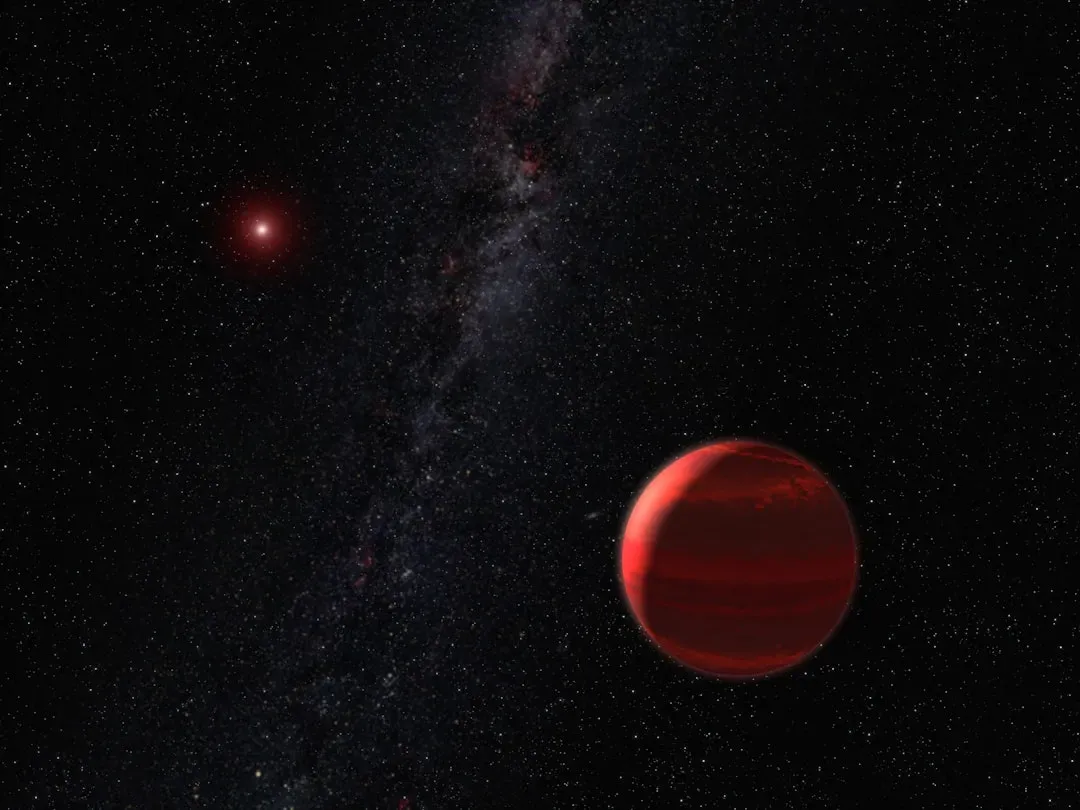
For most of history, astronomers could only guess whether planets orbited other stars. Many assumed they did, but there was no direct proof. Once sensitive techniques came online in the 1990s and 2000s, the floodgates opened: thousands of exoplanets were detected, and they turned out to be far stranger than expected. Giant “hot Jupiters” whipping around their stars in a few days, worlds larger than Earth but smaller than Neptune, planets in eccentric, tilted, orbits that made our solar system look oddly tidy.
This diversity challenged the comfortable idea that our planetary arrangement was a typical blueprint. It forced theorists to rethink how planets form and migrate, and how many different paths might lead to habitable conditions. The boring assumption that “most systems will look like ours” died a quiet death. Now, every new exoplanet catalog release feels like opening a box of cosmic oddities, reminding us that our home system is just one quirky example among many.
#20 Fast Radio Bursts and Other Cosmic Oddities
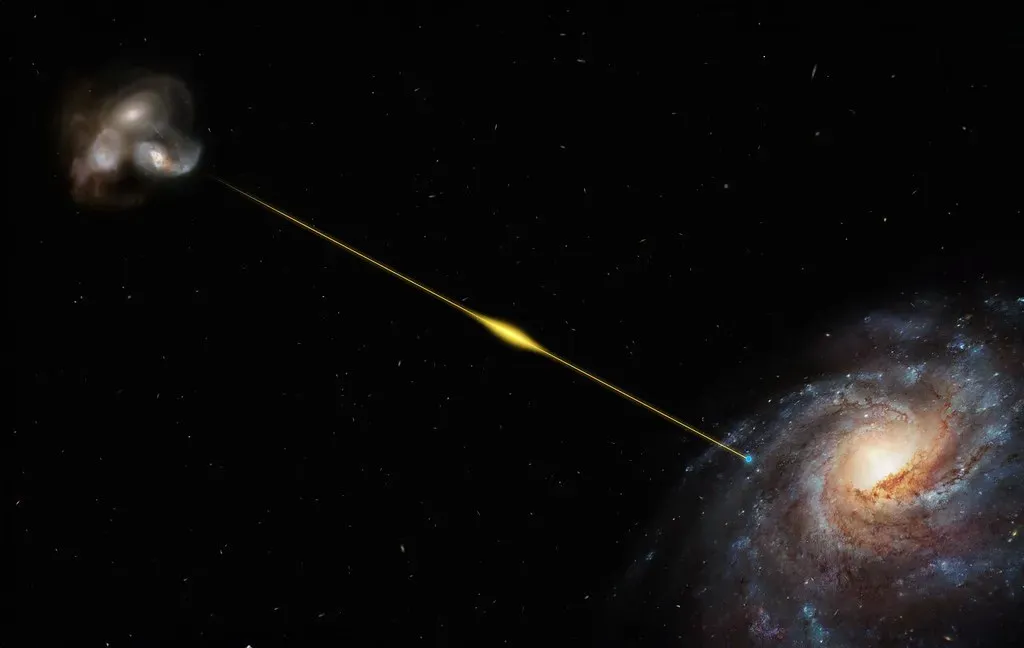
Astronomy has a long history of puzzling signals that eventually find an explanation, from pulsars that first looked like potential alien beacons to gamma‑ray bursts that required massive stellar explosions. Fast radio bursts – intense, millisecond‑long flashes of radio waves from deep space – joined that list of mysteries in the twenty‑first century. At first, they were rare and poorly understood, with some even turning out to be caused by things like microwave ovens. But the genuine cosmic bursts kept showing up, often from distant galaxies.
Fast radio bursts have not yet been fully explained, and that uncertainty is precisely what makes them so intriguing. Several models compete, involving everything from highly magnetized neutron stars to exotic processes we barely understand. Their existence is a quiet reminder that even with powerful telescopes, the sky still holds phenomena that do not fit neatly into our existing categories. Personally, I love that: it keeps astronomy from feeling like a completed catalog and turns it back into an active mystery.
#21 Climate Feedbacks and Tipping Points
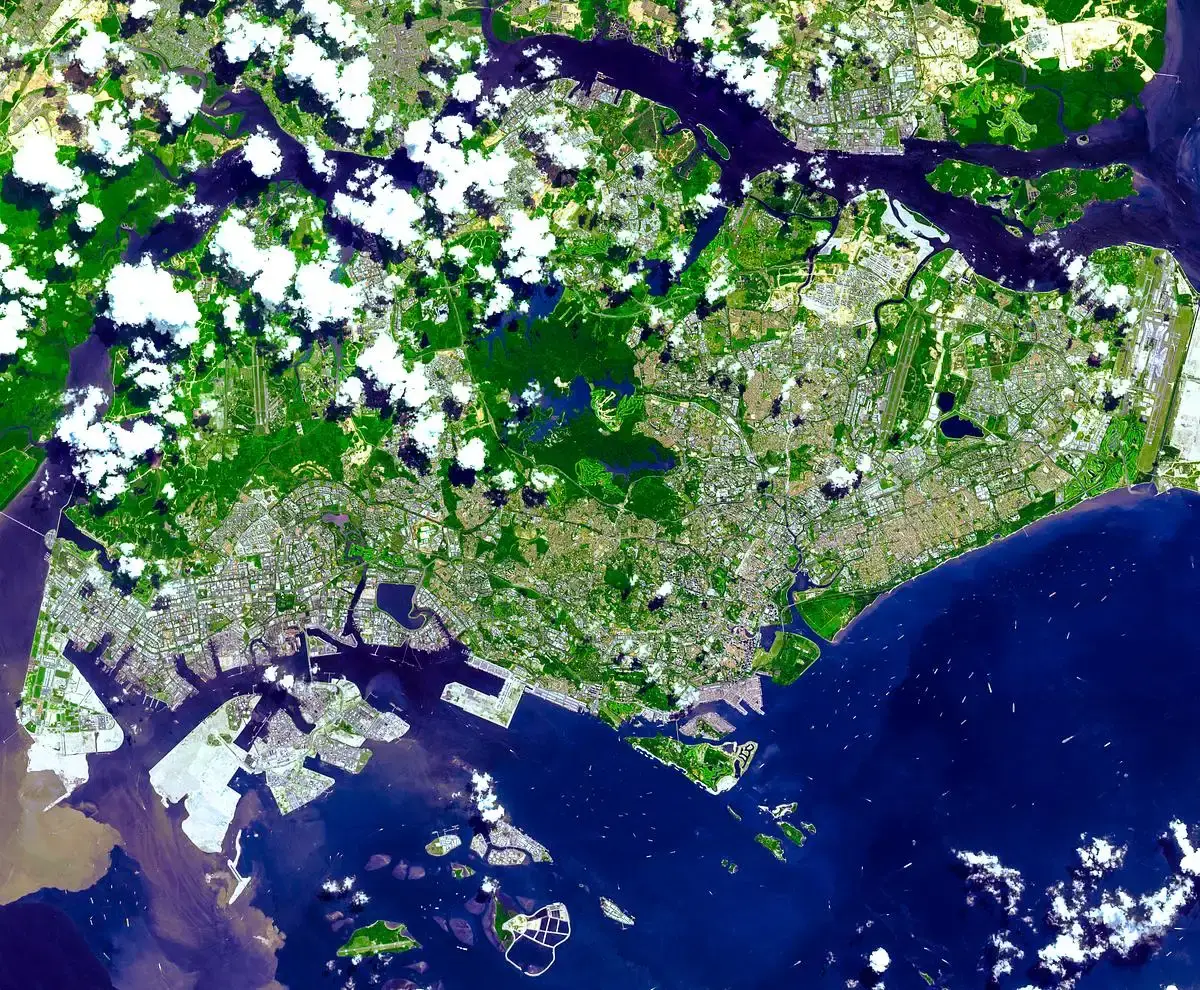
Early climate models treated warming as relatively smooth and predictable: more greenhouse gases, higher temperatures, with some well‑understood variations. Over time, scientists became more aware of complex feedbacks and potential tipping points that could accelerate or reshape the trajectory. Melting Arctic ice reduces the planet’s reflectivity, permafrost thaw threatens to release trapped greenhouse gases, and shifts in ocean circulation could alter regional climates drastically. These nonlinear elements mean the climate system can lurch rather than glide.
This evolving understanding has unsettled both scientists and the public. It suggests that waiting for perfect certainty before acting on climate change is a dangerous gamble, because some changes may be abrupt and hard to reverse once triggered. At the same time, not every proposed tipping point is equally likely or imminent, and exaggeration can be as harmful as denial. The deeper lesson is that Earth’s climate is a living, interacting system, not a simple thermostat that can be turned up or down without side effects.
#22 The Replication Crisis in Psychology and Beyond
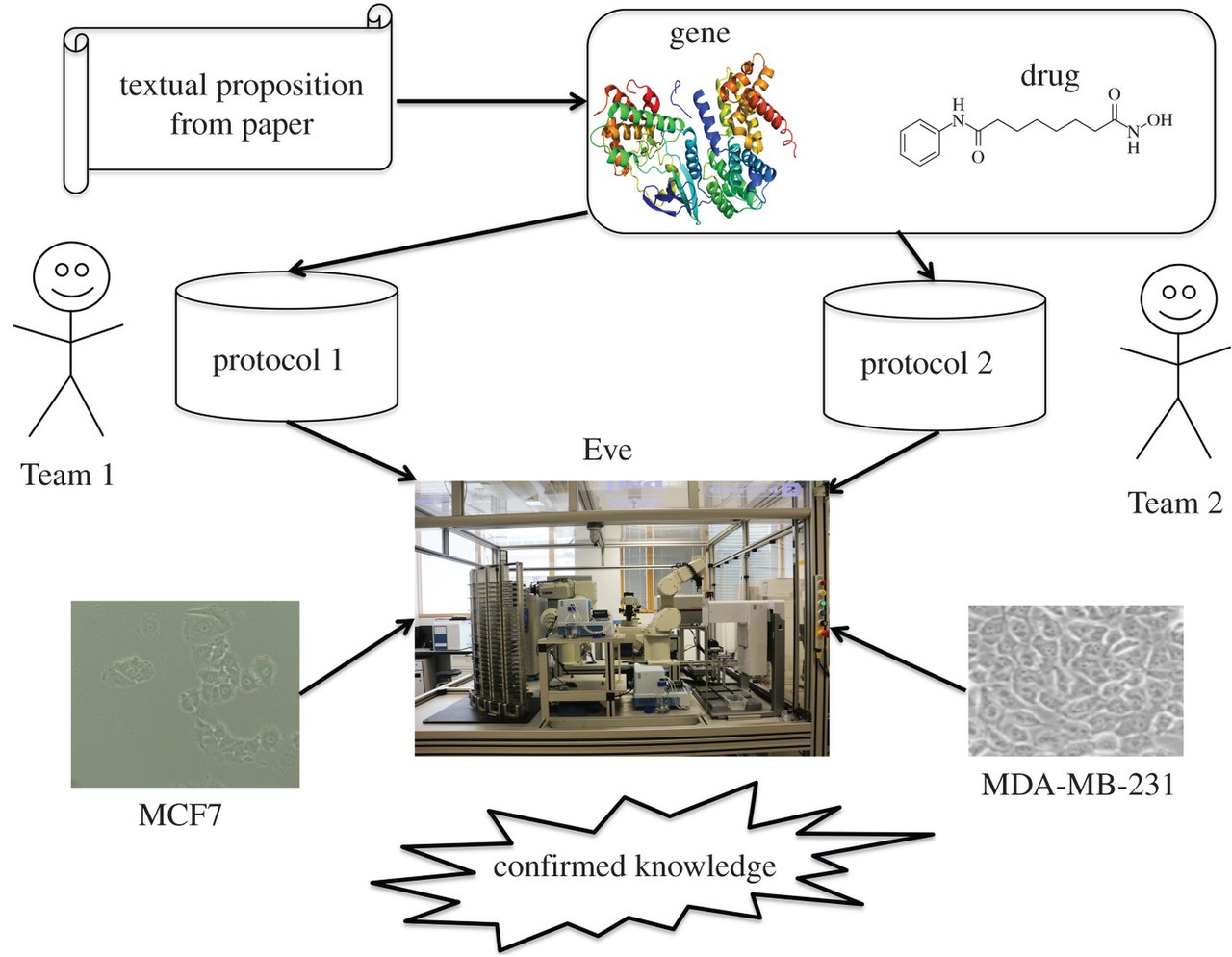
For decades, fascinating findings in psychology, biomedicine, and social science made their way into bestsellers, TED talks, and popular advice. Many of these results rested on small studies, complex statistics, or borderline‑significant p‑values. When researchers began systematically trying to replicate famous experiments, a troubling pattern emerged: a substantial number simply did not hold up under stricter methods or larger samples. This “replication crisis” forced a painful reassessment of how scientific research is conducted and rewarded.
Although often framed as a failure, the replication crisis is also a sign of science doing what it is supposed to do: checking itself and correcting course. It has led to changes in how studies are pre‑registered, how data are shared, and how journals treat null results. The deeper shock, at least for many outsiders, was realizing that peer review and publication do not automatically guarantee that a finding is solid. For anyone who grew up treating single studies as gospel, it has been a much needed reality check.
#23 AI and the Limits of Human Uniqueness
For a long time, being human meant, among other things, being uniquely capable of language, creativity, and complex problem‑solving. Early artificial intelligence systems chipped away at some of those assumptions but were mostly brittle and narrowly focused. The rapid progress of machine learning and large neural networks in the last decade, including systems that can write essays, generate images, and solve protein structures, has made it harder to draw a clean line between “human‑only” and “machine‑possible” abilities.
This does not mean that current AI systems are conscious or that they think like we do – they clearly do not. But they force us to confront an uncomfortable possibility: many of the skills we once treated as magical might, in fact, emerge from complex pattern‑processing rather than something mystical. Personally, I find this both humbling and oddly liberating. If intelligence and creativity can arise in multiple ways, then perhaps our value as humans rests less on exclusive abilities and more on how we choose to use them.
#24 The Universe Might Be Fine‑Tuned – Or Our Understanding Is Incomplete
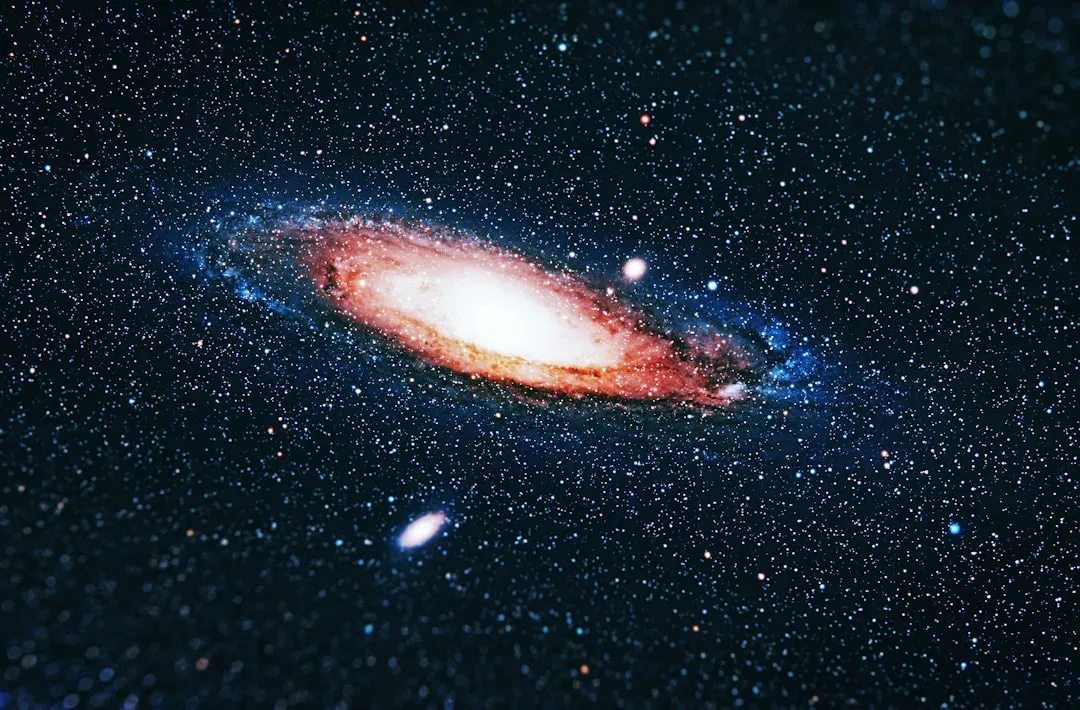
Modern physics has uncovered a strange fact: many of the fundamental constants and laws of nature seem to sit in narrow ranges that allow stars, planets, and life to exist. Small changes in certain parameters could, in theory, produce a universe with no stable atoms or no long‑lived stars. This apparent fine‑tuning has sparked intense debate. Some physicists invoke multiverse ideas, where many universes exist with different settings, and we simply find ourselves in one that works. Others suspect there are deeper, undiscovered principles that would make the tuning feel less miraculous.
Whatever the eventual answer, the fine‑tuning puzzle is a quiet affront to the old vision of a simple, brutal universe where life is a pure fluke playing by indifferent rules. It nudges us toward bigger questions about why the laws are what they are, and whether our current theories are only a small part of a larger, more self‑consistent framework. At the very least, it reminds us that we might still be like early mapmakers drawing dragons at the edge of the known world.
Conclusion: Science Advances by Being Willing to Be Wrong

Looking across these twenty‑four discoveries, a pattern jumps out: the biggest shifts did not come from adding tiny details to an already perfect picture, but from realizing that some cherished assumptions were simply wrong or incomplete. The universe is not mostly made of the stuff we can see. The brain is not a rigid, unchanging organ. Human history is not a clean, linear story. Even the idea that one study or one expert consensus settles a question has taken a well‑deserved hit. If anything, the real scandal would be if science stopped overturning its own ideas.
To me, that is the most hopeful part of all this. A field that can admit its mistakes, update its models, and even throw out once‑sacred diagrams like the food pyramid is a field that is alive. It means that the next quiet anomaly, the next stubborn data point, could be the seed of another revolution that changes how we see ourselves and our place in the cosmos. The only truly dangerous belief is the one that insists we finally have it all figured out. So, after seeing how much has already been upended, what future discovery do you think will shock us most?