If you think history’s biggest questions get solved by people marching straight toward the answer, think again. Some of the most stubborn mysteries were cracked by scientists who were not even looking at the past – they were chasing a virus, probing the atmosphere, or tweaking an imaging algorithm, and suddenly something ancient blinked into focus.
That is what makes these stories so addictive. They remind us that the past is not a closed book; it is more like an old attic that keeps coughing up surprises every time someone searches for something totally unrelated. From lost cities hiding under jungle canopies to vanished armies revealed by microscopic pollen, here are fourteen times modern science tripped over history’s secrets by accident.
#1 The Lost City Networks Around Angkor Revealed by Laser Mapping
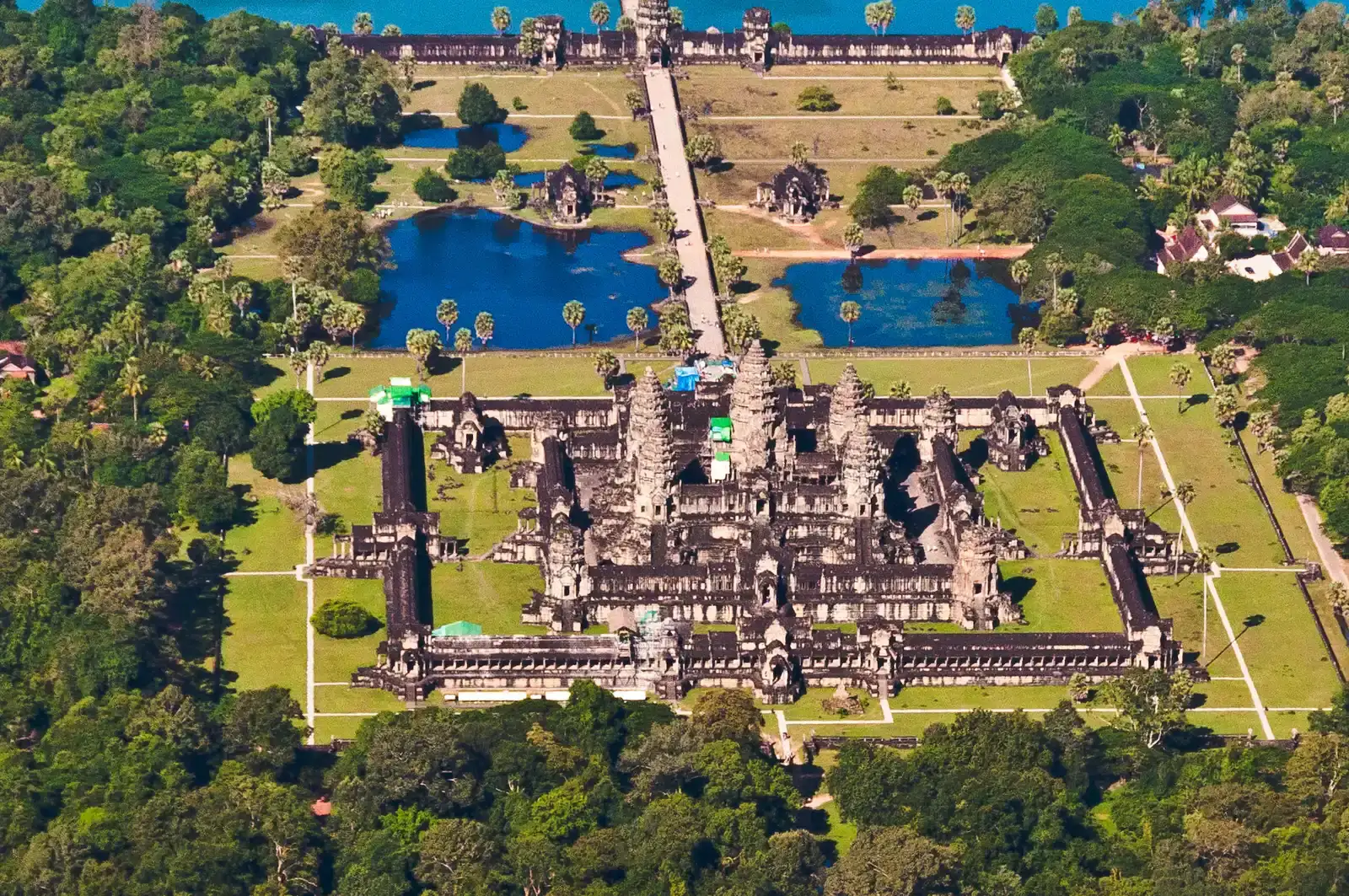
When researchers mounted laser scanners on aircraft over Cambodia, their main aim was to test how well this technology could map terrain hidden by dense forest. They were not on some romantic treasure hunt; they were stress‑testing an engineering tool. But as the data poured in, a ghostly grid appeared beneath the canopy around Angkor Wat – roads, canals, ponds, and entire city blocks that had never been recorded.
This accidental discovery reshaped how historians see the Khmer Empire. Instead of a single mega‑city with a temple core, Angkor turned out to be part of a sprawling low‑density urban landscape, more like a huge agricultural metropolis woven into the forest. It also helped explain why the civilization was so vulnerable to drought and flooding: their irrigation and water systems were vast and sophisticated, but also fragile. A technical project about landscape mapping ended up rewriting a whole chapter of Southeast Asian history.
#2 Ötzi the Iceman’s Murder Mystery Uncovered by Medical Scanners
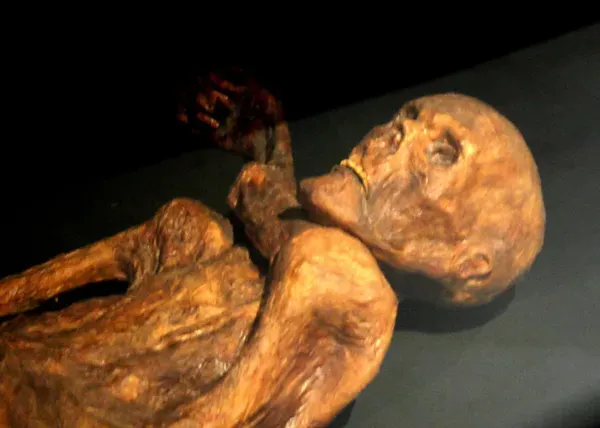
When Ötzi’s mummified body was found melting out of an Alpine glacier in 1991, he was already a sensation. But the deeper mystery – how did he die? – lingered for years. Scientists first used X‑rays and CT scans mainly to understand how natural mummification worked and how well soft tissue could survive in ice. Those scans unexpectedly revealed a tiny dark spot near his shoulder that earlier examinations had missed.
More detailed imaging showed that the dark spot was an arrowhead lodged inside his body, with evidence of massive internal bleeding. That changed the narrative from a man lost in a snowstorm to a probable homicide on a mountain pass. Later analyses of his blood and injuries pointed to a violent confrontation shortly before his death. In trying to fine‑tune non‑invasive medical imaging on ancient tissue, researchers inadvertently cracked a Copper Age crime story.
#3 The True Fate of Franklin’s Arctic Expedition Exposed by Climate Studies
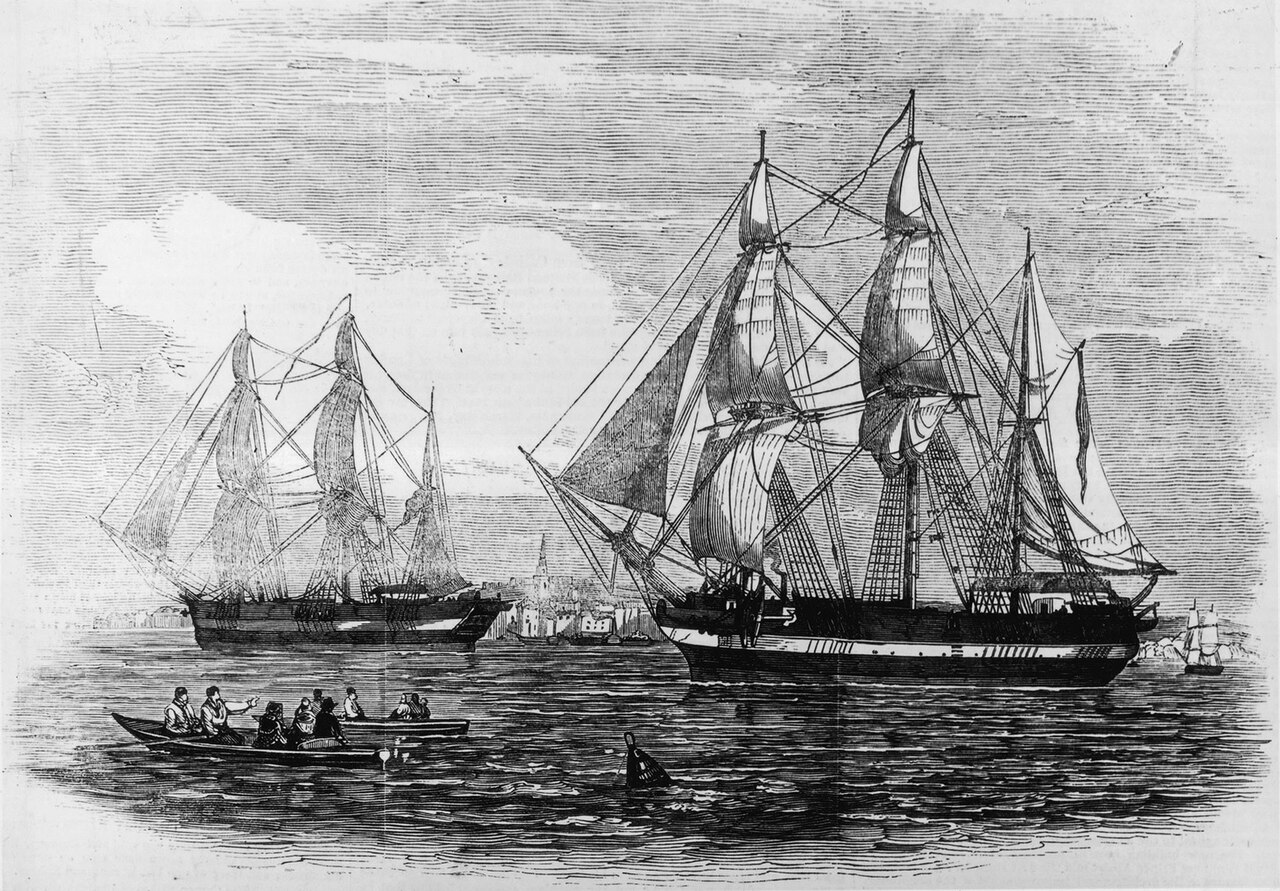
For more than a century, people speculated about what happened to Sir John Franklin’s doomed Arctic expedition that vanished in the 1840s. Stories ranged from starvation to madness. Modern researchers initially went north not to solve that mystery but to study how climate change and ice conditions were altering the Arctic. During those surveys, sonar mapping and magnetometers designed to track sea ice patterns picked up something else concealed under the water.
Those “somethings” turned out to be the wrecks of Franklin’s ships, Erebus and Terror, located in 2014 and 2016 after generations of unsuccessful searching. The positions of the ships, their preservation, and items recovered from them gave historians hard evidence about the crew’s desperate attempts to escape the ice. It tightened the timeline of abandonment and movement, turning a murky legend into a reconstructable chain of events – all because oceanographers and government survey teams were scanning the seafloor for modern navigation and climate research.
#4 A Roman Soldier’s Last Stand in Britain Revealed by Routine Construction Work
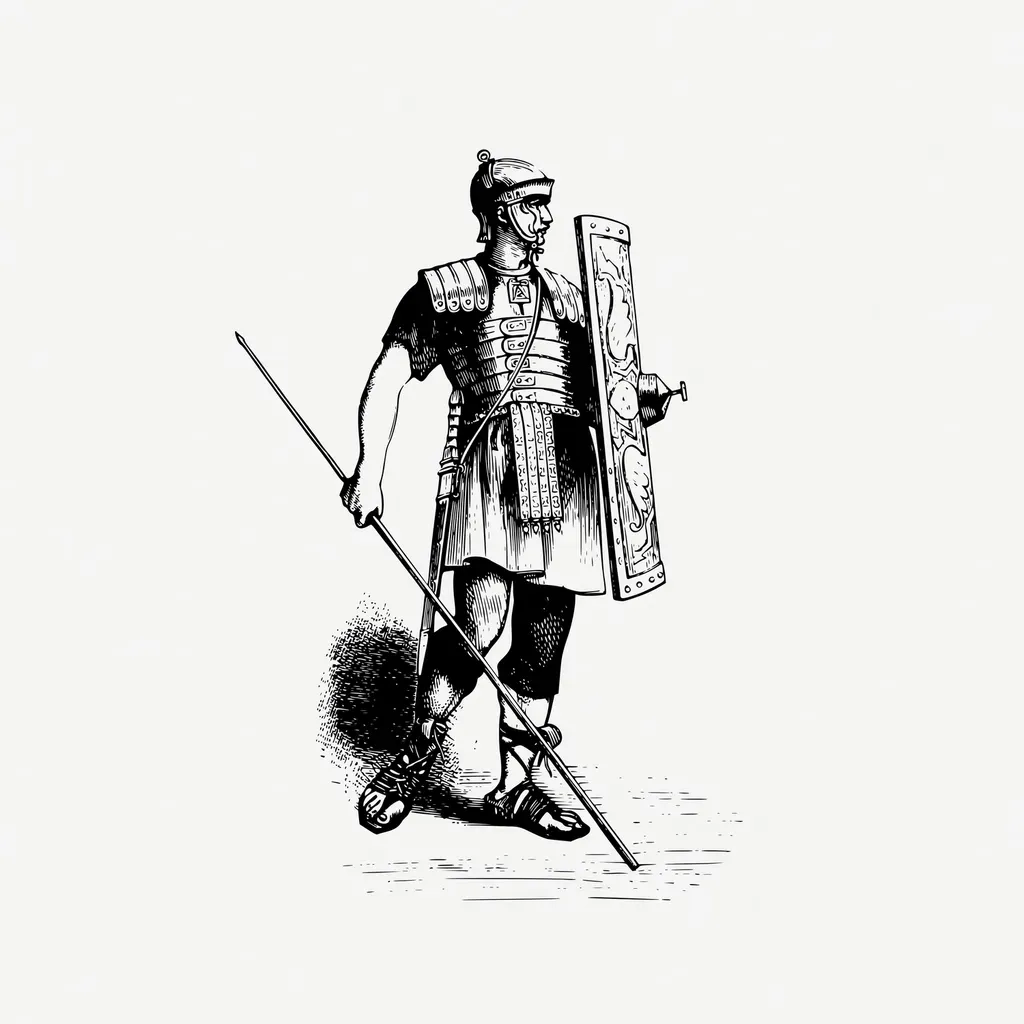
Not every discovery comes out of a lab; some arrive in a hard hat. In parts of Europe, archaeologists accompany major infrastructure projects mostly to make sure nothing important gets bulldozed. On one such project in northern Britain, the team was essentially doing compliance archaeology while a development went ahead. Then they stumbled on a small Roman cemetery containing the remains of soldiers and civilians in unusual arrangements.
One skeleton, buried with a distinctive military belt and weapon fittings, showed severe healed injuries and evidence of execution. Isotopic and skeletal analysis suggested he may have been a foreign recruit posted at the fringe of the empire. This single grave, found because the law required a quick survey, added a vivid human story to the dry record of Rome’s withdrawal from Britain. What started as a box‑ticking exercise for modern construction turned into a rare glimpse of one man’s brutal end nearly two thousand years ago.
#5 The Maya “Collapse” Reframed by Lake Sediment and Climate Research
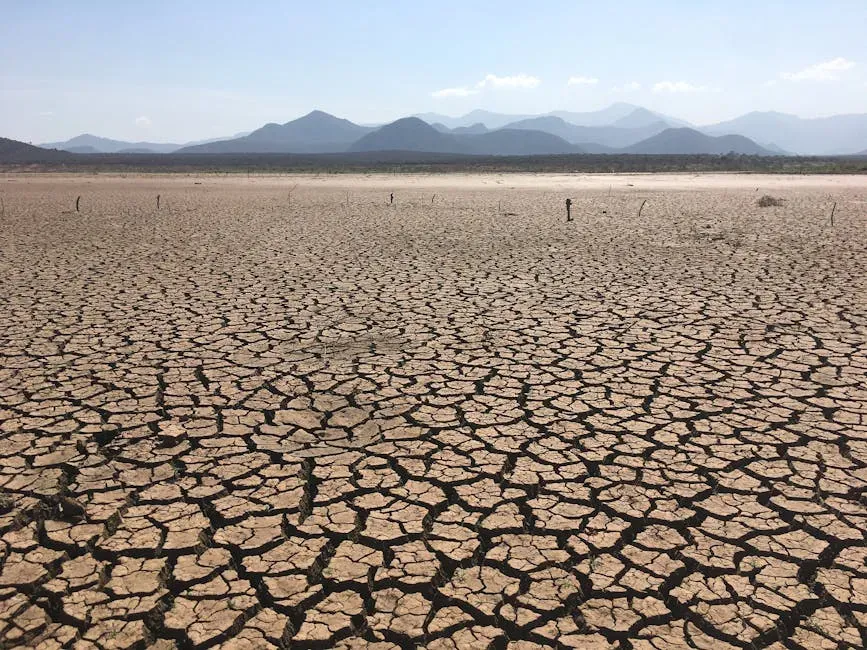
Geologists coring lake beds in Central America were originally focused on reconstructing long‑term climate patterns – how rainfall and drought cycles shifted over thousands of years. They took deep sediment cores, not expecting anything more dramatic than pollen traces and mud layers. But when the chemistry of those layers was compared with known dates from Maya cities, a striking pattern emerged: severe and repeated droughts lined up with phases of political turmoil and population decline.
Historians had long argued about whether the so‑called Maya collapse was driven more by warfare, internal dysfunction, or outside forces. The unexpected climate data did not give all the answers, but it showed that prolonged, intense water stress coincided with major societal shifts. That meant the story was not simple decay or invasion; it was a civilization stretched to breaking point by environmental pressure and its own land‑use choices. A project meant to track ancient rainfall quietly rewired one of the most famous debates in American archaeology.
#6 Hidden Texts in Medieval Manuscripts Exposed by Imaging Technology
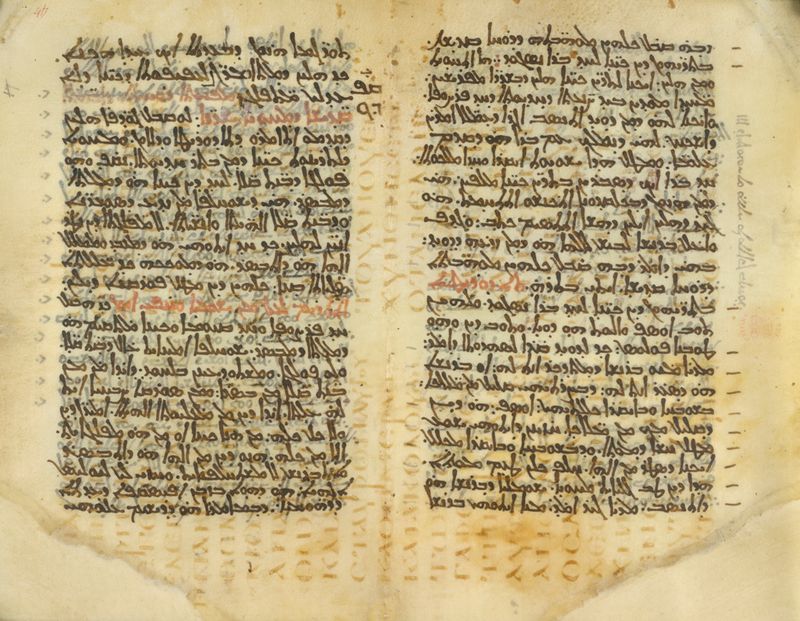
Some of the most mind‑bending historical breakthroughs have come from people working on imaging hardware, not history. Scientists improving multispectral and X‑ray fluorescence imaging mostly wanted better ways to read faded ink, inspect artworks, or analyze pigments without damage. When they pointed these tools at medieval manuscripts that had been scraped and reused – parchment was expensive, after all – they discovered something breath‑taking under the visible writing.
Beneath prayer texts and commentaries, hidden layers of erased writing suddenly appeared as glowing ghost‑letters. These palimpsests turned out to contain lost mathematical works, early translations, and fragments of ancient literature that had not survived anywhere else. None of this was planned; the teams were testing contrast levels, wavelengths, and algorithms. The tools built to help modern conservators ended up resurrecting voices that had been literally rubbed out for centuries.
#7 The Death of the Dinosaurs Confirmed by Accident in a Drilling Project
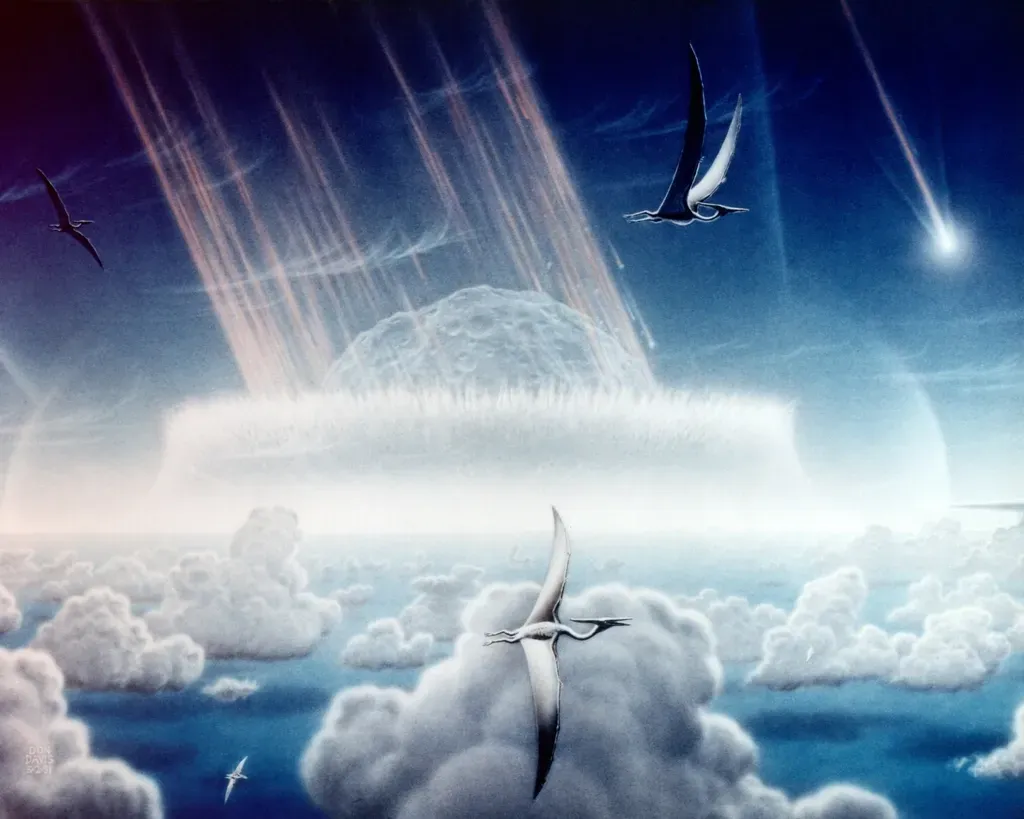
When engineers drilled into the seafloor in the Gulf of Mexico and around the Yucatán Peninsula, their priority was geological mapping and, in some cases, assessing resources. The drill cores came back with odd layers: shattered rock, melted glassy droplets, and chemical signatures that screamed high‑energy impact. At first, these were geological curiosities, used to refine models of how large craters form and how the crust responds.
As more cores were analyzed and dates were pinned down, those strange layers matched almost perfectly with the boundary between the age of dinosaurs and the age of mammals. The crater, now widely recognized as the smoking gun of the mass extinction, was effectively fleshed out by teams who cared more about impact physics and earth structure than about prehistoric animals. Their accidental match between crater timing and the fossil record turned a controversial hypothesis into the leading explanation for one of the biggest die‑offs in Earth’s history.
#8 A Lost Ancient Script Deciphered Through Statistics and Computing
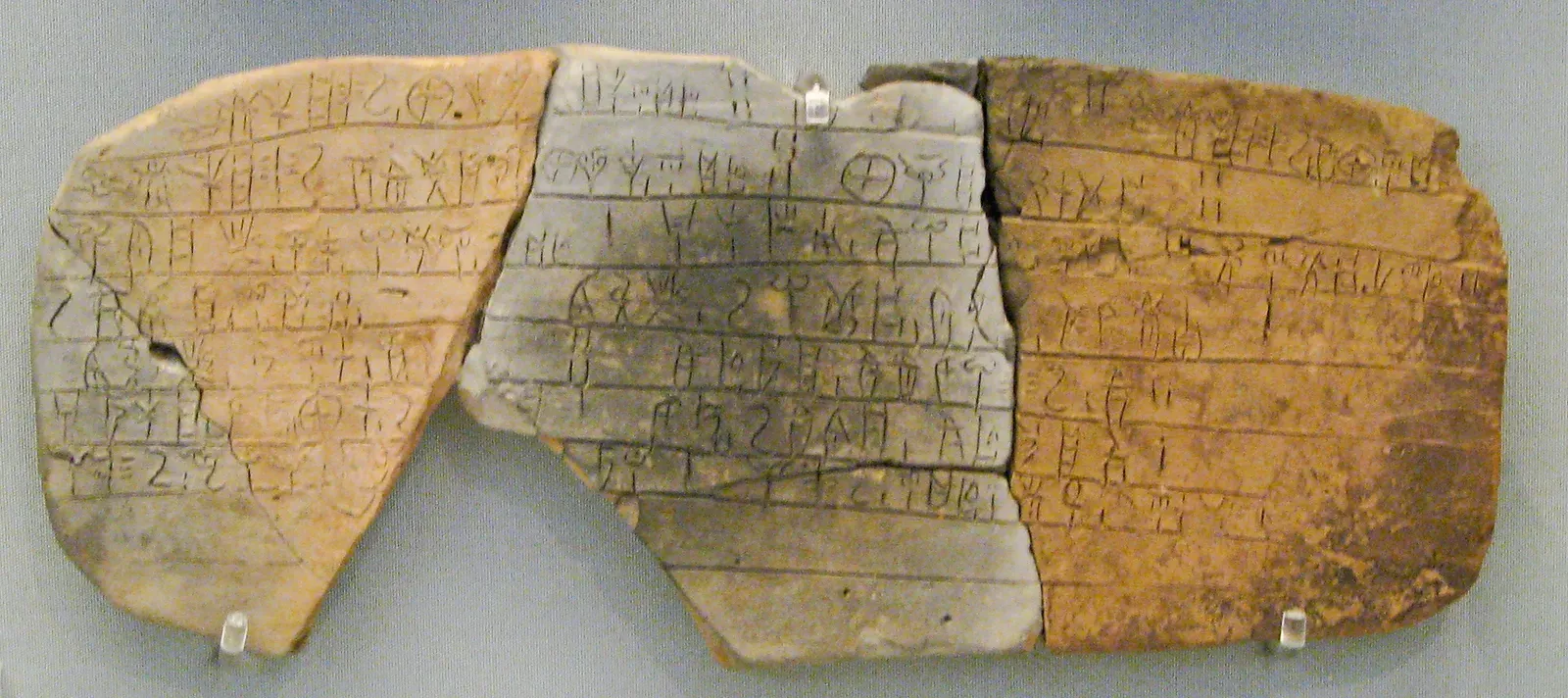
Computational linguists and computer scientists often build algorithms on messy real‑world data just to see if their models work. In the mid‑twentieth century, some researchers tried using punch‑card era computing and later digital tools to explore patterns in undeciphered ancient scripts, not because they were sure they could crack them, but because it was an interesting test case. By comparing symbol frequencies and pairings, they were essentially stress‑testing ideas in information theory and cryptanalysis.
The patterns those tools pulled out helped analysts distinguish between alphabetic, syllabic, and logographic writing and nudged some scripts closer to being read. In at least one famous case, statistical modeling supported the idea that the language behind a script was related to a known family, giving epigraphers a foothold. The computers were not “magically” solving the puzzle, but they gave human experts the clues they needed. A sandbox for early data science unexpectedly became a crowbar for prying open long‑silent texts.
#9 King Richard III Found Under a Parking Lot During Urban Archaeology
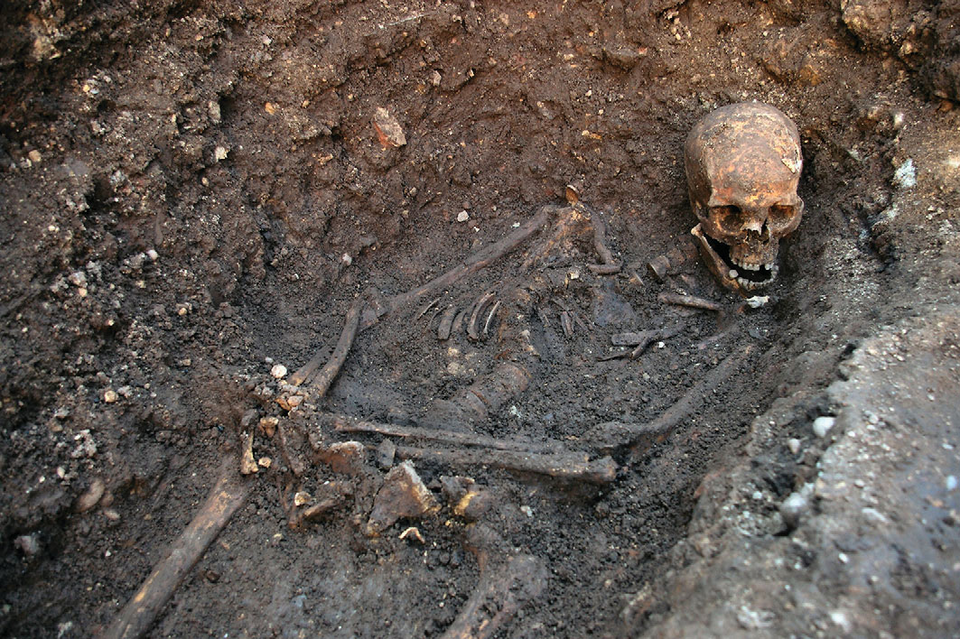
The idea that an English king might be buried under a parking lot sounded like a dark joke until archaeologists, working with historians and local authorities, began a modest dig beneath a modern surface in Leicester. Initially, the work looked very much like standard urban archaeology: map the medieval layout, document any older walls, and salvage whatever burials or finds appeared. Then a skeleton turned up in a hastily dug grave, with a curved spine and battle injuries that matched historical accounts.
Forensic analysis, radiocarbon dating, and later DNA testing confirmed that the remains were those of King Richard III, lost for over five centuries. That single find breathed new life into controversies about his reputation, his final battle, and how quickly victors can erase a defeated ruler from the landscape. An investigation driven partly by local interest and routine urban development ended up moving a major historical figure from rumor into bone‑solid reality.
#10 Ancient Trade Routes Mapped by Scientists Tracking Air Pollution and Dust
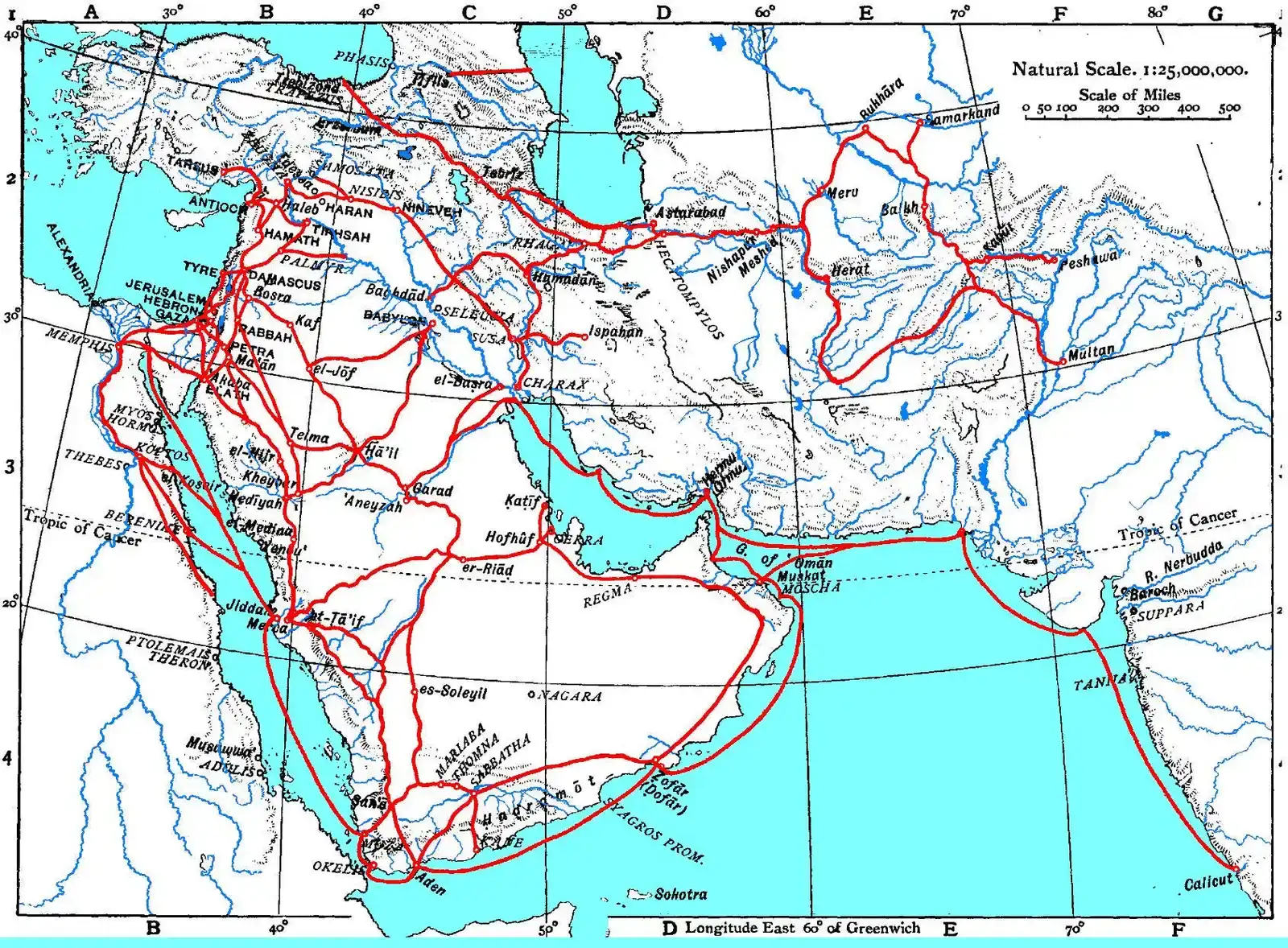
Atmospheric scientists studying how dust and pollution travel across continents collect particles from ice cores, mountain snow, and even modern air filters. Their goal is usually to understand current climate, industrial impact, and long‑distance transport of aerosols. But when those samples were analyzed for traces of ancient metals and pollutants, weird spikes appeared at specific times that did not match natural variability.
Those spikes lined up with periods of intense mining and smelting in antiquity, revealing just how far human activity spread its chemical fingerprints. In some cases, evidence of metalworking in one region showed up as trace pollution thousands of kilometers away, effectively mapping networks of production and trade that texts barely mention. What began as a modern environmental problem – how dirty is the air? – quietly turned into a powerful, if sobering, tool for tracing the scale of ancient economies.
#11 Desert Geoglyphs and Forgotten Fields Exposed by Satellites
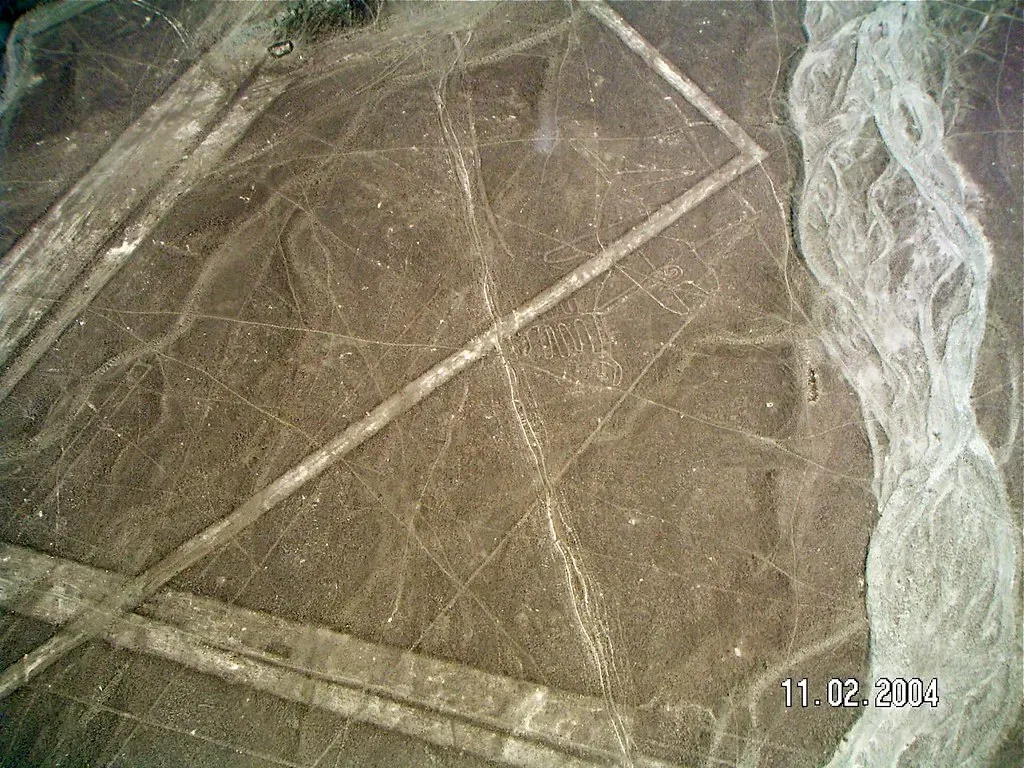
When satellites were first used for Earth observation, the big focus was weather, agriculture, and military surveillance. Analysts poring over grainy images cared about crop health, storm systems, or strategic infrastructure, not mysterious shapes in the sand. Yet again and again, archaeologists noticed strange lines, geometric figures, and grid patterns turning up in publicly available imagery of deserts and plains.
Some of these turned out to be geoglyphs – huge ground drawings and ritual landscapes – while others were the ghostly remains of irrigation channels, field boundaries, and vanished villages. In many cases, they would never have been spotted from the ground, either because they were too large to take in or because erosion had blurred them at eye level. Technology designed to help farmers and meteorologists wound up revealing that even “empty” landscapes are often layered with forgotten human stories.
#12 A Bronze Age Tsunami Revealed by Coastal Hazard Research
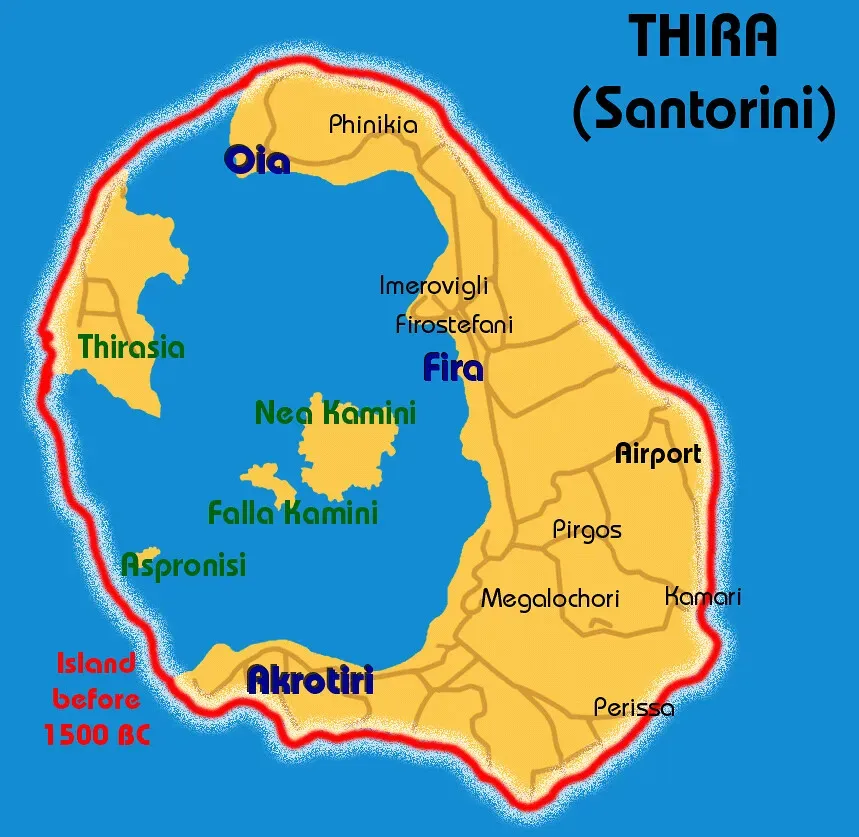
Coastal scientists studying modern tsunami risk often dig trenches and take cores from beaches and marshes to spot past extreme events. They are usually looking for recent disasters to improve warning systems: sand layers pushed far inland, broken shells out of place, abrupt changes in sediment. In several Mediterranean and Near Eastern sites, those investigations unexpectedly unearthed thick, chaotic deposits dated to the Bronze Age.
When those dates were compared with archaeological evidence of sudden destruction in coastal settlements, a pattern emerged suggesting that at least some collapses were triggered by massive waves, possibly from volcanic eruptions or submarine landslides. This complicated older explanations that blamed everything on invasion, rebellion, or simple decay. In chasing data to protect twenty‑first‑century coastlines, scientists had stumbled onto the watery fingerprints of catastrophes that reshaped entire ancient societies.
#13 Viking Presence in North America Dated by Solar Storm Traces
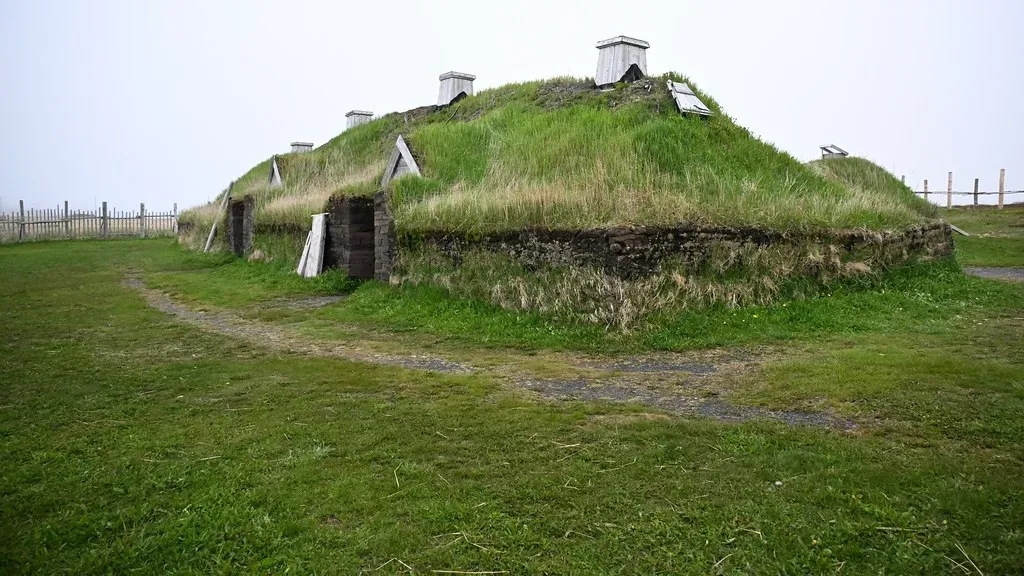
Physicists and dendrochronologists – scientists who study tree rings – often team up to track solar activity over time. Strong solar storms leave telltale chemical spikes in tree growth rings, marking particular years like cosmic barcodes. Researchers were cataloging one such event when they realized they could use it as an anchor point in wood from a Viking site in Newfoundland, where the broad time range was known but the exact year of occupation was fuzzy.
By matching the storm signal in local tree rings to timbers from the site, they were able to pinpoint a specific year in the early eleventh century when Norse people were actively working there. That did not magically solve every question about how long they stayed or how far they went, but it gave a firm date for European presence in North America long before other explorers. A project focused on the sun’s tantrums thus ended up putting a very precise timestamp on a turning point in human exploration.
#14 A Lost Byzantine Church Emerges During Subway Construction
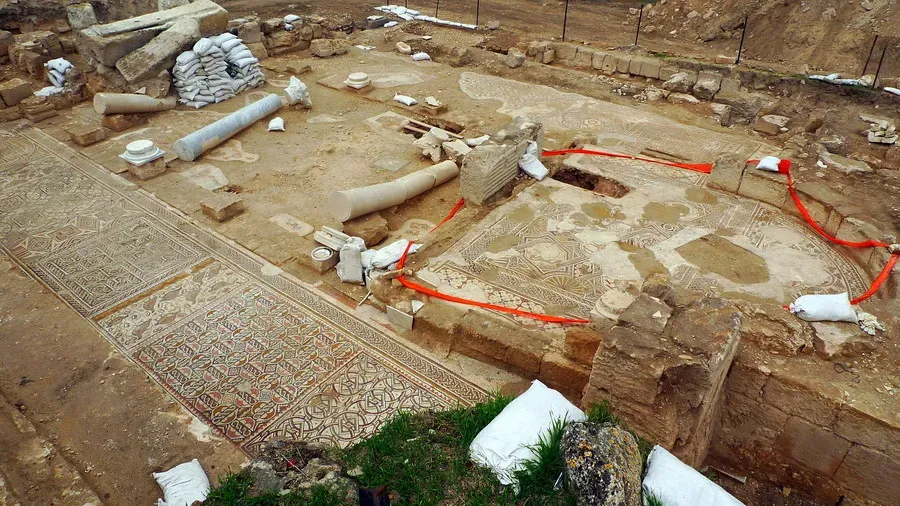
Modern cities are layered like cakes, and engineers digging subway tunnels know they might hit something old – just usually not spectacular. In one major European city, routine rescue archaeology accompanied a new underground line that was mainly about transportation planning and soil stability. As workers cleared the way, ornate mosaics, marble floors, and architectural fragments came into view, revealing a substantial Byzantine‑era church complex buried beneath later development.
The find forced planners to reroute parts of the project but also rewrote the history of how important that district was in late antiquity. Art historians gained new examples of mosaic styles and iconography, while historians rethought the religious and political weight of the neighborhood. What started as a purely practical question – how do we move more commuters efficiently – ended up resurfacing an entire chapter of spiritual and civic life that had been literally paved over.
Conclusion: History Gives Up Its Secrets When We Stop Looking Straight at It
There is a quiet irony running through all these stories: the harder people stared directly at some historical mysteries, the more stubborn they seemed. Yet when scientists chased their own goals – better climate models, sharper images, safer cities – the past kept sneaking into the frame. That says something uncomfortable and exciting about how knowledge actually works: progress is often sideways, messy, and driven by tools that were never meant to answer the questions we care about most.
Personally, I find that both humbling and hopeful. Humbling, because it reminds us that our grand theories can be overturned by a few centimeters of mud or a parking lot dig. Hopeful, because it means there are probably countless secrets still waiting in satellite data, hospital scanners, and construction pits we have not even dug yet. If accidents have already solved this many old puzzles, what else is quietly sitting in our blind spot right now – just waiting for someone to notice it by mistake?