If every skyscraper on the planet vanished tomorrow, we could rebuild most of them. We have the blueprints, the materials, the math. But if some of the world’s most mysterious ancient structures disappeared overnight, even our smartest engineers would be left shrugging. It is not that we have no idea how they were built; it is that when you add up the scale, precision, tools available at the time, and the messy realities of cost and logistics today, the honest answer is: we probably could not pull it off again.
That sounds dramatic, but it is exactly why these places keep showing up in engineering conferences, geology debates, and late-night arguments between friends. They are physical paradoxes in stone, mud, and metal. Below are twenty‑one ancient structures that modern experts, if they are being really candid, would struggle badly to recreate from scratch today. Some of them we could partially imitate; others would break budgets, materials science, and maybe a few egos along the way.
#1 – The Great Pyramid of Giza (Egypt)
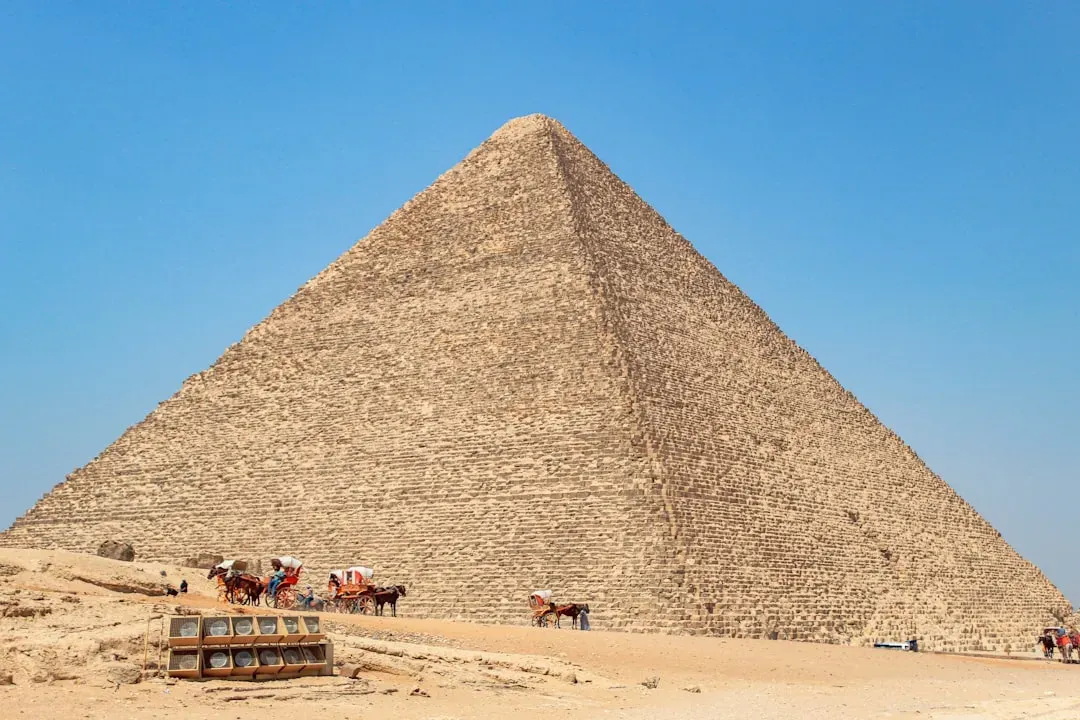
Ask any structural engineer in private whether we could rebuild the Great Pyramid exactly as it stands, block for block, and you will often get a long pause instead of a confident yes. This single monument is made from millions of stone blocks, many weighing several tons, placed with astonishing geometric accuracy over a base that varies only slightly from a perfect square. It is aligned to true north with a precision that would impress even with modern surveying tools, and it was built without steel cranes, powered machines, or computer modeling. The sheer logistics of quarrying, transporting, and placing that much stone is a nightmare even by twenty‑first century standards.
Could we stack a similarly sized structure using concrete or steel? Definitely. But building it again with the same materials, tolerances, and hand‑cut stone would be so expensive and politically fraught that no government would seriously approve it. Engineers also point out that the workforce management alone would be almost impossible to replicate in a modern world that does not run on royal commands and conscripted labor. The uncomfortable truth is that, on paper, we have more knowledge and better tools, yet in practice, reconstructing the Great Pyramid to its original specs would be an almost absurd undertaking.
#2 – Stonehenge (United Kingdom)
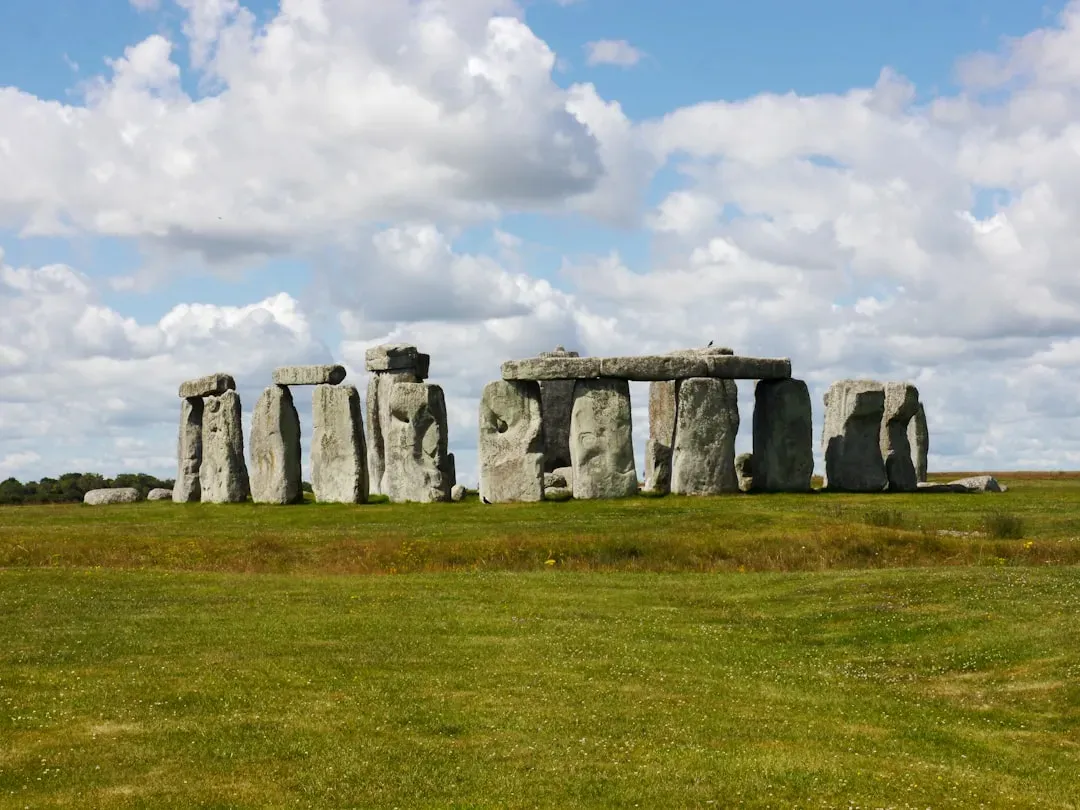
Stonehenge looks simple at first glance: just some big rocks in a circle, right? But once you dig into the details, it turns into a puzzle that still causes arguments among archaeologists, engineers, and landscape experts. Those standing stones were dragged from quarries many miles away, some of them likely hauled over rolling terrain and water, then lifted upright and topped with horizontal lintels that are carefully shaped and locked in with jointing techniques more at home in carpentry than in prehistoric stonework. Recreating that with period‑appropriate tools and methods is where things get brutally hard.
Today we could undoubtedly drop similar stones into place with heavy cranes and laser levels, but that misses the real challenge. The question is whether we could truly reconstruct the process with the same technology level, human power, and environmental conditions. When universities and TV crews try scaled‑down experiments, they usually end up needing modern aids or far more time and manpower than would have been realistic. So yes, we could fake another Stonehenge; we just cannot convincingly prove we could do it the original way, under the original constraints.
#3 – Göbekli Tepe (Turkey)
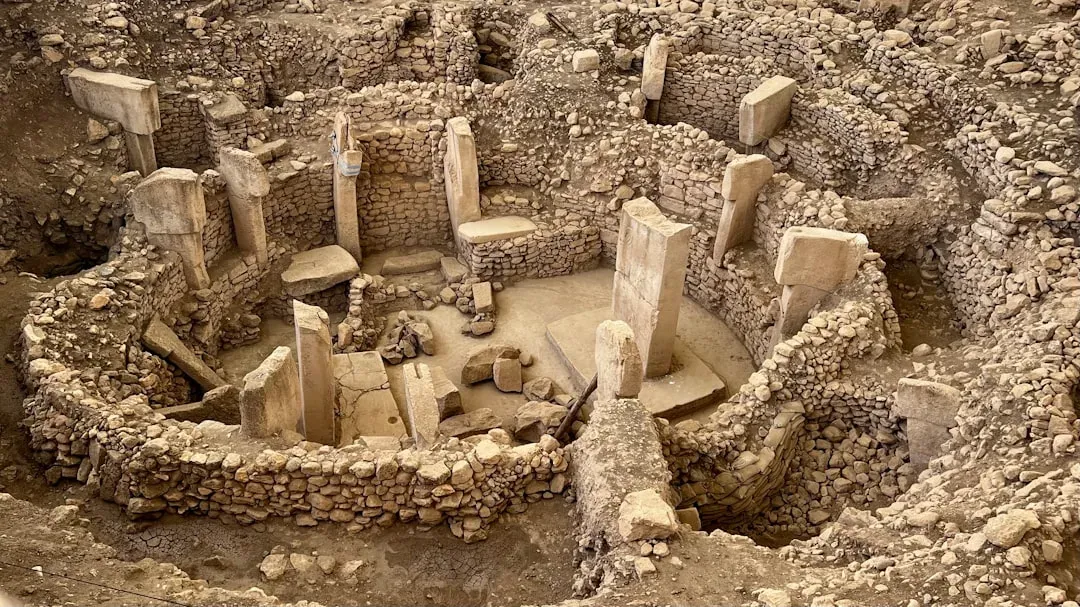
Göbekli Tepe is the structure that makes engineers quietly admit they underestimated prehistoric builders. This site, older than Stonehenge by thousands of years, features massive T‑shaped stone pillars weighing many tons, arranged in circular enclosures with intricate relief carvings. It was built by societies that, as far as we know, did not yet have pottery, metal tools, or settled farming in the way we traditionally imagine. From an engineering perspective, it is like finding a sports car in a Stone Age garage.
To recreate Göbekli Tepe authentically, we would have to reproduce the quarrying, shaping, moving, and erecting of enormous monoliths with extremely limited tools and no beasts of burden as far as firm evidence suggests. Even if we allow modern machinery, replicating the layout, foundation stability, and symbolic carving on that scale is a huge, expensive enterprise. The fact that this monumental architecture shows up so early in human history exposes how shaky our assumptions about “primitive” engineering really are, and it is one reason some modern builders hesitate before saying they could truly rebuild it.
#4 – The Colosseum (Italy)
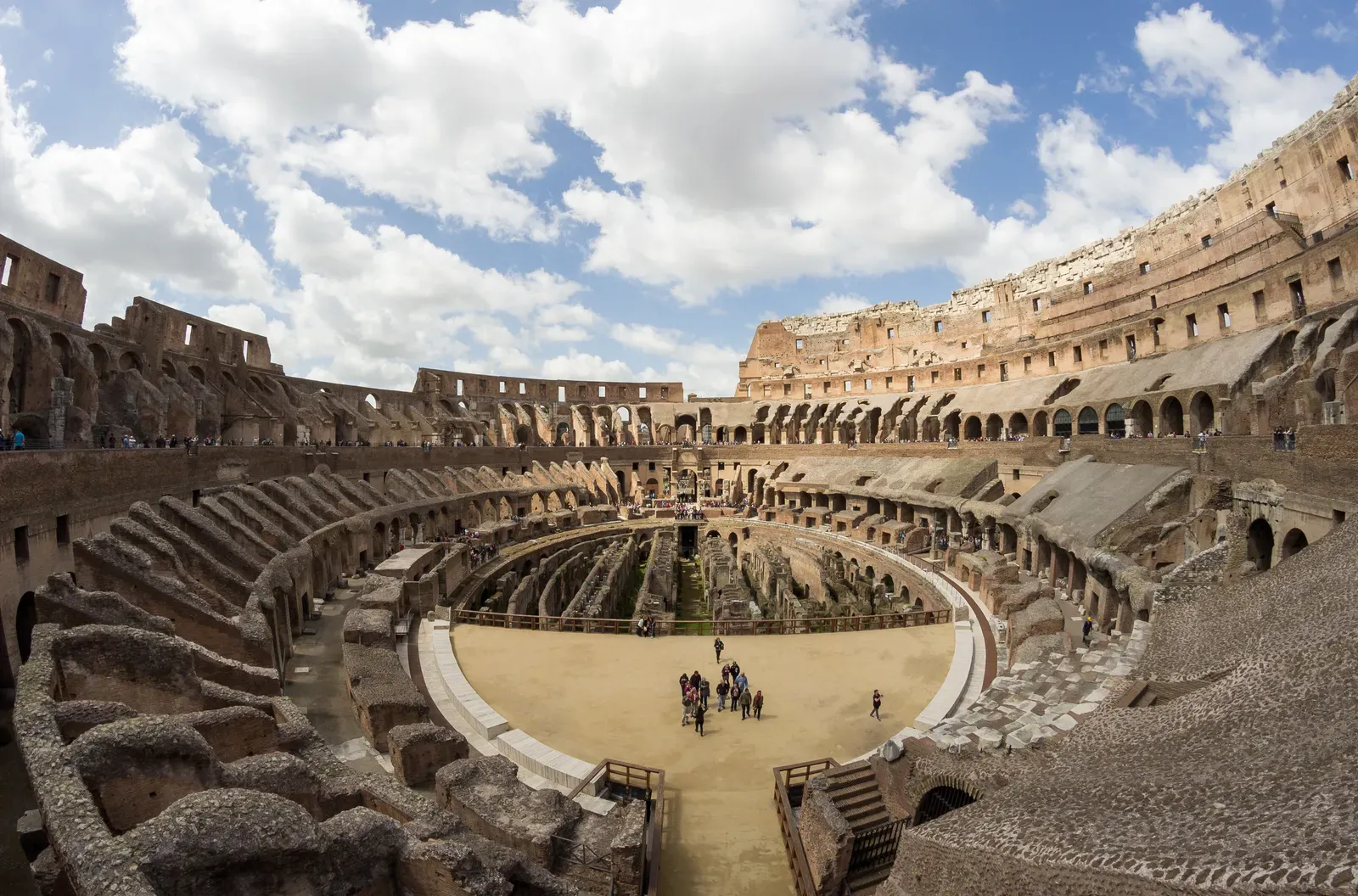
Rebuilding the Colosseum as a tourist attraction sounds straightforward, but doing it exactly as the Romans did is another story. This amphitheater combined concrete, stone, complex vaulting, and a sophisticated system of corridors and staircases that could move tens of thousands of people efficiently. It also incorporated retractable awnings, staging machinery, and underground chambers for animals and props, essentially acting as a massive, multi‑level performance machine. It is a reminder that Roman engineering was not just about roads and aqueducts; it excelled at crowd control and entertainment infrastructure.
Modern architects could certainly design a stadium inspired by the Colosseum, but if you ask them to rebuild it stone‑for‑stone with the original mixes of Roman concrete, the same hand‑cut masonry, and the same purely mechanical systems, costs would rocket. Today’s safety codes, labor standards, and environmental regulations would pile on further constraints. The Romans could throw human effort and time at the problem in ways that would not be tolerated today, which means a true replica would likely die in the feasibility study phase.
#5 – Machu Picchu (Peru)
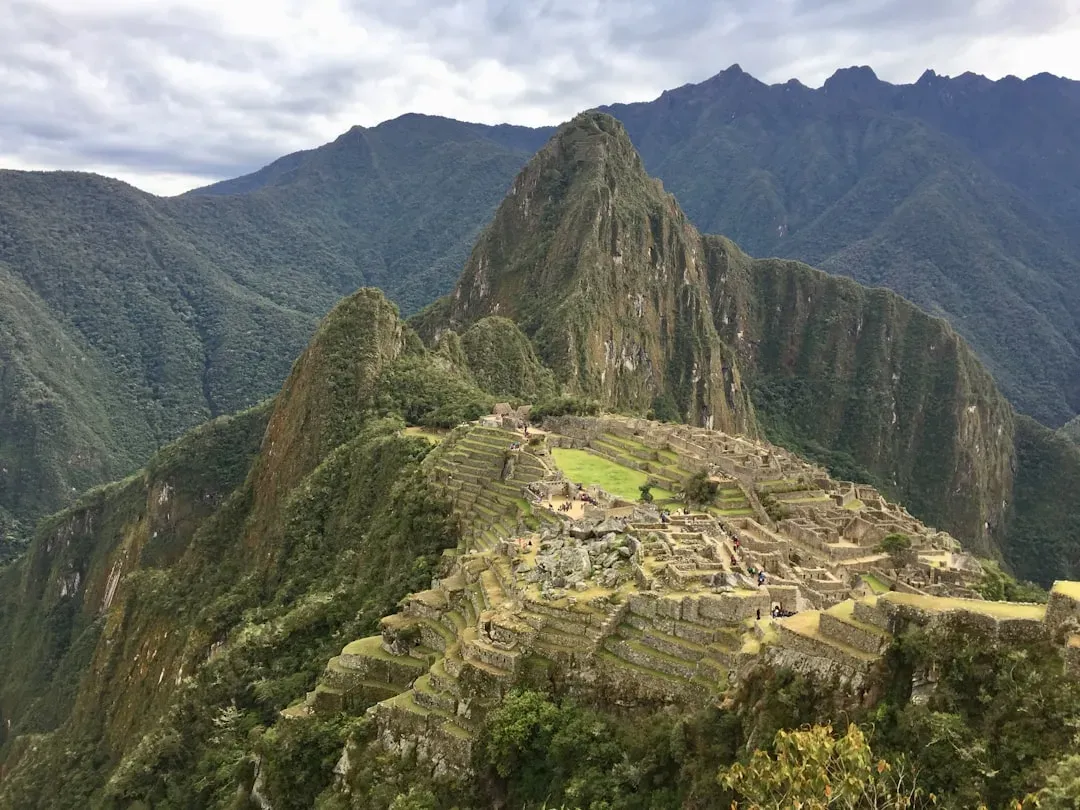
Perched high in the Andes, Machu Picchu is less a single building and more an entire engineered landscape. The Incas carved agricultural terraces into steep mountainsides, stabilized everything with deep stone retaining walls, and created water channels and fountains that still function. The stonework in the central buildings is famously tight, with blocks fitted together so precisely that there are only hairline joints, providing both aesthetic beauty and impressive earthquake resistance. For modern engineers, the real marvel is how the whole site works as a resilient system, not just a collection of pretty ruins.
To rebuild Machu Picchu, we would have to tackle remote access, fragile mountain ecosystems, extreme weather, and tricky seismic forces, all while refusing to bulldoze and pour concrete the easy way. The terraces, in particular, involve layered drainage and soil systems that were fine‑tuned over generations. Modern infrastructure projects often struggle with much less complicated terrain. The idea of rebuilding an entire mountaintop city with stone masonry and subtle water management, matching both form and function, is something that most reasonable engineers would call wildly ambitious, if not unrealistic.
#6 – The Parthenon (Greece)
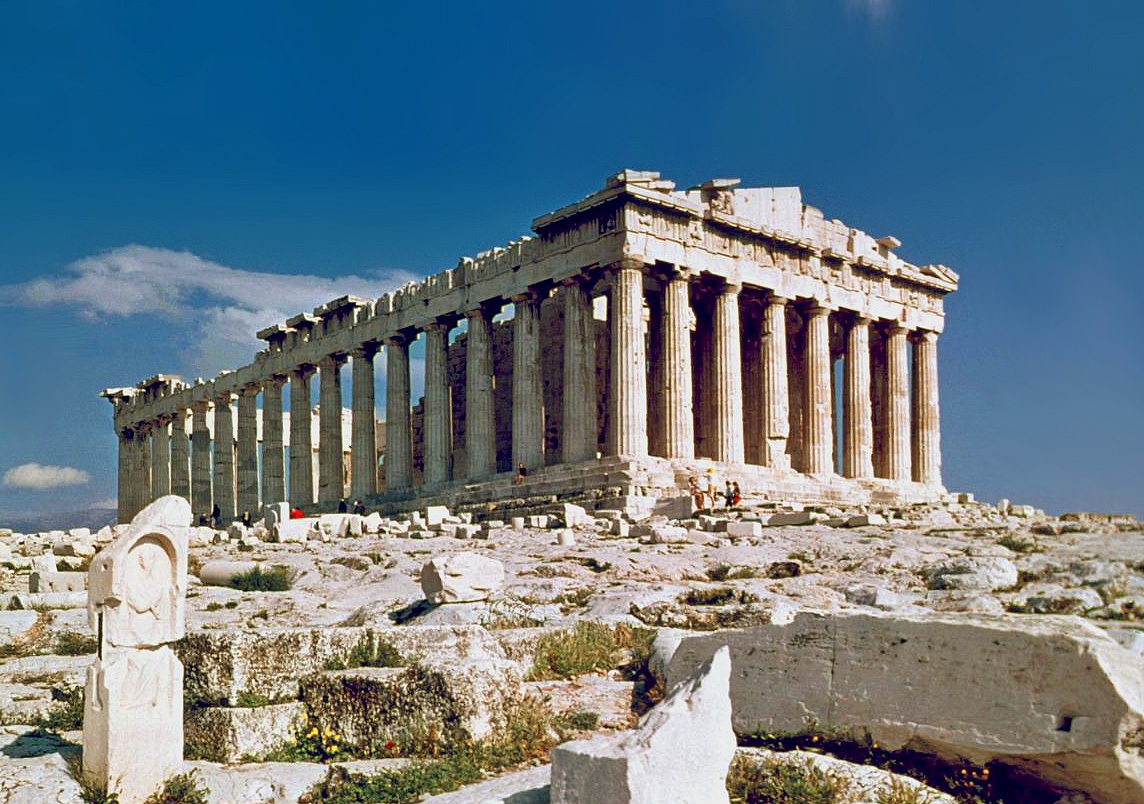
The Parthenon is often used in textbooks as the symbol of classical perfection, but construction professionals tend to fixate on something more practical: the silent mathematics hidden in its stones. Many of its lines are not truly straight; they are subtly curved to counter optical illusions, so columns look straight and harmonious to the human eye. Each column has a slight swelling and taper that required careful shaping and layout planning, not just stacking drums one on top of the other. The marble was quarried, transported, and finished with a level of craftsmanship that still stresses out modern stoneworkers.
Rebuilding the Parthenon as a concrete shell painted white would be easy. Rebuilding it with the same Pentelic marble, the same hand‑cut precision, and the same optical refinements would be a brutal, meticulous effort. The original builders worked under a cultural and religious drive that pushed standards of precision and artistry to extremes. Today, a proper one‑to‑one recreation, completed with the same dedication to invisible details, would cost a fortune and demand a pool of artisans that barely exists anymore. From a practical standpoint, the will to invest in that level of perfection is probably gone.
#7 – The Great Wall’s Wild Sections (China)
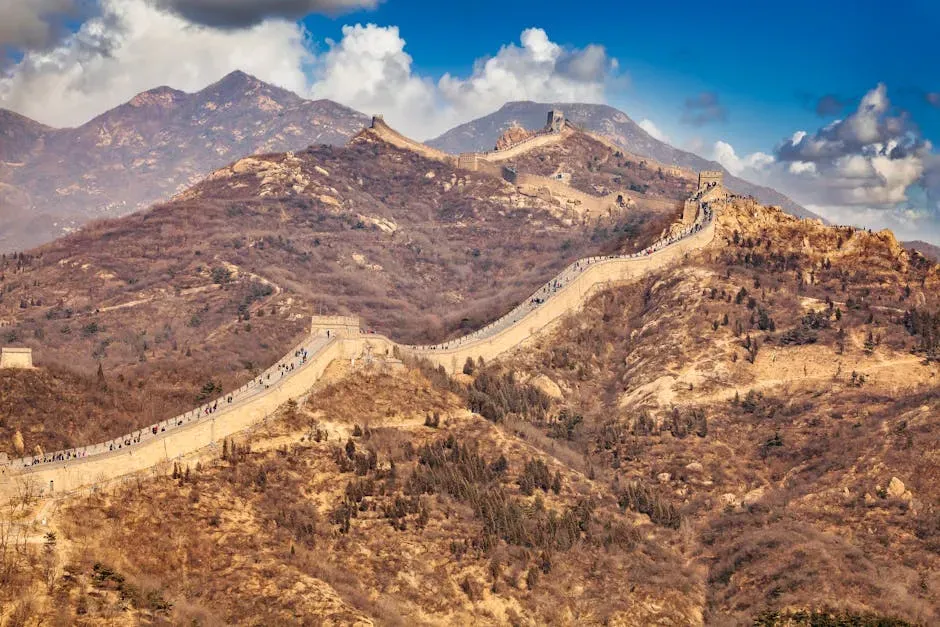
People often imagine the Great Wall as the restored, tourist‑friendly stretches near major cities, but much of the original wall runs across harsh mountains, desert edges, and unforgiving ridgelines. Those wild sections are where engineering reality bites. Builders had to source materials locally, adapt designs to wildly different terrains, and keep the wall continuous over vast distances. They were not just stacking bricks; they were integrating watchtowers, fortresses, and pathways over a landscape that modern contractors would normally avoid or tunnel through.
Could we pour a modern equivalent using reinforced concrete and heavy machinery? Yes, although it would be eye‑wateringly expensive and environmentally disastrous. But replicating the wall’s original construction techniques region by region, with rammed earth here, stone there, and hand‑laid bricks elsewhere would demand huge numbers of workers and years of risky mountain labor. The social structure that once enabled such a project simply does not exist in the same form today, which makes the thought of rebuilding it more of a thought experiment than a serious proposal.
#8 – The Moai and Ahu Platforms of Easter Island (Rapa Nui)
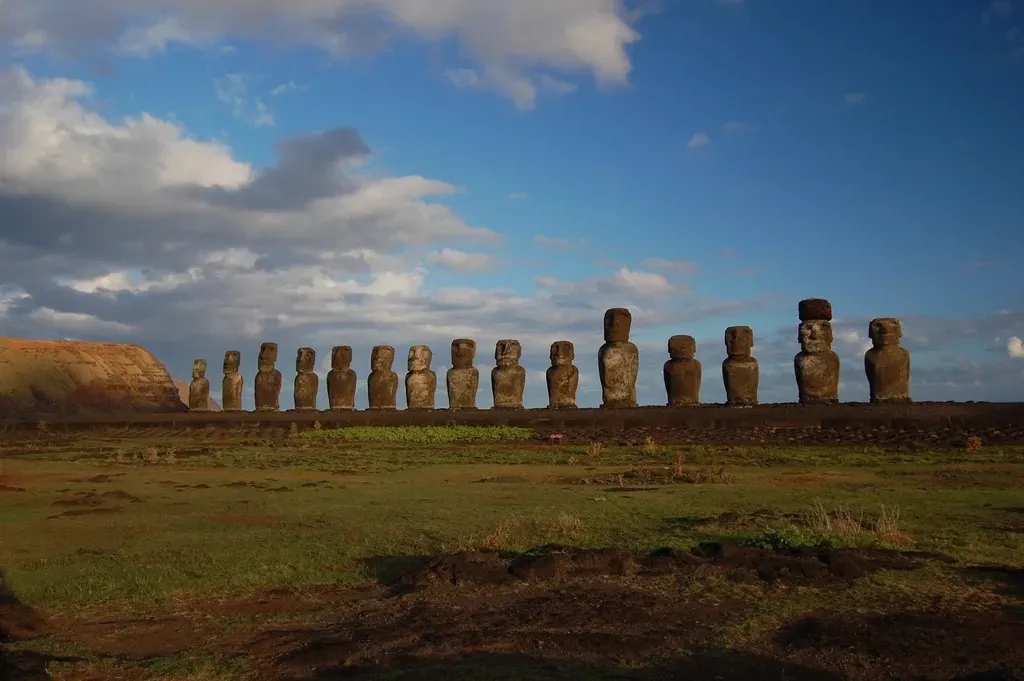
The giant stone heads of Easter Island, the moai, get all the attention, but engineers are just as fascinated by the ahu platforms they stand on. These long, precisely built stone platforms had to support enormous statues, sometimes weighing dozens of tons, without collapsing or tilting over centuries of wind and coastal erosion. The moai themselves were carved from relatively soft volcanic rock and then transported long distances from quarries to their final positions. How exactly they were moved and raised is still debated, with different experiments coming to different conclusions.
Even with modern tools, moving such heavy, fragile objects over uneven ground without breaking them would be a serious challenge. Building the platforms again with the same dry stone techniques, tailored to the island’s particular geology, would require a specialized skill set and careful testing. The people of Rapa Nui developed local solutions based on intimate knowledge of their environment. Nowadays we would be tempted to truck in concrete and steel, thereby losing exactly the part of the puzzle that makes these structures so intriguing and so difficult to truly recreate.
#9 – The Hypogeum of Ħal Saflieni (Malta)
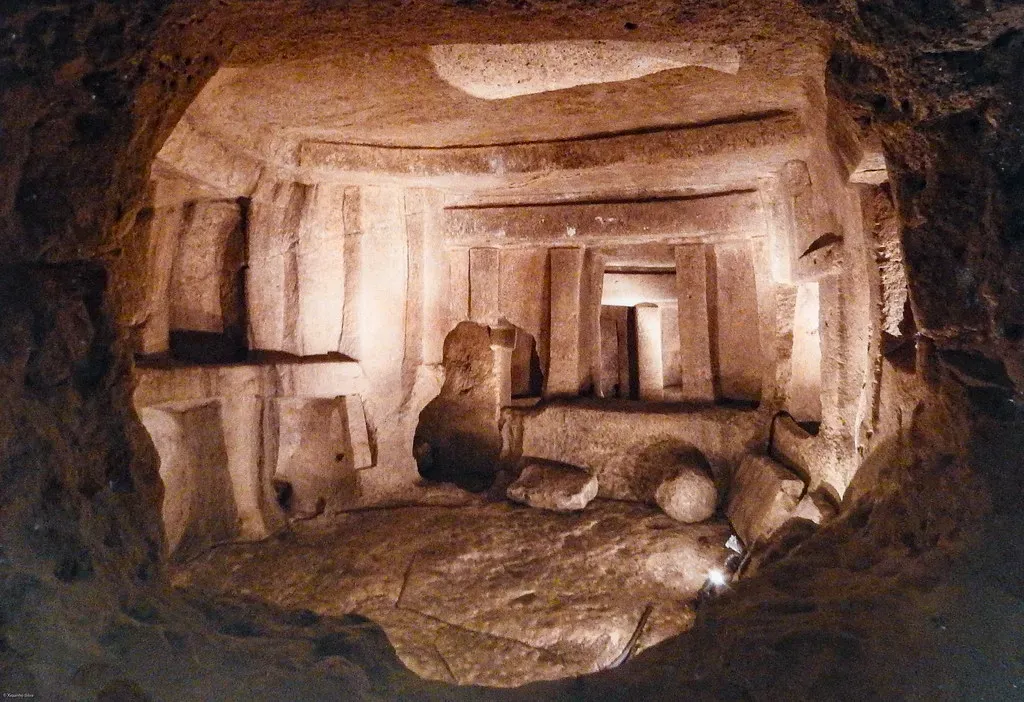
Deep under the Maltese earth lies the Hypogeum, a multi‑level underground complex carved out of solid rock more than five thousand years ago. It features chambers, passages, and carved architectural details that mimic above‑ground temples, all executed with incredible care using tools far less advanced than modern drilling and cutting equipment. Engineers and acoustics researchers have noted how certain rooms seem to amplify sound in strange ways, suggesting that the builders understood, at least intuitively, how shape affects resonance.
Creating a similarly intricate underground complex today, by hand, with comparable tools and materials, would be a logistical and safety nightmare. Even if we allowed modern machines, replicating the exact forms without blasting or massive supports would require highly controlled excavation and a budget that would rival major urban tunnel projects. The Hypogeum also had to be stable enough to last millennia without modern reinforcement. That mix of structural integrity, subtle aesthetics, and acoustic quirks is not something that standard commercial construction is designed to reproduce.
#10 – The Underground Cities of Cappadocia (Turkey)
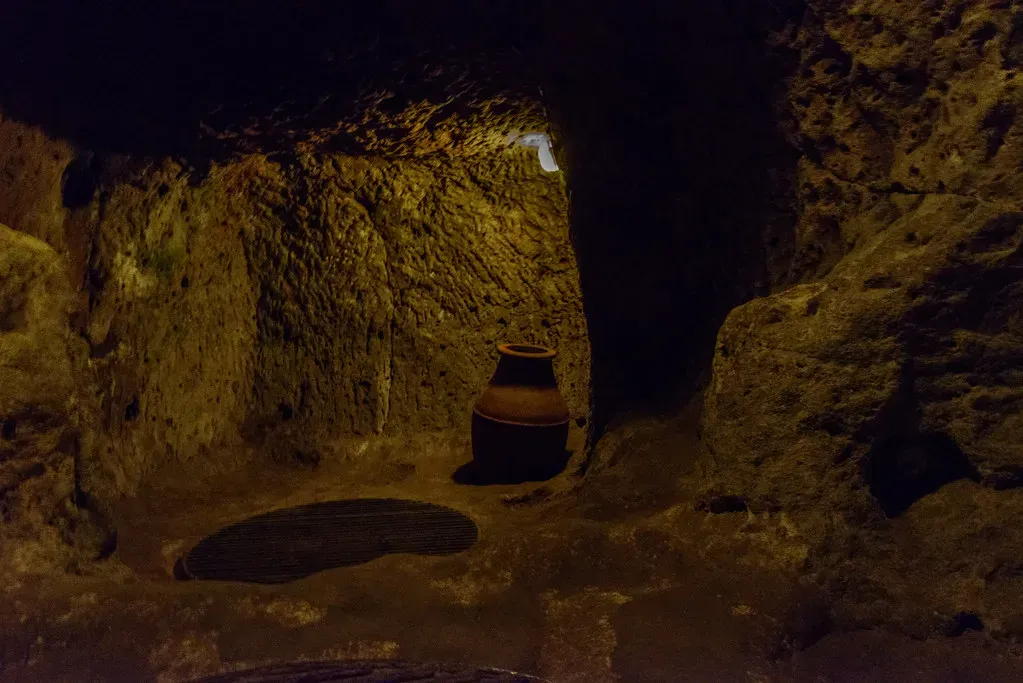
The underground cities of Cappadocia take the idea of “basement level” and stretch it into a whole other world. These complexes extend down through multiple stories, with ventilation shafts, stables, kitchens, and living spaces carved into relatively soft volcanic rock. They were designed to shelter large groups of people for extended periods, which meant managing air quality, temperature, and basic logistics entirely below the surface. This was not random digging; it was careful, large‑scale planning in three dimensions.
Could we carve similar spaces today with giant tunneling machines? Technically, yes, but we would be building something completely different in terms of purpose, regulation, and materials. Recreating those twisting layouts, with the same reliance on the natural rock properties and passive ventilation strategies, would be extremely risky under modern safety codes. It would also raise uncomfortable questions about why we were doing it at all. The original builders had powerful motivations that are hard to parallel today, and without that drive, there is little chance of anyone funding a true re‑creation.
#11 – The Nazca Lines (Peru)
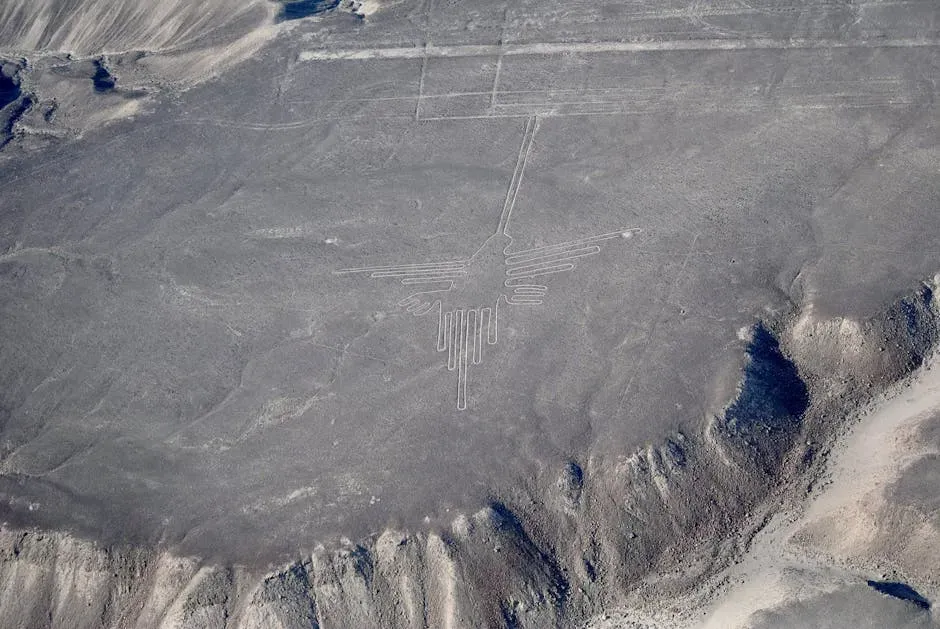
The Nazca Lines are huge geoglyphs etched into the desert floor, forming shapes only clearly visible from the air or high surrounding terrain. At a basic level, they are lines scraped into the ground, which sounds easy. But keeping those lines straight, consistent, and properly scaled across such vast distances with ancient surveying methods is anything but trivial. Some of the figures stretch over hundreds of meters, and yet they retain their proportions far better than many amateur attempts with modern tools.
Recreating them exactly would mean more than just drawing new shapes with GPS. The Nazca Lines depend on the unique local soil and climate conditions that preserve marks on the surface for centuries. Modern interference, from roads to dust and pollution, would quickly degrade any copy. We could probably map out and trace similar figures, but rebuilding the original combination of technique, environment, and near‑mythical patience is a different level of difficulty. In a way, the desert itself was part of the engineering team, and that is not something we can easily duplicate.
#12 – The Lighthouse of Alexandria (Egypt)
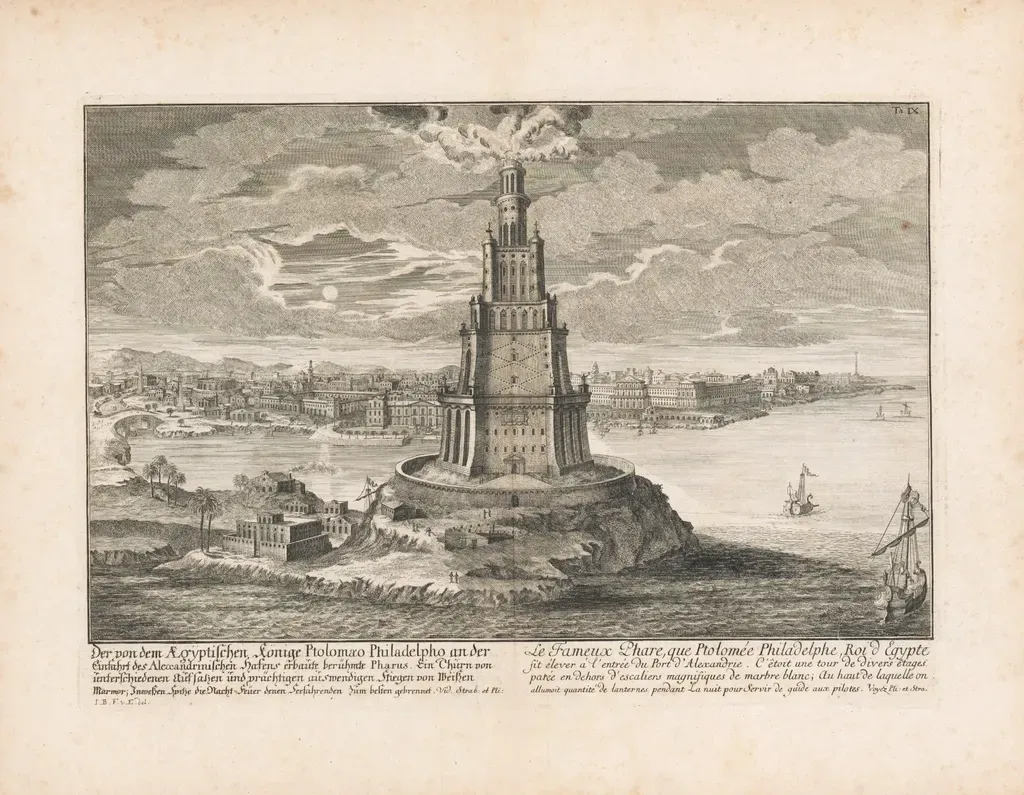
The Lighthouse of Alexandria, one of the legendary Seven Wonders, no longer stands, but ancient accounts and archaeological hints describe a towering structure rising perhaps more than a hundred meters above sea level. It functioned as both a practical navigation aid and a symbol of technological confidence. The building had to resist waves, salt spray, storms, and earthquakes while supporting a fire or reflective system bright enough to guide ships from afar. For its time, it was a bold experiment in vertical maritime construction.
Rebuilding it today on the same spot would face major obstacles right away. Coastal conditions and sea levels have changed, the seafloor around the suspected site is littered with ruins, and urban development has rearranged the shoreline. Engineering a new structure of the same height, using similar stone construction and no modern reinforced concrete core, would be a serious challenge in both design and cost. And that says nothing about whether we could justify the environmental and cultural disruption of trying to resurrect a monument whose exact form we still do not fully know.
#13 – The Temple Complex of Angkor Wat (Cambodia)

Angkor Wat is more than a single temple; it is the centerpiece of a huge complex of waterways, reservoirs, causeways, and structures spread across dense jungle. From an engineering point of view, the hydrological system is just as impressive as the towering stone towers and bas‑relief galleries. The builders redirected water on a massive scale for agriculture, ritual, and urban life, creating a landscape that blended religious symbolism with practical engineering. It is like combining a cathedral, a city, and a flood‑management project in one coordinated plan.
To truly rebuild Angkor Wat, we would need to restore not just the temples but the entire water system that supported the surrounding civilization. Doing that now, with modern farmland, villages, and protected forest in the way, would be politically impossible and environmentally questionable. Matching the original stone carving and construction methods would add yet another layer of complexity. It is one thing to repair and stabilize what remains; it is another to claim we could start from a blank jungle and rebuild the full Angkor landscape in all its engineered detail.
#14 – The Inca Road System (Qhapaq Ñan)
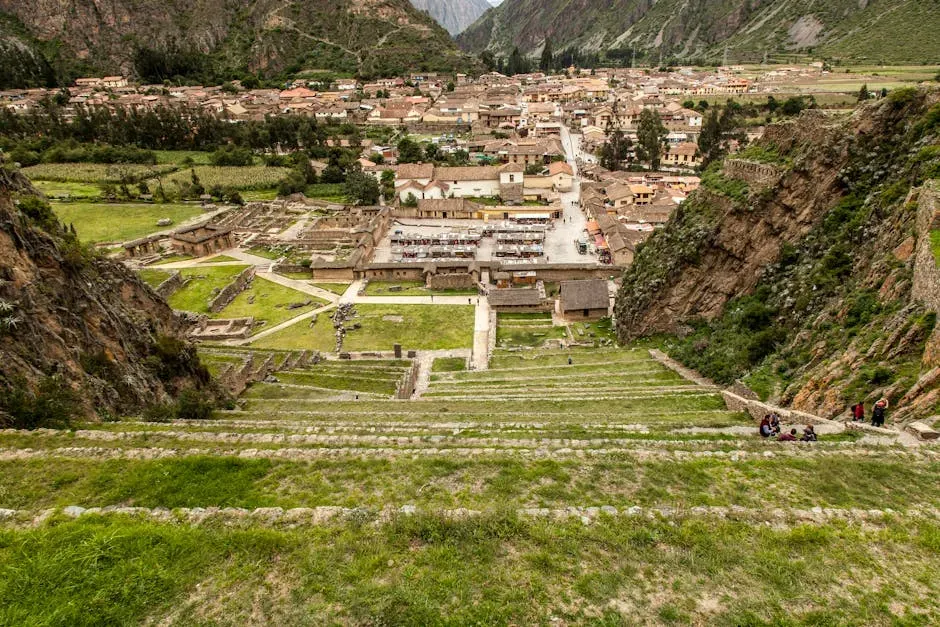
The Inca road network stretched across mountains, deserts, and forests, stitching together a huge empire without the wheel, iron tools, or pack animals like horses. Engineers who study it are often amazed by how the roads cling to steep slopes, cross ravines, and drain water effectively despite minimal written design documentation. Many sections use dry‑laid stone retaining walls and paths that have lasted for centuries with minimal maintenance in brutally harsh climates. It is infrastructure built for walkers and llamas, not cars, and it shows a completely different way of thinking about mobility.
Rebuilding that network from scratch, with the same alignments and techniques, would be an almost impossible sell to modern governments. We would prefer to blast tunnels, lay asphalt, and support motor traffic, all of which would destroy the original character of the routes. Trying to honor the original width, slope, and construction style over thousands of kilometers of rugged terrain would demand money and manpower on a scale that few nations would ever approve for what is essentially a historical experiment. The Inca system proves that durability does not always require concrete and steel, but modern planning rarely follows that lesson.
#15 – The Banaue Rice Terraces (Philippines)
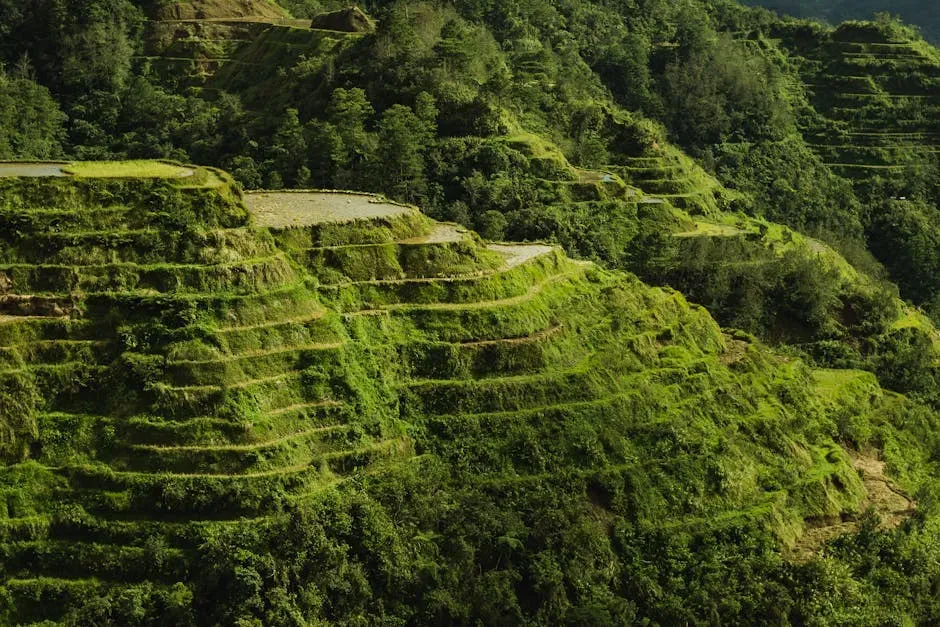
Carved into the steep mountains of the northern Philippines, the Banaue rice terraces are often called stairways to the sky, and from an engineering view that is not an exaggeration. Generations of farmers reshaped entire hillsides into step‑like fields, using stone and earth retaining walls that hold back huge amounts of soil and water. The terraces integrate irrigation channels that carry mountain spring water across contours and down levels with remarkable control. In essence, these are living hydraulic structures that also feed communities.
Trying to replicate this today from bare mountain slopes would collide with modern land rights, environmental rules, and the sheer lack of people willing to maintain such labor‑intensive systems. Even if we had the legal and financial green light, the knowledge that keeps the terraces stable and fertile is deeply local and passed down through lived practice, not engineering manuals. That tight relationship between community, landscape, and construction is incredibly hard to re‑engineer in a world where many people are moving away from small‑scale farming. The result is a structure that looks deceptively simple but is practically irreplaceable.
#16 – The Terracotta Army Pits (China)
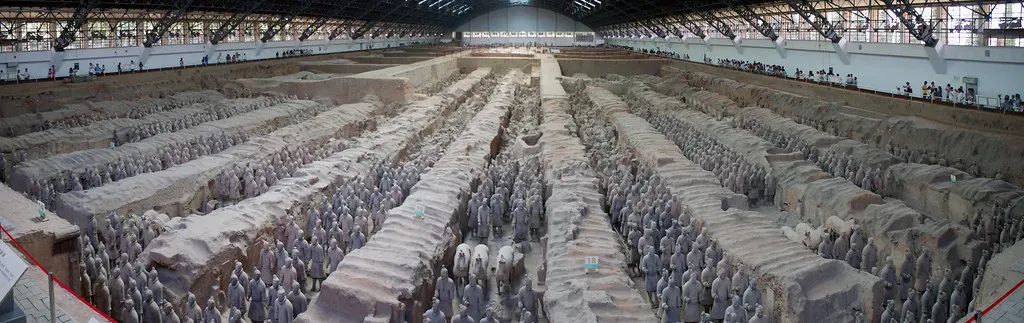
The famous Terracotta Army near Xi’an is often discussed for its thousands of sculpted soldiers, but the pits themselves are an engineering feat. Ancient workers dug long, deep trenches, lined and roofed them with timber and earth, and then filled them with sculpted figures arranged in organized ranks. The roofing system had to support significant loads while protecting the contents from collapse, moisture, and time. It was like building a series of warehouses underground, each filled with fragile, life‑sized art.
Today, excavating such huge underground spaces and filling them with individually crafted statues would be top‑tier expensive even before you tried to match the original artistry. Constructing the roofs with similar layered timber and earth, then burying them, would also clash with modern building codes and fire regulations. The original project drew on a political system that could command enormous resources with little public debate. Modern engineers might reproduce the concept with concrete bunkers and ventilation systems, but that would be a completely different beast from the original.
#17 – The Pantheon’s Unreinforced Concrete Dome (Italy)
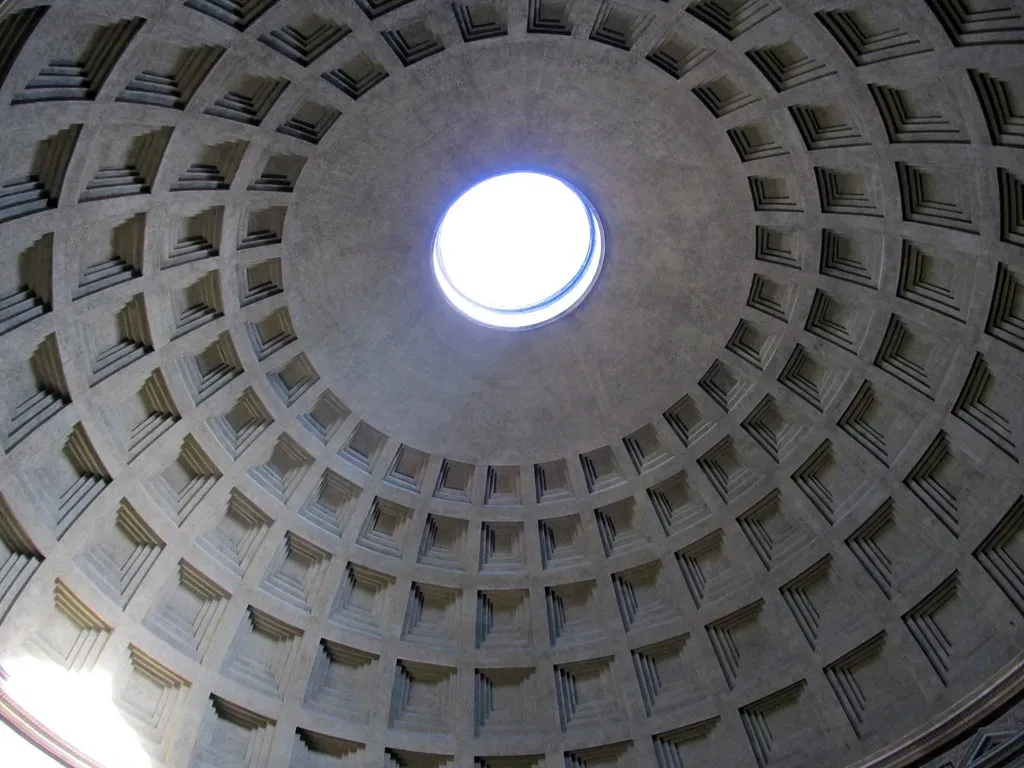
The Pantheon in Rome has a dome that still holds world records: a massive, unreinforced concrete shell spanning a wide open interior space, standing strong after nearly two thousand years. Modern concrete domes usually rely on steel reinforcement, computer‑based structural modeling, and tightly controlled materials. The Romans did it with empirical knowledge, layered mixes of different aggregate weights, and an understanding of geometry that still surprises engineers. The coffered ceiling reduces weight without sacrificing strength, and the oculus at the top lets light in while relieving stress.
Rebuilding this dome exactly, using only Roman‑style concrete and without rebar, would be a serious test of nerve for any modern engineer taking professional responsibility. Today’s codes and liability concerns would demand simulations, full‑scale tests, and safety factors that would inflate costs and timelines dramatically. Even if we could match the material properties, there would be intense debate over whether it was acceptable to deliberately build such a structure without modern reinforcement. In practice, our risk‑averse systems might block us from proving we could do what the Romans already achieved.
#18 – The Temple‑Mount Platform in Jerusalem
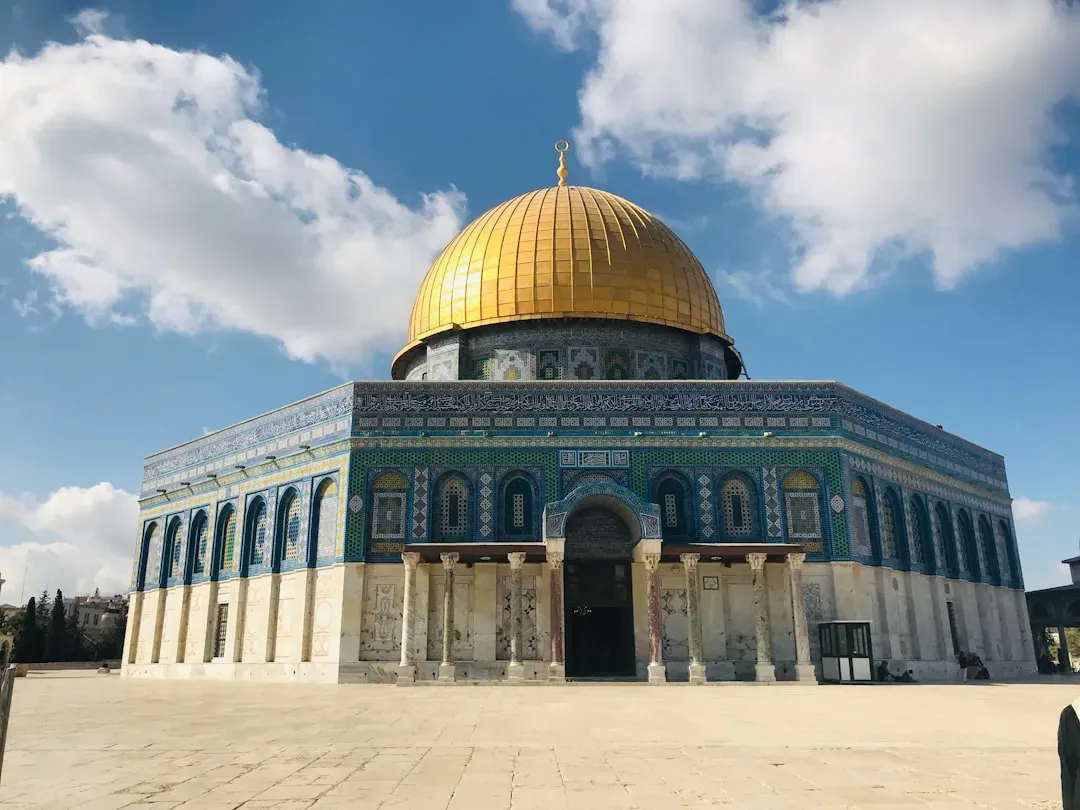
The massive stone platform known as the Temple Mount rests on some of the largest ashlar blocks used in ancient construction, with some stones weighing tens of tons or more. These blocks were quarried, cut, transported, and set into place with joints so tight that it is hard to slide a knife blade between them. The retaining walls hold back huge volumes of earth, forming a stable, elevated area that has survived earthquakes, conflicts, and centuries of construction on top. For structural engineers, it is a textbook example of overbuilding done extremely well.
Recreating that entire platform today, with stones of similar size and precision, would be a monumental project even on an empty site; doing it in a sensitive and heavily built‑up city would border on impossible. The political, religious, and archaeological layers make any large‑scale intervention deeply complex. From a pure engineering standpoint, we could design something with modern materials that performs a similar function, but promising to reproduce the original methods and tolerances is another issue entirely. The fact that those original builders worked without modern cranes and measurement tools only deepens the sense of humility.
#19 – The Step Pyramid Complex of Djoser (Egypt)
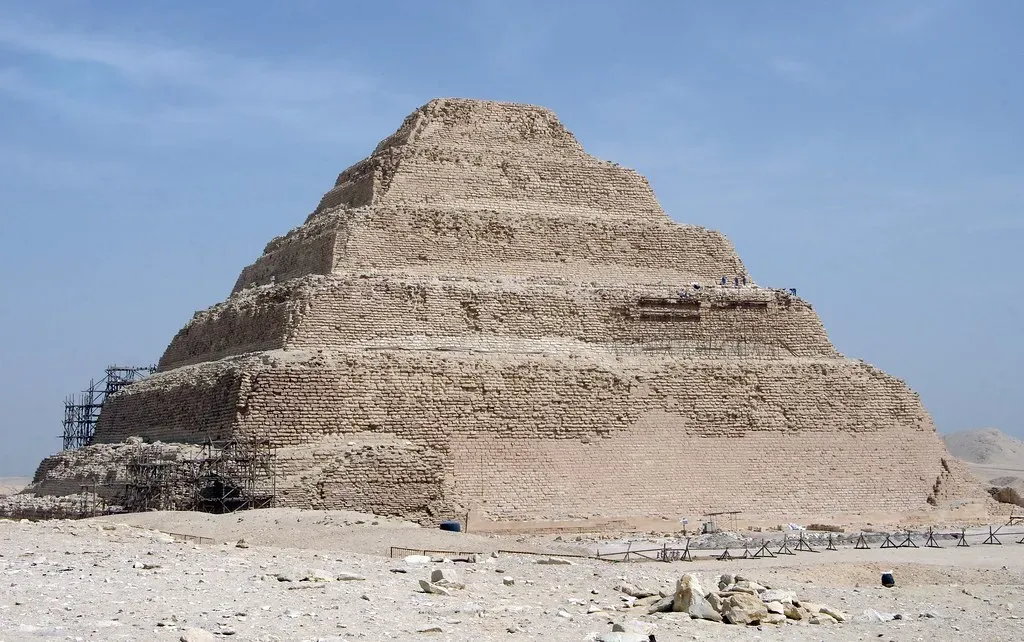
The Step Pyramid of Djoser is older than the Great Pyramid and represents one of the earliest large‑scale stone monumental projects. It is not just a simple stack of mastabas; it is part of a broader funerary complex with courtyards, temples, and underground galleries. Early Egyptian builders were experimenting with how to move from mudbrick and smaller tombs into massive stone architecture, and they somehow succeeded on a scale that is still standing. The fact that this was, in many ways, a first trial makes its survival particularly astonishing.
Rebuilding the complex with comparable limestone blocks, fine details, and underground passageways, while keeping everything stable and safe, would be an intricate and costly adventure. Today’s geotechnical studies would likely flag all sorts of concerns about subsidence, seismic loads, and worker safety that the ancient architects navigated more intuitively. They did not have to justify every decision to insurance companies and review boards. When modern engineers look at the Step Pyramid, they see both a marvel and a reminder that our current systems sometimes stop us from even trying what earlier civilizations attempted.
#20 – The Hanging Gardens–Style Tiered Terraces (Mesopotamian Traditions)
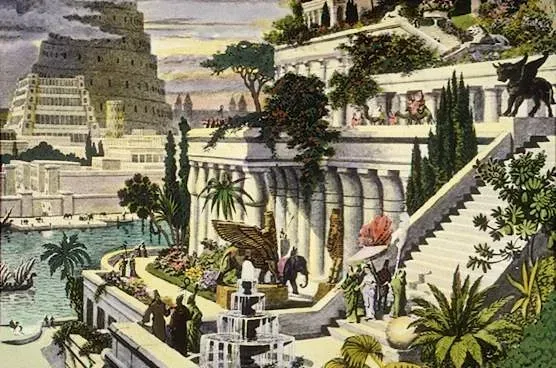
Whether the specific “Hanging Gardens of Babylon” described in later texts existed exactly as imagined is still debated, but archaeologists have found enough evidence of complex, tiered garden structures in Mesopotamia to know that advanced irrigation and terracing were part of the regional toolkit. These would have involved raising water to considerable heights without electric pumps, then distributing it through channels that did not leak catastrophically. Supporting heavy, water‑soaked soil on elevated platforms required careful structural design long before modern waterproof membranes and reinforced slabs.
We can certainly build rooftop gardens and vertical parks today, but we do so with a dense web of mechanical systems, synthetic membranes, and steel frameworks. Recreating a large‑scale, ancient‑style terraced garden with period‑appropriate materials, powered only by gravity and simple mechanical devices, would be a tough challenge. It would demand an experimental attitude, generous budgets, and a willingness to accept some failures. Our modern habit of engineering everything for minimal risk and maximum efficiency clashes with the boldness those early builders seem to have shown.
#21 – The Megalithic Temples of Malta (Ġgantija and Others)
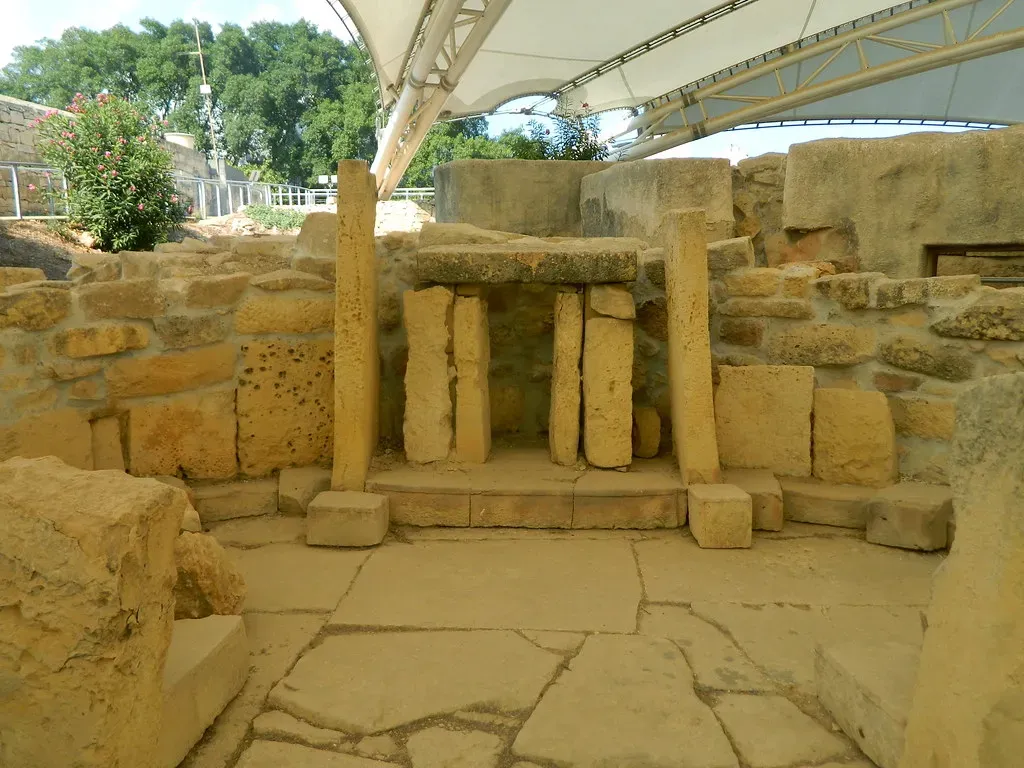
The stone temples of Malta, such as Ġgantija, are among the oldest free‑standing stone buildings in the world, predating the pyramids. They use enormous megaliths, some weighing many tons, arranged in curved, multi‑room layouts that suggest a sophisticated understanding of space and load distribution. The builders shaped the stones with limited tools, then moved and set them in place with no wheels or metal cranes. The result is a cluster of shrines and complexes that have baffled visitors and specialists for over a century.
Rebuilding them today using only the original tools and feasible manpower would be a formidable exercise in experimental archaeology. We might come close in small trials, but doing it at full scale, with the same precision and speed, is another matter entirely. Even with modern help, quarrying and transporting such massive blocks over uneven ground is risky and expensive. When engineers look at these temples, they see not just big rocks but an entire logistical system that we do not fully understand, built by people whose names and methods have vanished into prehistory.
Conclusion – What These Impossible Builds Really Tell Us
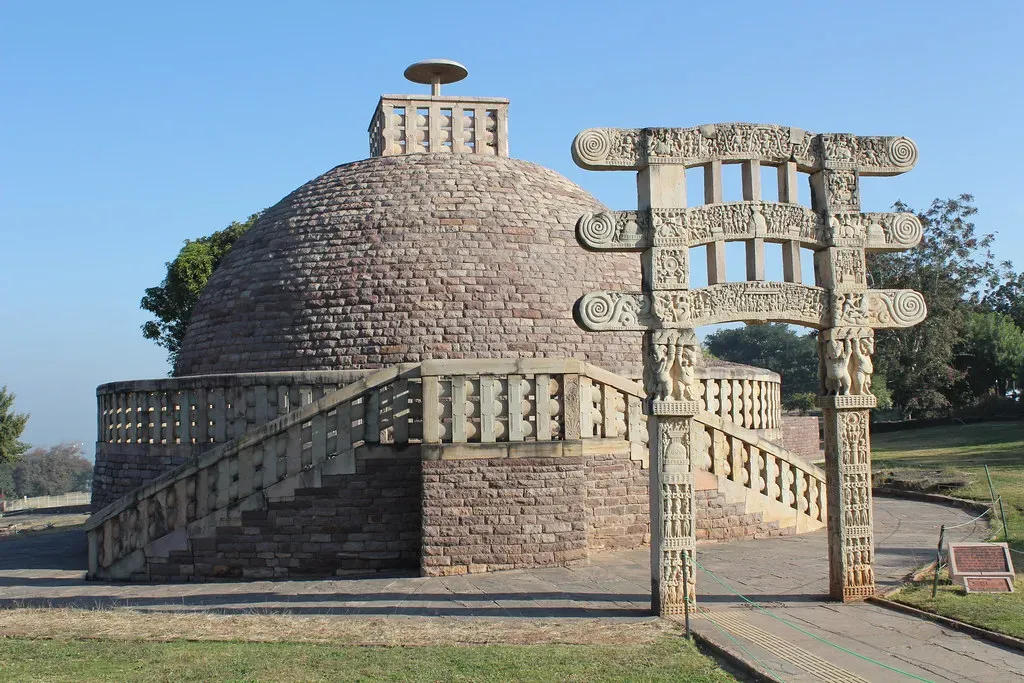
When you line up all these structures side by side, a pattern emerges that is more humbling than mystical. The main reason we say we “could not rebuild” many of them is not that our physics is worse or our tools are weaker. It is that the original builders combined hard knowledge, generational memory, cheap or coerced labor, deep cultural motivation, and a tolerance for risk that modern societies rarely accept. From that angle, these places are not just engineering marvels; they are snapshots of what happens when a civilization decides that one project is worth pouring everything into for decades or even centuries.
Personally, that is what I find both inspiring and unsettling about them. They prove that human beings, long before laptops and laser levels, were willing and able to tackle projects so big that we now hesitate to even imagine them. Maybe that is a warning against underestimating our ancestors, or maybe it is a quiet challenge to our own time: if people with stone tools could reshape mountainsides and raise perfect domes, what excuse do we really have for aiming small? The next time someone calls ancient people primitive, it is worth asking: could we honestly do what they did, under their rules, not ours?