
Every museum promises to bring the past to life, but there’s a darker side that never makes it to the glass cases and wall labels. Behind locked doors and in off-limits storage rooms sit discoveries that raise uncomfortable questions, clash with national myths, or simply freak people out. Curators know these objects exist. Archivists catalogue them. Yet the public rarely, if ever, gets a glimpse.
Some of these hidden finds are controversial mainly because of how they were taken. Others challenge tidy timelines about when humans first arrived somewhere, how advanced ancient people really were, or what religions used to look like before they were cleaned up for history books. And in a few cases, the problem is simple: the story is so disturbing that museums quietly decide it is easier not to tell it. Let’s walk through some of the most talked‑about discoveries museums tend to keep behind the scenes – and why they usually stay in the dark.
#1: The Human Remains Museums Now Regret Collecting
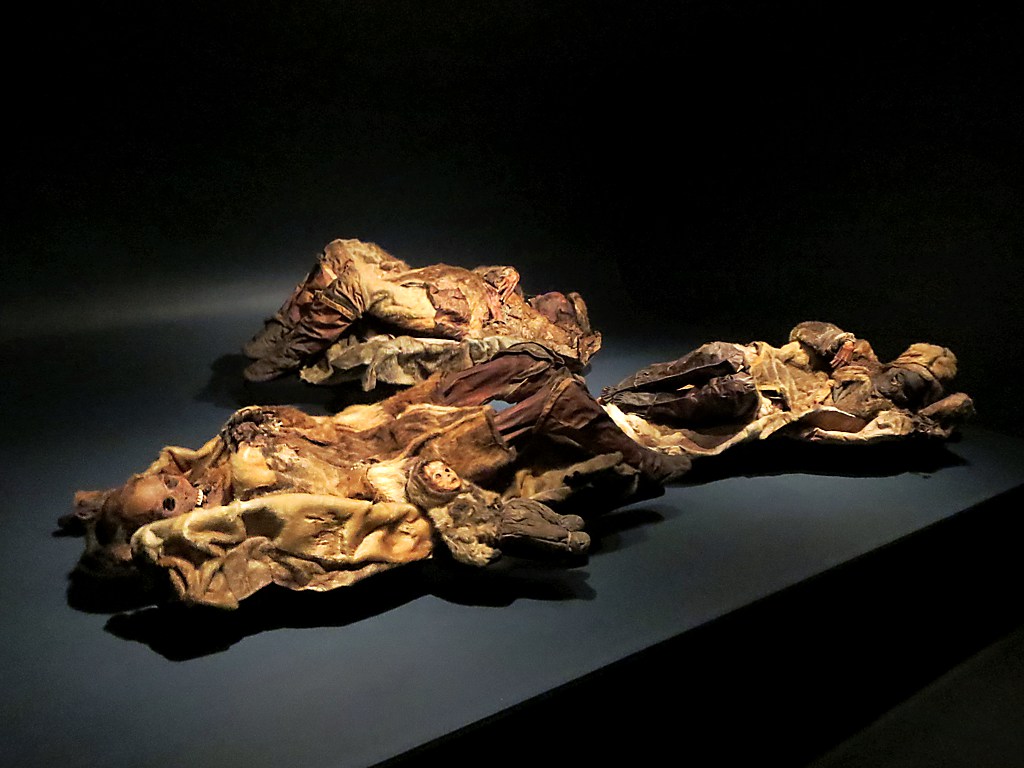
Here’s a shocking truth most museum labels gloss over: for a long stretch of the nineteenth and twentieth centuries, major museums aggressively collected human remains, often without consent and with open racism. Skulls, skeletons, and even tattooed skin from Indigenous peoples were shipped to European and American institutions to “prove” biased theories about race, intelligence, and civilization. These collections still exist today, sometimes numbering in the tens of thousands of individuals, stored quietly in boxes and cabinets that the public never sees.
Many institutions are now deeply embarrassed by how these remains were taken and used. Instead of putting them on display, museums have been slowly shifting toward repatriation – returning ancestors to descendant communities for proper burial or ceremony. From an ethical standpoint, that is absolutely the right move, even if it means some historically important material will never be exhibited. The uncomfortable reality is that the golden age of museum anthropology was built, in part, on grave‑robbing, and that is a story most galleries are still not ready to show in full.
#2: Sacred Indigenous Objects Acquired Under Duress
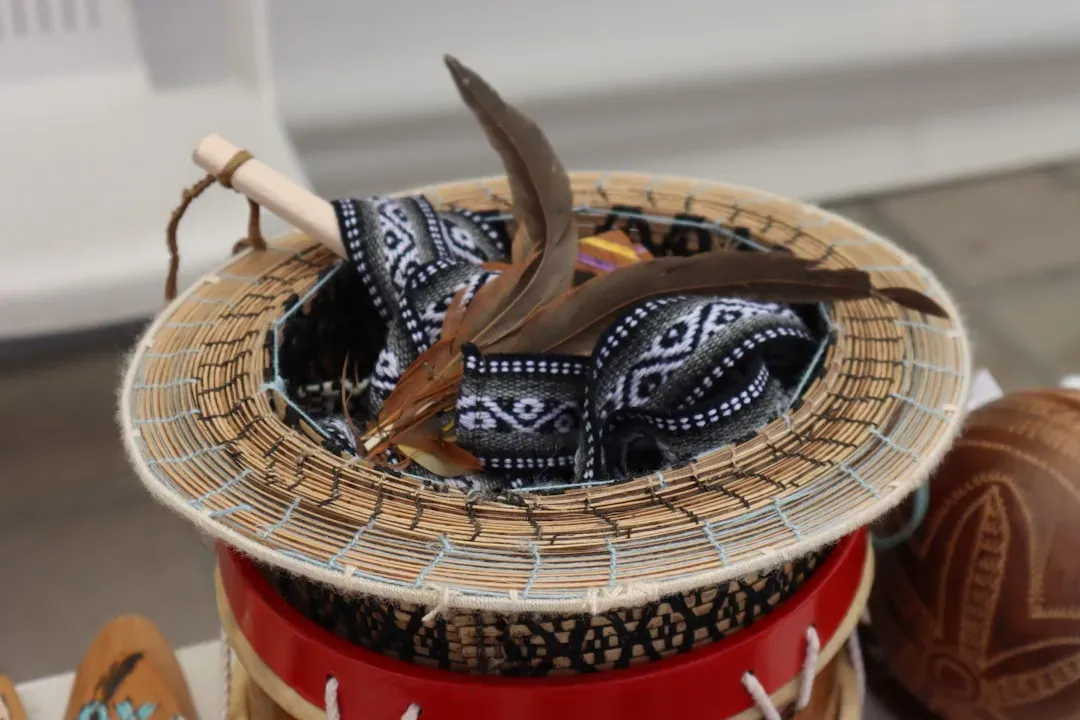
Walk into almost any big national museum, and you’ll see a few carefully chosen Indigenous artifacts framed as “art” or “heritage.” What you usually do not see are the truly sacred items – ceremonial bundles, regalia, masks, or burial goods – that were taken during periods of conquest, forced assimilation, or vaguely defined “salvage” collecting. In many cases, elders and community leaders have made it clear that these objects are not meant for casual viewing, photographs, or tourist curiosity. They belong in ceremony, not in a climate‑controlled vitrine.
Because of that, a lot of these items live in a kind of limbo. Museums are reluctant to display them for fear of backlash and out of a growing respect for spiritual restrictions, but they may also be slow or resistant when it comes to returning them. So they end up in restricted storage, accessible only to a handful of curators and sometimes community representatives. As public conversations about decolonizing museums get louder, these hidden sacred collections have become a kind of moral test: are institutions willing to treat them as more than just “interesting ethnographic material” and let them go?
#3: Looted Treasure from Colonial Plunder
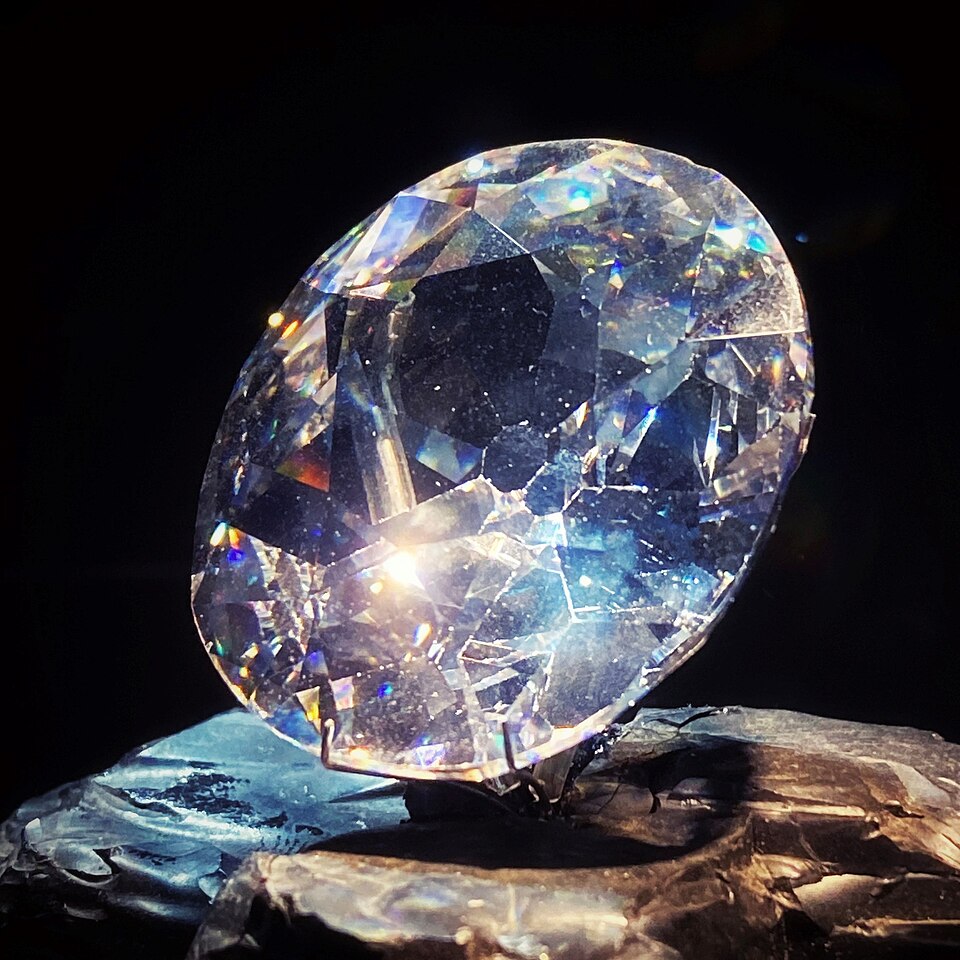
Some of the world’s most famous museums were built on the spoils of empire, and critics have been vocal about that for decades. Less discussed are the pieces that never made it to the main galleries because their origins are too obviously tied to violence. These might be ceremonial bronzes smashed out of royal palaces, gold ornaments stripped from temples, or royal regalia seized during punitive expeditions. The paperwork sometimes spells it out with chilling bluntness: taken as war booty, seized after a village was “pacified,” or confiscated from rebels.
Showing such objects alongside triumphant national narratives would create an instant contradiction, and museums know it. Some institutions now admit that large portions of their collections are entangled with colonial looting, but their public displays still favor sanitized stories of “acquisition” and “exchange.” Behind the scenes, curators wrestle with what to do next: leave these items in storage to avoid a public fight, or bring them out and risk intensifying calls for restitution. For now, a surprising number of the most politically explosive artifacts stay in the dark, even as their existence is an open secret among specialists.
#4: Early Human Fossils That Complicate Migration Timelines
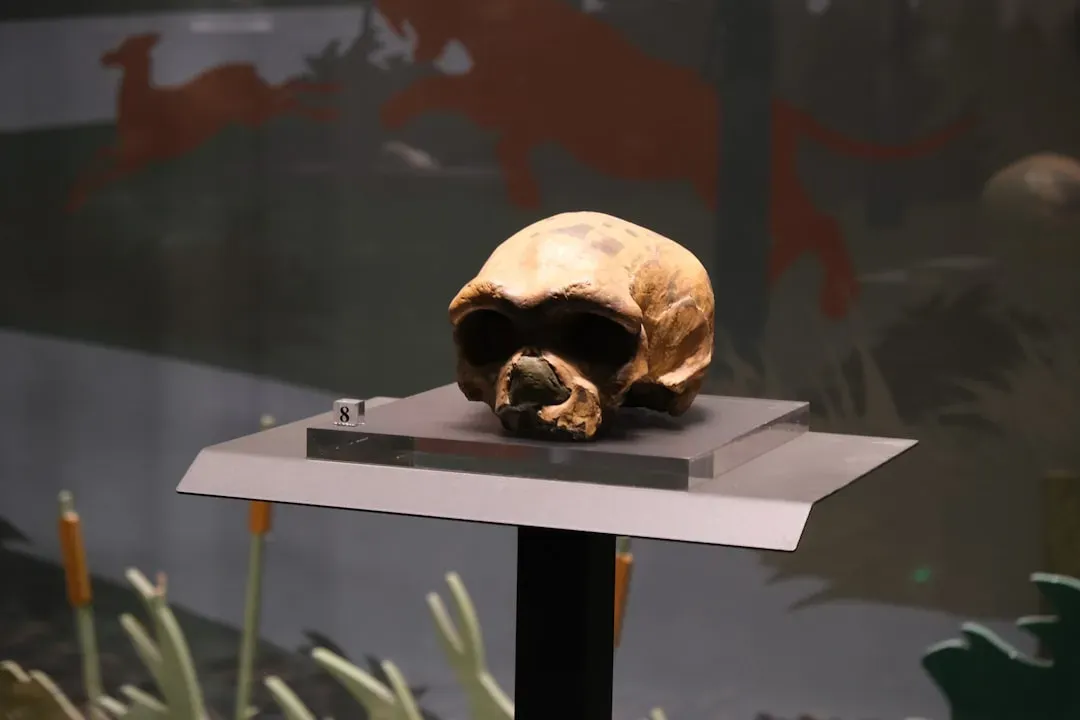
Every so often, a dig uncovers bones or tools that suggest humans – or at least human relatives – were somewhere far earlier than textbooks admit. Maybe it is a fossil that looks suspiciously modern in a layer of rock that should be too old, or stone tools where no one expects them. These finds can be scientifically real but still end up sidelined, not because of some grand conspiracy, but because they clash with neat, well‑established migration timelines. Museums tend to build exhibits around consensus, not outlier data that sparks endless academic fights.
Instead of putting a controversial jawbone or odd skull fragment on display with a big question mark, curators often keep them in research collections until more evidence piles up one way or the other. From a scientist’s point of view, that’s cautious and reasonable. From a visitor’s point of view, it feels like the most exciting part of the story – the messy period when we are not quite sure what we are looking at – never appears in public. The irony is that the fossils that most directly challenge our assumptions about human origins are often the ones least likely to be seen in a glass case.
#5: Artifacts Suggesting Pre‑Columbian Contacts Across Oceans
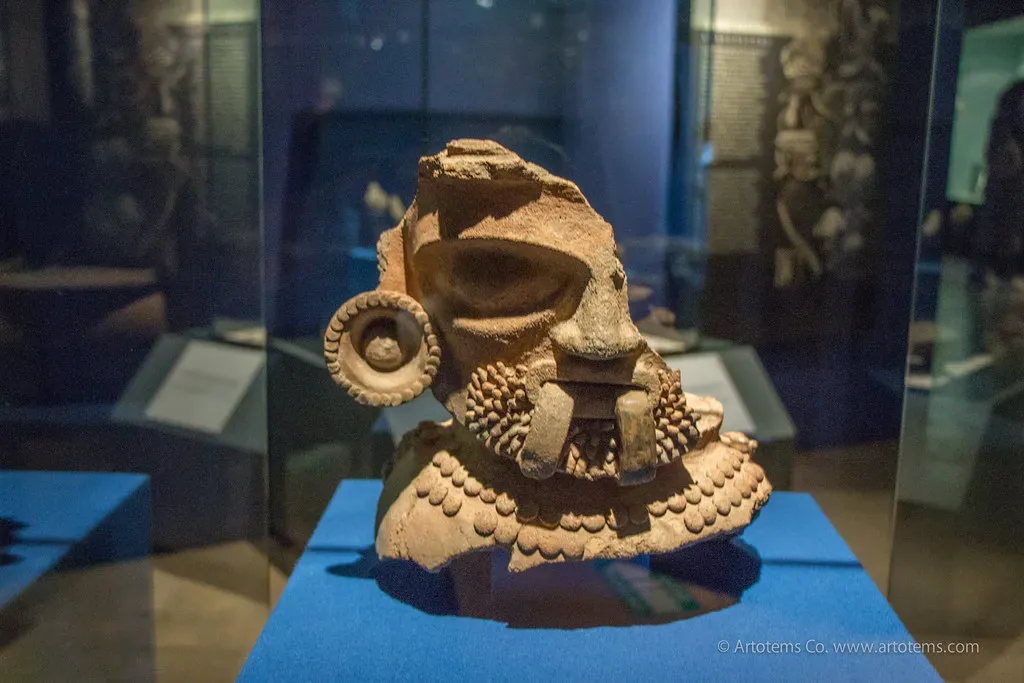
People love the idea that ancient civilizations were secretly connected: Egyptians reaching the Americas, Chinese fleets quietly mapping the Pacific, or sailors from forgotten cultures trading art and ideas worldwide. Here and there, certain artifacts seem to feed that imagination – stones with puzzling inscriptions, coins found in odd places, pottery styles that look unexpectedly familiar across continents. A few of these items sit in museum storerooms, tagged and logged, essentially too controversial to showcase without a wall of disclaimers.
Most archaeologists lean hard toward caution: one strange object does not overturn decades of evidence about when large‑scale trans‑oceanic contact really began. Museums, worried about fueling pseudoscience or conspiracy theory rabbit holes, frequently decide not to put these finds on display at all. As a result, there is a quiet divide between what the public gets told – that distant cultures were generally isolated until relatively recently – and the more chaotic reality in the archives, where oddities pile up that may represent anything from misidentification to isolated, tantalizing hints of voyages we never recorded.
#6: Religious Relics That Challenge Official Narratives
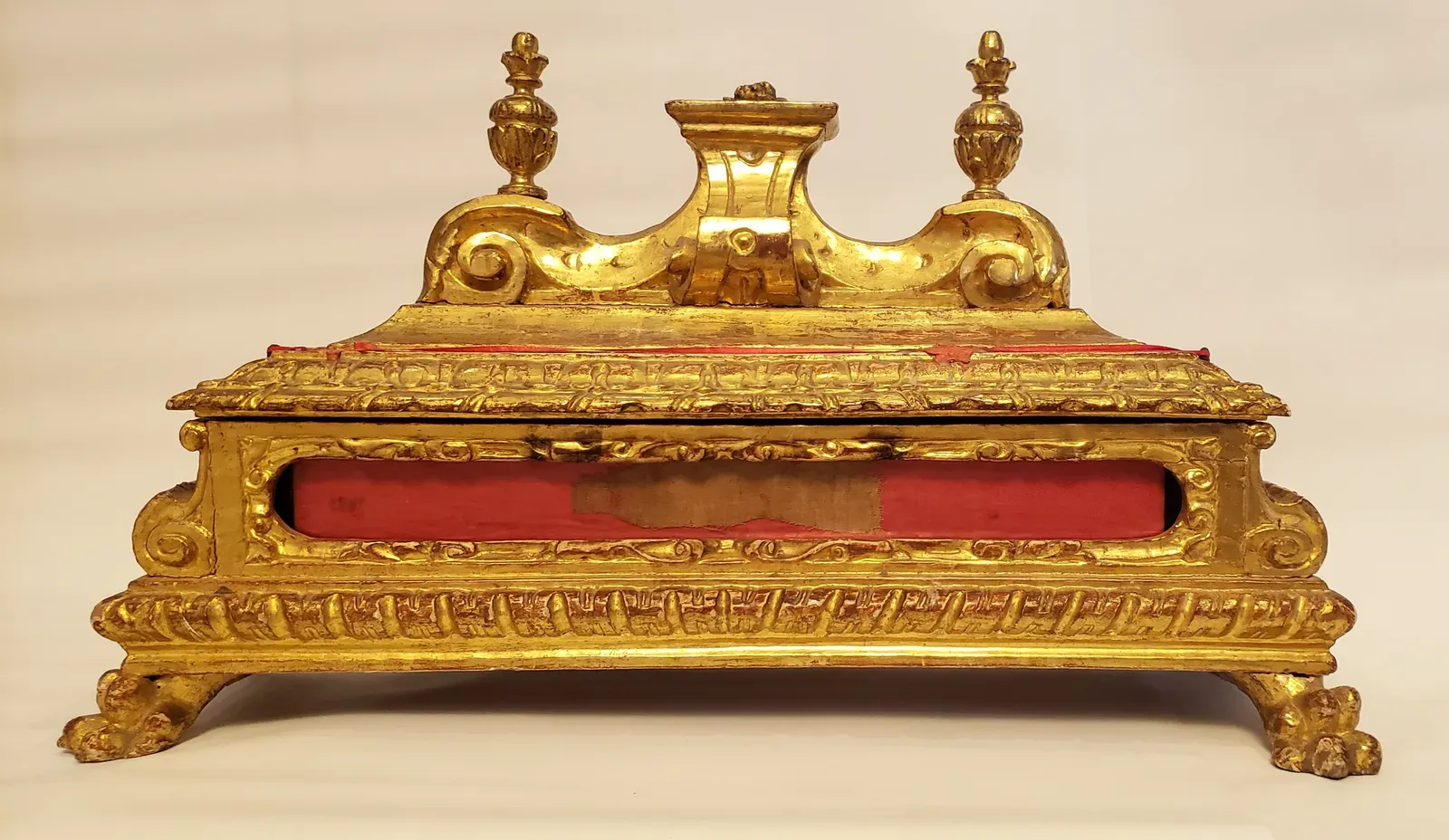
Religious history in museums is usually presented as a clean timeline: a sequence of beautiful objects that illustrate how belief evolved through the centuries. But behind the scenes, there are fragments and texts that do not fit quite so neatly. Early manuscripts with alternative versions of famous stories, relics once claimed to be from revered figures but later doubted, or devotional objects hinting at practices modern authorities prefer not to emphasize. Exhibiting these items can quickly turn a quiet gallery into a theological minefield.
Many institutions simply do not want to be in the position of picking sides in religious debates. Displaying a relic with a label that reads “authenticity disputed” risks angering believers, while presenting it as unquestionably real may upset scholars who know the doubts. So the compromise, more often than not, is invisibility: such objects remain in study rooms and vaults, used by researchers but never acknowledged to regular visitors. It is a cautious strategy, but it also means the public gets a heavily edited version of how complicated and messy religious history really is.
#7: Forgeries So Convincing They Embarrassed the Experts
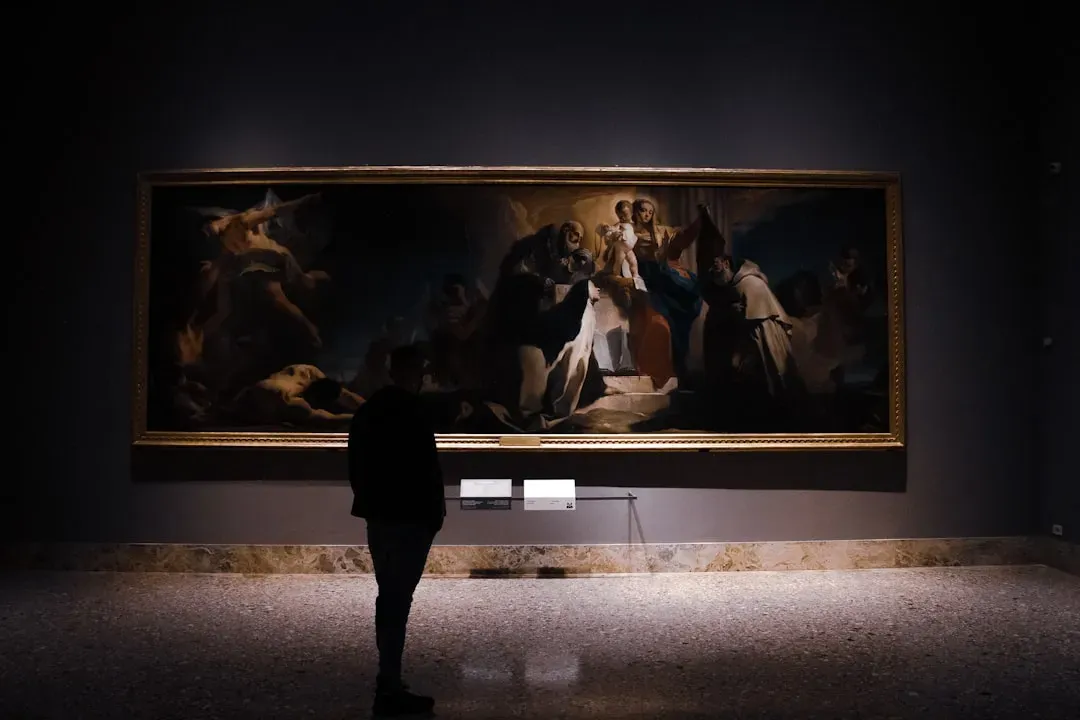
One of the most bruising experiences for any museum is discovering that a star piece – a revered sculpture, a rare manuscript, an “ancient” painting – turns out to be a cleverly crafted fake. In the past, some institutions proudly showcased artifacts that were later exposed as forgeries through better dating techniques or new stylistic analysis. When that happens, the object is almost always pulled from public view immediately, if only to stop reinforcing a false narrative and spare the institution further humiliation.
These disgraced pieces do not always get thrown away, though. Instead, they often move into educational or conservation collections where specialists study them as examples of how fakery works. Ironically, they become historically interesting in a different way, revealing how tastes, expectations, and scientific tools have changed. Still, you rarely see a gallery devoted to “our biggest mistakes,” even though it would probably be one of the most popular rooms in the building. Pride, reputation, and donor politics all push museums to keep their worst misjudgments hidden behind staff‑only doors.
#8: Human Experiments and Medical Specimens with Disturbing Pasts
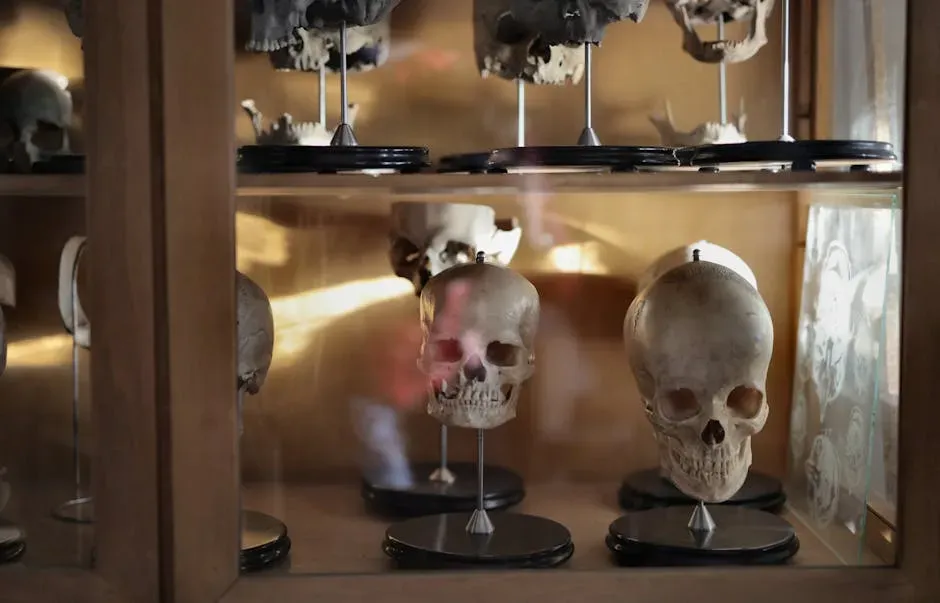
Museums that deal with medicine and science often inherit collections built during eras when ethics looked very different from today. This can include preserved organs from executed prisoners, remains from people who never consented to autopsy, or specimens taken from patients in colonial hospitals and asylums. Some of these jars and slides are historically significant because they document diseases or procedures from a different time. Others are simply grim reminders of how easily curiosity can turn into exploitation when the subjects have no power.
Putting such specimens on display raises hard questions: are we honoring victims by telling the story honestly, or re‑objectifying them as curiosities once again? Many institutions quietly choose a middle route. They highlight a few carefully contextualized examples in their galleries and keep the worst of it in restricted collections, accessible only to researchers. It is an understandable compromise, but it also means the public rarely confronts just how intertwined the history of medicine is with inequality, coercion, and outright abuse.
#9: Skeletons from Anonymous Mass Graves
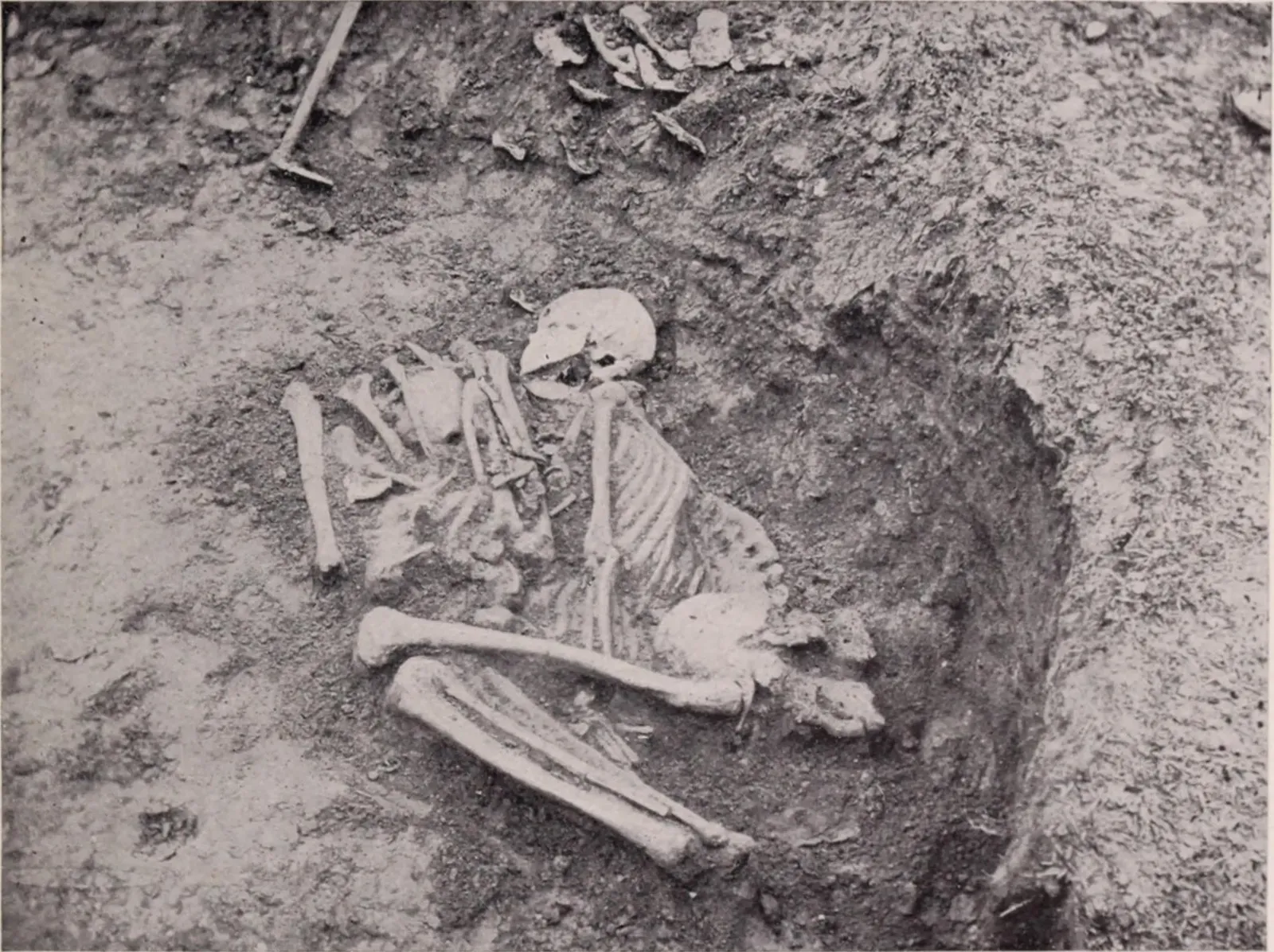
Archaeologists regularly encounter mass graves: victims of war, famine, plague, or social cleansing. In some cases, these discoveries end up as powerful exhibits about a specific event, especially when identities can be linked to historical records. But when the dead are anonymous, and the violence that killed them is politically sensitive or still within living memory, museums tend to pull back. The remains may be boxed, studied, and reburied – or, in some cases, simply stored indefinitely with minimal fanfare.
There is also the raw emotional reality to consider. Asking visitors to file past shelves of skeletons killed in atrocities is not just upsetting; it can easily feel exploitative. Institutions face a tough choice between bearing witness and turning human tragedy into spectacle. Many err on the side of caution, meaning that some of the most direct, physical evidence of violence in the past remains in clinical storage rather than public view. In an era that talks a lot about “never again,” that quietness can feel uncomfortably close to forgetting.
#10: Art and Artifacts Tainted by Nazi Looting
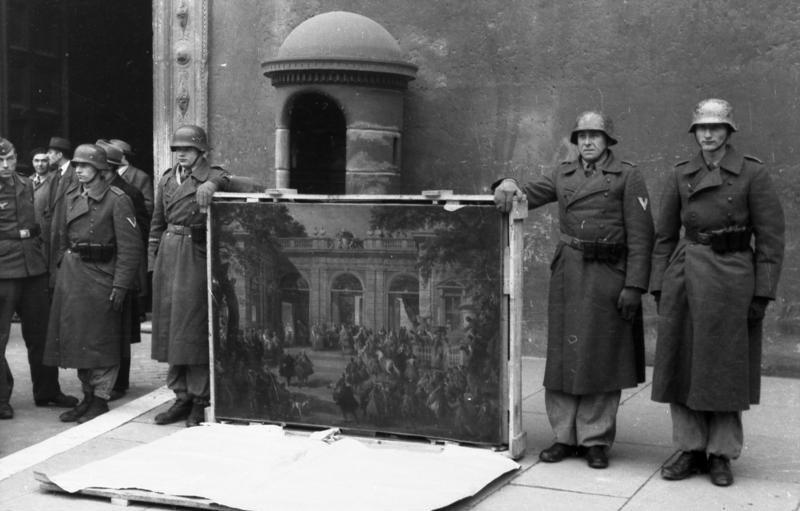
Since the middle of the twentieth century, museums in Europe and North America have had to reckon with the fact that many artworks in their collections passed through Nazi hands. Some pieces were directly confiscated from Jewish families, others sold under duress or laundered through intermediaries. Provenance research has improved dramatically, and a growing number of museums now work to return looted art. But the items whose histories are known and yet not fully resolved often do not make it to the main galleries.
Curators understand that hanging a painting with a label quietly hinting at Nazi‑era theft would ignite public and legal pressure. So instead, disputed works may be kept off display while negotiations play out – or while institutions simply hesitate, hoping no one digs too deeply. This is where ideals about transparency collide with institutional self‑protection. The result is a hidden layer of the collection that is deeply tied to one of the darkest chapters in modern history, but remains largely invisible to regular museum visitors who assume they are seeing the full story.
#11: Censored Political Propaganda from Every Side
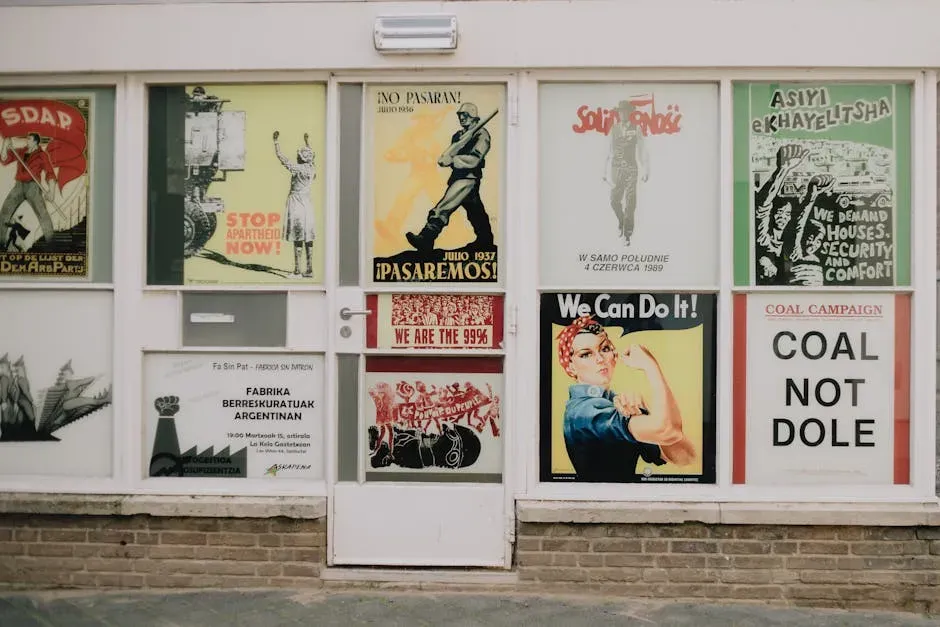
Political propaganda is one of the clearest mirrors we have of any society’s fears and fantasies. Posters demonizing enemies, children’s books dripping with stereotypes, sculptures glorifying dictators: all of this material is historically important. Yet museums are often deeply reluctant to show it without heavy framing. Staff worry, sometimes with good reason, that visitors could misread these pieces as endorsements, or that extremist groups might seize on them as rallying symbols rather than cautionary examples.
Because of that, large caches of propaganda often stay in archives, accessible mainly to researchers. This includes material from democracies as well as dictatorships, since no political system has completely clean hands when it comes to manipulation. When propaganda does make it to the gallery walls, it is usually a carefully selected, tamed sample, not the full unfiltered onslaught. Ironically, by hiding the most aggressive and vulgar materials, museums also soften the historical record of how extreme and dehumanizing political messaging can really be.
#12: Technological Prototypes That Never Should Have Existed

History of technology exhibits tend to focus on success stories: the first telephone, the first powered flight, the early computers that changed everything. But tucked away in storage you will often find prototypes and patent models that feel more like nightmares than progress. These might be early attempts at crowd‑control weapons, devices designed to monitor workers in invasive ways, or machines that blurred ethical lines so badly that they were abandoned once public opinion shifted.
Museums hesitate to display these objects because they raise uncomfortable questions about the darker directions innovation can take, especially when profit and power outpace regulation. At the same time, hiding them creates a distorted narrative where technology looks cleaner and more noble than it really is. I remember walking through a small museum once and being struck by a simple, forgotten device used to track factory employees’ every move; it felt eerily similar to debates about digital surveillance today. Those jarring echoes are exactly why some prototypes stay tucked away – they hit too close to home.
#13: Misinterpreted “Mystery Objects” That Fueled Myths
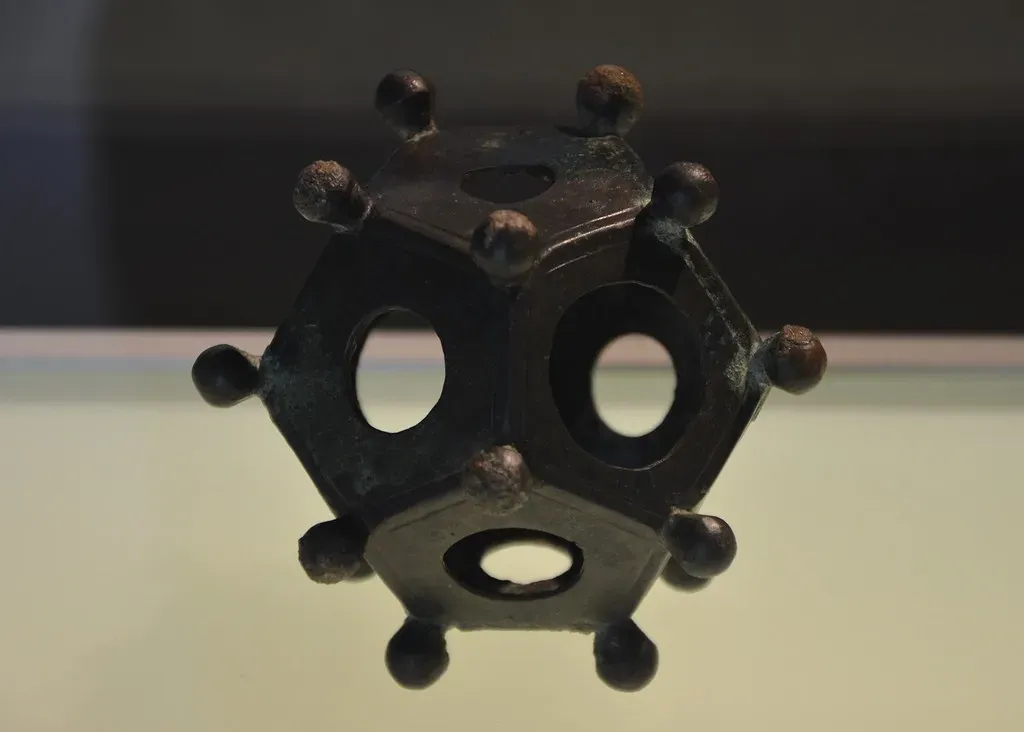
Every curator knows the seduction of the mystery object: a fragment that no one can quite identify, a tool whose purpose has been lost, an inscription that refuses to be decoded. In the past, some of these pieces were hyped as evidence for lost civilizations or exotic rituals. Over time, better archaeology or simple common sense often provided more ordinary explanations. Yet by then, the legends had taken root in newspapers, documentaries, and enthusiast circles. Having to walk back those stories in public is awkward, to put it mildly.
Rather than admit a change of heart on the gallery floor, many museums quietly retire these once‑famous curiosities. They end up back in drawers, labeled with far more mundane descriptions than the ones that first made them famous. There is a lesson here about how easily our desire for mystery can override patient research. The objects themselves did not lie; our interpretations did. Still, institutions often prefer to bury those missteps rather than turn them into a public lesson about how knowledge actually evolves.
#14: Personal Diaries and Letters That Are Too Revealing
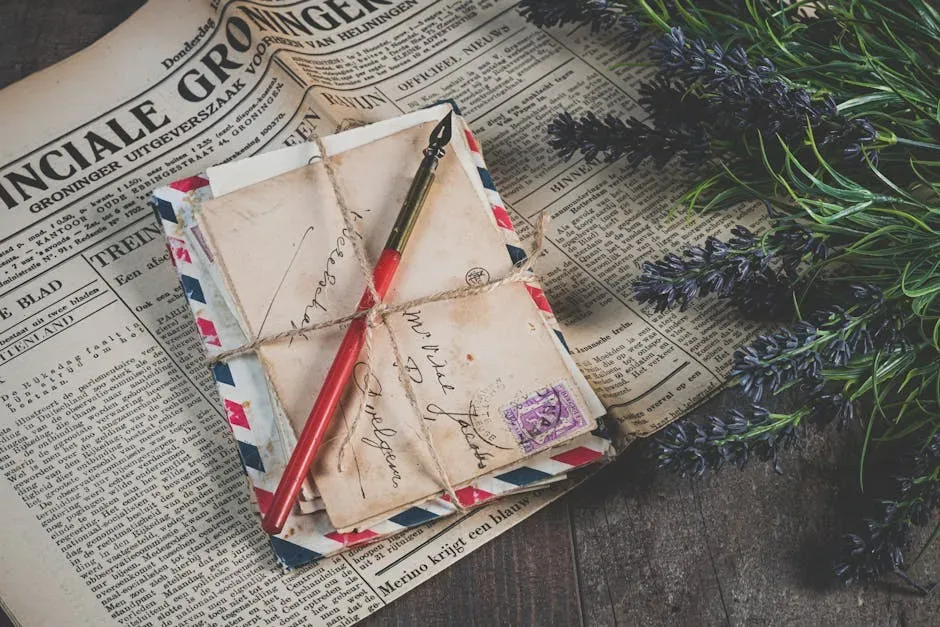
Some of the most explosive material in museum archives is not visual at all; it is written. Private letters, intimate diaries, and candid reports can completely upend the image of a historical figure or era. A beloved leader expressing bigoted views in a note, an artist admitting to plagiarism in a private journal, a scientist outlining doubts in a way that complicates later hero worship – these texts are dynamite. Legally, they may be available to researchers. Ethically and politically, putting them under museum lights is another question entirely.
Institutions walk a tightrope between honesty and respect, especially when families, donors, or national pride are involved. So these documents tend to stay in reading rooms and digital archives, accessible to determined scholars but invisible to casual visitors. The public galleries, meanwhile, stick to a cleaned‑up version of personalities and events. It is not exactly lying, but it is a highly selective truth. In an age obsessed with scandal, it is striking how much genuinely revealing material never leaves the back rooms.
#15: Finds from Still‑Disputed Borders and Occupied Lands
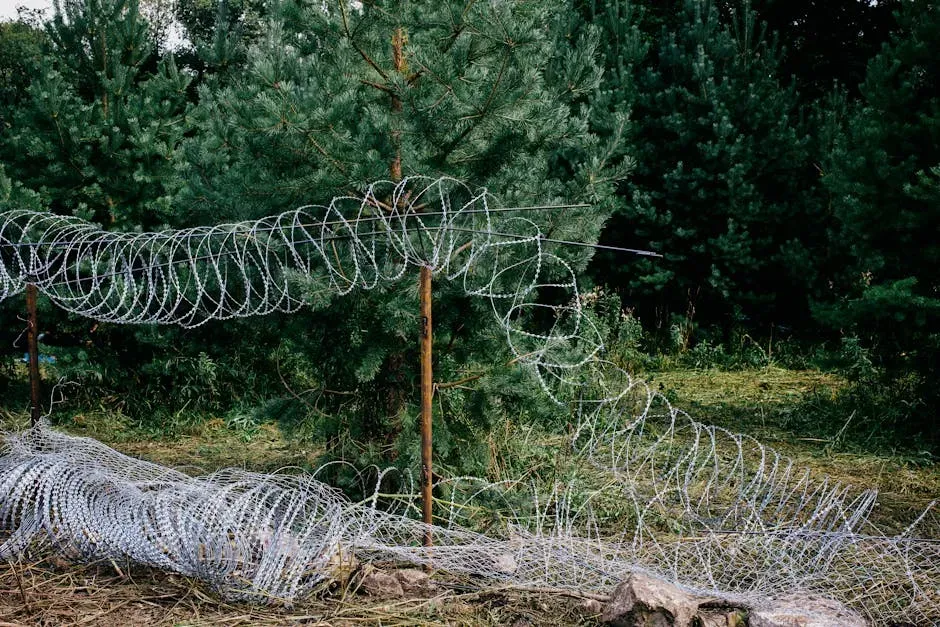
Archaeology does not happen on neutral ground. Digs often take place in regions where borders are contested or occupation is ongoing, and that means every artifact can become a political statement. If a museum puts an object on display and labels it as belonging to one modern nation, neighboring states or communities may see that as a provocation. In some cases, just acknowledging where the piece was excavated is enough to ignite diplomatic arguments or accusations of legitimizing occupation.
To avoid being dragged into geopolitical disputes, institutions sometimes keep these finds out of sight entirely. They may be catalogued in vague terms, with location details restricted, or they might remain in temporary storage for years while lawyers and diplomats argue over ownership. For visitors, this means that some of the most archaeologically rich and historically layered regions on earth are barely visible in galleries. The official reason is usually caution. The unspoken reality is that museums are terrified of being turned into battlegrounds for modern territorial claims.
#16: Remains of Recently Toppled Dictators and Regimes
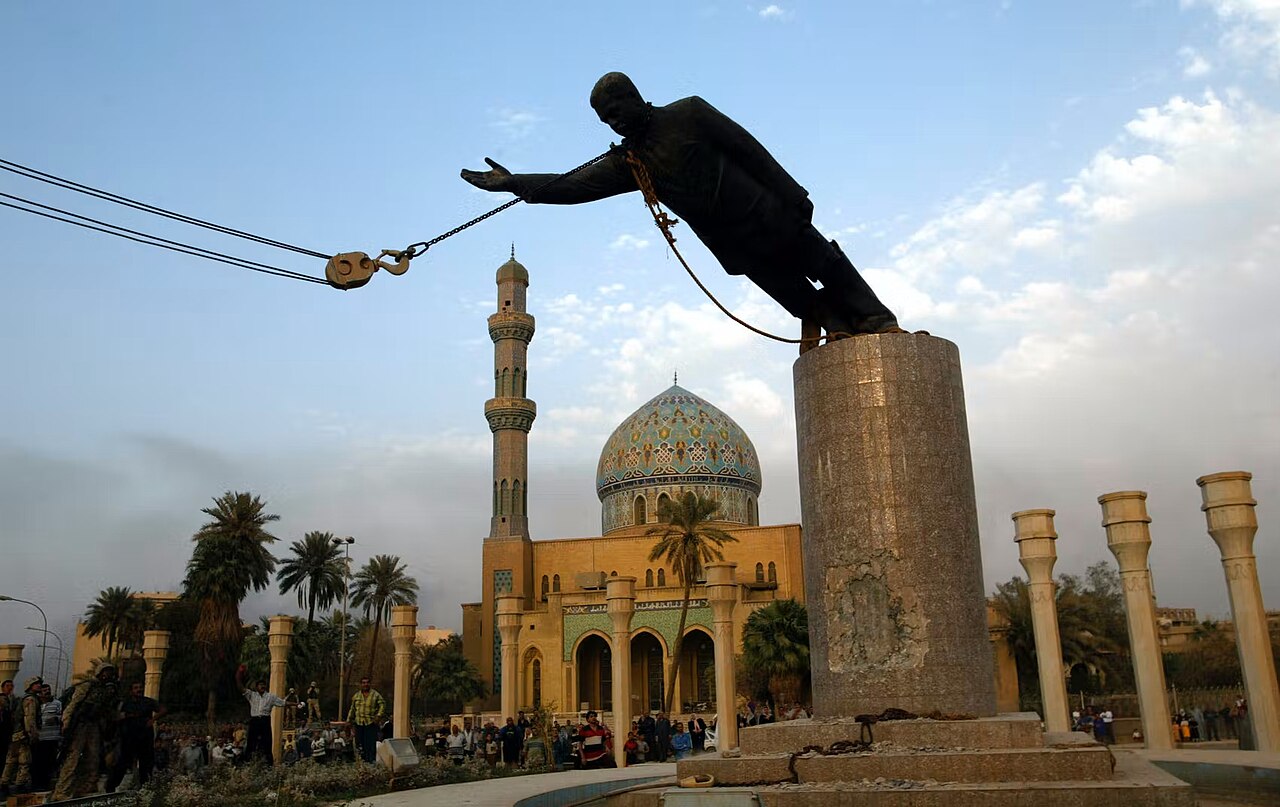
When a dictatorship falls, its symbols often fall with it: statues torn down, palaces looted, personal items scattered or seized. Museums sometimes end up with an uncomfortable haul – military uniforms, gifts from foreign leaders, portraits, even household objects that belonged to the former rulers. Exhibiting these materials too soon risks either glorifying a hated figure or reopening fresh wounds for people who suffered under their rule. The timing is politically explosive, and curators know it.
As a result, these items may be stored quietly, waiting for a future moment when emotions are less raw and historians can frame them with more distance. Some never make it that far, especially when new governments want to erase every trace of the old regime. Personally, I think hiding them entirely is dangerous; it makes it easier to forget how quickly personality cults can take root. But I understand why, in the immediate aftermath of upheaval, museums decide that locking controversial symbols away feels safer than asking a traumatized society to walk past them on a weekend outing.
#17: Uncomfortable Evidence of Everyday Complicity
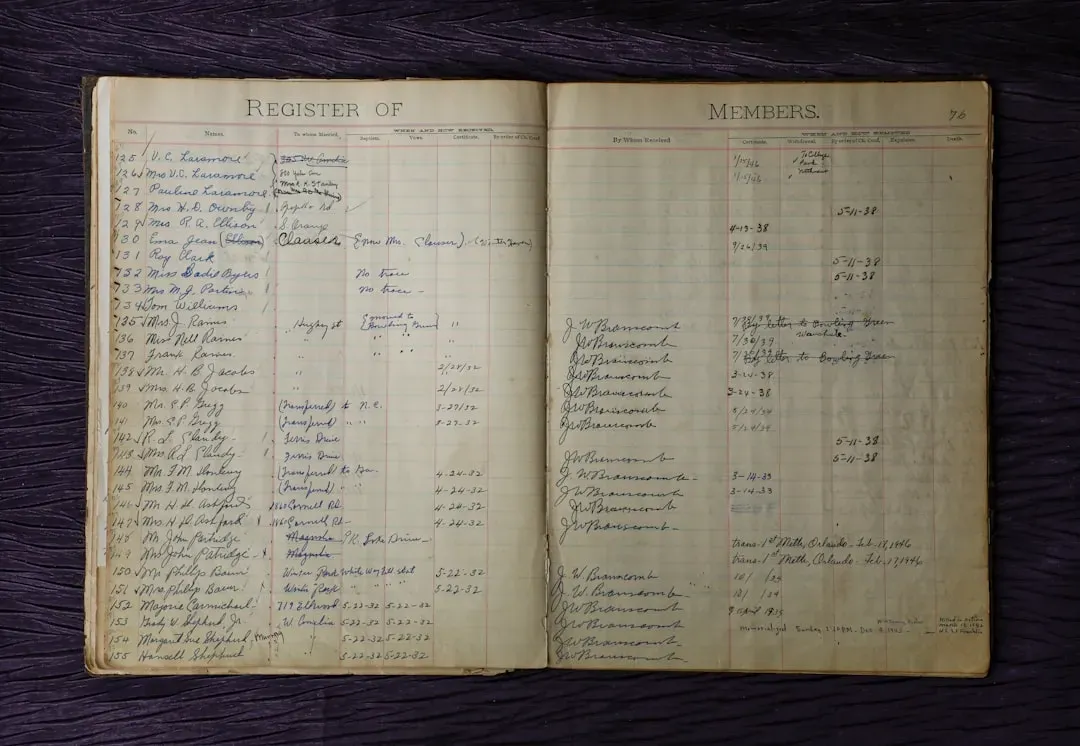
Perhaps the most disturbing hidden discoveries are not the spectacular ones, but the ordinary objects that show how regular people helped sustain injustice. A ledger calmly listing the sale of enslaved people, factory tools used in child labor, advertising materials that normalized brutal stereotypes – none of these are glamorous. They do not offer the drama of treasure or the shock value of skeletons. What they do offer is something far more unsettling: a mirror. They show how systems of harm rely on millions of small, routine decisions.
Museums often underplay this everyday complicity because it hits too close to home for modern audiences. It is easier to condemn a long‑dead tyrant than to reckon with the idea that our own comfort might be built on similar patterns. So these objects stay in study collections or appear only in temporary, tightly framed exhibitions. In my view, this is the real scandal of what stays off display. The pieces that could most clearly connect past injustice to present habits are the ones we are least likely to see, precisely because they make it hard to walk out of the building feeling smug about how far we have come.
Conclusion: The Past We Choose to See – and the Past We Bury
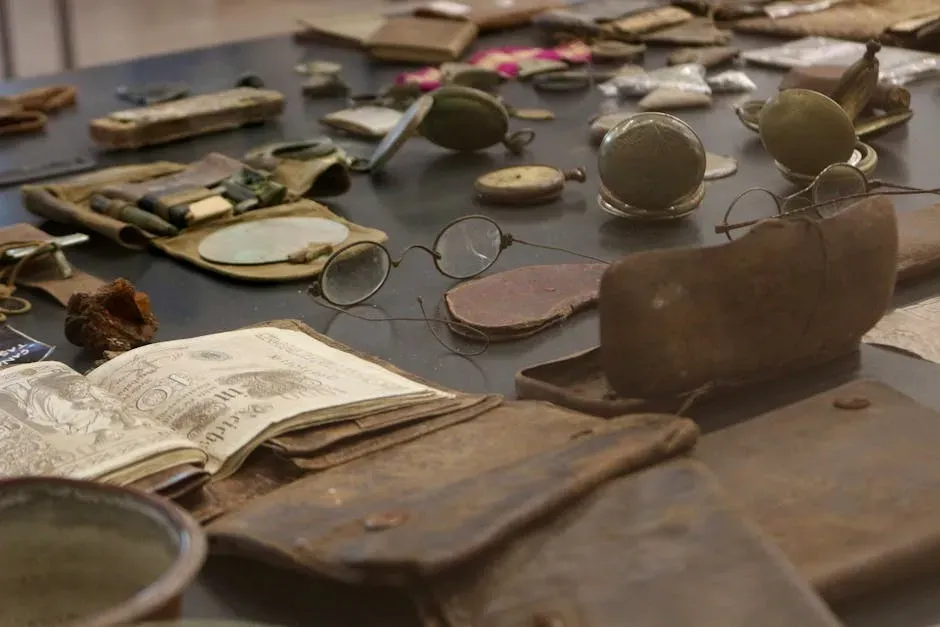
When you walk through a museum, it is tempting to believe you are seeing history as it really was. In truth, you are seeing what institutions feel safe and comfortable showing right now. Human remains collected in cruel ways, sacred Indigenous objects kept far from home, disputed art with Nazi‑era ghosts, and artifacts dug from contested ground all remind us that collecting is never neutral. What sits in the galleries is only the polished tip of an iceberg built on politics, prejudice, and hard choices about what stories a society is ready to hear.
I do not think most museums are run by villains hiding “forbidden truths” for fun; more often, they are cautious, risk‑averse, and sometimes cowardly in ways that mirror the rest of us. Still, that is exactly why we should be more skeptical every time we are told that a display shows the whole picture. Maybe the most responsible way to visit a museum is with one nagging question in mind: not just “What am I seeing?” but “What am I not allowed to see – and why?” Did you expect that the most revealing parts of our shared past might be the very ones left in the dark?