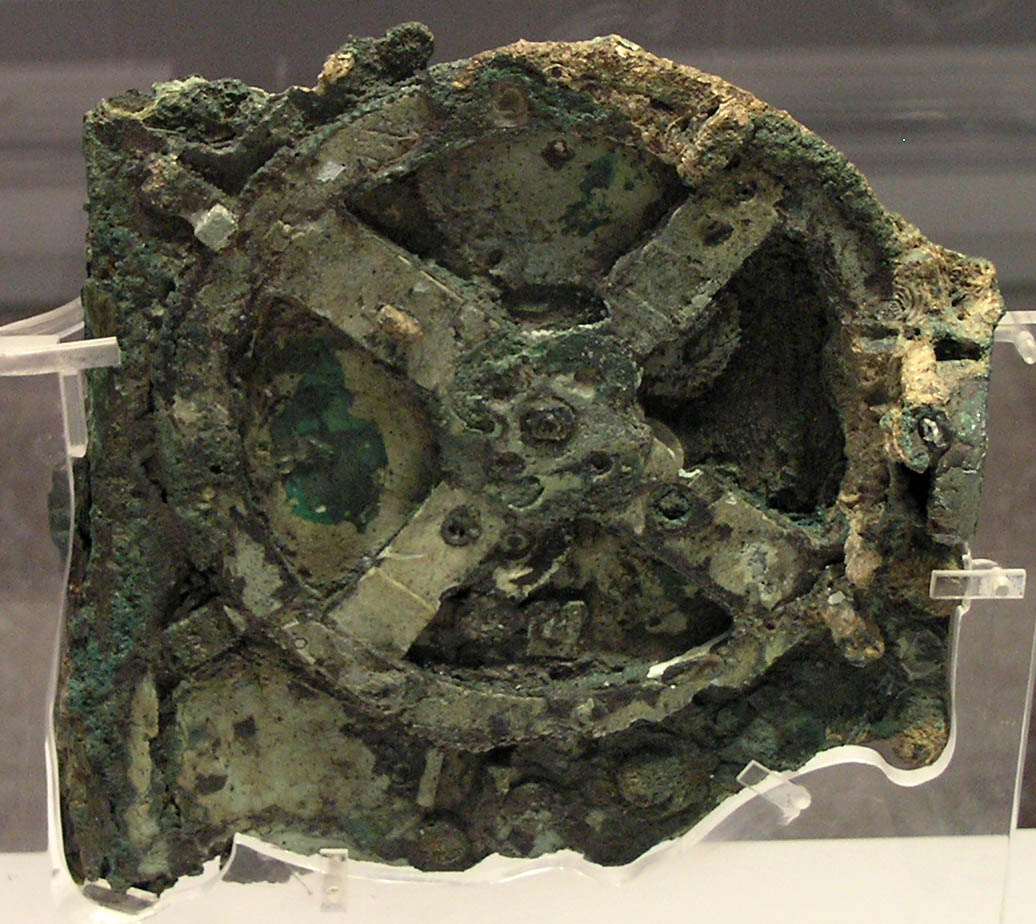
I still remember the first time I saw a photo of the Antikythera Mechanism. My gut reaction was the same as many early researchers: there’s no way that thing is really ancient. It looked too clever, too cleanly “modern” to have sat on the seafloor for two thousand years. That pattern shows up again and again in archaeology: when the past looks uncomfortably advanced, our first instinct is to call it fake.
In this article, we’ll walk through sixteen real artifacts that triggered exactly that reaction. Some were dismissed as forgeries because the craftsmanship seemed impossible for their era. Others clashed so hard with accepted timelines that even seasoned archaeologists hesitated to believe their own eyes. Yet careful analysis, better dating techniques, and a bit of humility eventually forced experts to concede: the objects were genuine, and our assumptions were the real problem.
#1 The Antikythera Mechanism: The “First Computer” That Looked Too Good To Be True
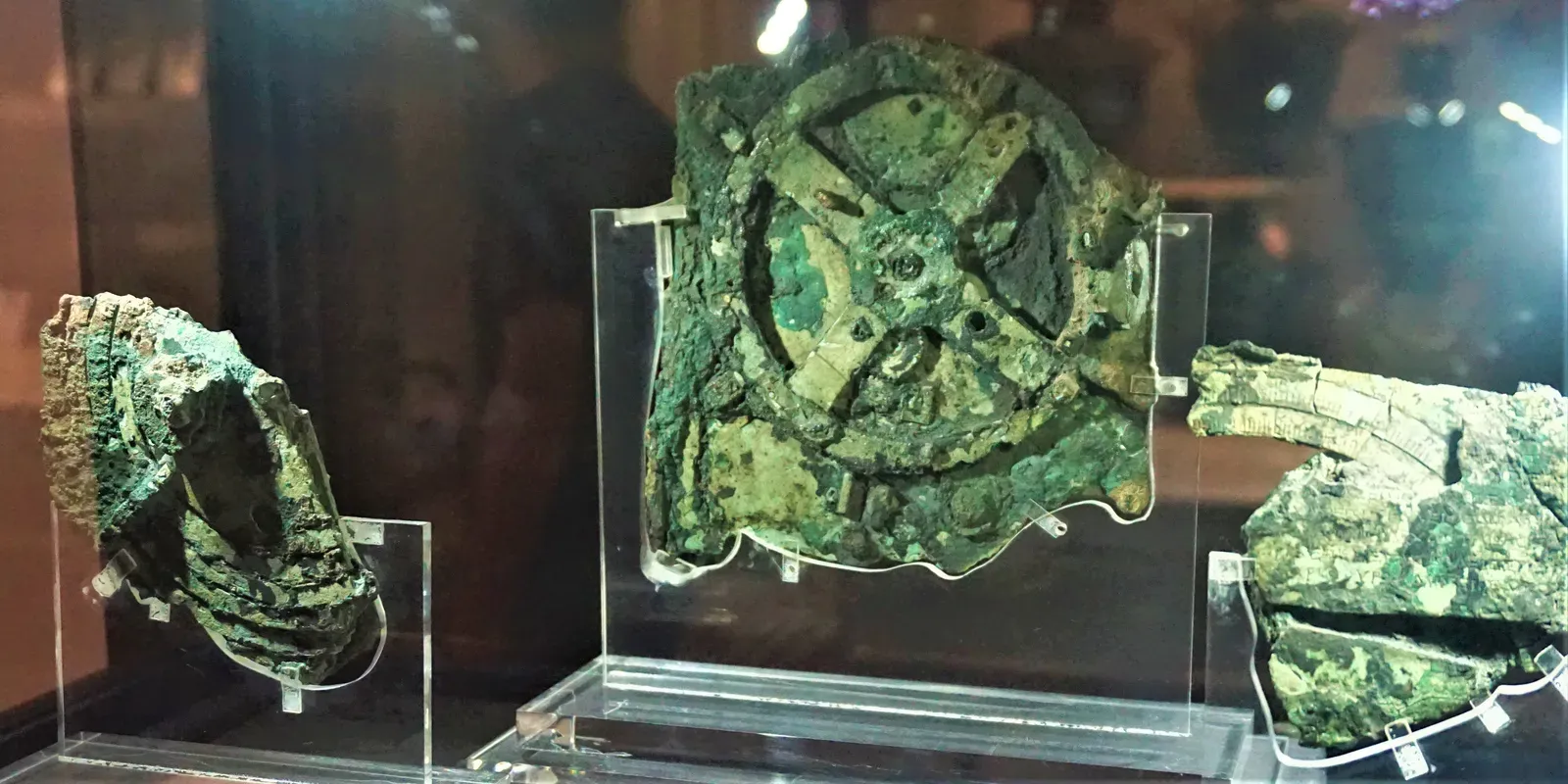
When Greek sponge divers pulled corroded bronze lumps from a Roman-era shipwreck off Antikythera in 1901, nobody expected a precision device hiding inside them. Only years later did researchers notice an intricate gear wheel embedded in one of the fragments, a find so unexpected that some scholars quietly wondered whether a more modern object had somehow contaminated the wreck. The idea that Hellenistic craftsmen had built a complex gear-driven calculator felt almost offensive to established timelines of technology.
Decades of X‑ray tomography, microscopic inscription analysis, and mechanical reconstruction finally settled the question: the Antikythera Mechanism is authentic, dates to roughly the second century BCE, and was capable of predicting eclipses, tracking lunar cycles, and modeling celestial motions with astonishing sophistication. That level of precision gearing was thought to have appeared more than a thousand years later in Europe, which explains why many experts initially leaned toward hoax or misidentification. Today it stands as a humbling reminder that we underestimated ancient Greek engineering, not the other way around.
#2 The Phaistos Disc: A Spiraled Message Many Thought Was A Clever Fake
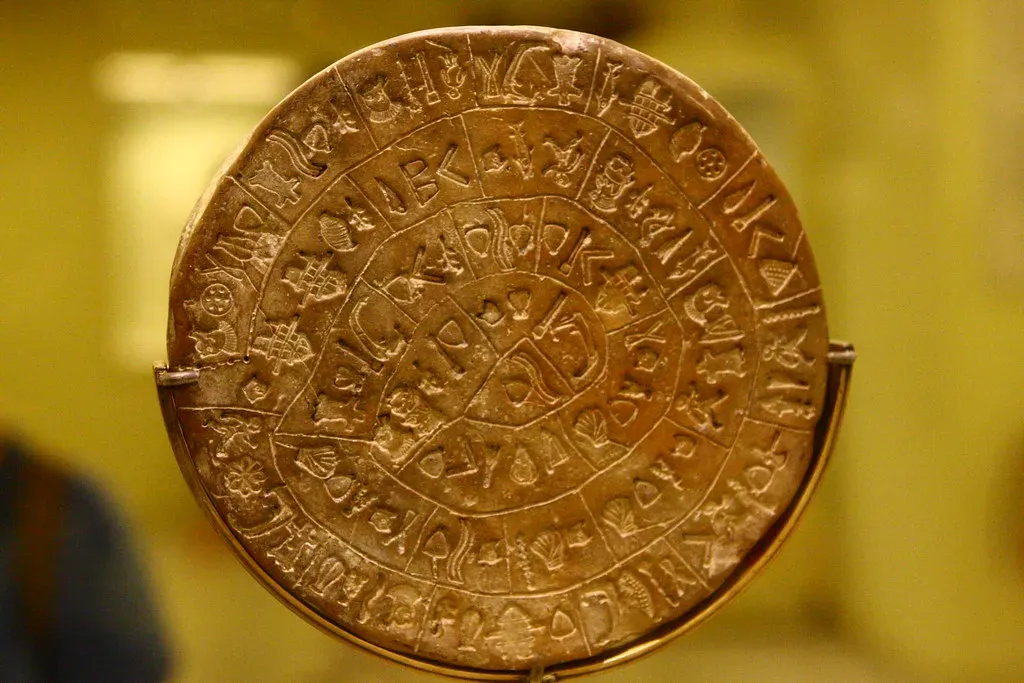
Discovered in 1908 in the Minoan palace of Phaistos on Crete, the Phaistos Disc is a fired clay disk stamped on both sides with spiraling rows of mysterious symbols. The unusual format, combined with its seemingly unique writing system, made it an instant magnet for suspicion. Some early scholars suggested a modern trickster had slipped it into the excavation, arguing that no other known artifact used anything like its movable-type-style stamps.
Over time, careful analysis of the clay, firing technique, and stratigraphic context supported an origin in the Late Bronze Age. Microscopic wear, firing irregularities, and the match with other Minoan materials all argue against a modern forgery, even if the script itself remains undeciphered. The real sticking point for many researchers was psychological: it resembled a kind of “printed” text far more familiar to a twentieth‑century mind than to our picture of Bronze Age bureaucracy. In the end, the disc forced archaeologists to accept that unique, one‑off experiments in technology can and do appear in the ancient record.
#3 The Nebra Sky Disc: Bronze Age “Star Map” Branded a Forgery at First Glance
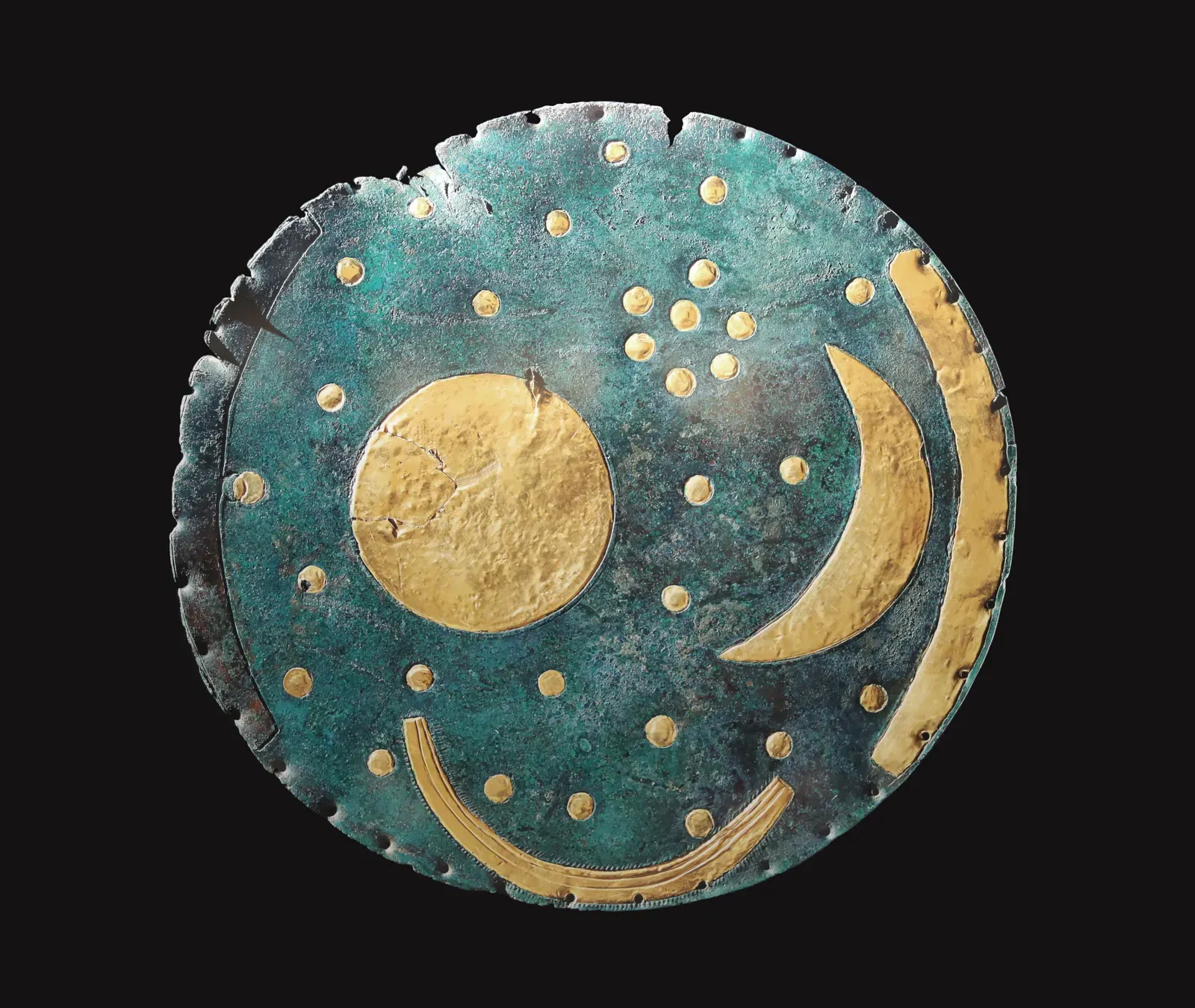
When the Nebra Sky Disc emerged from the black market in Germany in the late 1990s, even some experts dismissed it as a too-perfect New Age fantasy. A bronze disk inlaid with gold symbols interpreted as the sun, moon, and star cluster of the Pleiades sounded exactly like the kind of thing crafty forgers dream up to impress wealthy collectors. Its suspiciously cinematic look made archaeologists wary.
But as the disc was recovered by authorities and examined properly, the details began to line up. Metallurgical studies showed the bronze and gold matched Bronze Age technologies, and soil residues linked it to a legitimate hoard context near Nebra in Saxony-Anhalt. Subsequent research suggested it may have functioned as an astronomical aid, helping synchronize solar and lunar calendars. What began as a suspected scam turned into one of the most important prehistoric sky maps ever found, simply because scientists took the time to test their doubts rather than trust their first impressions.
#4 The Baghdad “Batteries”: Too Much Like Modern Tech To Be Ancient?
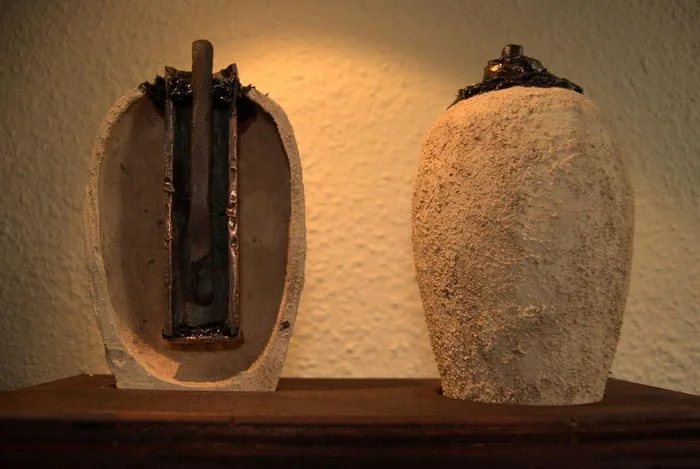
In the 1930s, excavations near Baghdad turned up ceramic jars containing copper cylinders and iron rods, with traces of acidic residue. The famous interpretation that these might be primitive galvanic cells, or “batteries,” immediately met with skepticism. Many archaeologists dismissed the idea as sensationalist and suggested the jars were ritual or storage vessels, with any electrical resemblance being pure coincidence. The notion of ancient electrical devices sounded like tabloid science, so accusations of hoax or wild misreading followed quickly.
Laboratory experiments later showed that replicas of the jars can indeed produce a small electrical current when filled with acid or grape juice, lending some plausibility to the “battery” hypothesis. Yet the truth is more nuanced: there is still debate over whether electricity was their real purpose or a modern projection onto ambiguous artifacts. What is clear is that the jars themselves are genuinely ancient, and the hoax label reflected discomfort with a narrative that made the past look technologically inventive in ways we did not expect, rather than any concrete evidence of forgery.
#5 The Voynich Manuscript: So Strange It Was Branded A Modern Forgery
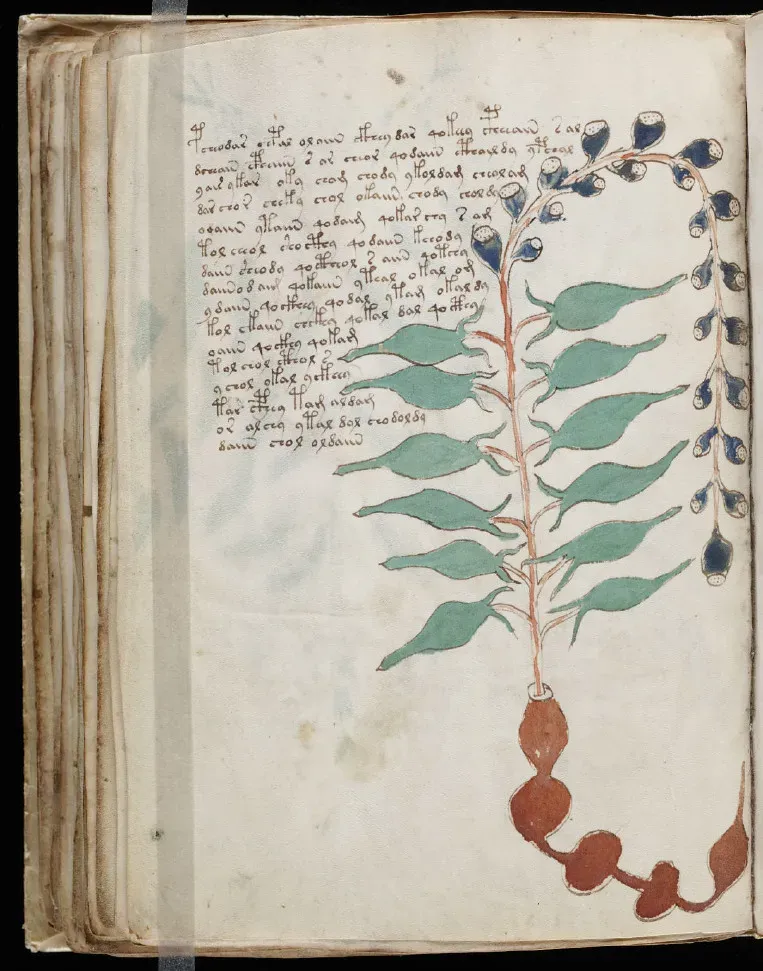
Discovered by book dealer Wilfrid Voynich in 1912, this illustrated codex filled with unknown script, bizarre plants, and astronomical diagrams quickly earned a reputation as the ultimate scholarly headache. Many linguists and historians privately suspected it was a cleverly constructed hoax, perhaps from the Renaissance or even the nineteenth century, created to dupe collectors. The script seemed too consistent yet unreadable, as if someone had engineered nonsense that merely looked like language.
Radiocarbon dating of the vellum, however, places the manuscript firmly in the early fifteenth century, and detailed ink analysis supports a genuinely medieval origin. Statistical studies of the script’s structure suggest it behaves more like an unknown language or sophisticated cipher than random gibberish. The hoax hypothesis has never fully died – mysteries attract contrarians – but the physical evidence now heavily favors authenticity. The real problem, yet again, is that the content does not fit comfortably into any known tradition, which made “it must be fake” an easy, if lazy, early conclusion.
#6 The Shroud of Turin: From Pious Relic to Alleged Fraud and Back Again
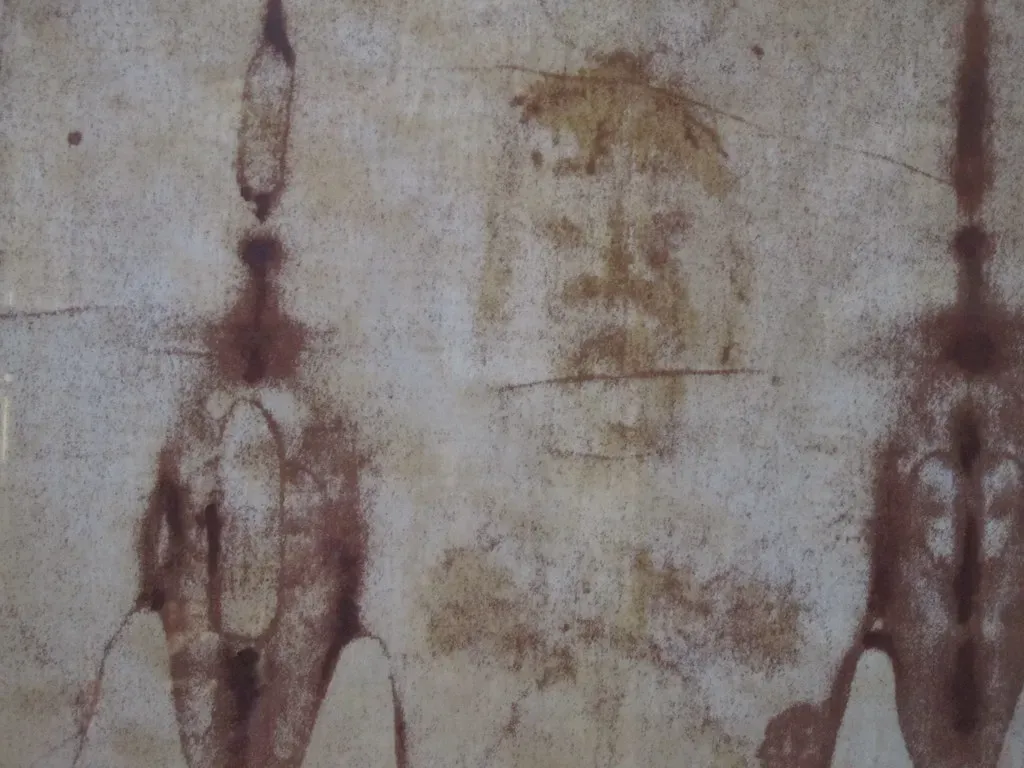
The Shroud of Turin, bearing the faint image of a crucified man, has been claimed for centuries as the burial cloth of Jesus. Modern science entered the debate in the late twentieth century with radiocarbon dating that pointed to a medieval origin, prompting many researchers to label it a pious forgery created for relic-hungry pilgrims. For some scientists, the case seemed closed: a beautiful, emotionally powerful, but ultimately fraudulent object.
Subsequent studies complicated that tidy story. Some researchers argued that the dating samples may have come from a repaired corner, while others highlighted unusual image characteristics that are hard to replicate with known medieval techniques. At the same time, there is still no broad scholarly consensus that the cloth is first-century in date, and skepticism remains strong. What matters here is not taking sides in a religious debate, but recognizing how quickly the artifact swung, in expert opinion, from sacred truth to obvious scam and then into a gray zone of “not so fast.” The shroud shows how our hunger for clear answers can push us into calling something a hoax even when the evidence is messy.
#7 The Crystal Skulls: Hollywood-Ready Objects That Turned Out Awkwardly Real… and Not
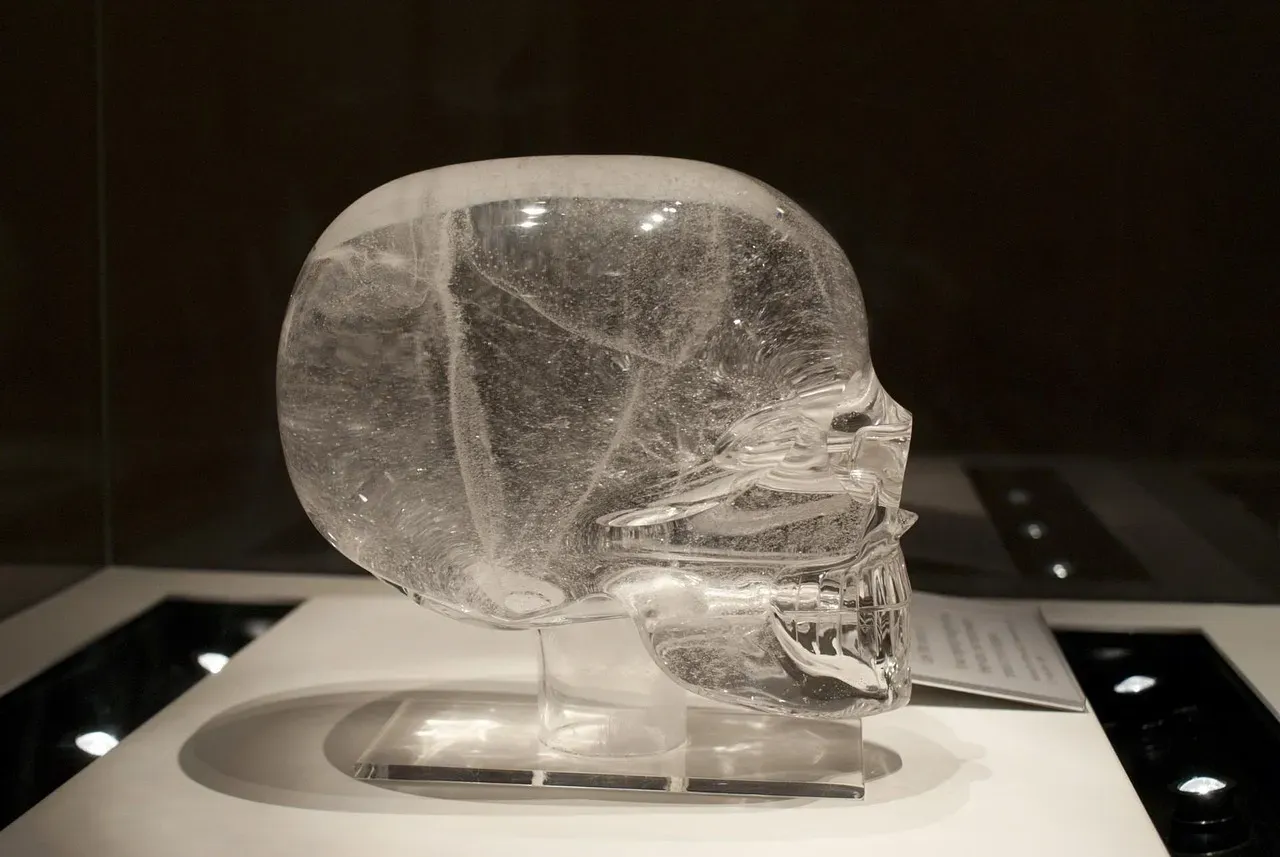
Carved crystal skulls, supposedly from ancient Mesoamerica, became famous in museums and private collections in the late nineteenth and early twentieth centuries. Their mesmerizing transparency and flawless symmetry felt almost futuristic, and curators were initially happy to showcase them as masterpieces of pre-Columbian craftsmanship. Only later, when scholars examined tool marks under magnification and compared them to known indigenous carving traditions, did alarm bells ring. The techniques looked more like rotary tools from modern workshops than stone-age abrasives.
Subsequent studies, especially of the most famous skulls in major museums, showed that many were probably carved in Europe in the nineteenth century from Brazilian or Mexican quartz. In this case, the initial enthusiasm for ancient wonders gave way to the opposite problem: once some skulls were proven modern, people began doubting them all. The cautionary takeaway is that a stunning object that perfectly aligns with romantic fantasies about “lost civilizations” is exactly the kind of piece that deserves extra scrutiny – and that forensic science, not gut feeling, has to be the final judge.
#8 The Vinland Map: A “Pre-Columbian” Map That Fooled Even the Best
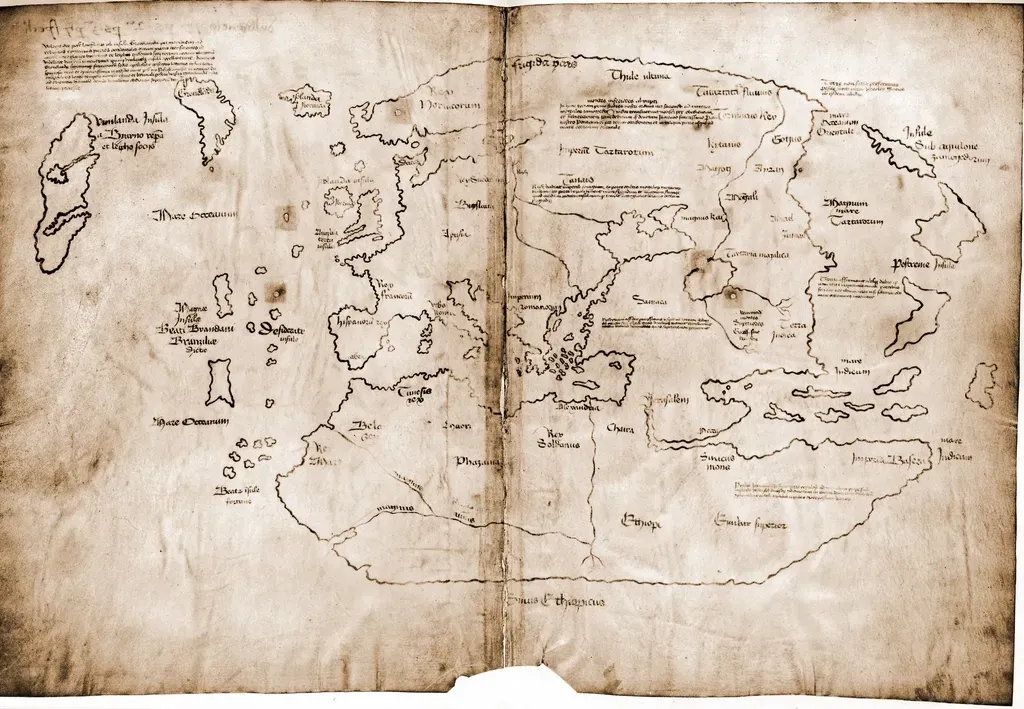
When the Vinland Map surfaced in the 1950s, purporting to show parts of North America drawn around the mid‑fifteenth century, it made international headlines. The map appeared to confirm Norse exploration of the New World long before Columbus, and for a time many scholars cautiously accepted it as possibly genuine. Yet a vocal minority suspected a modern hoax, pointing to unusual drawing styles and the tantalizing convenience of a find that fit so neatly into a dramatic narrative.
Detailed chemical analysis later revealed modern ink components, including titanium-based pigments that did not exist in medieval Europe, and stylistic discrepancies strengthened the case against authenticity. The consensus today is that the Vinland Map is not a genuine medieval artifact, making it one of the clearest examples of a sophisticated modern forgery that temporarily infiltrated the scholarly mainstream. Ironically, archaeology has since confirmed real Norse presence in North America through authentic sites like L’Anse aux Meadows, reminding us that genuine evidence can coexist with fakes that exploit the same storyline.
#9 The Roman Dodecahedra: So Mysterious They Were Assumed To Be Fakes
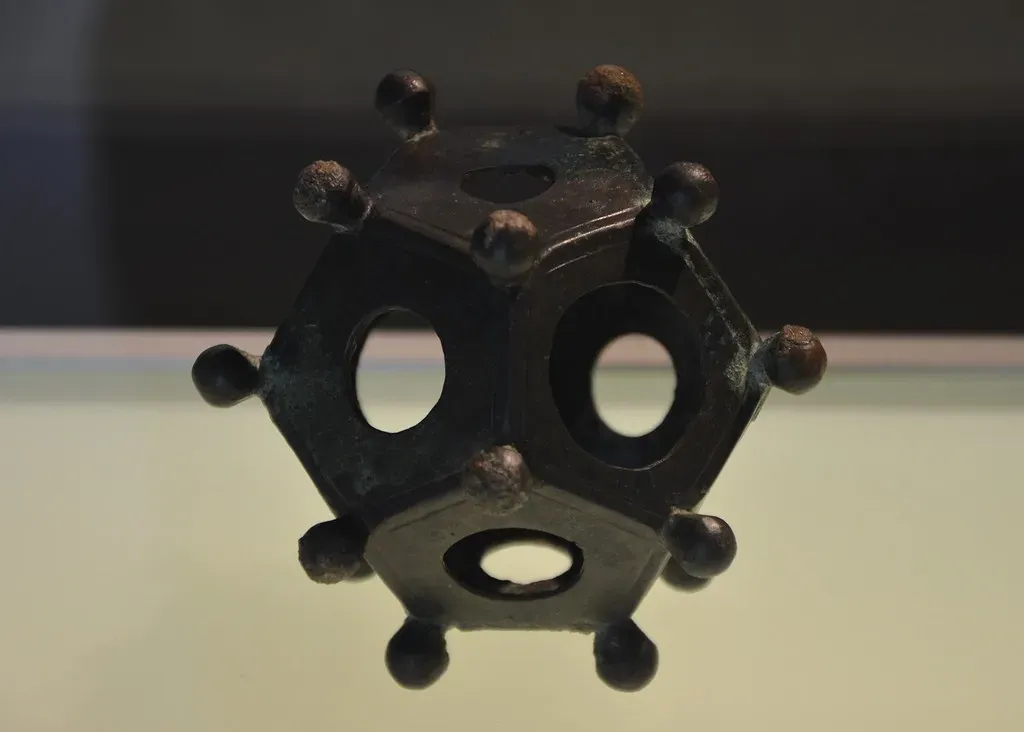
Small hollow bronze objects with twelve pentagonal faces, each side pierced by a circular hole, began turning up across the former Roman Empire centuries ago. For a long time, antiquarians did not know what to make of them, and some initially wondered if they were modern intrusions placed into collections as curiosities. Their purpose was utterly obscure: no surviving ancient text mentions them, and their design looked too whimsical to fit neatly into the standard catalog of Roman military or domestic gear.
As more examples emerged from controlled excavations in Britain, Gaul, and Central Europe, the forgery hypothesis became untenable. The sheer number of finds, their consistent casting techniques, and their clear archaeological contexts firmly cemented them as authentic Roman artifacts. The mystery shifted from “are they real?” to “what on earth were they for?” – possibilities range from measuring tools to gaming devices to ritual objects. This case shows how something can be both unquestionably real and stubbornly enigmatic, pushing some early observers to fall back on the easy but wrong explanation of fakery.
#10 The Nazca Lines: Giant Geoglyphs Dismissed as Modern Vandalism
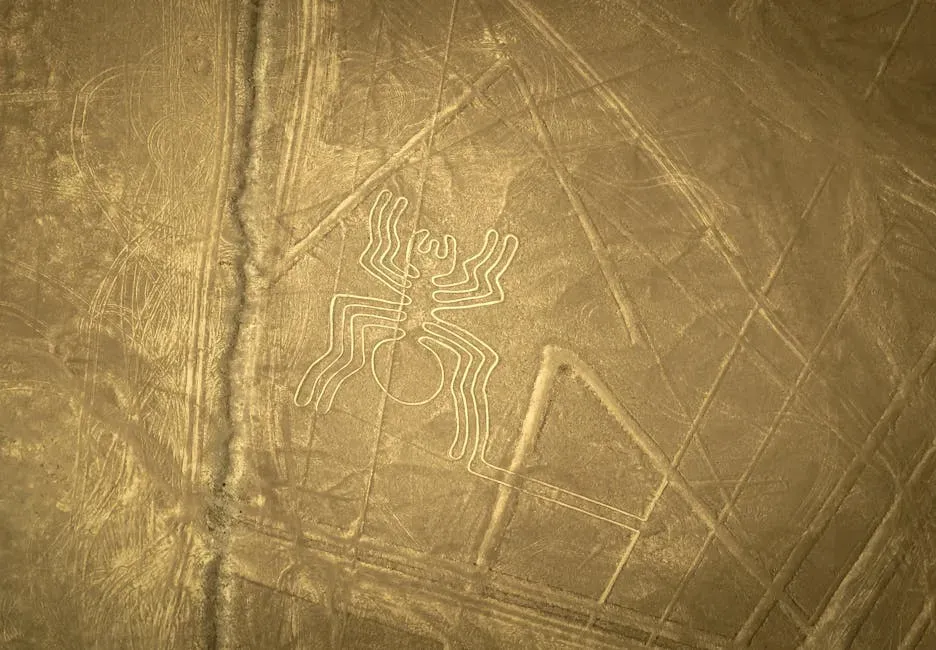
When pilots first reported enormous geometric shapes and animal figures etched into the Peruvian desert in the early twentieth century, some observers doubted they were truly ancient. The lines were best seen from the air, leading skeptics to assume they were modern constructions designed to impress or confuse. A few even floated the idea of contemporary pranksters, unable to imagine that pre-Columbian people would create landscape art at a scale that only made sense from above.
Systematic archaeological work, however, tied the Nazca Lines to pottery styles, organic remains, and construction techniques dating from roughly two thousand years ago. Researchers mapped overlapping lines, weathering patterns, and ceremonial features that fit a long-term, indigenous ritual landscape rather than a short-lived modern stunt. The hoax hypothesis crumbled under the weight of stratigraphy and dating. What looked too “aerial” for ancient cultures turned out to be a reminder that people can conceptualize vast designs without aircraft, using horizon markers, surveying skills, and an eye for cosmic symbolism.
#11 The Klerksdorp Spheres: Geologic Oddities Sold as Alien Artifacts
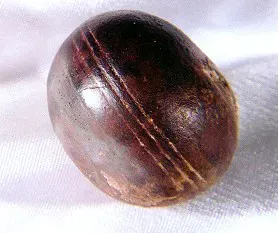
Small, rounded objects with grooved bands, found in South African mines, were once promoted in fringe circles as enigmatic “out-of-place artifacts.” Photographs circulated online with claims that they were hundreds of millions of years old and clearly artificial, implying either lost hyper-advanced civilizations or visiting aliens. Occasionally, these claims bled into popular media, where skeptics countered by saying they must be modern hoaxes slipped into geological strata to stir controversy.
Geologists stepped in and showed that the spheres are natural mineral concretions formed through ordinary sedimentary processes, their grooves a result of crystallization and weathering rather than machining. They are genuinely ancient, but not artifacts at all – just rocks doing what rocks do under pressure and time. In a strange twist, the debate went full circle: some thought they were forgeries; others thought they were impossible relics; the evidence showed they were mundane geology miscast as archaeology. The lesson is clear: not everything that looks designed actually is, and calling something a hoax does not rescue a weak interpretation.
#12 The Saqqara “Bird”: Model Plane or Misread Toy?
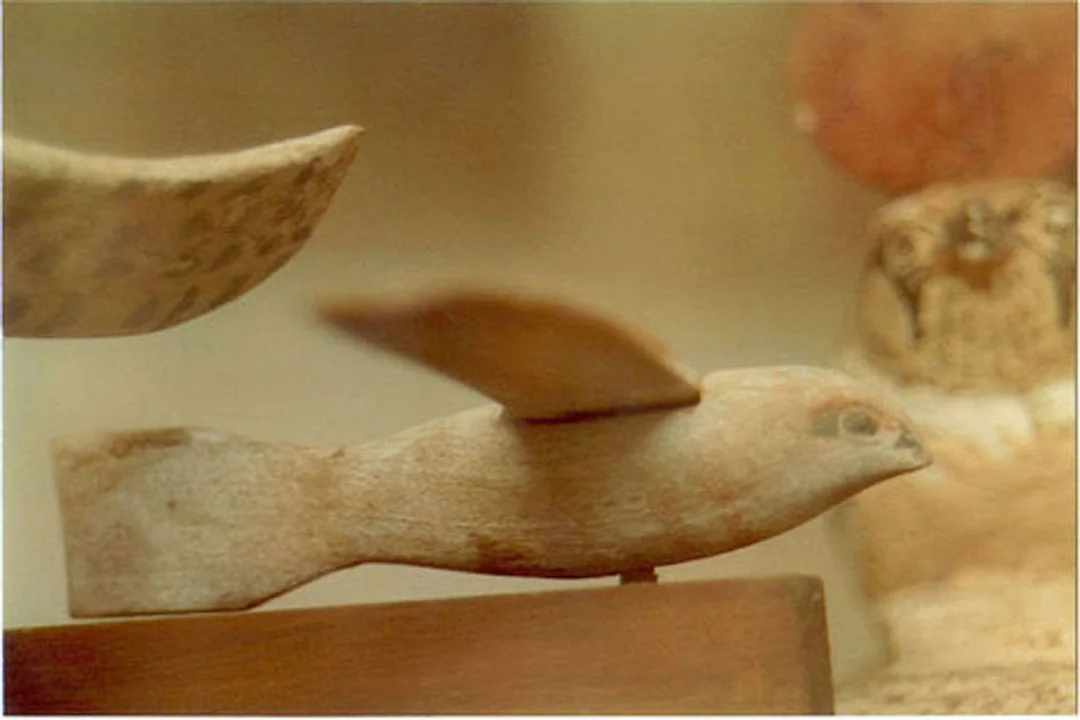
A small wooden object discovered in a tomb at Saqqara in Egypt, dating to around the second century BCE, looks uncannily like a stylized airplane, complete with wings and tail. Once photos of it hit the wider world, some enthusiasts claimed it proved that the ancient Egyptians experimented with gliders, while skeptics countered that it was either a simple bird toy or, in extreme critiques, a modern plant. The aerodynamic appearance was so tempting that both sides dug in emotionally.
Conservation studies and contextual evidence now support its authenticity as an ancient object; the wood, pigments, and burial context fit the Ptolemaic period. Whether it was a symbolic bird, a ceremonial object, or a child’s toy remains debated, but the physical reality of the artifact is not in serious doubt. The interesting part is how quickly people branded it either proof of forgotten aviation or a laughable fake, when the more reasonable middle ground is that ancient artisans sometimes made things that coincidentally resemble modern designs.
#13 The “Copper Scroll” from Qumran: Treasure Map or Clever Forgery?
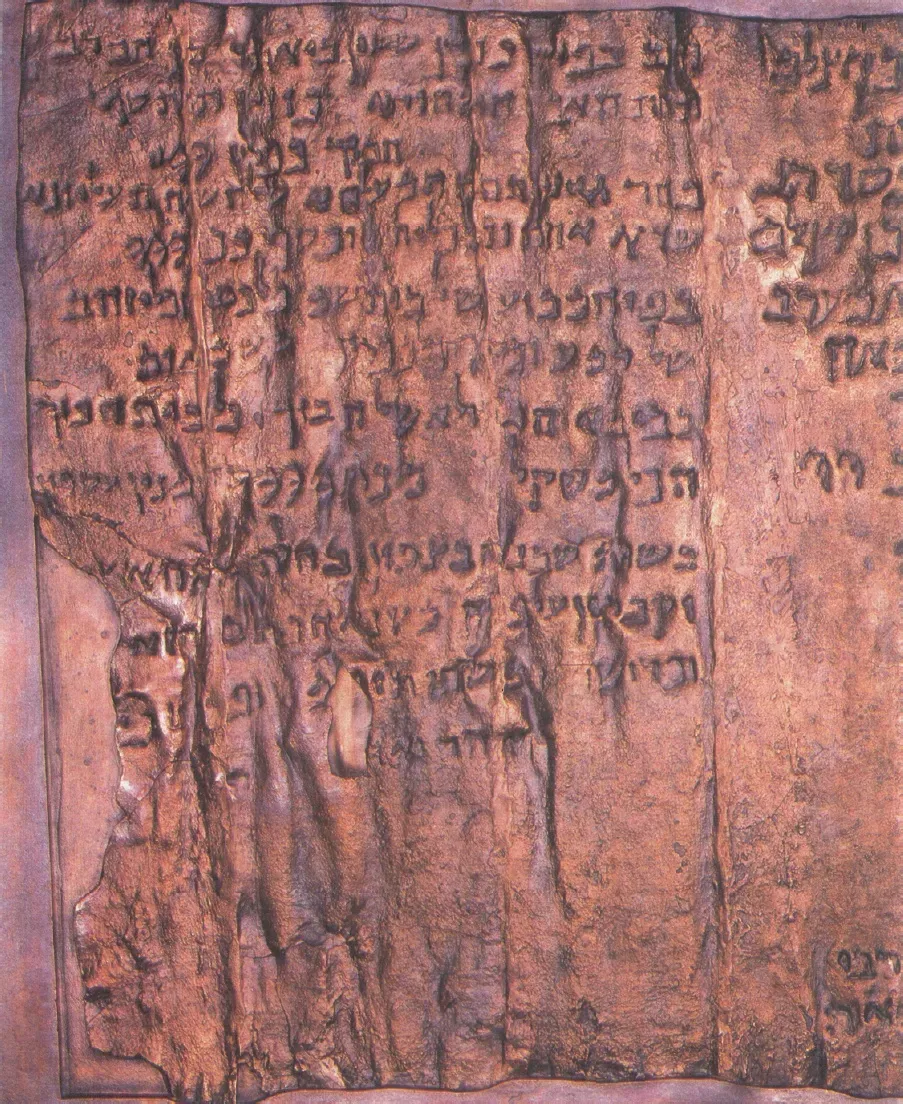
Among the Dead Sea Scrolls, one stands out: a lengthy inscription hammered into thin sheets of copper, listing hidden stashes of gold and silver. When it was first studied, some scholars hesitated to accept it as genuine, partly because its straightforward treasure list read more like a fantasy novel than a religious or literary text. The unusual metal medium also looked suspiciously durable compared to fragile parchment and papyrus, which made a few voices suggest a modern fake constructed to piggyback on the scrolls’ fame.
Metallurgical analysis, paleography, and its discovery context within the Qumran caves all support its origin in the late Second Temple period. The script style matches other contemporary Hebrew texts, and corrosion patterns are exactly what you would expect for copper buried for nearly two thousand years. It now stands as a rare example of an ancient “inventory document” preserved in metal, even if many of its listed treasures have never been found. Initial doubts reveal more about our discomfort with apparent treasure maps than about the artifact itself.
#14 The “London Hammer” Story: When Hoax Accusations Actually Stick
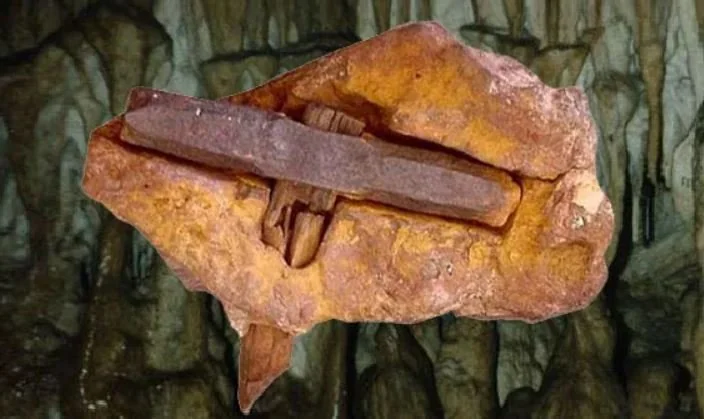
The so‑called London Hammer, found in Texas encased in a concretion of rock, has long been promoted in creationist and fringe literature as a hammer hundreds of millions of years old. At first exposure, many mainstream researchers assumed the whole thing was a deliberate hoax or misrepresentation. A modern tool supposedly trapped in Cretaceous rock clashes so violently with geology and archaeology that “fraud” felt like the only sane label.
Closer examination indicates that the hammer is almost certainly a nineteenth‑century American tool, while the surrounding material is a relatively recent concretion, not ancient sedimentary rock formed before humans existed. Stylistic features of the metal head and wooden handle match known industrial designs from that era, and no reputable geological study supports the extreme age claims. In this case, skepticism was fully justified, and the hammer remains a cautionary tale about how dramatic stories can outpace the modest, documentable truth. The key point, though, is that scientists still relied on material analysis and comparative typology, not gut instinct alone, to reach that conclusion.
#15 The Kensington Runestone: Viking Relic or Local Carving?
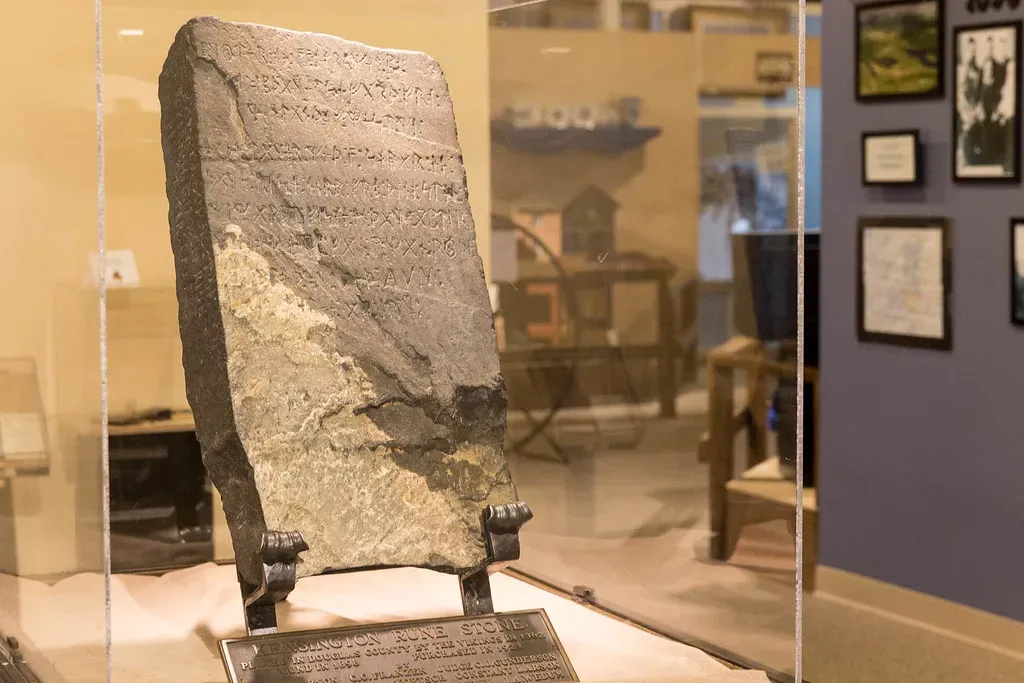
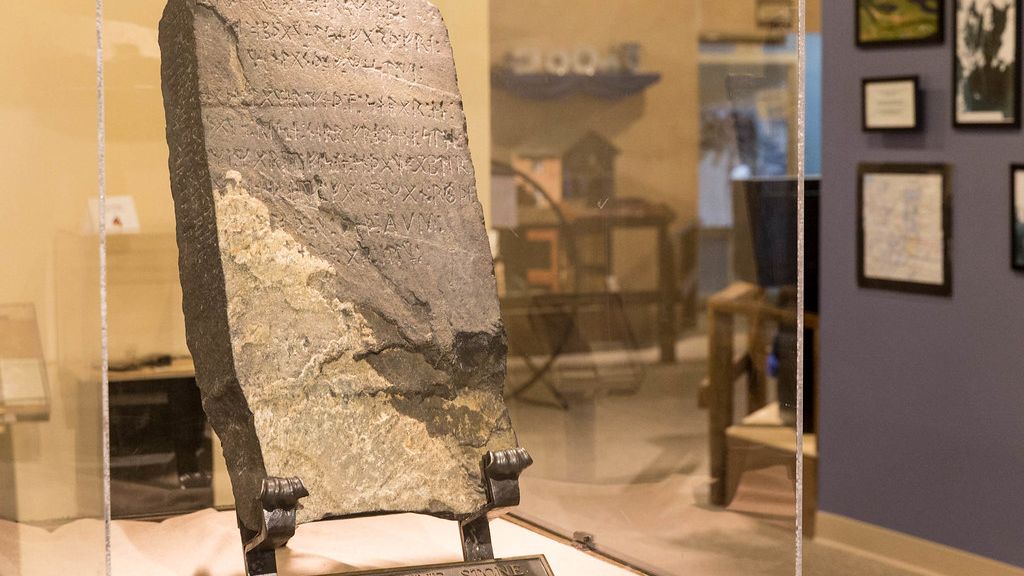
Unearthed in Minnesota in 1898, the Kensington Runestone bears an inscription describing a fourteenth‑century Scandinavian expedition deep into North America. For a time, some local supporters embraced it as proof that Vikings roamed the American heartland, while many linguists and historians dismissed it as an obvious nineteenth‑century prank. The artifact bounced between being celebrated in regional pride narratives and mocked as a textbook example of rural fraud.
Modern linguistic analysis of the runes and language, combined with tool mark studies, has largely convinced specialists that the inscription is not medieval. The vocabulary and rune shapes fit a later period too well, and its discovery story carries several red flags. Yet public debate has never completely died, with local museums still telling their side. The runestone shows how powerful cultural desire – either to find deep roots or to debunk them – can influence whether an artifact gets branded ancient truth or modern hoax, sometimes louder than the technical evidence.
#16 The Piltdown Man: The Famous Fraud That Made Everyone More Careful
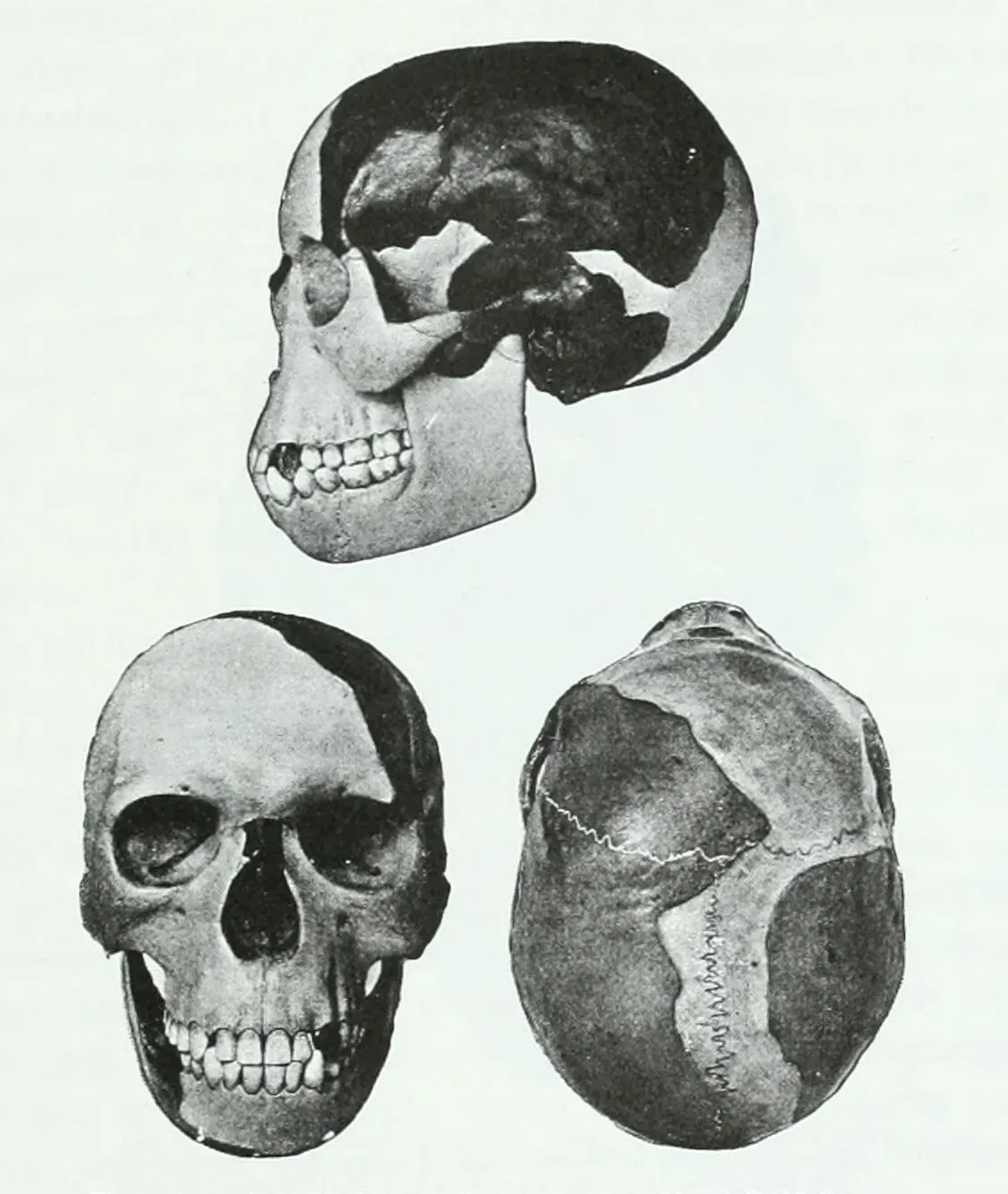
No list like this is complete without the Piltdown Man, “discovered” in England in the early twentieth century and hailed as the missing link between apes and humans. At first, many prominent scientists accepted the fossil as genuine, partly because it conveniently supported a Eurocentric view of human evolution. Only later did detailed anatomical comparisons and chemical tests reveal an ugly reality: an ape jaw and a human skull had been deliberately combined and artificially aged. What began as a celebrated find ended as the most infamous paleoanthropological hoax in history.
The Piltdown scandal had a long-lasting impact on how researchers handle extraordinary claims. It pushed institutions toward more rigorous peer review, standardized dating techniques, and cross-disciplinary checks. That heightened caution is exactly why so many of the artifacts in this list were initially doubted: once burned, the scientific community preferred to treat surprising finds as guilty until proven innocent. As frustrating as that can be for discoverers in the moment, it is also what keeps the field honest in the long run.
Conclusion: Why Our First Reaction Is So Often “That Has To Be Fake”
Looking across these sixteen cases, a pattern jumps out: whenever an artifact bends our expectations of what ancient people could do, our first reflex is to call it a hoax. Sometimes that skepticism is spot‑on, as with Piltdown Man or the more flamboyant crystal skulls; other times, as with the Antikythera Mechanism or the Nebra Sky Disc, the doubt says more about our limited imagination than about the past itself. I think that tension is healthy. We need both impulses: the instinct to question and the willingness to be astonished when the evidence holds up.
My own bias, after watching these stories unfold over the years, is to push for a slower verdict. Neither breathless belief nor automatic dismissal helps much; what matters is testing, re‑testing, and accepting that some finds will stay weird for a long time. The past was not primitive in a straight line to us; it was full of experiments, dead ends, and flashes of genius that do not fit neat progress charts. Maybe the real challenge is not whether artifacts are real or fake, but whether we are brave enough to update our stories when a corroded lump of bronze or a worn piece of parchment quietly proves us wrong. Which of these artifacts would you have bet on being a hoax if you had seen it first, without the science in hand?