You probably picture Chernobyl as a frozen moment in history: abandoned buildings, rusting Ferris wheels, and a silent, radioactive landscape. But if you look closer, especially around the crumbling power plant and the empty streets of Chernobyl City, you’ll find a very different story playing out in real time – hundreds of free-roaming dogs, born of abandoned pets, carving out a life in one of the harshest environments on Earth. Their DNA is quietly recording that struggle, and scientists say it may be revealing signs of unusually rapid evolution. What makes this so fascinating for you is that these dogs are not just spooky background characters in a disaster zone. Their genomes are like living notebooks, showing what happens when domesticated animals are suddenly left to fend for themselves in a contaminated, largely human-free world. The big questions are the ones you’d probably ask yourself: Are they really evolving faster? Is radiation reshaping their genes? Or are other forces at work that tell a more complicated – and more human – story about survival and change?
The Dogs Left Behind in a Radioactive Ghost Zone
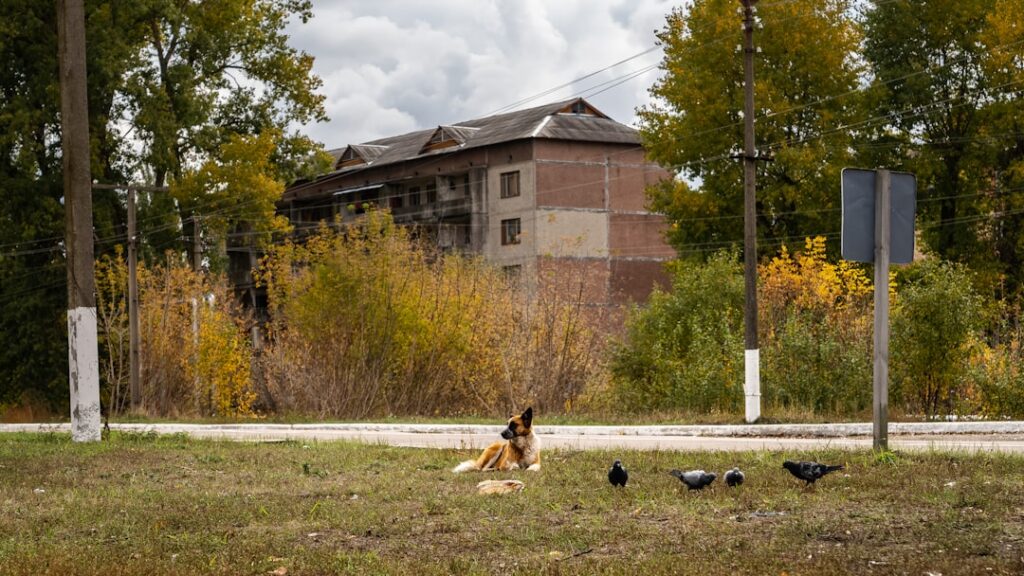
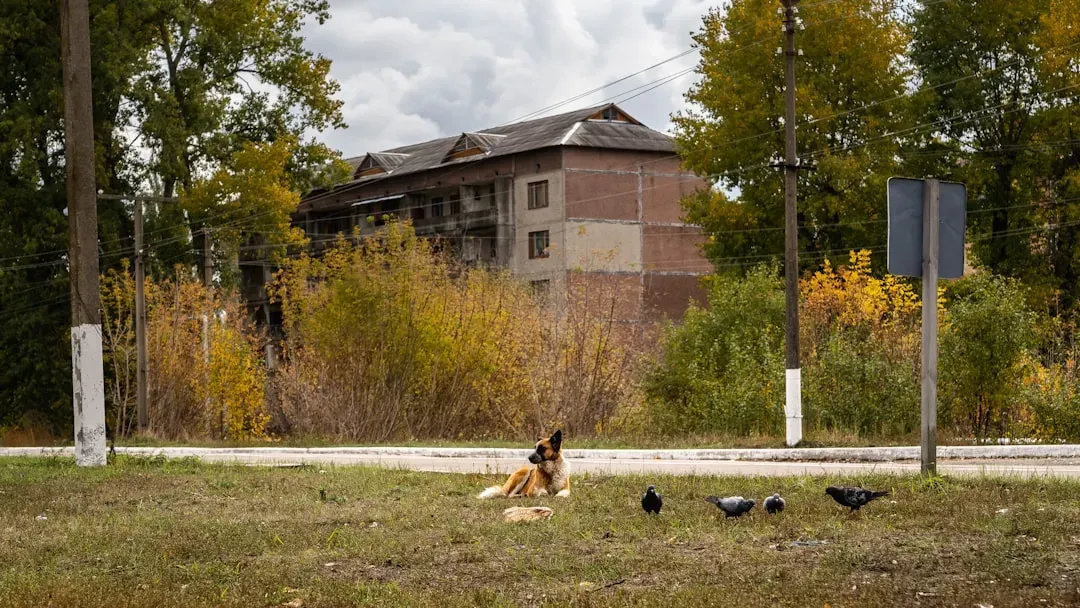
When you think back to the 1986 Chernobyl disaster, you might remember the images of hurried evacuations: buses, suitcases, people leaving everything behind in a rush. What you do not see in those photos are the dogs that families were forced to leave at home, locked in yards or apartments, with the promise that they’d be back in a few days. Those days never came, and the descendants of those pets are the animals now roaming the Chernobyl Exclusion Zone. For almost four decades, generations of dogs have lived around ruined apartment blocks, forests reclaiming villages, and the industrial skeleton of the power plant itself.
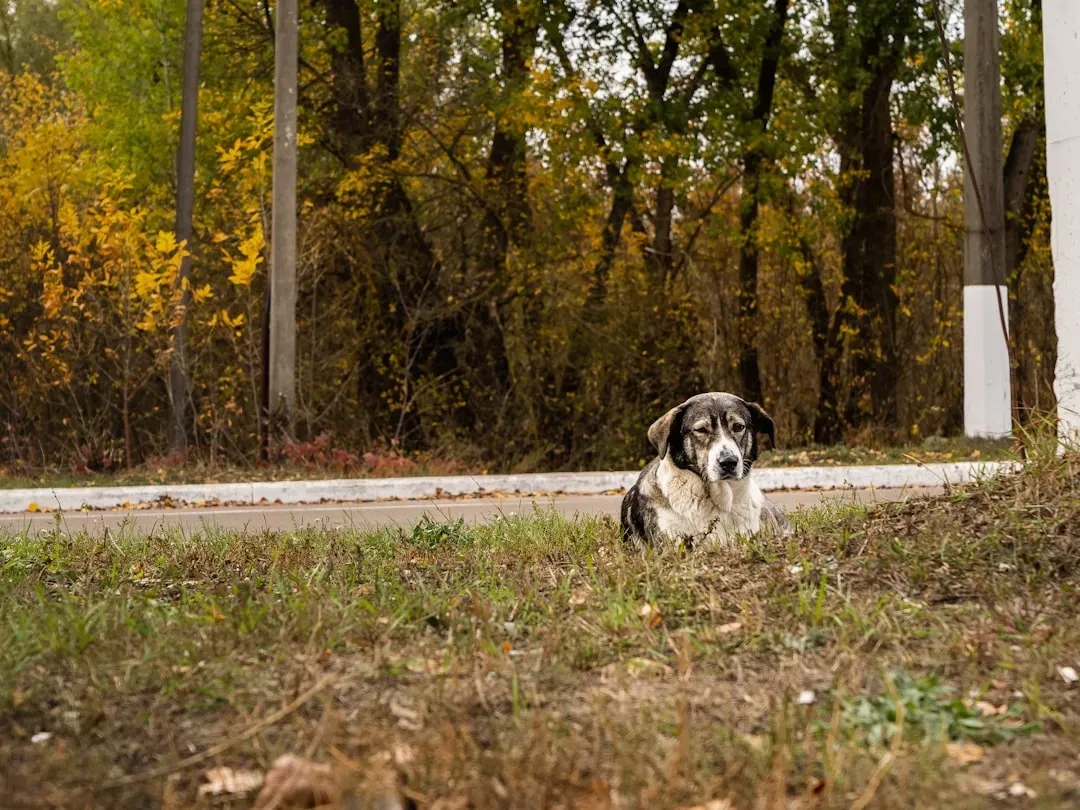
As you picture them, you might imagine sickly, hairless mutants, but the reality you’d meet on the ground is a lot more ordinary and – oddly – comforting. Many of these dogs look like the mixed-breed street dogs you’d see in any Eastern European town: medium-sized, often brown or tan, sometimes with shepherd-like markings. They survive on handouts from workers and tourists, scraps from field stations, and whatever they can scavenge. Their lives are hard, but not science-fiction strange. That contrast between the apocalyptic setting and the very normal, very familiar dogs living there is part of what makes their story hit you in the gut.
What Scientists Actually Found in the Dogs’ DNA
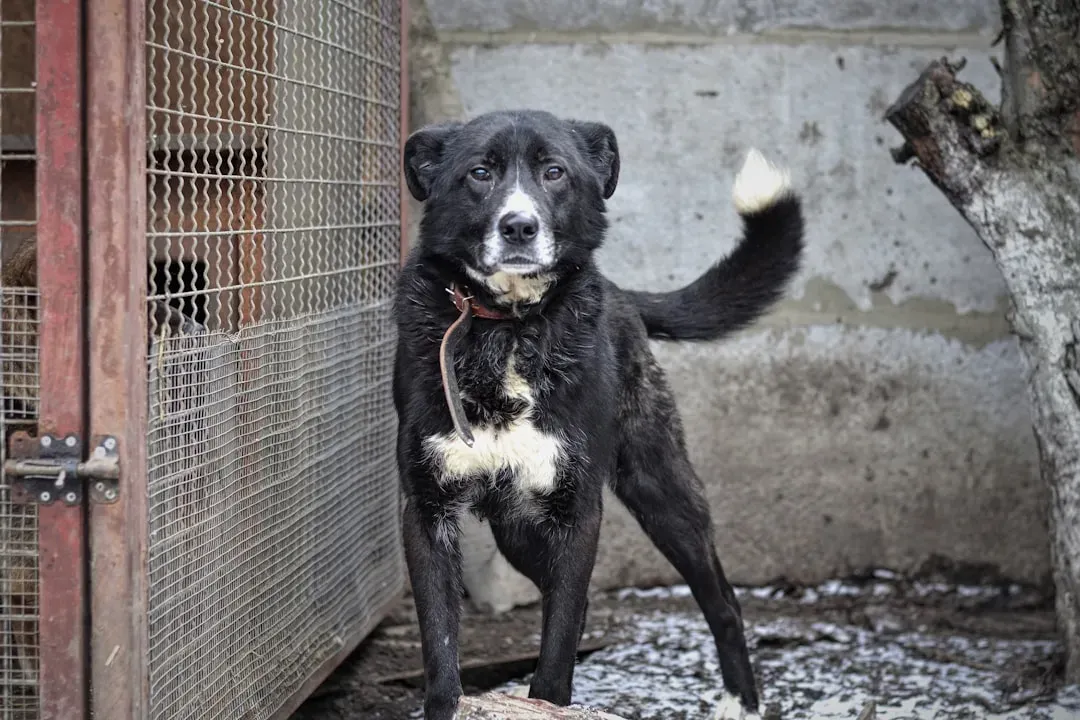
If you were expecting glowing green fur and extra heads, the genetic results would surprise you for a different reason: they are subtle. Researchers analyzed DNA from hundreds of free-roaming dogs in and around the Exclusion Zone, including those living right by the power plant and others in Chernobyl City and nearby regions. When you look at their genomes, you see something striking: the dogs near the reactor form a genetically distinct population, clearly different from dogs just a few dozen kilometers away, and also different from typical pet and village dogs from other parts of Eastern Europe. In other words, if someone handed you a blood sample, you could tell whether that dog likely came from the Chernobyl plant area or somewhere else.
That distinctiveness is what has led many headlines to talk about “rapid evolution.” What those headlines are really pointing to is that, over a handful of decades, the population in the heart of the zone has diverged sharply enough that you can now recognize it genetically. At the same time, later research has dug into their DNA at multiple levels – chromosomes, whole genomes, even individual nucleotides – to look for clear signs of radiation-driven mutation and has not found obvious smoking guns. So when you hear about rapid evolution here, you should picture strong population differences and hints of selection, not cartoonish mutations or superpowers.
Radiation: Villain, Background Noise, or Something In Between?
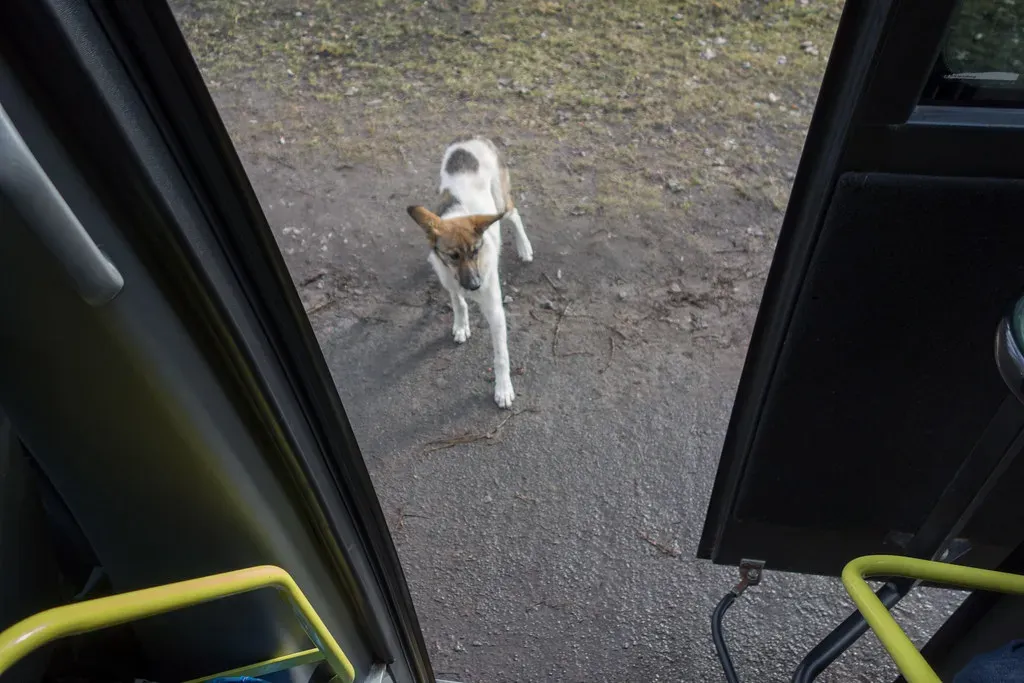
Instinctively, you probably want to pin everything on radiation. After all, the Chernobyl Exclusion Zone exists precisely because of long-term contamination: patches of forest, soil, and water still carry radionuclides that can enter the food chain. The dogs eat and drink from that landscape, and some studies have measured radioactive contaminants in their bodies. When you imagine DNA damage, you might picture radiation as a relentless, invisible hammer chipping away at their genomes generation after generation. That image is emotionally satisfying, but the data pushes you to be more careful and more skeptical.
When scientists have gone hunting for clear, radiation-specific signatures in these dogs’ DNA, the story has become more complex. One team explicitly checked whether elevated mutation rates were driving the genetic differences and did not find the kind of abnormalities you would expect if radiation alone were rewriting the genome at a runaway pace. Instead, what you see looks more like evolution under tough conditions: selection, inbreeding, and isolation layered on top of a messy starting mix of abandoned breeds. So yes, radiation is part of the backdrop, and it likely shapes which dogs thrive and which do not, but you are not looking at simple cause-and-effect where “more radiation automatically equals faster evolution.”
How Harsh Living and Human Absence Shape These Dogs
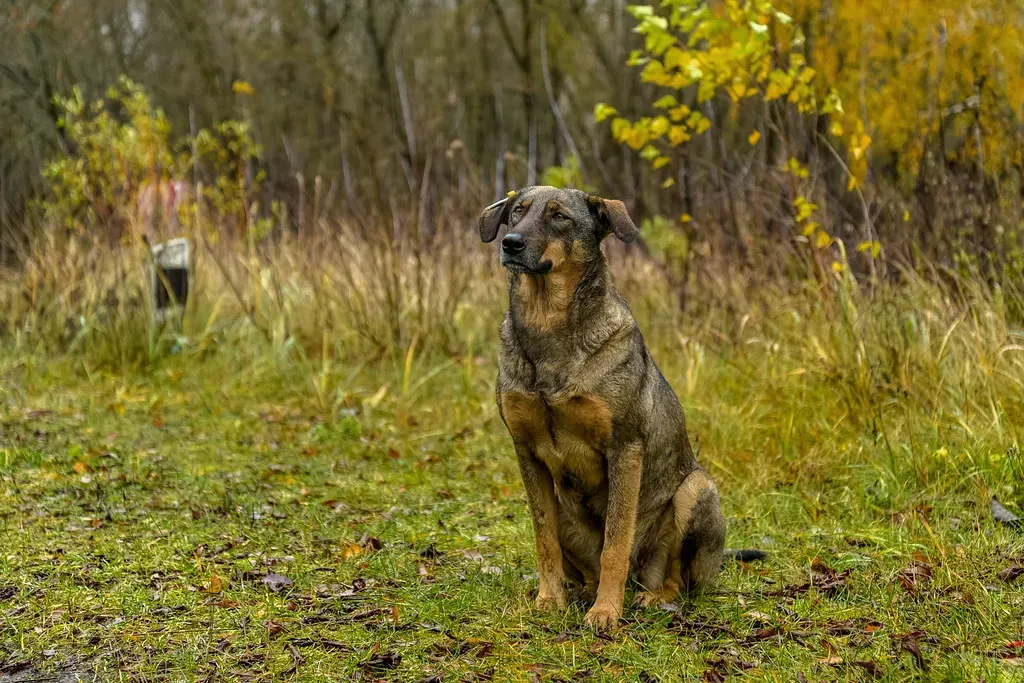
To really understand what is happening here, you have to picture the zone the way a dog experiences it, not the way a disaster documentary frames it. No leash, no regular meals, no vet, no safe backyard. If you are a Chernobyl dog, every day you’re dodging rival packs, surviving cold winters, scavenging food from work crews, and raising pups in unstable conditions. Many puppies never survive their first year. That constant pressure naturally filters who gets to pass on genes. Dogs with traits that help them navigate human work sites, find shelter in industrial ruins, or tolerate chronic low-level stress are going to leave more descendants than those that cannot keep up.
On top of that, you are dealing with isolation. The Exclusion Zone is not a sealed bubble – new dogs can wander or be brought in – but movement is limited compared with a typical urban area. That means the dog groups near the plant, in Chernobyl City, and in surrounding villages can drift apart genetically simply because they do not mix much and their numbers rise and fall in different ways. When you layer harsh survival conditions on top of that limited mixing, you get exactly the kind of strong population structure and rapid differentiation that scientists are now measuring. You are seeing evolution, but it is being driven by many overlapping forces, not just radiation alone.
Why “Rapid Evolution” Here Is Not Sci‑Fi
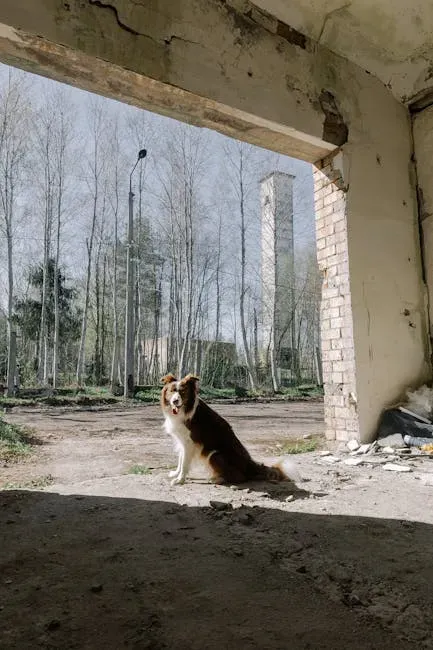
When you hear the phrase “rapid evolution,” your mind might jump to dramatic transformations: huge anatomical changes, obvious new abilities, something you would notice at a glance. That is not what is going on with the Chernobyl dogs. What is evolving rapidly are patterns in their DNA and the mix of traits that make it from one generation to the next. You would recognize these dogs as normal dogs, but the statistical fingerprints in their genomes tell you that their population has been reshaped quite quickly compared with what you usually see in slow, gradual wild populations. The timescale – roughly four decades, maybe ten to fifteen dog generations – is short enough that you could plausibly track changes across a handful of family lines.
You can think of it like shuffling an already wild deck of cards. Before the disaster, humans spent centuries selectively breeding very different dog types – shepherds, hounds, lap dogs – with exaggerated traits. When those pets were suddenly abandoned and left to interbreed under brutal natural conditions, you essentially took that human-stretched genetic diversity and let it collide and re-sort without a plan. That crash of lineages, combined with environmental pressures, can produce distinctive genetic patterns far faster than if you had started with a more uniform wild population. So yes, the evolution is rapid in a technical, population-genetic sense, but it is still grounded in normal biological processes you already understand.
What This Means for You, Radiation, and Future Disasters
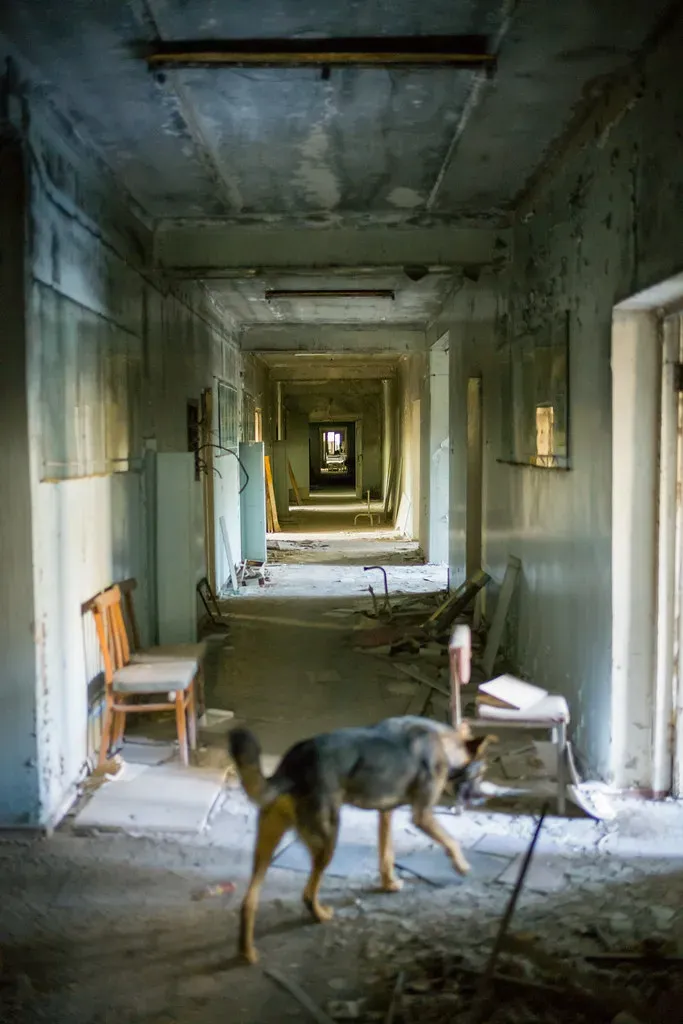
If you are wondering why you should care about some stray dogs in a restricted zone, you are actually looking at a preview of questions you will keep facing as a species. How do animals, including humans, cope with long-term, low-dose contamination? When an industrial accident empties a region of people, which species move in, and how do their genomes change over time? The Chernobyl dogs give you a rare, real-world case study instead of just models and lab experiments. Their DNA can help you separate what is realistically happening under chronic exposure from what is just fear-fueled imagination or simplistic storytelling.
On a practical level, as you think about nuclear energy, war-damaged infrastructure, or industrial spills, you need more than slogans about nature “healing” or “mutating.” These dogs push you into the uncomfortable middle ground: ecosystems can look superficially vibrant even while some individuals carry heavy burdens, and evolution can help populations adapt without making them magically safe or healthy. The more you learn from cases like this, the better equipped you are to judge future claims about wildlife flourishing in disaster zones, and to ask harder questions about what “thriving” really means when the cost is written into the genome over generations.
Ethical Questions: Helping, Studying, or Just Watching?
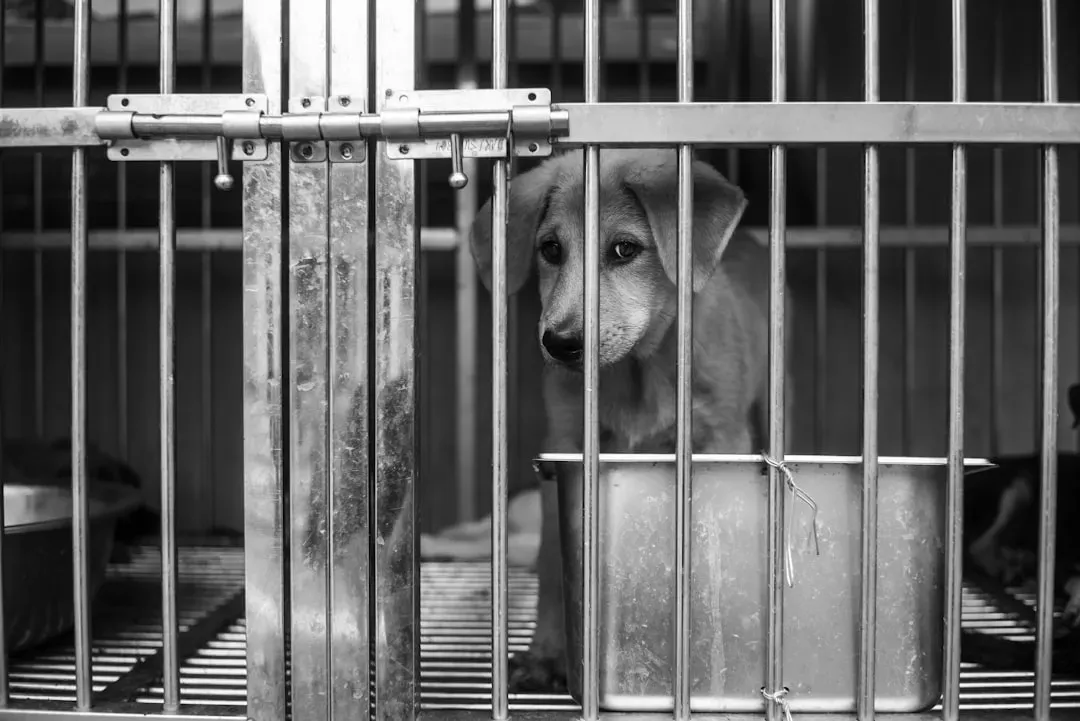
Once you realize that these are not faceless lab animals but real dogs with names, personalities, and often human caretakers, you start running into awkward ethical questions. If you were volunteering there, you would face a constant tension: you want to feed, vaccinate, and sterilize the dogs to improve their welfare, but every intervention also changes the very population scientists are trying to study. Even collecting blood samples or tracking collars involves stress and risk for animals that never chose to live in a nuclear accident zone. You are standing in a place where science, compassion, and curiosity do not always line up neatly.
At the same time, ignoring them is not neutral either. The dogs interact with workers, tourists, and local wildlife, and they can carry diseases, from parasites to rabies, that matter for human and animal health. When you think about “rapid evolution” here, you should also think about responsibilities: if these animals exist largely because of a human-made catastrophe, do you owe them more than scientific interest? There is no tidy answer, but the more you put yourself in that landscape – petting a friendly, scruffy dog against the backdrop of a ruined reactor – the harder it is to pretend this is just a quirky nature story and not a mirror of your own choices as a species.
What Chernobyl’s Dogs Teach You About Resilience and Limits
In the end, the dogs of Chernobyl force you to hold two ideas in your head at once. On one hand, they are a testament to how resilient life can be. Despite radiation, abandonment, and harsh winters, dogs have formed stable, reproducing populations that are now genetically distinct and, in some ways, surprisingly robust. If you focus only on that, you might feel a weird optimism: if even domestic animals can adapt so quickly, maybe nature will always bounce back from what you do to it. Their story can tempt you into thinking of evolution as a comforting safety net.
On the other hand, the details pull you back to reality. Rapid evolution here does not mean painless adaptation; it means many animals lived short, difficult lives so that some lineages could continue. It means genomes quietly bearing scars of stress, isolation, and environmental unpredictability, even if radiation is not the sole villain you expected. When you look at these dogs honestly, you are not seeing proof that disasters are harmless; you are seeing proof that life will do whatever it can with whatever it has, whether or not you deserve that mercy. The real question is not whether the Chernobyl dogs can adapt, but what you are willing to learn from them before you create the next place where evolution has to pick up the pieces again.