
If you think real discoveries only happen in fancy labs with million-dollar equipment, you’re seriously underestimating what you can do at your kitchen table. Again and again, ordinary people messing around at home have stumbled onto ideas that changed how experts think about everything from astronomy to medicine. Many of them started with nothing more than curiosity, a notebook, and a stubborn refusal to shrug and say, “Someone else will figure it out.”
As you read through these stories, you might catch yourself thinking, “Wait, that could’ve been me.” And that’s the point. Each of these discoveries grew out of simple questions, small observations, and a willingness to follow up instead of moving on. You’re going to see how people like you, working in living rooms, garages, and backyards, ended up publishing papers, getting named on asteroid discoveries, and even helping track dangerous diseases. By the end, you might look at your own home a little differently.
1. Spotting New Comets and Asteroids from Your Backyard
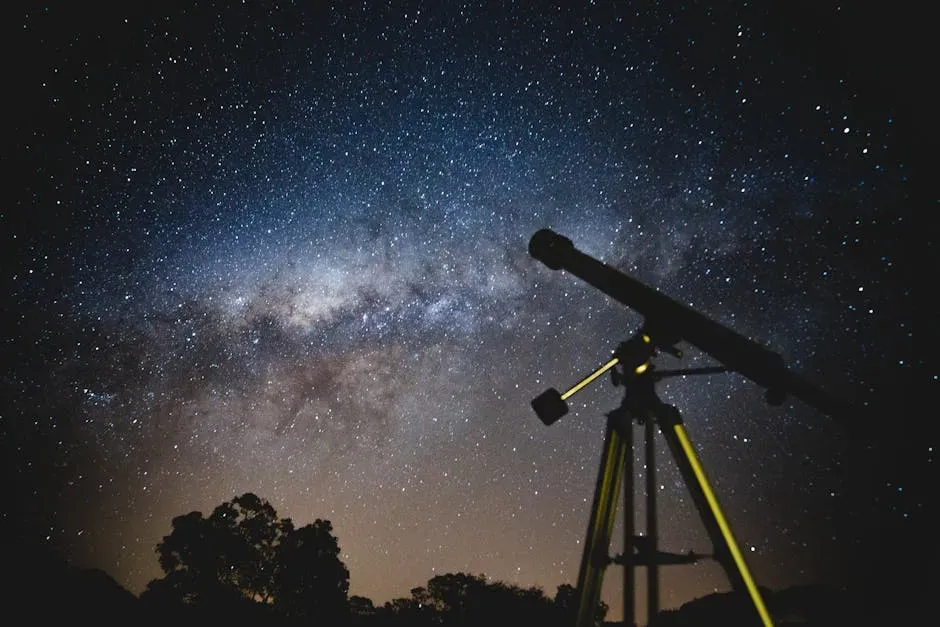
You might assume you need a giant observatory on a mountain to discover something new in space, but many comets and asteroids have actually been first spotted by amateurs at home. With a decent backyard telescope, a dark enough sky, and some patience, you can scan the night sky for faint, moving dots that do not match the star charts or online sky maps. When you notice something that seems to drift slowly relative to the fixed stars, you may be looking at an asteroid or even a comet that has not yet been officially cataloged.
In practice, you’d take careful notes, capture images over several nights, and compare their positions. If your observations hold up, you can submit them to organizations that track near-Earth objects, and they’ll check whether you’ve found something new. Quite a few recognized comets and asteroids still carry the names of the amateurs who first reported them, often from small telescopes mounted in yards or even on balconies. Your “just one more look before bed” session could literally put your name in the sky.
2. Discovering New Variable Stars with a Modest Telescope

When you look up at the night sky, most stars seem steady and unchanging, but some of them are constantly brightening and dimming over hours, days, or weeks. These are called variable stars, and you, as a home observer, can still help discover and characterize them. With a camera attached to your telescope, you can take repeated images of the same star field and measure how bright each point of light appears over time. If one star’s brightness changes in a repeating pattern, you may have found a variable star that no one has carefully documented yet.
Amateur observers regularly send their brightness measurements to professional databases that rely heavily on this kind of long-term monitoring. That data helps researchers understand how stars evolve, pulse, or interact in binary systems. You do not need the biggest telescope on Earth; what you really need is consistency, curiosity, and a bit of discipline in your observing routine. By turning your spare evenings into a series of quiet, careful measurements, you can contribute to real astrophysics from your own backyard.
3. Tracking Light Pollution and Helping Map the Night Sky

One of the most underrated “discoveries” you can contribute to from home is simply measuring how quickly the stars are disappearing from view. Around the world, everyday people have been stepping into their yards at night, looking up, and counting which stars they can see in specific constellations. By doing this and reporting what you see, you help scientists track how much artificial light is washing out the night sky over time. It might feel basic, but your eyes are turning into data points in a global experiment.
As more of these home observations roll in, researchers can identify regions where light pollution is climbing fastest and where conservation efforts are working. You’re not just complaining that the sky looks hazier than when you were a kid; you’re backing that feeling up with numbers others can analyze. With simple tools, like a sky quality meter or even guided smartphone apps, your little patch of sky becomes part of a huge map showing how modern life is reshaping what we can see above us.
4. Discovering New Species in Your Backyard and Even Your House

You probably assume that every insect or tiny creature crawling around your home has been well documented, but that’s not always true. Curious people have discovered entirely new species of beetles, spiders, and even fungi just by paying close attention to what shows up in their gardens, garages, and basements. If you collect a specimen, photograph it clearly, and compare it against online identification guides and field manuals, you may sometimes find that nothing seems to match. That’s your cue that you might be looking at something unusual.
From there, you can reach out to local universities or natural history museums, sharing your images and notes. Taxonomists, the scientists who study species classification, occasionally confirm that a strange little bug or mold from someone’s window frame is genuinely new to science. It doesn’t require an exotic jungle expedition; it just requires that you actually bother to look closely at the life around you. Your windowsill or compost pile might be hiding a species that has never been described in scientific literature.
5. Turning Kitchen Chemistry into Real Experimental Insights

Your kitchen might be the most accessible chemistry lab you’ll ever have, and plenty of amateurs have used theirs to explore reactions that turned out to be surprisingly informative. When you experiment with temperature, pH, fermentation, and simple household reagents, you’re not just cooking; you’re running controlled tests. By carefully measuring how ingredients behave when you change one variable at a time, you can stumble onto reactions that are poorly documented or that behave differently than the textbook examples suggest.
Some home experimenters have investigated corrosion, cleaning agents, food preservation, or homemade indicators and then shared their observations online, where chemists actually take note. If you keep good records, label your ingredients, and follow basic safety rules, your “just for fun” kitchen project can evolve into a small but real contribution to understanding everyday chemistry. You may even notice patterns in how common materials degrade, stain, or react that help others design better DIY solutions or troubleshoot issues in their own homes.
6. Building DIY Air Quality Monitors That Reveal Hidden Pollution
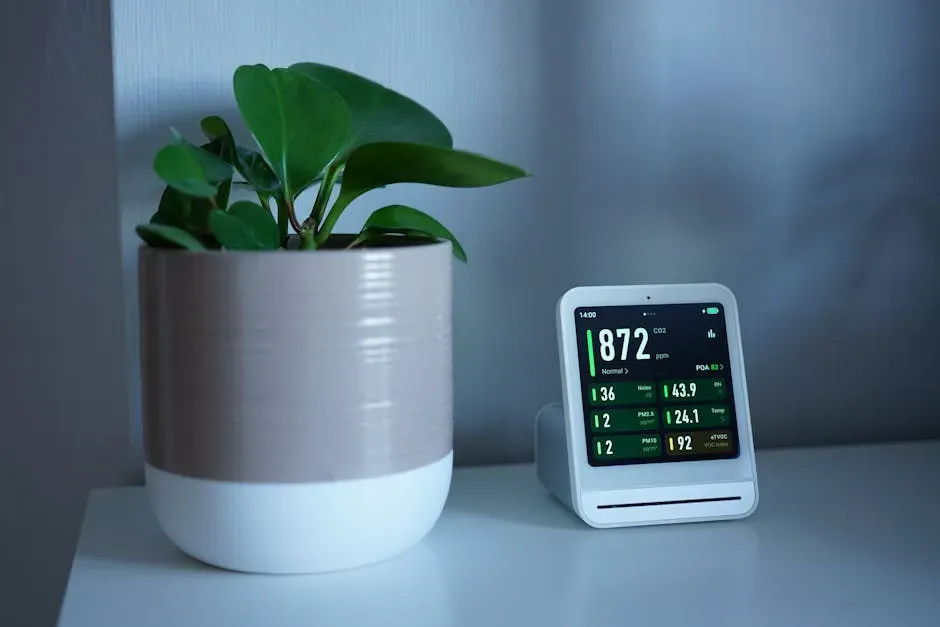
With a low-cost sensor, a microcontroller, and a bit of curiosity, you can build a homemade air quality monitor that uncovers what you’re really breathing indoors. Amateur tinkerers have wired together devices that track particle levels, carbon dioxide, and volatile organic compounds, then logged that data over days or weeks. When you start comparing measurements from different rooms, different times of day, or various activities, patterns jump out that you probably never noticed before. Maybe your living room is fine, but your kitchen spikes dramatically every time you fry something.
By sharing your data with community science platforms, you can help scientists see which neighborhoods, building types, or behaviors are associated with better or worse air quality. Some amateurs have discovered that their supposedly “fresh” indoor air was surprisingly polluted and then used that insight to improve ventilation, filtration, or cleaning habits. Instead of relying on vague impressions like “it feels stuffy in here,” you can actually see the numbers change when you open a window, run a fan, or switch products. That kind of evidence turns your home into a personal environmental research station.
7. Helping Track Earthquakes and Tremors from Your Living Room
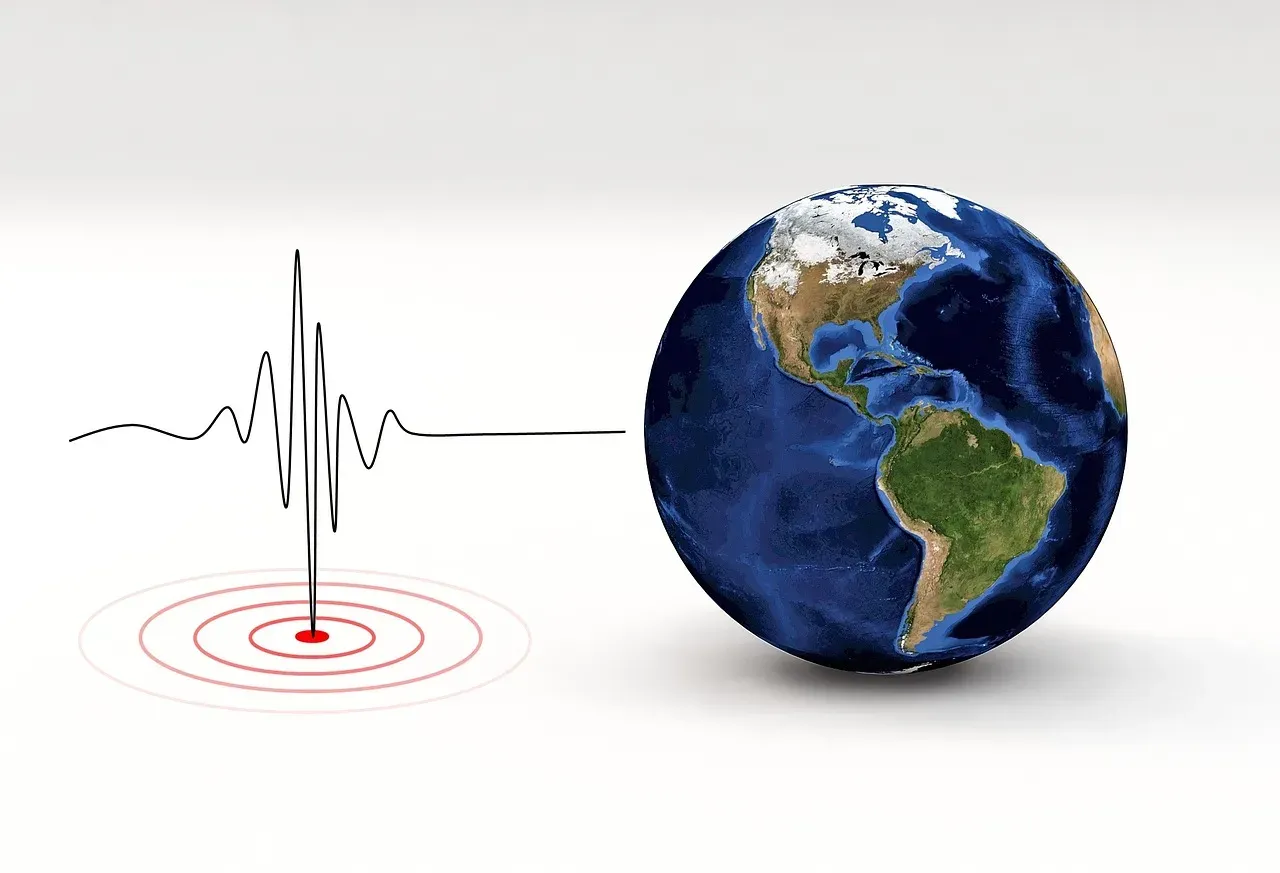
You might think seismology is strictly a job for deep underground labs, but simple, affordable seismometers can now sit quietly in your home and record the shaking of the Earth. When you install one and connect it to global citizen science networks, your device continuously captures vibrations and sends that information to shared databases. You may wake up and discover that your living room instrument picked up a distant earthquake hours before you checked the news, proving that even faraway events leave a tiny fingerprint under your feet.
As more people like you set up these home instruments, scientists gain a denser network of sensors, especially in regions where professional coverage is sparse. Your readings help refine earthquake models, test detection algorithms, and improve early-warning systems. You are not just a passive recipient of alerts; you are helping shape the data that powers them. That little box under your desk turns your home into a micro-observatory plugged into a global safety net.
8. Using Simple Setups to Study Plant Growth and Microclimates
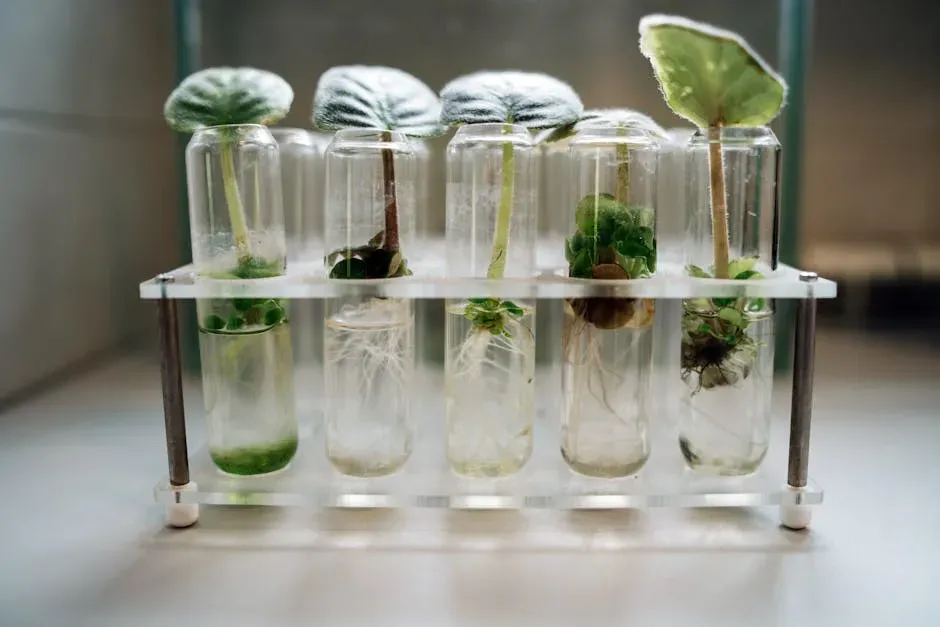
With a few pots, a notebook, and maybe some cheap sensors, you can explore how plants respond to light, water, soil, and temperature in surprisingly rigorous ways. Home gardeners have run careful experiments comparing how seeds germinate near windows versus under grow lights, how different watering schedules affect root development, or how homemade compost stacks up against store-bought fertilizer. When you treat your garden or windowsill like a test plot instead of just a decoration, you start noticing cause-and-effect relationships that many people miss.
By recording your methods and outcomes, and then sharing them in gardening communities or citizen science platforms, you contribute to a collective understanding of what really works in real homes. You may discover that a rare heirloom variety thrives in your microclimate, or that a small tweak in watering timing transforms yields. While professional agricultural experiments can take place on huge fields, your intimate, repeated trials capture the messy reality of everyday conditions that formal studies sometimes overlook. Your home becomes a tiny but valuable agricultural lab.
9. Turning Old Photos and Home Computers into Astronomy Breakthroughs

You do not even need a telescope to help make discoveries in astronomy anymore; your home computer alone can be enough. By signing up for projects that let you classify galaxies, spot gravitational lenses, or flag unusual light curves, you can scan through images collected by big observatories. Volunteers at home have helped identify rare galaxy shapes, strange star systems, and even candidates for exoplanets simply by noticing subtle patterns in image data. Your brain’s knack for spotting oddities can outperform some automated systems, especially when the patterns are complex.
Sometimes, home volunteers have been the first to flag something that turned out to be genuinely new or puzzling to professional astronomers. When you participate in these projects, you learn to recognize what “normal” looks like, so that the truly weird objects jump out at you. Your clicks and classifications become training data that improve algorithms, and your careful eye can trigger follow-up observations with major telescopes. All of this happens while you sit at your desk, turning spare time into real scientific progress.
10. Helping Track Disease Spread with Home Observations and Apps

Your own body and your daily routines can become part of large-scale health research without ever stepping outside your front door. By logging symptoms in health apps, answering anonymous surveys, or sharing data from wearables, you help researchers detect how illnesses spread through communities in real time. When enough people like you report what they are feeling and when, patterns of outbreaks, seasonal shifts, and risk factors start to emerge from the data. What feels like a minor annoyance to log each day becomes a crucial signal when combined with thousands of others.
Some projects also invite you to collect environmental samples at home, such as swabbing surfaces or testing wastewater, and then mailing them in for analysis. The results help track viruses, bacteria, and other pathogens at a neighborhood level in ways that clinical testing alone cannot. Your kitchen table briefly turns into a sampling station, and your participation fills in gaps that official health systems often miss. In doing so, you turn your ordinary life into a small but important piece of public health surveillance and preparedness.
Conclusion: Your Home Is More of a Lab Than You Think

When you step back and look at these stories together, a clear pattern jumps out: you do not need a white coat, a grant, or a university badge to uncover something new. What you really need is the decision to treat your everyday observations as data instead of background noise. Whether you are pointing a telescope at the sky, wiring a sensor in your living room, tending a stubborn houseplant, or logging how you feel, you are already doing the kind of noticing that underpins real science. The difference between a random hobby and a genuine discovery is often just careful recording and the courage to share your findings.
Your home is full of unanswered questions, unmeasured patterns, and tiny mysteries that most people will never bother to explore. If you start approaching them with curiosity, a bit of structure, and a willingness to learn from failure, you might be surprised where it leads. You may never name an asteroid or describe a new species, but you absolutely can add something honest and useful to the world’s understanding of how things work. So the next time something in your house makes you wonder “why does it do that,” will you ignore it, or will you treat it like the start of your own discovery?