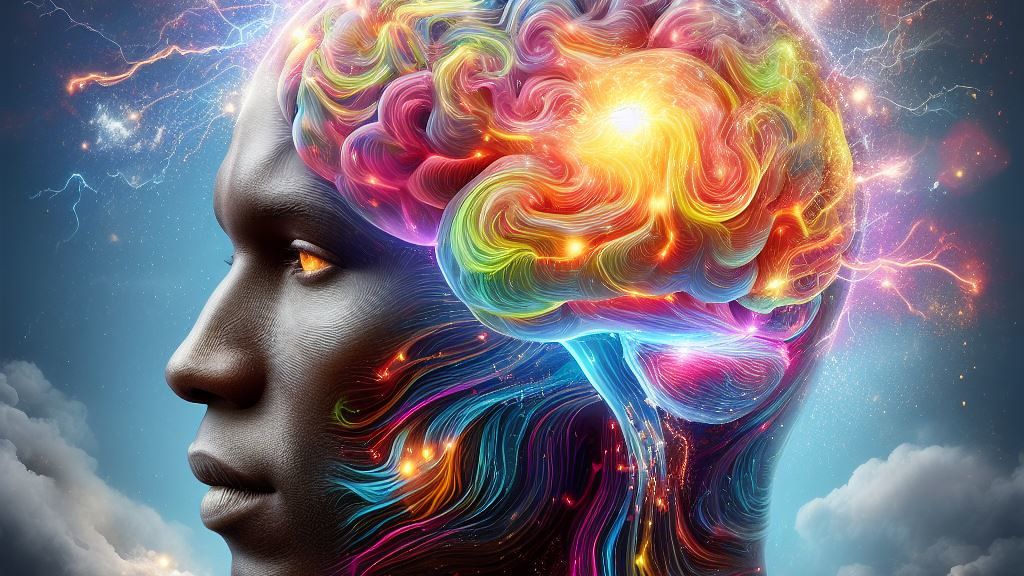
You wake up in the morning and it feels obvious that there’s a solid “you” behind your eyes, looking out at a stable, colorful world. But if you could peek under the hood, you’d see something far stranger: your brain is not just recording reality, it’s actively inventing it on the fly. The colors you see, the sounds you hear, even your sense of being a continuous self are all constructed moment by moment by billions of neurons firing in complex patterns.
Once you start to notice this, your everyday experience looks very different. That quick flash of emotion when you read a text, the way your mind drifts in the shower, the feeling that time slows down in a crisis – none of that is “just happening.” Your brain is stitching together a story that feels seamless, even though it’s full of shortcuts, predictions, and clever illusions. Let’s walk through seven incredible ways your brain pulls this off and quietly creates what you call your conscious life.
Your Brain Predicts Reality Before You Perceive It
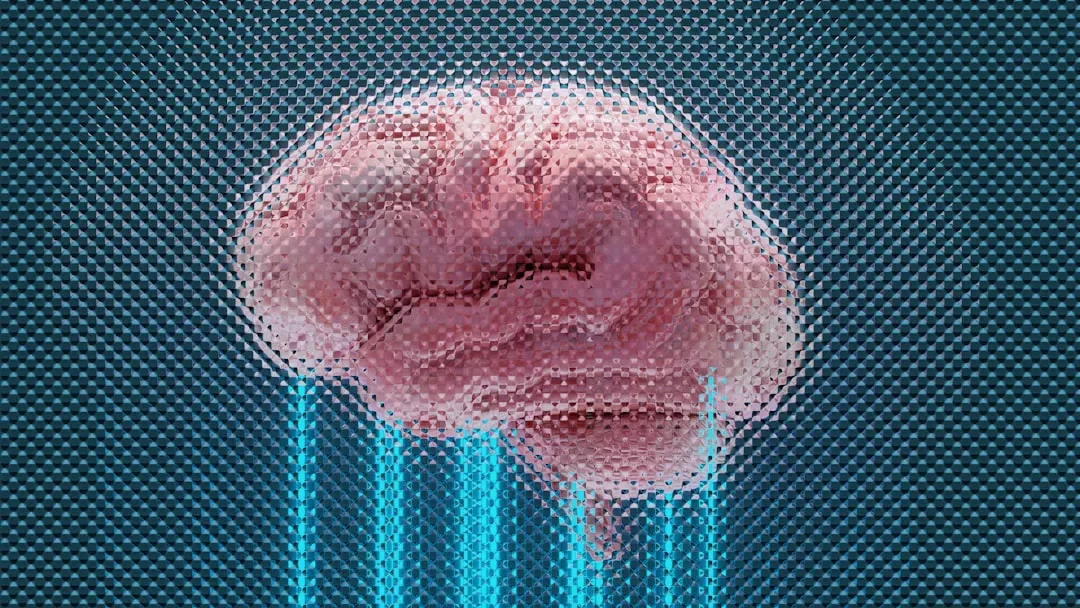
You might think you first see the world and then your brain reacts, but it actually works in the opposite direction most of the time. Your brain is constantly guessing what will happen next – what you’ll see, hear, or feel – and then updating those guesses when the real input arrives. You can think of it like a weather forecast running inside your skull: always predicting, always correcting. That’s why you can read messy handwriting, understand someone in a noisy room, or catch a ball that’s moving too fast for your eyes to track in real time.
This predictive mode shapes your conscious experience more than you realize. When you walk into your kitchen, your brain already expects the fridge to be where it usually is, the floor to be solid, and the light to hit your eyes in a familiar way. You don’t consciously “see” all that prediction work; you just feel like the world is stable and obvious. But when your brain’s predictions are wrong – like when you step on what you thought was a solid stair and it isn’t – you get that jolt of surprise that briefly breaks the illusion and reminds you just how much guessing is going on under the surface.
Your Senses Are Edited Together Like a Movie

You usually feel as if your senses are all in sync: you see a glass fall, you hear it shatter, you feel the vibration. In reality, each sense arrives at your brain at slightly different times and speeds. Visual information, for example, takes a different route and timing than sound or touch. Instead of letting you notice this messy timing, your brain cleverly edits the signals together into a single, smooth “scene,” like a film editor syncing audio and video so they feel perfectly aligned.
To pull this off, your brain actually delays your conscious awareness by a tiny fraction of a second so it can line things up. You do not notice this delay because your conscious experience only shows you the finished product – the polished movie, not the raw footage. This is why you can enjoy music videos, conversations, or movies without feeling like the sound and images are constantly out of sync, even though the physical signals are zigzagging into your brain at different speeds and through different pathways.
Your Brain Fills In Gaps You Never Notice
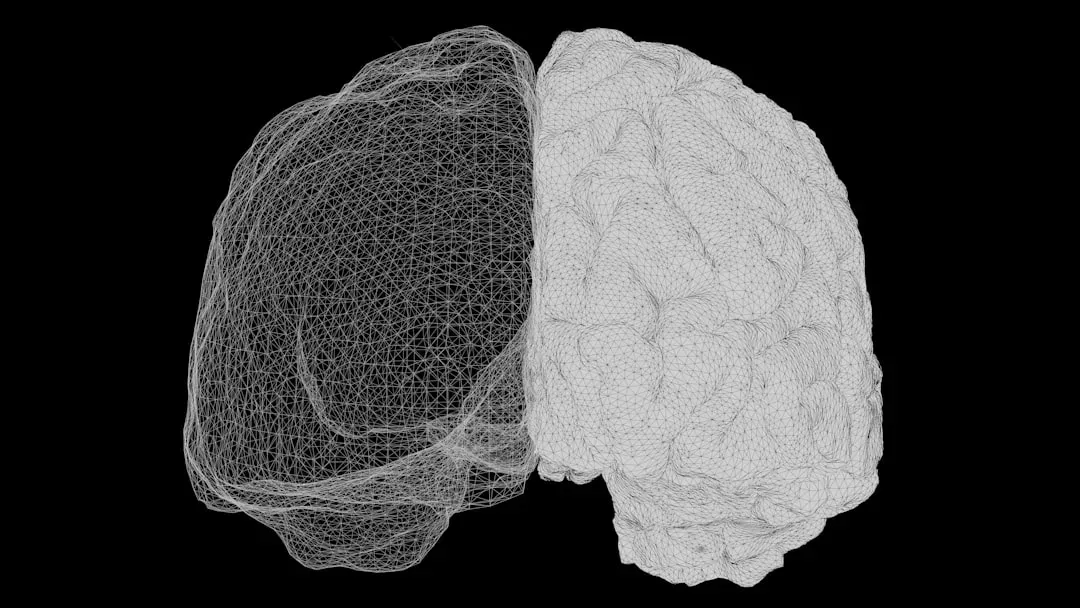
You might assume you see the world with complete detail, but your brain is cutting corners all the time. There’s even a literal blind spot in each of your eyes where the optic nerve exits the retina, a place with no photoreceptors at all. You never see a black hole floating in your vision, though. Your brain quietly fills in that missing area using surrounding information and past experience, painting over the gap so your conscious picture looks clean and continuous. The same kind of filling-in happens when you see illusions, incomplete shapes, or faint objects in the periphery.
This habit of filling in goes beyond vision. When you hear someone speak but miss a word because of a sudden noise, your brain often patches the sentence for you so smoothly that you do not even realize you lost something. When you glance at your phone and then look away, you feel as if you saw the whole screen clearly, even though your eyes only captured sharp detail in a small central region. Your conscious experience feels rich and complete because your brain hates admitting, even to you, that it has gaps – so it quietly invents what’s likely to be there.
Your Sense of “Self” Is a Story, Not a Thing
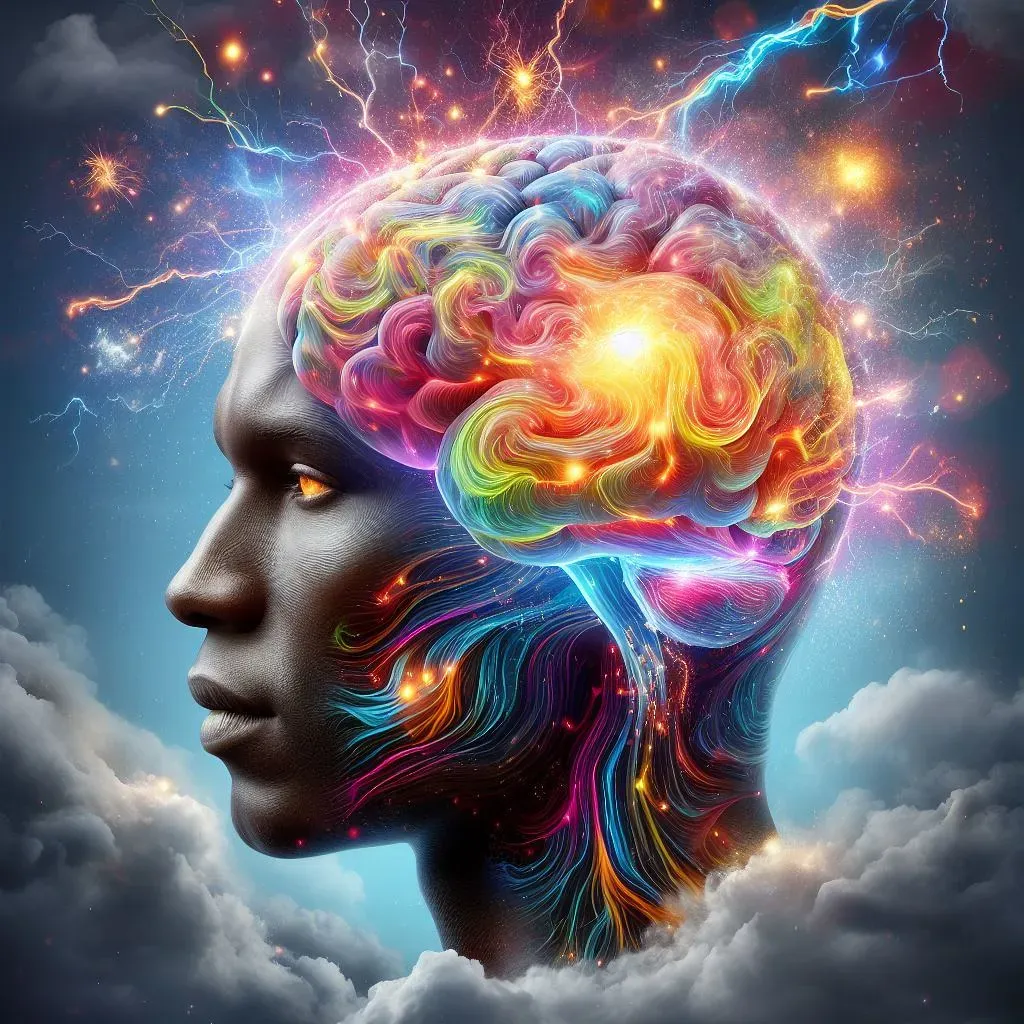
You feel like there’s a stable, solid “you” inside your head watching the world, but that feeling is itself a construction. Instead of a single command center, your brain is made up of many interacting systems handling memory, movement, language, emotions, and more. Your conscious sense of self is the running story your brain tells to tie all of this activity together. It stitches past memories, current sensations, and future goals into a narrative that feels like one continuous person living through time.
You can see cracks in this story when things go wrong in the brain. People with certain types of brain injury sometimes insist an arm is not theirs or feel as if a familiar place is strangely fake. Even in everyday life, you edit your own story without noticing: you justify decisions after you make them, remember events in a slightly more flattering way, or change your opinions over time while still feeling like the same “you.” Your conscious experience of being a person is less like discovering an inner essence and more like watching a biography your brain keeps updating.
Your Emotions Color Every Perception You Have

You may think you see the world as it is and then feel something about it, but your emotions are baked into perception from the start. When you’re anxious, faces look more threatening, sounds feel sharper, and small problems feel huge. When you’re calm or joyful, the very same world looks softer, safer, and more full of possibility. Your brain doesn’t present you with a neutral reality first and then overlay emotions; it combines meaning and feeling into one package before you ever become aware of it.
Hormones, past experiences, and current bodily signals all feed into this emotional coloring. If your heart is racing because you drank too much coffee, your brain may interpret that arousal as excitement or fear depending on the context you’re in. A simple text message can trigger a wave of feelings in seconds because your brain rapidly predicts what it means for your relationships, your status, or your future. Your conscious experience is never just “what’s out there”; it’s always what’s out there for you, interpreted through your emotional lens.
Your Attention Sculpts What You Call “Reality”

You don’t experience everything around you; you experience what you pay attention to. Your brain is bombarded by far more information than it can process consciously, so attention acts like a spotlight, deciding what gets promoted into awareness and what stays in the shadows. When you focus on a task, you can miss obvious events happening right in front of you – like failing to notice someone new entering the room or not hearing your name called. If your attention never lands on something, it might as well not exist in your conscious world.
This selective attention is not a flaw; it’s how you stay sane in a noisy, complex environment. But it also means your conscious experience is always a filtered version of reality. If you habitually pay attention to threats, you’ll live in a world that feels dangerous. If you focus on opportunities, your world will feel full of options. Practices like mindfulness and meditation partly work by letting you steer that spotlight more deliberately, so you can notice thoughts, sensations, and choices you usually overlook and gently change the texture of your everyday experience.
Your Brain Compresses Time and Memory Into a Smooth Timeline

You think of time as something outside you, ticking along at a steady pace, but your brain plays with time constantly. In emergencies, you might feel as if everything slows down, giving you more room to react. During a boring meeting, a few minutes can feel like an hour, while a joyful afternoon with a friend seems to vanish in what feels like a moment. Your brain stretches and compresses your sense of time depending on how much information it is processing and how emotionally charged the situation is.
Your memory then comes along and edits that experience even more. Short, intense moments – like a first kiss, a near-miss accident, or a public embarrassment – often feel larger in hindsight than long stretches of routine. When you recall your day, you do not replay every moment; your brain picks highlights, turning days, months, and even years into a tight narrative. Your conscious sense of having a life story depends on this aggressive compressing and editing of time, helping you feel like you’re moving along a clear path even though the raw data of your days is far messier.
Your Brain Blends Imagination and Reality Seamlessly
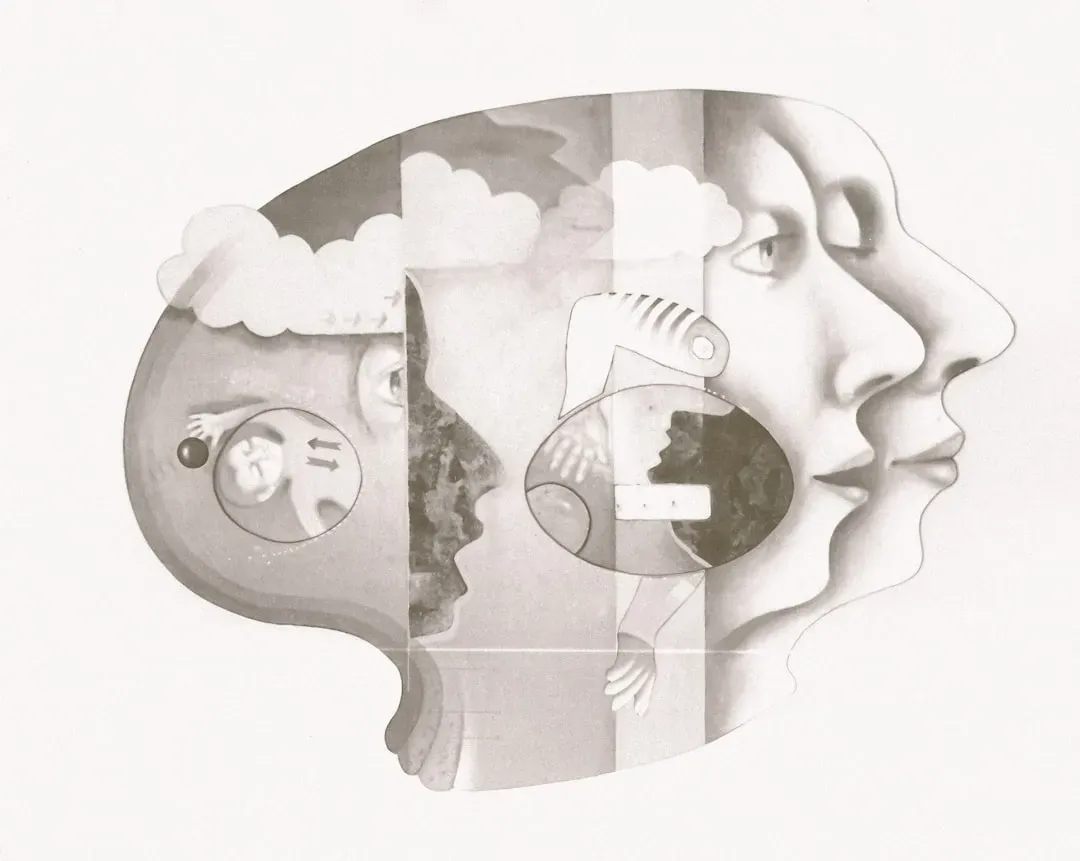
You might draw a sharp line between what you imagine and what is real, but your brain does not. When you vividly picture biting into a lemon, you might feel your mouth water, even though there is no lemon in sight. When you worry about a future problem, your heart can race and your muscles can tense as if the danger were actually present. The same neural networks that process real perception also get recruited when you imagine, remember, or dream, which is why imagined experiences can feel so convincing.
This blending is not just a quirk; it’s a powerful tool. When you rehearse a skill in your mind – like giving a speech, playing a sport, or handling a tough conversation – your brain can strengthen some of the same pathways you use in real life. On the flip side, if you constantly replay painful memories or catastrophic scenarios, your brain and body can get stuck in a loop of stress. Your conscious experience sits right at that crossroads where reality and imagination meet, and the way you use your mind’s eye can tilt your everyday life toward growth or toward needless suffering.
Conclusion: Living With a Brain That Builds Your World
Once you realize your brain is constructing your conscious experience instead of just displaying a raw feed of reality, your everyday life starts to feel both more fragile and more powerful. You see that your perceptions are predictions, that your sense of self is a story, that your feelings and attention carve out the slice of the world you actually live in. That can be unsettling at first, like discovering the stage ropes and lighting behind a play you thought was pure magic, but it also gives you more room to move. If your brain is actively building your experience, then small shifts in how you pay attention, how you interpret sensations, and how you use imagination can genuinely change how life feels from the inside.
You do not control every neuron in your head, and you can’t simply decide to see the world however you like. But you can learn to notice your brain’s habits: how it fills in gaps, how it colors things with emotion, how it edits time and memory. As you get more familiar with those hidden tricks, you gain just a bit more freedom to question your reactions, to choose where you place your focus, and to treat your thoughts as constructions rather than unshakable facts. In a way, understanding that your brain is creating your conscious experience is itself a new experience your brain can create – one that might leave you asking, the next time your world feels solid and obvious, what else is quietly being built behind the scenes?