You move through your day assuming the world around you is solid, stable, and more or less what it looks like. But when you start digging into what physicists, neuroscientists, and philosophers are actually saying, that everyday picture of reality starts to wobble. You discover that time may not flow the way you feel it, that your solid body is mostly empty space, and that your mind might be constructing far more than it’s simply “receiving.”
As you explore the ideas below, you are not being asked to “believe” any of them like dogma. Instead, you’re invited to treat them as lenses. Each theory gives you a different way to look at the same world you woke up in this morning. Some are well grounded in mainstream science, others are more speculative, but all of them push you to question what you think you know about being real. Ready to have your everyday assumptions quietly rearranged?
1. The Simulation Hypothesis: Are You Living in a Cosmic Video Game?
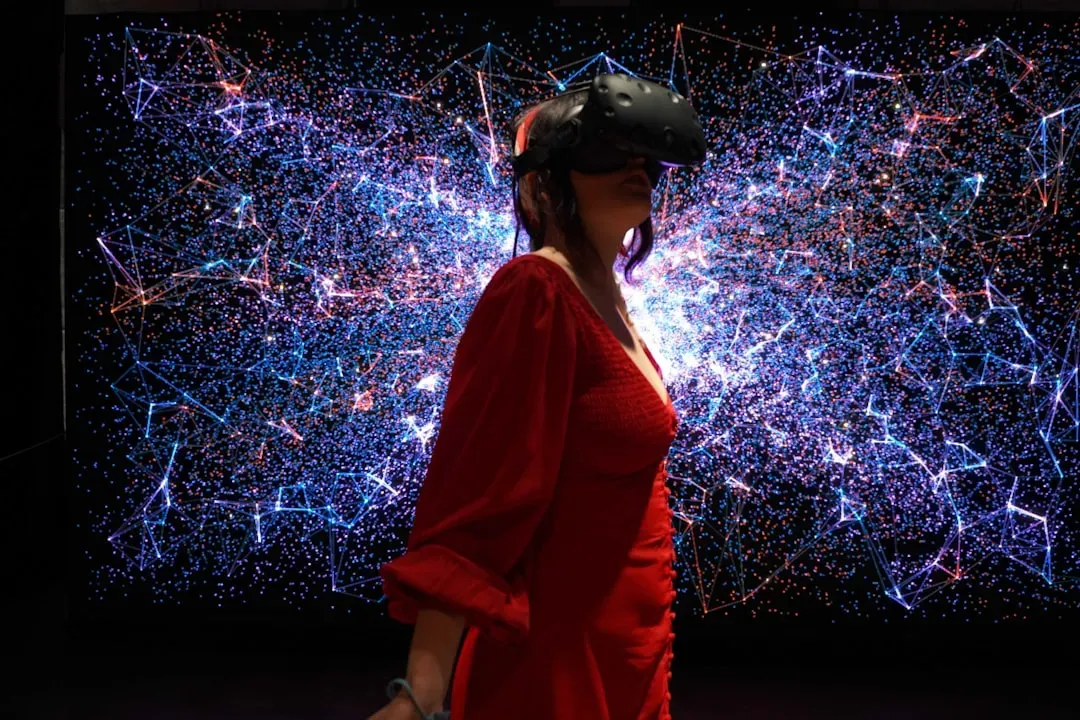
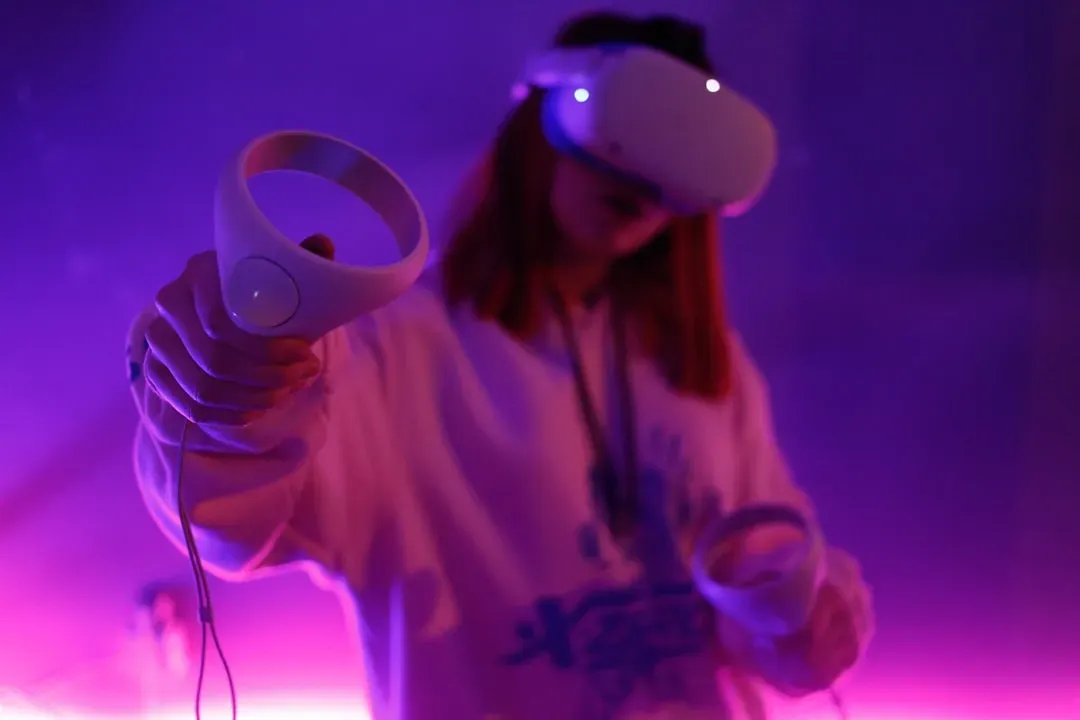
Picture this: you’re playing an incredibly immersive virtual reality game decades from now, so realistic that you forget you’re wearing a headset. The simulation hypothesis flips that scenario back on you and suggests that your current life could already be something like that game. The core idea is that if any civilization, anywhere, ever becomes advanced enough to run hyper-detailed simulations of conscious beings, then simulated worlds might vastly outnumber “base” physical realities.
From your perspective, this matters because you can’t step outside your own universe to check whether it’s “original” or a copy. You just experience consistent rules, like physics, and call that reality. When you hear about digital physics ideas – where space, time, and matter might be described in discrete bits, almost like pixels – it can start to feel eerily compatible with a computational universe. You do not need to accept that you’re literally a character in a cosmic game, but once you grasp the logic, you realize how shaky your confidence is that your world isn’t running on someone else’s hardware.
2. Quantum Weirdness: When Reality Refuses to Be Definite
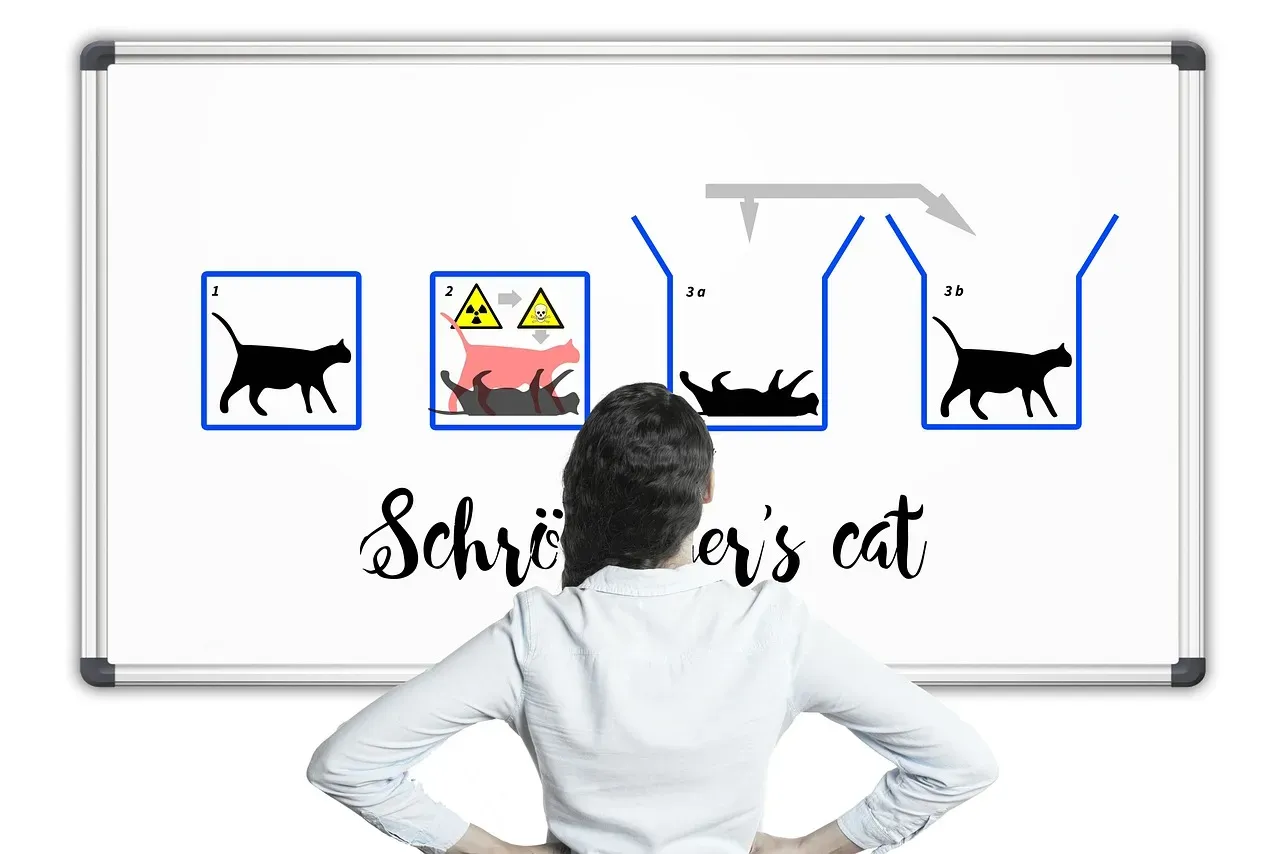
At everyday scales, you expect objects to have clear positions and behaviors: your keys are either on the table or they’re not. But when you look at the quantum world – the realm of electrons, photons, and atoms – you find that nature plays by very different rules. Particles can exist in superpositions, meaning they occupy multiple possible states at once, and only “pick” one when you measure them. Experiments like the famous double-slit setup show that what you choose to observe changes what you get.
This leads you to a deeply unsettling possibility: maybe reality at its most fundamental level doesn’t have definite properties until interactions or measurements happen. Some interpretations say the wavefunction, a mathematical object that encodes all possibilities, is the real thing, and what you see is just a single slice of that larger potential. Others suggest countless parallel outcomes branching off. Either way, you are forced to drop the comforting assumption that the world is always concrete and well defined, independent of all observation.
3. The Holographic Principle: You Might Be a 3D Projection
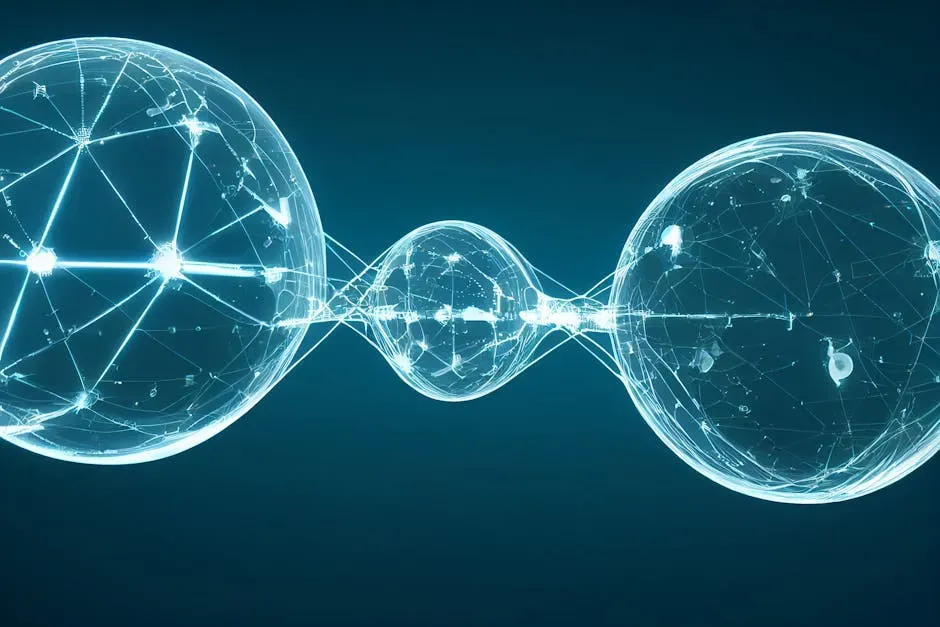
Imagine a regular hologram on a credit card: it looks three-dimensional, but all the information is actually stored on a flat, two-dimensional surface. The holographic principle proposes something similar about your universe. According to this idea, everything that happens inside a region of space – every particle, every galaxy, every memory you have – could be fully described by information encoded on a lower-dimensional boundary, like a kind of cosmic screen.
For you, that means “here” and “there,” “inside” and “outside,” might not be as they seem. You experience a three-dimensional world (plus time), but the underlying description might live in fewer dimensions, just like that hologram. This principle popped up from serious work on black holes and quantum gravity, not from science fiction, and it offers a wild reinterpretation of what it means for something to exist somewhere. When you picture your life as a richly detailed 3D movie being “stored” on an abstract surface, you begin to see how little your senses tell you about how reality is actually organized.
4. Block Universe: Time Might Be an Illusion of Your Perspective
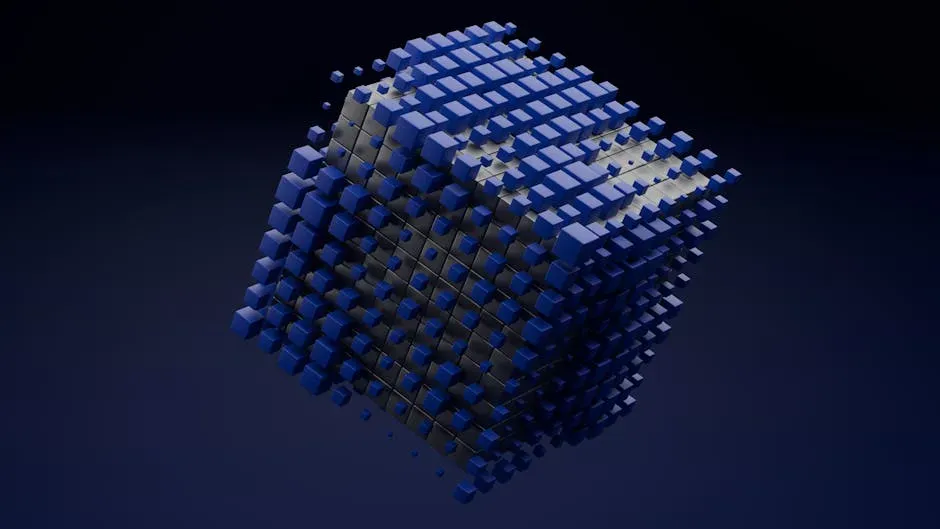
You feel time flowing. You remember yesterday, you anticipate tomorrow, and you experience “now” as something special. The block universe view, inspired by relativity, tells you that this feeling is not how reality truly is. In this picture, past, present, and future all coexist in a single four-dimensional space-time block. Your life is not a line being drawn in real time; it is already etched from birth to death, and your consciousness is just moving along it.
This does not mean you are a helpless puppet, but it does challenge how you think about change and becoming. If every moment is equally real, then “now” is just where you are located in the block, not an objective property of the universe. You can imagine flipping through a book: each page exists at once, but you experience the story in sequence. The block universe suggests your reality might work more like that book than like an open, flowing river, and that is a deeply disorienting thought once you let it sink in.
5. Emergent Reality: The World as a Pattern, Not a Thing
When you look at a flock of birds wheeling in the sky, you see a shape that seems alive and purposeful, but you know there is no single object called “flock.” Instead, there are many small things following simple rules, and the flock is a pattern that emerges from their interactions. Emergent reality theories suggest that what you call space, time, and matter might be something like that: higher-level patterns arising from deeper, simpler ingredients that are not themselves spatial or material in any familiar sense.
For you, this means that solidity, continuity, and even causality might be convenient stories told at your scale, not ultimate truths. Your brain does this all the time: it turns pixels on a screen into faces and landscapes without you noticing the construction. Likewise, the universe might be “building” tables, trees, and people out of a hidden layer of relations or information. Once you start thinking in terms of emergence, reality becomes less about hard stuff and more about stable arrangements that behave as if they were things.
6. Consciousness-First Views: Mind as the Foundation, Not the Byproduct
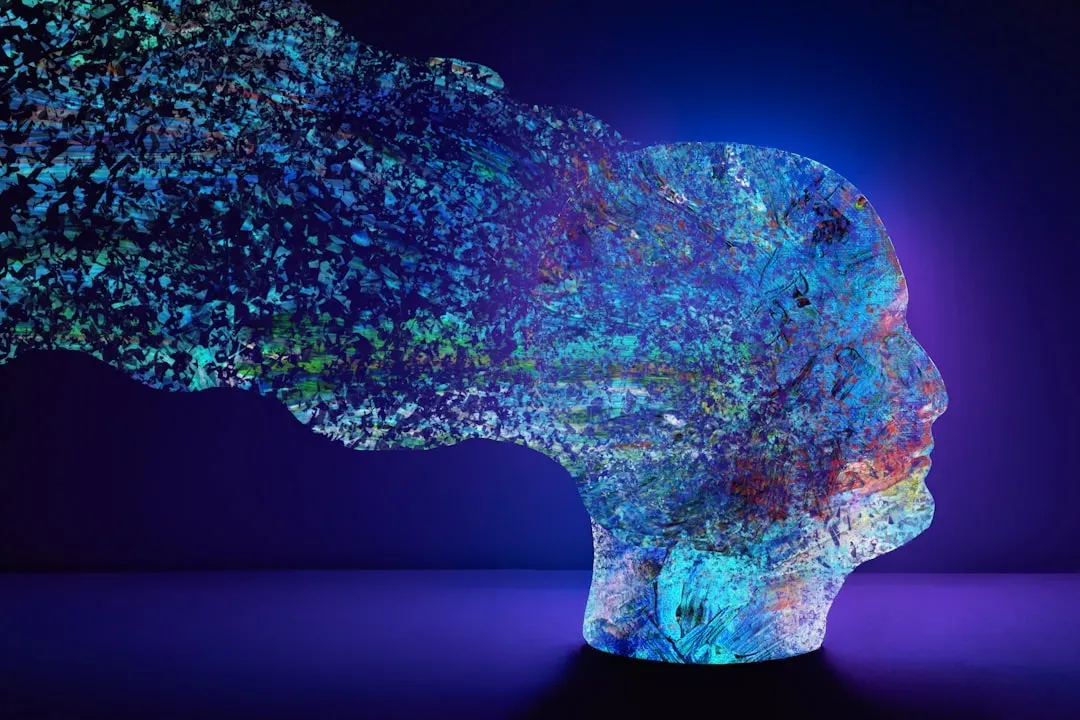
You are used to hearing that your mind is what your brain does: neurons fire, chemicals flow, and somehow consciousness appears as a side-effect. But some philosophers and scientists argue you may have it backwards. In their view, consciousness is not a latecomer; it is a basic feature of the universe, like space or charge. This family of ideas, sometimes called consciousness-first or panpsychist views, suggests that experience is woven into the fabric of reality, not magically produced out of dead matter.
From your perspective, this reframes everything you see. Instead of asking how matter “creates” mind, you start asking how mind organizes itself into the physical world you observe. You can think of it like a dream: within a dream, you accept the physical setting as real, but outside the dream, you realize the entire scene was a construct of awareness. These theories do not claim you are literally dreaming your bedroom into existence, but they do challenge you to treat consciousness as the starting point, not an afterthought, when you try to understand what reality really is.
7. Many-Worlds Interpretation: Every Possibility May Actually Happen
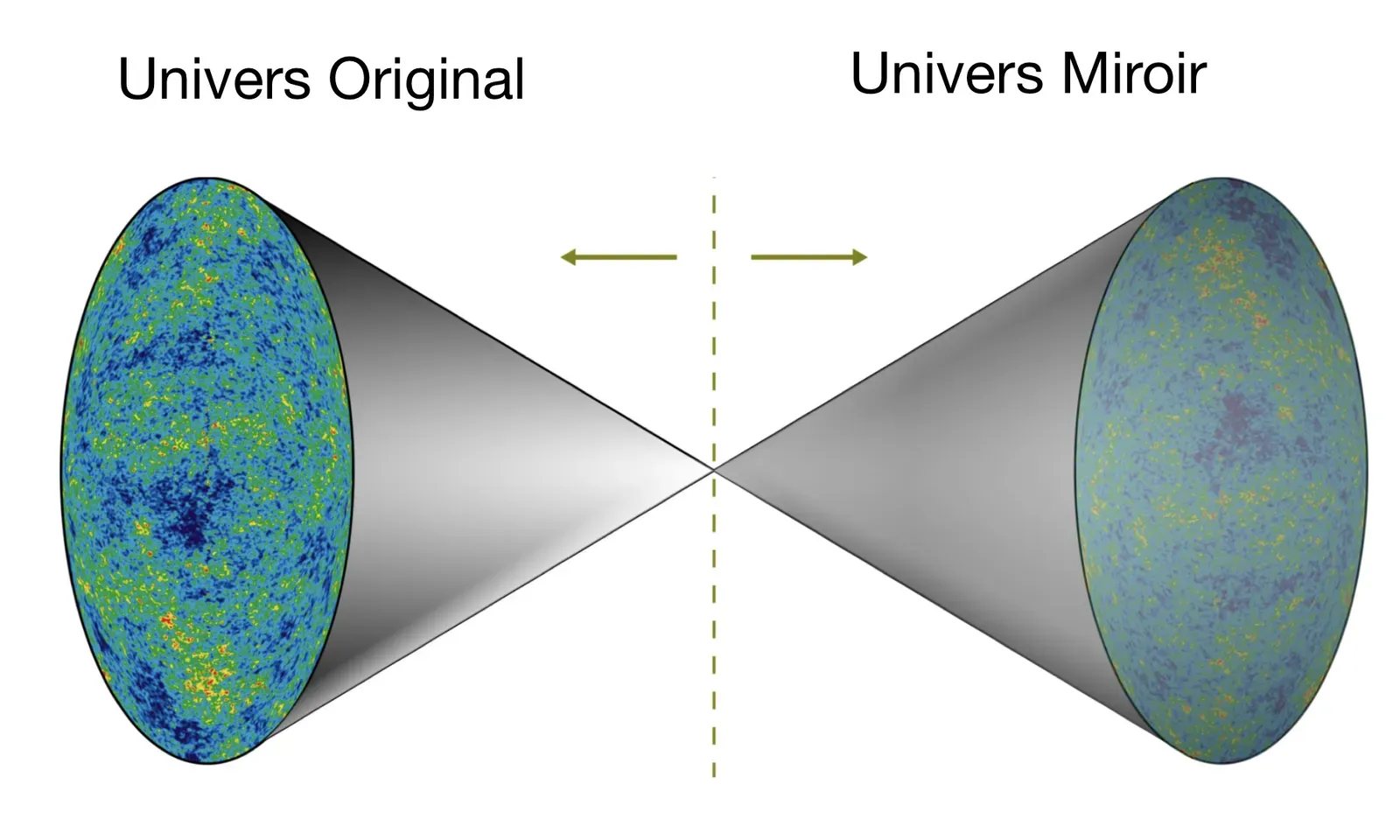
Whenever you make a choice, you feel like one option becomes real and the others simply vanish. The many-worlds interpretation of quantum mechanics boldly tells you that those “other” options may never vanish at all. Instead, reality might constantly branch, with every possible outcome of every quantum event realized in some version of the universe. In one branch you took that job, in another you did not, and both are equally real in the full multiverse.
If you take this seriously, your single timeline starts to look like just one strand in a vast, unfathomable web. From your vantage point, you only experience one branch, so it feels like you made a unique choice. But in the wider picture, you are one of many versions of yourself, each following a different path. This raises unnerving questions about identity and probability: when you say something “could have” happened, you might really be saying it did happen – just not in the slice of reality you currently occupy.
8. Relational Reality: Nothing Exists “By Itself”
Think about how you define something as simple as a chair. You describe its size, its shape, its position in the room, and how you can sit on it. Almost everything you say is about relationships: between the chair and your body, the chair and the floor, the chair and gravity. Relational theories of reality take this idea to the extreme and claim that objects do not have absolute properties on their own; they only have properties relative to other things and observers.
In practice, this means you might need to stop imagining the universe as a collection of independent building blocks and instead see it as a gigantic network of interactions. In this view, reality is more like a conversation than a monologue, with every entity defined by its connections. You never encounter something completely isolated, and according to relational approaches, that is not a coincidence – it may be built into the very structure of existence. Your own identity, then, is not a sealed-off core but a shifting node in that web of relations.
9. The Interface Theory: Your Perceptions as a Useful Lie
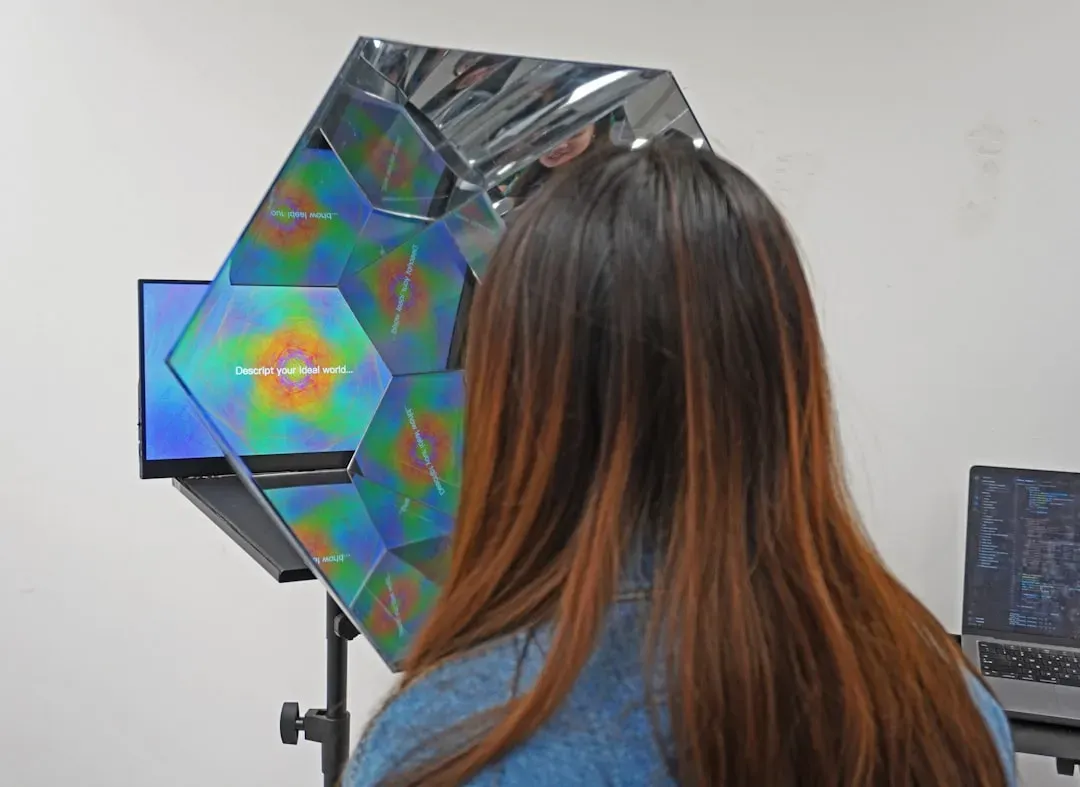
You tend to think your senses show you the world as it is, just with occasional errors. The interface theory of perception, developed in cognitive science, asks you to consider a more radical possibility: that what you see is less like a photograph and more like a phone home screen. Your icons are not tiny literal apps; they are simplified symbols that hide the real complexity to help you act quickly and survive. In the same way, your brain may give you a user interface – colored objects, solid surfaces, continuous time – that helps you navigate, not a faithful picture of the underlying reality.
This changes how you interpret almost everything you experience. A red apple is not presenting its true inner nature to you; it is showing you a convenient symbol that triggers useful behavior like eating or avoiding. You do not see electromagnetic fields, quantum states, or deeper informational structures; you see tables, friends, and sunsets because those are what your species needed to respond to. Once you accept that your senses might be optimized for fitness rather than truth, you realize how cautious you have to be when you treat your everyday picture of reality as the final word.
10. Cosmic Fine-Tuning and the Anthropic Puzzle: Why You Can Be Here at All
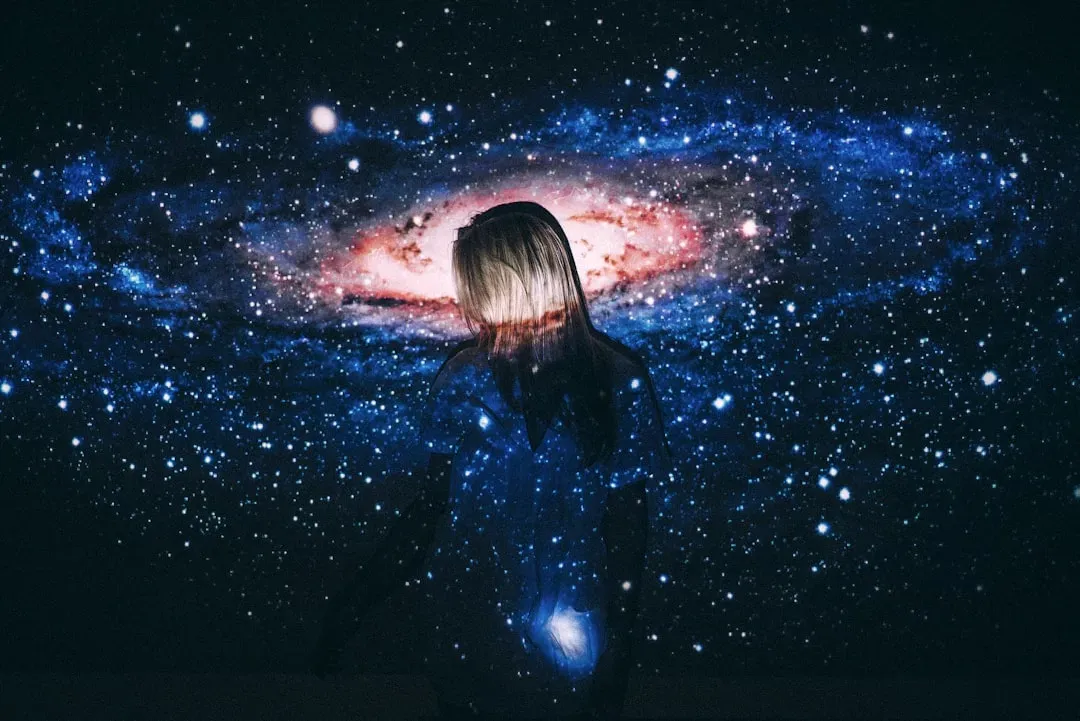
When you look at the numbers that govern your universe – the strengths of forces, the masses of particles, the rate of cosmic expansion – you find that if many of them were even slightly different, complex structures like stars, planets, and living brains would likely never form. This observation is known as fine-tuning, and it puts you face-to-face with a weird fact: you exist in a universe where conditions are just right for beings like you to ask questions. The odds, at least at first glance, look disturbingly low.
There are different ways you can respond. Some multiverse ideas say there might be countless universes with different settings, and you obviously find yourself in one where you can survive, a kind of cosmic selection effect. Other approaches look for deeper physical principles that might force these constants to take the values you observe. Either way, you are nudged into wondering whether your reality is a random fluke, one of many, or the surface of a deeper necessity. Just realizing how precarious your existence appears can make your everyday concerns feel strangely light in comparison.
In the end, these theories do not give you simple, comforting answers, but they do something arguably more valuable: they shake you out of automatic certainty. When you realize that time might be a block, that your perceptions might be an interface, and that consciousness might not be an afterthought, you start to live with more curiosity and a bit more humility. You still have to go to work, wash dishes, and answer messages, but now you know those ordinary moments might be unfolding inside a reality far stranger than you ever guessed. Which of these possibilities changes how you see your day the most?