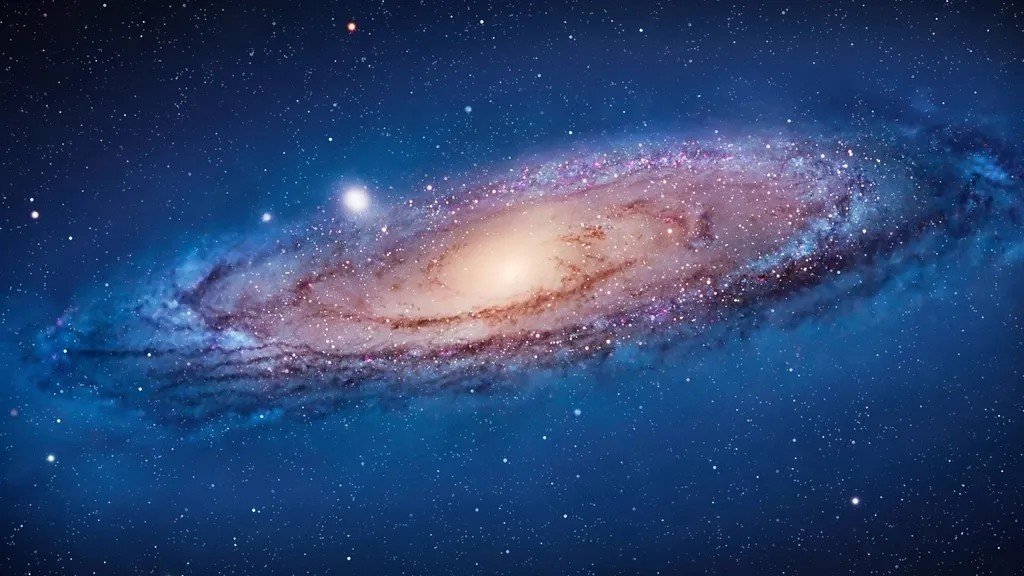
You have probably heard people say that the universe is vast, cold, and indifferent. But lately, you might have noticed a very different kind of question bubbling up in science podcasts, popular books, and late-night conversations: what if the universe is not just a stage for life, but something closer to a living system itself? You are not alone if that sounds wild at first. Yet serious thinkers in physics, cosmology, biology, and philosophy are quietly asking whether certain features of the cosmos start to look strangely “life-like” when you step back far enough.
You are not being told that space is secretly a giant organism with thoughts and feelings. The careful debate is much more subtle than that. Instead, you are being invited to look at how the universe changes, organizes itself, and makes complexity possible, and then ask whether some of the concepts you use for living systems might apply on a cosmic scale. Once you start looking, you may find that the line between “living” and “non-living” is not quite where you thought it was.
The Strange Question: What Would It Mean For a Universe To Be “Living”?
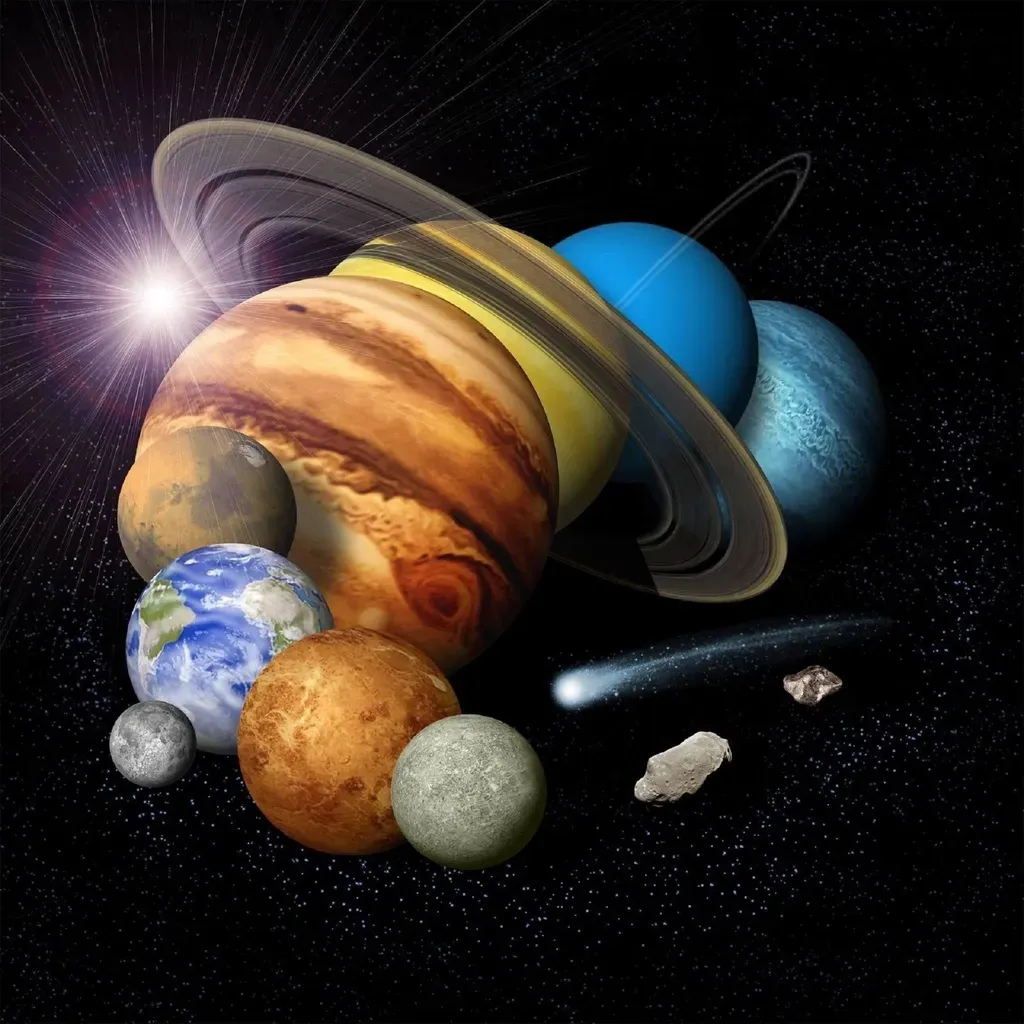
Before you can decide whether a universe might be living, you have to pin down what you even mean by “life.” You already know that defining life is surprisingly tricky even for things on Earth. Does a virus count as alive if it needs a host cell to reproduce? Is a self-replicating computer program a kind of life? When you look across biology, you often end up with a loose checklist: metabolism, self-maintenance, information processing, reproduction, and some ability to adapt or evolve. You use this cluster of traits to say, in practice, “this is alive” and “this is not.”
Now imagine stretching that checklist to the largest possible scale. You can ask whether the universe does anything that looks like metabolism or self-maintenance. Does it cycle energy and matter in a structured way? Does it maintain conditions that allow complex structures to persist? Does it create, store, and process information over time? When you look at galaxies forming, stars being born and dying, heavy elements being forged and spread, and planets cooling into stable environments, you start seeing patterns that resemble the way a body circulates blood or a forest cycles nutrients. You still have to be careful not to confuse metaphor with fact, but you can see why the question refuses to go away.
Fine-Tuning and the Feeling That the Universe “Wants” Life
When you learn basic physics, you discover that a handful of constants describe how your universe behaves: the strength of gravity, the charge of the electron, the speed of light, and so on. You then find out that if many of those numbers were just slightly different, stars would not form properly, complex chemistry would not work, or the universe would expand so fast that matter never clumps into anything interesting. This situation is often called the “fine-tuning” problem, and it can leave you with the uncomfortable impression that the universe is curiously “set up” for life to be possible.
You do not need to jump to mystical answers here. One popular way you might make sense of this is the multiverse idea: maybe there are countless universes with different settings, and you just happen to be in one where life can exist, because otherwise you would not be around to ask. Still, you may feel a pull toward another way of talking about it: maybe your universe behaves more like an ecosystem that naturally stabilizes itself in certain life-friendly ranges. Even if you stick to cautious, naturalistic explanations, the sheer delicacy of these conditions keeps feeding the intuition that your cosmos is at least unusually hospitable, and that is one reason people start flirting with the language of a “living” universe.
Self-Organization: How Order Emerges Without Anyone in Charge
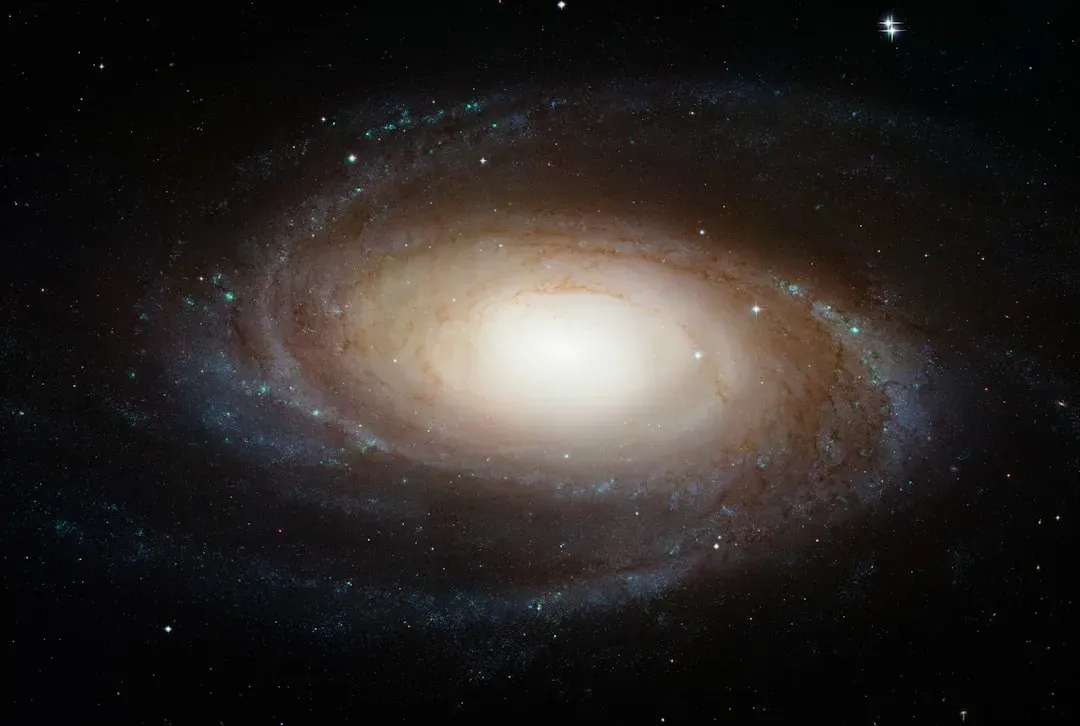
If you look at a spiral galaxy, a star-forming nebula, or even the large-scale web of galaxies stretched across billions of light-years, you see structure and pattern everywhere. You might instinctively assume that high levels of organization require a planner, a designer, or at least some top-down blueprint. But modern physics and complexity science push you in the opposite direction. You learn that simple rules, applied over and over, can generate shockingly rich structures. Snowflakes, sand dunes, hurricanes, and the branching of rivers all arise from matter following basic physical laws.
When you apply this perspective to the whole universe, you start to notice that self-organization is not a rare exception, but almost the default. Matter clumps under gravity, gas collapses into stars, stars forge heavy elements, and planetary systems provide calm niches where chemistry can explore possibilities. You can think of this as the universe constantly driving itself away from featureless uniformity into patches of intense, structured complexity. That pattern looks less like a dead, static backdrop and more like a dynamic system that keeps bootstrapping new levels of order, in a way that loosely echoes how cells form tissues, tissues form organs, and organs form whole organisms.
Information, Consciousness, and the Cosmic Brain Metaphor
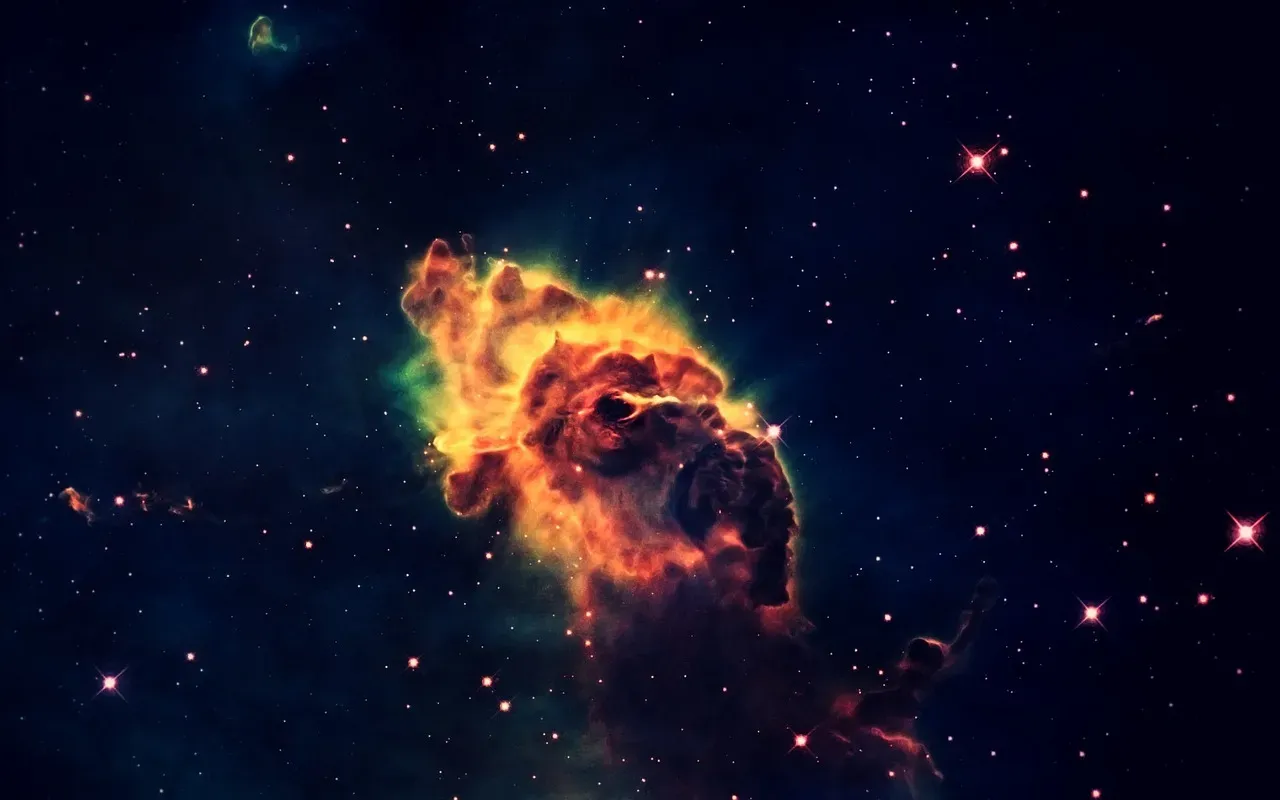
As you dig deeper into both physics and neuroscience, you keep running into one idea: information matters. In your brain, patterns of electrical activity encode perceptions, memories, and decisions. In computers, bits and algorithms determine what outputs you see. In fundamental physics, you learn that information seems to be conserved, that black holes have information content in the form of entropy, and that the arrangement of matter encodes the history of the universe. You start to see reality itself as an unfolding story of information being processed and rearranged.
This is where your imagination gets gently provoked by some striking comparisons. When researchers map the large-scale structure of the universe and compare it statistically to brain networks, they find surprising similarities in how nodes and connections are distributed. That does not mean the universe is secretly thinking, but it does nudge you toward asking whether information processing is somehow built into the fabric of things. If you define a “mind” very loosely as a system that stores, transforms, and uses information to maintain itself, you might begin to wonder whether you are just one local pocket of a much larger informational process that has been running since the Big Bang.
Gaia, Cosmic Ecology, and Viewing the Universe as a System
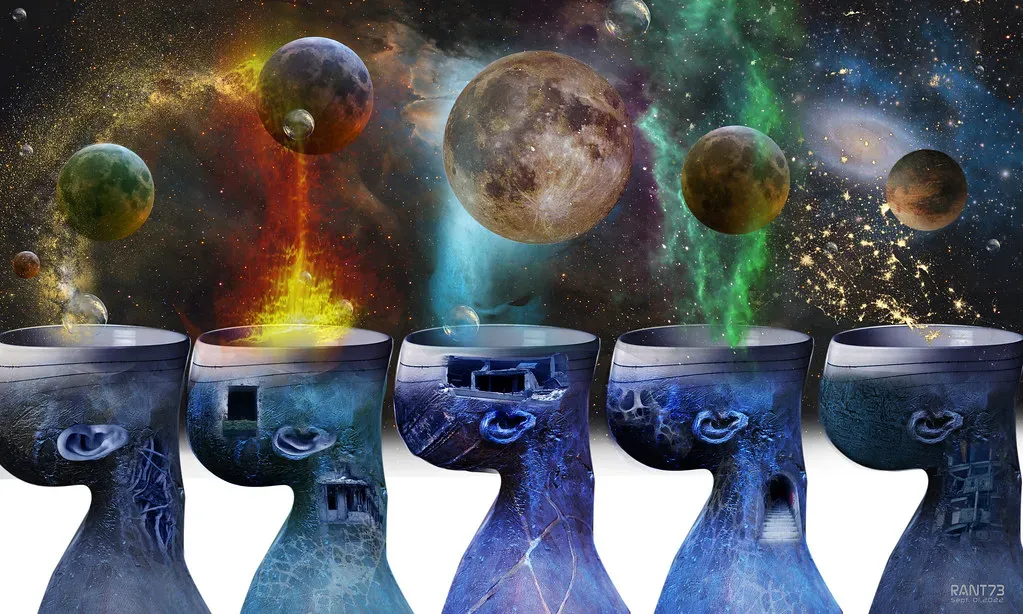
You may have heard of the Gaia hypothesis, which suggests that Earth behaves in some ways like a self-regulating system. Through feedback loops between oceans, atmosphere, rocks, and living organisms, the planet has managed to keep conditions relatively stable for billions of years, despite an ever-changing environment. Whether or not you want to label Earth as literally alive, you can see that it functions as a complex, tightly coupled network that tends to maintain certain balances. It acts less like a random pile of parts and more like a system with its own dynamic identity.
Now, if you zoom out from Earth to the solar system, your galaxy, and eventually the entire observable universe, you can ask whether a similar systems view makes sense at that scale. You can look at cosmic cycles of matter and energy, at long-term trends in complexity, and at the way different structures depend on each other. From this vantage point, you are not just living in space; you are nested inside layer upon layer of interacting systems, from ecosystems to planets to galaxies. Seeing the universe as a kind of ultimate ecology does not force you to call it alive, but it does invite you to treat it less like a dead container and more like a dynamic web that you are fully part of.
Anthropic Reasoning vs. a Truly Living Cosmos
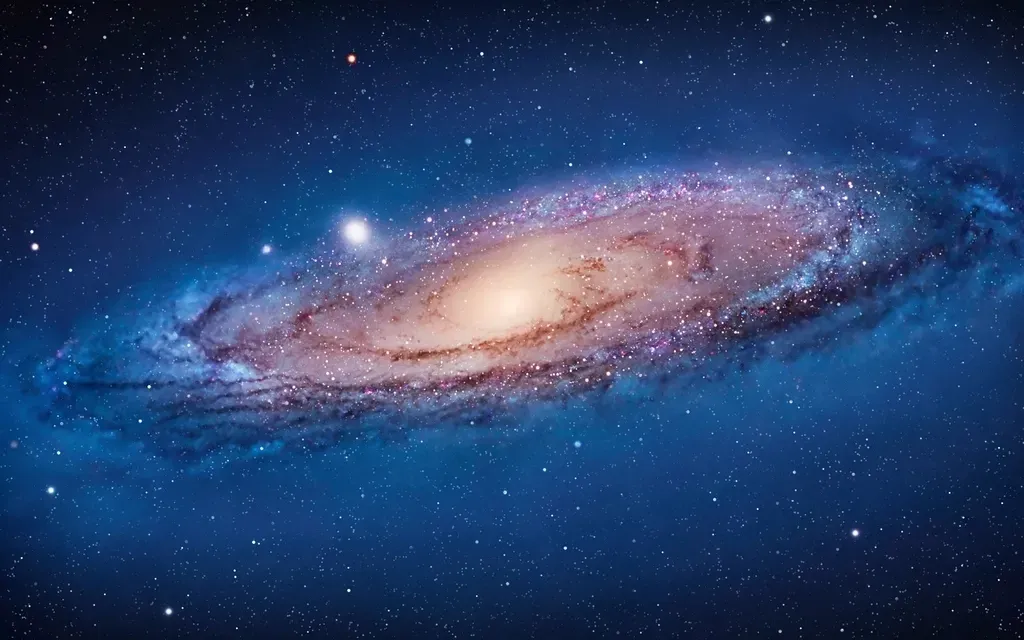
When you hear that the universe seems strangely hospitable to life, one of the first tools you are encouraged to use is anthropic reasoning. This is the simple idea that you should not be surprised to observe conditions that allow you to exist, because if they did not, you would not be around to notice. In practice, it tells you to be cautious about drawing deep conclusions from the fact that your corner of reality supports observers like you. You might just be looking at a selection effect rather than a special cosmic design. This approach keeps your feet on the ground when things start sounding too mystical.
On the other hand, you might feel that anthropic reasoning can start to feel like a shrug rather than an explanation. You might ask whether the very fact that a universe can host observers tells you something interesting about its nature. Some thinkers suggest that a universe capable of creating and sustaining complex, evolving structures could be seen as having a kind of “living potential,” even if it does not have intentions or consciousness. In this view, you are encouraged to hold both ideas at once: yes, your perspective is biased by your existence, and also, a universe that can grow stars, planets, and minds is not a trivial accident. You are living in a cosmos that, at the very least, is remarkably fertile for complexity.
Why the Debate Matters for How You See Yourself
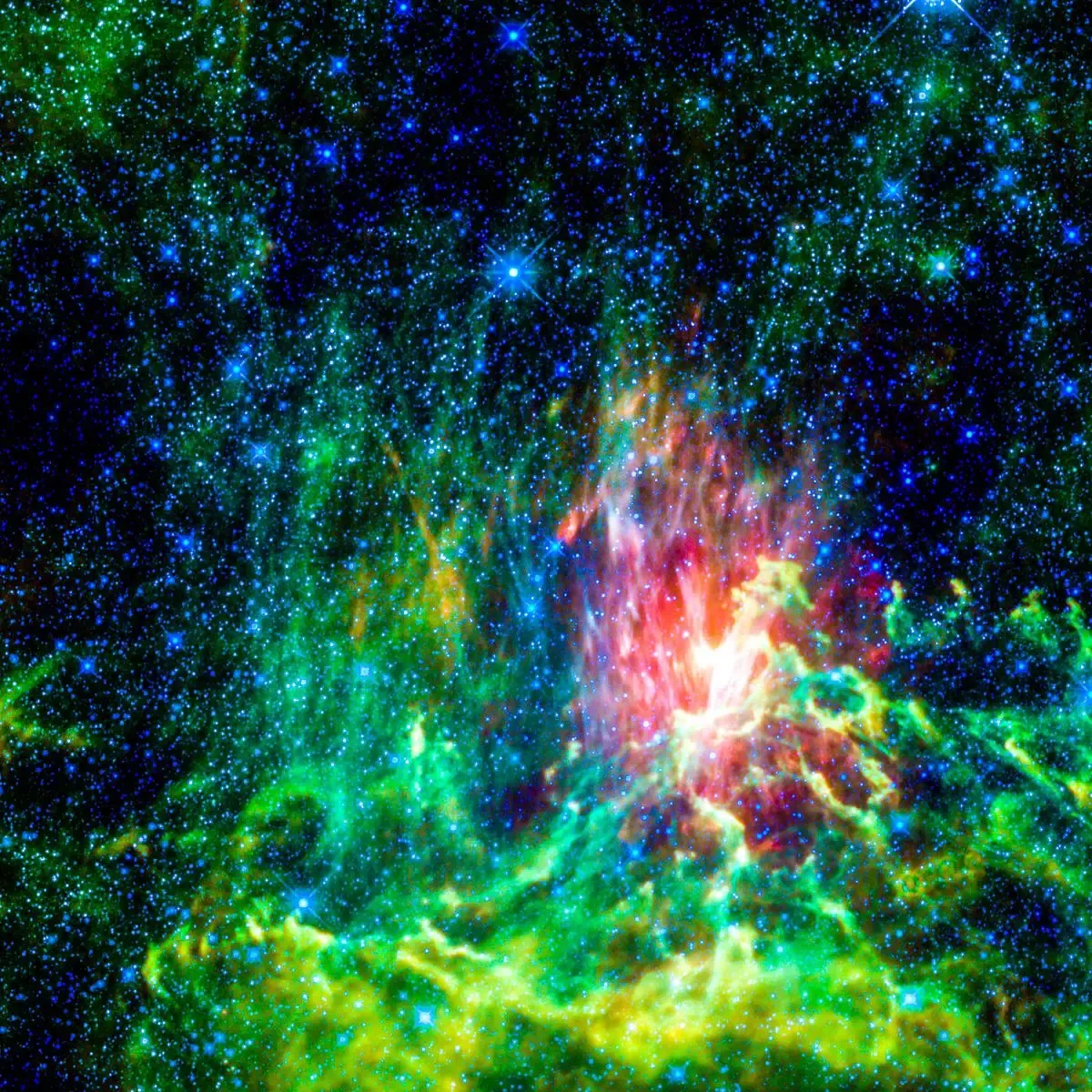
You might wonder why any of this matters beyond being a fun late-night thought experiment. The way you answer the question of whether the universe is more like a machine or more like a living system quietly shapes how you see yourself and your place in reality. If you tend to see the cosmos as a cold, meaningless expanse, it becomes easier to feel small, accidental, and somehow separate from the larger whole. You might feel like a temporary glitch in an otherwise indifferent void. That picture can be honest in some ways, but it can also be emotionally heavy.
When you instead allow yourself to see the universe as a dynamic, self-organizing, possibly “life-leaning” system, your own existence can feel more continuous with the rest of nature. You start to feel less like a stranger in a hostile environment and more like a local expression of the same processes that build stars and galaxies. Your body, mind, and culture become ways the universe explores what it can do, not exceptions to the rules. Even if you remain fully committed to scientific realism, this shift in framing can change how you relate to other people, other species, and the planet itself, because you no longer see them as isolated objects but as companions in a shared cosmic unfolding.
Staying Honest: Where Evidence Ends and Imagination Begins
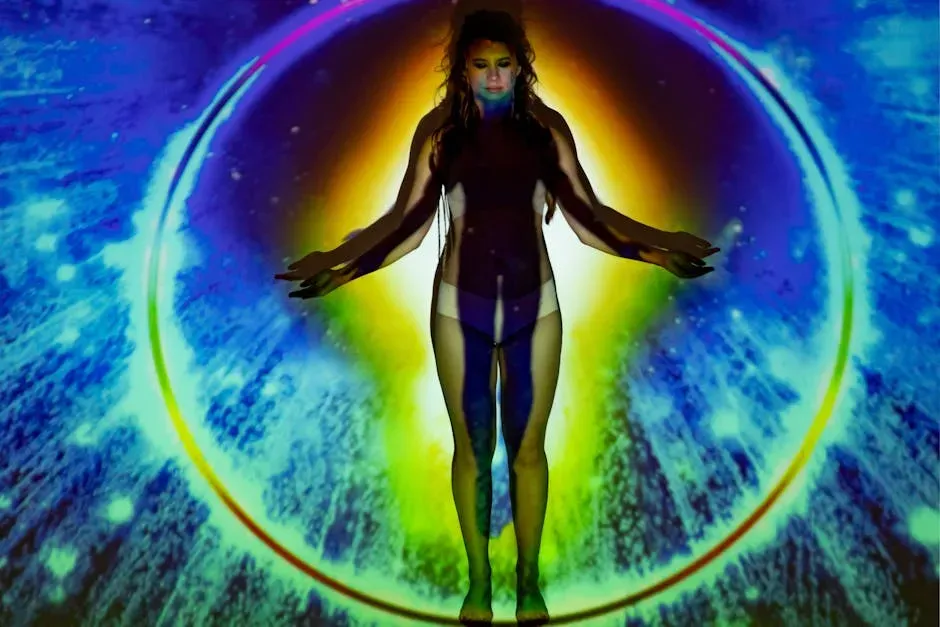
As tempted as you might be to embrace a poetic image of a living universe, you also have to respect where the evidence actually stops. Right now, you do not have scientific proof that the cosmos is alive in the same sense a cell or an animal is alive. You do not see direct signs of metabolism, reproduction, or intentional behavior at the scale of the entire universe. What you do have are suggestive analogies, intriguing patterns of self-organization, and a handful of speculative theories that are still far from settled. Good intellectual hygiene means you keep those categories separate in your own mind.
At the same time, you do not have to shut down your imagination just because something is not yet testable. Many powerful scientific ideas started as bold but vague questions about the nature of reality, long before anyone could formalize or measure them. You can treat the “living universe” debate as a creative lens rather than a declaration of fact. It can guide the kinds of experiments, models, and philosophical arguments you find worth pursuing, while you stay honest about what is known, what is conjecture, and what is mostly metaphor. In that space, curiosity and rigor can actually help each other instead of pulling you in opposite directions.
Conclusion: Living In, With, or As the Universe
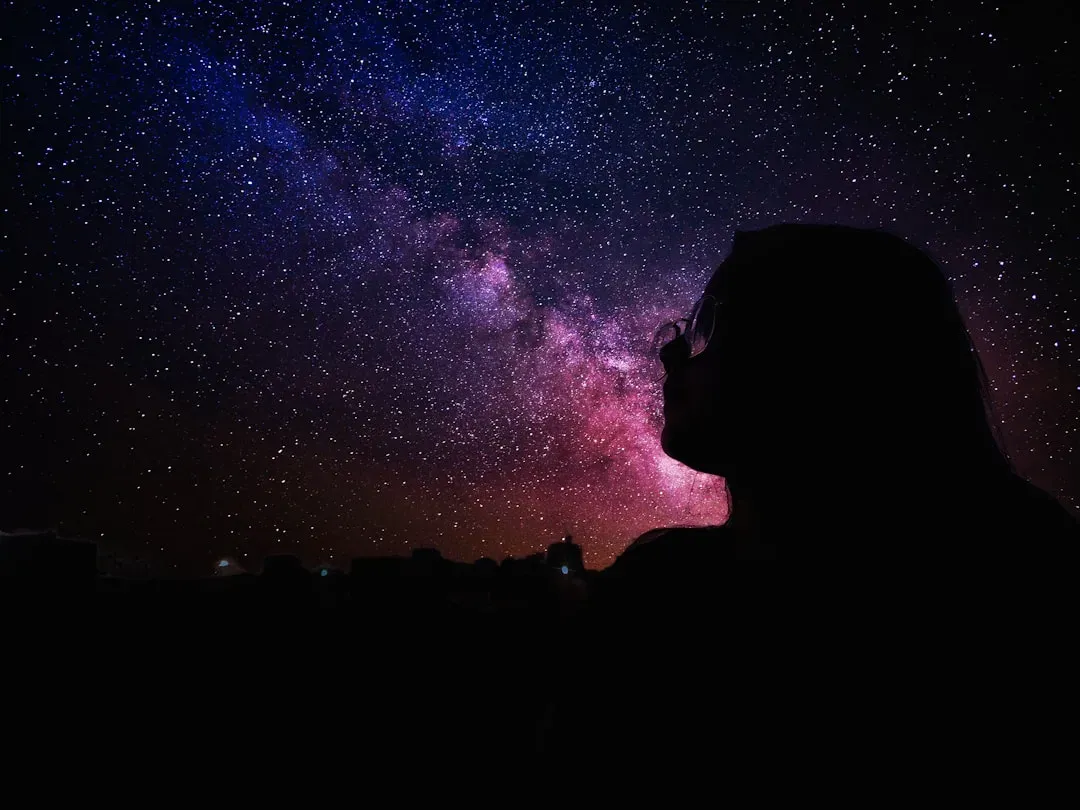
By now, you can see that the debate over a possibly living universe is not about sneaking mysticism into science, nor about draining all meaning out of a magnificent cosmos. It is about you trying to find the right language for a reality that constantly surprises you with its capacity to generate structure, complexity, and life. You are weighing different stories: one where you are a fleeting accident in a dead machine, and another where you are a self-aware fragment of a vast, unfolding system that behaves in some ways like a living thing. Neither story is complete, and both are still being rewritten as new data arrives.
In your own life, you have to decide which framing helps you act with more clarity, humility, and care. If you choose to see yourself as woven into a larger, dynamic universe that is at least “life-friendly” in its deep patterns, you may find it easier to feel connected rather than alone, responsible rather than detached. You do not need to settle the question of whether the cosmos is literally alive to let that sense of belonging shape how you move through the world. The next time you look up at the night sky, you might quietly ask yourself: are you just gazing at the universe, or is the universe, in some strange way, looking back through you?