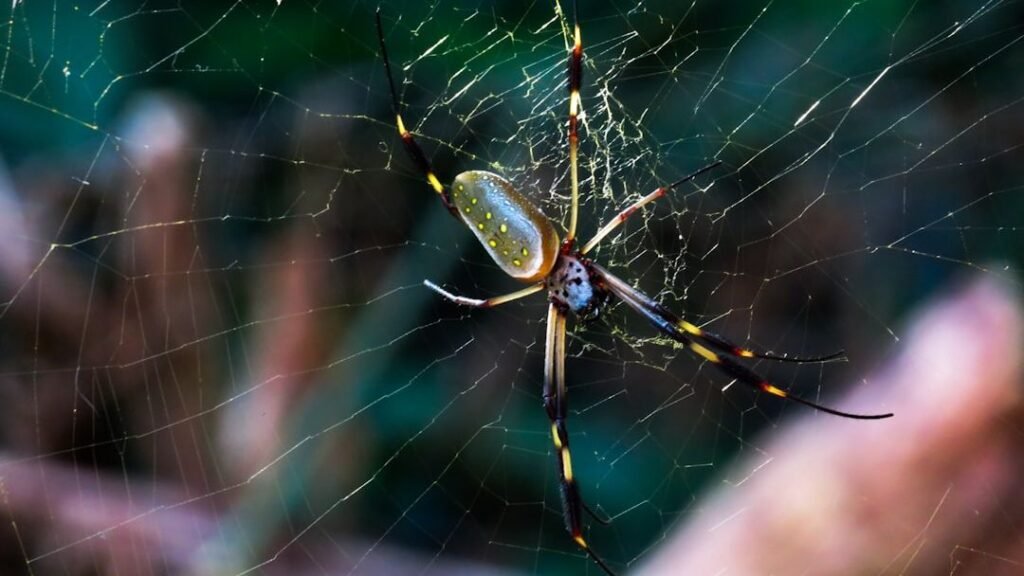
If you were designing the ultimate life-saving fiber, you probably would not start by staring at a tiny spider in the corner of your ceiling. Yet that little architect is quietly spinning one of the toughest materials on the planet, a fiber that can rival or even beat Kevlar in toughness while being made at room temperature from water-based goo. When you really dig into how spiders do this, it almost feels like cheating: nature has had hundreds of millions of years to perfect a process that labs are still trying to copy.
As you read this, a typical garden spider could be producing silk that absorbs more energy before breaking than many of the high‑performance fibers humans are so proud of. You are looking at a kind of natural nanotechnology, built protein by protein, tuned down to the level of single molecules and controlled by the spider with casual ease. The deeper you go, the more you realize that the toughness of spider silk is not a single magic trick but a whole choreography of chemistry, mechanics, and smart design working together.
The Surprising Truth About “”
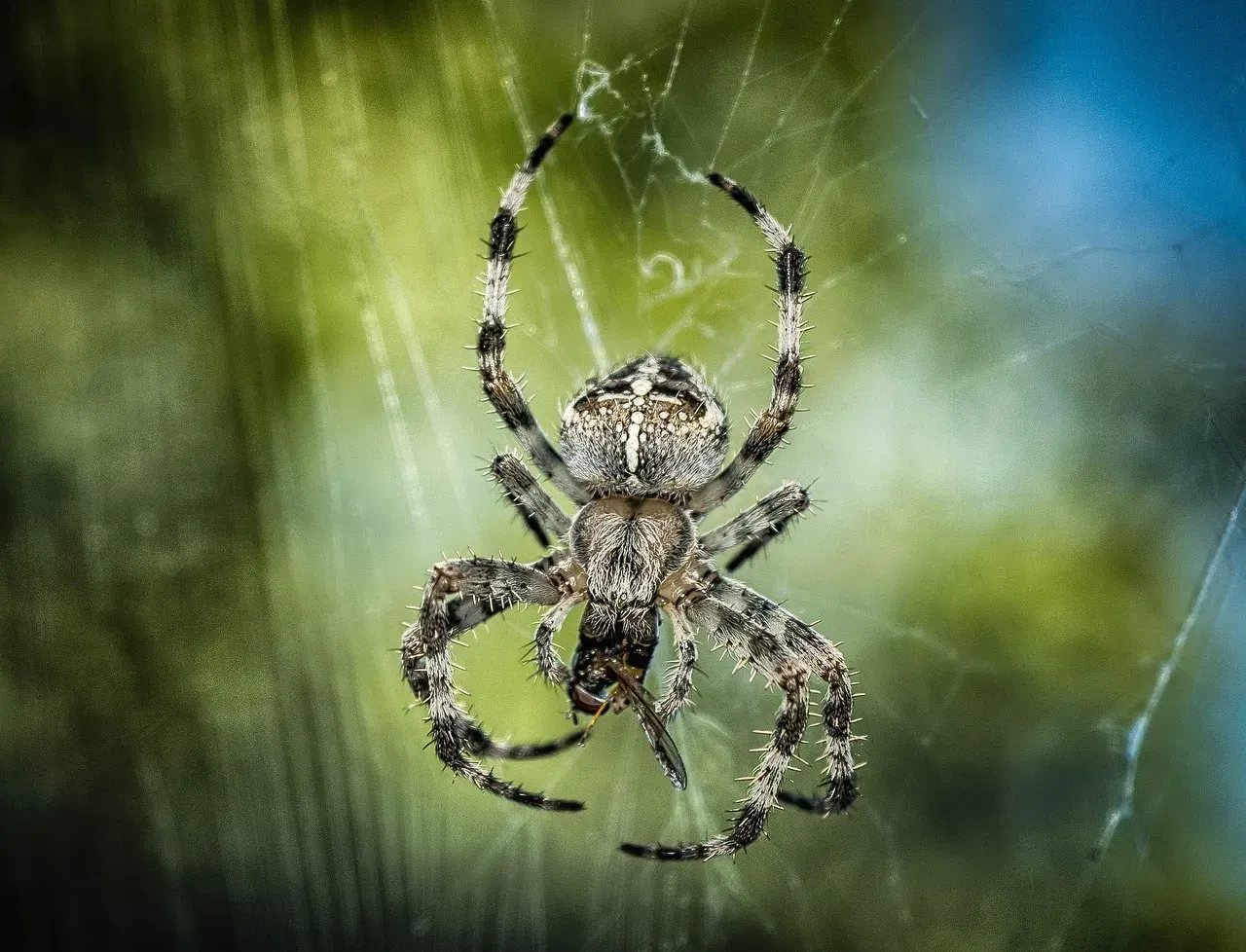
When you hear that spider silk can be up to ten times tougher than Kevlar, it sounds like a wild exaggeration, but what you are really hearing is a story about toughness, not just strength. Strength is about how much force you can apply before something breaks; toughness is about how much energy that material can soak up along the way, like how a car’s crumple zone protects you by deforming instead of snapping. Spider silk stretches far before it finally breaks, so it absorbs loads of energy, which is why its toughness can beat high‑strength fibers that are more rigid.
Kevlar is incredibly strong and stiff, which is perfect for bullet‑resistant armor, but it does not stretch very much before failing. Spider dragline silk, the kind a spider uses as a safety line or web frame, is strong but also astonishingly elastic, so it works more like a shock absorber than a brittle shield. When people say “ten times tougher,” they are usually talking about how much energy per unit volume the silk can absorb before it breaks under ideal lab conditions. In real life, the performance depends on the spider species, environment, and even what that individual spider has been eating, but the core message still holds: you are dealing with a material that can combine high strength with serious stretch in a way most synthetic fibers can only dream of.
Inside the Silk: A Protein Architecture Built for Toughness
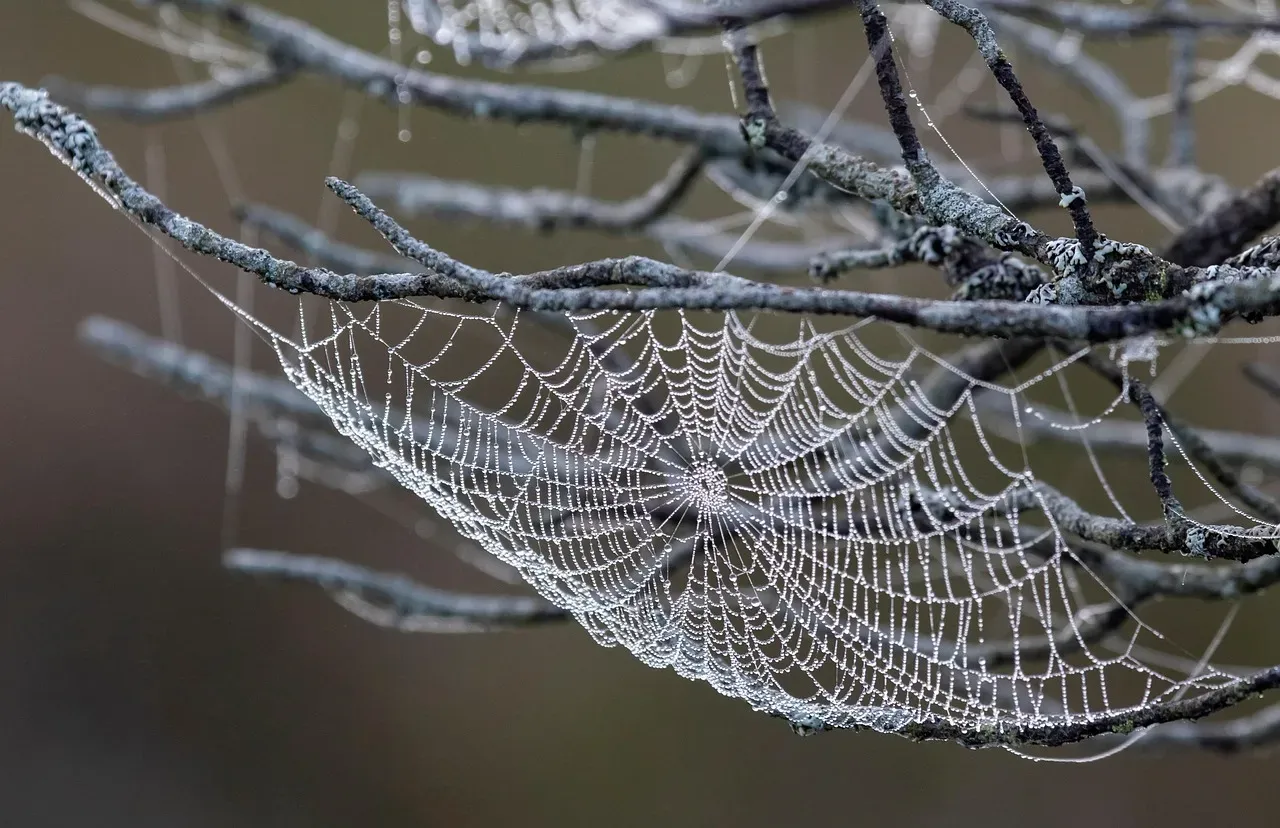
If you could zoom into a strand of spider silk down to the molecular level, you would see that it is not a simple thread at all but a beautifully organized protein composite. The main ingredients are long protein chains called spidroins, which the spider makes in special silk glands and stores as a concentrated, syrup‑like solution. These spidroins contain repeated patterns of amino acids, with some regions forming stiff, crystalline blocks and others forming more rubbery, flexible zones.
You can think of this structure like a rope made from both rigid bricks and stretchy rubber bands arranged along the same chain. Under stress, the softer, disordered regions uncoil and stretch first, allowing the fiber to elongate without snapping, while the crystalline regions resist and carry the load. This combination is what gives silk fibers that rare mix of strength and extensibility. You get a material that can be pulled a long way, distributing stress instead of concentrating it in one fatal spot, which is exactly what you want when you are trying to avoid catastrophic failure.
How a Spider’s Spinning Duct Acts Like a Living Factory
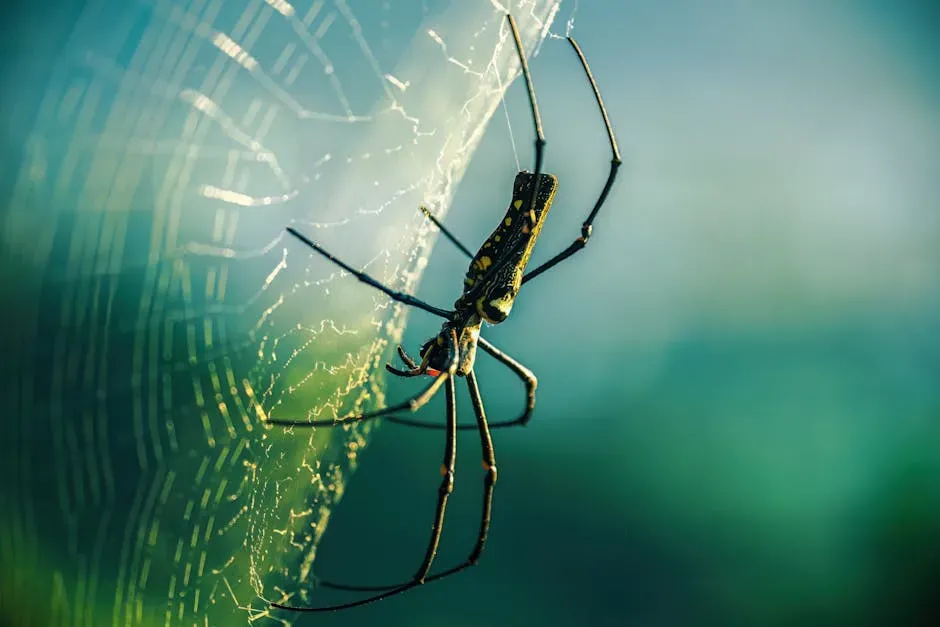
The real magic happens not just in what the silk is made of, but in how it is processed inside the spider’s body. You might picture silk as something squeezed straight from a tiny tube, but in reality, the liquid silk dope travels through a complex, tapering duct where it experiences changes in pH, ion concentrations, and shear forces. As the silk solution moves along this path, the environment gradually nudges those spidroin proteins to line up, self‑assemble, and lock into a solid fiber.
You can imagine the spinning duct as a microscopic production line that does not use high temperatures, toxic solvents, or huge amounts of energy the way human factories often do. Instead, it uses careful chemical gradients and gentle flow to convert liquid into a perfectly aligned, high‑performance thread within milliseconds. By the time the silk exits the spinneret, it has been drawn, oriented, and fine‑tuned in ways that strongly affect its final toughness. You are watching a natural fiber‑spinning process that engineers still consider a kind of gold standard for efficient, sustainable manufacturing.
Why Stretch Matters More Than Raw Strength
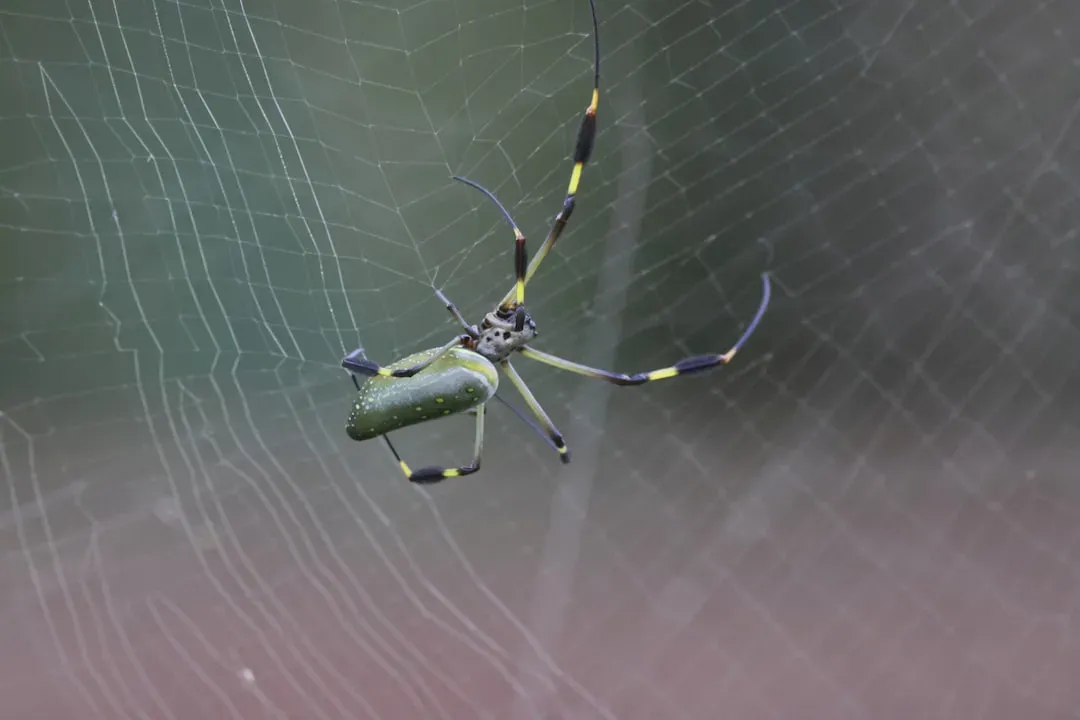
When you compare fibers, it is tempting to focus only on ultimate strength, like asking how much weight a single strand can hold before it snaps. But if you care about toughness, especially for applications like safety gear, you should be looking at what happens long before that final break. Spider silk can stretch to several times its original length, and this ability to deform and then slowly stiffen as the load increases is one of its secret weapons. It means the fiber does not fail suddenly; instead, it gradually gives and redistributes the stress.
You can think of Kevlar as a rigid fence and spider silk as a network of flexible bungee cords. A rigid fence might stop something abruptly but can also shatter if overloaded, while bungee cords stretch and slow things down, turning a sharp impact into a longer, less deadly event. Spider silk’s special stress‑strain curve, where it stiffens as it stretches, lets it act like an automatic shock absorber that responds intelligently to how hard it is being pulled. For an animal that depends on tiny threads to catch fast‑moving prey or save itself from a fall, this kind of graceful failure is a matter of survival.
Smart Fibers: Self‑Adjusting to Weather, Humidity, and Load
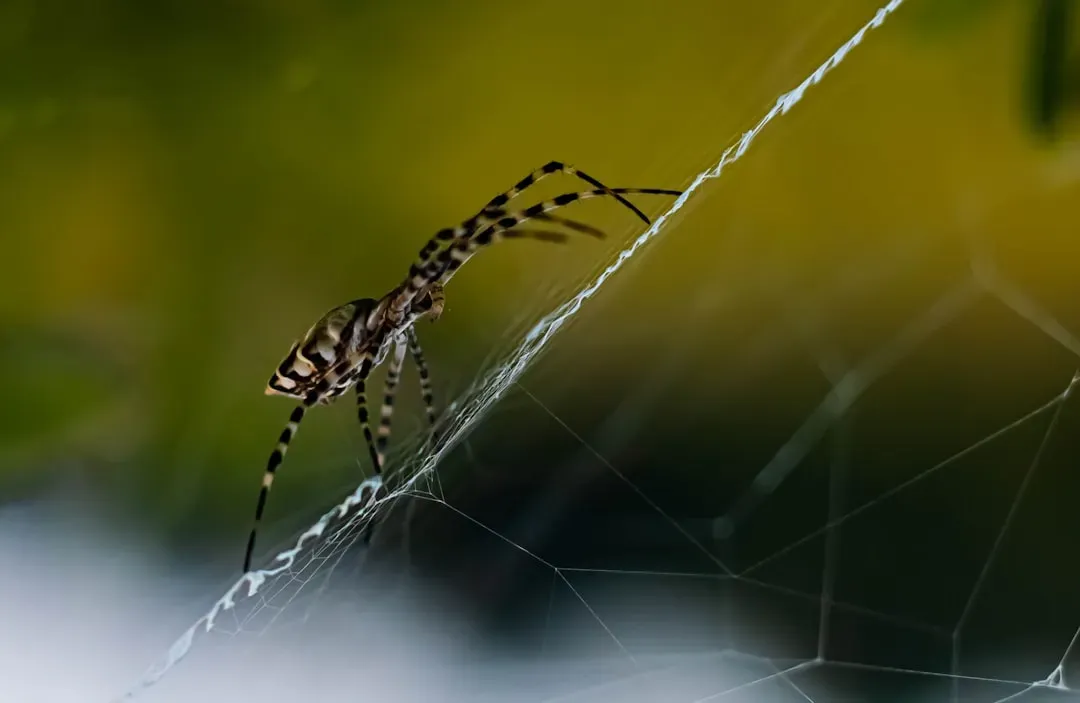
Spider silk is not a static material; it responds to its surroundings in ways that make it feel almost alive. Humidity, for example, can soften parts of the silk, allowing it to become more flexible and stretchier when the air is damp. This can actually be useful, because a slightly softer, more compliant web can better absorb the impact of flying insects. You might think of it as a built‑in climate adjustment feature that helps the web keep doing its job even when conditions shift.
Under repeated loading, like wind or struggling prey, the silk can also exhibit a kind of mechanical memory, changing its properties slightly as it is cycled. Some types of silk can stiffen or relax depending on how they have been used, which means the spider is working with a material that can tune itself over time. Instead of building with a dead fiber that always behaves the same way, the spider gets something more like adaptive hardware. You are looking at a natural smart material long before humans even coined that term in materials science.
Different Silks for Different Jobs: A Built‑In Material Toolkit
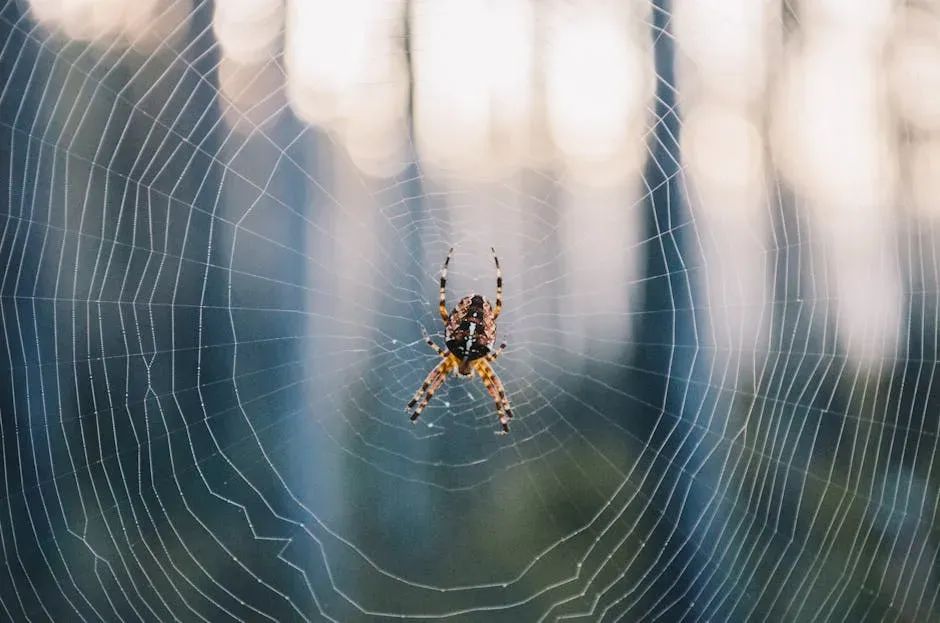
When you say “spider silk,” you might imagine just one type of thread, but a single spider can produce several distinct silks, each tailored to a specific purpose. There is dragline silk for safety lines and web frames, capture silk coated with sticky glue for catching prey, and even tough, short fibers for wrapping and immobilizing an insect. Each silk type comes from different glands and has its own protein recipe and mechanical profile. You are basically watching a tiny animal carry around a complete fiber workshop inside its abdomen.
The silk that usually competes with Kevlar in terms of toughness is the dragline silk, the one spun for lifelines and structural web components. This silk needs to be both strong and reliable, because the spider’s life can literally hang on it. Other silks sacrifice some toughness to gain elasticity, stickiness, or other specialized features. When you step back, you realize that the spider is not just making one incredible fiber, but a whole suite of high‑performance materials, each optimized through evolution for its own role, the way you might choose different ropes for climbing, sailing, or camping.
The Evolutionary Pressure Cooker Behind Super‑Tough Silk
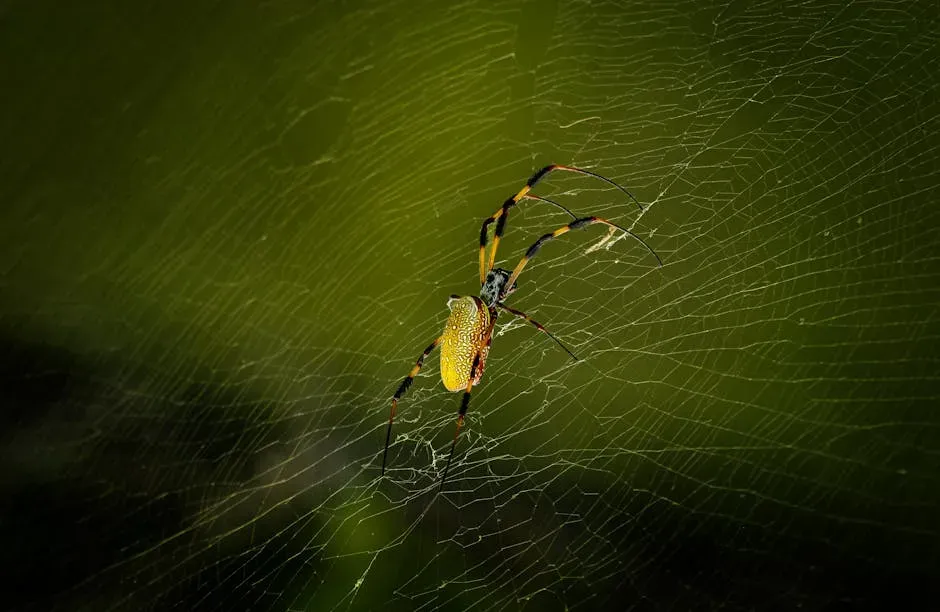
To really understand why spider silk ended up so tough, you have to look at the evolutionary pressures that shaped it. For hundreds of millions of years, spiders that could spin better silk had clear survival advantages: they could build stronger webs, catch more prey, escape falls, and protect their eggs more reliably. Over unimaginable stretches of time, tiny genetic tweaks to silk proteins and spinning mechanisms were tested, selected, and refined in a brutal, never‑ending performance review carried out by nature itself.
You can think of every web that tears too easily in a storm or every safety line that breaks during a fall as a failed product test, with real life‑or‑death consequences. The spiders that survived passed on slightly better silk genes and slightly more efficient spinning strategies. Layer those small gains over deep time, and you end up with a material that looks almost engineered for maximum toughness. When you compare that to man‑made fibers, which have only been developed over a few decades, it is not so surprising that you are still playing catch‑up.
Why It’s So Hard to Copy Spider Silk in the Lab
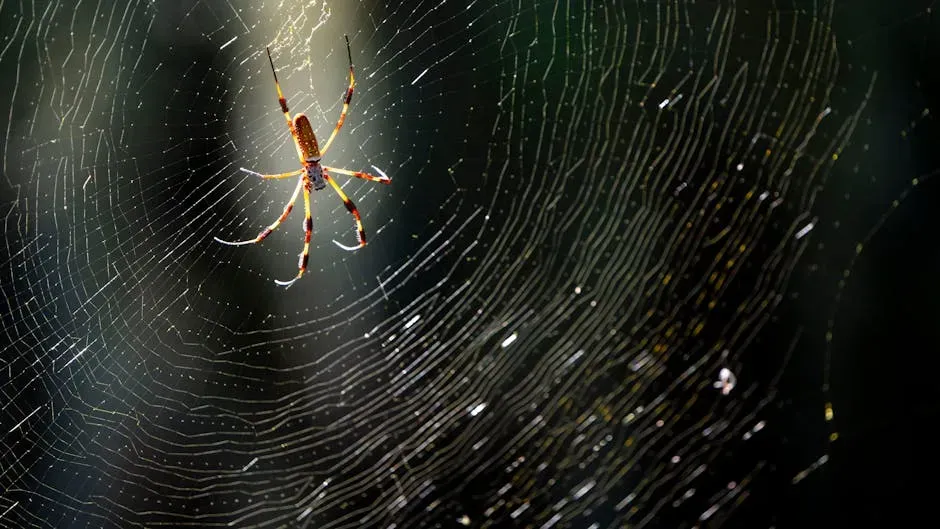
If spider silk is so amazing, you might wonder why you are not already wearing spider‑silk jackets or driving cars with spider‑silk safety components. The simple answer is that copying both the chemistry and the processing of natural silk is extremely hard. Producing enough silk from real spiders is a nightmare, because spiders are territorial and often cannibalistic, which makes farming them at scale almost impossible. So researchers try to bioengineer the silk proteins in other organisms like bacteria, yeast, plants, or even silkworms, and then spin them into fibers.
Even when you manage to produce the right proteins, you still have to replicate the spinning duct’s subtle environment: the gradients of acidity, salt, water content, and mechanical pulling that align and lock those proteins into a high‑performance thread. Industrial spinning tends to rely on different conditions, often using harsh solvents or high energy, and the resulting fibers usually fall short of natural silk in toughness. You are essentially trying to re‑create a microscopic living factory using nonliving machines, and every small mismatch in structure reveals itself as weaker performance. The race to fully match or surpass natural spider silk is still ongoing, and each year brings new tricks and partial successes.
From Body Armor to Biomedicine: Where This Super Fiber Could Take You
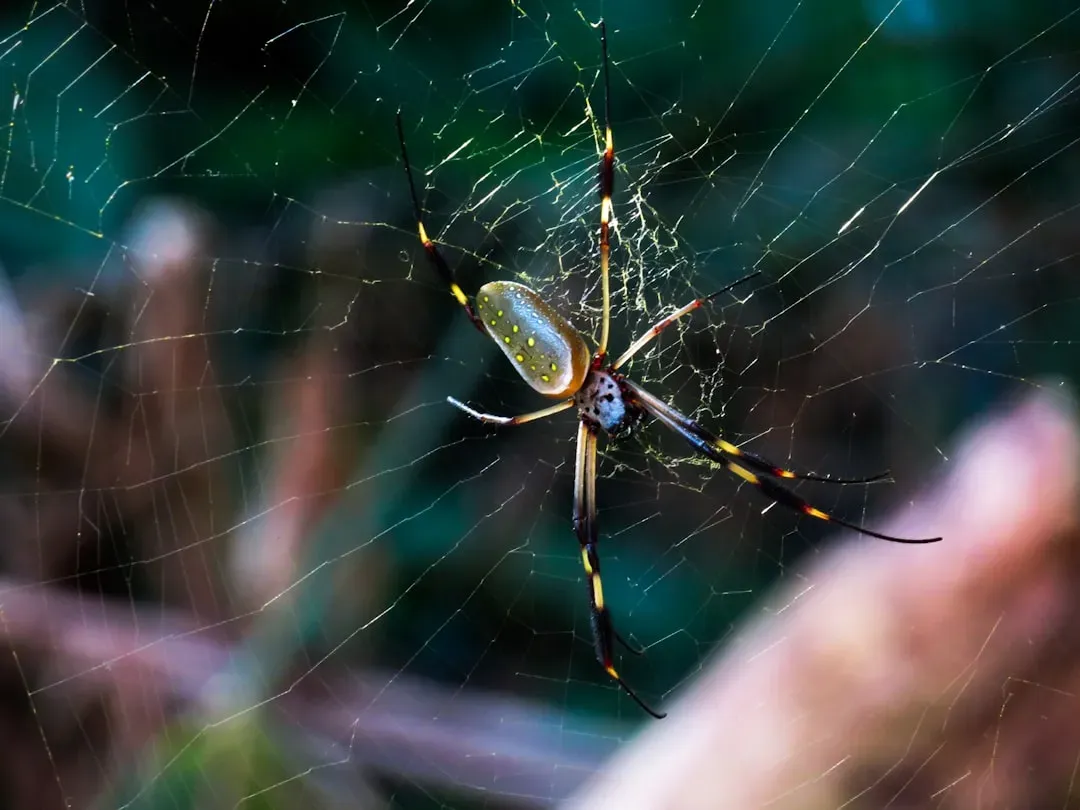
Once you grasp how tough, flexible, and biocompatible spider silk is, you immediately see why people talk about it as a wonder material for the future. Imagine lighter, more comfortable protective gear that could absorb impacts better than current Kevlar‑based designs while being kinder to the environment in how it is produced and disposed of. You might one day see spider‑silk‑inspired fibers show up in helmets, vehicle armor components, or high‑performance cables where both strength and energy absorption are critical.
Because spider silk proteins are generally well‑tolerated by the body, there is also huge interest in medical uses: sutures that are strong yet soft, scaffolds for growing new tissues, or coatings for implants that do not trigger harsh immune reactions. You could compare it to having a natural building material that your body recognizes and accepts more easily than many synthetic polymers. The engineering challenge is to produce these fibers or gels reliably, at scale, and with properties tuned to specific tasks. If scientists can fully crack that code, you might look back and wonder why you ever settled for materials that were merely strong when nature has been quietly making something so much smarter.
Conclusion: What a Spider Can Teach You About Extreme Toughness
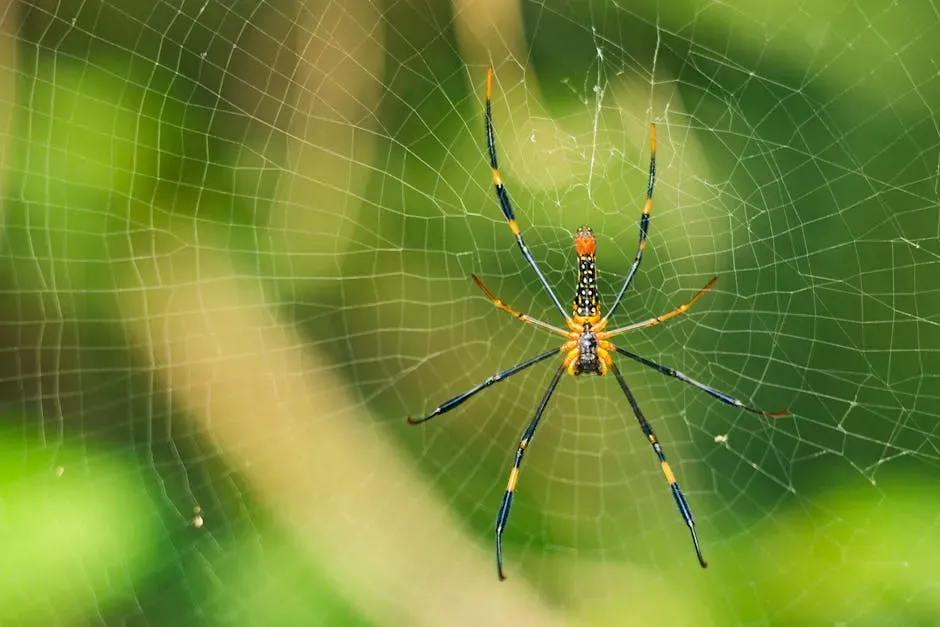
When you step back from all the details, you see that spider silk’s legendary toughness is not about a single super ingredient, but about an entire system working together. You have proteins precisely patterned at the molecular level, a living spinning line that orients and solidifies them under gentle, controlled conditions, and an evolutionary history that has relentlessly refined every tiny step. The result is a fiber that can be both strong and forgiving, rigid enough to hold a structure but stretchy enough to survive sudden shocks, often outclassing human‑made fibers in pure toughness.
As you watch a spider casually drop on a thread or rebuild a web after the wind tears it apart, you are seeing one of nature’s best engineers at work with a material that many labs are still trying to copy. The story of spider silk is really a reminder that some of the most advanced technologies on Earth are still hanging quietly between branches and window frames, unnoticed until you take a closer look. Next time you brush past a web, you might pause and ask yourself: if that tiny strand can rival Kevlar, what else is nature quietly hiding in plain sight that you have not learned from yet?