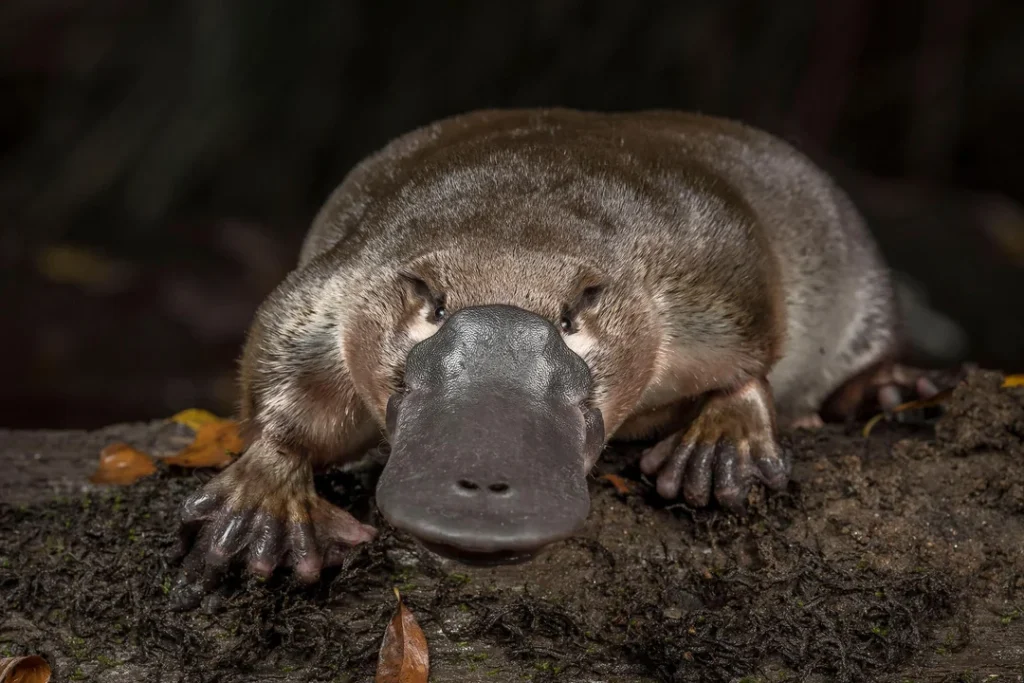

If you think you already know the basics of mammals, birds, and how their bodies work, the platypus is here to ruin your confidence in the best possible way. You already know it lays eggs, has a duck-like bill, and venomous spurs, but hidden in its fur is a microscopic surprise that blurs the line between what you thought belonged to birds and what belongs to mammals.
When you zoom in far enough, platypus fur reveals structures that behave like tiny, feather‑like light traps, mimicking an optical trick once thought to be a bird specialty. You are not just looking at a weird mammal; you are seeing evolution experiment with the same physical principles in completely different bodies. By the time you reach the end of this story, you may never look at fur and feathers the same way again.
The Platypus: The Mammal That Refuses to Follow the Rules
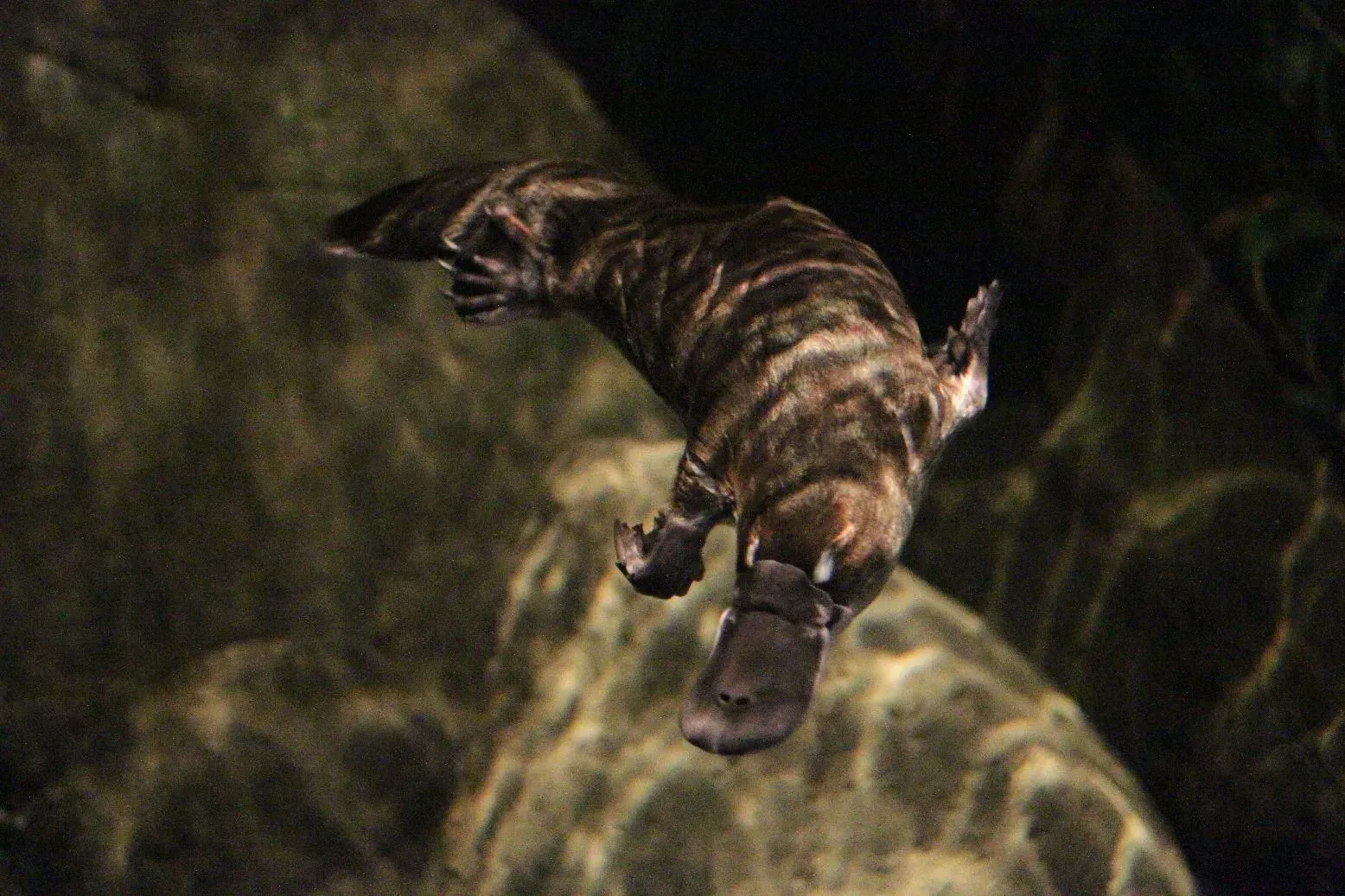
You have probably heard the joke that a platypus looks like it was assembled from spare animal parts, but once you dig into the details, that joke stops being funny and starts feeling oddly true. You are dealing with a mammal that lays eggs like a reptile, has a bill that senses electric fields in water, produces venom, and glows under ultraviolet light. It is like evolution tried out every wild idea on one creature and then just never took it back.
When you stand back and look at the platypus as a whole, you notice a pattern: almost everything about it ignores the neat categories you were taught in school. Mammals are supposed to give live birth, right? Birds are supposed to have feathers, and mammals have fur. Yet the platypus slips through these definitions in a way that forces you to loosen your grip on rigid labels. That is exactly why the microscopic feature hidden in its fur is so satisfying: it is another reminder that nature cares more about what works than about what fits in your textbook.
Why Bird Feathers Were Thought to Be Special
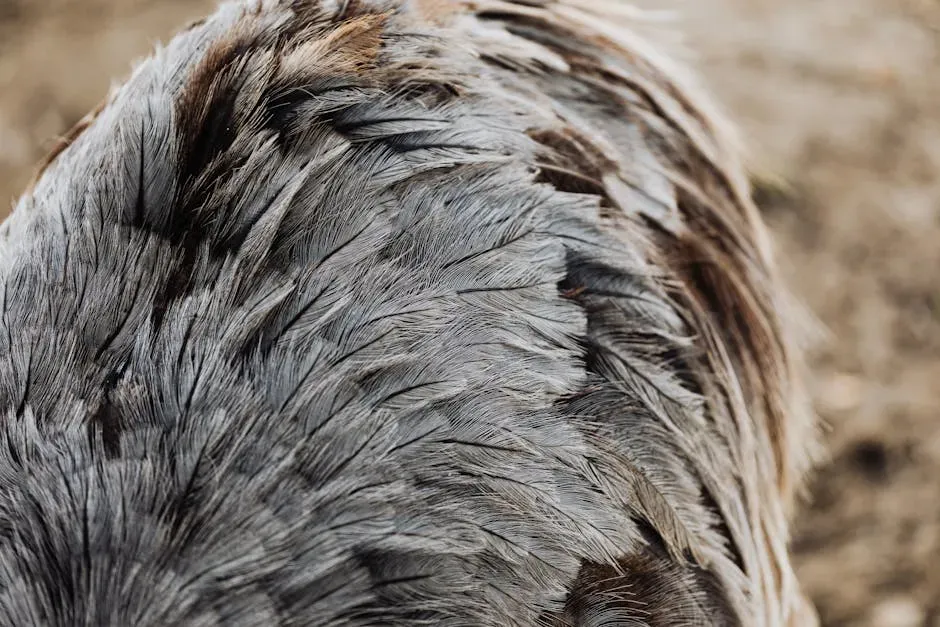
If you have ever looked closely at a feather, even with just your eyes, you can see how intricate it is: little barbs and barbules interlocking like Velcro. At the microscopic level, many bird feathers take this several steps further, building tiny repeating structures that interact with light itself. Instead of just pigment, some feathers use these microscopic patterns to bend, scatter, and filter light, creating shimmer, iridescence, or highly tuned colors.
For a long time, you were told that this kind of sophisticated structural design belonged to birds, especially when talking about things like flight feathers or UV-reflective plumage used in courtship and signaling. The idea was that birds had evolved a kind of microarchitecture in their feathers that gave them unique control over light and color. So when you learn that platypus fur hides a microscopic trick that behaves a lot like this bird specialty, it feels as if someone just took a permanent marker to the line between feathers and fur.
Peering Into Platypus Fur: What You Actually See Under the Microscope
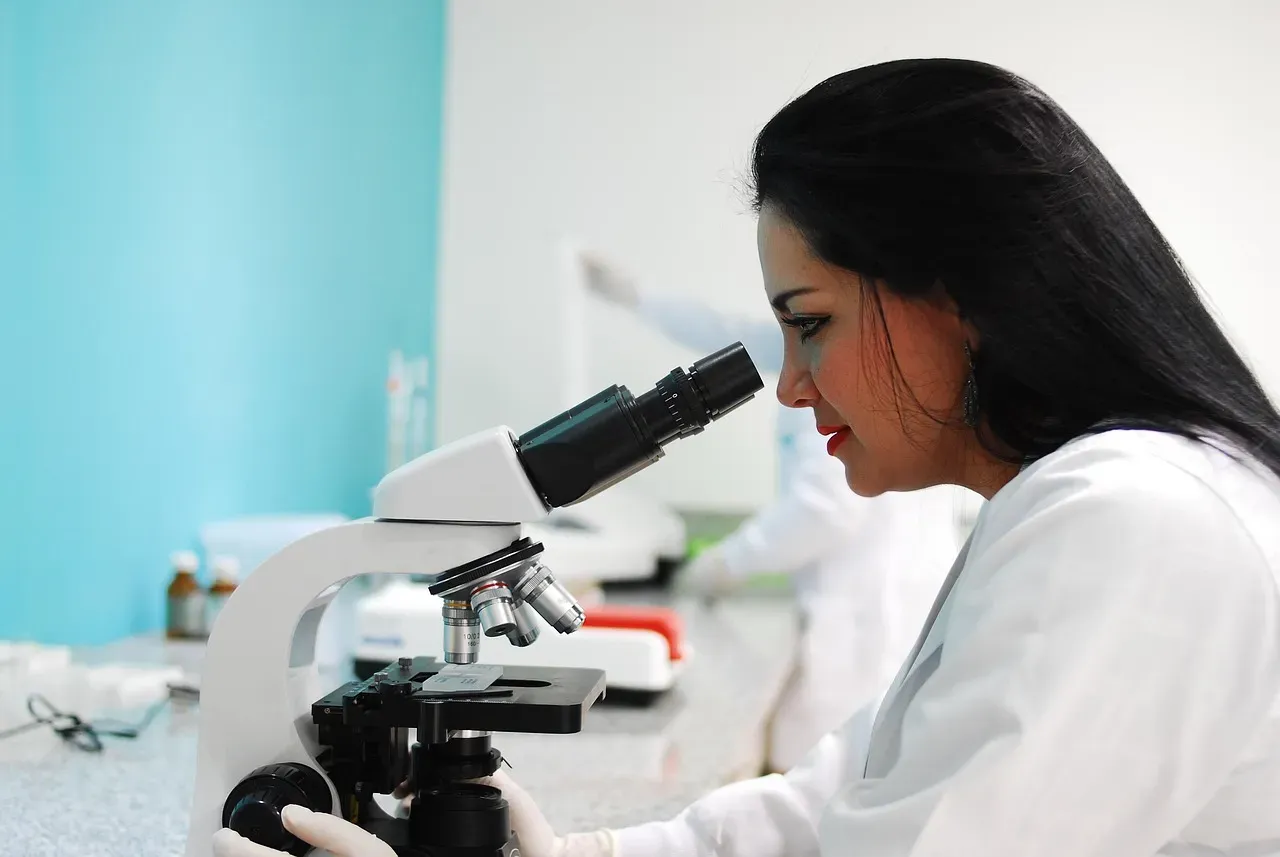
When you put platypus fur under a powerful microscope, you do not just see simple hair shafts; you see a densely packed forest of fine, overlapping fibers. These hairs are not smooth cylinders like you might expect from a typical mammal’s coat. Instead, you find subtle surface textures and arrangements that affect how light travels through and around them, including how certain wavelengths get soaked up or scattered.
In some regions, the way these hairs are layered and structured creates a kind of microscopic maze for incoming light, a bit like a cluster of super‑fine, irregular feathers compressed into fur form. Instead of reflecting light cleanly back at you, the fur absorbs and diffuses a lot of it, and under specific wavelengths, especially ultraviolet, the interactions become even more striking. You are effectively watching fur behave like a crude, mammalian counterpart to the light‑manipulating architecture that made bird feathers seem so unique.
The Microscopic Feature: A Feather-Like Optical Trick Hidden in Fur
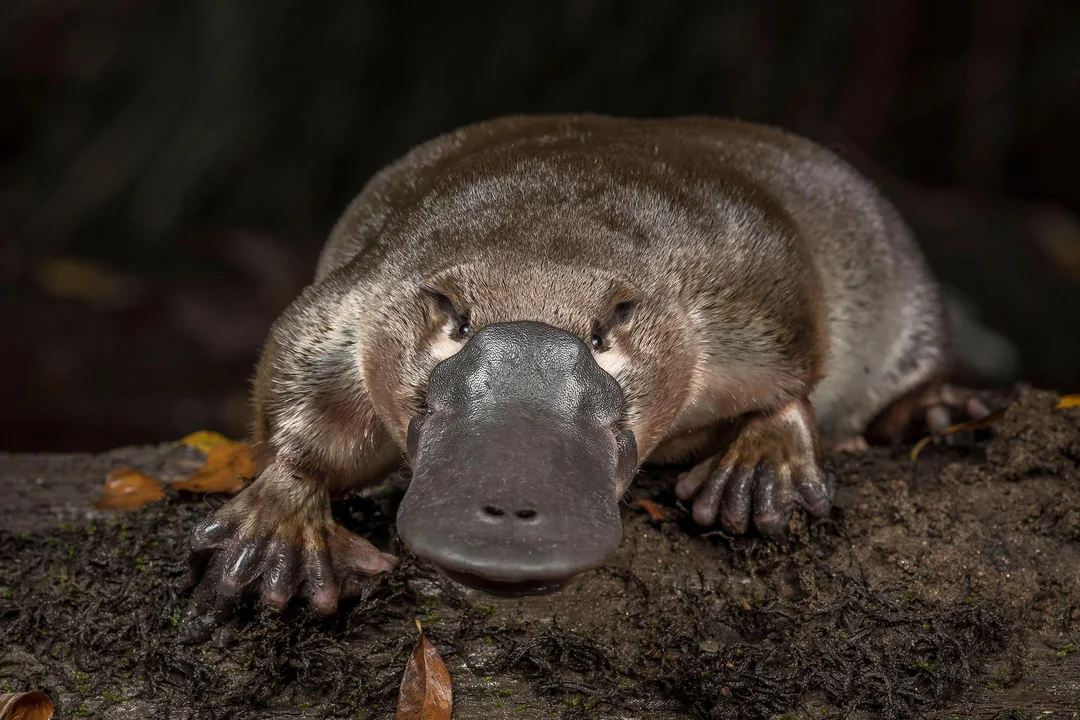
The surprising feature you are bumping into here is not a literal feather hiding in the fur, but a feather‑like strategy: complex microstructures designed to manage light in a controlled way. In birds, very regular, ordered nanostructures can act like tiny mirrors or prisms, producing vivid, angle‑dependent colors. In the platypus, you see a different flavor of the same idea: hair that is optimized not just for warmth or waterproofing, but for absorbing and redistributing light in a patterned, wavelength‑dependent way.
This means the fur can selectively interact with ultraviolet light and visible light in ways you do not normally expect from a mammal coat. You can think of it as the mammalian version of a feather’s structural coloration toolkit, but turned more toward camouflage and concealment than showy display. Instead of bright blues and shimmering greens, the platypus leans into muted, light‑dampening effects, hiding from predators and prey by swallowing light rather than flashing it back.
Shared Physics: How Feathers and Fur Both Hack Light
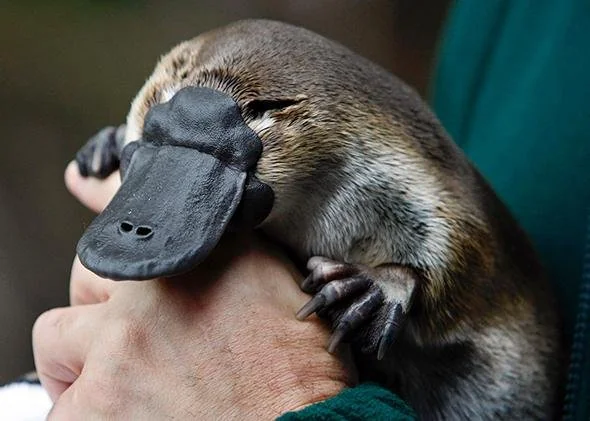
Here is the twist that matters most to you: physics does not care whether something is a feather or a hair. Light only knows about shapes, materials, and scales. When the size of the tiny structures in fur lines up with the wavelengths of light, you start to get familiar optical tricks: scattering, interference, and selective reflection or absorption. That same playbook is what lets some birds look metallic, some butterflies shimmer, and some beetles appear iridescent.
In the platypus, the micro‑architecture of the fur taps into this same physics, but instead of calling attention to the animal, it helps it disappear into dim, watery environments. You can imagine each hair as a slightly roughened, oddly shaped light pipe, redirecting and trapping photons instead of bouncing them back cleanly. When you pack countless of these together, you get a coat that quietly manipulates light the way some bird feathers loudly flaunt it, proving that evolution reuses the same physical rules in wildly different ways.
Why Hiding Light Matters to an Underwater Hunter
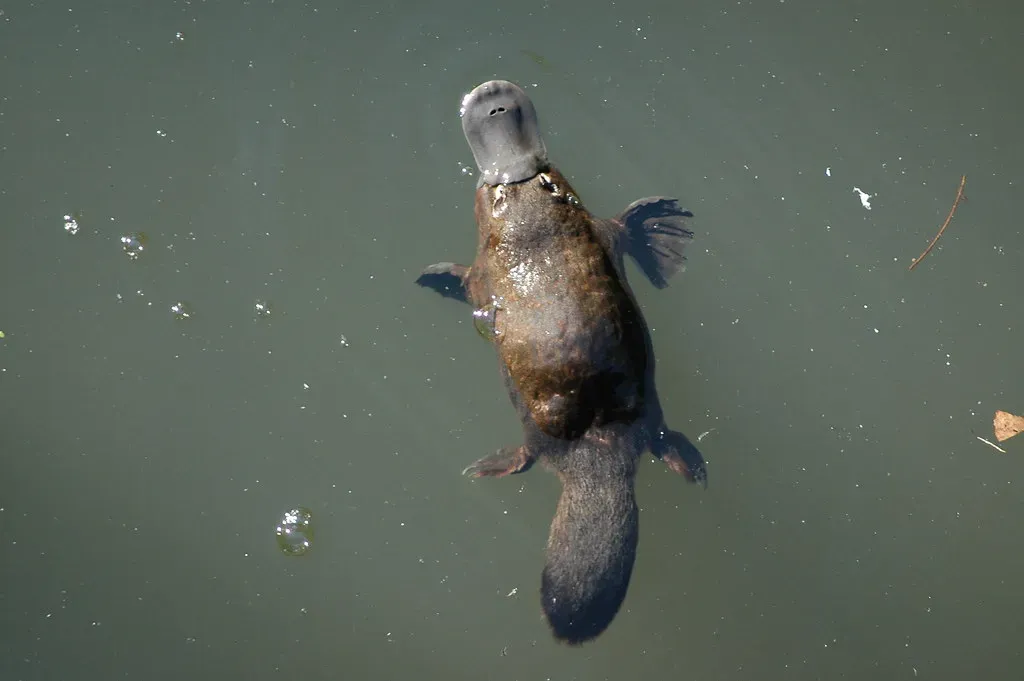
Now put yourself in the platypus’s world: murky streams, low light, and predators and prey that are easily spooked by sudden flashes or odd reflections. If your fur behaved like a shiny surface, you would stand out every time a stray beam of sunlight hit you. By using hair structures that soak up and muffle light, the platypus can slip through this environment like a moving shadow, hard to spot even at close range.
On top of that, the fur still has to do classic mammal jobs, like insulating the body and trapping air for buoyancy and warmth. The fact that it can do all of this while also pulling off a subtle optical trick puts you in front of one of evolution’s smarter compromises. Instead of inventing a wholly new organ, nature simply tweaks the geometry of hair, handing the platypus a kind of stealth coating that would make sense on a submarine, all without sacrificing the practical benefits of a dense, warm coat.
Rethinking What Makes a Mammal a Mammal
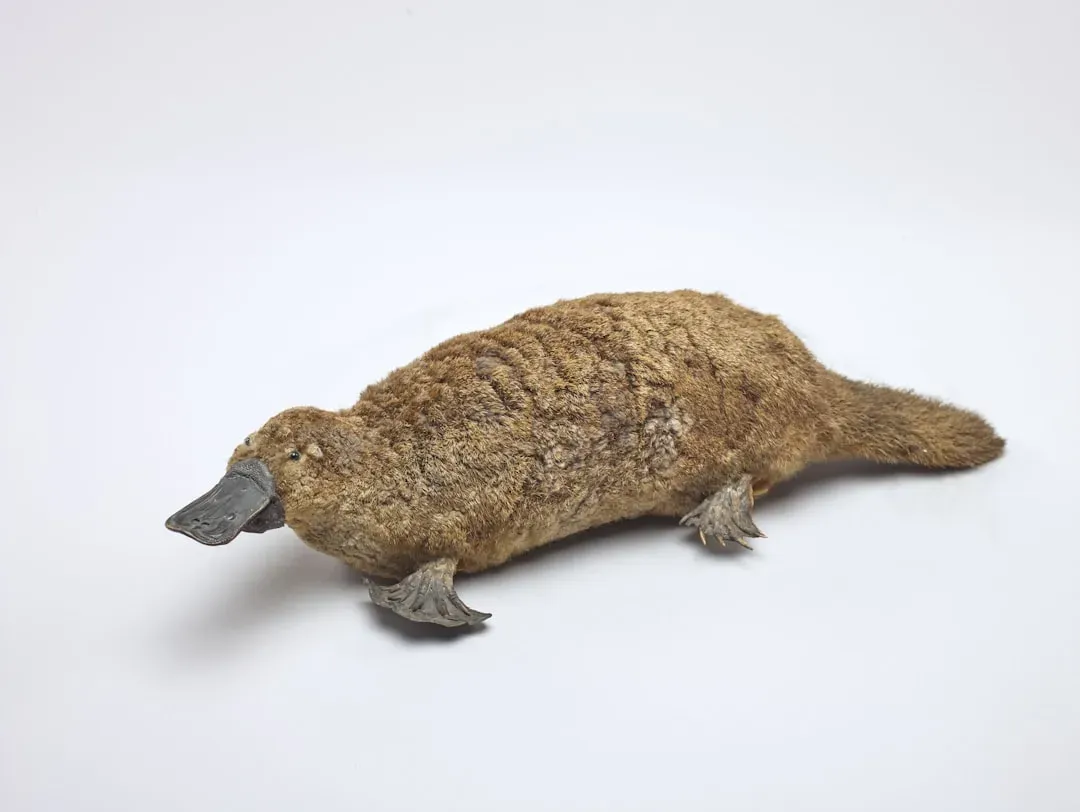
Once you accept that platypus fur can behave like a low‑key analog to bird feathers at the microscopic level, your nice, tidy categories start to crumble. You were probably told that feathers are for birds, fur is for mammals, and each comes with its own fixed rulebook. The platypus shows you that what really matters are functions: lay eggs or give live birth, keep warm in water, avoid being seen, find food. The body then assembles whatever structures can get those jobs done, even if that means blurring lines.
When you see a mammal borrowing a light‑manipulation strategy you once thought belonged mainly to birds, you are watching convergence in action: two very different lineages stumbling onto similar solutions because they are both working with the same physics and the same planet. That realization should shift how you look at animals around you. Instead of asking what box they fit in, you start asking what problems they are solving, and suddenly fur versus feathers feels like just one small detail in a much bigger puzzle.
What This Teaches You About Evolution’s Favorite Tricks
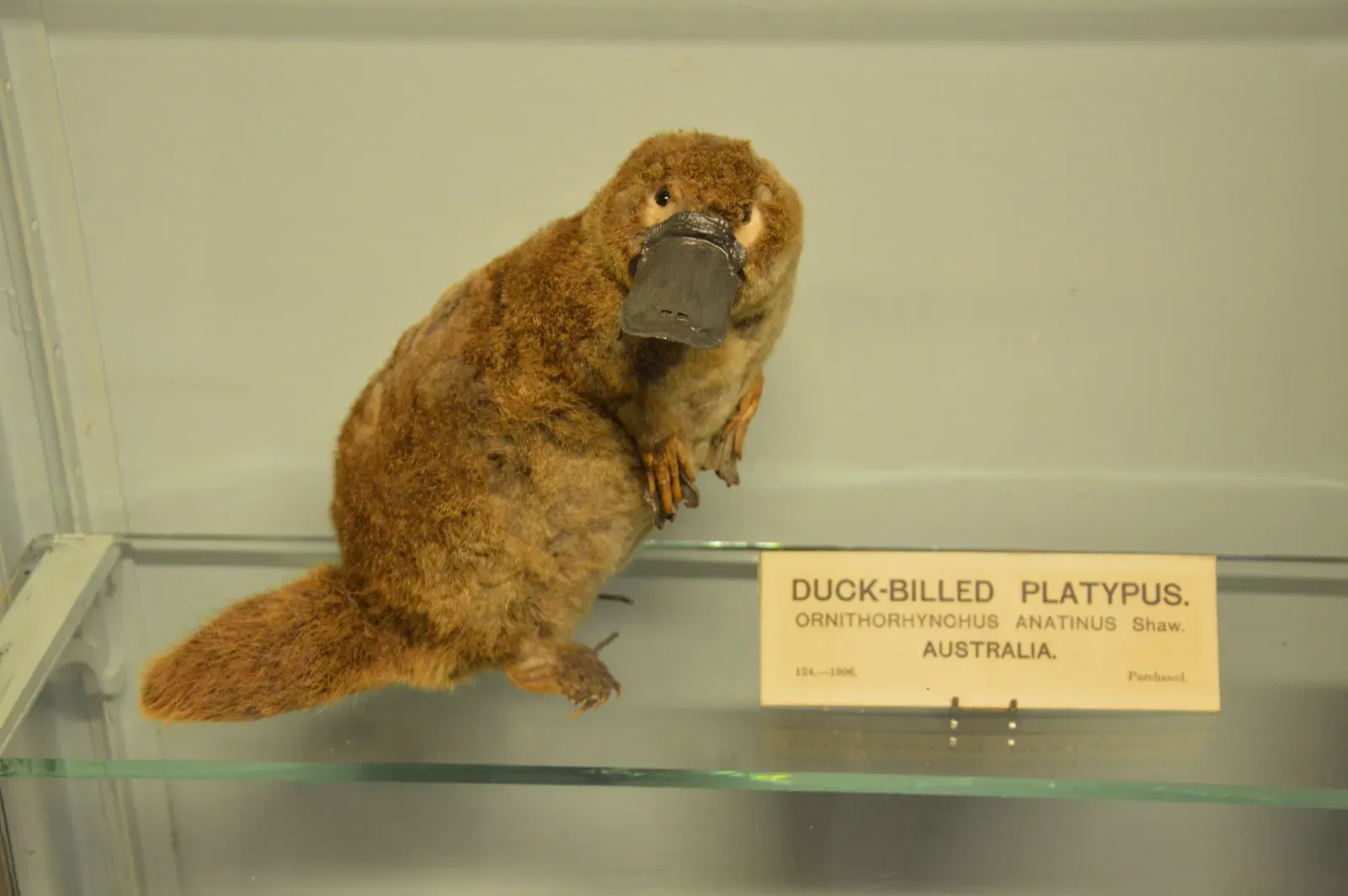
If you zoom out, the hidden, feather‑like optical feature in platypus fur is not just a party fact about a strange animal. It is a clue about how evolution prefers to work: by reusing the same core principles across different species, tweaking shapes and scales rather than reinventing everything from scratch. Tiny repeating structures that control light show up in birds, insects, fish, and now, in a subtle way, in a semi‑aquatic mammal’s coat.
For you, this means that whenever you encounter something in nature that seems totally unique to one group of animals, you should stay a bit skeptical. Given enough time, similar tricks may pop up elsewhere, shaped by similar challenges and the same laws of physics. The platypus is your reminder that evolution loves to remix its favorite ideas, and that sometimes, what you thought only birds were allowed to have is quietly hiding in a mammal’s fur, waiting for someone to look close enough.
From Curiosity to Inspiration: How This Changes the Way You Look at Nature
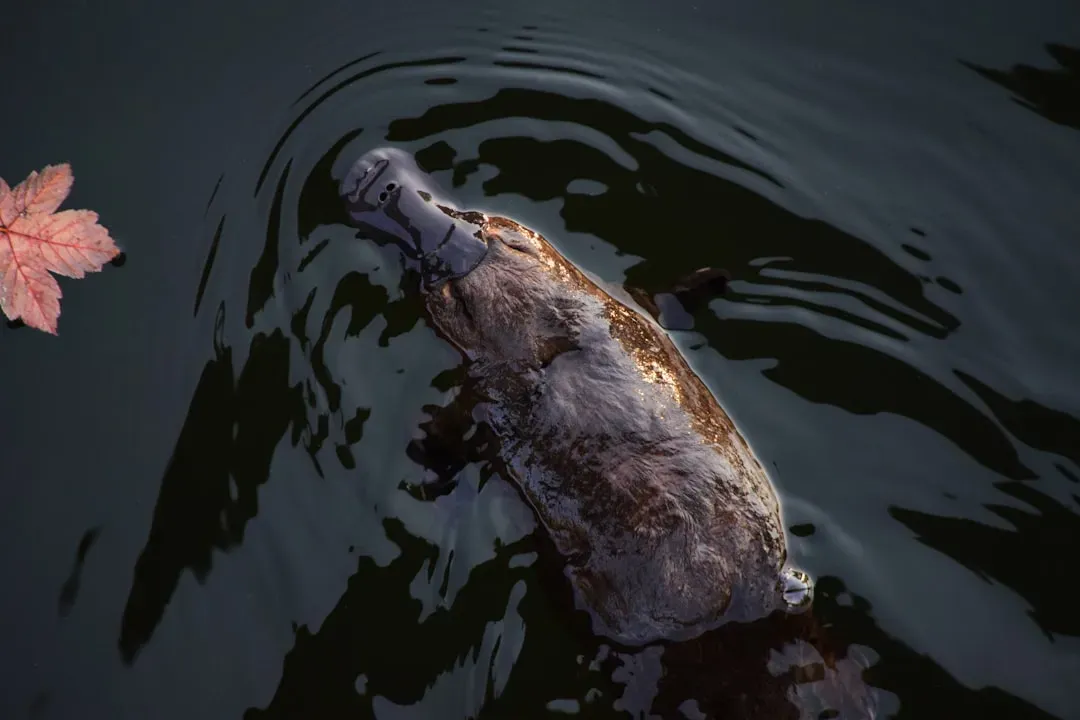
Once you learn that something as humble as fur can hide a bird‑like optical strategy, everyday animals stop feeling boring. You might find yourself looking at your own hair in the mirror and wondering what it would look like under extreme magnification, or watching a duck or an otter and imagining all the micro‑engineering happening beneath the surface. Curiosity turns simple walks by a river into small experiments in observation.
It can also change how you think about design and technology. Engineers already copy bird feathers, butterfly wings, and shark skin to build better materials; platypus fur suggests there are still underappreciated blueprints hiding in the world’s stranger creatures. If a semi‑aquatic mammal can quietly use bird‑like light tricks for camouflage, what else is out there, just waiting for you to notice?
In the end, the story of platypus fur and its microscopic, bird‑like feature is a reminder that nature is less about strict rules and more about clever workarounds. When you look closely enough, feathers and fur stop being rigid categories and start looking like variations on a shared toolkit for surviving in a tricky world. The next time you see an animal that seems ordinary, will you wonder what hidden structures might be at work just below the surface?