
You probably grew up hearing that people in the distant past were primitive, slowly fumbling their way toward basic technology. Then you come across certain ancient structures and that story suddenly feels a bit too simple. Some of these places are so precisely built, so cleverly aligned with the sky, and so technically sophisticated that you cannot help wondering: what exactly did these builders know that we have forgotten?
When you look closely, you start to see patterns that are hard to dismiss as coincidence. Stones weighing as much as trucks are cut and fitted with millimeter-level precision. Temples track the movements of the sun and stars with an accuracy that still impresses modern astronomers. You do not have to believe in lost super-civilizations to admit that many ancient cultures mastered math, engineering, and observation to a degree that feels far ahead of their time.
The Great Pyramid: More Than Just a Giant Tomb
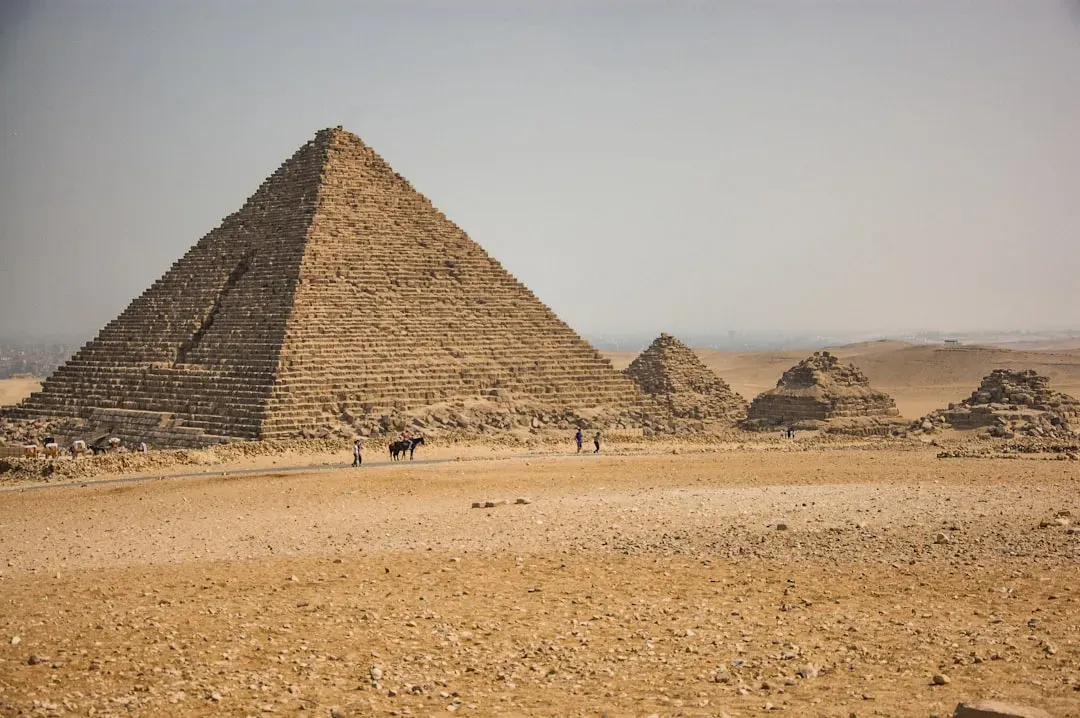
When you picture the Great Pyramid of Giza, you probably think of a huge pile of stone in the desert, but when you look closer, it stops feeling like just a big monument. You are dealing with a structure originally over 140 meters tall, aligned to true north with shocking precision, built from millions of stone blocks placed so carefully that some joints are thinner than a fingernail. Even with cranes, lasers, and heavy machinery, replicating that feat today would be a serious engineering challenge.
What really makes you pause is the level of planning behind it. The base is almost perfectly level, despite being spread over an area the size of several city blocks. Its sides line up closely with the cardinal directions, hinting that the builders had a strong grasp of geometry and a way to track the sky with care. You are not looking at a random pile of rocks; you are looking at people who understood measurement, logistics, and large-scale design in a way that rivals modern project management.
Stonehenge: A Monument That Measures the Sky
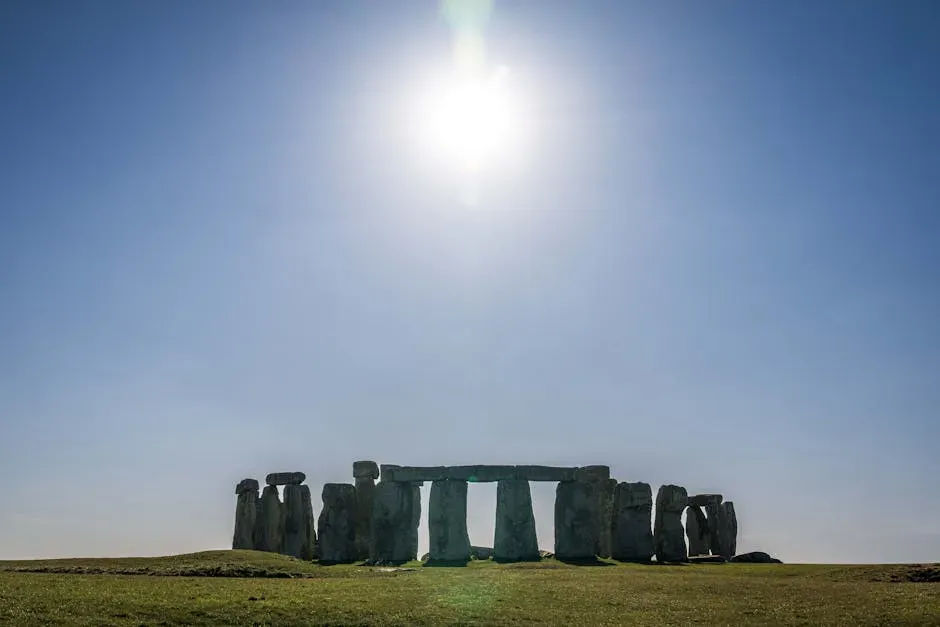
When you stand in front of Stonehenge, it is easy to see just a ring of old stones covered in tourist cameras and drizzle. But if you look at how those stones are arranged, you begin to notice that it functions almost like a massive astronomical instrument. Certain stones and gaps line up with the sunrise and sunset at the summer and winter solstices, turning the site into a kind of seasonal marker that would have helped people track the turning of the year.
You might think that sounds simple, until you realize that aligning huge stones with specific points on the horizon requires patient observation and a solid sense of angles and timing. Imagine watching the sky year after year, noticing where the sun appears at key moments, then designing a structure around that knowledge. You are watching early science in action, built not on written equations but on careful eyes, memory, and rock-solid collaboration.
Newgrange: An Ancient Light-Engineered Chamber

If you visit Newgrange in Ireland, you walk into what looks like a grassy mound from the outside, but the inside tells a much more advanced story. Deep within this Stone Age passage tomb, there is a narrow corridor leading to a central chamber. For most of the year it is dark inside, but at sunrise on the winter solstice, a shaft of sunlight travels perfectly along the passage and illuminates the chamber for a short, dramatic moment. That is not an accident; that is engineering with light.
To pull that off, the builders had to understand where the sun would appear at the lowest point of its yearly cycle, and they had to shape the passage so the light could reach exactly where they wanted. You are looking at a design that weaves astronomy, architecture, and ritual all into one place. It tells you that these people watched the sky, tracked the seasons, and turned that knowledge into a precisely timed experience that still works thousands of years later.
Gobekli Tepe: Complex Architecture Before Cities
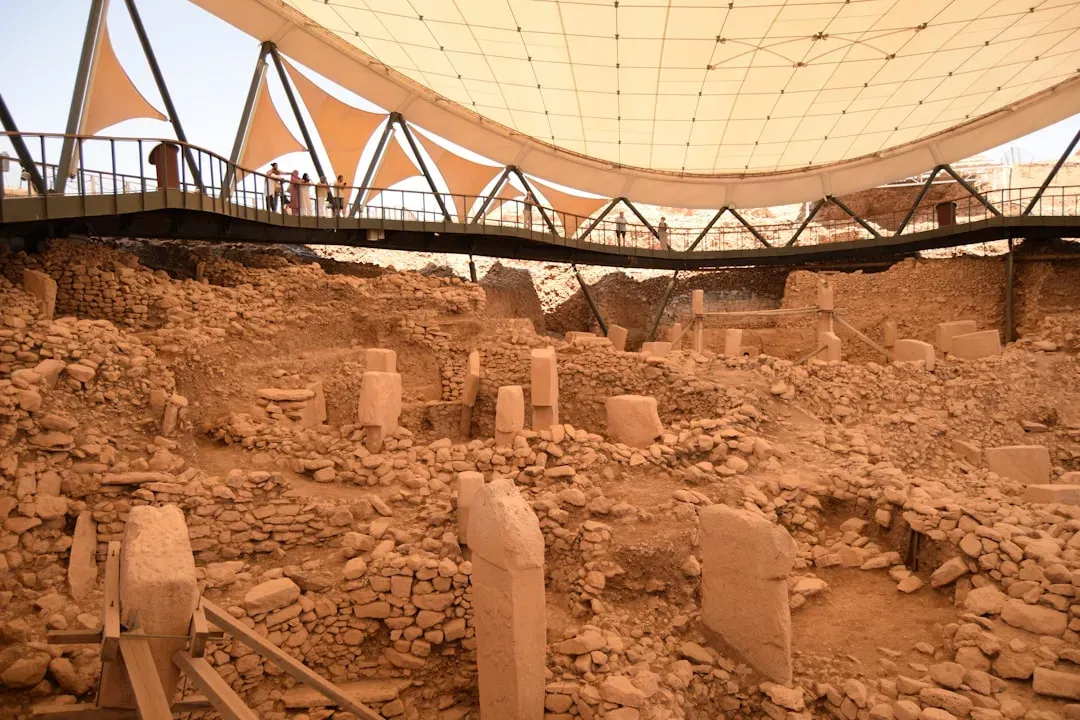
Gobekli Tepe in modern-day Turkey flips your mental timeline upside down. You are looking at massive circular stone enclosures and intricately carved pillars that were put up long before people in that region started farming or living in permanent cities, at least as far as current evidence suggests. That means hunter-gatherer groups, who you might imagine as constantly on the move, coordinated long-term building projects with heavy stones and complex layouts.
When you think about it, that implies more than just strength; it implies planning, surplus resources, shared beliefs, and some sort of organized leadership or cooperation. Carved animal figures and abstract symbols cover the pillars, hinting at a symbolic system or spiritual worldview that demanded serious effort to express in stone. You are seeing that advanced architecture and structured social organization might have come before agriculture, not just after it, which challenges a lot of neat textbook narratives.
Machu Picchu and the Precision of Inca Engineering
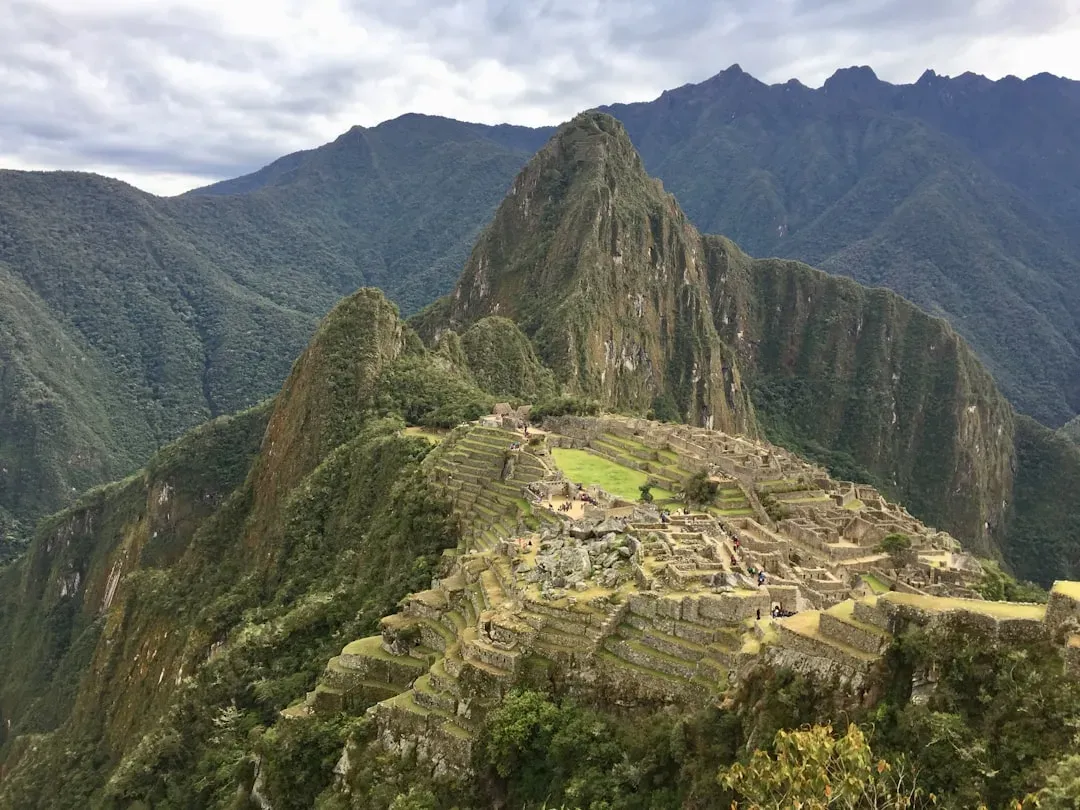
When you step into Machu Picchu, perched high in the Andes, you can feel that someone really understood how to work with a mountain rather than against it. The Incas shaped terraces that hug the slopes, channeling water and stabilizing the soil, effectively turning a rugged ridge into a working landscape. The way the stones are cut and fitted in many walls, with irregular blocks interlocking like a three-dimensional puzzle, gives you both strength and resilience against earthquakes.
What really stands out is how integrated everything feels: water channels, agricultural terraces, residences, and ritual areas all flow together as if they were part of a single thought. Some structures line up with solstices and key mountain peaks, blending astronomy, landscape, and spirituality into one coherent design. You are looking at a civilization that did not just stack stones; it read the terrain, respected natural forces, and used geometry and observation to build something that still holds together centuries later.
Nabta Playa and Early Desert Astronomy
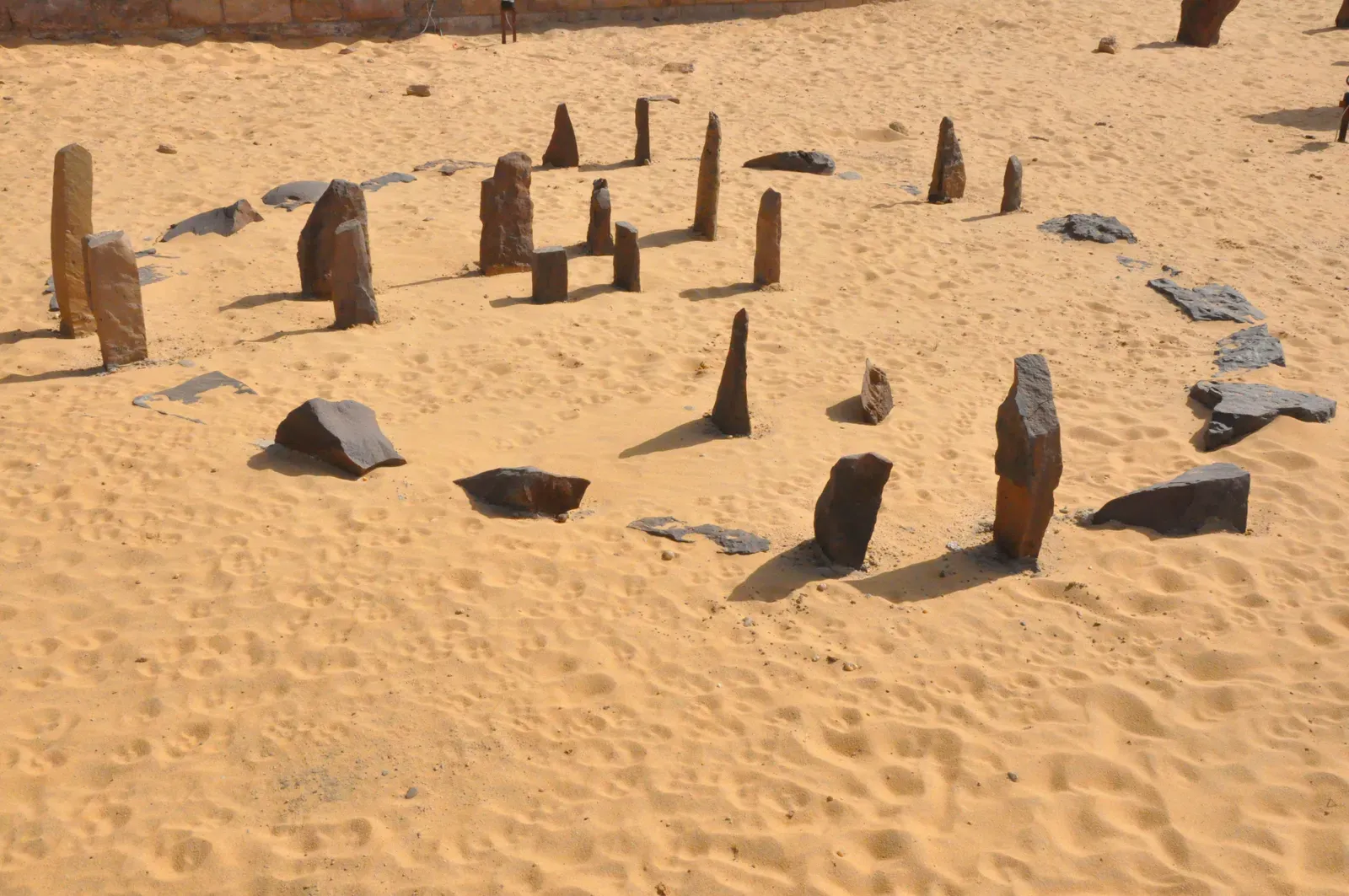
Out in what is now the Egyptian desert at Nabta Playa, you find stone circles and alignments that at first glance look simple compared to pyramids or giant temples. But when you examine them carefully, you see patterns that match important points in the solar year and even alignments that appear to match certain stars as they would have looked in the distant past. You are dealing with people who gathered in a seasonal lake basin and still took the time to mark the heavens in stone.
This suggests that long before well-known pharaohs and monumental projects, people in the region were already tying their lives to accurate observations of the sky. You can picture them tracking when the rains might come, when the climate would shift, and when to move or gather by reading the horizon and the stars. It shows you that astronomy did not suddenly appear with big cities; it grew out of careful, practical watching by people whose survival depended on timing and prediction.
Ancient Alignments: Coincidence or Intentional Design?
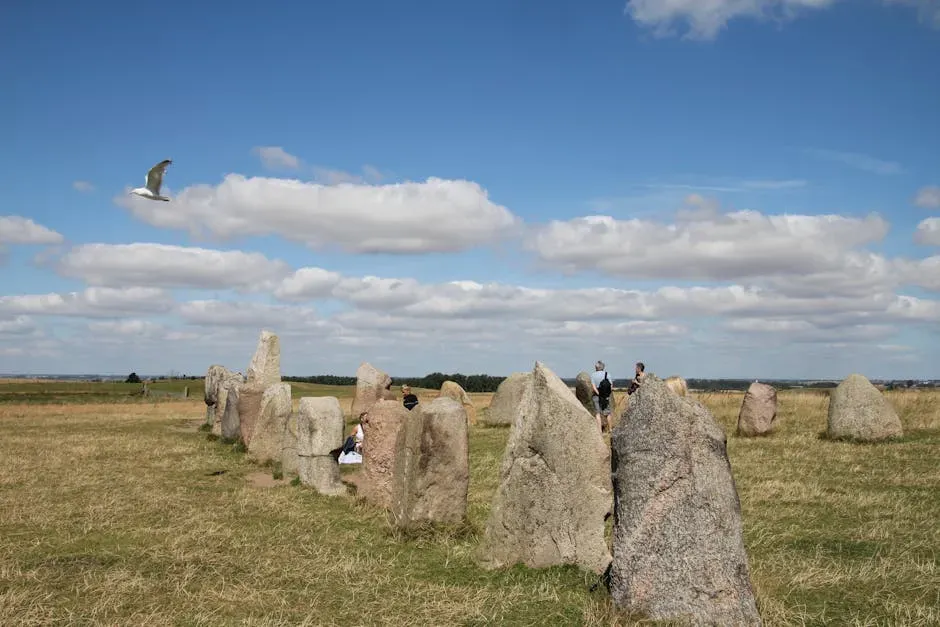
When you keep noticing ancient structures that line up with solstices, equinoxes, or specific stars, you might wonder whether you are just seeing patterns because you are looking for them. But then you look at how consistently some of these alignments appear across different cultures and time periods, and coincidence starts to feel less convincing. You have pyramids, stone circles, and temples across the world that clearly mark key moments in the solar year, often with visible light effects that are hard to ignore.
The safest conclusion is not that ancient people had magical technology, but that they were deeply committed observers, willing to spend generations tracking the sky and turning that knowledge into stone. You are seeing early science fused with religion, agriculture, and social identity, so intertwined that you cannot pull them apart. These structures force you to admit that people in the past were not stumbling in the dark; they understood patterns, cycles, and geometry with a seriousness that sometimes feels sharper than your own daily awareness.
What These Structures Really Tell You About Ancient Knowledge
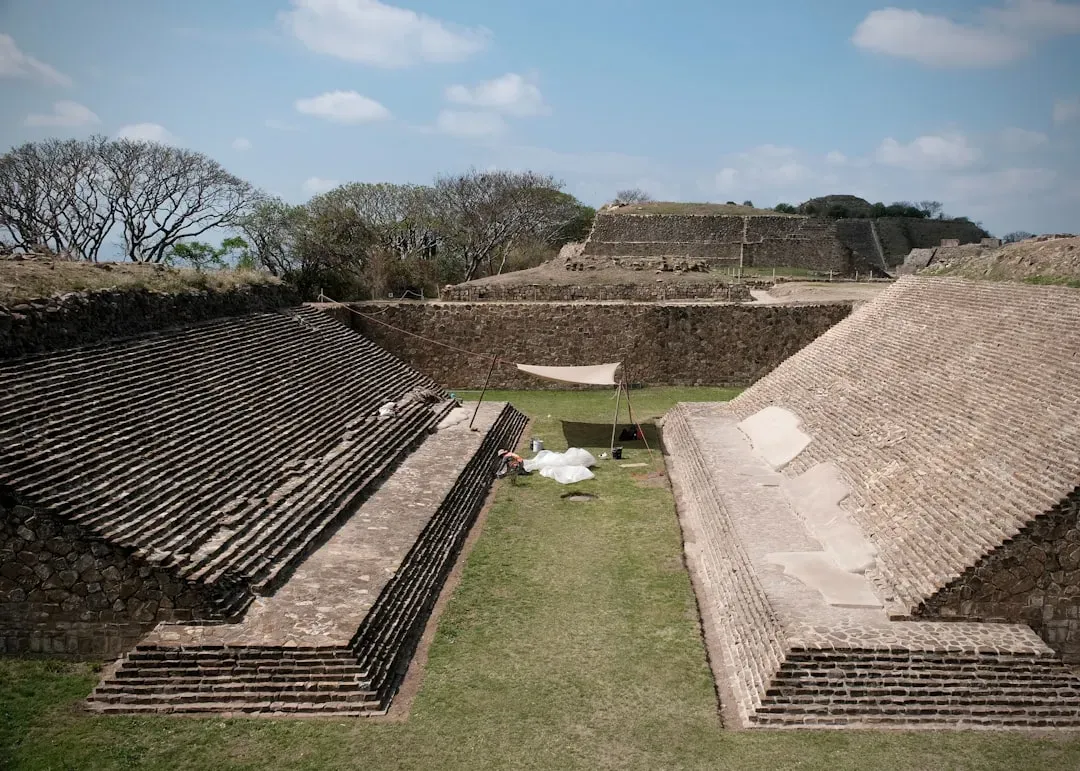
When you put all these sites side by side in your mind, a clear picture starts to form: humans have been clever and curious for a very long time. You are not looking at accidental brilliance or random one-off achievements; you are looking at cultures that invested time, labor, and intelligence into measuring the world and fixing that knowledge into stone and earth. Even with simple tools, they pulled off feats of alignment, engineering, and design that still make modern engineers and archaeologists scratch their heads.
At the same time, you have to stay honest about what you do not know. Some claims you see online go far beyond the evidence, trying to turn every neatly cut stone into proof of lost super-tech or visitors from the stars. You do not need those stories to feel amazed. If anything, the real story is more inspiring: people just like you, with the same brains but fewer gadgets, patiently watched the sky, learned from trial and error, and worked together to build things that outlived empires and languages. That is a kind of knowledge that feels quietly astonishing.
In the end, these ancient structures remind you that progress is not as linear or one-directional as you were taught. Some skills were gained, others were lost, and a lot of deep understanding got buried along with the stones. When you stand in front of an old pyramid, stone circle, or mountain city, you are not just looking backward; you are looking at a mirror that shows what patient attention, cooperation, and curiosity can do. It leaves you with a simple question that might linger longer than any legend: what are you, with all your modern tools, really doing with the kind of mind that built these?