You live in a universe that has been around for almost fourteen billion years, and it is still stretching itself wider every second. That number is so large that your brain honestly cannot picture it; your entire life, every human story, every civilization, is just a thin pencil scratch on the edge of a gigantic cosmic timeline. Yet, even with that staggering age, the universe is not slowing down or settling into stillness. It is expanding, and strangely enough, that expansion is speeding up.
When you really sit with that thought, something shifts. You are not just a person on a planet; you are part of a vast, dynamic process that started long before your ancestors ever looked up at the night sky and wondered why the stars shine. The more astronomers learn about this ancient, growing universe, the more you’re pushed into a mix of awe and discomfort. You begin to see that your usual sense of time, distance, and even “here” and “there” is completely inadequate for the reality you actually live in.
The Mind-Bending Age Of The Cosmos
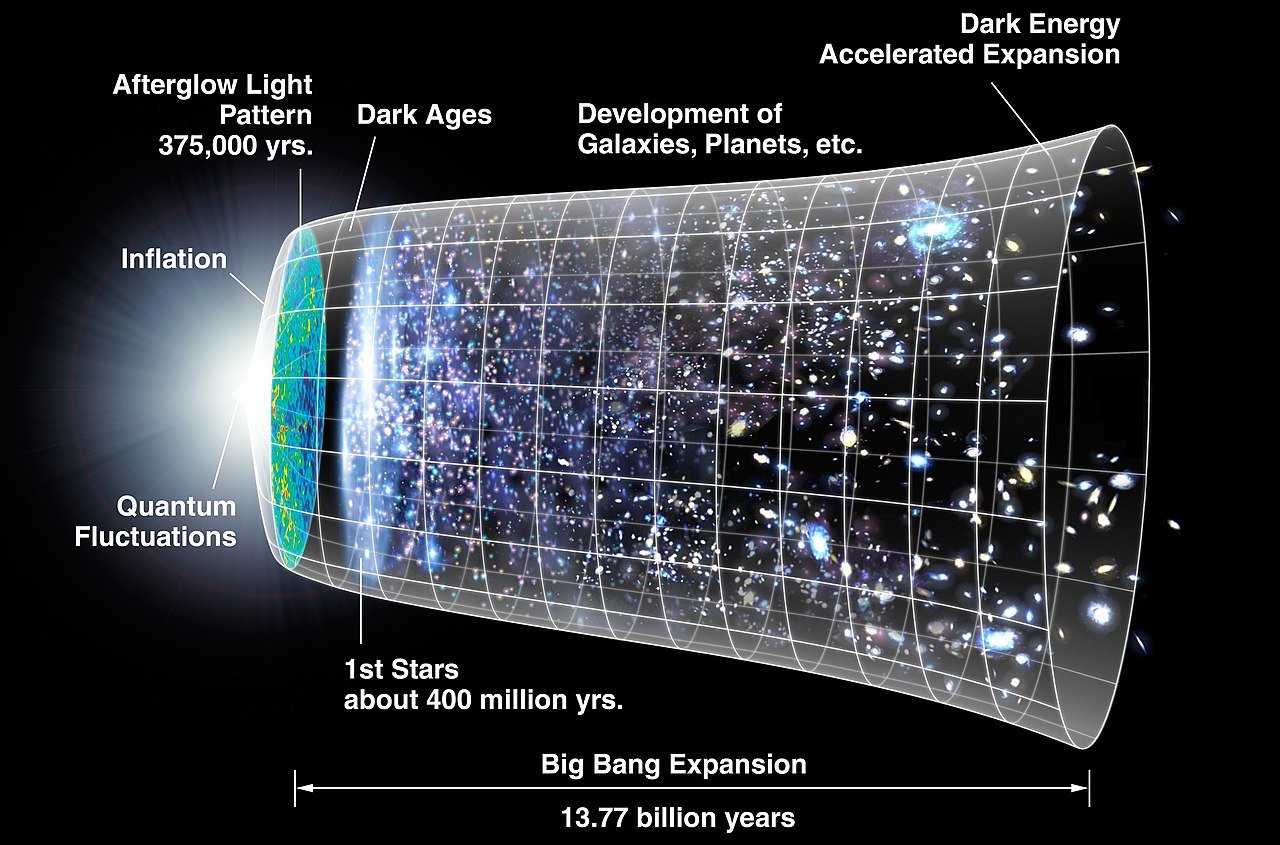
If you think a century feels long, imagine a universe that has been evolving for roughly about thirteen and a half billion years. You can try to count the years, but quickly your imagination runs out of road, like a car hitting the edge of a cliff. To make it more intuitive, you can squeeze the entire history of the universe into a single year: in that cosmic calendar, your entire recorded human history would fit into the last seconds of December thirty-first. Your life would be a fraction of a blink in that final moment.
What makes this even more staggering is that you only learned about this ancient age fairly recently in human terms. A little over a century ago, many people thought the universe was static and eternal, not something that had a beginning. Now you live in a time when you know the universe has a birth story, a timeline, and an age that can be measured with real numbers, not myths. That knowledge changes your place in the story: you are not in the middle of time, you are way out on the trailing edge of something incredibly old.
How You Know The Universe Is Still Expanding
You might wonder how anyone can say with a straight face that space itself is expanding. The key clue is in the light from distant galaxies. When you look at that light through a telescope and break it apart, you can see how it shifts toward the red end of the spectrum, almost like the sound of a train whistle dropping in pitch as it passes you. This “redshift” tells you that distant galaxies are moving away, and the farther a galaxy is, the faster it appears to recede.
What you are really seeing is not galaxies flying through space like bullets; instead, the space between you and them is stretching. Imagine dots drawn on a balloon: as you blow the balloon up, every dot moves away from every other dot, even though the dots themselves are not crawling over the surface. In the same way, when you look at the night sky, you are quietly watching the fabric of reality expand, and you are one of the dots going along for the ride whether you notice it or not.
The Shocking Discovery That Expansion Is Speeding Up
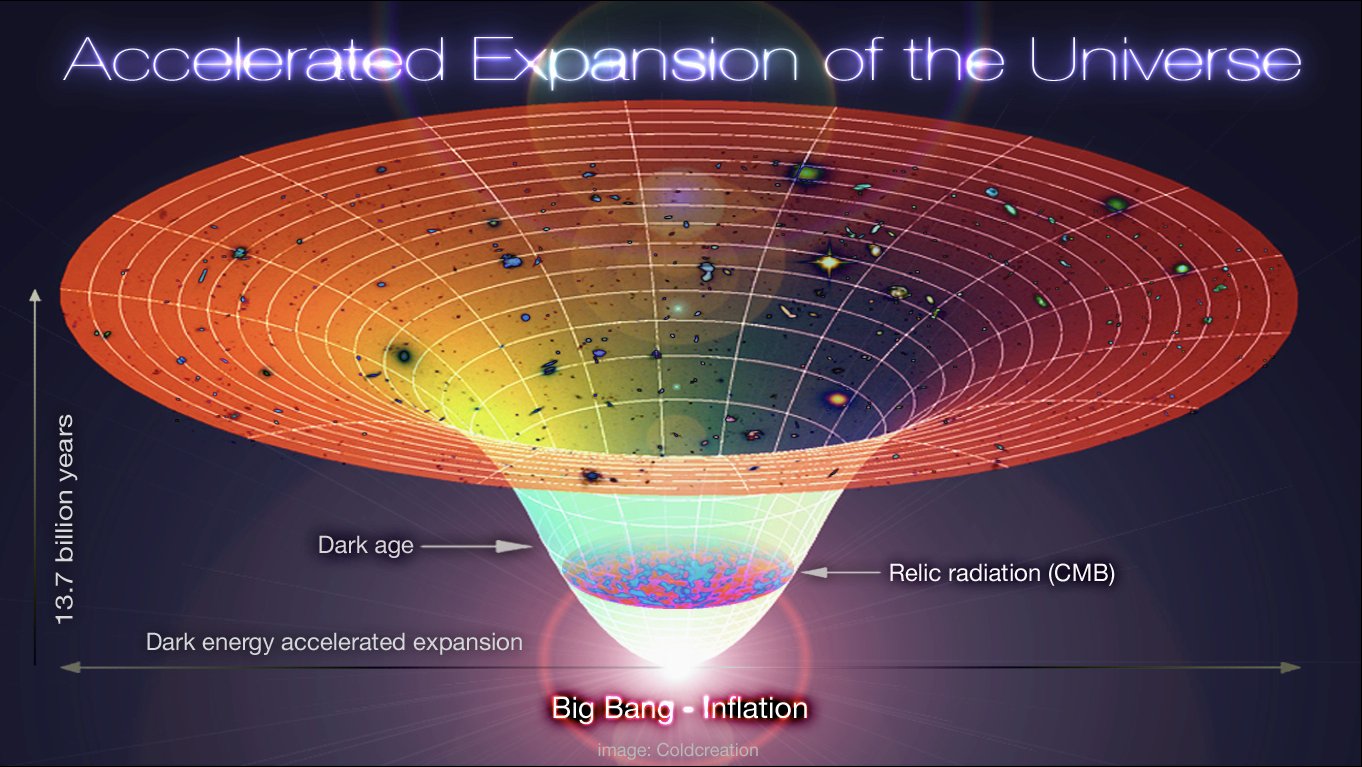
Here’s where things get truly unsettling: you might expect gravity to slowly pull everything together and slow the expansion down over time. Instead, you live in a universe where the expansion is actually speeding up. When astronomers carefully studied certain exploding stars in distant galaxies, they found that those galaxies were farther away than they should have been if the expansion were slowing. The only conclusion that fit the data was that something is pushing the universe apart more and more strongly as time goes on.
This mysterious push is often called dark energy, a name that is basically a scientific way of saying, “you know something is there, but you do not know what it is.” For you, this means the large-scale future of the universe is not a gentle coast to a halt, but a kind of endless stretching that gets faster with time. The distances between galaxy clusters will grow so enormous that, far in the future, observers like you would see a sky with fewer and fewer visible galaxies. The universe is not just old; it is racing away from its own past.
Looking Back In Time Every Time You Look Up
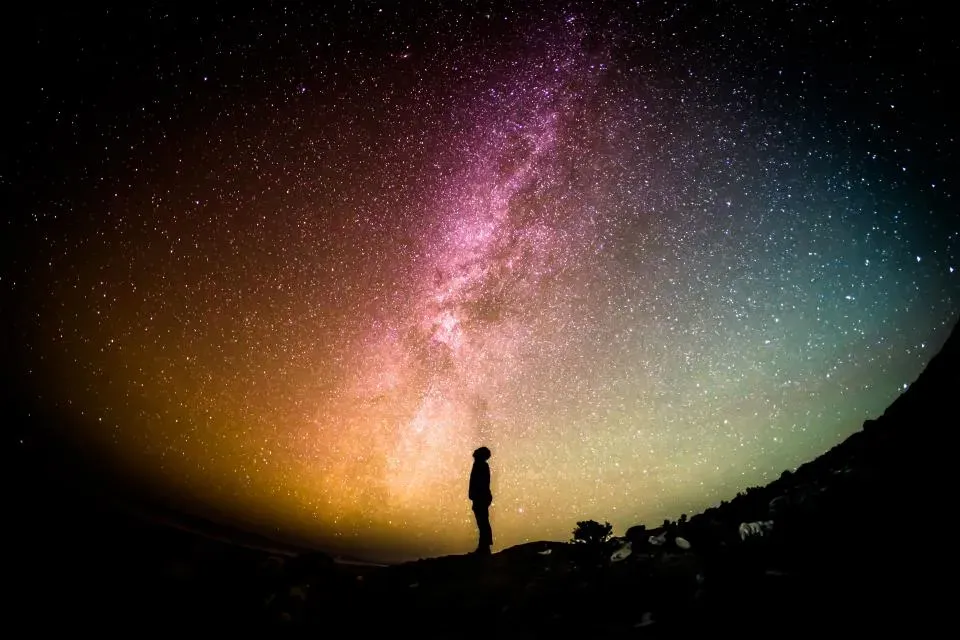
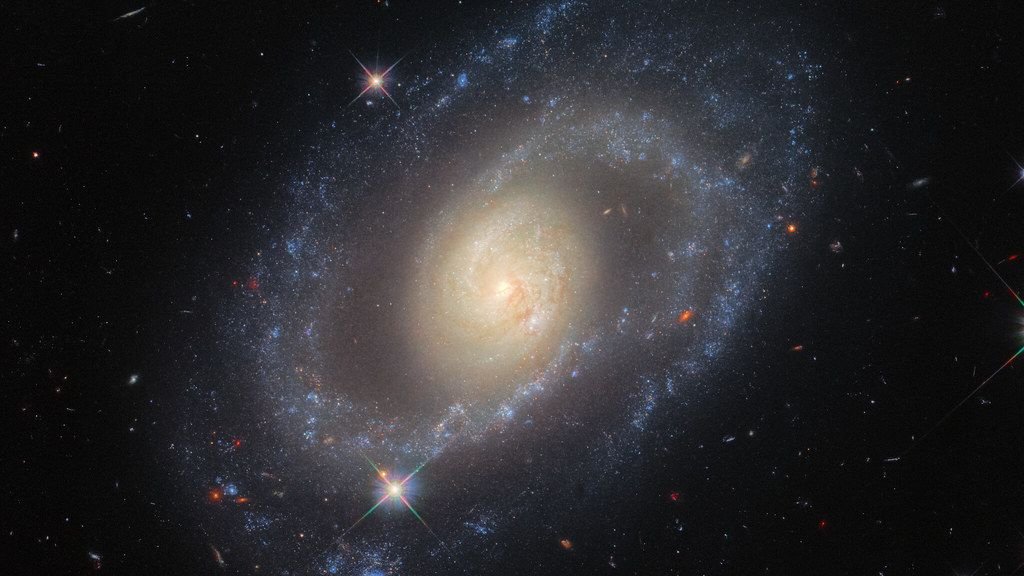
When you gaze at the night sky, you are not seeing the universe as it is right now. You are looking into the past, because light takes time to travel. Even the light from the Sun left about eight minutes ago, which means you never see it in real time. When you look at some of the faintest galaxies through powerful telescopes, you are seeing them as they were billions of years ago, when the universe was young and stars were just beginning to form.
This turns the sky into a kind of time machine for you. Each star or galaxy is a snapshot from a different chapter of cosmic history. You do not have to leave Earth to witness this; you just need to understand what you are actually seeing. The farther away something is, the further back in time you are looking, like watching old family videos but with the dates stretching back before humans, before planets like yours, to a time when the universe was hotter, smaller, and far more chaotic.
You Are Made Of Ancient Stardust
It is easy to feel small when you think about the age and size of the universe, but there is another side to the story that pulls you in closer. The atoms in your body were forged in stars that lived and died long before your solar system existed. The carbon in your cells, the oxygen in your lungs, the iron in your blood – all of it was cooked in the hearts of ancient stars and scattered across space when those stars exploded. You carry that ancient history in every breath.
In this sense, you are not just living in the universe; the universe is living in you. You are a temporary arrangement of very old ingredients, assembled in a way that can look back and ask where it came from. That realization can make your daily worries feel smaller, but it can also make your existence feel more precious. Out of countless stars, galaxies, and lifeless rocks, you are one of the places where the universe has become aware of itself, even if only for a brief moment.
The Limits Of What You Can Ever See
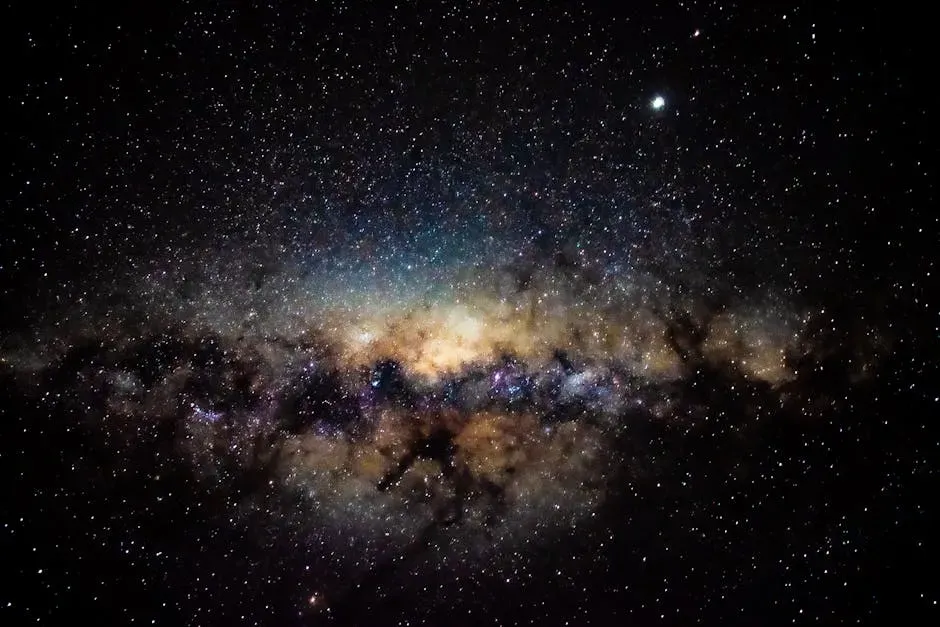
As enormous as the observable universe already is, you can only ever see a fraction of everything that exists. Light has a finite speed, and the universe has a finite age, so there is a maximum distance from which light has had time to reach you. That region is sometimes called your observable universe, and its edge is like a horizon: anything beyond it is still out there, but no signal from it has had enough time to arrive. In practice, this means you are forever cut off from some parts of reality.
The accelerating expansion makes this limit even harsher for you. Over time, more and more distant regions will cross a point of no return, where their light will never reach you, no matter how long you wait. They will slip beyond your cosmic horizon, not because they vanish, but because space between you and them expands too quickly. You might imagine the universe as a grand stage, but you are sitting in a seat where the curtains are slowly closing on the outer edges of the show.
Time, Change, And Your Fleeting Moment
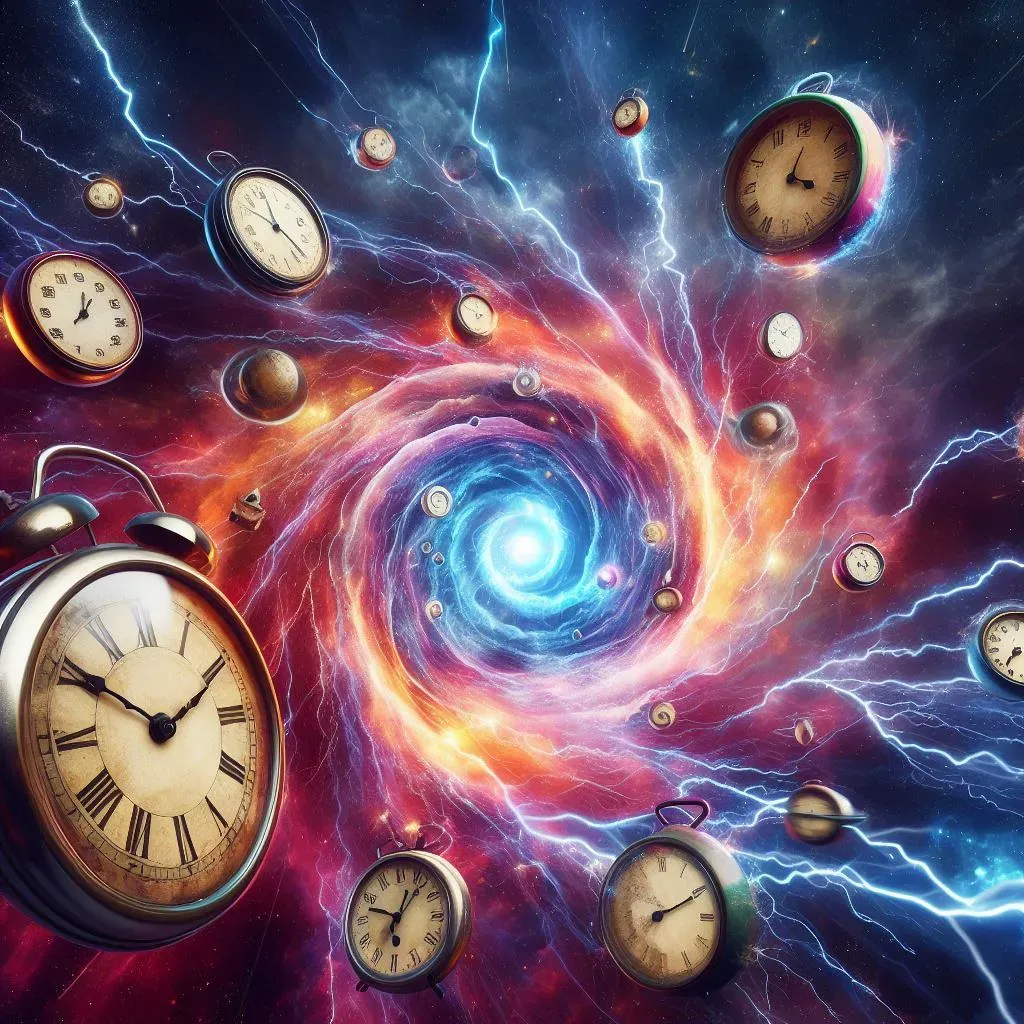
Once you realize the universe is both incredibly old and still racing outward, your sense of time starts to feel different. Your lifespan, which might have seemed long compared to your day-to-day routine, becomes a brief flicker against a backdrop of cosmic evolution. Stars are born and die over millions or billions of years, galaxies collide and merge, and over unimaginable spans of time, the universe itself changes character. You are here for a sliver of that story, a single frame in a movie that runs almost forever.
Yet that tiny frame is exactly where all your meaning is packed. You do not get to control the expansion of space or the ultimate fate of galaxies, but you do control how you live during the brief moment you have. When you see your life as part of a much longer and larger narrative, your choices can start to feel both smaller and more important at the same time. You are a local, temporary pattern in a vast, impersonal universe – but you are the one who decides what that pattern stands for.
Why This Vast, Growing Universe Matters To You
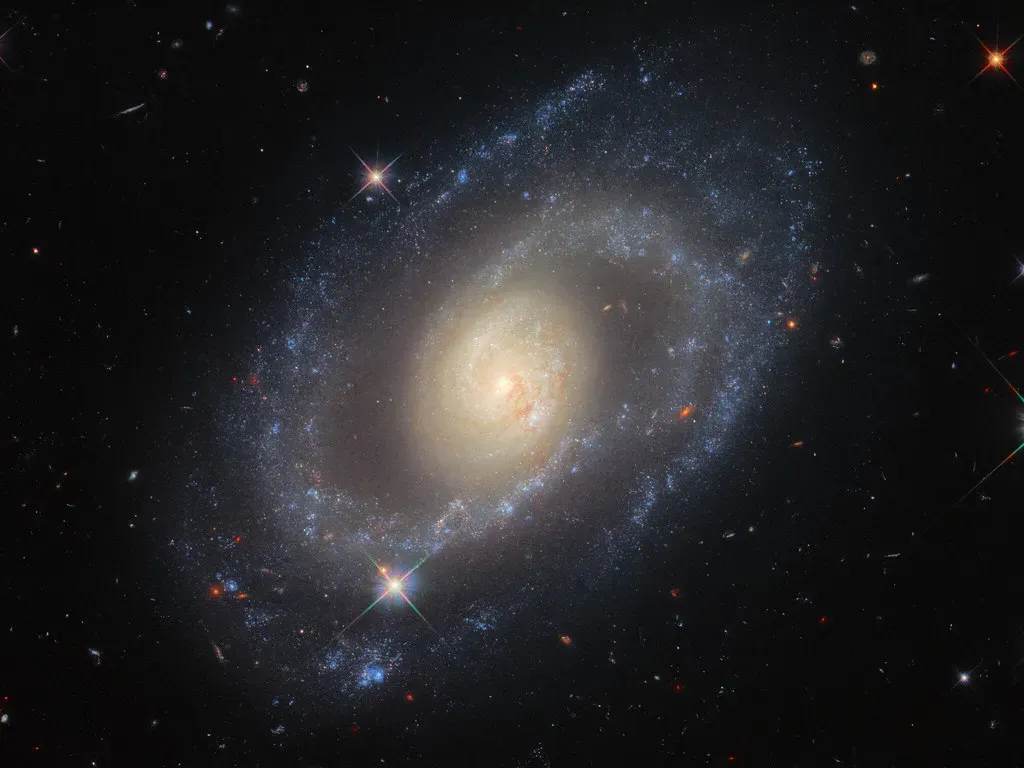
You might be tempted to shrug and say that the universe’s age and expansion are just abstract facts, far removed from your daily concerns. But once you let these ideas sink in, they can quietly reshape how you see almost everything. Realizing you live in an ancient, expanding cosmos can make your problems feel lighter, not because they don’t matter, but because they are framed within something much larger. The traffic jam, the awkward meeting, the stressful email – none of it touches the deep reality that you are riding on a tiny planet in a universe that has been unfolding for billions of years.
At the same time, this cosmic perspective can deepen your appreciation for the ordinary. A shared meal, a walk under the stars, a conversation with someone you care about – these become even more powerful when you remember how unlikely and fragile conscious life is in a universe that mostly consists of empty space and silent galaxies. In a cosmos that is older than you can truly imagine and still expanding faster and faster, the fact that you are here at all, noticing and wondering, is almost absurdly special.
In the end, you are living through a fleeting chapter of an enormous, ongoing story, written in galaxies and starlight, gravity and expansion. The universe will keep aging and stretching long after you are gone, but right now you have the rare chance to be aware of it, to be curious about it, and to let it change how you live. When you look up at the night sky next time, maybe you will feel not just small, but also deeply connected to a universe that is both impossibly ancient and still in motion. Knowing all this, how will you choose to spend your brief moment in such a vast and restless cosmos?