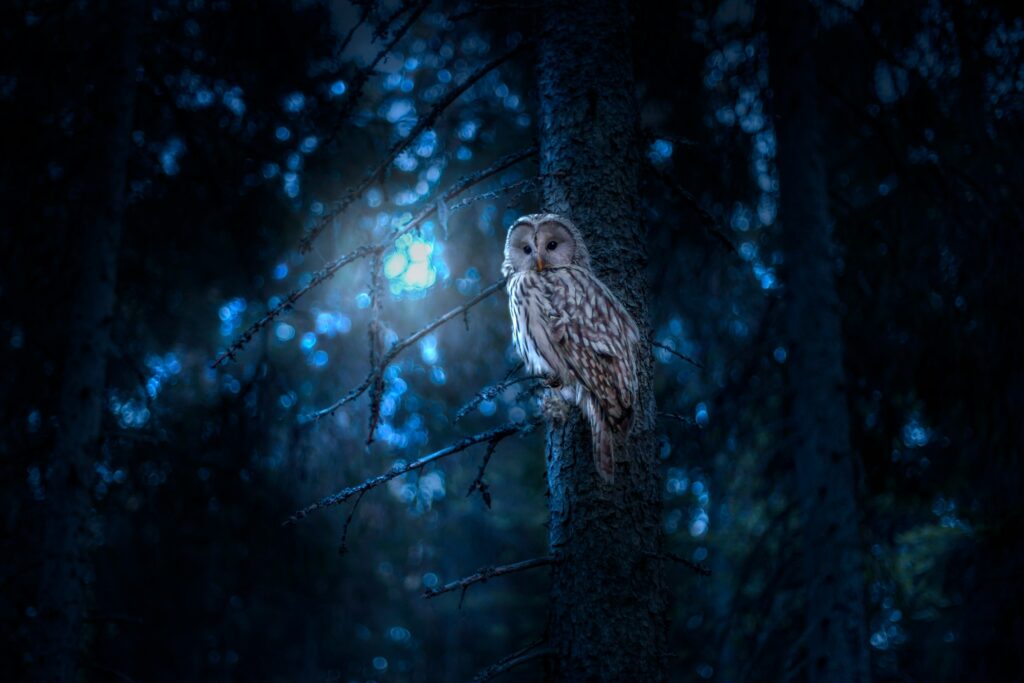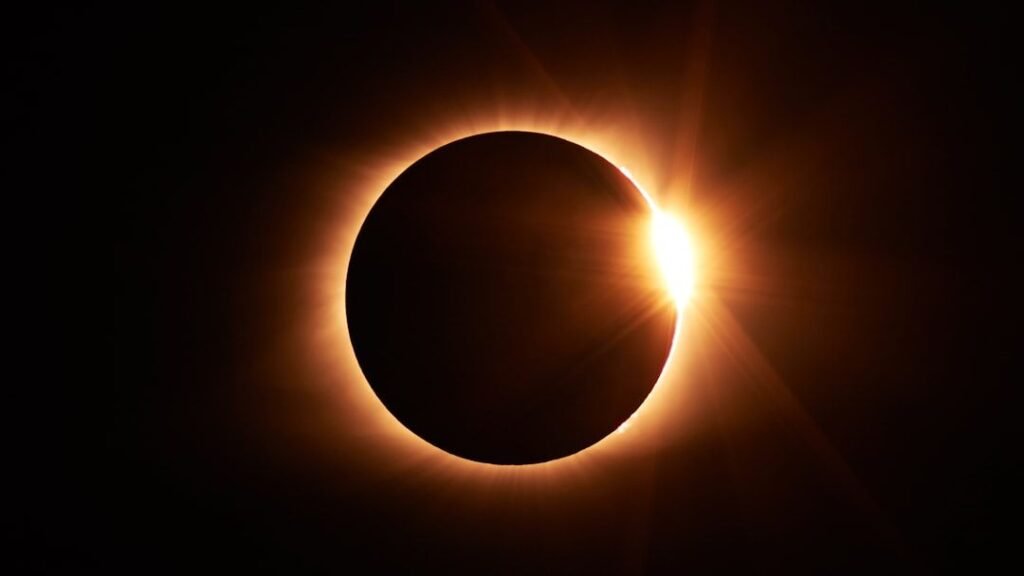

If you’ve ever stepped outside at night, looked up, and felt that tiny jolt of awe in your chest, you already know the sky has a way of making your everyday worries feel small. Some nights are routine, with the same familiar stars, but every so often the universe rolls out something special, a kind of cosmic limited edition that you either catch in the moment or miss for the rest of your life. Those are the nights you remember years later, when you say things like, “I was there when that happened.”
In the coming years, a handful of rare events will give you that exact chance. You do not need a PhD, a telescope the size of a car, or a remote mountaintop to enjoy them. If you know what to look for, where to be, and when to step outside, you can turn your backyard, balcony, or even a city sidewalk into your own little observatory. Think of this as your personal sky‑watching shortlist: five rare celestial experiences you genuinely will not want to miss.
1. Total Solar Eclipses: Daylight Turned to Twilight
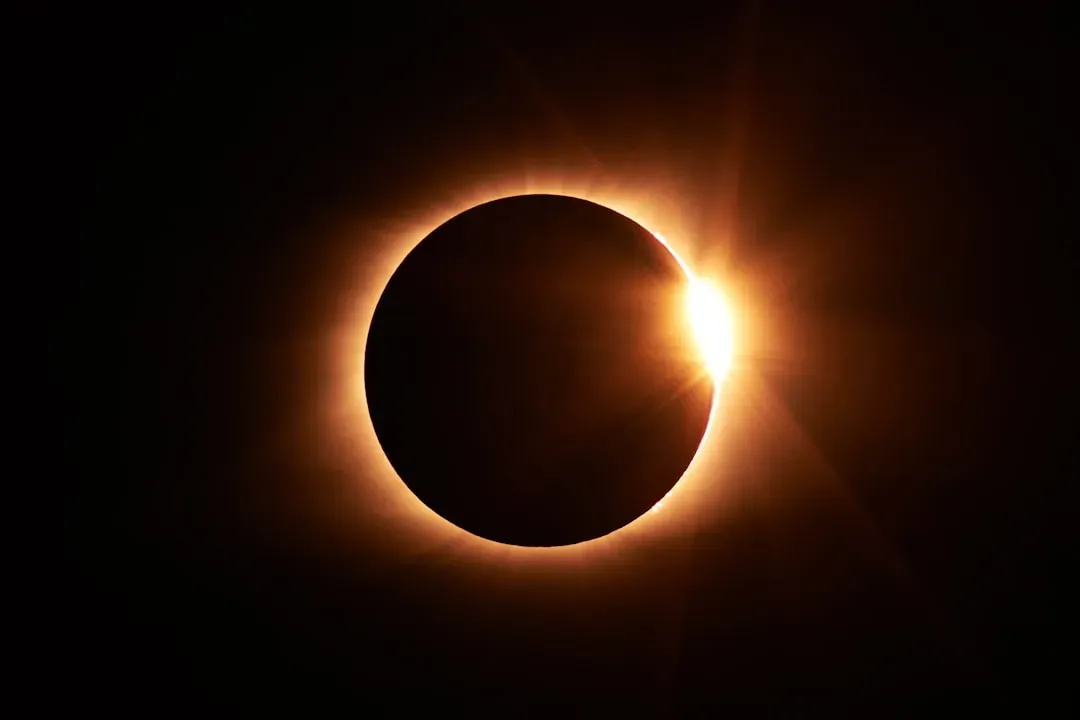
A total solar eclipse is one of those things you think you understand from photos, until you actually stand under one and feel daylight drain away in the middle of the day. When the moon slides perfectly in front of the sun, it turns the bright disk you’re used to into a black circle wrapped in a delicate white halo called the corona. You’ll notice birds acting confused, temperature dropping slightly, and the world around you taking on an eerie twilight glow, even though the clock says it’s still midday. It feels less like a simple shadow and more like the universe hitting a dimmer switch just to get your attention.
If you ever plan travel for a sky event, let it be a total solar eclipse, because only a narrow strip on Earth gets the full effect each time. You’ll want proper eclipse glasses for the partial phases, and you must never look at the sun directly without approved protection, no matter how small the visible sliver seems. To prepare, you can scout the path of totality years in advance, book a spot with historically clear weather, and give yourself at least one backup day on either side for travel hiccups. When totality finally hits, you can safely look with your naked eyes for those brief minutes, take in the ghostly corona, and probably feel a lump in your throat you did not expect. You’ll walk away understanding why so many people chase these events across continents like cosmic groupies.
2. Great Comets: Icy Wanderers That Dominate the Sky
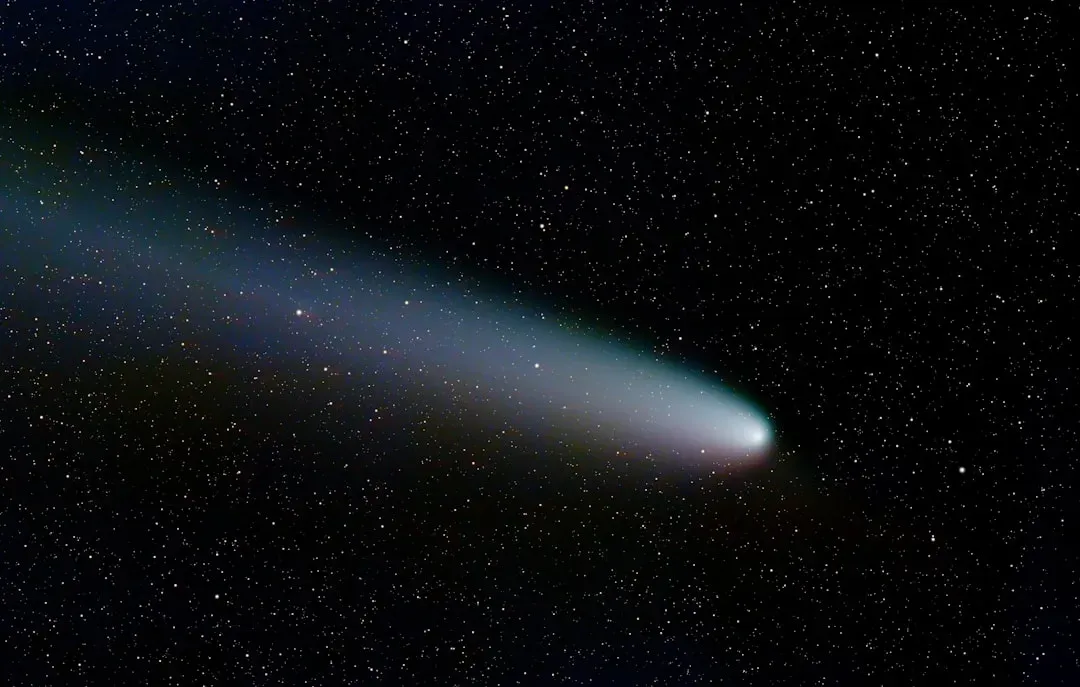
Most comets are shy little fuzzballs you barely notice, but every once in a while, one becomes bright enough to dominate your sky and lodge itself in your memory. Astronomers call these “great comets,” and you usually only get a handful of them in a human lifetime. When one truly performs, you can see it with your naked eye as a glowing head with a long, streaming tail, sometimes stretching across a significant chunk of the sky. You might remember hearing about a recent bright comet that people rushed outside to see at dusk or before dawn, snapping photos from rooftops, beaches, and parking lots.
Here’s the catch: great comets are unpredictable, which makes them exciting but also easy to miss if you are not paying attention. Your best strategy is to keep an occasional eye on astronomy news, especially when you hear about a newcomer brightening faster than expected. When one starts to put on a show, you’ll want to find a dark spot away from city lights, let your eyes adjust for twenty minutes, and then scan the sky in the suggested direction with your naked eyes first. Binoculars can reveal extra detail in the tail, but you absolutely do not need fancy gear to enjoy the spectacle. If you do take photos, remember that your own eyes – staring up in quiet awe – are still the best sensors you’ve got.
3. Planetary Conjunctions and Rare Alignments
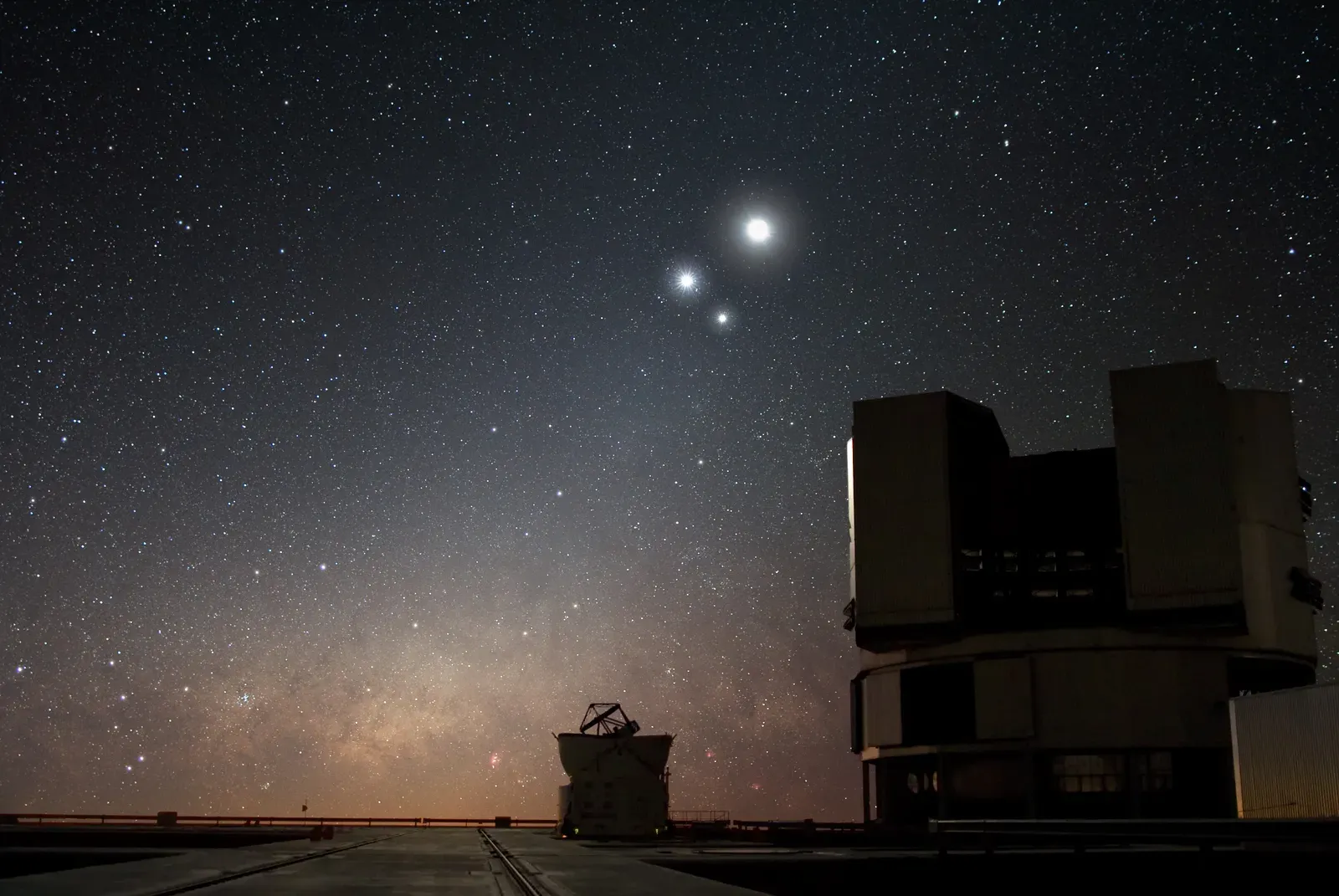
Every so often, the solar system’s clockwork lines up in just the right way and you get a striking planetary conjunction: two or more bright planets appearing very close together in your sky. To your eyes, they can look like a pair of brilliant “stars” almost touching, or a small cluster of lights that seems almost too perfect to be random. In rare cases, one planet can pass extremely close to another from your viewpoint, creating what looks like an ultra‑tight double star hung over your horizon at dusk or dawn. It is a simple sight, but it can be quietly stunning, especially if you catch it over a city skyline or a calm lake.
On even rarer occasions, several planets become visible at once, strung out along the ecliptic like cosmic beads on a necklace. When that happens, you can walk outside and literally tick them off with your finger: Mercury hugging the horizon, then a brighter Venus, followed by reddish Mars, giant Jupiter, and often Saturn further along. To get the most out of these lineups, you can use a simple astronomy app that shows you where to look relative to your local horizon. You do not need darkness as deep as you’d need for faint galaxies; many of these events show up nicely in bright twilight. Bring a friend or a kid along, point out that those “stars” are actual worlds, and you might find yourself thinking about the solar system in a more physical, real way than you ever did in school.
4. Supermoon and Lunar Eclipse Combos
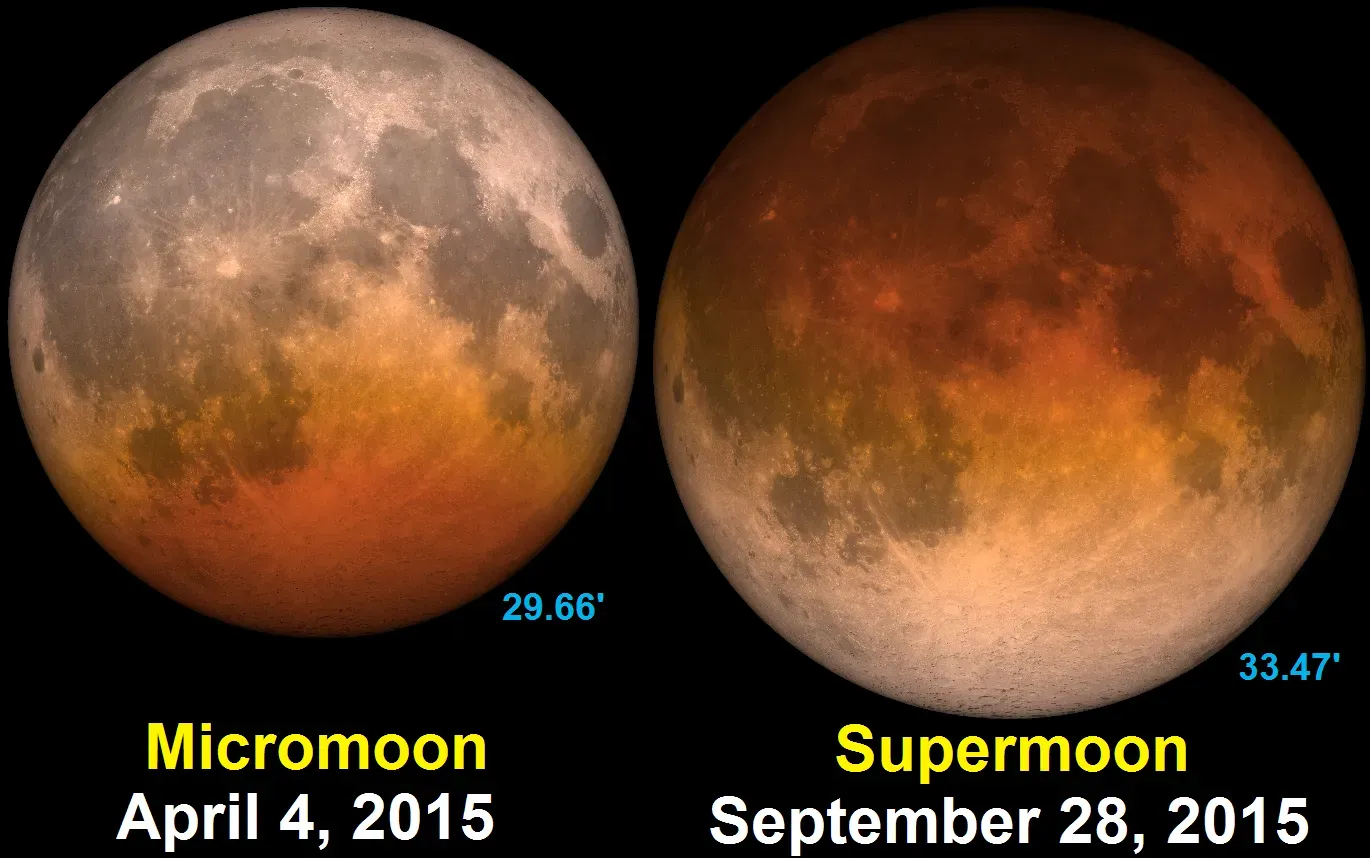
The full moon is familiar, almost comforting, but when several lunar factors line up, you get something special: a full “supermoon” that looks a bit larger and brighter than usual, combined with a total lunar eclipse that turns it a deep coppery red. This happens only occasionally, because the moon’s orbit, its distance from Earth, and its alignment with the sun all have to cooperate at the same time. When they do, you end up with a moon that rises already big and bold, then slowly slips into Earth’s shadow over the course of the night. As the eclipse deepens, that bright white disk you know so well transforms into a dim, reddish orb that looks almost like it has been dropped into a pool of rust‑colored light.
Unlike a total solar eclipse, you can watch a total lunar eclipse safely with your naked eyes for as long as you like, and people across an entire nighttime half of Earth can see it. You do not need special glasses; you just need clear skies, a decent view of the sky, and enough patience to stay up if it happens in the early hours. If it coincides with a supermoon, you may notice the moon looking particularly looming as it rises, although some of that drama is also due to an optical trick called the “moon illusion” near the horizon. To make the experience memorable, you can set up a chair, bring a warm drink, and watch the show unfold slowly, taking photos every fifteen or twenty minutes to capture the changing colors. It is one of the most accessible rare events: you simply step outside and let the universe dim the lights for you.
5. Auroras at Unusually Low Latitudes
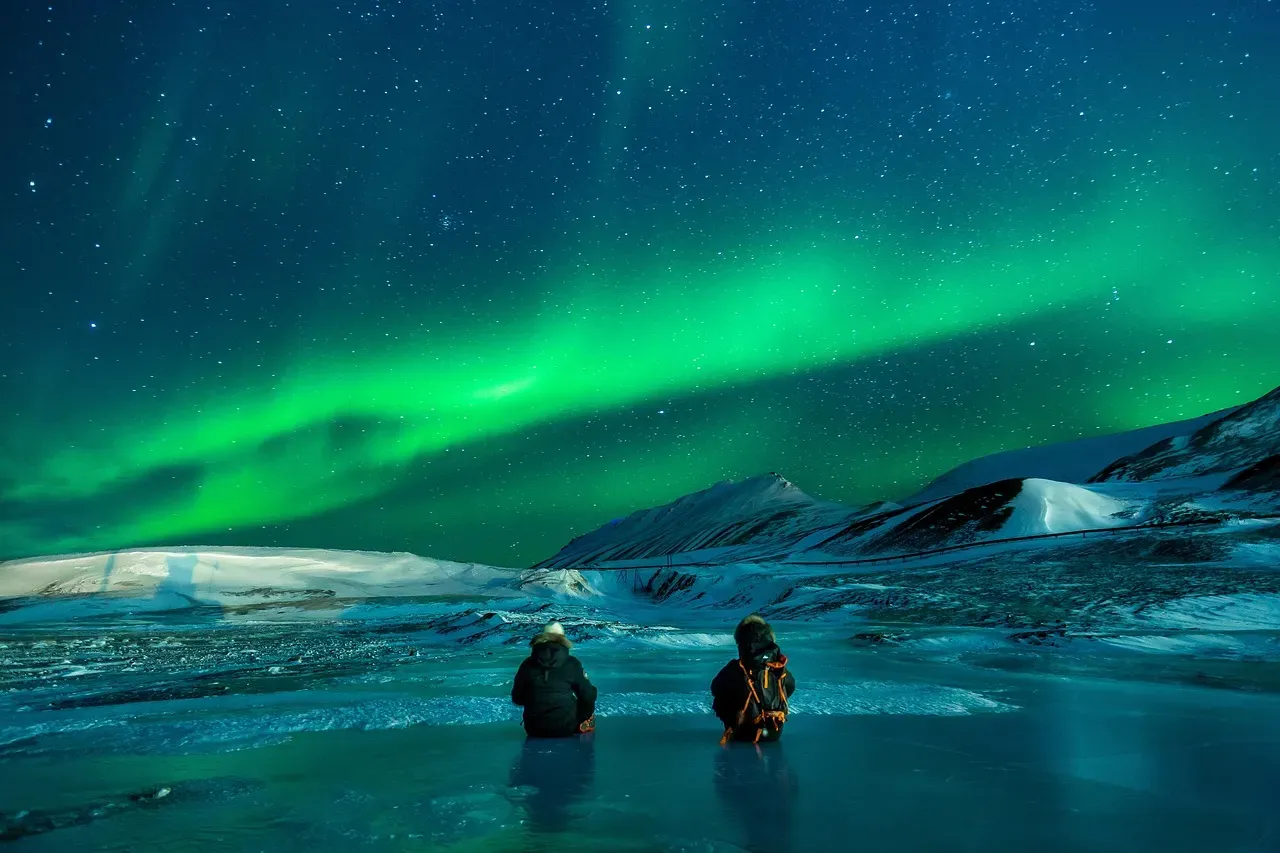
If you live far from the polar regions, you might assume the aurora is something you will only ever see in dramatic photos or bucket‑list trips to the Arctic. But during particularly strong geomagnetic storms, the shimmering curtains of green, red, and sometimes purple light can spill much farther south than usual, giving people in mid‑latitude regions an unexpected show. These storms are powered by bursts of charged particles from the sun – often linked to solar flares or coronal mass ejections – that slam into Earth’s magnetic field and funnel energy toward the upper atmosphere. When the activity is intense enough, people who have never seen the northern or southern lights suddenly find themselves standing in fields, parking lots, and backyard decks, staring at a glowing sky in stunned silence.
These low‑latitude auroras are rare, but you can dramatically boost your chances by paying attention during periods of elevated solar activity. Space weather alerts, simple aurora forecast apps, and even social media posts from people farther north can give you early warning that something special might be happening overhead. If a strong storm is rolling in, you will want to get away from city lights, give your eyes at least half an hour to adapt to the dark, and face toward the magnetic pole relevant to your hemisphere. The display can change minute by minute, shifting from a faint glow to dynamic rays and arcs that ripple across the sky like a slow‑motion dance. When it happens where you live, you may find yourself checking the sky every clear night afterward, just in case lightning, or in this case charged particles, decide to strike twice.
Conclusion: Making Space in Your Life for the Sky
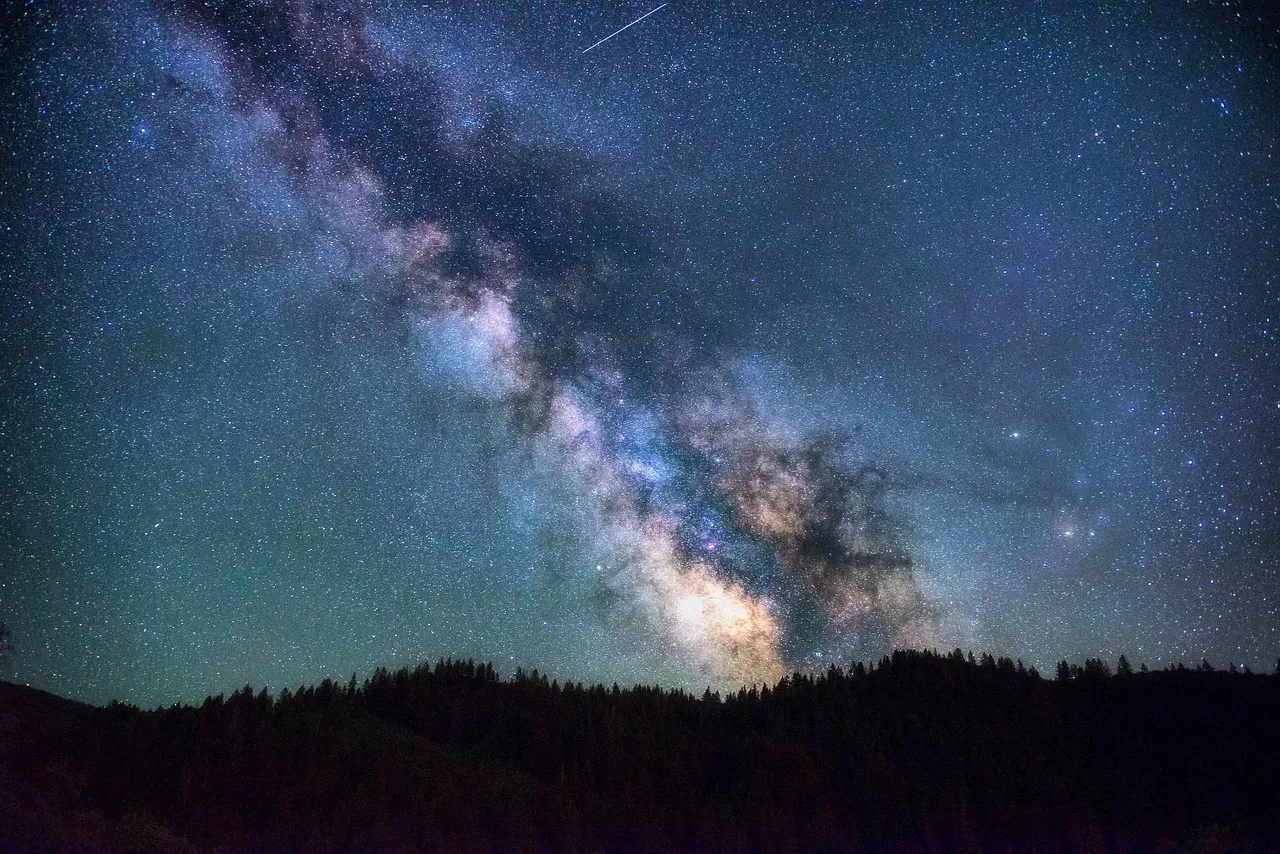
When you step back and look at these events together – total solar eclipses, great comets, rare planetary lineups, dramatic moon shows, and low‑latitude auroras – you start to realize the sky is not static wallpaper. It is a living, changing stage where some scenes are so rare that you either make room in your life for them or you simply miss out. You do not have to catch every single one, but deciding to plan for just one or two can add a sense of anticipation to your year that no streaming release schedule can match. There is something grounding about knowing the dates of future eclipses or potential aurora peaks and quietly marking them in your calendar, like making appointments with the universe itself.
In a world where your attention is constantly being yanked from one glowing screen to another, choosing to look up might be one of the most underrated choices you can make. You will not control the clouds, the timing, or the sun’s moods, but that uncertainty is part of the magic; it makes every success feel earned. If you start now – watching forecasts, learning your local horizon, and keeping a mental list of upcoming events – you’ll be ready when the next rare spectacle rolls over your part of the planet. Years from now, you might remember standing in the dark, neck craned, feeling small and impossibly lucky at the same time. Which of these celestial events are you going to promise yourself you will not miss when the sky finally calls your name?