
If you grew up hearing mostly about the Greeks, Romans, and Egyptians, you’re not alone. What often gets left out is that the Americas were home to some of the most innovative, complex, and frankly mind‑blowing cultures on the planet long before Europeans ever appeared on the scene. When you start digging into their cities, art, astronomy, and engineering, it can feel like you’ve stumbled into an entirely new chapter of world history you were never told about.
In this article, you’re going to walk through six ancient cultures from North and South America that changed the world in ways you might not expect. You’ll see how people built giant cities of earth and stone, carved entire communities into cliffs, engineered high‑altitude farms, and turned religion, art, and astronomy into a single, tightly woven worldview. By the end, you may never look at the “New World” as new again.
The Olmec: Mesoamerica’s Mysterious Trailblazers
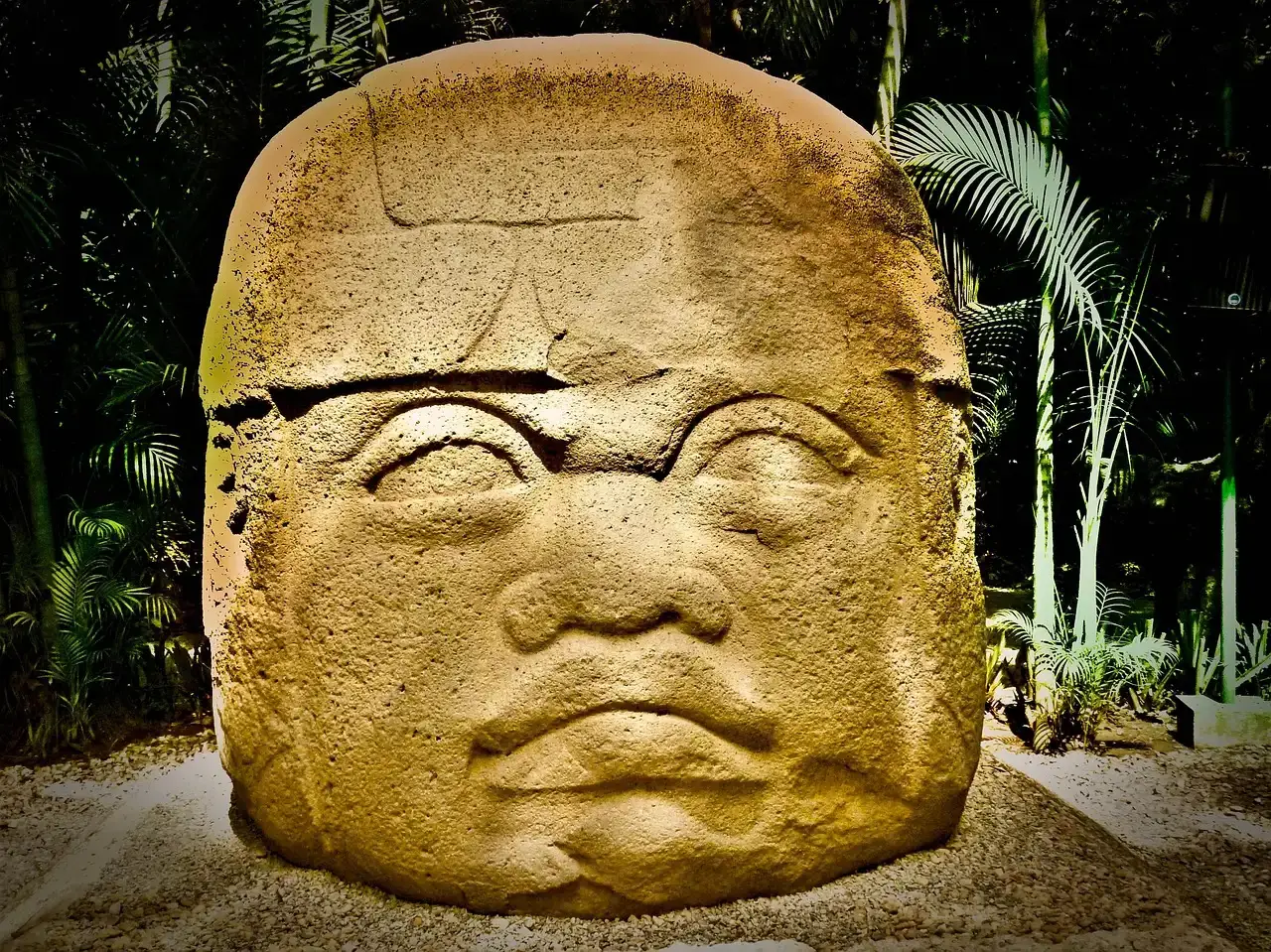
When you think about the roots of civilization in the Americas, you should picture the Olmec first. Flourishing roughly between 1200 and 400 BCE along the Gulf Coast of what’s now Veracruz and Tabasco in Mexico, they’re often described as the earliest major civilization in Mesoamerica. You can think of them as cultural trailblazers: later societies like the Maya and the Aztec picked up many patterns the Olmec set, from religious imagery to urban planning and possibly even aspects of ritual ballgames. ([britannica.com](https://www.britannica.com/topic/Olmec?utm_source=openai))
You’ve probably seen the most famous Olmec creations without realizing it: those enormous stone heads, some weighing many tons, carved with strikingly individualized faces and headdresses. Standing in front of one in person, you’d feel how deliberate and organized their society had to be just to move and carve a single boulder. The Olmec also crafted finely polished mirrors and small jade figures that suggest a sophisticated elite culture obsessed with symbolism, status, and the cosmos, even if their cities have largely vanished back into the tropical landscape. ([arxiv.org](https://arxiv.org/abs/physics/0701328?utm_source=openai))
The Maya: Masters of Time, Writing, and the Jungle
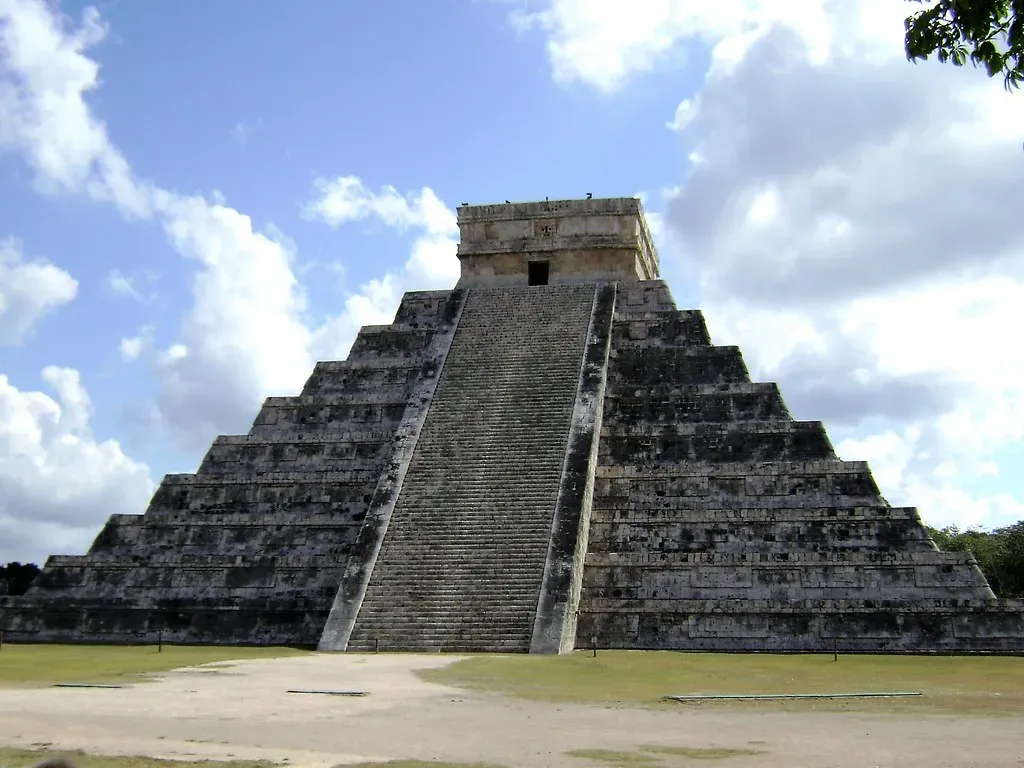
If you’ve ever stared at a photo of a stepped pyramid rising out of thick green jungle, there’s a good chance you were looking at the remains of a Maya city. Stretching across what’s now southern Mexico, Guatemala, Belize, and parts of Honduras and El Salvador, the Maya developed a network of city‑states that thrived for centuries. You’d find towering temples, observatories, ball courts, and palace complexes laid out with an eye toward both earthly politics and celestial events. Their cities weren’t just random clusters of buildings; they were carefully planned landscapes of power and ritual.
What really sets the Maya apart – and should grab your attention – is their intellectual life. They developed one of the most sophisticated writing systems in the ancient Americas and tracked celestial cycles with such care that their calendars could predict eclipses and planetary movements with striking accuracy. When you see the carved stairways and stelae covered in glyphs, you’re looking at stories of kings, wars, alliances, and rituals that scholars are still deciphering today. In a world where time itself was sacred, you’re reminded that for the Maya, history, astronomy, and religion were all part of the same conversation.
The Chavín: Andean Visionaries of Stone and Sound
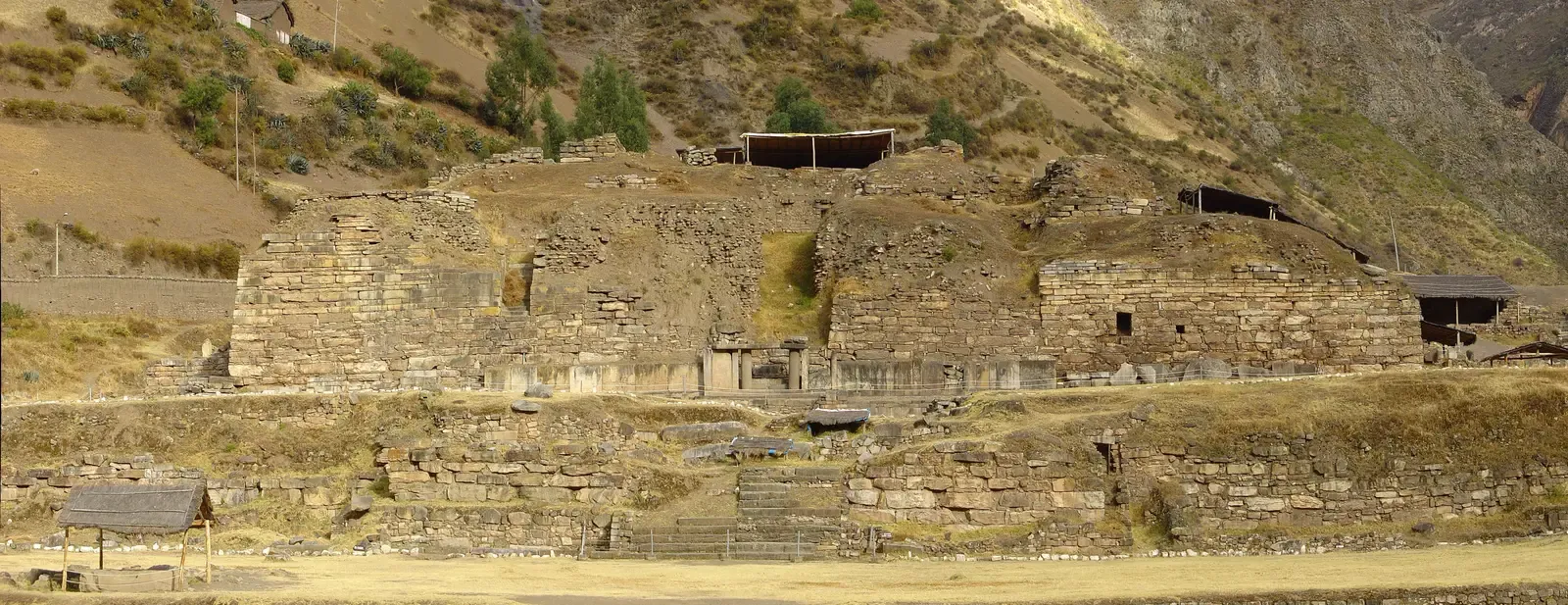
Long before the Inca rose to power in the Andes, you’d have found pilgrims trekking high into the mountains of what’s now Peru to reach a ceremonial center you know today as Chavín de Huántar. The Chavín culture, which flourished roughly between 900 and 250 BCE, turned this site into a kind of religious crossroads, drawing people from coastal regions, highlands, and jungles. When you picture it, imagine stone temples folded into misty mountains, where underground corridors twist in semi‑darkness and carved fanged deities stare out from walls and pillars. ([whc.unesco.org](https://whc.unesco.org/en/list/330/?utm_source=openai))
What might surprise you is how experimental Chavín architecture and art feel, even now. Archaeologists have found complex drainage systems that may have created roaring water sounds, adding drama to ritual events, and stone sculptures that blend human, feline, and serpent features in ways that almost feel psychedelic. Recent discoveries of colorful murals with fish, stars, birds, and shaman‑like figures reinforce the sense that you’re dealing with people who saw the world as a layered, symbolic universe connecting sky, earth, and sea. When you walk through those corridors in your mind, you can almost hear the echo of conch trumpets and rushing water, mixing technology and spirituality into a single, immersive experience. ([livescience.com](https://www.livescience.com/archaeology/a-truly-unprecedented-discovery-3-000-year-old-multicolored-mural-with-fish-stars-and-gods-discovered-in-peru?utm_source=openai))
The Nazca: Artists of the Desert and the Sky
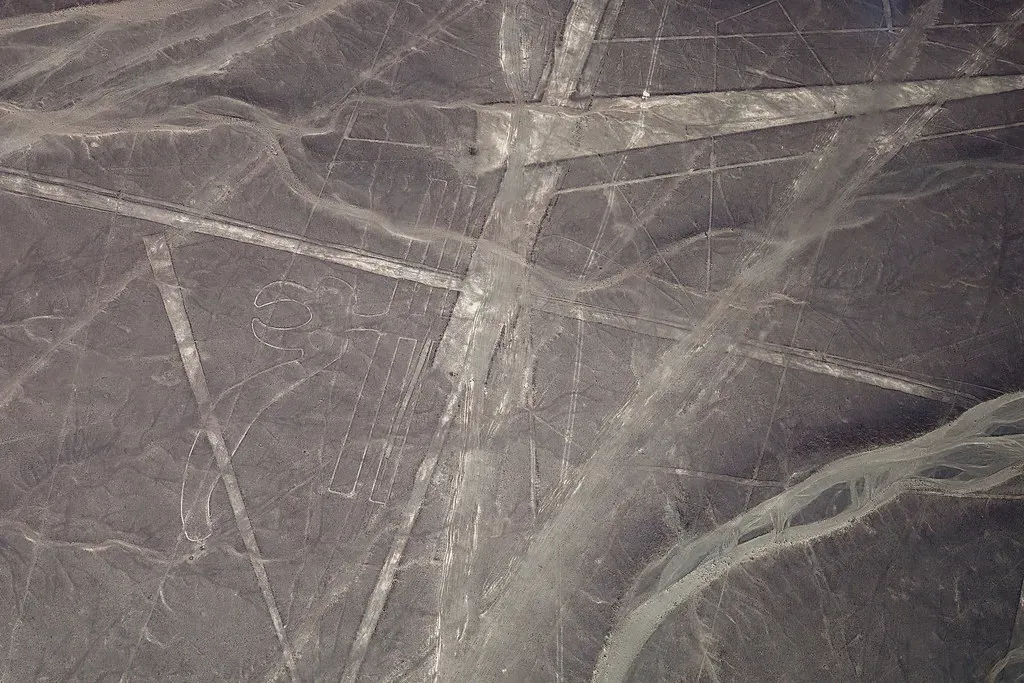
Head to the southern coast of Peru in your imagination, and you find one of the strangest landscapes on Earth: a dry plateau etched with lines, trapezoids, and enormous figures of animals and plants that you can only really see from the air. These are the Nazca Lines, created by the Nazca culture between roughly 200 BCE and 600 CE, and they’re the reason you might feel like someone in the ancient Andes secretly owned an airplane. To make them, people carefully removed dark surface stones to reveal lighter soil beneath, tracing geometric designs and figures of hummingbirds, monkeys, and whales across kilometers of desert.
But you shouldn’t let the aerial spectacle distract you from how grounded the Nazca were in the everyday struggle to survive a harsh environment. They engineered underground aqueducts and channels, known as puquios, to tap into groundwater and move it across the desert, turning an unforgiving landscape into a patchwork of productive fields. When you put the art and the engineering side by side, you see a culture that stitched together practical hydrology with ritual and symbolism, turning the entire desert into something like a sacred canvas that also kept people alive.
The Ancestral Puebloans: Architects of Cliffs and Canyons
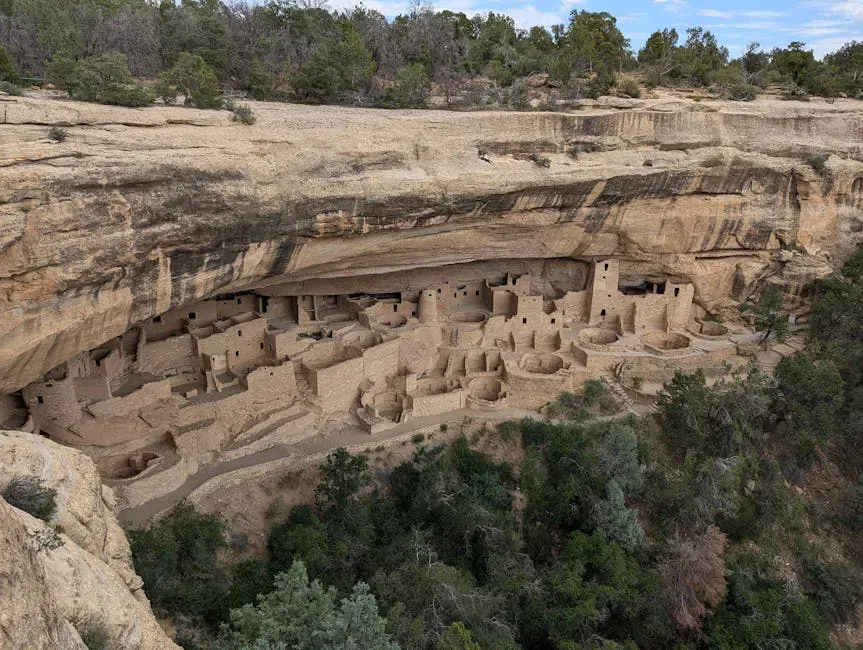
In the high desert of what’s now the Four Corners region of the United States – where Arizona, New Mexico, Colorado, and Utah meet – you step into the world of the Ancestral Puebloans. From about 100 to 1600 CE, they transformed mesas and canyons into intricate communities of stone, earth, and wood. You might picture multistory dwellings tucked into cliff alcoves at places like Mesa Verde, or wide great houses and ceremonial spaces laid out across the landscape at Chaco Canyon, all connected by an impressive network of roads and trails. ([britannica.com](https://www.britannica.com/topic/Ancestral-Pueblo-culture?utm_source=openai))
What pulls you in is how rooted their lives were in both community and place. They farmed maize, beans, and squash in an often unforgiving climate, stored surplus food, and gathered for ceremonies in circular underground structures called kivas. Today, you can still see masonry walls fitted together with striking precision, murals and rock art that hint at layered spiritual beliefs, and signs of long‑distance trade that brought in goods like turquoise and macaw feathers. When you stand in a cliff dwelling or among the ruins of a great house, you’re looking at the ancestors of modern Pueblo peoples, whose living traditions keep many of these stories flowing forward. ([nps.gov](https://www.nps.gov/subjects/swscience/ancestral-puebloan.htm?utm_source=openai))
The Mississippian World and Cahokia: North America’s Forgotten City‑Builders
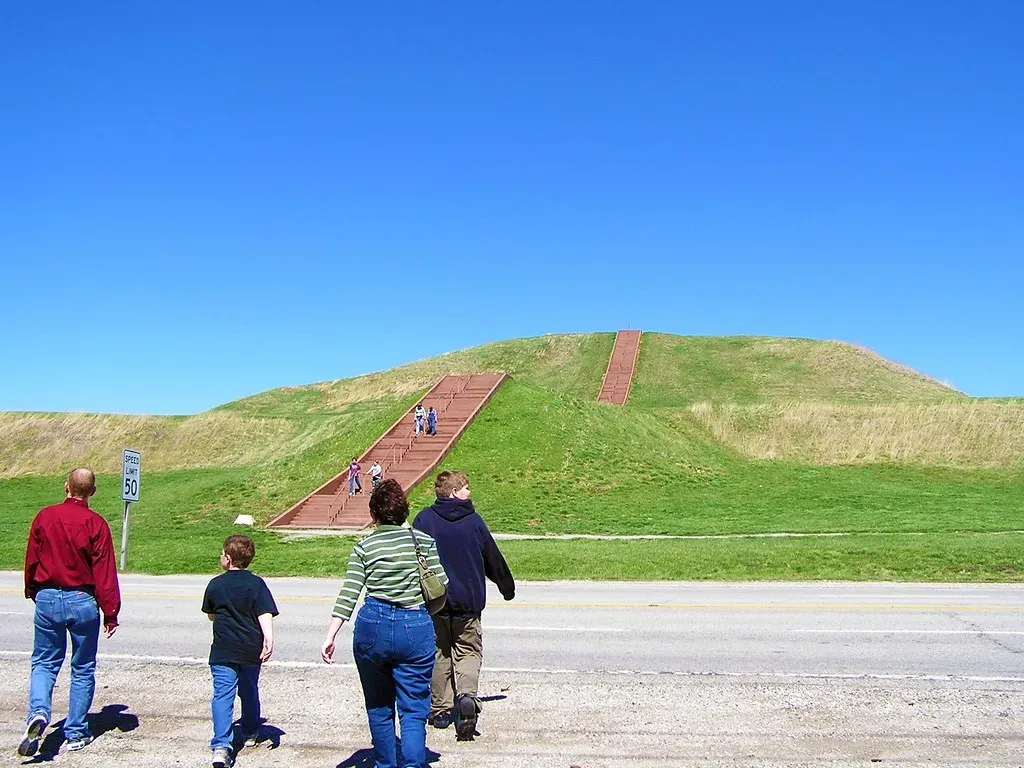
If you grew up thinking large, complex cities in the Americas existed only in Mexico or the Andes, the Mississippian world will reset your expectations. Beginning around 800 to 1000 CE and lasting into the early colonial era, Mississippian societies spread across much of what’s now the central and southeastern United States, especially along the Mississippi, Ohio, and Tennessee river valleys. Their communities centered on earthen platform mounds, open plazas, and wooden buildings, all tied together by intensive agriculture based on maize and beans. ([britannica.com](https://www.britannica.com/topic/Native-American/Eastern-Woodland-cultures?utm_source=openai))
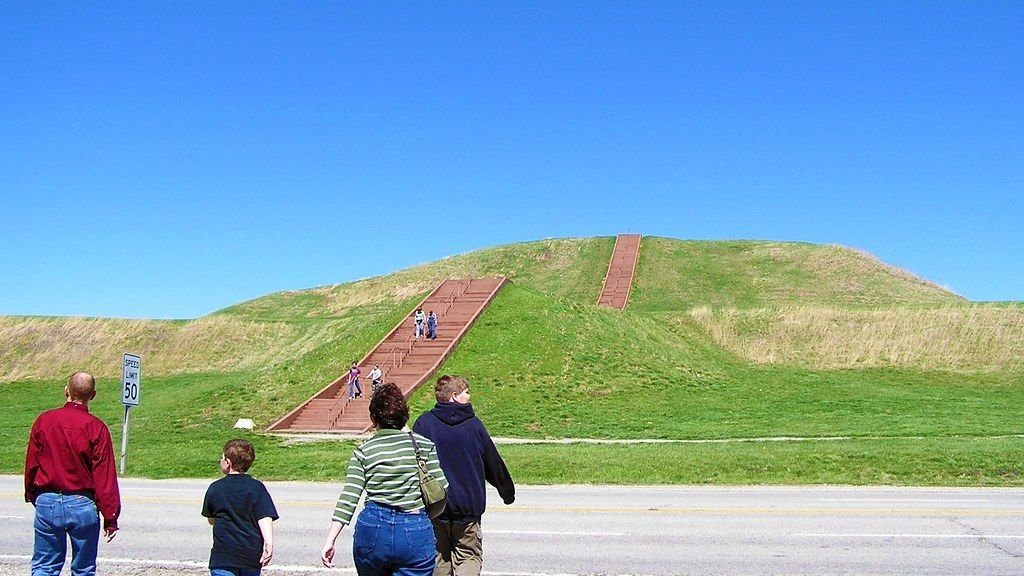
At the heart of this world, on the Illinois side of the Mississippi River near present‑day St. Louis, you find Cahokia – the largest pre‑Columbian city north of Mexico. At its peak around 1050 to 1350 CE, Cahokia boasted monumental mounds, including one towering platform often compared in scale to the Great Pyramid of Giza when you account for its base. People there engaged in wide‑ranging trade, crafted intricate pottery and copper art, and likely organized complex religious and political systems that influenced communities hundreds of kilometers away. When you walk the site today, you’re roaming the ghost of a city that once rivaled major Old World centers in population and ambition, yet rarely shows up in the history classes you probably took. ([en.wikipedia.org](https://en.wikipedia.org/wiki/Mississippian_culture?utm_source=openai))
The Inca: Empire of Roads, Terraces, and Living Memory
By the time Europeans reached South America in the early sixteenth century, you would have found the Inca ruling a sprawling empire that stretched along the Andes from modern Colombia all the way into Chile and Argentina. Unlike the earlier cultures you’ve just met, the Inca pulled together dozens of different peoples and languages into a centralized state held together by roads, administration, and shared ritual. From their capital at Cusco, they oversaw a network of highways and footpaths often called the Inca Road System, spanning thousands of kilometers over mountains, deserts, and valleys.
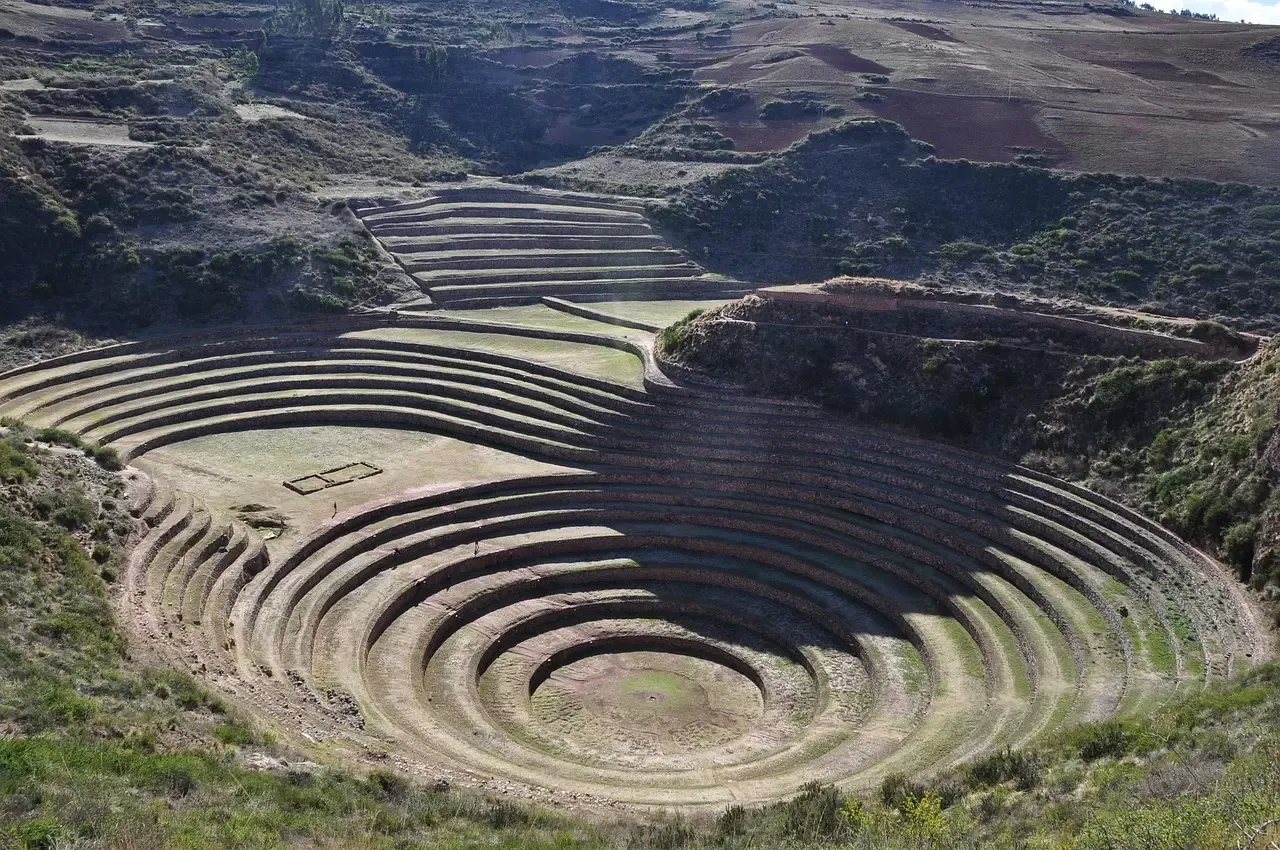
What makes the Inca unforgettable in your mind is how exquisitely they worked with both stone and landscape. Think of Machu Picchu – those tight‑fitting stone walls, terraced fields, and dramatically placed temples that blend into the mountain ridgeline instead of fighting it. The Inca used terrace farming to tame steep slopes, built sophisticated irrigation channels, and managed state storehouses to buffer famine. Even without a writing system like the Maya, they kept administrative records using knotted cords known as quipu. When you see how much of their infrastructure still functions or stands today, you realize you’re looking at a civilization that mastered the art of working with extreme environments rather than trying to bulldoze them into submission.
When you step back from these six cultures, you start to see a very different map of the ancient world than the one you were probably handed in school. Instead of a blank “New World” waiting to be discovered, you’re looking at a patchwork of cities, temples, observatories, road systems, irrigation works, and artistic traditions that evolved over millennia. Each culture solved the same basic problems – food, water, power, meaning – in wildly different ways, leaving behind earthworks in river valleys, geoglyphs on desert floors, and stone complexes high in the mountains.
If there’s one takeaway for you, it’s this: ancient American history is not a side note to someone else’s story; it stands on its own as a rich, intricate, and still‑unfolding field of discovery. The more you learn about these cultures, the more you realize how much of their knowledge, resilience, and creativity is still relevant to questions you’re wrestling with today – about environment, community, and how to live in sync with the places you call home. Which of these civilizations surprised you the most, and which one are you tempted to explore next?