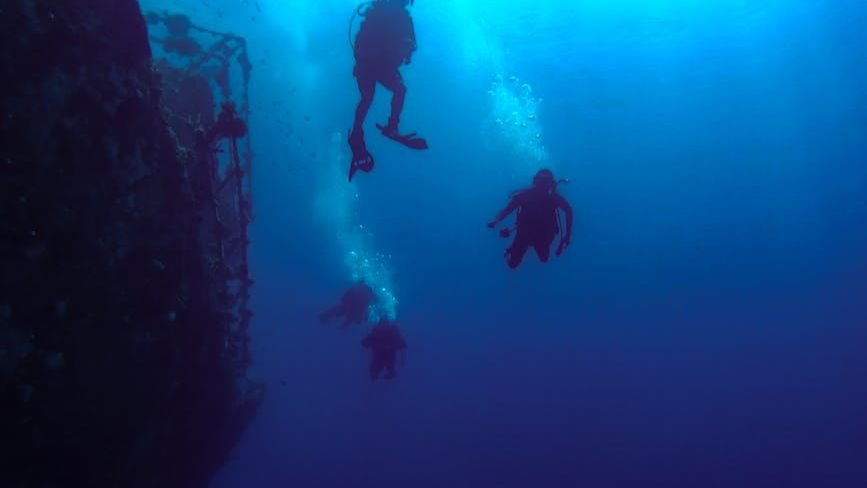
You probably picture the ocean as this vast blue surface, but the real mystery lies miles below, in places no human has ever seen with their own eyes. Ocean scientists like to say you know the surface of Mars better than your own seafloor, and that is much closer to the truth than feels comfortable. Most of the deep ocean has never been mapped in detail, let alone visited, which means there are entire worlds down there still waiting to be discovered.
When you start to dig into what might be hiding on the ocean floor, it feels less like Earth and more like an alien planet stitched beneath your feet. You are talking about mountain ranges taller than anything on land, black-smoking chimneys that create life from rock and water, and canyons that make the Grand Canyon look modest. As you explore these five hidden wonders, you will see how much of your own planet you still barely understand – and why the next age of exploration may be less about rockets and more about submersibles.
The Unmapped Abyssal Plains Beneath Your Feet
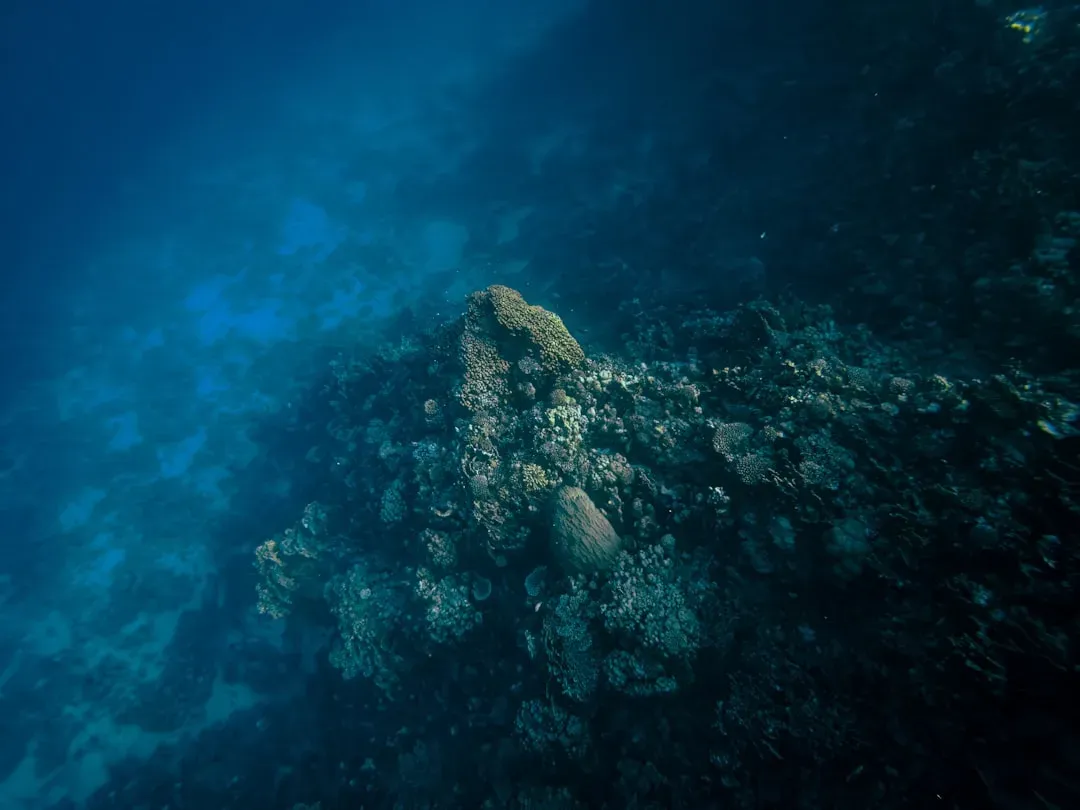
You might imagine the deep seafloor as a chaotic landscape of cliffs and volcanoes, but in reality, a massive share of the ocean bottom is made of surprisingly flat regions called abyssal plains. These plains usually lie between about three and six kilometers below the surface and stretch for hundreds of kilometers, forming some of the largest continuous habitats on Earth. Yet you live in a world where many of these plains have never been observed up close, and even their basic maps are often coarse and blurry.
What makes abyssal plains so fascinating is how quietly extreme they are. The pressure would crush an ordinary submarine, sunlight never reaches them, and food falls down from above as a slow, constant rain of organic debris. You can think of them as night deserts of mud, but scattered with rocks from ancient glaciers, weird burrows, and slow-moving creatures that may live for decades or longer. As better deep-sea robots and high-resolution sonar slowly reveal these regions, you are likely to discover new species, strange microbial communities, and perhaps patterns in the seafloor that hint at past climate shifts written in layers of deep-sea sediment.
Hidden Seamount Kingdoms Rising From the Darkness
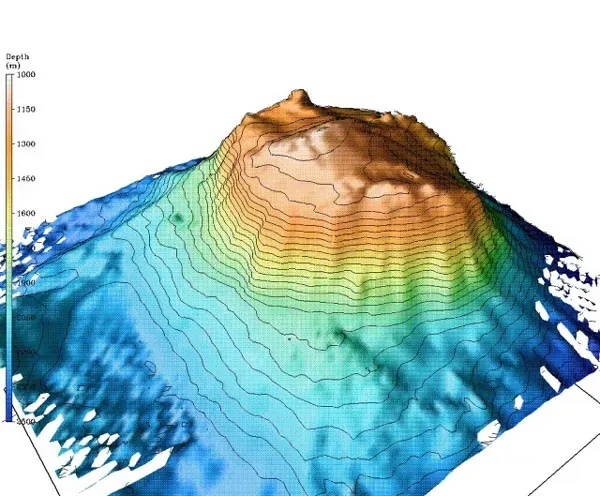
If you could drain the oceans like a bathtub, you would suddenly find yourself standing among tens of thousands of underwater mountains called seamounts, most of which you have never heard of. These extinct or dormant volcanoes rise from the seafloor, sometimes for several thousand meters, but never quite break the surface to become islands. Only a small fraction of seamounts have been explored directly, so you are essentially surrounded by unseen mountain ranges lurking under the waves.
Why should you care about a mountain you will never hike? Because seamounts act like magnets for life. Their slopes and summits create upwelling currents that bring nutrients from the depths, feeding rich communities of corals, sponges, fish, and invertebrates that may exist nowhere else. Many deep-sea fisheries silently depend on these hotspots, and at the same time, these fragile coral gardens can be damaged quickly by activities like bottom trawling. As you improve mapping and send more robotic explorers down, you are likely to find entire “kingdoms” of species that challenge your ideas of where complex ecosystems can thrive.
Undiscovered Deep-Sea Canyons Carved in the Dark
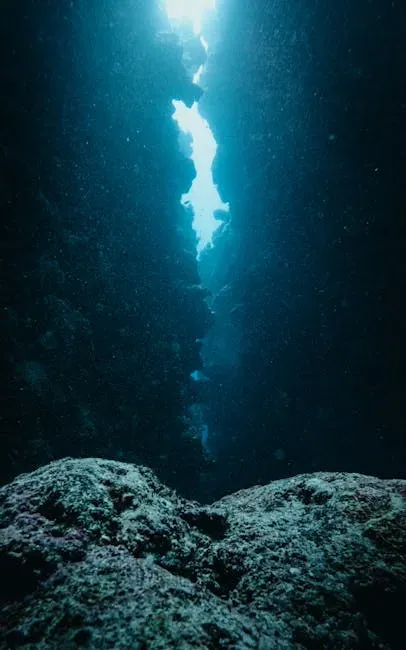
You already know canyons on land as dramatic cuts in the landscape, but the ocean hides even deeper and longer versions, carved over millions of years by underwater landslides, currents, and sediment flows. Many continental margins likely hold submarine canyons that have barely been mapped, let alone surveyed systematically. These canyons can funnel colder, nutrient-rich waters from the depths toward shallower zones, turning them into secret highways of energy and life.
When you picture a deep-sea canyon, imagine cliff walls draped with sponges, hard corals, and other filter-feeding animals, all living off the intense flow of particles rushing past. Some canyons are thought to act like express routes for carbon, shuttling organic matter from coastal waters down to the abyss, which means they quietly help regulate your climate. Yet you often only discover these features in detail when a fiber-optic cable needs to be laid, or after a submarine landslide triggers a tsunami that reminds you they exist. Exploring them more deliberately could reshape your understanding of how the ocean connects surface events, like storms and floods, to the deep seafloor far offshore.
Unknown Hydrothermal Fields and Alkaline Vents
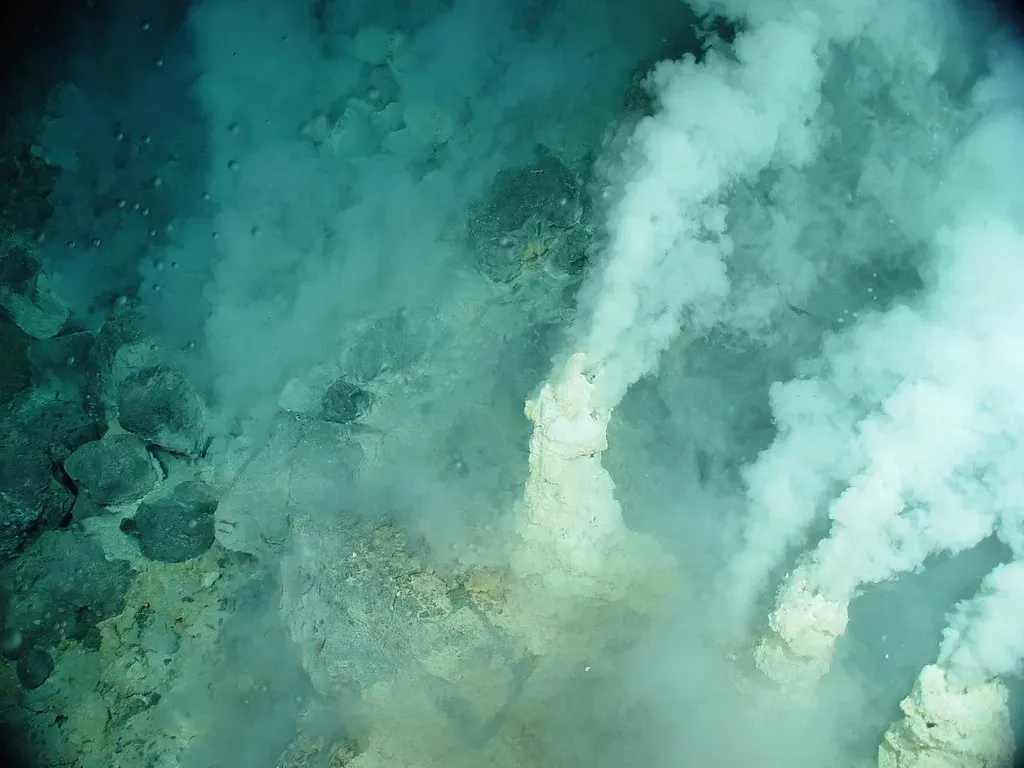
Hydrothermal vents already sound like science fiction: scorching hot fluids rich in metals and chemicals blasting out of the seafloor, surrounded by bizarre creatures that do not rely on sunlight. You may have seen photos of these “black smokers,” but the few known vent fields are probably just a small sample of what actually exists along the global network of mid-ocean ridges and back-arc basins. Large stretches of these underwater fault lines have never been visually surveyed, so there could be many more vent fields waiting in the dark.
Even more intriguing for you are the cooler, alkaline vents that operate in a gentler but equally strange way. Some scientists see them as promising candidates for where life might have first emerged, thanks to the way their chemistry can power simple organic reactions. If more of these fields are found, they may help you test ideas about the origin of life not just on Earth but potentially on icy worlds like Europa or Enceladus. Each new vent system brings unfamiliar microbes, novel metabolic tricks, and minerals that might someday inform new materials or biotechnologies, all hidden in places you have barely started to look.
Deep Subsurface Biospheres Beneath the Seafloor
It is easy to think of the seafloor itself as the boundary between life and lifeless rock, but that assumption is slowly crumbling. Beneath the mud and sediment, and even deep into the oceanic crust, you are discovering microbial communities that survive in tiny water-filled cracks, feeding on chemical reactions between rock and water. This deep biosphere may extend hundreds of meters, even kilometers, below the seabed in some regions, and it has only been sampled in a few scattered drilling projects.
For you, the idea that vast amounts of life exist where there is no light and almost no food feels deeply unsettling and deeply exciting at the same time. These organisms can grow extremely slowly, sometimes dividing only rarely over long timescales, yet collectively they may hold a significant portion of Earth’s total biomass. Understanding them could change how you estimate the limits of habitability on other planets and moons, where similar rock-water interactions might quietly power life out of sight. Every new drill core, every newly analyzed pore of rock, suggests that you have been underestimating how far down the tree of life really reaches.
Buried Ancient Landscapes and Lost Coastlines
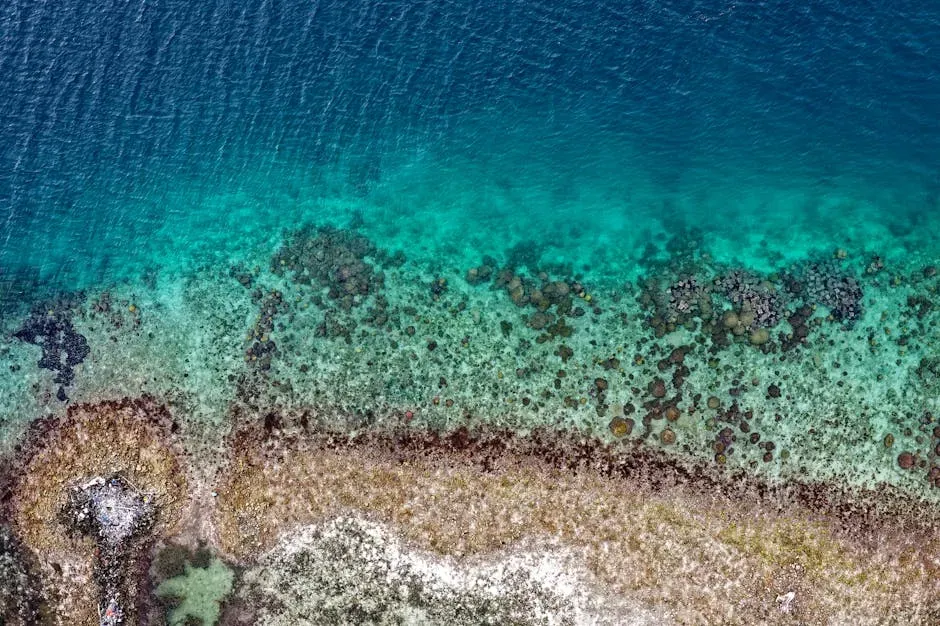
When you look at a world map, you mostly see modern shorelines, but sea level has risen and fallen dramatically over hundreds of thousands of years. During colder ice ages, water locked in ice sheets exposed large portions of what is now shallow seafloor, turning them into coastal plains where rivers flowed, forests grew, and early humans or their relatives may have walked. Today many of those ancient landscapes are drowned beneath tens of meters of water and layers of sediment, effectively hiding them from casual detection.
For you, these flooded worlds are like time capsules, preserving traces of past climates, ecosystems, and even possibly prehistoric settlements that never made it into the archaeological record on land. Sonar surveys sometimes reveal the ghostly outlines of river channels or old shorelines on the seabed, hinting at valleys and deltas that have not been studied in detail. If you combine improved seafloor mapping, sediment coring, and underwater archaeology, you could uncover evidence that reshapes your story of human migration and adaptation to climate change. In a sense, your own history is literally buried offshore, waiting for you to decide it is worth the effort to go and look.
Conclusion: Your Planet Is Still Largely Unseen
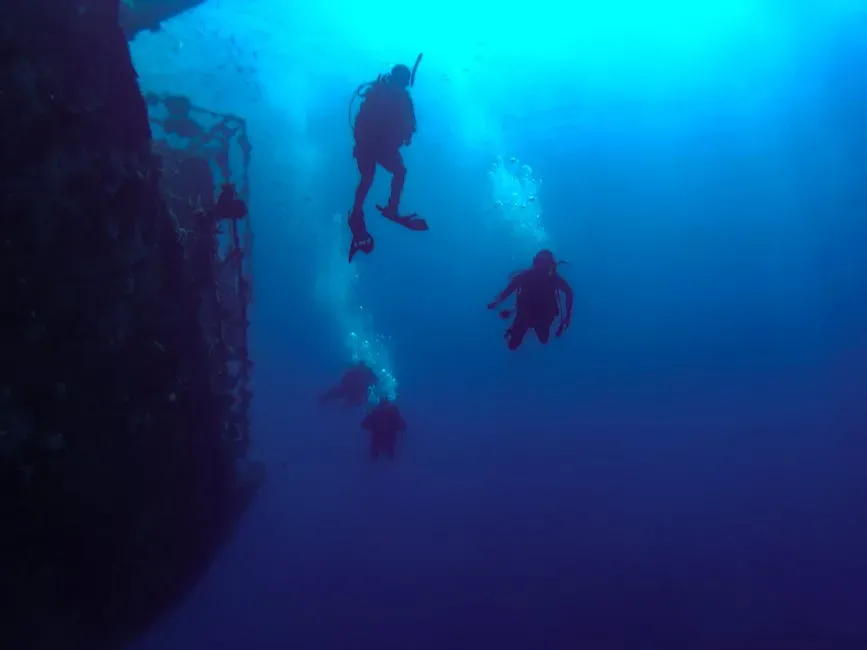
When you step back from the details, a simple but humbling pattern emerges: you are living on a planet you have only half explored. The ocean floor is not just a featureless wet backdrop; it is a patchwork of plains, mountains, canyons, vents, buried worlds, and hidden biospheres you are only starting to notice. Each of these five wonders reminds you that the biggest unknowns are often not out in deep space but down in the places you find hardest to reach.
As better maps, smarter robots, and more ambitious expeditions push into these dark zones, you are going to learn things that affect everything from climate forecasts and resource management to how you think about life itself. The next age of exploration may not belong to flag-planting astronauts but to quietly humming research vessels and remote-operated vehicles crawling over the seafloor. The real question is whether you will treat the deep ocean as a curiosity, a quarry, or a shared heritage you are finally ready to understand. Knowing what you now know, where would you choose to explore first if you could send one small robot into the dark?