
You live on a restless planet that never truly sits still, even though most days it feels rock solid under your feet. Deep below the surface, continents creep, rocks melt, mountains rise, and oceans open and close on timescales your mind can barely grasp. Yet in a few rare places, that hidden power breaks through so dramatically that you can see, touch, and feel what the Earth is capable of.
These seven geological wonders are like windows into the engine room of the planet. As you explore them in your imagination, you’re not just sightseeing; you’re getting a crash course in plate tectonics, deep time, and the raw forces that shape the world you depend on. Some of them shift almost imperceptibly, some explode violently, and others carve away rock grain by grain, but together they tell the same story: Earth is powerful, patient, and anything but static.
1. Grand Canyon: A Mile-Deep Storybook of Deep Time
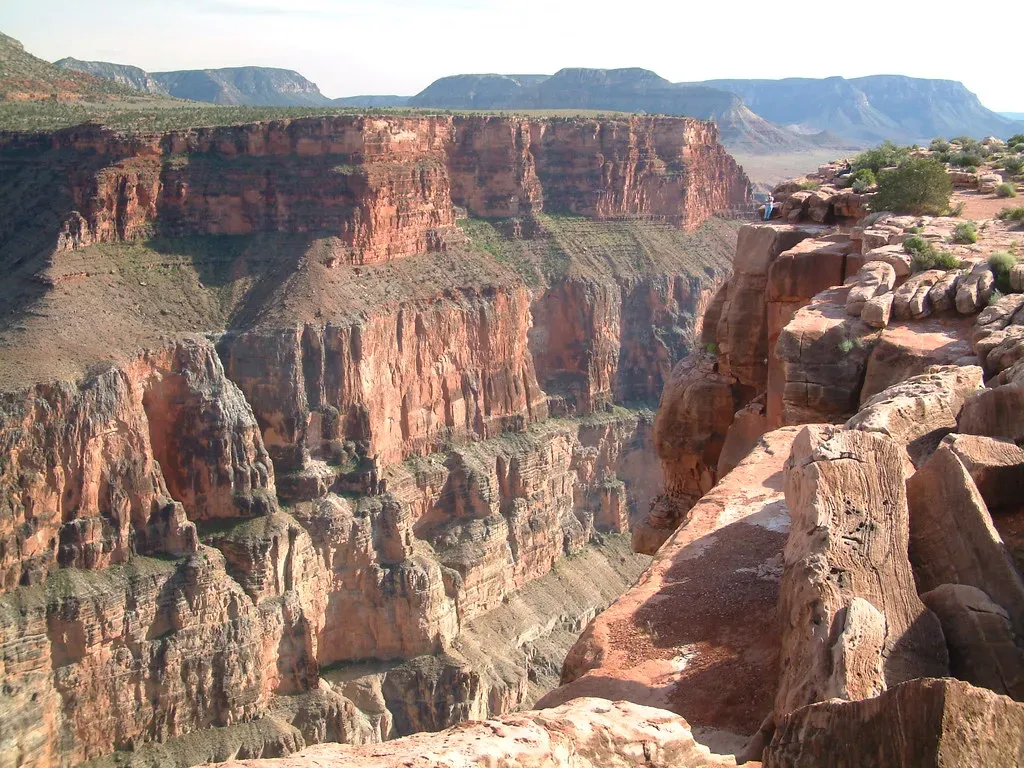
When you stand at the edge of the Grand Canyon, you’re not just looking into a deep hole in the ground; you’re staring into a cross‑section of Earth’s history that stretches back nearly two billion years. Layer after layer of rock stacks up in front of you, each band a different color, a different environment, and a different chapter in the planet’s story. You can literally trace the rise and fall of ancient seas, rivers, and deserts with your eyes as you scan from the rim down to the river.
What makes the canyon so powerful as a geological wonder is how it shows slow, relentless erosion doing what even earthquakes and volcanoes often do not: patiently carving out rock on a continental scale. The Colorado River did not smash its way through in some sudden cataclysm; it cut down grain by grain, flood by flood, over millions of years. As you imagine water roaring through that gorge, remember that the river is still at work right now, deepening and widening the canyon while you go about your day, proving that small forces can reshape entire landscapes if you give them enough time.
2. Yellowstone Supervolcano: A Hidden Giant Beneath Your Feet
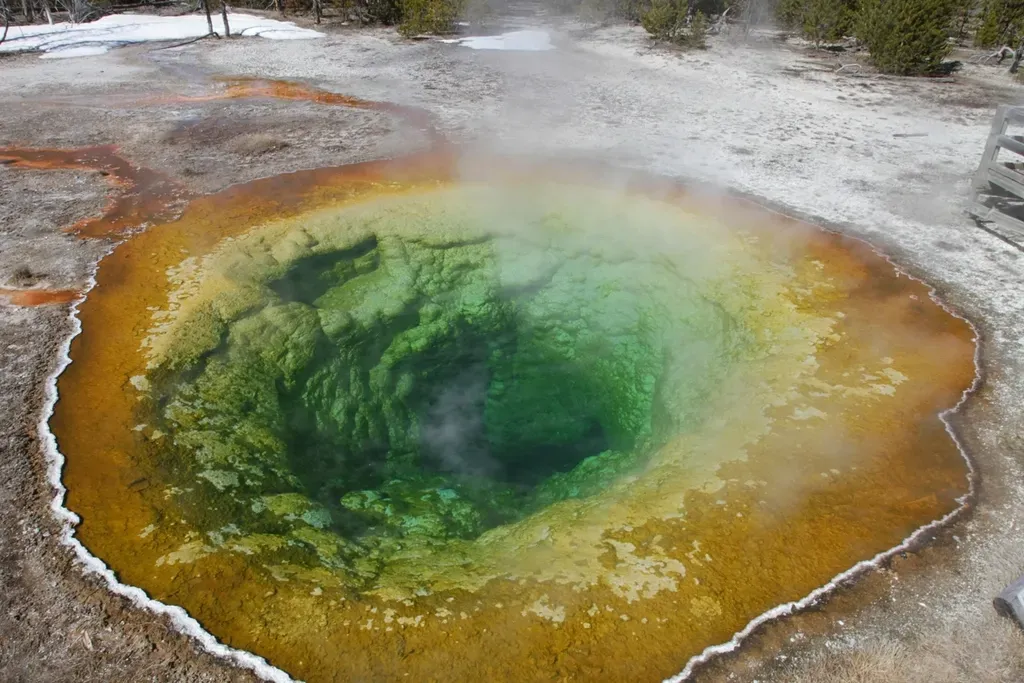
If you walk through Yellowstone National Park and watch a geyser erupt or a mud pot bubble, you’re looking at the surface expression of something enormous: a giant magma system lying relatively close to the surface. Yellowstone sits on top of a volcanic region that has produced some of the largest eruptions known from North America, including a colossal explosive event roughly about six hundred and forty thousand years ago that left a vast caldera and spread ash over a huge area of the continent. Today, you see steaming ground, hot springs, and geysers because that heat is still there, pulsing up from below.
At the same time, modern monitoring tells you a more reassuring story about this giant. Networks of GPS stations, seismometers, and satellite measurements watch Yellowstone closely and show that although the ground rises and falls slightly and earthquakes rattle the area, there are no signs of an impending super‑eruption. Scientists expect that any truly major event would be preceded by clear, long‑lasting warning signs, like intense swarms of earthquakes, strong and persistent ground deformation, and changes in gas emissions. So when you think about Yellowstone, you’re seeing both sides of Earth’s power: the almost unimaginable scale of past eruptions and the very human ability to study, understand, and keep watch over a restless volcano.
3. Mount Everest and the Himalayas: When Continents Collide
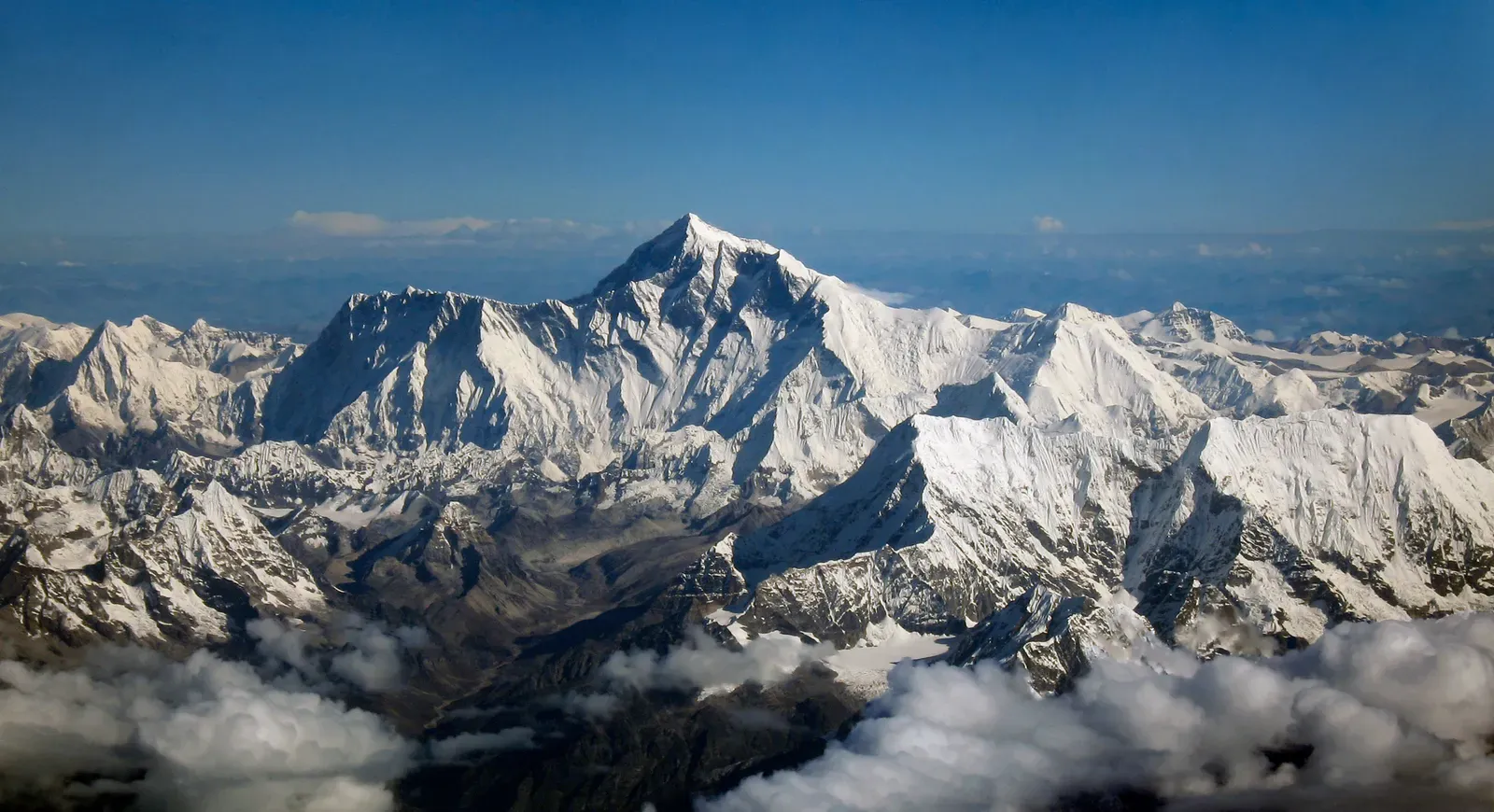
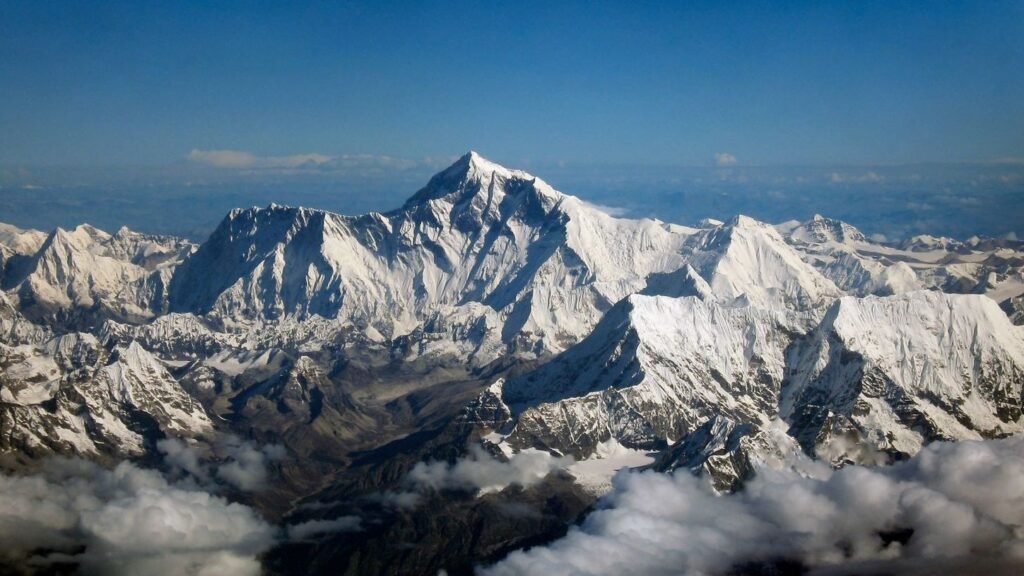
Mount Everest often gets described in terms of altitude and risk, but its most astonishing story is geological: the world’s highest peak is built from rocks that formed on an ancient seafloor. When you look at Everest in photos, you’re seeing layers of marine limestone and other sediments that were once at the bottom of the Tethys Ocean, then crushed, folded, and thrust upward as India slammed into Asia. That collision began tens of millions of years ago and continues today, which is why the Himalayas are still rising on average by millimeters each year.
This is plate tectonics made visible on the grandest scale. You are watching what happens when one plate does not simply slide past or dive under another, but instead crumples against it like the front of a slowly moving car hitting a barrier. Earthquakes ripple through the region as the crust adjusts, reminding you that the forces that built Everest are still very much alive. When you think of a mountain range like the Himalayas, you’re really thinking about an ongoing negotiation between rock strength, tectonic uplift, and relentless erosion by glaciers and rivers, all happening in a balance of power that never fully settles.
4. Iceland’s Rift: Where You Can Walk Between Continents
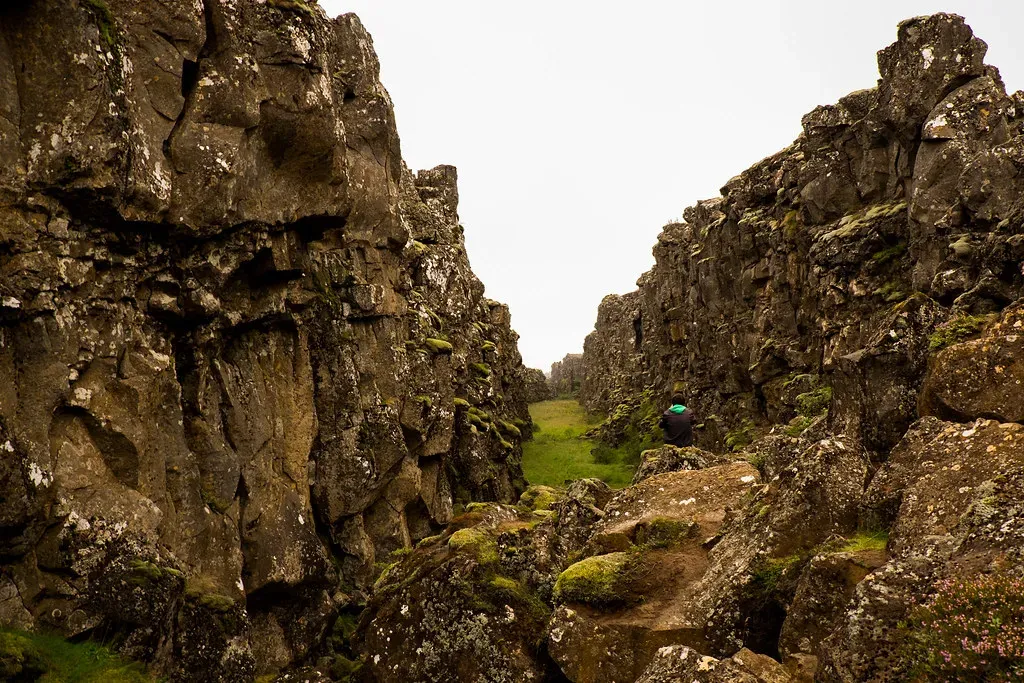
In Iceland, you have the rare chance to see something that is usually hidden far beneath the ocean: a place where a tectonic plate is literally ripping apart. The island straddles the Mid‑Atlantic Ridge, where the North American and Eurasian plates are pulling away from each other a little bit each year. In places like Þingvellir, you can stroll along fissures and cliffs that mark this boundary, feeling as if you’re walking through the seams of the planet. It’s one of the few spots where the phrase “standing between continents” is not just poetic but geologically accurate.
What makes this setting even more dramatic is that Iceland also sits over a mantle hot spot, so you get a double dose of Earth’s internal heat. As new crust forms along the rift and magma rises, you see volcanoes, lava fields, and frequent eruptions that literally rebuild the island in real time. Imagine watching an eruption that adds fresh basalt to the landscape, knowing that you’re witnessing the birth of new seafloor in miniature. When you combine spreading plates, rising magma, and North Atlantic storms, you end up with a place that constantly reminds you that continents and oceans are not fixed, but being stitched and restitched by forces far bigger than you.
5. Ring of Fire Volcanoes: Earth’s Pressure Valves at the Edge of the Pacific
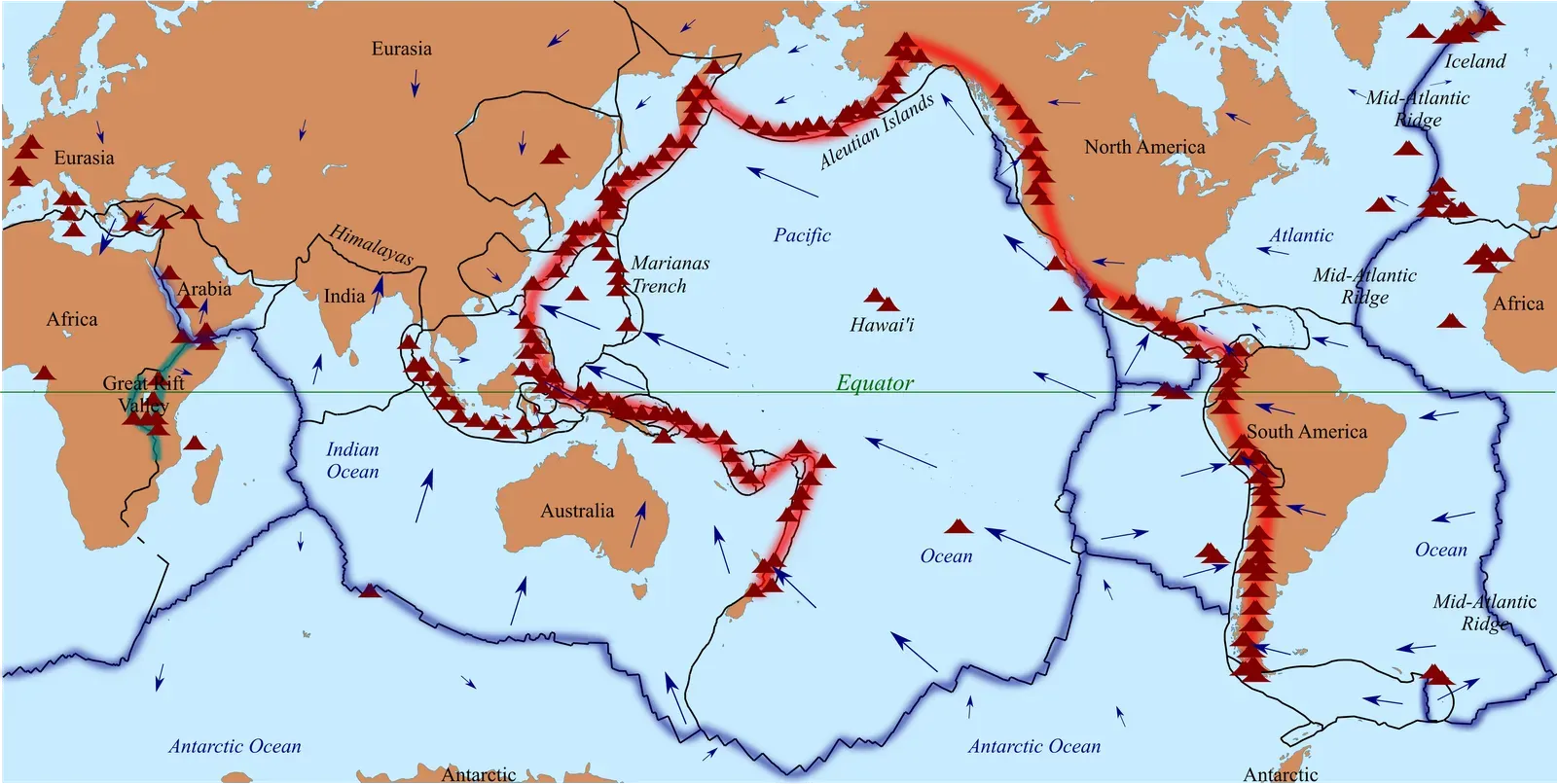
If you trace a rough loop around the Pacific Ocean on a map, you’re outlining one of the most restless regions on Earth: the Ring of Fire. Here, at the edges of the Pacific Plate, slabs of oceanic crust dive beneath neighboring plates in long subduction zones. As that dense rock sinks, it heats up, releases water, and helps generate magma that rises back toward the surface to feed chains of volcanoes from the Andes to the Cascades to Japan and Indonesia. When you hear about towering stratovolcanoes or explosive eruptions, there’s a good chance they belong to this fiery ring.
These volcanoes act like pressure valves for the planet, venting the heat and material that move through Earth’s interior over geological time. The same process that fuels them also drives powerful earthquakes and tsunamis along the margins of the Pacific, making this ring both a cradle of new crust and a major natural hazard zone for hundreds of millions of people. When you look at an eruption plume rising into the sky or a lava dome growing in a crater, you’re really seeing the final act of a story that began deep in the mantle. It’s a reminder that the edges of plates are charged with energy, and that your calm day‑to‑day life often depends on how quietly that energy is released.
6. The East African Rift: A Continent Slowly Tearing Itself Apart
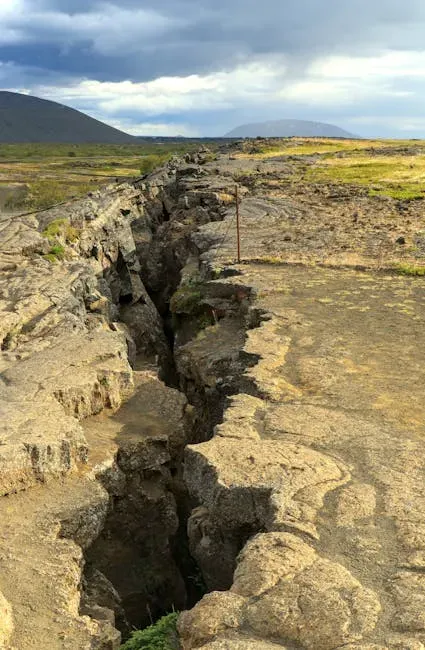
In East Africa, you can watch the early stages of something that will eventually reshape the map of the world: the slow splitting of a continent. The East African Rift is a huge zone where the African Plate is stretching and thinning, forming long valleys, steep escarpments, and a chain of volcanoes and lakes. When you picture the region, you might think of wildlife or savannas, but geologically, you’re standing in a place where the crust is being pulled apart like warm taffy. Over many millions of years, that stretching could widen into a new ocean basin.
This rift system shows you how subtle but persistent forces can break even thick continental crust. As it thins, magma can rise through fractures, creating volcanoes like Kilimanjaro and giving the region frequent earthquakes. Hot springs and unusual lakes often follow these deep fractures, revealing how closely life and geology are intertwined. When you imagine standing on the edge of a rift valley cliff and looking across to the opposite wall, you’re looking across a future ocean, seeing a quiet but profound expression of Earth’s tectonic power in slow motion.
7. The Deep Ocean Trenches: Earth’s Greatest Hidden Chasms
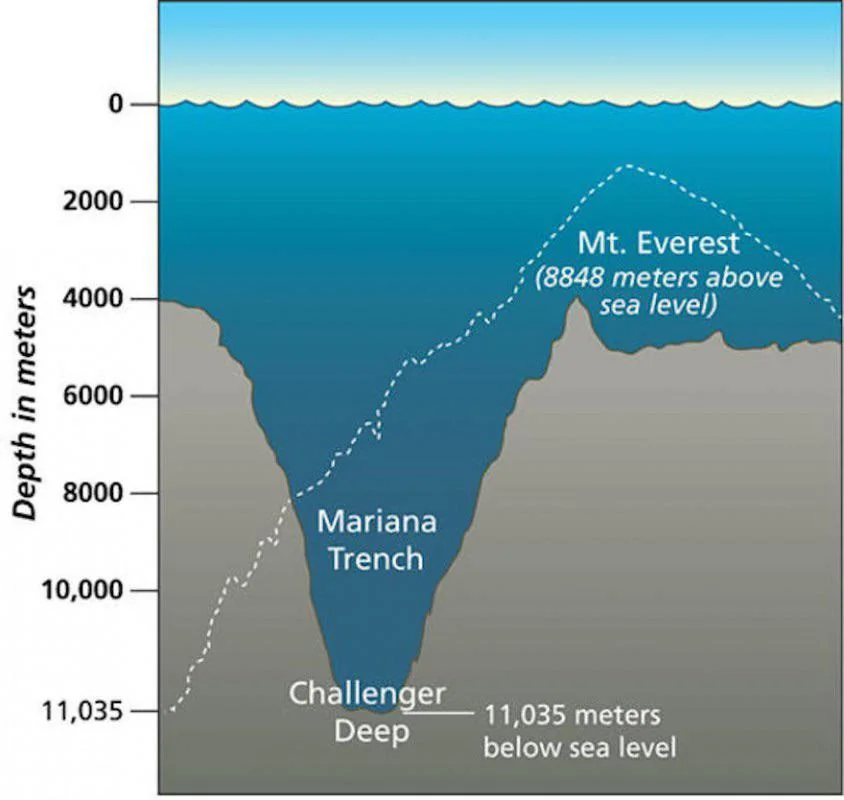
Some of Earth’s most dramatic features are places you’ll probably never see directly: the deep ocean trenches where one plate dives beneath another. The Mariana Trench in the western Pacific, for example, plunges deeper than the height of Mount Everest, yet it lies hidden beneath nearly eleven kilometers of water. When you think about that, you realize that you live your entire life on the upper skin of a planet whose deepest wounds are out of sight, carved where plates bend and sink back into the mantle. These trenches are the downward half of the great tectonic conveyor belt that recycles old crust.
What makes these trenches such powerful geological symbols is that they tie together many of the planet’s processes. As plates sink, they drag water and sediments into the mantle, influencing magma chemistry, volcanism, and even long‑term climate through the carbon cycle. Earthquakes that originate in subduction zones can be some of the strongest ever recorded, and when they displace the seafloor, they can send tsunamis racing across oceans. Even in these extreme depths, life adapts in bizarre ways, clinging to rocks and vents shaped by tectonic forces. When you picture a subduction trench, you’re seeing the planet’s recycling system at work, grinding old crust back into the interior so that new crust can form elsewhere.
Conclusion: Living on a Restless, Remarkable Planet
When you pull back and look at these seven wonders together, you start to see Earth less as a static ball of rock and more as a breathing, evolving system. Canyons carve, mountains rise, continents stretch and collide, and volcanoes tap into heat that has been building since the planet formed. Even the calm patch of ground under your house is part of this long, slow drama, carried along on a moving plate and shaped by processes you may never directly feel. You’re living in the middle of a story that spans billions of years, not standing on a finished stage set.
Maybe the most striking realization is how much of this power is both awe‑inspiring and, at times, dangerous, yet also essential to the world you know. Without plate tectonics and volcanism, you would not have tall mountains, fertile volcanic soils, deep ocean basins, or many of the mineral resources modern life depends on. By learning to read the rocks and landscapes around you, you’re not just admiring scenery; you’re learning the rules of the planet that makes your existence possible. The next time you see a mountain skyline, a river gorge, or steam rising from the ground, will you see just a view – or a glimpse into Earth’s incredible engine at work?