
You spend roughly about one third of your life asleep, and a big chunk of that time your brain is busy dreaming. You might wake up from a chase scene, a strange conversation with someone from your past, or a completely surreal world where nothing makes sense, and still wonder: what on earth was that about? Dreams can feel so vivid and emotional that it almost seems wrong to treat them as random brain noise.
At the same time, the more you look at the science, the more you realize that dreams are not magic windows into some hidden universe. Instead, they are a natural by-product of how your brain works while you sleep, shaped by memory, emotion, biology, and your daily life. When you understand the basics of sleep and dreaming, your weirdest dreams start to feel less like mysterious messages and more like a creative, sometimes chaotic, internal workshop your brain runs every night.
The sleeping brain: where dreams are born

If you want to understand your dreams, you have to start with your sleep. During the night, you cycle through different stages of sleep, moving between lighter sleep, deep slow-wave sleep, and rapid eye movement (REM) sleep. Dreams can show up in any stage, but they tend to be most vivid, emotional, and story-like during REM, when your eyes dart around under closed lids and your brain activity looks surprisingly similar to when you are awake.
During REM sleep, parts of your brain linked to emotion and memory fire up, while areas that handle logic and self-control quiet down. That combination helps explain why your dreams feel intense and meaningful but also confusing, irrational, and full of sudden jumps. You are essentially running a high-powered emotional movie with a less active internal editor, which is why you can accept impossible things in dreams that you would never buy for a second in waking life.
Why you dream at all: the leading scientific theories

No one can tell you with perfect certainty why you dream, but scientists have several strong, overlapping ideas. One view is that dreaming helps your brain consolidate memories, meaning you replay and reorganize experiences from the day to store them more efficiently. Another idea is that dreams let you rehearse threats and challenges in a safe simulation, like running practice drills for your emotional and social life while nothing real is at stake.
There is also the theory that dreams are simply your brain trying to make sense of random activity during REM, stitching together a story from scattered signals. In reality, the truth is probably not just one of these explanations but a mix: while you sleep, your brain is doing housekeeping, processing emotions, stabilizing memories, and your conscious experience of that behind-the-scenes work is what you later remember as a dream. You might not always get a clear purpose from each dream, but across your lifetime, dreaming may support your mental and emotional health in subtle, powerful ways.
Do dreams really mean anything? What science actually says

You have probably heard claims that each dream symbol has a fixed meaning: teeth falling out equals insecurity, flying equals freedom, water equals emotion, and so on. These kinds of dream dictionaries feel satisfying but are not backed by strong science. Research suggests that what shows up in your dreams is highly personal, influenced by your own experiences, memories, and associations rather than universal codes that apply to everyone.
That does not mean your dreams are meaningless. They often reflect the emotional themes and concerns currently active in your life, even if they do it in exaggerated, bizarre, or symbolic ways. When you are stressed, your dreams might become more intense or chaotic; when you are grieving, people you have lost may appear again and again. Instead of trying to force a dream into a one-size-fits-all interpretation, you get more insight by asking what the dream’s feelings, images, and situations remind you of in your real life right now.
How your daily life sneaks into your dreams
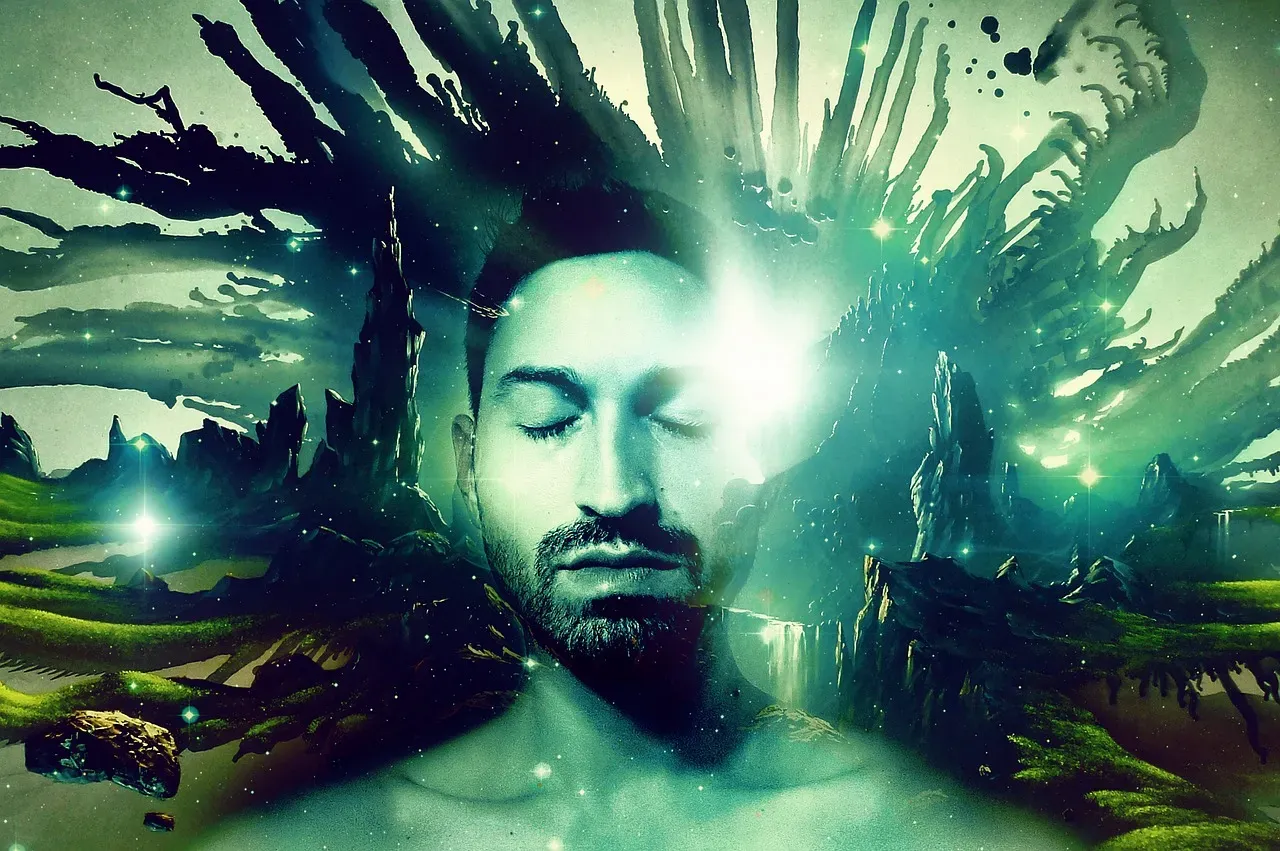
Think about the last time you binged a show, played a game for hours, or worried nonstop about a big exam or meeting. Chances are, some piece of that experience popped up in your dreams later. Scientists call this the dream-lag effect: events from your day, especially emotional or intense ones, often show up in your dreams that night or a few nights later. Your brain seems to keep important material “in rotation” as it processes and reorganizes it.
Even small details can slip into your dream world: a song you heard on repeat, a scent from someone you passed, a casual comment that stung more than you admitted. You might not recognize those details directly, because dreams love to remix and distort, but the raw ingredients usually come from your waking life. When you start paying closer attention, you can often trace a dream back to a recent worry, memory, or conversation, like seeing the credits roll after a movie and finally spotting all the familiar names.
Nightmares, anxiety, and the darker side of dreaming

Not all dreams are harmlessly weird; some are brutally intense and leave you shaken for the rest of the day. Nightmares often spike when you are under heavy stress, dealing with trauma, sick, or not sleeping well. Your brain seems to amplify fear and threat in dreams when your emotional system is overloaded, creating scenarios where you are chased, trapped, humiliated, or helpless, even if nothing like that is happening in your actual life at the moment.
For some people, especially if they live with post-traumatic stress, nightmares can become frequent and repetitive, replaying aspects of what they went through in frightening detail or twisted symbolic form. The good news is that you are not stuck with them. Techniques like imagery rehearsal therapy, where you deliberately rewrite and practice a new version of the nightmare while awake, and improving your sleep habits can reduce nightmare intensity and frequency. When you treat regular, distressing nightmares as a mental health issue rather than just “bad dreams,” you give yourself permission to seek real help.
Lucid dreaming: when you know you are dreaming

Every once in a while, you may find yourself in a dream and suddenly realize it: you look around and think, this is a dream. That is lucid dreaming, and when it happens, you might even be able to choose what you do next, from flying to changing the scene entirely. Some people train to have lucid dreams more often, using techniques like reality checks during the day or keeping a detailed dream journal so they become more aware of dream patterns.
Scientists studying lucid dreaming have found that parts of your brain linked to self-awareness and reflection become more active than in typical REM dreams. That extra bit of awareness seems to give you the ability to question what is happening and sometimes steer the dream. While the research is still developing, some people use lucid dreaming for creative problem-solving, emotional healing, or simply for the joy of exploring an impossible world where the usual rules do not apply.
Dreams and your emotional health

If you have ever gone through a breakup, a loss, or a major life change, you have probably noticed how your dreams react. You may dream about the person you lost, relive key moments, or find yourself in strange, symbolic situations that echo your emotional state. Many researchers believe that dreams play a role in emotional regulation: they let you re-experience feelings in a softer, more flexible form, helping you process what is too big or complicated to handle in one burst while awake.
This might be why your dreams sometimes feel like emotional leftovers from the day, stirred up and served again in a new format. When you sleep well and dream regularly, your mood and resilience during the day often improve; when your sleep is broken or you constantly suppress feelings, your dreams can become more unstable and distressing. Paying attention to recurring emotional themes in your dreams can give you clues about what your mind is still working through, even when you think you have moved on.
How to remember and work with your dreams

If you feel like you never dream, you actually do; you just might not remember. Dream recall varies a lot between people, but you can improve yours with a few simple habits. Keeping a notebook or app by your bed and writing down any fragments as soon as you wake up trains your brain to hold onto dream memories longer. Even a single image, word, or feeling is enough to start, and over time you usually remember more.
Once you have some dreams written down, you can start looking for patterns: repeated places, people, emotions, or storylines. Instead of chasing some perfect, hidden meaning, ask questions like: what does this remind me of in my life, what feeling was strongest, and where else do I feel that same way when I am awake? When you treat your dreams as a conversation with yourself rather than a puzzle with one correct answer, they become a surprisingly useful tool for self-reflection, creativity, and understanding what is really on your mind.
Myths, misconceptions, and what you should not assume

Because dreams feel mysterious, plenty of myths have grown around them. You might have heard that if you die in a dream, you die in real life, that all dream symbols are universal, or that dreaming in color versus black and white says something deep about your personality. None of these claims are supported by reliable science. People can dream in different styles, sometimes in color, sometimes not, and dream content varies massively based on culture, personal history, and even media you consume.
Another common misunderstanding is that every dream hides a critical secret you must decode or else you will miss something important. In reality, most dreams are more like noisy emotional snapshots than encrypted messages. Some are helpful to explore, especially if they repeat or stir up strong feelings, but many are just your brain doing maintenance behind the scenes. When you drop the pressure to find a perfect interpretation, you can approach your dreams with curiosity instead of anxiety, which makes them far more interesting and less intimidating.
Conclusion: making peace with your dreaming mind

When you pull everything together, dreams are less about magic predictions and more about how your brain processes memory, emotion, and experience while you sleep. They can be strange, unsettling, beautiful, or hilarious, often in the same night, and they give you a rare peek into how your mind works when it is not busy dealing with the outside world. You may never uncover a single grand answer to what every dream means, but you can absolutely learn to see patterns, listen to your emotional undercurrents, and use dreams as one more window into yourself.
The next time you wake up from a powerful dream, instead of brushing it off or rushing to a rigid interpretation, you can pause and ask what it reflects about your life, your fears, your hopes, or your current stress. You do not have to treat dreams as prophecies to respect them as part of your inner landscape. In a way, they are like late-night messages from your own brain, written in vivid images rather than plain words. When you look at them with gentle curiosity, you might find they tell you less about the future and more about who you already are – does that change how you want to pay attention to your next dream?