
You share this planet with creatures so strange and brilliantly adapted that, if you met them in a science fiction movie, you might not question it for a second. From animals that can literally freeze solid and come back to life, to fish that shoot down prey with jets of water, evolution has produced survival tricks that feel almost impossible. Yet they are real, and they are happening right now while you are reading this.
As you explore these ten animals, you are not just learning trivia; you are getting a front-row seat to how life bends, stretches, and rewrites the rules to survive. You might even start seeing your own body differently when you realize what other species can do with theirs. By the end, you may find yourself with a new kind of respect for the quiet, relentless creativity of nature – and a fresh sense of wonder the next time you step outside. Ready to meet some of Earth’s strangest survivors?
1. Tardigrades: The Nearly Indestructible “Water Bears”
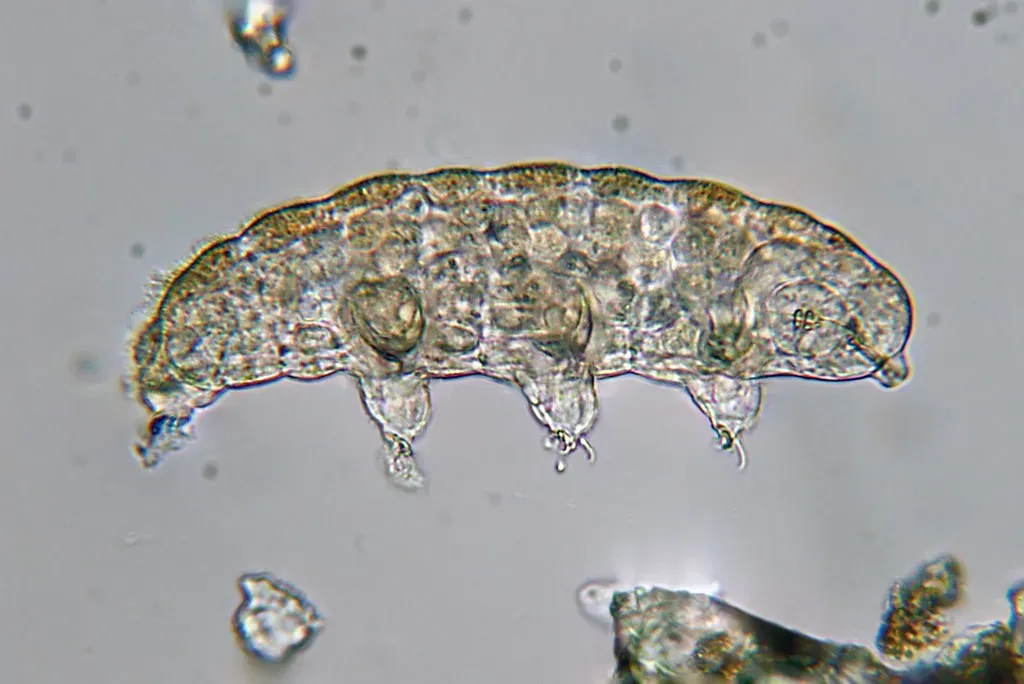
If you ever wanted proof that life can be almost impossible to kill, you just have to look at tardigrades. You can barely see them with the naked eye, yet they can withstand freezing cold, scorching heat, crushing pressure, extreme radiation, and even the vacuum of outer space. When conditions get tough, they dry themselves out, curl into a tiny ball, and slip into a suspended state where their metabolism slows to almost nothing.
You might think of it like hitting a pause button on life itself. In this cryptobiotic state, tardigrades can survive for years, sometimes decades, until water returns and they “wake up” and start moving again. You live in a world where losing your phone battery feels like a crisis; tardigrades can basically unplug from existence and come back later as if nothing happened. Their resilience forces you to rethink what it really means for something to be alive or dead.
2. Axolotls: The Salamanders That Regrow Their Own Body Parts
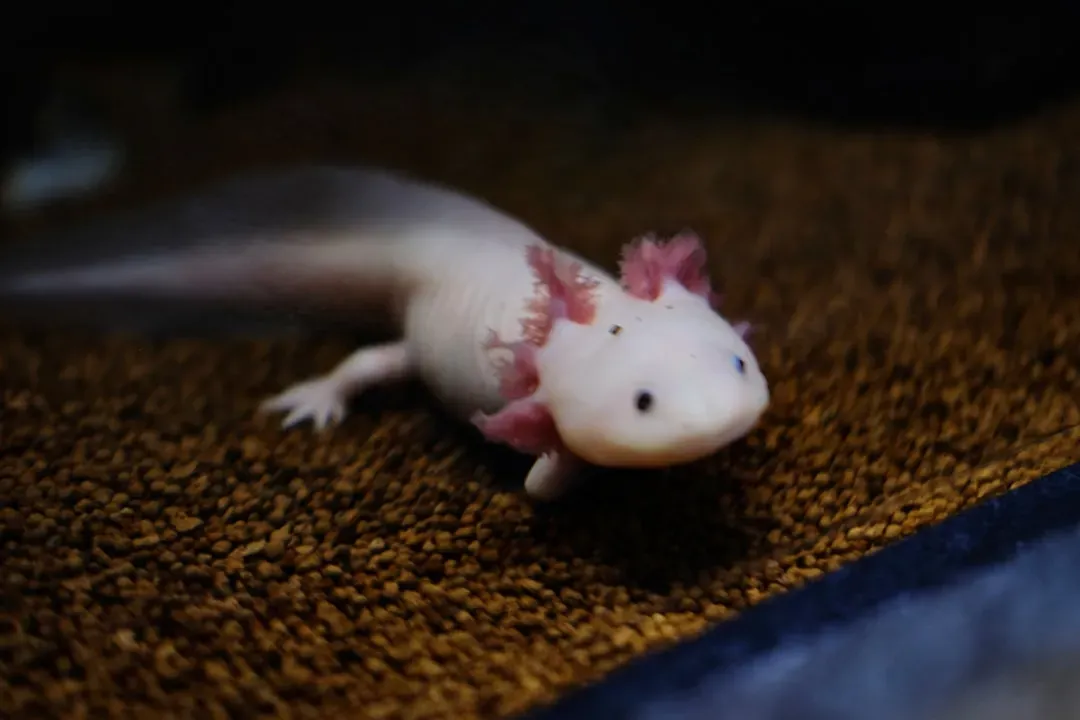
Imagine if you could regrow a lost finger, heal a damaged spinal cord, or repair parts of your heart without scarring. That is normal life for an axolotl. This aquatic salamander, native to lakes in Mexico, can regenerate not only limbs but also parts of its brain, eyes, heart, and spinal cord, often with complete restoration of function. When an axolotl loses a limb, a special cluster of cells forms at the injury site and begins rebuilding the missing structure almost like replaying development from scratch.
You usually heal with scar tissue, which closes a wound but does not restore everything perfectly. The axolotl flips that script, turning injury into a kind of reset button that can bring back complex tissues. Scientists study axolotls because you might one day benefit from the same tricks to heal your own body more completely. When you look at an axolotl, with its feathery gills and permanent “smile,” you are really staring at a living blueprint for regenerative medicine.
3. Arctic Foxes: Masters of Extreme Cold Survival
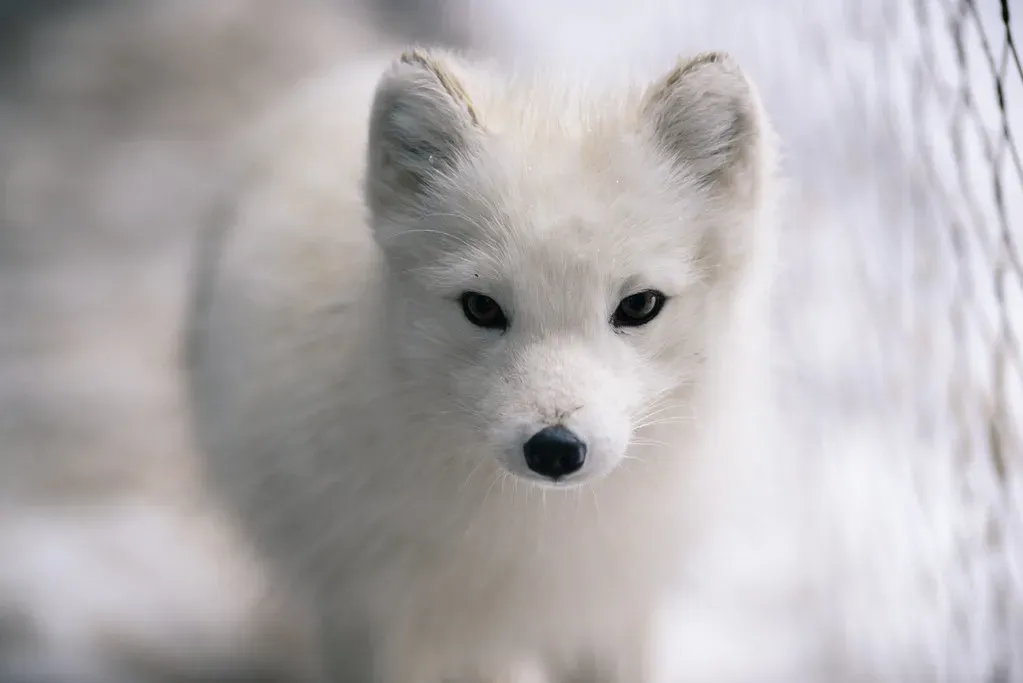
If you dropped yourself into an Arctic winter with its brutal winds and temperatures far below freezing, you would not last long without serious gear. An Arctic fox, on the other hand, is basically wearing nature’s best winter coat. Its fur is incredibly dense and changes color with the seasons – from white in winter to brown or gray in summer – so it stays insulated and camouflaged at the same time. Its compact body, short ears, and small muzzle all help reduce heat loss, like a perfectly engineered thermal design.
When the temperature drops, this fox does not panic; its paws are covered with thick fur for grip and warmth, and its bushy tail works like a built-in scarf it can curl around its body. You might notice how you shiver when you are cold; the Arctic fox can actually lower heat loss so effectively that it maintains its core temperature even when the air is dangerously frigid. It is a reminder that, in the harshest places on Earth, survival is often a matter of clever design and careful energy management.
4. Mantis Shrimps: The Underwater Boxers with Super Vision
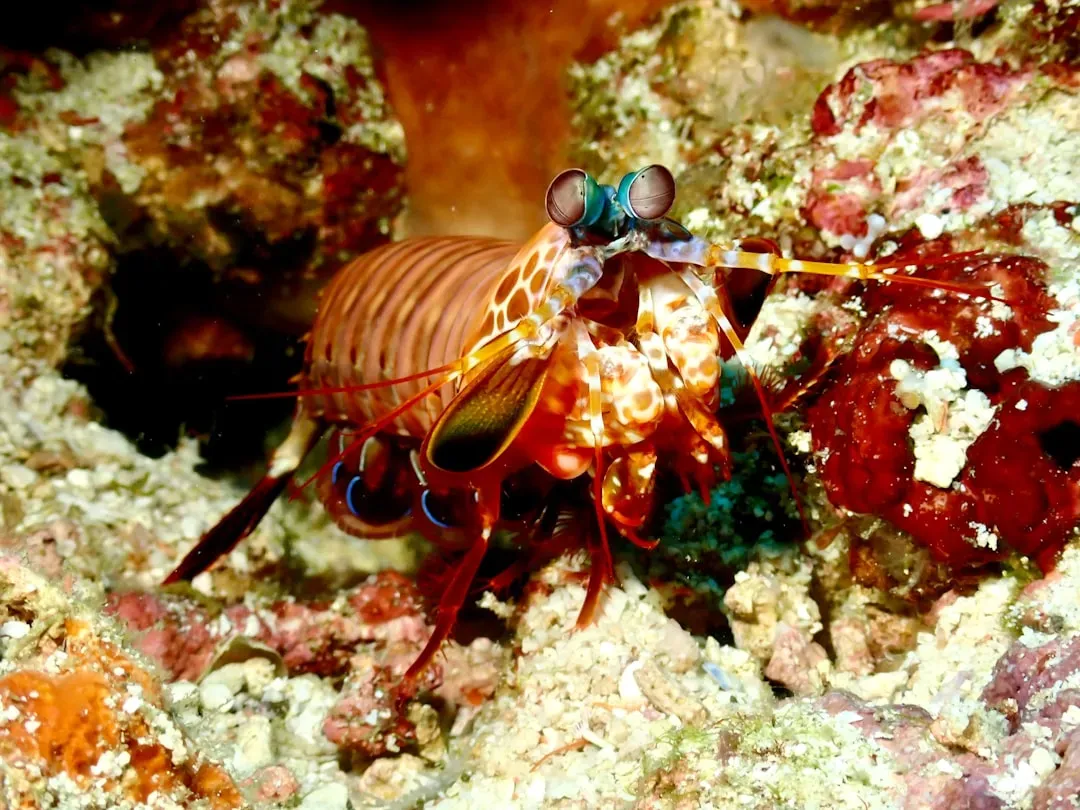
If you could punch as fast as a mantis shrimp, you would shatter doors, crack glass, and maybe even boil the water around your fist from sheer force. This small marine crustacean delivers one of the fastest and most powerful strikes in the animal kingdom, accelerating its club-like appendage at speeds comparable to a bullet. When it hits, the force is so intense that it can break snail shells and aquarium glass, and even create tiny bubbles that collapse with additional shock waves.
But you are not just dealing with a mini underwater boxer; you are also looking at an animal with vision that puts yours to shame. While you see colors with three types of color receptors, mantis shrimps can have many more, allowing them to detect ultraviolet light and polarized light patterns you cannot see at all. You navigate the world with a decent basic camera; the mantis shrimp is walking around with a highly specialized multi-sensor system and built-in hammers. It is like nature combined a fighter and a high-tech surveillance drone into one vivid, armored body.
5. Archerfish: Sharpshooters That Hunt with Water Bullets
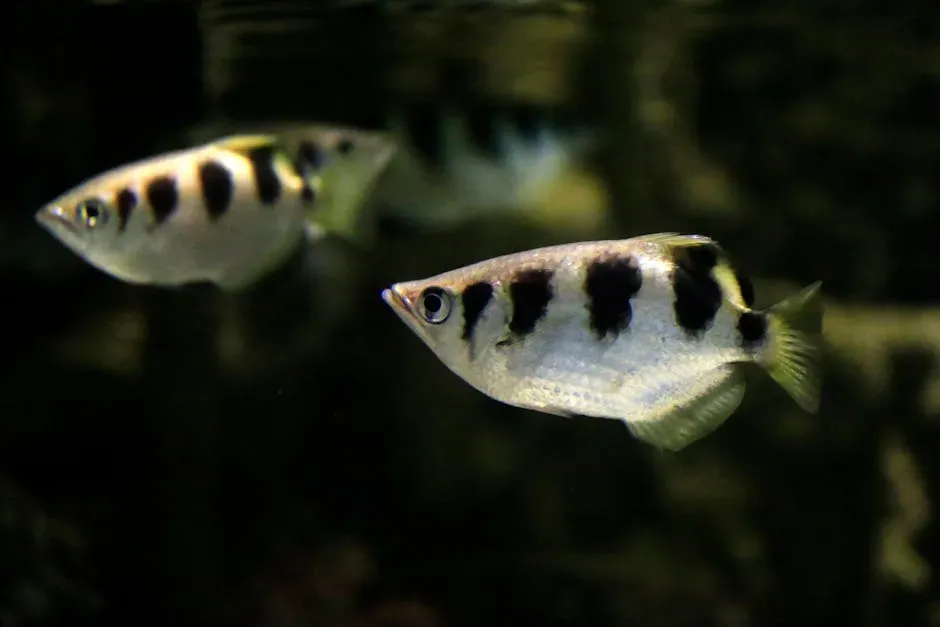
You might pride yourself on good aim, but can you hit an insect off a leaf with a jet of water from several feet below it? Archerfish can. These fish hang near the surface and spit highly focused streams of water at insects and other small prey hanging over the water. To do this, they have to account for light bending as it passes from air into water, which means they are constantly doing real-time geometry just to survive their next meal.
What makes this adaptation even more impressive is the precision and learning involved. Young archerfish are not perfect shots; they practice and improve over time, adjusting their aim based on experience. You learn to throw a ball through repetition; they learn to shoot down food the same way, with their mouths acting like finely tuned water guns. The next time you watch a movie hero take an impossible shot, you can remember there is a fish in the real world doing something just as outrageous every day.
6. Naked Mole-Rats: Pain-Resistant, Cancer-Resistant Underground Oddities
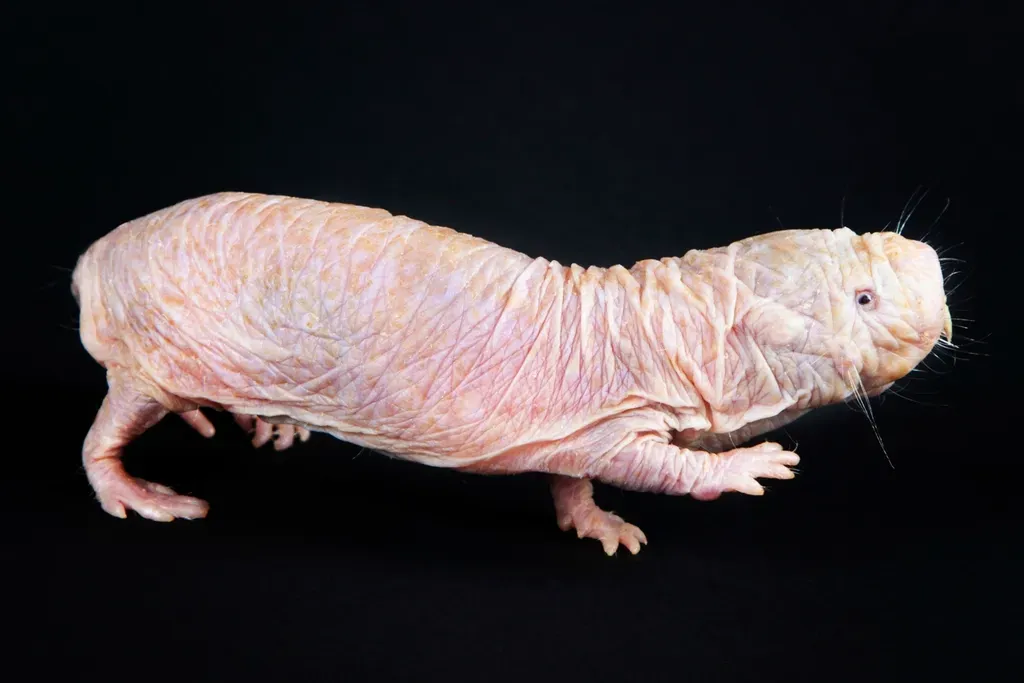
If any animal makes you question the limits of biology, it is the naked mole-rat. These hairless, wrinkled rodents live underground in East Africa and have a set of traits that almost sound made up. They are remarkably resistant to many kinds of pain, especially from acid and certain irritants, thanks to unusual nerve and skin adaptations. They also show a striking resistance to cancer, which researchers link to special cellular mechanisms and unique tissue structure that prevent uncontrolled growth.
On top of that, naked mole-rats can survive low-oxygen environments that would quickly overwhelm you. Their bodies can switch to a kind of emergency fuel use more commonly seen in plants, helping them ride out oxygen shortages in their crowded tunnels. You might look at one and think it is not much to see, but its biology breaks rule after rule you are used to. Studying them could help you understand how to manage pain, prevent cancer, and protect the brain and heart when oxygen is limited.
7. Leaf-Tailed Geckos: Living Ghosts of the Forest
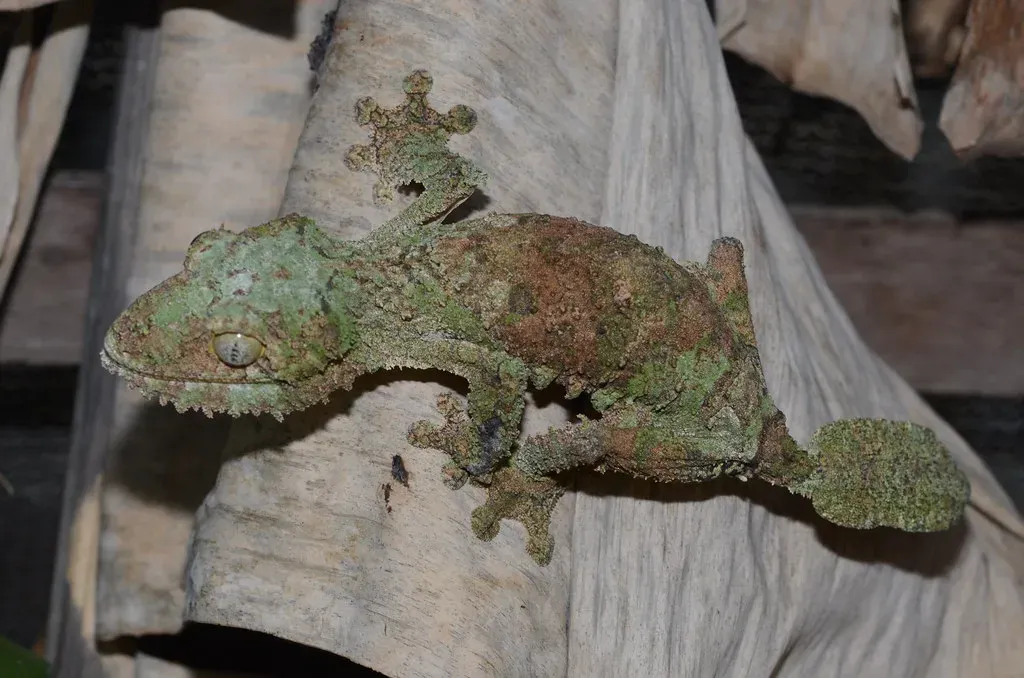
If you walked through a forest in Madagascar, you might stare right at a leaf-tailed gecko and never know it. This reptile’s entire body is shaped and colored to mimic dead leaves, bark, and moss. Its tail looks like a torn, rotting leaf, complete with notches and discoloration. Its skin carries the mottled patterns of lichen and shadows, so when it lies flat against a tree trunk, it practically vanishes from sight.
You rely heavily on movement and contrast to spot things, and predators do too. The leaf-tailed gecko uses that to its advantage by staying motionless and letting its camouflage do the work. Even its eyes and skin edges are adapted to break up its outline so you do not see a clear border. This is not just good camouflage; it is nearly perfect invisibility in its own environment. When you realize a creature can hide this well in plain view, you start to question how much you might be missing every time you step into the woods.
8. Penguins: Streamlined Swimmers in Tuxedos
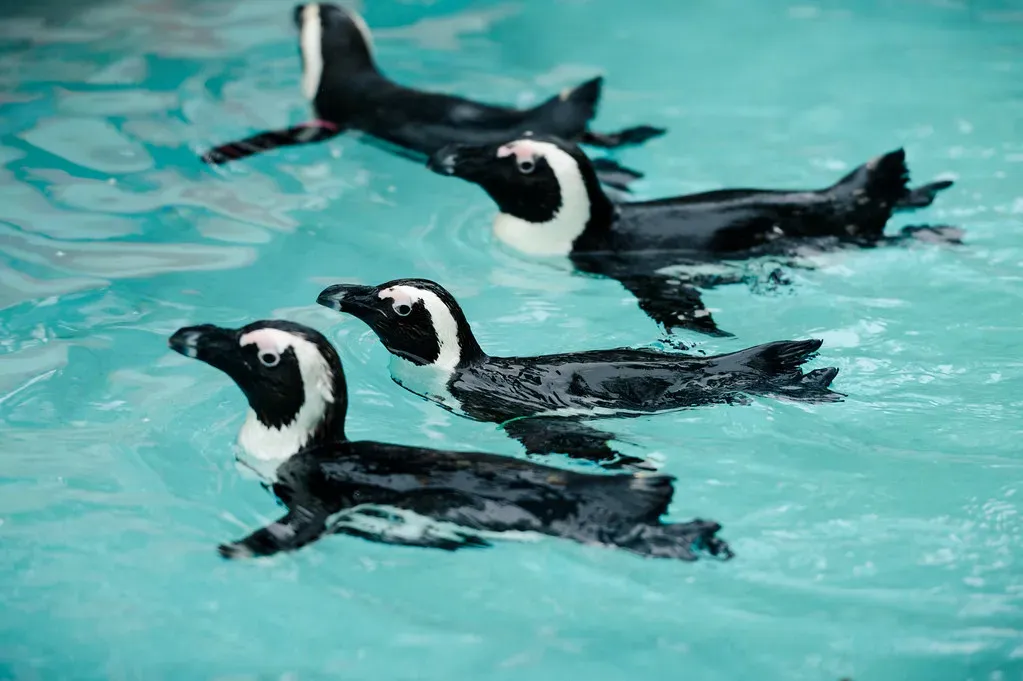
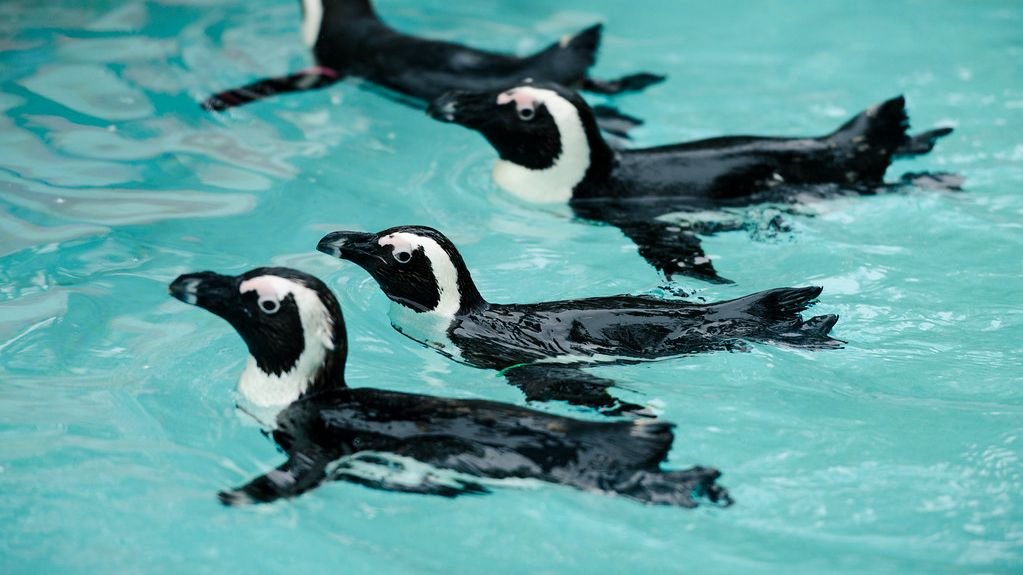
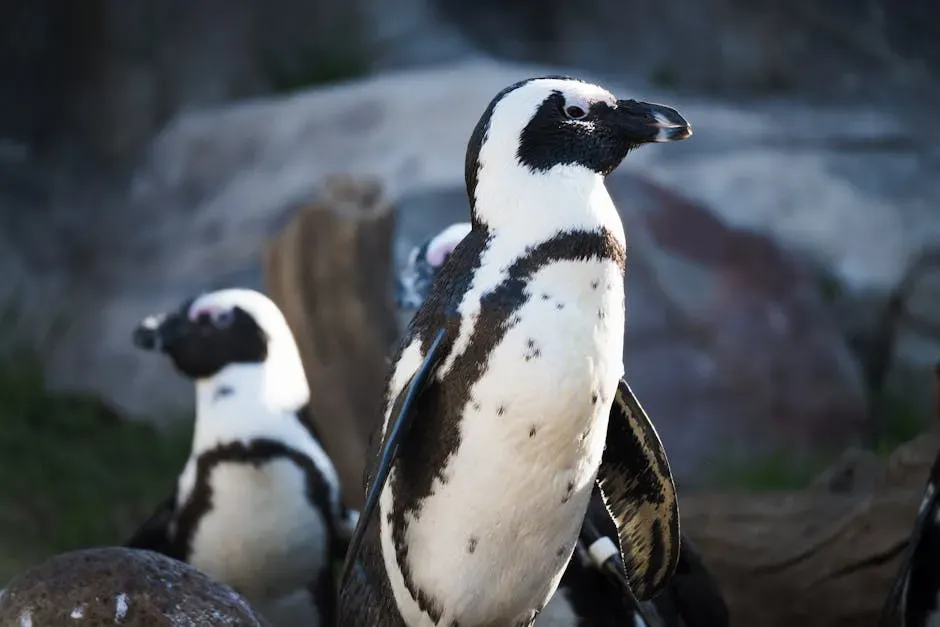
You might laugh at the way penguins waddle on land, but in the water, they turn into torpedoes. Their bodies are streamlined, their wings have become powerful flippers, and their bones are denser than many flying birds, which helps reduce buoyancy and keeps them submerged. When they swim, they can reach high speeds and twist through the water with tight control, using their tails and feet like steering and braking systems.
Their famous black-and-white pattern is not just for looking like they are wearing formal wear; it is a clever kind of camouflage called countershading. When a predator looks down from above, the penguin’s dark back blends with darker water below. When a predator looks up from below, the light belly blends with the brighter surface above. You might think of a penguin as clumsy and cute, but everything about its design is about surviving in cold oceans where agility and disguise can mean the difference between life and death.
9. Bombardier Beetles: Tiny Chemists with Explosive Defenses
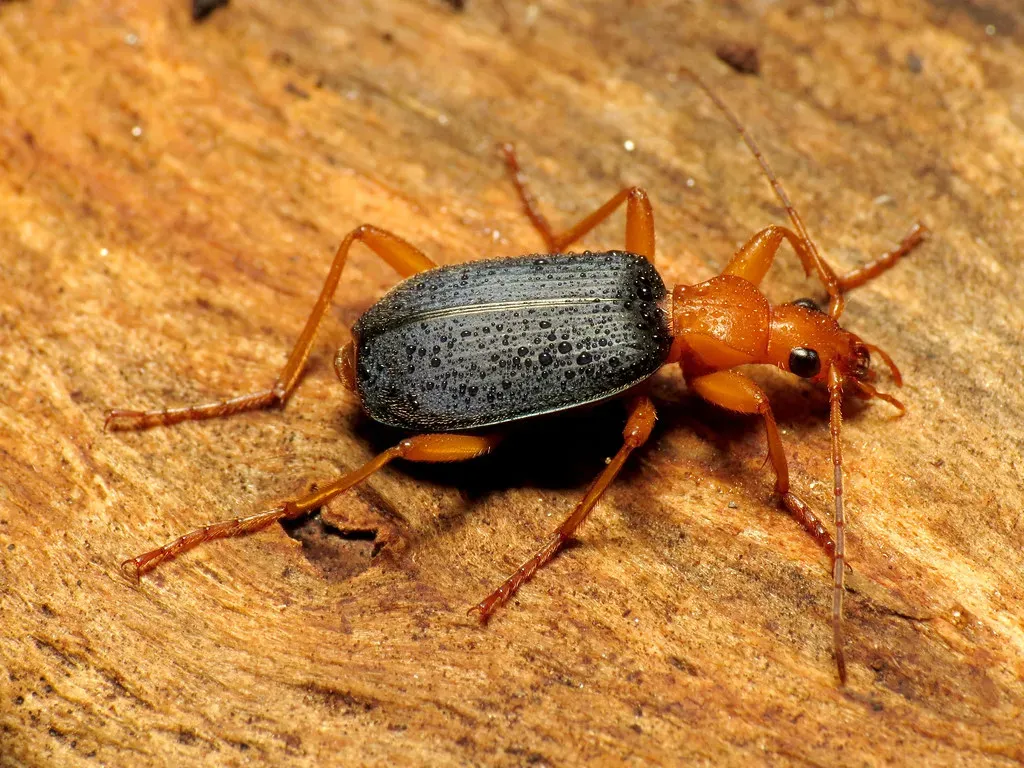
Imagine if, when you felt threatened, you could instantly mix two chemicals inside your body and blast your attacker with a boiling, noxious spray. That is exactly what bombardier beetles do. Inside their abdomen, they keep separate chemical reservoirs that, when combined in a special reaction chamber, rapidly heat up and create a hot, pressurized spray. The beetle then ejects this explosive mixture toward predators, often with startling accuracy.
You are used to thinking of chemistry as something that happens in labs, with goggles and glassware. In this beetle, it happens inside a tiny, precisely controlled chamber that can fire multiple times in rapid succession. The valves, muscles, and timing all work together like a microscopic defensive engine. When you learn how carefully this system is tuned, you start to appreciate that even very small animals can carry incredibly complex internal technology, built through countless generations of trial and error.
10. Wood Frogs: Amphibians That Freeze and Thaw Back to Life
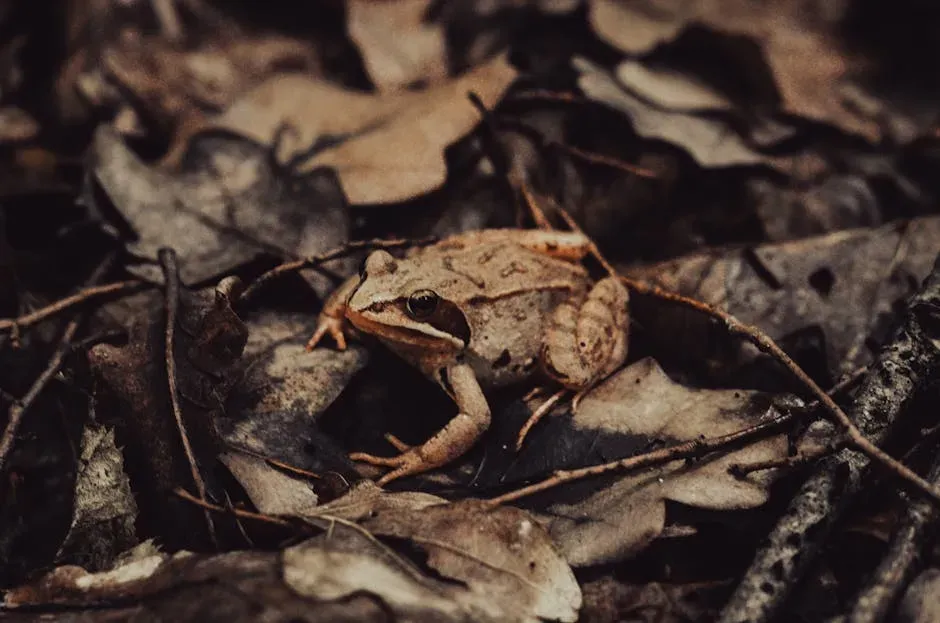
If someone told you an animal could let most of the water in its body freeze solid and still survive, you might assume it was a myth. Yet wood frogs in North America do exactly that during winter. When temperatures drop, these frogs allow ice to form around their organs and under their skin, while high concentrations of natural antifreeze-like compounds protect their cells from damage. Their heart can stop beating, and they stop breathing for long stretches, but they do not die.
When spring arrives and everything begins to warm up, the wood frog thaws out, its heart restarts, and it hops off as if it had just woken from a long sleep. You struggle if your body temperature shifts even a few degrees, but this frog lets its body freeze and then come back online. Scientists study this because it could teach you new ways to protect human organs during surgery or preserve tissues for longer periods. It is a powerful reminder that, in nature, death and survival are sometimes separated by much stranger lines than you are used to.
Conclusion: Seeing Life with New Eyes
Once you spend time with animals like these, it becomes harder to see the living world as ordinary. You start to realize that every environment – from icy forests to ocean depths and underground tunnels – pushes life to invent new tricks. Some species respond with brute toughness, like tardigrades and naked mole-rats, while others lean on stealth, precision, or radical body rewiring. You are watching millions of years of problem-solving written directly into bone, skin, nervous systems, and behavior.
When you step outside after reading about these creatures, you may feel as if you are walking through a museum of living experiments, many of which you still barely understand. It can nudge you to look more closely at the insects under a rock, the birds in a city park, or the fish in a shallow stream, knowing that each one carries its own quiet set of miracles. You live on a planet where frogs freeze, fish shoot, beetles explode, and tiny “bears” shrug off the vacuum of space. With all that happening around you, what other hidden talents do you think the natural world is still keeping from view?