
You probably think you have a decent grasp of how animals behave: they hunt, they hide, they mate, they migrate. But once you start looking a little closer, things get weird fast. All across the planet, you find species doing things that seem almost impossible to explain with simple cause-and-effect logic.
In this article, you’re going to walk through seven of the strangest, most fascinating animal behaviors scientists are still trying to fully understand. You’ll see patterns that hint at culture, memory, empathy, even something that looks eerily like morality. You will not get neat, tidy answers for everything – but you will come away seeing the animal world, and maybe your own behavior, in a very different light.
1. Dolphins That Call Each Other by “Name”
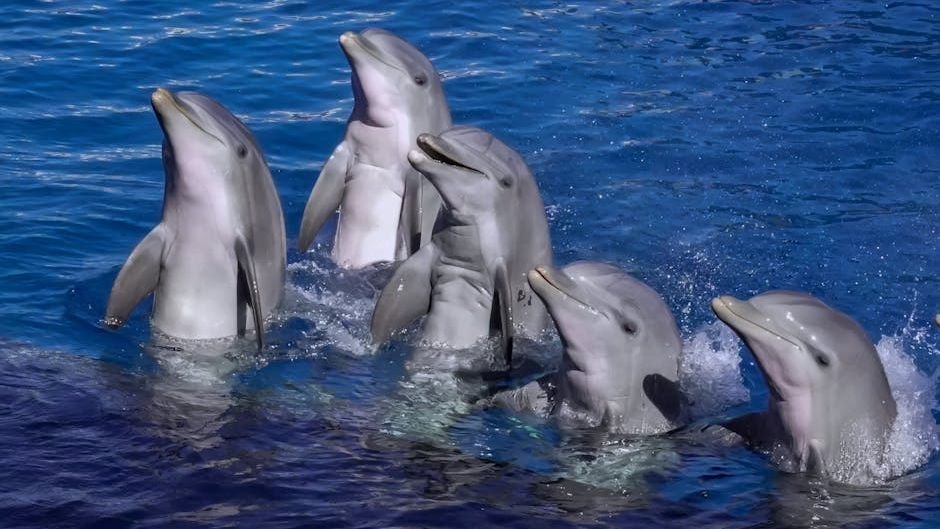
Imagine swimming in the ocean and hearing someone whistle your name, even from far away. Bottlenose dolphins do something very close to that: each individual develops a unique whistle that functions like a personal identifier. You can think of it as a sonic signature that says, in effect, “Hey, it’s me.” Other dolphins learn your whistle and will copy it when they want your attention, even if you’re out of sight. What makes this so striking is that it’s not just random noise; the whistles stay consistent for years, like your own voice across time.
When you look at how they use these whistles, it gets even more puzzling. Dolphins seem to remember the signature whistles of former companions after many years apart, and they respond to those calls in ways that suggest recognition, not just reflex. They can also learn and copy new sounds quickly, including artificial whistles created by researchers, which hints at a flexible, almost language-like system. You are not just seeing a basic alarm or mating call here – you’re watching individuals address each other in a way that starts to blur the line between animal communication and what you’d casually call “names.”
2. Crows That Remember Your Face (and Hold Grudges)
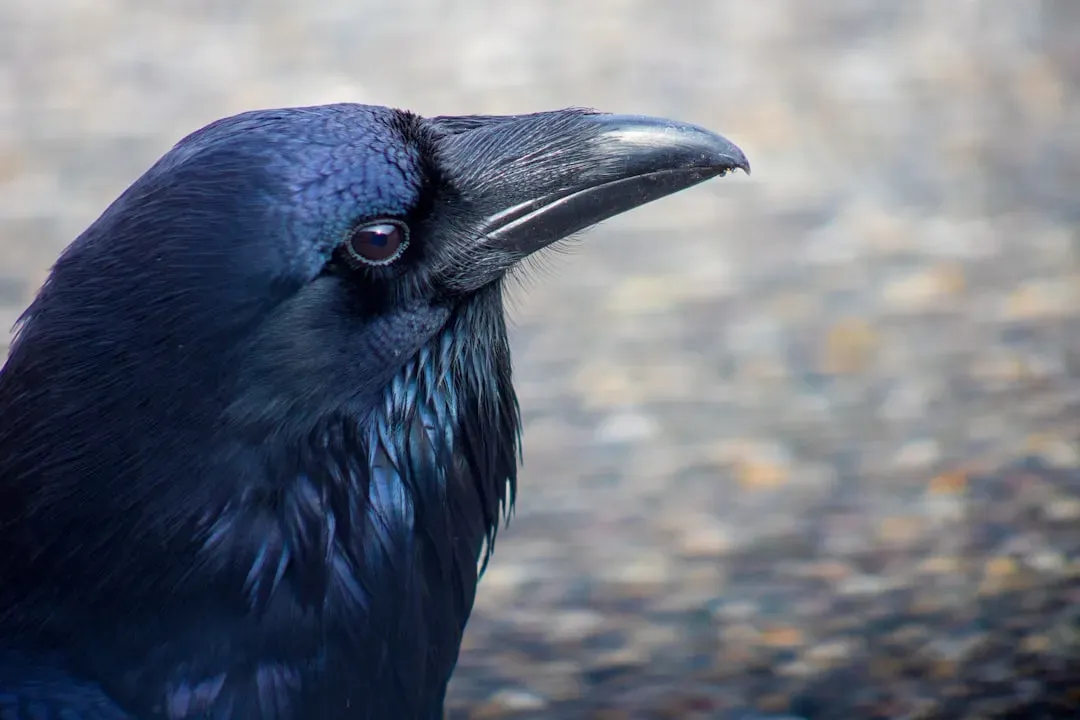
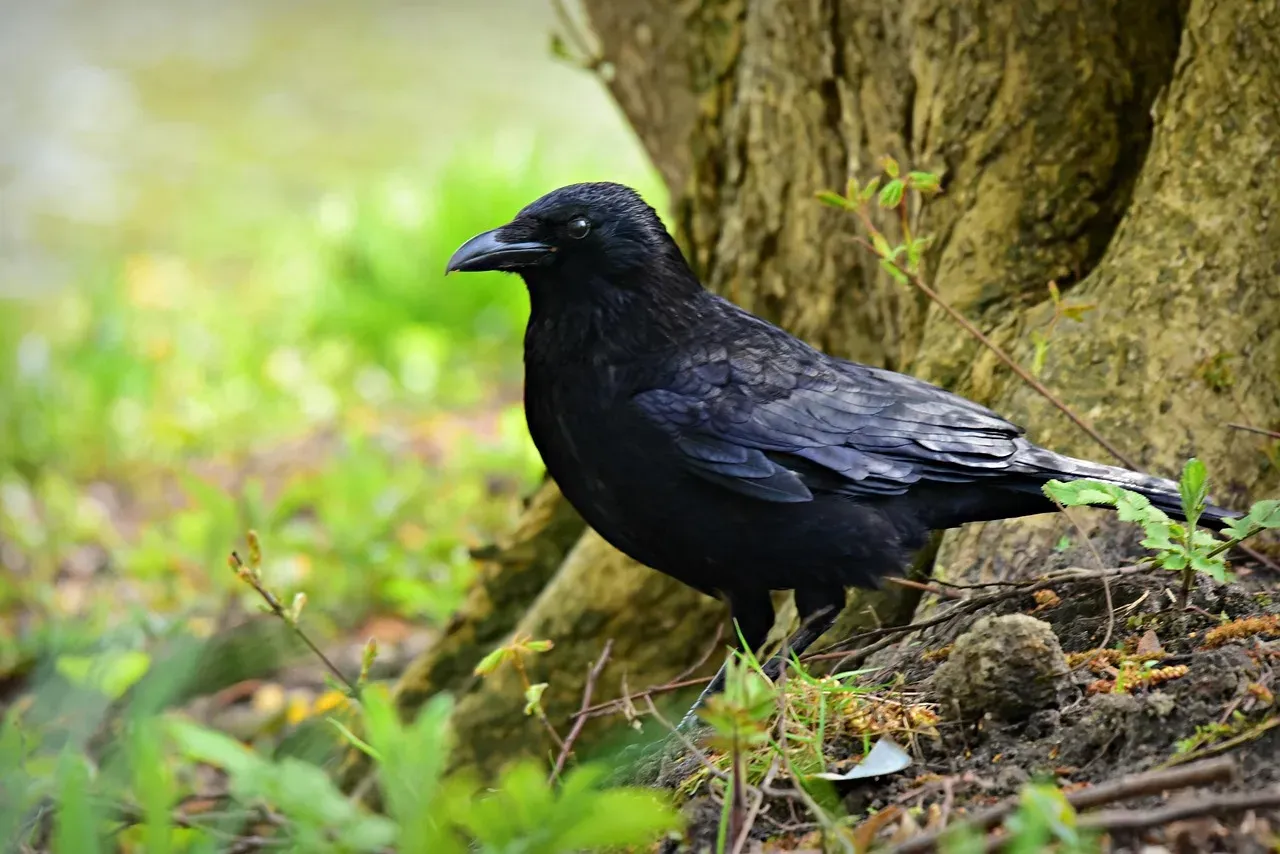
If you ever annoyed a crow and felt like it was glaring at you, you might not be imagining it. Crows can recognize individual human faces and remember how you treated them, sometimes for years. Researchers have shown that if you handle crows roughly while wearing a particular mask, those birds – and others watching – will later mob and scold that masked “person” while ignoring neutral ones. You are not just dealing with a vague fear of humans; you are dealing with specific memory tied to the way you look.
What’s even more uncanny is how this information spreads. Crows that never had a bad experience with the masked person can still react aggressively after watching other crows respond. Over time, you get what looks like a shared social memory: who’s safe, who’s dangerous, who deserves to be harassed. You might call that culture if you saw it in your own neighborhood. Put simply, when you walk past a group of crows, you are stepping into a web of memories, alliances, and grudges that can last far longer than any quick encounter.
3. Elephants That Mourn Their Dead
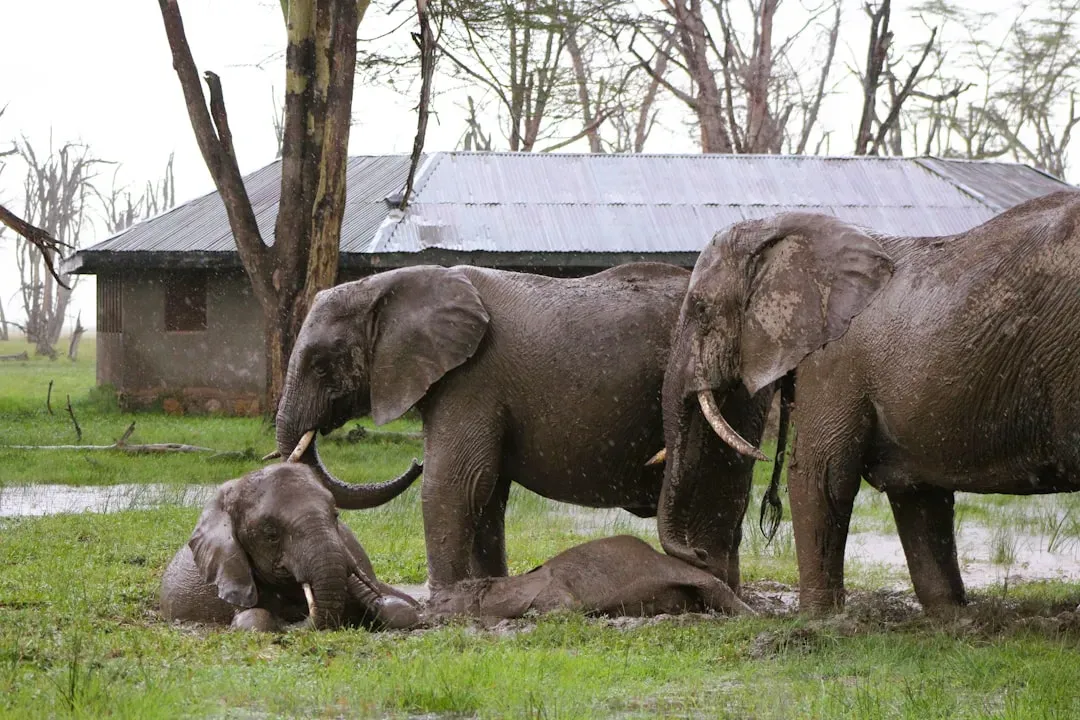
When you watch elephants interact with a dead member of their herd, you see something that feels deeply familiar. Elephants have been observed approaching the bones or body of a dead elephant, touching the skull and tusks with trunks and feet, and standing quietly around the remains. They often do this even when the corpse has long since decayed, and they show particular interest in the bones of their own species over other animals. If you’ve ever stood in silence at a grave, the scene is hard not to recognize.
At the same time, you have to be careful not to project too much. You do not know exactly what an elephant is “thinking,” and scientists are still cautious about labeling this behavior as grief in the human sense. But you can say that elephants treat their dead differently from other objects, and that they alter their behavior in a way that fits with loss and attention. They may stop and linger, they may return to the bones later, they may become unusually subdued. You’re watching a powerful example of how emotional complexity may not be uniquely human, even if you cannot pin down every detail of what is going on inside an elephant’s mind.
4. Monarch Butterflies That Navigate a Journey They’ve Never Taken
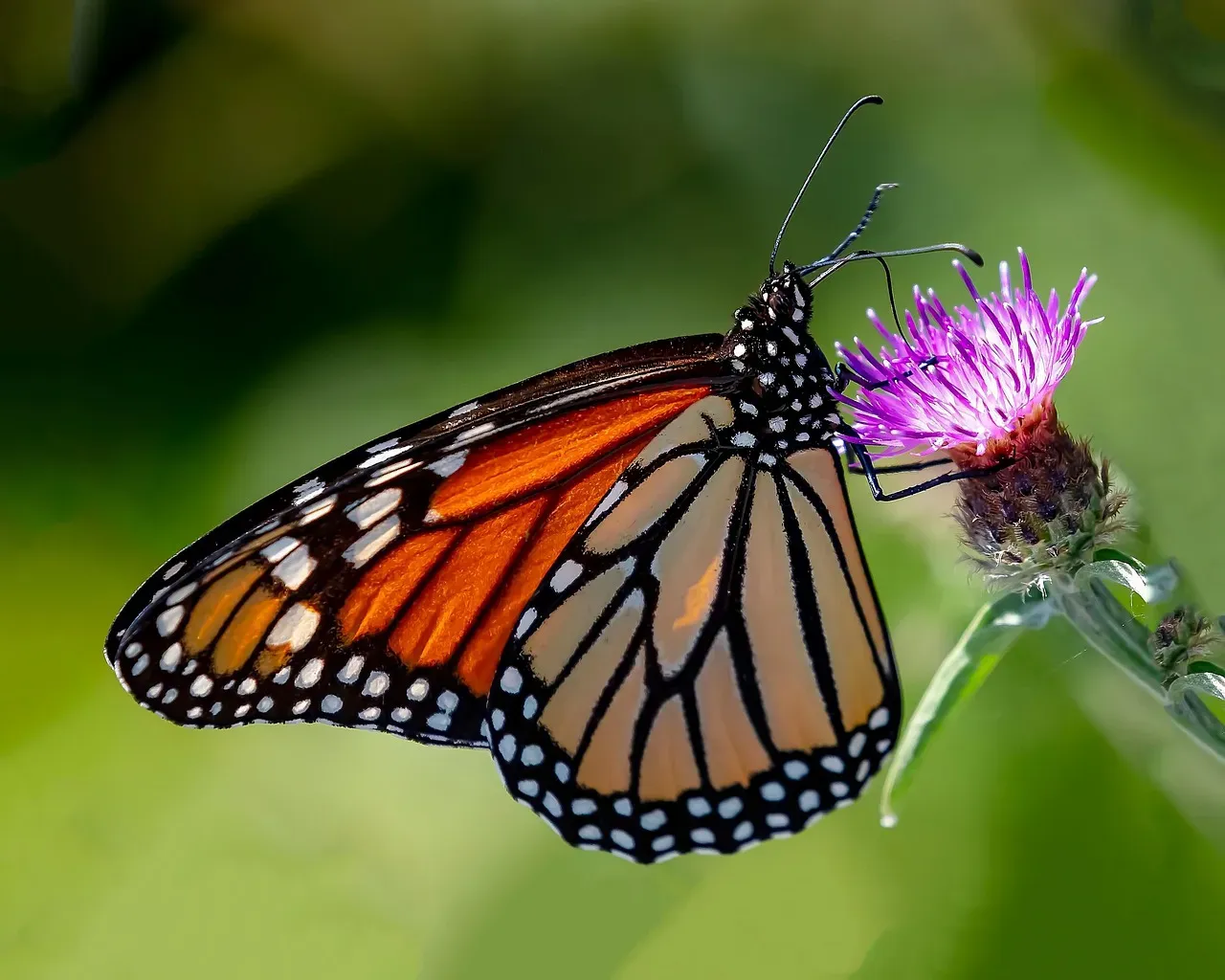
Picture trying to navigate thousands of miles to a place you’ve never seen, with no map, no GPS, and no one who’s made the trip before still alive to guide you. That’s roughly what monarch butterflies do every year. In North America, they migrate across enormous distances to overwintering sites in specific regions, often high in the mountains. Yet the individuals that arrive there are several generations removed from those that last visited the site. You’re looking at a journey that is somehow written into the butterflies’ biology.
Scientists know that monarchs use the position of the sun and an internal clock to maintain a steady direction, and they likely rely on Earth’s magnetic field as well. But how a creature with such a tiny brain encodes an inherited map to such precise locations is still very much an open question. You can say that genetic programming and environmental cues work together, yet that feels like a label more than a full explanation. When you watch a fragile insect, no heavier than a paperclip, arrive at the same cluster of trees its great-grandparents occupied, you get a glimpse of how much you still do not understand about navigation, memory, and instinct.
5. Octopuses That Solve Puzzles and Escape Like Thieves
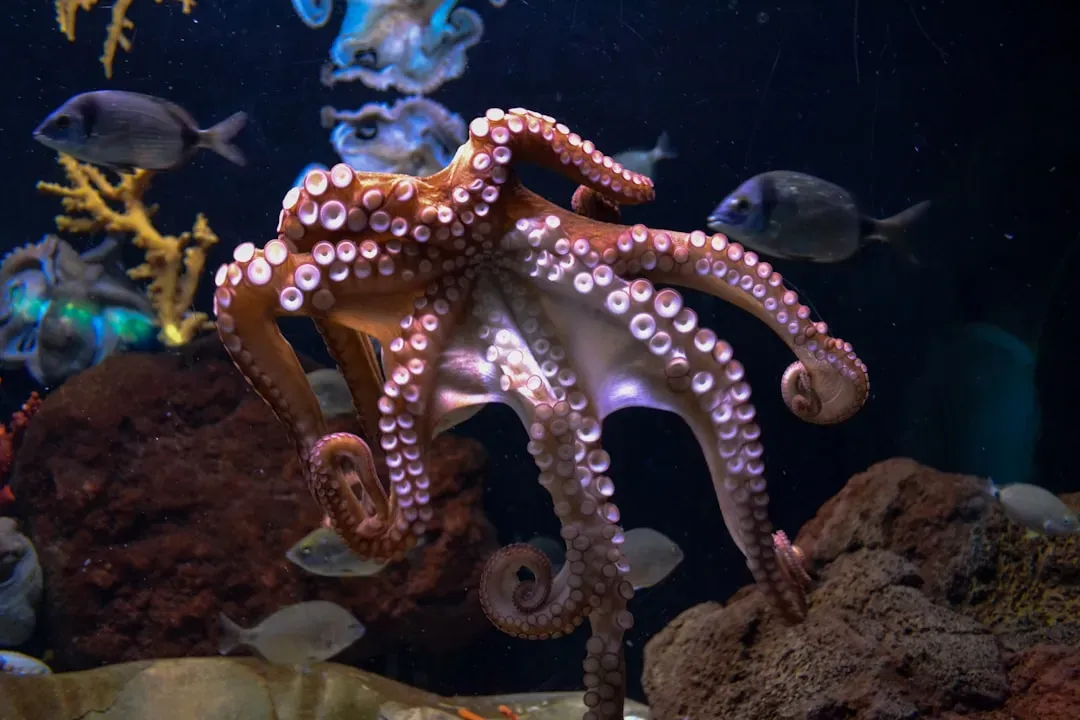
If you ever had to outsmart an octopus, you might quickly realize you’re not automatically the clever one in the room. Octopuses can open jars, navigate mazes, and manipulate complex objects with their flexible arms in ways that look almost eerily intentional. In aquariums, some individuals have been known to escape from their tanks at night, travel across dry floors, raid neighboring tanks for food, and then return to their own enclosure before morning. You’re not just seeing simple trial and error; you’re watching exploration, problem solving, and maybe even mischief.
What makes this even more baffling is that octopus brains are completely different from yours. A large portion of their nervous system is spread through their arms, so each limb can process information and respond semi-independently. You could say an octopus is thinking with its whole body, not just a central brain. Yet despite this alien design, they show curiosity, individual differences in behavior, and what looks like short-term and long-term memory. When you stare into those horizontal pupils, you’re meeting a mind that evolved along a completely different path, but somehow arrived at a level of flexibility and creativity you instinctively recognize.
6. Dolphins and Whales That Seem to Help Other Species
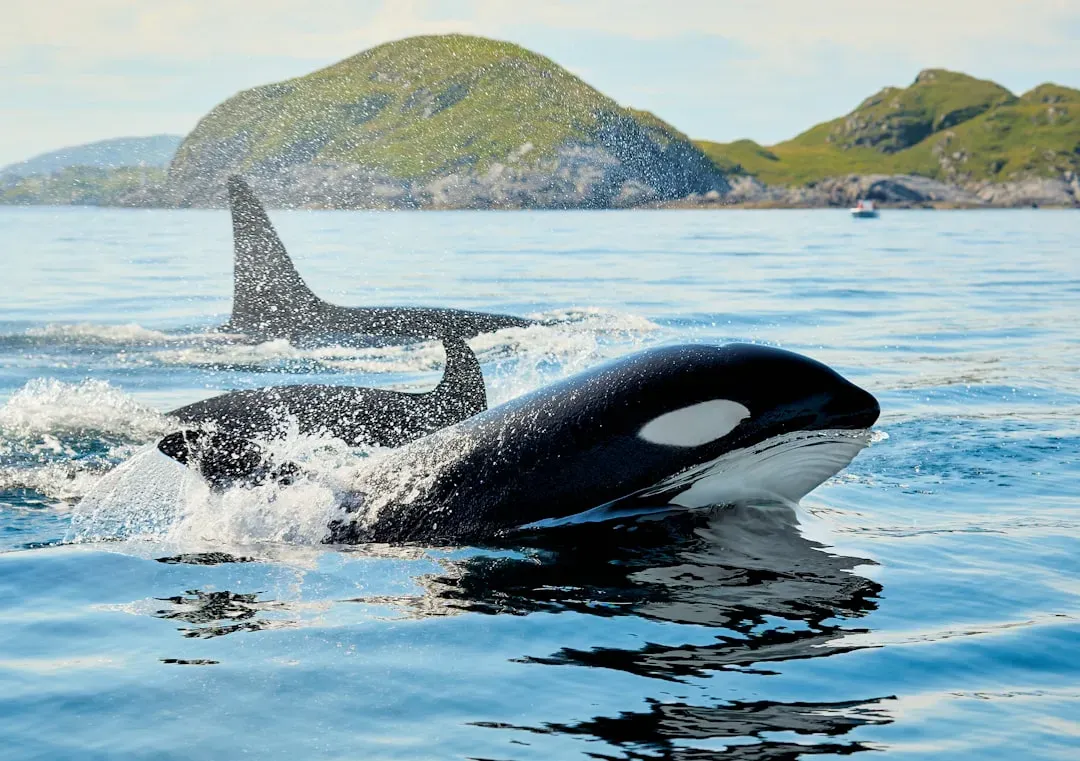
Every now and then, you come across stories of dolphins supporting injured swimmers or whales intervening when orcas attack other animals. Some reports describe dolphins circling around humans to keep sharks away, or large whales positioning their bodies between a predator and a more vulnerable creature. While not every story can be confirmed, there are enough carefully documented observations to make you pause. You’re left wondering whether you’re seeing simple curiosity, confusion, or something closer to deliberate rescue.
From a scientific perspective, it’s tempting to look for clear evolutionary benefits: maybe helping a human or another species is just a side effect of helping members of their own kind, or maybe the behavior has no consistent payoff at all. But when you see repeated patterns of large marine mammals engaging with distressed animals, sometimes even at clear risk to themselves, it challenges your clean categories. You may have to accept that some behaviors occupy an unsettling middle ground, where empathy, confusion, learned association, and instinct all mix together. In those moments, you’re forced to admit that not every action can be easily reduced to a neat survival equation.
7. Vampire Bats That “Share” Blood Like a Social Insurance System
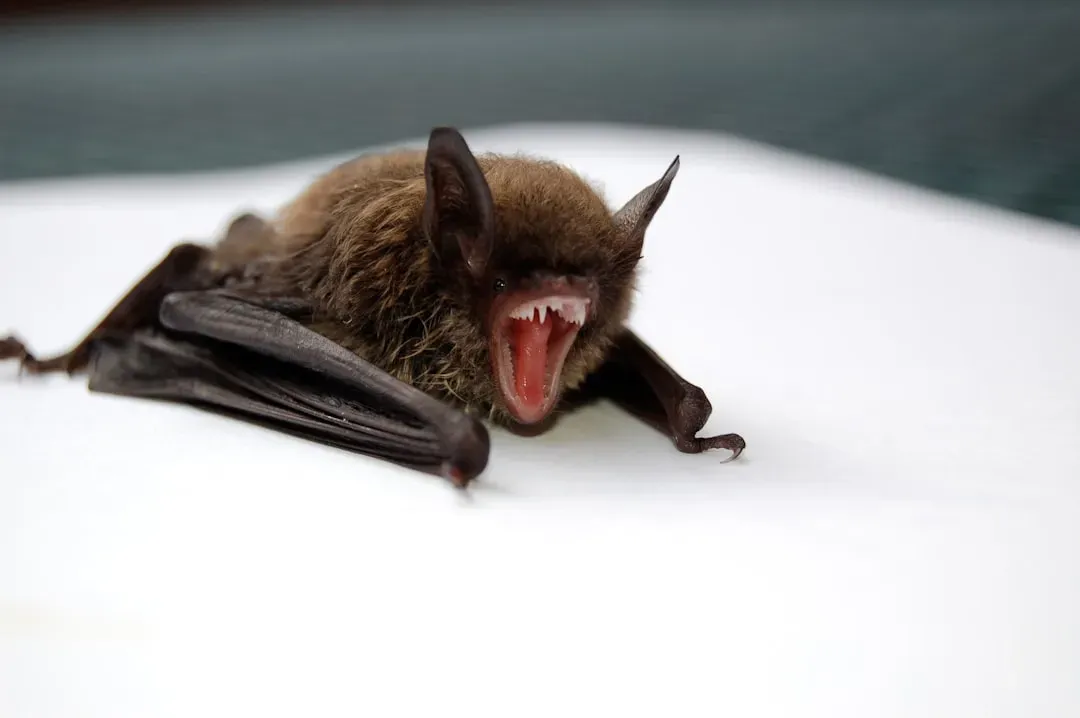
Vampire bats have a brutal-sounding lifestyle: they survive by drinking small amounts of blood from other animals. But once you look at how they treat each other, you find something surprisingly cooperative. If a bat fails to feed on a given night, it risks starvation within a couple of days. In response, other bats – often close roost-mates – will regurgitate blood to share. You’re effectively seeing a life-or-death loan, where one bat helps another survive a bad night.
The puzzle is that this sharing is not random. Bats are more likely to help those that have helped them in the past, and they seem to track those interactions over time. You could think of this as a kind of informal accounting system, where cooperation is remembered and repaid, and cheating is risky. For such a small animal with limited cognitive resources, maintaining that level of social memory is astonishing. When you picture them huddled in the dark, quietly deciding who gets help and who does not, you’re seeing how complex social strategies can emerge even in the most unlikely places.
Conclusion: Living in a World of Hidden Minds
Once you start paying attention to these behaviors, you realize you’re surrounded by minds that don’t work like yours but are clearly doing something rich and complicated. Dolphins calling each other by signature whistles, crows spreading reputations, elephants lingering over bones, butterflies following an inherited map across continents, octopuses solving problems with their whole bodies, marine mammals that seem to intervene on behalf of others, bats that share life-saving meals – all of these force you to stretch your idea of what intelligence and emotion can look like. You’re not just watching instinct play out like a repetitive script; you’re watching flexible strategies, social memory, and what sometimes feels very close to empathy.
At the same time, you have to sit with a certain amount of mystery, because a lot of this still defies simple explanation and probably always will. You can measure brain structures, test learning, and track behavior, but you cannot step entirely inside another species’ experience. Maybe that’s the real gift of these stories: they remind you that the world is full of hidden perspectives, running quietly alongside your own. The next time you see a bird watching you from a wire or a dog pausing a beat longer than expected, you might find yourself wondering what strange, unspoken logic is at work behind those eyes – what would you guess is going on in their mind?