
If you have ever walked into a room and forgotten why you went there, you might think your memory is terrible. But beneath those everyday slip‑ups, your brain is quietly performing memory feats that are almost impossible to replicate with technology. You are constantly recording, sorting, updating, and deleting information, often without even realizing it.
When you learn how this system actually works, it stops feeling like a fragile filing cabinet and starts looking more like a living, adapting city of connections. Understanding your brain’s memory machinery does not just satisfy curiosity; it gives you practical ways to learn faster, remember better, and even protect your mind as you age. And once you see what your brain is doing behind the scenes, it is hard not to feel a little awe every time you remember even something simple, like where you parked your car.
The Sheer Scale: Your Brain’s Memory Capacity Is Mind‑Bending
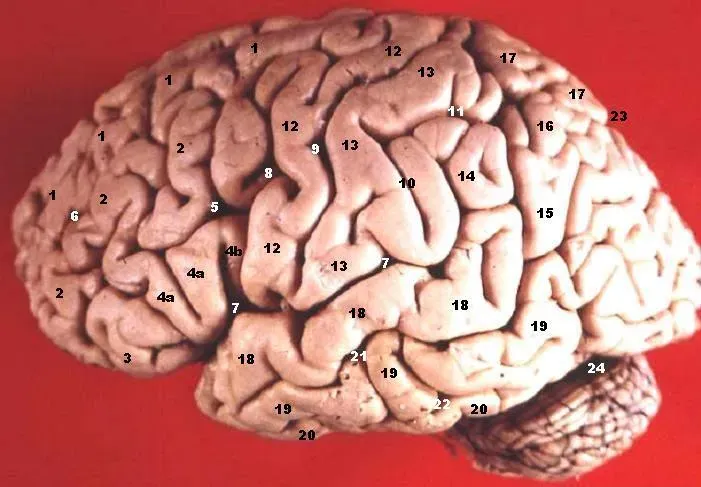
You might underestimate your memory because you compare it to a perfect computer, but your brain is not trying to act like a hard drive. Instead of storing exact copies of everything, it compresses, links, and remodels information all the time. Still, when scientists try to estimate your brain’s raw capacity, they land in the range of many terabytes, possibly more, which puts you in the same league as huge data centers in terms of pure potential.
Every one of your roughly tens of billions of neurons can make thousands of connections to other neurons, forming a dense web of synapses that changes as you live your life. You are not just storing isolated facts; you are constantly weaving experiences into patterns, like threads in a massive tapestry that never stops growing. That is why a single smell, song, or street corner can suddenly unlock a flood of old memories you never consciously tried to keep. Your brain is not a small, fragile notebook; it is a living archive that is far bigger and richer than you think.
How Memories Form: From Experience to Lasting Trace
Whenever you have a new experience, your brain does not simply “take a snapshot.” Instead, information from your senses gets broken into pieces and processed in different regions, like a team dividing up a complex task. For a short while, that information lives in a very fragile state, often called short‑term or working memory, which is like keeping something in your mental hands so you do not drop it immediately.
If you pay attention, repeat it, or attach meaning to it, your brain begins to stabilize those changes in your neural connections, a process often called consolidation. Over time, especially during sleep, those connections can strengthen and reorganize, turning something you just heard or read into a memory you can recall days, months, or even years later. You are not “saving a file”; you are physically reshaping tiny networks in your brain. Every time you learn something new, your brain’s wiring subtly changes, turning your experiences into biological traces.
The Hippocampus: Your Brain’s Master Librarian
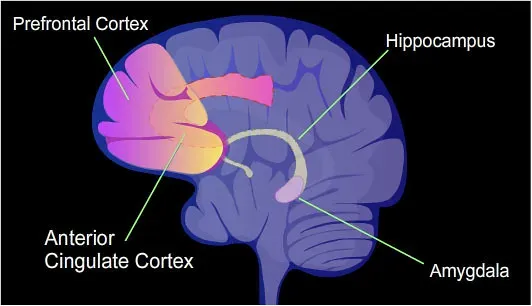
If you imagine your memory system as a library, the hippocampus acts a bit like the head librarian who decides what gets cataloged. This curved structure, buried deep in your brain, helps take pieces of an experience – what you saw, heard, felt – and bind them together into a coherent event. When you remember your first day at a new job or a childhood birthday, you are leaning heavily on this structure to pull all those threads into a single, vivid recollection.
The hippocampus is especially crucial for forming new episodic memories, the kind that answer the question “What happened, where, and when?” If this region is badly damaged, you may still remember old events, recognize people, and even learn certain skills, but you would struggle to form new lasting memories of daily life. You would live in a kind of moving present, constantly losing the recent past. When you protect your brain through sleep, stress management, and healthy habits, you are also indirectly taking care of this quiet but essential librarian.
Different Kinds of Memory: You Remember More Than You Realize

When you think of memory, you probably picture recalling facts, names, or past events, but your mind is running several memory systems at once. You rely on semantic memory for general knowledge, like knowing that Paris is a city or that water freezes at a certain temperature. Episodic memory, by contrast, lets you mentally time‑travel back to your first kiss, a specific vacation, or the look of a childhood bedroom.
Then there is procedural memory, which stores skills and habits, from riding a bike to typing without looking at the keyboard. You might struggle to explain how you do these things step by step, yet your body can perform them almost automatically. You also have emotional and associative memories that link feelings, faces, and places, shaping your reactions before you consciously think. Once you see how many types of memory are operating in the background, you realize you are remembering constantly, even when you feel forgetful.
Why You Forget: Your Brain’s Smart Filtering System

It is easy to beat yourself up for forgetting, but forgetting is not a sign your brain is broken; it is proof that it is selective. You are bombarded with far more information each day than you could ever store in perfect detail. So your brain prioritizes what feels important, meaningful, or emotionally charged, and lets the rest fade. That fading is not failure – it is a feature that keeps your mind from being cluttered with useless noise.
Sometimes, what feels like forgetting is really a retrieval problem: the memory is there, but you cannot access it on command. That is why a name might pop into your head hours after you needed it, when you have stopped trying to force it. Other times, old and new memories interfere with each other, like similar files getting mixed up. You are also constantly updating memories based on new information, which means they can change over time. Instead of viewing forgetting as weakness, you can see it as your brain’s attempt to stay efficient and focused on what matters most.
Emotion and Memory: Why Some Moments Burn into Your Mind

Think about the clearest memories you have – they are probably not neutral, ordinary days. Powerful emotions, whether joyful or traumatic, act almost like highlighters for your brain. When something feels intense, your body releases stress hormones that interact with regions involved in emotion and memory, which can strengthen the storage of that moment. That is why you may clearly remember where you were during a major life event but have no idea what you had for lunch last Tuesday.
Emotion does not just make memories stronger; it makes them more likely to shape your future behavior. If a particular situation once caused fear or embarrassment, your brain may store that connection to help you avoid similar danger later. On the positive side, experiences filled with pride, love, or excitement can motivate you to seek out similar moments again. This emotional coloring of memory can be helpful, but it can also make certain painful events hard to forget. Understanding this link helps you see why therapy, journaling, or talking things through can gradually change the emotional weight of a memory, even if the facts do not change.
How Sleep, Attention, and Repetition Supercharge Your Memory

You might think memory is all about what happens while you are awake and focused, but sleep quietly does some of the heaviest lifting. During deep stages of sleep, your brain appears to replay patterns of activity from the day, helping to stabilize and reorganize new information. It is as if your brain spends the night filing, sorting, and cross‑linking what you experienced, deciding what to keep and where it belongs.
During the day, your attention and habits decide what even gets a chance to be stored. When you multitask, your brain struggles to encode anything deeply, leaving you with shallow, fragile memories. Repetition spaced out over time, active recall (like testing yourself instead of just rereading), and connecting new information to what you already know all tell your brain, this matters, keep it. You do not need a perfect memory; you need simple routines that work with the biology you already have.
Plasticity: Your Memory System Never Fully Stops Changing
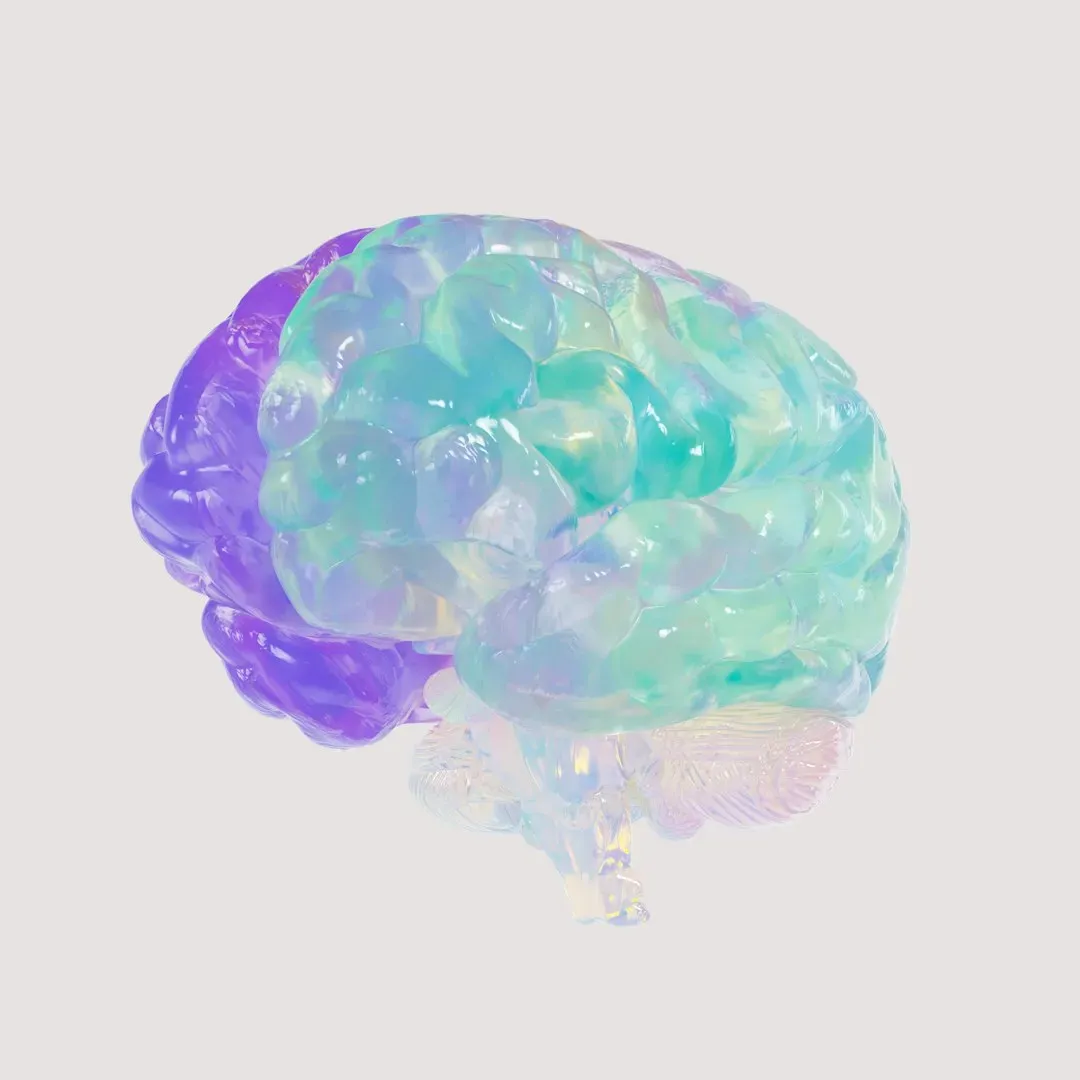
You might have been told that your brain is mostly fixed after childhood, but that is not the full story. While certain kinds of plasticity are stronger when you are young, your brain continues to remodel connections throughout your entire life. Every new skill you practice, every language you try to learn, every new route you drive, leaves subtle traces in your neural networks. You are not stuck with the brain you had last year; you are continually shaping it by what you pay attention to and repeat.
This ability to change is one reason rehabilitation after brain injury, stroke, or certain diseases can work – other regions can sometimes partially take over functions that were lost. It is also why habits, both good and bad, can become deeply ingrained the more you reinforce them. When you choose to keep learning, challenging yourself, and engaging socially, you are encouraging your brain to maintain and even build new pathways. You are not just filling your mind with more information; you are actively tuning the machine that stores it.
Protecting and Boosting Your Memory in Everyday Life
Your memory is not just shaped by mental exercises; it is deeply influenced by your body and lifestyle. Regular movement improves blood flow to the brain and supports the growth and maintenance of neural connections. A balanced way of eating that supports heart health often supports brain health as well, because your brain depends on a steady, high‑quality blood supply. Chronic stress, on the other hand, can wear down areas involved in memory over time, especially if you rarely get true downtime.
You can also make life easier on your memory by building clever external supports instead of trying to rely on willpower alone. Using calendars, reminders, checklists, and consistent places for important items turns your environment into an extension of your memory system. Breaking information into chunks, creating vivid mental images, and teaching what you have learned to someone else all deepen encoding. You are not cheating by using tools; you are working with the way your brain naturally operates. When you treat your memory as something you can care for and collaborate with, rather than something you should magically perfect, you give yourself a real advantage.
In the end, your memory is not a simple storage device; it is a living, changing reflection of what you have paid attention to, cared about, feared, and loved. It shapes your identity, your relationships, and your sense of continuity from one year to the next. Even when it fails you in small ways, it is still performing breathtaking feats of organization and adaptation behind the scenes. If you take anything away, let it be this: your brain’s capacity for memory is not just a curious technical fact – it is one of the most astonishing things about being human. Knowing that, what will you choose to remember on purpose?