

You walk through your day feeling like you see the world exactly as it is. Solid, stable, obvious. But that quiet confidence is one of the biggest tricks your brain ever plays on you. What you call “reality” is actually a customized construction, assembled on the fly from scraps of sensory data, memories, expectations, and shortcuts your brain uses to save energy.
Once you start to see how much editing is happening behind the scenes, everyday life looks completely different. Little frustrations feel less personal, arguments make more sense, and even your own moods start to seem less mysterious. You are not just looking at reality; you are co-authoring it. Here are seven powerful ways your brain is shaping what you believe is really out there.
Your Brain Fills in the Gaps You Never Notice
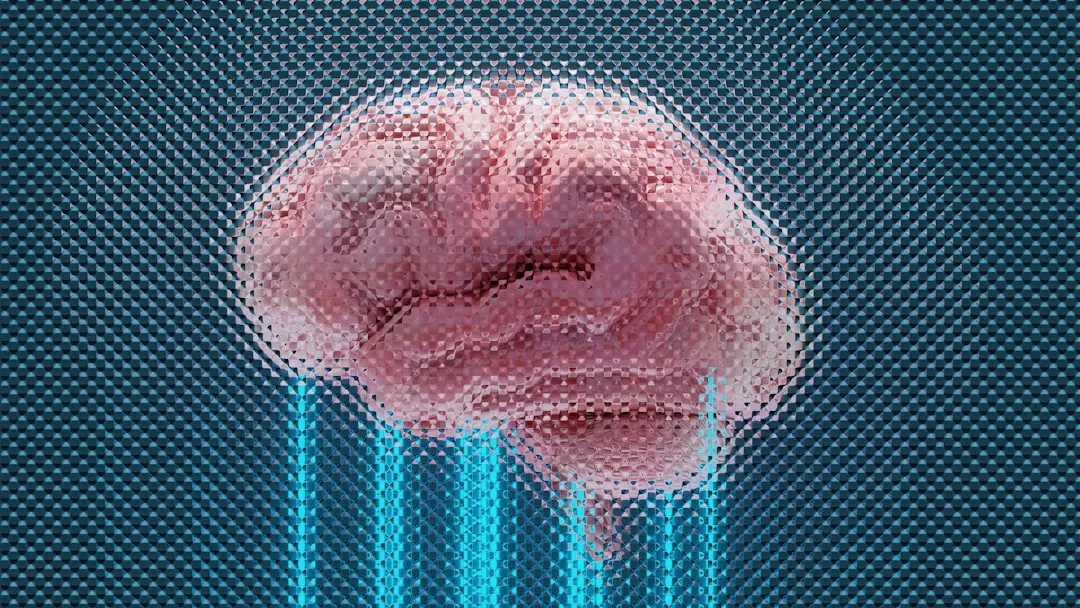
Right now, there are holes in your vision that you simply do not see. You literally have a blind spot in each eye where the optic nerve exits the retina, yet you experience a smooth, continuous image of the world. Your brain quietly patches over the missing information, pulling in context from the surrounding area, past experience, and expectations so well that you would never guess anything was missing.
This “filling in” is not limited to your eyes. When you hear a sentence in a noisy room, your ears often miss pieces of sound, but your brain reconstructs a clean version so you can follow the conversation. You experience this as seamless, but in reality, your brain is constantly guessing and backfilling. You do not just sense the world; you hallucinate the missing pieces in a way that usually works so well you call it truth.
Expectation Primes What You See, Hear, and Feel

What you expect to happen powerfully shapes what you actually perceive. If you walk into a dark alley already convinced it is dangerous, every sound feels sharper, every shadow looks suspicious. Your brain turns up the sensitivity on anything that matches your fear and downplays what does not fit. The situation feels objectively threatening, but you are experiencing a reality tuned by your expectations.
You can see this in smaller ways too. When you are hungry, you notice food signs and smells everywhere. When you are learning a new word or topic, you suddenly “see it” all over the place. The world did not change overnight; your internal filter did. Your brain acts like a search engine with a personalized query always running in the background, promoting what matches and quietly ignoring almost everything else.
Your Attention Spotlight Creates a Narrow Reality

You can only pay attention to a tiny fraction of what hits your senses, so your brain uses attention like a spotlight on a dark stage. Whatever that spotlight lands on feels like the whole scene. That is why you can be so engrossed in your phone that you do not notice a friend waving, or so focused on a task that you do not realize someone called your name. In your experience, nothing else was really happening; in reality, plenty was.
This spotlight of attention also shapes your emotional world. If you habitually aim it at threats, mistakes, or what you lack, your reality feels harsh and hostile. If you deliberately shift it toward small wins, kind gestures, or simple comforts, the same day can feel entirely different. You are not faking positivity; you are choosing which slice of the massive incoming data stream becomes your lived reality.
Your Memory Rewrites the Past to Fit Your Story

You probably think of memory like a video archive you can rewind and replay, but your brain treats it more like a living document that gets edited every time you open it. When you recall an event, your brain rebuilds it from fragments, influenced by your current emotions, beliefs, and knowledge. Then it saves that freshly edited version back again. Over time, this can subtly or even dramatically change what you are sure “really happened.”
This matters because your sense of who you are rests on those memories. If you believe you have always been unlucky, your brain highlights and polishes memories that support that identity while shrinking or distorting ones that do not fit. The same goes for seeing yourself as resilient, lovable, or doomed. You are not just remembering your past; you are constantly reweaving it into a story that shapes how you interpret your present reality.
Your Emotions Color Every Detail You Notice

Your emotional state acts like a filter on your senses. When you are anxious, neutral faces can look judgmental, and minor delays feel like disasters. When you are in a joyful mood, you interpret the same events as harmless, funny, or trivial. The external situation might be identical, but your brain applies a different emotional tint to every detail, and that tint becomes part of what you experience as “just how things are.”
This is why arguments can feel so baffling. You and someone else can go through the same event but come away with completely different versions of what it “meant.” Your brain scanned for threats, disrespect, or rejection, while theirs scanned for something else entirely. You are not lying to each other; you simply lived through two emotionally edited realities that never fully overlapped.
Your Brain Uses Shortcuts and Biases to Decide What’s True
Your brain is a ruthless efficiency machine. To avoid burning energy on every tiny decision, it relies on shortcuts and biases. For example, you tend to notice and remember information that confirms what you already believe and ignore what challenges it. You also take vivid stories more seriously than dry statistics, even when the numbers tell a different story. These shortcuts help you move quickly through life, but they also bend your perception of what is true.
Once you recognize these mental shortcuts, you start to see how they shape your personal version of reality. You might realize you give more weight to the opinion you heard first, or you judge someone based on one striking detail that sticks in your mind. The more you become aware of these patterns, the more you can pause, widen your lens, and ask whether your brain is showing you the full picture or just the fastest, easiest version.
Your Sense of Self Acts as the Editor-in-Chief

At the center of everything, your sense of “me” quietly edits what gets in and how it gets interpreted. Your brain constantly asks a hidden question: “What does this mean about me?” If you see yourself as competent and capable, a setback becomes a challenge or a lesson. If you see yourself as a failure, the same event becomes proof that you were right about yourself all along. Your identity is not just a story you tell; it is a lens that decides what counts as reality.
This editor-in-chief also decides what to ignore. If a compliment does not match your self-image, you brush it off or forget it. If a criticism fits your worst fears about yourself, you amplify it, replay it, and let it dominate your internal world. Over time, you live in a reality where certain types of evidence are always front-page news and others never make it to print. Changing your sense of self is not just “mindset work”; it is a deep renovation of the filter that shapes your entire experience.
Your Brain Blends Senses to Build a Single World

You tend to think of your senses as separate channels – sight, sound, touch, taste, and smell – but your brain does not keep them in neat little boxes. It constantly blends them to create one unified reality. When you watch a movie, for example, the sound and image are technically slightly out of sync at times, but your brain fuses them so tightly that you experience a single, seamless event. You hear a voice and automatically link it to the moving lips on the screen, even if the timing is imperfect.
This blending can fool you more than you realize. The way something looks can change how you think it tastes. The expression on someone’s face can alter how you hear their words. Even your body position can influence how heavy or light you judge an object to be. You are not passively receiving five separate streams of data; you are running a high-speed mixing desk, combining them into one story and then calling that story “reality.”
Conclusion: Learning to Doubt Your First Draft of Reality

Once you see how much your brain edits, fills in, filters, and colors what you experience, certainty starts to feel a bit suspicious. That does not mean you cannot trust yourself; it means you start to treat your first impression as a draft, not a final verdict. You notice when fear is turning up the volume on certain details, when your old stories are rewriting new events, or when your attention spotlight is stuck on the one bad thing in an otherwise decent day.
The real power here is not in uncovering some perfect, objective reality you can finally cling to. It is in realizing you have more influence over your experience than you were ever told. By adjusting your expectations, widening your attention, questioning your biases, and gently updating your sense of self, you can reshape the reality you live in from the inside out. Knowing that, how differently might you look at your next ordinary day?