
Ambitious Timelines from Key Players (Image Credits: Unsplash)
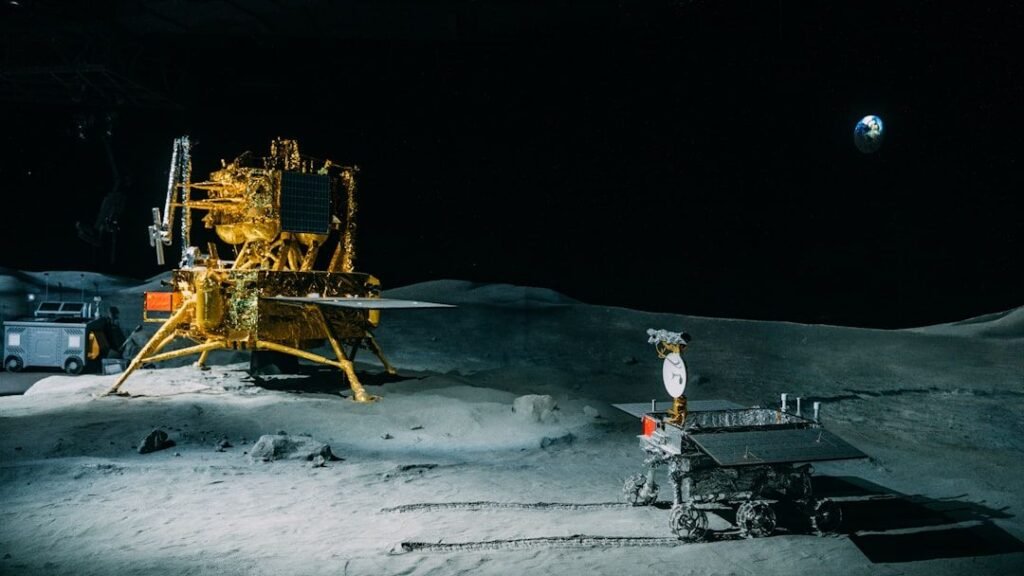
NASA Administrator Jared Isaacman recently detailed ambitious plans for a sustained human presence on the Moon, including construction of a permanent base as early as 2027.[1] SpaceX CEO Elon Musk has echoed this goal, targeting a lasting outpost within the next decade. Scientists, however, emphasize that the lunar environment and technological gaps present profound challenges to such a compressed timeline.
Ambitious Timelines from Key Players
Jared Isaacman shared these objectives during a March 24 announcement, marking a pivot toward establishing a lunar “home away from Earth.”[1] The initiative aligns with NASA’s Artemis program, which aims to return humans to the lunar surface by 2028. This campaign will provide critical data to inform base development.
Elon Musk has long advocated for rapid progress in lunar settlement. His company’s Starship vehicle plays a central role in these efforts, promising to ferry heavy payloads and crews. Still, experts note that a decade represents an extraordinarily brief window for such complex engineering.
Harsh Lunar Conditions Demand Innovation
The Moon’s surface harbors severe hazards that complicate any base construction. Regolith, or lunar dust, consists of razor-sharp particles that become electrostatically charged, creating levitating clouds capable of damaging equipment and spacesuits.[1] Solar panels risk overheating and failure from this abrasive coating, as demonstrated by issues with Mars rovers.
Radiation exposure poses another persistent threat. Cosmic rays bombard the surface relentlessly, with shielding proving exceptionally difficult. Partial gravity, at one-sixth of Earth’s, further complicates matters by potentially causing muscle atrophy, bone loss, and fluid shifts in the body without adequate countermeasures.
Prospective habitats range from 3D-printed structures using local regolith to subterranean dwellings or metal-glass domes. Each concept requires untested construction techniques in the lunar vacuum and extreme temperatures.
Resource and Health Uncertainties Loom Large
Lunar ice deposits hold promise for water, fuel, and life support, but their exact nature remains elusive. Researchers know the ice exists in shadowed craters and stays perpetually frozen, yet they lack detailed samples on its purity or accessibility.[1] “We know it’s cold, and we kind of know where it is,” said Caitlin Ahrens, a researcher at NASA’s Goddard Space Flight Center.
Human health effects from extended lunar stays add further unknowns. Aerospace medicine expert Emmanuel Urquieta highlighted that cosmic radiation permeates space environments, heightening cancer risks over time. Lunar gravity may trigger issues like eye swelling or blood clots, effects unproven without long-term habitation data. Every astronaut, he noted, would serve as a test subject in this scenario.
Key Lunar Challenges
- Dust: Sharp, charged particles damage gear and habitats.
- Radiation: Constant exposure demands advanced shielding.
- Gravity: 1/6 Earth’s strength risks muscle and bone degradation.
- Ice Resources: Location known, but composition unconfirmed.
Experts Urge Caution Amid Optimism
Caitlin Ahrens views the decade timeline skeptically. “A decade may seem far away to some people. To a scientist, it’s the blink of an eye,” she remarked. Uncertainties in excavation and resource extraction underscore the need for preliminary missions.
Giuseppe Reibaldi, president of the Moon Village Association, warned against premature hype. “We have to be very careful not to sell something which [we] don’t have,” he stated, drawing parallels to unfulfilled resource booms. While not impossible, the path forward hinges on Artemis data and incremental progress.
These perspectives balance NASA’s drive with pragmatic realities. Upcoming missions offer the best chance to bridge knowledge gaps and refine strategies.