
You have probably looked up at the night sky at some point and felt a quiet shock: all those stars, all those possible worlds, and yet you do not see or hear anyone waving back. That gap between how vast the universe is and how silent it seems is exactly where the lives. It is a hunt that mixes hard science, deep philosophy, and a surprising amount of patience.
As you follow this story, you are not just learning about radio telescopes and alien civilizations. You are really asking what it means for you to be a thinking being in a universe that might be full of other minds. The more you learn about how scientists actually search, the more you realize it is less about little green men and more about stretching your own sense of what is possible.
The Surprising Odds: Why Life Elsewhere Seems Almost Inevitable
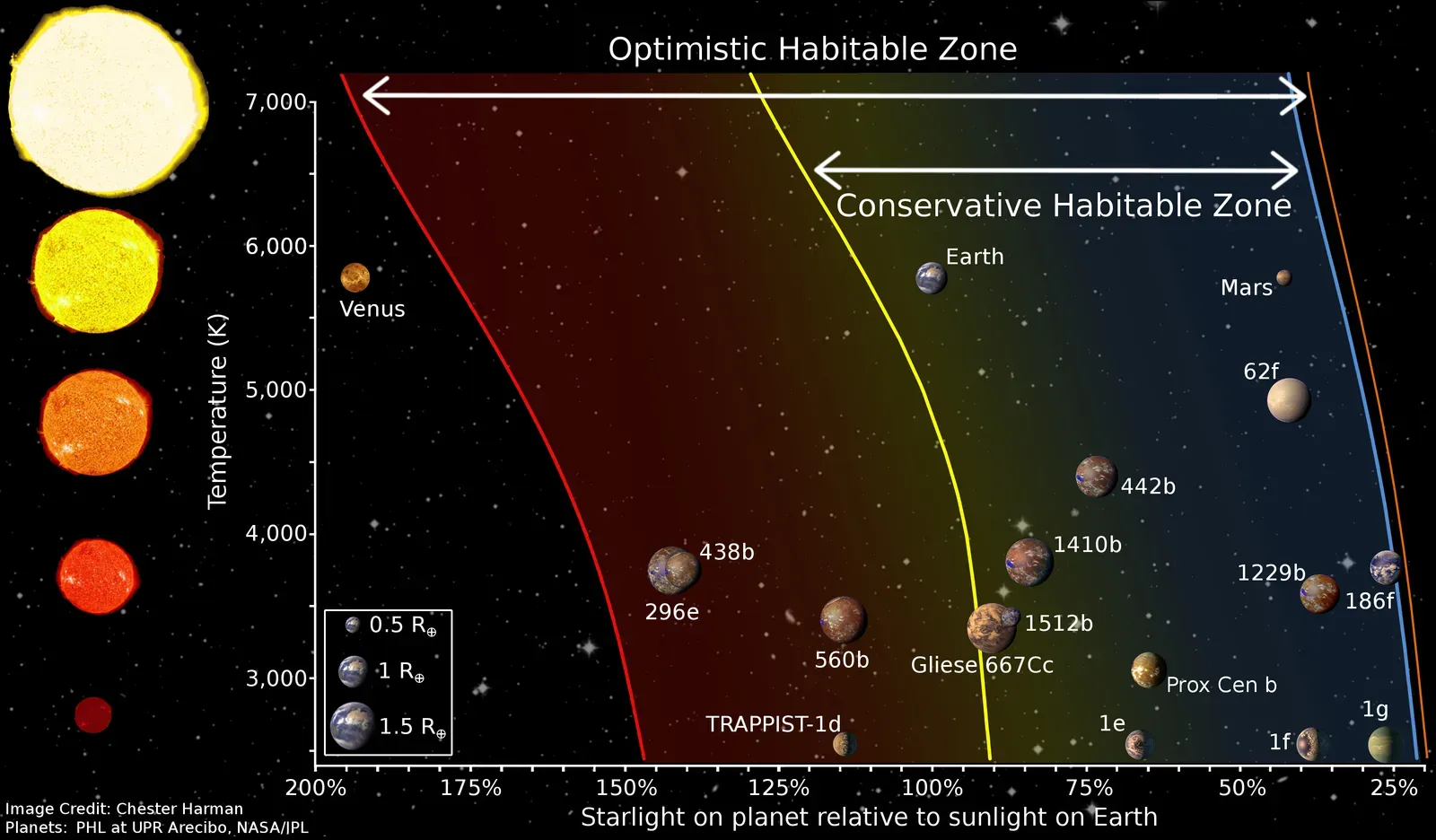
When you look at the sheer numbers, it is hard not to feel that the universe should be teeming with life. You live in a galaxy with hundreds of billions of stars, and astronomers now know that planets are common rather than rare, with many stars hosting entire solar systems of their own. Some of those planets sit in the so‑called habitable zone, where temperatures could allow liquid water to exist on the surface, which is one of the key ingredients for life as you know it.
On top of that, you have the wider universe filled with billions of other galaxies, each with its own swarm of stars and planets. Simple building blocks for life – such as amino acids and organic molecules – have been found in comets, meteorites, and interstellar clouds. When you stack all this together, it starts to feel statistically odd to imagine that life only happened once, on one modest planet circling an average star in a run‑of‑the‑mill galaxy.
The Fermi Paradox: If They Are Out There, Where Is Everyone?

Here is the twist that keeps you up at night: if the odds lean so heavily toward life being common, why do you not see any clear sign of it? This puzzle is known as the Fermi paradox, and it hits you with a simple, unsettling question: given the age of the galaxy, even one spacefaring civilization could have had time to spread widely or at least leave unambiguous traces. Yet, so far, your telescopes and instruments show no obvious, confirmed evidence of alien technology.
To explain this silence, you have to consider uncomfortable possibilities. Maybe intelligent life is far rarer than you assume, or civilizations do not last long enough to spread very far before they destroy themselves or simply fade away. Perhaps advanced beings are out there but choose not to reveal themselves, or they communicate in ways you have not yet learned to recognize. The paradox forces you to confront how much you still do not know about your own long‑term future as a technological species.
How You Actually Listen for Aliens: The Science of SETI
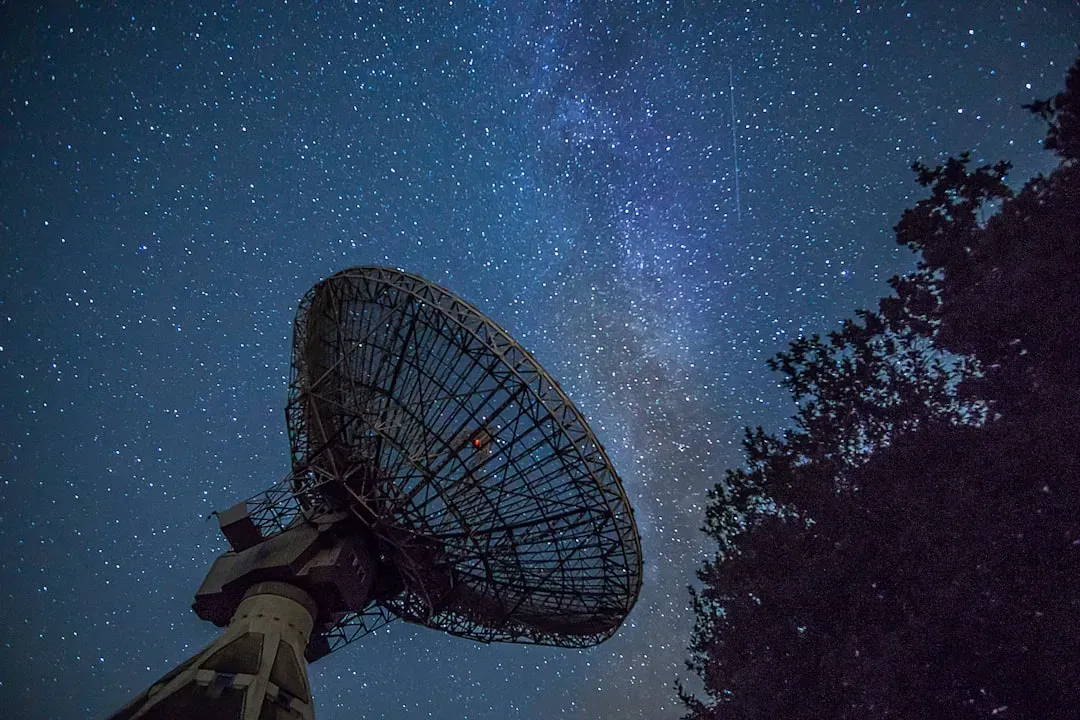
When you think about searching for extraterrestrial intelligence, you might picture someone staring at a blinking radar screen waiting for a mysterious signal. In reality, you use large radio telescopes and sophisticated software to scan wide swaths of the sky for narrow, structured signals that nature does not usually produce. You are not eavesdropping on casual alien conversations; you are combing through vast amounts of data for anything that stands out from the cosmic background noise.
Modern searches do not rely on a single observatory or one narrow strategy. You use arrays of dishes linked together, instruments piggybacking on other astronomical observations, and algorithms that sift data far faster than a human ever could. You also look across different radio frequencies and, increasingly, at other parts of the electromagnetic spectrum. In a sense, you are tuning across the cosmic radio dial, hoping that somewhere, someone else decided to broadcast a clear, unmistakable “we exist” signal into the dark.
Beyond Radio: Hunting for Technosignatures in Many Forms
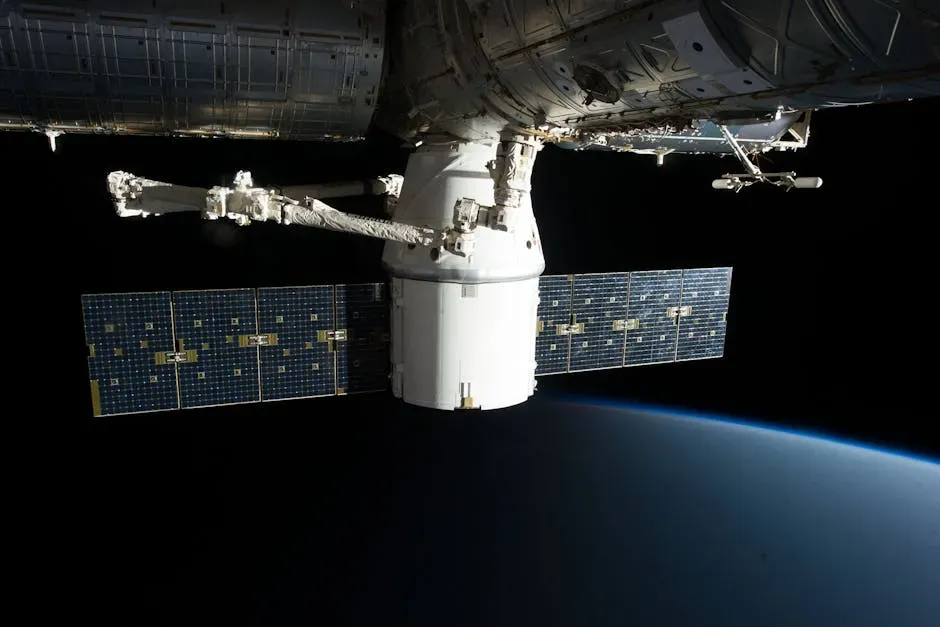
Radio waves were the first tool you reached for, but they are no longer the only game in town. You also look for technosignatures, which are any signs of technology or industry that a distant civilization might accidentally or intentionally produce. That might include unusual patterns of light around a star that suggest giant artificial structures, or excess heat that could hint at large‑scale energy use on a planetary or stellar scale.
Closer to home, you can even examine the atmospheres of exoplanets for chemical fingerprints that look odd or unbalanced, such as gases that do not usually coexist in nature without some active process replenishing them. Certain industrial pollutants or engineered compounds, if seen in the spectrum of a distant world, might function as a kind of chemical billboard telling you that technology is at work there. This broader view means you are no longer just listening for a message; you are also watching for the side effects of advanced life doing what advanced life tends to do – change its environment.
The Role of Exoplanets: Finding the Most Promising Alien Neighborhoods
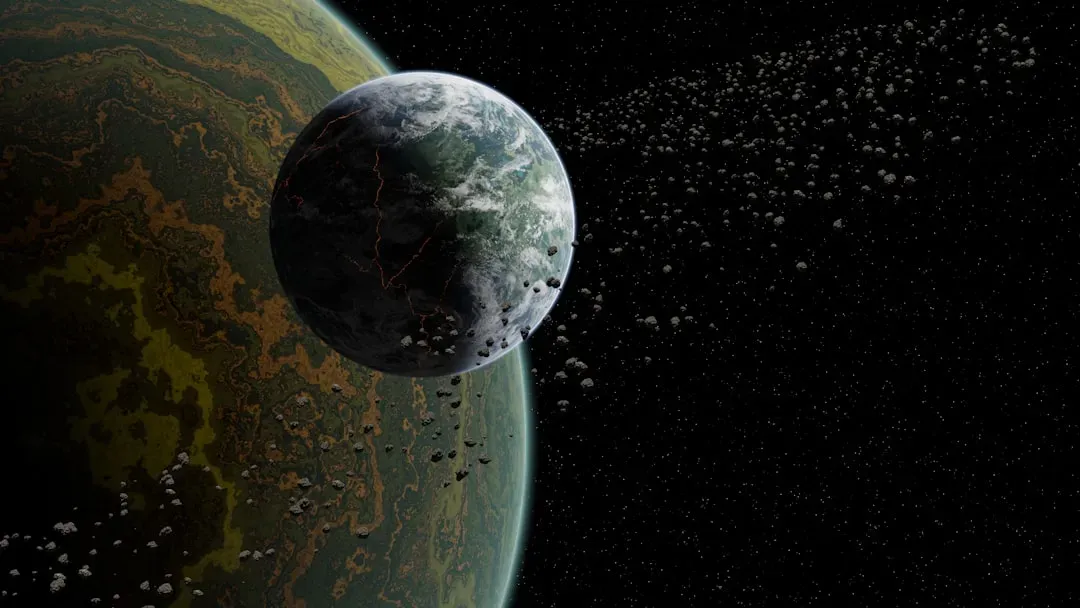
Your chances of detecting intelligent life improve dramatically when you know where to look, and this is where the discovery of exoplanets changed everything. Instead of guessing about imaginary worlds, you now have catalogs of real planets with measured sizes, orbits, and in some cases even rough estimates of their atmospheres. You can identify rocky planets similar in size to Earth orbiting within their star’s habitable zone, which gives you prime targets for closer study.
Space telescopes and ground‑based observatories let you watch these planets pass in front of their stars, dimming the light just enough for you to infer their properties. As instruments grow more precise, you move from simply detecting a planet to characterizing it: asking whether it might hold oceans, clouds, or a stable climate. The more you learn about how common Earth‑like conditions might be, the less lonely your own planet feels, even before you know who, if anyone, might be living out there.
The Great Filter: Are You Early, Lucky, or on Borrowed Time?

One of the most unsettling ideas you encounter in this field is the notion of a Great Filter, some step in the path from simple chemistry to galaxy‑spanning intelligence that is extremely hard to pass. This filter could lie in the distant past, such as the leap from nonliving matter to self‑replicating life, or the jump from single‑celled organisms to complex multicellular creatures. If those steps are incredibly rare, then you might already have passed through the hardest part, which would make your existence astonishingly special.
But the filter could also lie ahead of you, in the form of challenges that most technological civilizations fail to survive. That might involve nuclear war, runaway climate change, uncontrolled artificial intelligence, or problems you have not yet imagined. When you think about the Great Filter, you are not just speculating about aliens; you are forced to look in the mirror and ask whether your species can navigate its own dangerous inventions. The becomes, in that light, a quiet test of whether anyone else has ever managed to do better.
Why You Have Not Seen Flying Saucers: Separating Science from Stories

Popular culture loves dramatic sightings, mysterious objects in the sky, and rumors of secret crash sites, and you might find those stories hard to resist. But when you look carefully at the evidence with the tools of science, most reported incidents turn out to have prosaic explanations: misidentified aircraft, atmospheric phenomena, experimental technology, or simple observational mistakes. What is left after thorough investigation tends to be intriguing but inconclusive rather than solid proof of alien visitors.
This does not mean you should dismiss every unknown observation, but it does mean you should be careful about turning a lack of explanation into a confident conclusion. Instead of chasing every dramatic claim, the scientific focuses on methods that can be independently checked and repeated. You aim for signals or observations that can be observed again, by other teams and instruments, and analyzed in detail. If you ever do find strong evidence, it will need to survive that brutal, methodical scrutiny before you can honestly say you are not alone.
What Finding (or Not Finding) ET Would Mean for You

When you imagine waking up one day to confirmed news of an intelligent civilization beyond Earth, you feel a mixture of excitement and unease. Such a discovery would instantly reshape how you see your own place in the cosmos, collapsing the idea of human uniqueness in a way religion, philosophy, and culture would all have to grapple with. You might never meet those beings face‑to‑face or trade messages in real time, but just knowing that someone else made it through the gauntlet of evolution and technology would change the story you tell about your own future.
On the other hand, if decade after decade passes and you still find nothing, that silence carries its own weight. It might suggest that you inhabit a universe where intelligence is exceedingly rare, and your responsibility to protect and extend it becomes heavier. Even a lack of evidence is telling you something about how fragile or unusual your situation may be. In both scenarios, the way you live, the choices you make as a species, and the value you place on your own civilization take on a new and sobering meaning.
Conclusion: Listening to the Cosmos While Looking Inward
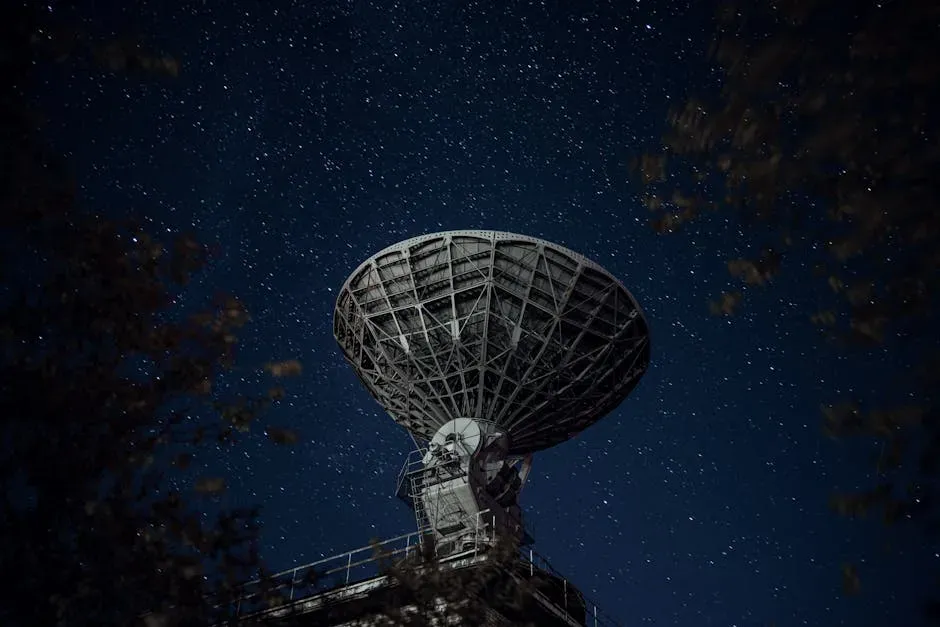
As you follow the , you find yourself pulled between awe at the scale of the universe and humility about your limited perspective. You are building bigger telescopes, writing smarter algorithms, and exploring more subtle technosignatures, all to answer a question that has been echoing in human minds for as long as people have looked up at the stars. Whether the answer turns out to be that the universe is crowded with life or eerily quiet, you will not emerge from the search unchanged.
In the end, the hunt for other minds becomes a way of taking your own intelligence seriously, treating it as something rare enough to deserve protection and curious enough to keep pushing outward. Every time you scan a new star system or decode a faint signal, you are really asking whether your story is part of a much larger cosmic conversation or a solitary monologue in a vast, dark theater. As you keep listening, both outward and inward, you might ask yourself: if someone out there is watching you back, what kind of civilization would you hope they see?