Every once in a while, history drops a mystery in our lap and then quietly walks away. Entire peoples, with their stories, beliefs, and rivalries, simply stop appearing in the record. No final chapter. No neat explanation. Just a cliffhanger carved into stone and buried under centuries of dust. That feeling you get when a TV show is canceled before the finale? Multiply it by a thousand years and a few million lives, and you’re close to what archaeologists grapple with.
What makes these lost civilizations so haunting isn’t only that they disappeared, but that they clearly mattered in their own time: they built cities, traded across seas, raised monuments, and shaped the cultures that followed them. Then – silence. Today, we piece together clues from pottery shards, pollen, skeletons, ruined walls, and even ancient trash heaps, trying to guess what really happened. The answers are rarely simple, and sometimes they’re still completely out of reach. Let’s walk through nine of the most fascinating cases where a civilization more or less vanished, and see what we actually know, what we suspect, and what might remain forever in the dark.
The Indus Valley Civilization: The City Builders Who Faded Away
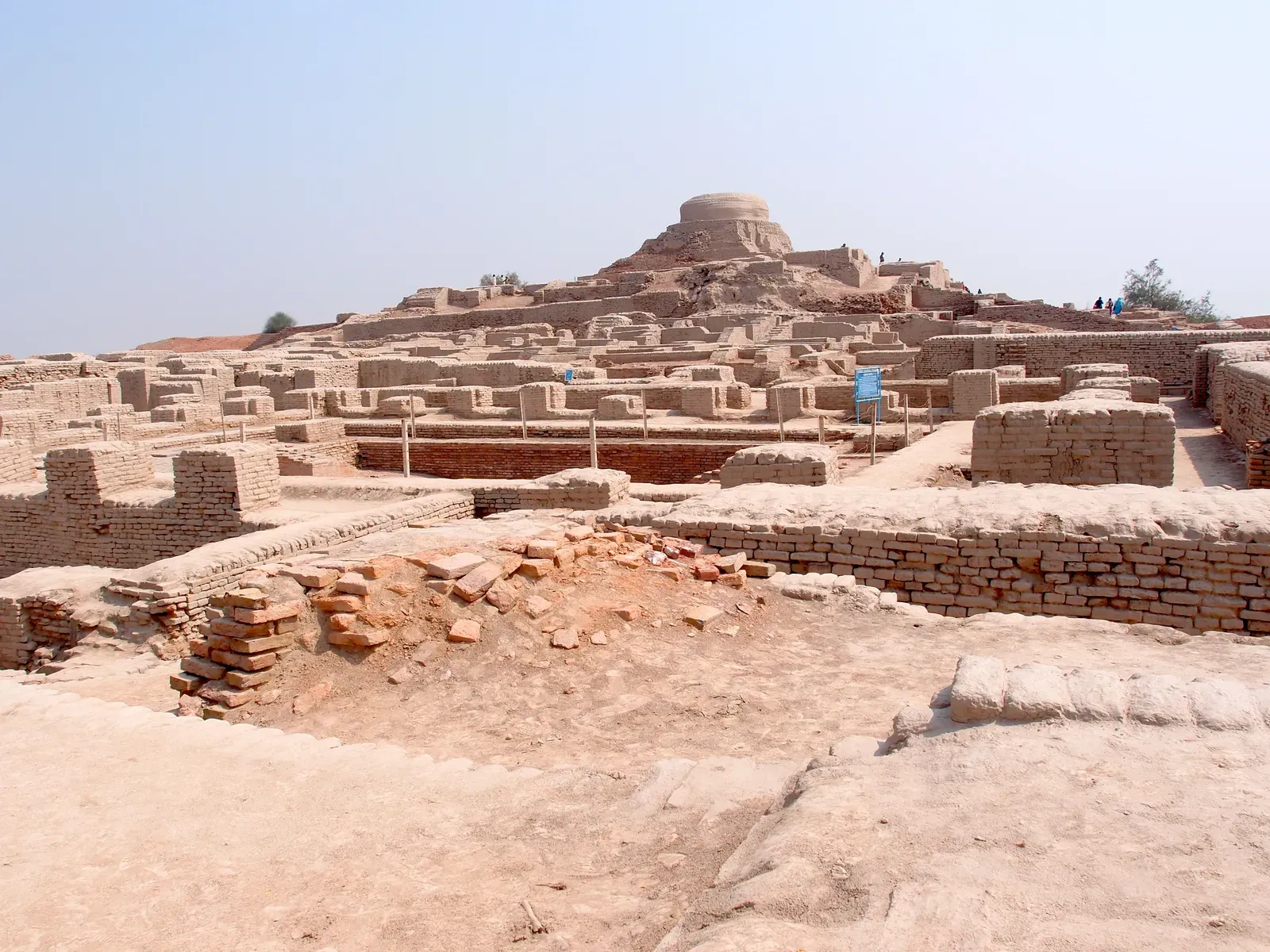
Imagine enormous, carefully planned cities with straight streets, drainage systems, and standardized bricks, all humming along more than four thousand years ago – yet almost no palaces, no giant temples, and a script we still can’t read. That’s the Indus Valley Civilization, sometimes called Harappan, spread across what is now Pakistan and northwest India. At its height, it covered an area larger than ancient Egypt and Mesopotamia combined, and its people built cities like Mohenjo-daro and Harappa with an almost obsessive sense of order and urban design.
Then, sometime after about 1900 BCE, the big cities start to shrink and fragment. Trade with Mesopotamia fades, standardized weights and measures fall out of use, and the urban centers are gradually abandoned. There’s no clear evidence of massive war or sudden catastrophe, which is almost more unsettling. Many researchers think a mix of climate change, shifting rivers, and pressure on resources slowly eroded the system until city life just wasn’t sustainable. The descendants likely didn’t disappear as people so much as dissolve into smaller rural communities, but the civilization’s distinctive urban culture simply stopped – and without a deciphered script, their own version of events is still locked away from us.
Olmec Civilization: The People Behind the Colossal Heads
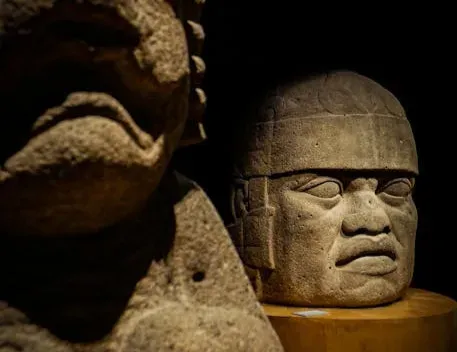
The Olmec are often described as one of Mesoamerica’s first great civilizations, thriving along the Gulf Coast of what’s now Mexico more than three thousand years ago. They left behind colossal stone heads, some higher than a person, with faces so specific they look almost like portraits. You can still stand in front of these massive sculptures today and feel like you’re staring back at someone who had a name, a personality, a voice – but all of that is gone. We don’t even know what they called themselves.
By around 400 BCE, the major Olmec centers like San Lorenzo and La Venta had declined or been abandoned, and their distinctive art style no longer dominated the region. Yet many of the ideas they pioneered – monumental architecture, ritual practices, and symbolic motifs – seem to echo later in Maya, Zapotec, and other cultures. It’s not that the Olmec people vanished into thin air; more that their political centers and unique cultural identity dissolved into a wider cultural mix. The reasons might include environmental changes, shifting river courses, social upheaval, or power moving to new cities elsewhere. The real frustration is how much we have to infer from art and ruins alone, without their language to guide us.
The Nabateans: Masters of the Desert Who Went Silent
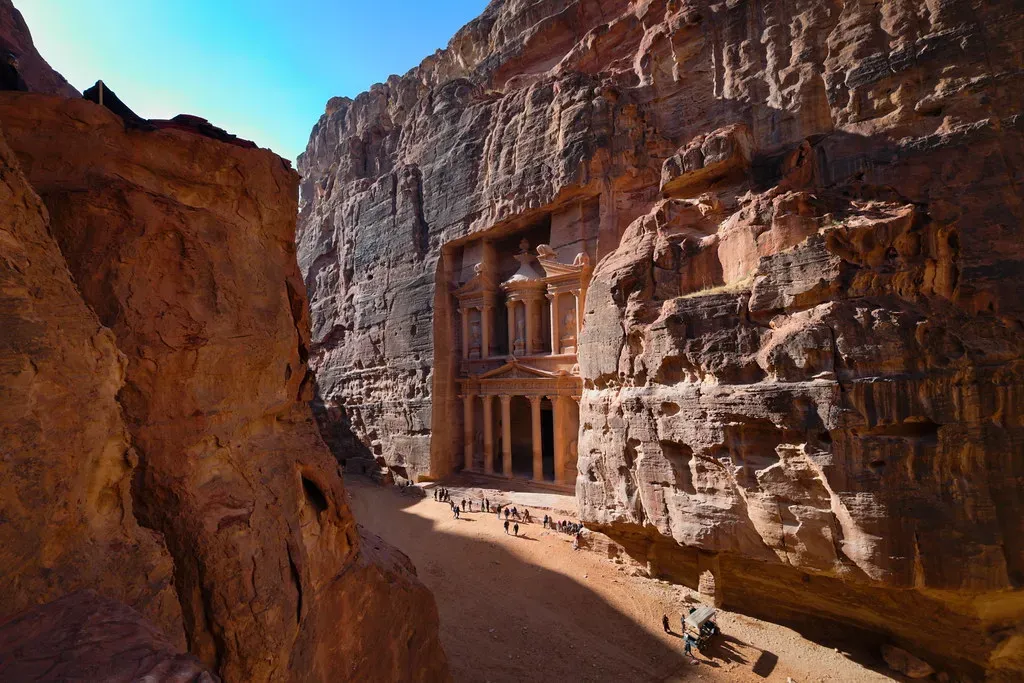
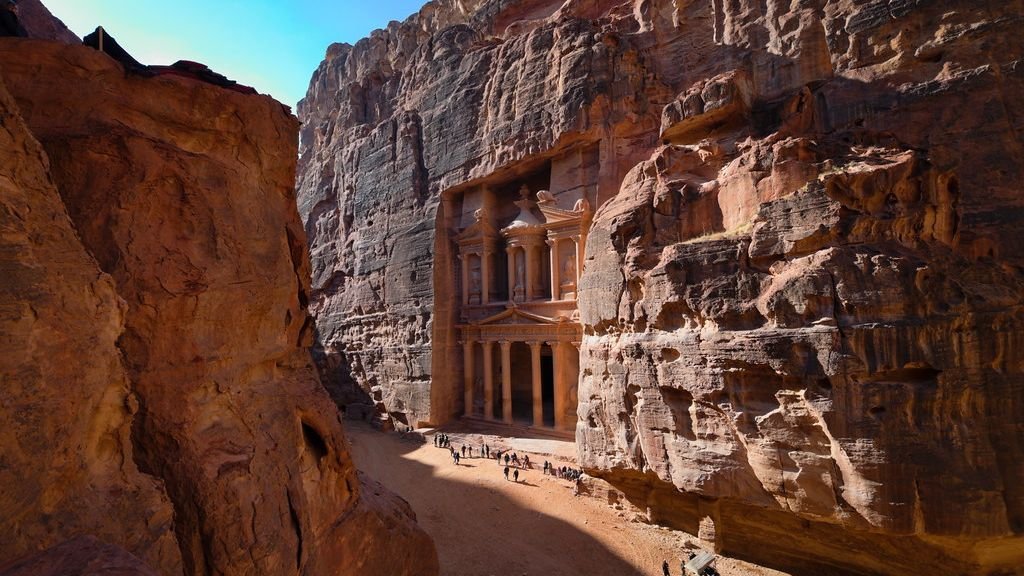
When people think of the Nabateans, they think of Petra, that rose-red city carved into rock in what is now Jordan. It feels like a movie set, but it was once a bustling hub on major trade routes, famous for perfumes, spices, and incense flowing across the desert. The Nabateans had an uncanny ability to manage water, building hidden cisterns and channels that turned an unforgiving landscape into something livable and profitable. For a time, they punched far above their weight in the politics and economy of the region.
Yet after the Roman Empire absorbed their kingdom in the early first century CE, the Nabateans gradually fade as a distinct civilization. Their language is eventually overshadowed by Greek and later Arabic, their cities lose their central importance, and their identity seems to merge into the wider populations of the region. There’s no single dramatic moment of disappearance – no obvious genocide or sudden collapse. Instead, it’s a kind of cultural evaporation over a few centuries, sped up by shifts in trade routes and imperial administration. It’s a reminder that sometimes a civilization doesn’t end with a bang, but with a quiet leveling into the background.
The Ancestral Puebloans (Anasazi): Abandoned Cliff Cities of the Southwest
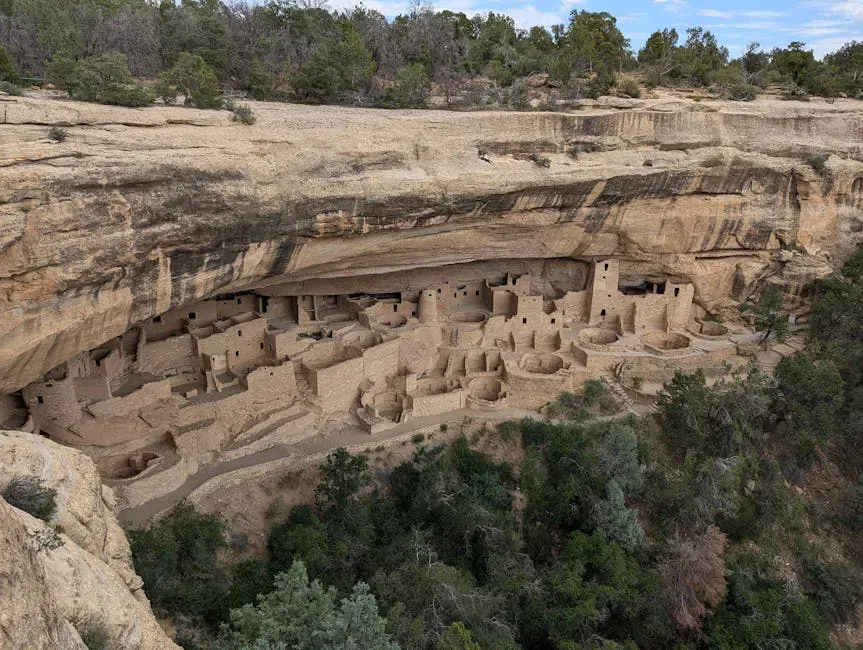
In the dry canyonlands of the American Southwest, you can still walk below towering cliff dwellings that cling to the rock like swallows’ nests – places like Mesa Verde and Chaco Canyon. The people archaeologists call Ancestral Puebloans built multi-story stone complexes, intricate kivas, and vast road systems, all in an environment that demanded careful management of water and crops. For centuries, they adapted to cycles of drought and rainfall, leaving behind pottery, tools, and architecture that show both artistry and resilience.
But by the late thirteenth century, many of these large settlements were abandoned. The cliff dwellings fall silent, and populations seem to move south and east. Evidence points toward a mix of prolonged drought, resource stress, and social tension, maybe even conflict between groups. There’s also a good chance that shifting religious or political systems encouraged migration and community reorganization. Their descendants – modern Pueblo peoples – still exist, so the people themselves didn’t vanish as a bloodline, but this particular way of life, with its iconic monumental settlements, ended so completely that standing in a deserted great house can feel almost ghostly.
The Hittite Empire: From Superpower to Historical Void
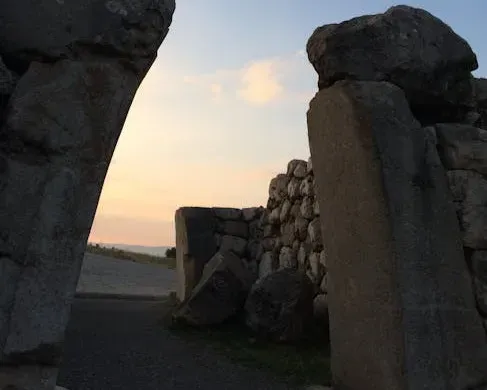
During the late Bronze Age, the Hittites were one of the big players on the stage, rivaling Egypt and Assyria. Based in what is now central Turkey, they controlled a complex kingdom that negotiated treaties, fought major wars, and managed a network of vassal states. We have clay tablets that show them dealing with everything from royal marriages to international diplomacy. For a while, their capital at Hattusa was one of the great centers of the ancient world, with fortifications, temples, and archives.
Then, around the twelfth century BCE, in the same broad period as the so-called Bronze Age collapse, the Hittite Empire disintegrated. Hattusa was destroyed and abandoned, and the central state never returned. Fragmented Neo-Hittite city-states survived in parts of Syria and southeastern Turkey, but the old empire was gone. The reasons probably include a brutal combination of internal instability, famine, invasions or raids – possibly by groups often lumped together as “Sea Peoples” – and breakdown of the wider trade networks that held the Late Bronze Age together. For centuries afterward, the Hittites were effectively forgotten until modern archaeology and decipherment of their texts dragged them back from complete obscurity.
The Mycenaeans: Heroes of Legend, Vanished Palaces
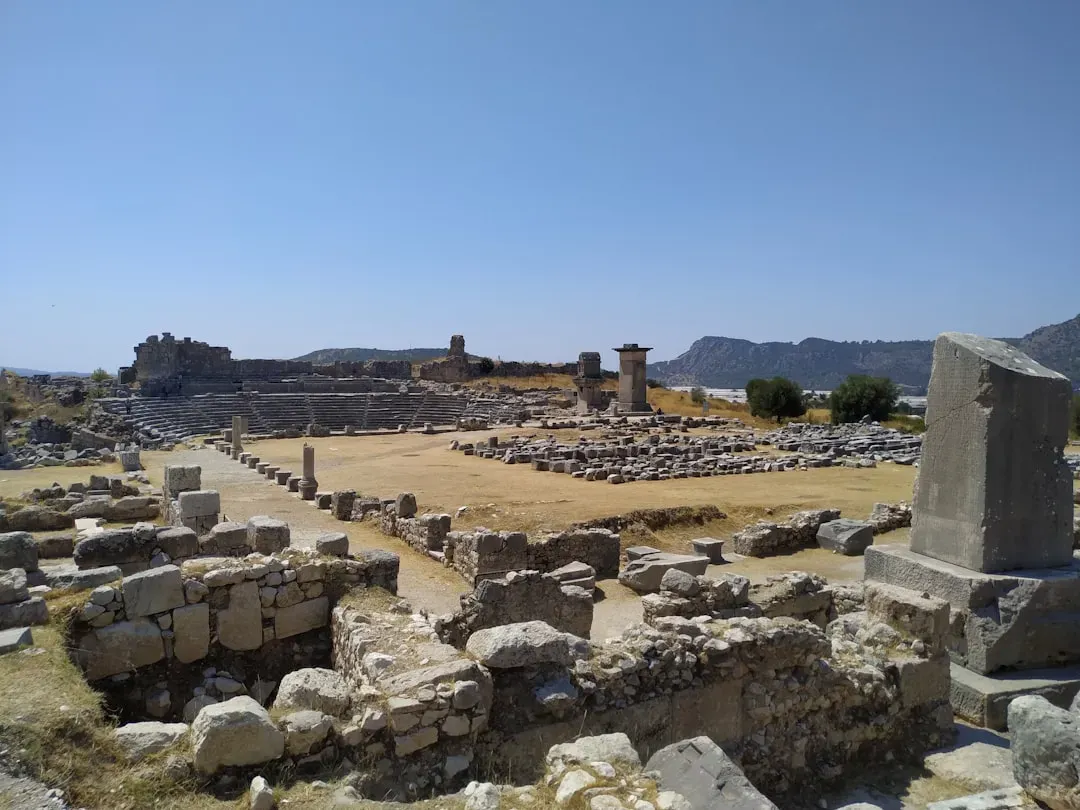
The Mycenaeans of mainland Greece are the people often linked to the world behind the later myths of the Trojan War and heroes like Agamemnon – though the stories are much later and heavily mythologized. Archaeologically, we know them through their fortified palaces, grave circles stuffed with gold, and a syllabic writing system called Linear B used mainly for palace accounting. They were part of the same interconnected Late Bronze Age system as the Hittites and Egyptians, with trade stretching across the Mediterranean. Their palatial centers like Mycenae, Pylos, and Tiryns dominated regional politics and economy.
By the end of the twelfth century BCE, those palaces were burned or abandoned, and the administrative system that used Linear B collapsed. For a few centuries afterward, writing disappears from Greece, and architecture and material culture become simpler, leading older scholars to call it a “Dark Age.” The causes of the Mycenaean collapse are still debated: earthquakes, invasions, internal rebellion, drought, and system-wide economic breakdown all appear in different combinations in various theories. What’s unnerving is that a world sophisticated enough to write, build monumental citadels, and organize complex trade could unravel so thoroughly that later Greeks had only dim mythic memories of it.
The Mississippian Culture: The Lost City of Cahokia and Beyond
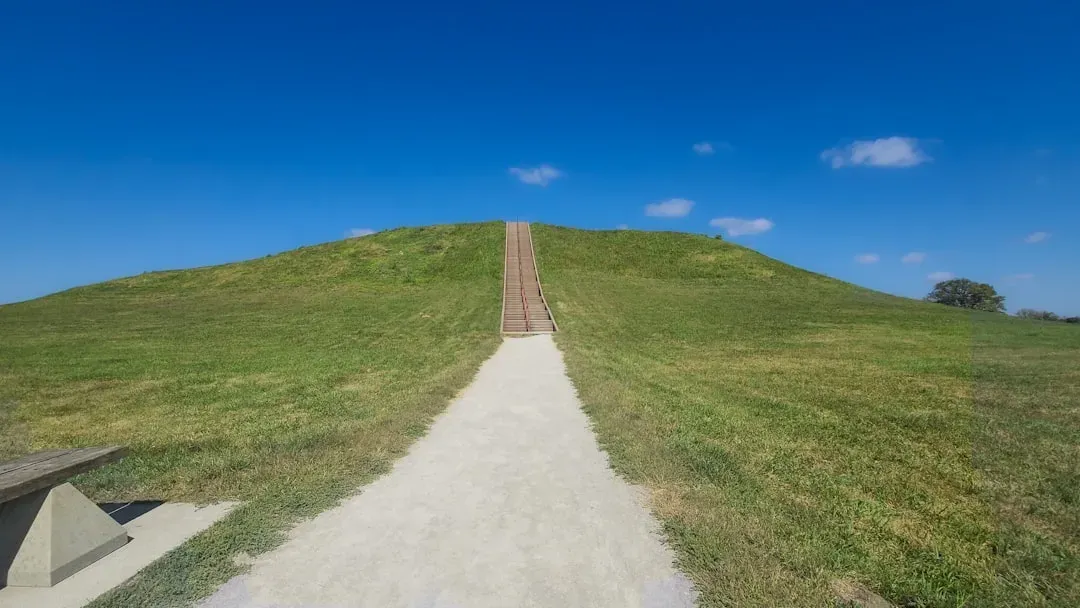
Across the central and southeastern United States, long before European contact, the Mississippian culture built towns and large earthen mounds, with the largest urban center at Cahokia near present-day St. Louis. At its peak around a thousand years ago, Cahokia may have rivaled some major European cities in population. It had monumental platform mounds, a central plaza, wooden palisades, and evidence of complex social hierarchy and long-distance trade. Standing on the largest mound, it’s hard not to feel like you’re in the ruins of a forgotten city-state.
Yet by the fourteenth century, Cahokia was largely abandoned, and over the next few centuries Mississippian-style urban centers across the region weakened or disappeared. The reasons probably vary from place to place, but factors like climate fluctuations, environmental stress from intensive agriculture, disease, conflict, and shifts in trade routes are all on the table. When Europeans arrived later, they encountered descendant groups with oral traditions but no single memory that clearly maps back to Cahokia’s peak. The physical traces are enormous, but the story of why these cities emptied out before large-scale European colonization remains frustratingly incomplete.
The Minoans: Island Civilization Swallowed by History
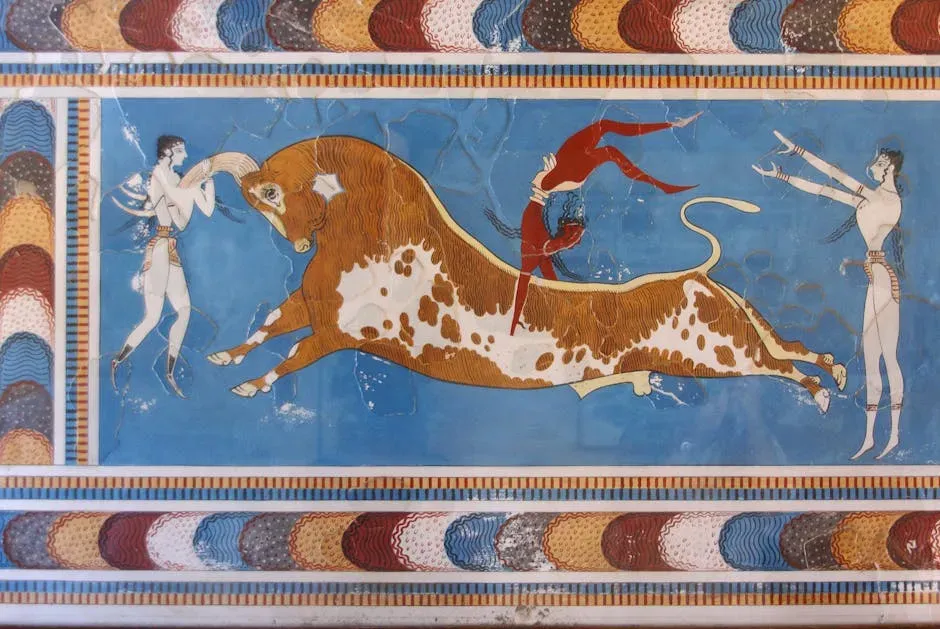
The Minoans of Crete left behind palaces that feel almost like mazes – Knossos, Phaistos, Malia – filled with colorful frescoes of bull-leapers, dancers, and marine life. They were seafaring traders crisscrossing the eastern Mediterranean, and for a long stretch in the second millennium BCE, they were a major cultural force. Their art and architecture radiate a sense of energy and movement, almost like snapshots of a lively court life caught in plaster and paint. They also developed an undeciphered script known as Linear A, which is one of the big teases of ancient history.
After the mid-second millennium BCE, their palaces were destroyed or rebuilt and eventually abandoned, and Mycenaean Greeks from the mainland seem to have taken over at least parts of Crete. Many people love the idea that a huge volcanic eruption on nearby Thera (Santorini) single-handedly wiped them out, and that dramatic event likely hit them hard, especially through tsunamis and climate effects. But current research suggests a slower decline, with a mix of natural disasters, economic disruptions, and external pressure leading to political and cultural changes. By the end, the distinctive Minoan system had effectively vanished, its people absorbed or transformed, leaving later Greeks to spin myths while we sift through the ruins for more grounded answers.
The Rapa Nui (Easter Island) Society: Statues Without Their Builders
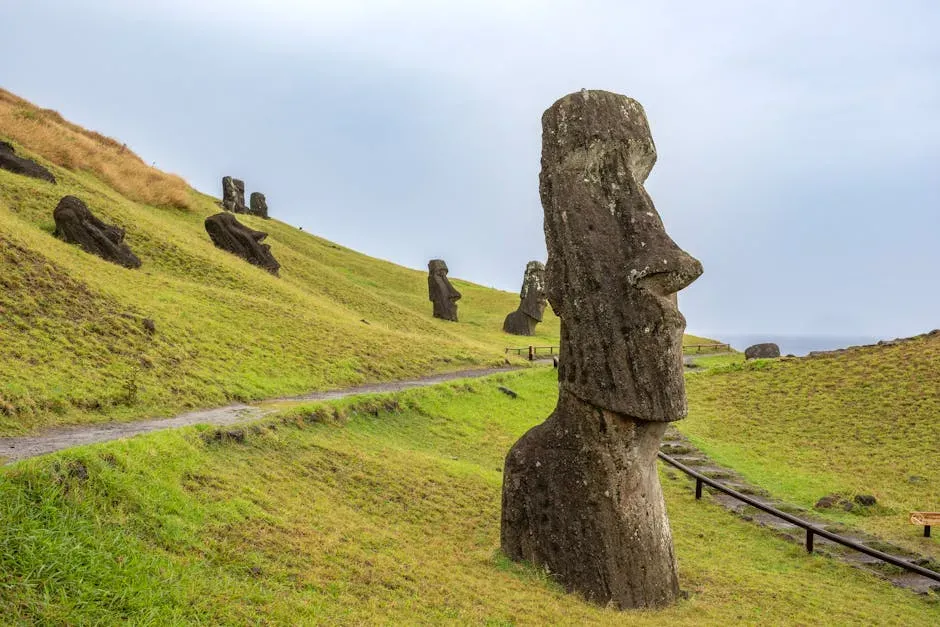
On Easter Island, or Rapa Nui, the famous moai statues stand like sentinels, their backs to the sea, faces turned inland toward the villages that once thrived there. The society that carved and moved these multi-ton giants developed in extreme isolation, hundreds of kilometers from the nearest inhabited land. At one point, the island supported a complex chiefdom, with competing groups raising ever more impressive statues, organizing labor, and managing scarce resources on a small volcanic rock in the Pacific. The creativity and engineering involved are staggering when you remember how limited their tools and materials were.
By the time Europeans arrived in the eighteenth century, the social and political system that built the moai was already in deep trouble, and many statues had been toppled. Earlier explanations focused on a simple story of environmental self-destruction, with people cutting down all the trees and collapsing their own ecosystem. More recent work points to a tangle of factors: deforestation, soil exhaustion, introduced rats affecting vegetation, internal conflict, and later, devastating impacts from European contact, including slavery raids and disease. The society never literally vanished – the descendants are still there – but the original statue-building culture effectively ended, leaving an eerie landscape of giant stone faces and a lot of unanswered questions about how daily life actually felt in its final years.
Conclusion: Vanishing Acts and the Fragility of Complexity
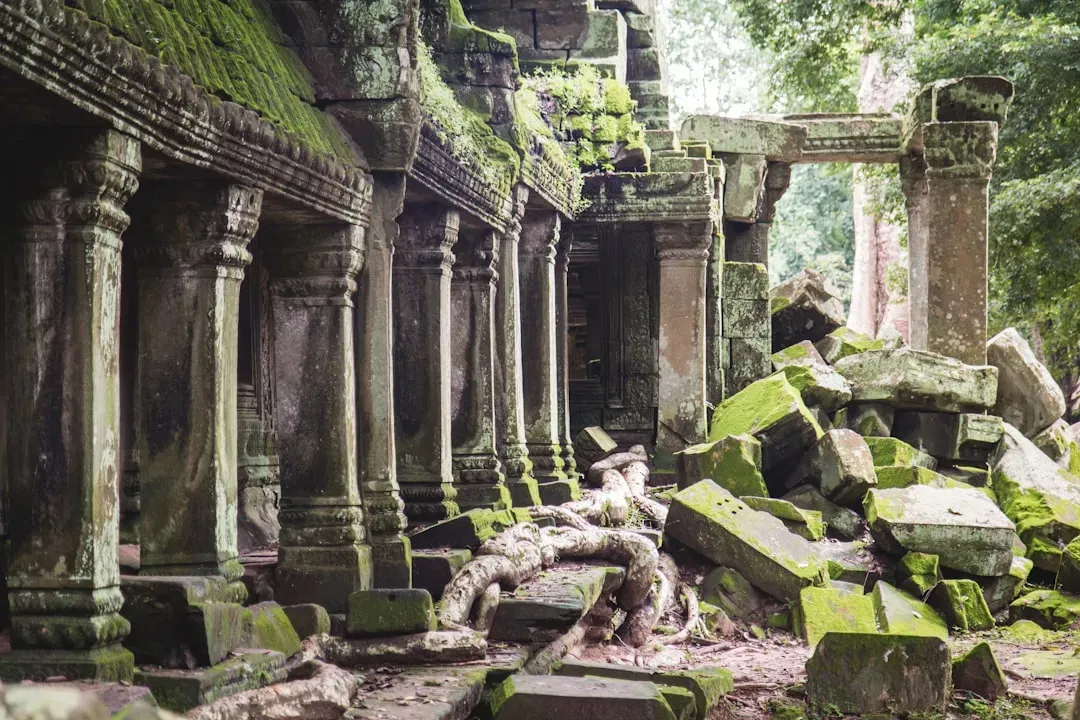
Looking across these nine cases, a pattern quietly emerges: civilizations rarely just “disappear” in a single dramatic moment. More often, they unravel, morph, or get absorbed into something new, leaving us with the ruins of their most visible achievements and far fewer traces of their fears, arguments, or hopes. Climate shifts, environmental strain, political missteps, external invasions, disease, and plain bad luck tend to tangle together, cutting the threads that held complex systems in place. Standing at a site like Mohenjo-daro or Cahokia, it’s hard not to feel both awe at what people once built and a sharp awareness of how temporary even the biggest human projects can be.
What we do know comes from patient, sometimes painfully slow, work: digging carefully, dating layers, analyzing bones and seeds, cross-checking stories with physical evidence. A lot of what people confidently believed fifty years ago about some of these cultures has changed, and it will probably change again. For me, that’s part of the appeal – the idea that the ground beneath our historical “certainties” is still shifting, and that tomorrow’s discovery might rewrite an ancient ending. When you think about your own world, with its massive cities and digital records, does it make you wonder how much of us would be legible if someone tried to reconstruct our story thousands of years from now – and what part of it would quietly vanish without a trace?