Imagine standing on a beach, looking out at the calm surface of the Pacific Ocean, knowing that somewhere out there the seafloor suddenly drops to a depth greater than the cruising altitude of a commercial jet. That dizzying vertical plunge is the Mariana Trench, a place so extreme that for most of human history it might as well have been another planet. Even today, with advanced submersibles and satellites, it still feels more like science fiction than part of our own world.
What fascinates me most is how the trench keeps humbling us. Every time researchers send a vessel down, they come back with something that doesn’t quite fit our expectations: strange life, odd chemistry, unexpected sounds. It’s like the ocean’s way of saying, “Nice try, but you don’t know me yet.” Let’s dive into what we do know, what we think we know, and the big questions that are still very much open.
The Jaw-Dropping Depths: How Deep Is “Deep” Really?
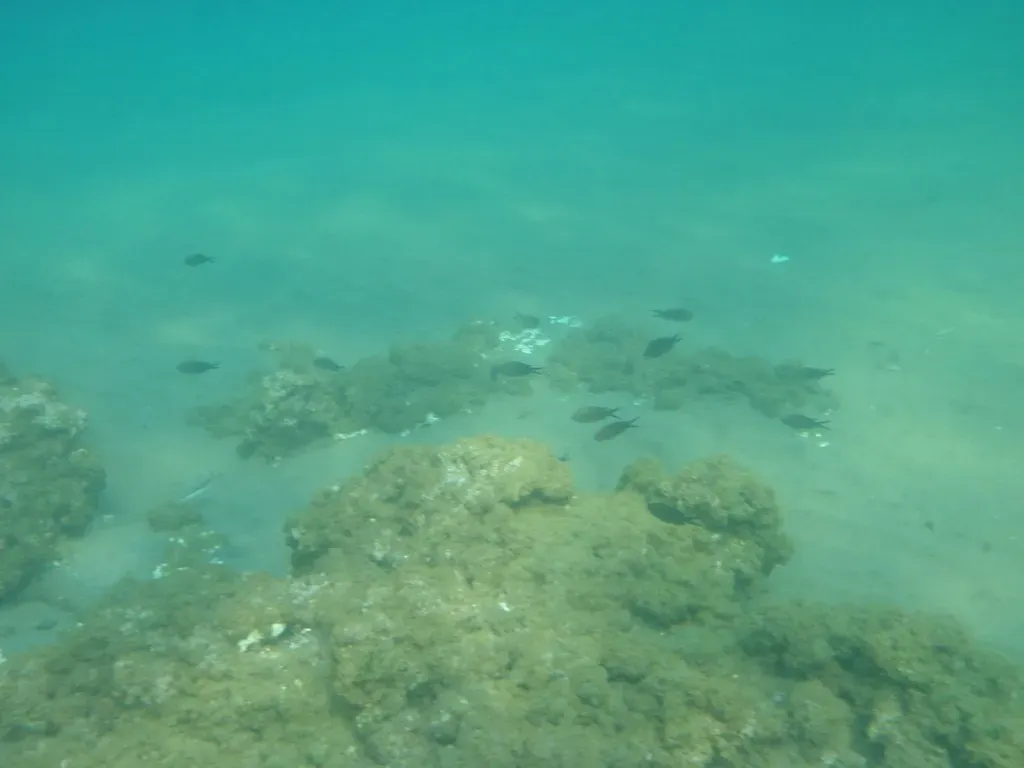
The Mariana Trench is home to the Challenger Deep, the deepest known point in Earth’s oceans, plunging to roughly about eleven kilometers below sea level. To put that in human terms, if you dropped Mount Everest into the trench, its summit would still sit beneath more than a kilometer of water. At that depth, the pressure is more than a thousand times what you feel at sea level, enough to crush most human-made objects like an empty soda can.
Different expeditions have measured slightly different maximum depths, depending on equipment, location within the trench, and methods used. Rather than one neat number carved in stone, scientists work with a small range, all pointing to a place that pushes the limits of both technology and physics. For everyday life at the surface, those last few meters of uncertainty don’t change much, but in deep-sea science they’re a reminder that even measuring something as “simple” as depth becomes a serious challenge at the extremes.
The Violent Birth Of A Trench: Colliding Plates Beneath Peaceful Seas
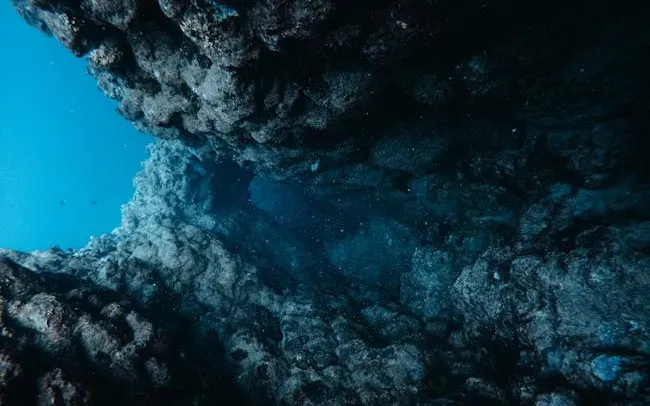
What makes the Mariana Trench exist at all is a brutal, slow-motion collision between tectonic plates. The older, colder Pacific Plate is being forced, or subducted, beneath the smaller Mariana Plate, dragging the seafloor down like a sinking conveyor belt. Over millions of years, that steady descent of oceanic crust has carved out this enormous underwater scar, with steep walls and a long, curving profile that mirrors the plate boundary.
It’s strange to think that the world’s deepest, darkest place is born from a process that never stops, even while the sea surface above can look completely calm. That subduction zone also feeds nearby volcanic arcs and earthquakes, tying the trench into a much larger system that helps recycle Earth’s crust into the mantle. We understand the big-picture mechanism fairly well, yet the fine details – exactly how the rock deforms, fractures, and bends at those extreme conditions – are still being worked out, meter by meter, quake by quake.
Life At Crushing Pressure: Creatures That Shouldn’t Exist (But Do)
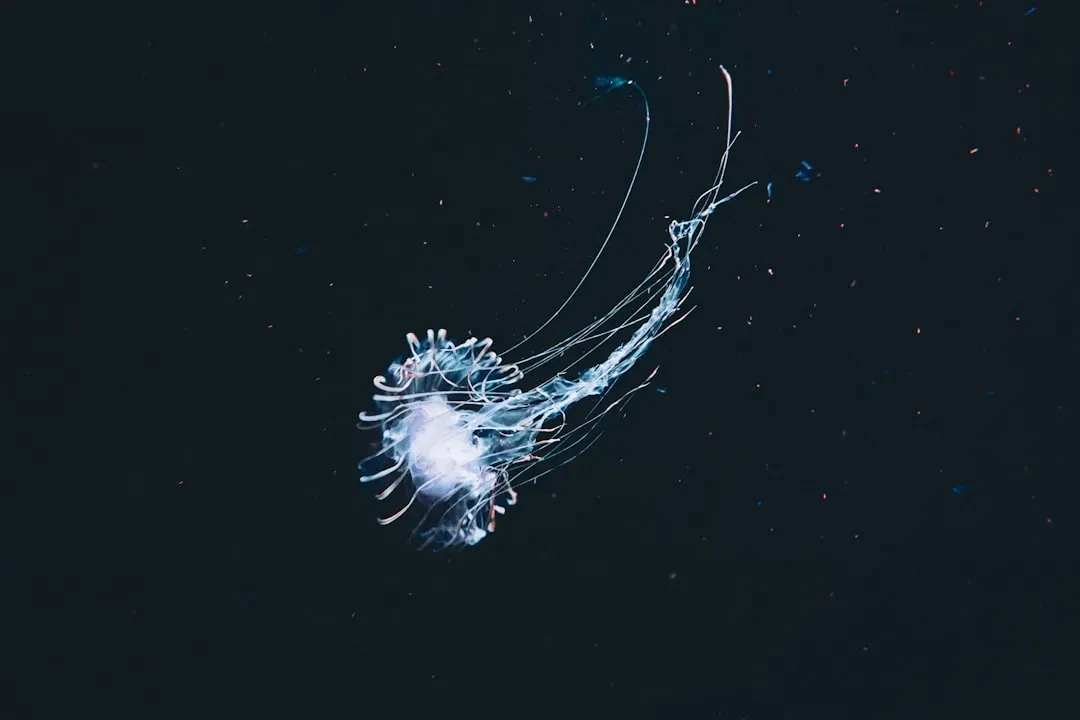
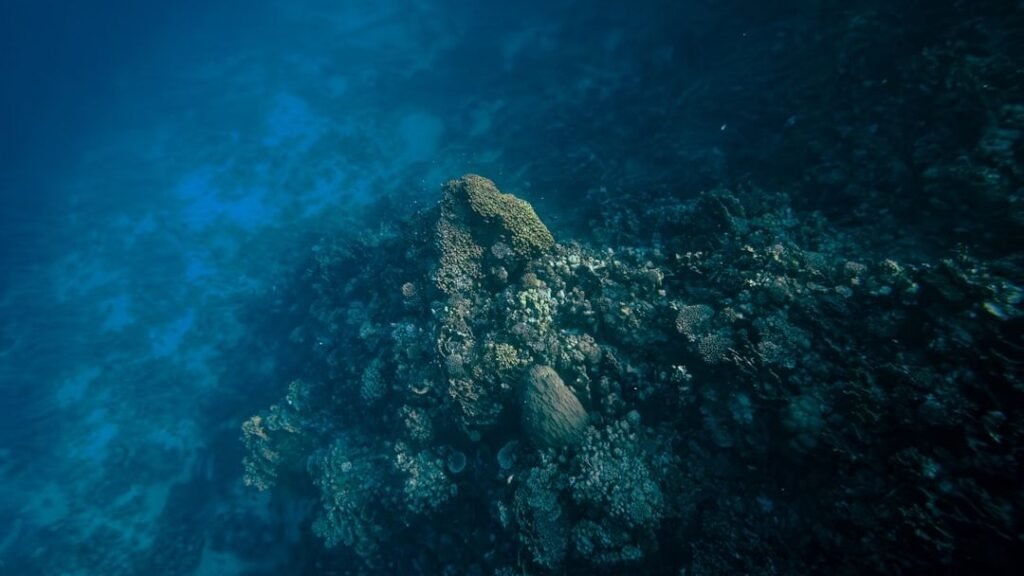
For a long time, many scientists assumed that such extreme pressure, cold, and darkness would be nearly incompatible with life. Yet when explorers dropped cameras and samplers into the trench, they found living communities: amphipods, snailfish, microscopic bacteria and archaea, all going about their business in an environment that would be instantly fatal to humans. These animals have flexible bodies, pressure-tolerant proteins, and membranes tuned to resist the crushing weight of the water around them.
To me, trench life is one of the most powerful reminders that “impossible” in biology is often just “not yet observed.” Some of these organisms use chemicals trickling from the seafloor rather than sunlight as an energy source, and many produce unique molecules to stabilize their cells under pressure. Those molecules have even attracted interest for biotechnology and medicine. Still, there are likely countless species we haven’t seen yet, living in cracks, sediments, and cliff faces far beyond the reach of most cameras – silent tenants of a world we barely touch.
The Strange Chemistry Of The Deep: More Than Just Cold, Dark Water
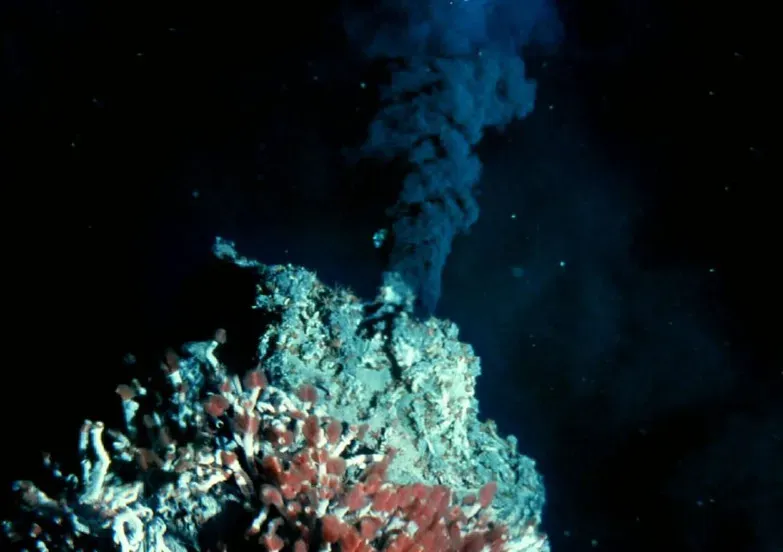
The water at the bottom of the Mariana Trench isn’t just ordinary seawater in a deeper container; its chemistry shifts subtly under that enormous pressure. Gases behave differently, minerals dissolve and re-form in unusual ways, and organic matter sinking from the surface is broken down along a unique chemical pathway. Tiny microbes work like microscopic refineries, transforming this constant “snow” of dead plankton and debris into new compounds that other trench dwellers can use.
There are signs that the trench may play a quiet but important role in long-term carbon storage, locking some of that organic material deep within sediments. At the same time, subducting plates drag sediments and trapped fluids down into the mantle, blurring the line between ocean chemistry and deep Earth processes. This chemical handshake between the surface and interior of the planet is still not fully mapped, and the trench is one of the most extreme frontiers where that handshake takes place.
Pollution In The Planet’s Abyss: Humanity’s Fingerprints At The Bottom
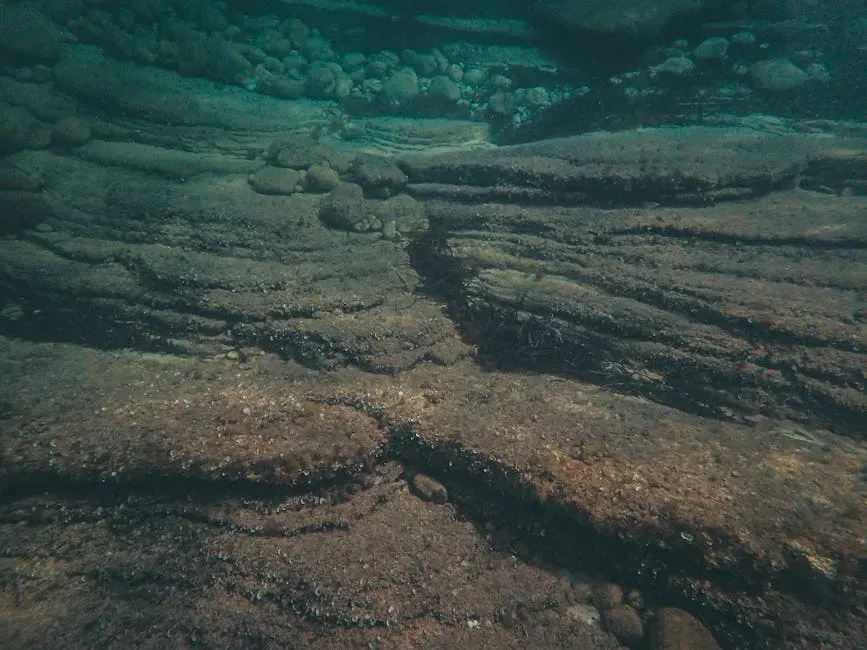
One of the most sobering discoveries of the past decade is just how far our waste has spread. Researchers have found traces of industrial pollutants, microplastics, and other contaminants in trench sediments and even in the bodies of deep-sea animals. That means the deepest parts of the ocean, places humans have physically visited only a handful of times, are already touched by our activities at the surface.
Some of these substances, like certain persistent organic pollutants, were produced in huge quantities during the twentieth century and then carried globally by air and water. Over time, they eventually sink and accumulate in deep basins like the Mariana. It’s unsettling, like leaving fingerprints on the moon without ever setting foot there. The big unanswered question is how these contaminants may be affecting trench ecosystems long-term, especially species that live slowly, reproduce rarely, and may be particularly vulnerable to subtle changes.
The Few Who Have Gone Down: Human Voyages Into The Deep
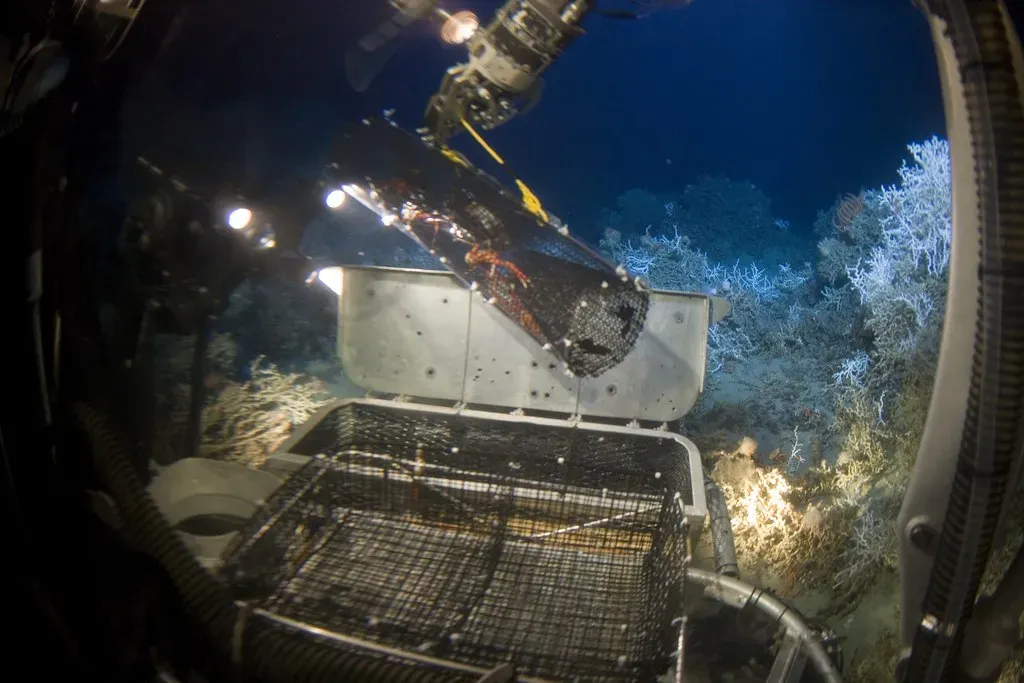
Despite all our technology, very few crewed missions have reached the bottom of the Mariana Trench. The earliest milestone came in the late nineteen fifties, when a deep-diving bathyscaphe carried two people to the Challenger Deep for just a short time. Decades later, a new generation of crewed submersibles and private expeditions pushed back into that darkness, each trip requiring custom-built craft with thick pressure-resistant hulls and carefully tested systems.
These journeys are so difficult and expensive that they feel more like space missions than boat trips, which is why they happen so rarely. Each descent captures public imagination, yet the ocean floor is still mostly mapped by remote sensing and uncrewed vehicles that can operate for longer and at lower risk. The irony is that we’re slowly getting better high-resolution maps of the trench from ships and satellites, but the lived human experience of being down there remains almost unimaginably rare.
Sounds From The Deep: Mysterious Noises In The Darkness
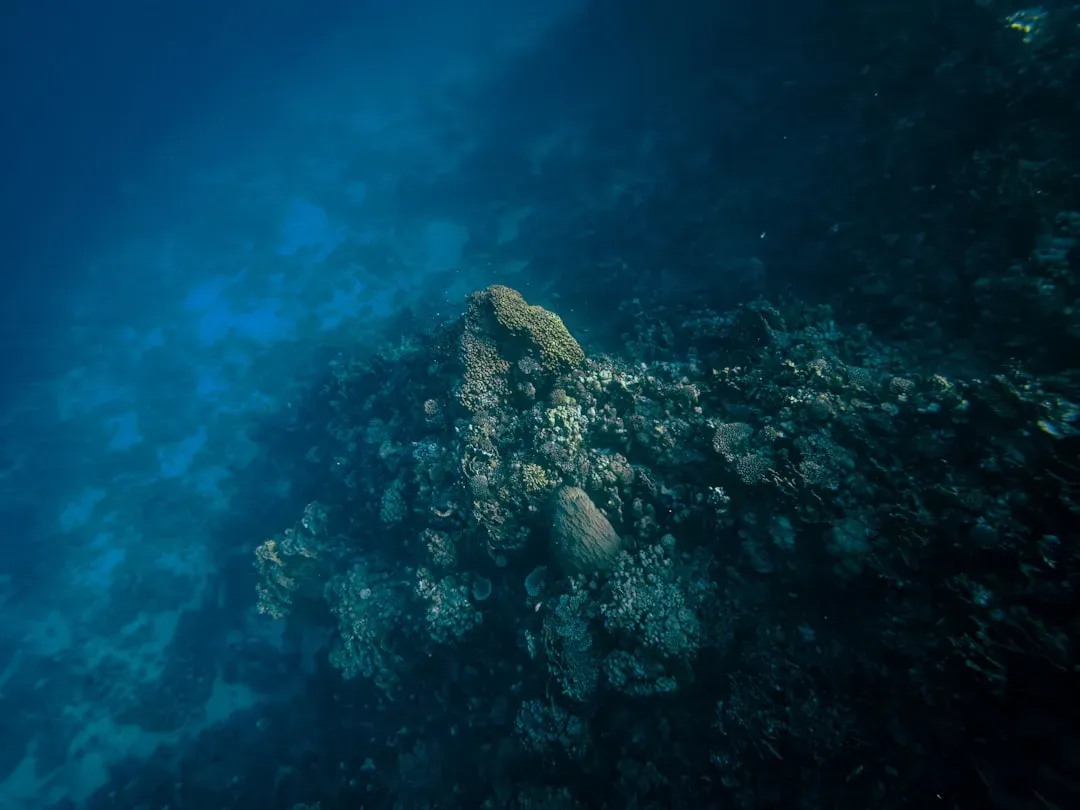
One of the most haunting aspects of the trench is that it’s not truly silent. Sensitive underwater microphones placed in deep areas have picked up distant earthquakes, the rumble of submarine landslides, the calls of whales far above, and occasional strange sounds that take time to interpret. Water transmits sound very efficiently, so the trench can act like a vast echo chamber for acoustic events happening hundreds or even thousands of kilometers away.
Some unusual sounds eventually get linked to known sources, like ice cracking, ship noise, or specific types of marine life. Others stay unresolved for years, figments caught in audio data waiting for a match. It reminds me a bit of listening to a foreign language radio station in the dark: you are sure there’s meaning in the noise, but you only grasp parts of it. Understanding that deep soundscape better might reveal new information about geological activity, animal migrations, and even human noise impacts that reach into the abyss.
Could The Trench Hide New Forms Of Life Or Even Life’s Origins?
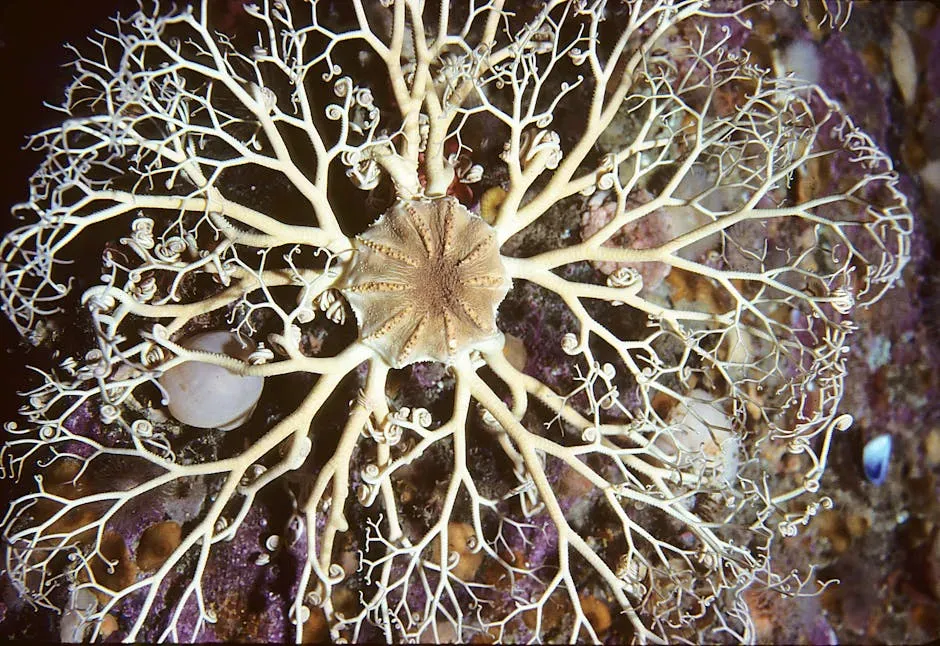
The extreme conditions in the Mariana Trench make it a natural testing ground for ideas about life on other worlds. If complex organisms and microbial communities can thrive in crushing pressure, near-freezing temperatures, and perpetual darkness, then maybe oceans under the ice of distant moons are less far-fetched as homes for life. Some scientists study trench microbes specifically to understand what life might look like on places like Europa or Enceladus, where sunlight never reaches the water.
There’s also a more controversial question: could environments like trenches, with chemical gradients and tectonic activity, have played a role in life’s early development on Earth itself? While most origin-of-life theories focus on shallower hydrothermal vents or tide pools, it’s not impossible that deep subduction-related settings contributed in ways we don’t fully grasp yet. Right now, the evidence is thin and indirect, so it’s better to treat that idea as an intriguing possibility rather than a settled story. Still, the mere fact that we can seriously ask it shows how much the trench stretches our imagination about where life can begin and survive.
The Limits Of Our Technology: Why So Many Questions Remain Open
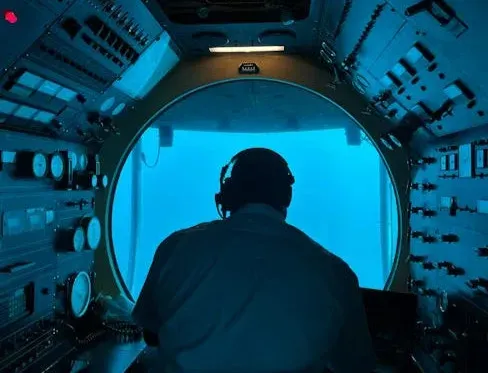
For all our talk of supercomputers and AI, sending reliable instruments eleven kilometers down is still brutally hard. Any small leak, wiring flaw, or structural weakness can become catastrophic under that pressure. Long-term monitoring is even tougher; leaving equipment in place for months or years demands a level of robustness we’re only gradually refining. So we get snapshots instead of movies, short visits instead of continuous observation.
That’s one reason the Mariana Trench is still full of unanswered questions about its ecosystems, chemistry, and geology. We don’t yet have a constant data stream the way we do with weather satellites or surface buoys. Each new mission fills a few gaps but reveals fresh mysteries lurking in the details, whether it’s an unexpected animal, an odd chemical signature, or a tiny tremor we don’t fully understand. In a way, the trench has become a mirror reflecting both our scientific progress and our technological limits back at us.
The Future Of The Trench: Protection, Exploration, And Respect
Looking ahead, the Mariana Trench sits at a crossroads between exploration and conservation. On one hand, better submersibles, distributed sensors, and improved mapping could transform our understanding in the next few decades, helping answer long-standing questions about deep life, plate tectonics, and global cycles. On the other hand, there are growing concerns about human impacts, from pollution to any future attempts at deep seabed mining in similar regions, which could disturb ecosystems we barely know.
I personally lean toward treating places like the trench as something close to an underwater wilderness: worth studying, worth visiting carefully, but not worth exploiting blindly. There’s a certain humility that feels appropriate when you’re dealing with environments that have existed in stable darkness for millions of years before our species even appeared. Maybe the greatest measure of progress will not be just the new data we collect, but how wisely we choose to act with what we learn.
Conclusion: A Dark Abyss That Still Illuminates Our Place On Earth
The Mariana Trench is often described as alien, but what strikes me more and more is how deeply it’s connected to everything else on this planet. It’s tied into the slow churn of tectonic plates, the global movement of water and chemicals, the reach of our pollution, and even the stories we tell about where life can exist. For a place so remote and hostile, it has a surprising amount to say about who we are and what kind of planet we live on.
We may never turn the trench into a thoroughly mapped and fully understood neighborhood the way we have with coastlines and continents, and maybe that’s okay. Some corners of Earth deserve to stay a little mysterious, if only to remind us that there are still frontiers left to explore with care and humility. The ocean’s deepest secret is not just its depth, but how much it reveals about our curiosity, our power, and our limits. When you think about that immense darkness miles below the waves, what do you find more unsettling: how little we know, or how much we’ve already changed it?