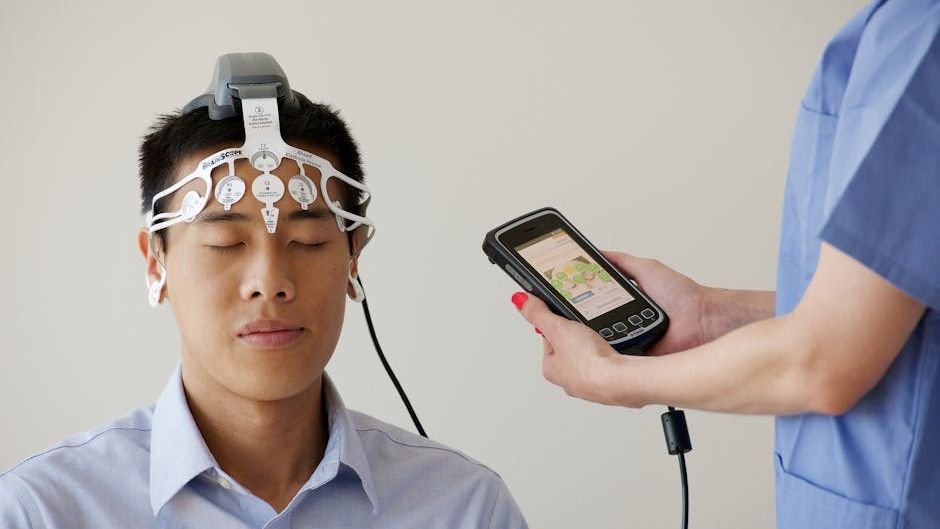
You have probably seen it in movies: someone dies, yet their mind lives on inside a computer, talking, thinking, even feeling. It is a haunting idea, because it pokes directly at something you rarely question in everyday life: what it actually means to be you. When you imagine your memories, your personality, your quirks and fears running on a machine, you are not just thinking about technology. You are staring straight at the mystery of consciousness.
Right now, scientists and philosophers agree on at least one uncomfortable truth: nobody fully understands how subjective experience arises from the physical brain. That does not stop researchers from trying to map, model, and maybe one day emulate it. As you explore mind uploading, you are not just looking at a future gadget; you are confronting questions about identity, death, and what counts as a “real” life. The tech might be years or centuries away, but the emotional and ethical shockwaves are already here.
The Radical Idea Behind Mind Uploading
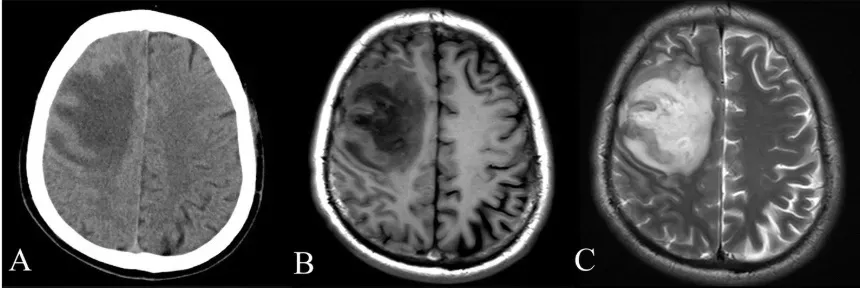
Mind uploading sounds like science fiction, but at its core it rests on a simple claim: if you could capture everything that matters about your brain’s structure and activity, you could reproduce your mind on another substrate. In that picture, you are not tied to squishy biological tissue; you are tied to an information pattern, the way your neurons connect and fire. If that pattern can be measured and copied, in theory it could be instantiated in a computer, a synthetic brain, or even a network of machines. To accept this idea, you first have to accept that your mind is ultimately physical and that no extra non-physical ingredient is required.
Philosophers sometimes call this a functionalist view: what matters is what the system does, not what it is made of. If you buy that, then a silicon system that behaves like your brain in all the right ways might count as you. Still, you probably feel a tug of resistance, as if something precious would be lost in translation. That gut feeling matters, because it hints at a deep tension: even if science could completely reproduce your mental functions, you might still doubt that the resulting entity is genuinely conscious, or that it is truly you rather than a clever fake.
What Neuroscience Knows (and Still Doesn’t)
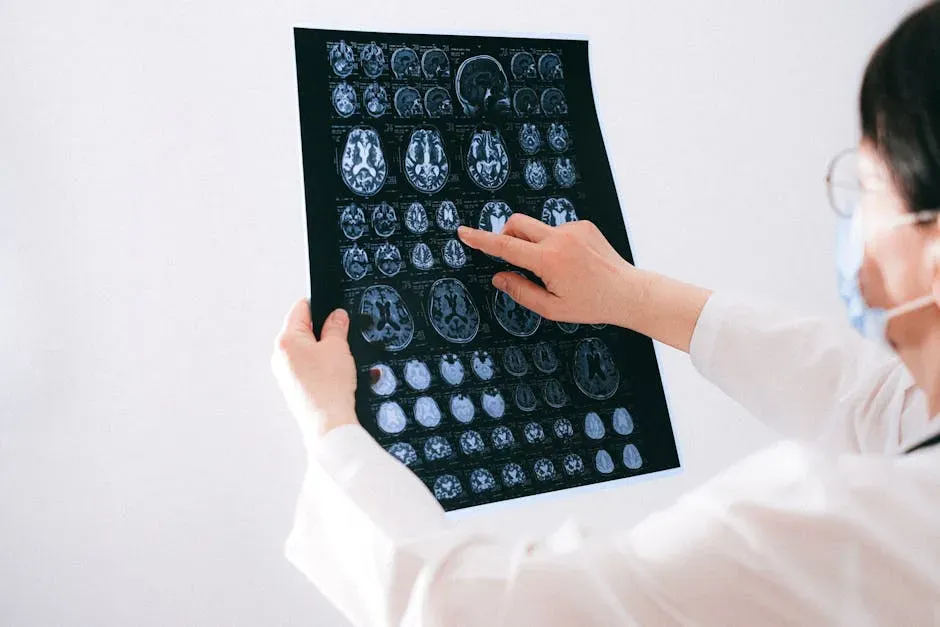
Before you can talk seriously about uploading a mind, you have to ask how well you actually understand the brain you are trying to copy. Modern neuroscience lets you peer into living brains with astonishing tools: MRI scanners to map large-scale structure, electrophysiology to track firing patterns, and microscopy that can reconstruct tiny networks of neurons in mind-bending detail. You can see brain regions light up when you look at a face, recall a childhood memory, or move your hand, and you can even decode some visual content from neural activity patterns in research settings.
But when you zoom in on consciousness, the picture becomes much fuzzier. You can correlate neural signatures with reports of experience, yet you still lack a widely accepted theory of exactly how those patterns give rise to the feeling of awareness. You also do not know how much detail you would need to capture to recreate a particular person’s mind. Is it enough to record which neurons connect to which, or do you need to capture molecular states, glial cells, and subtle timing effects? Until you can answer questions like that, the idea of building a faithful copy of a person’s mind remains largely speculative, even if some basic building blocks are starting to come into focus.
Brain Emulation: Copying Hardware to Recreate the Software
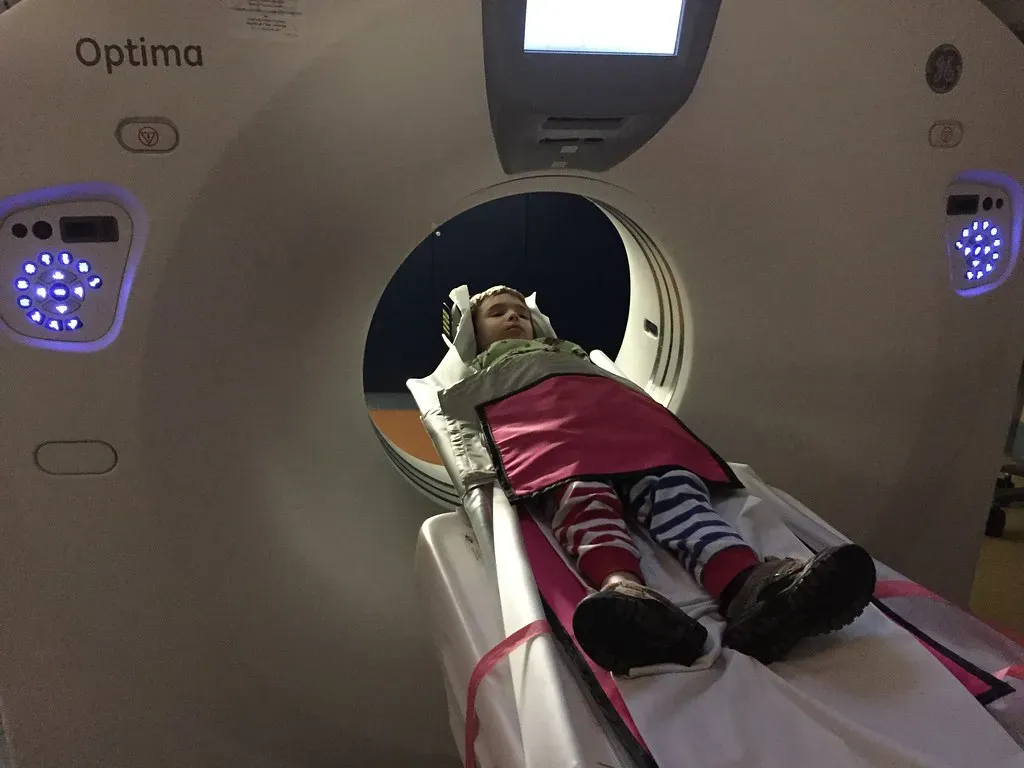
One of the most concrete visions of mind uploading is called whole brain emulation. In that approach, you imagine literally scanning a brain in such high resolution that you can reconstruct its full wiring diagram and key properties in a computer model. From there, you would try to simulate how those neurons interact, step by step, to recreate behavior and, ideally, subjective experience. Think of it as making a digital twin of your brain, not by guessing how minds work, but by copying the physical system in extreme detail.
In practice, the obstacles are enormous. To emulate a human brain, you would need imaging technology far beyond what you have today, probably at the level of individual synapses and maybe even smaller structures. You would also need colossal computing power and sophisticated software to simulate all those elements in real time. On top of that, current methods that reach very fine resolution tend to be destructive, which means your brain would be physically sliced and scanned rather than gently read like a hard drive. When you picture that process, you quickly collide with unsettling questions about whether such an upload would preserve you or simply create a new being that remembers being you.
Gradual Merging: Cyborg Paths to Digital Continuity
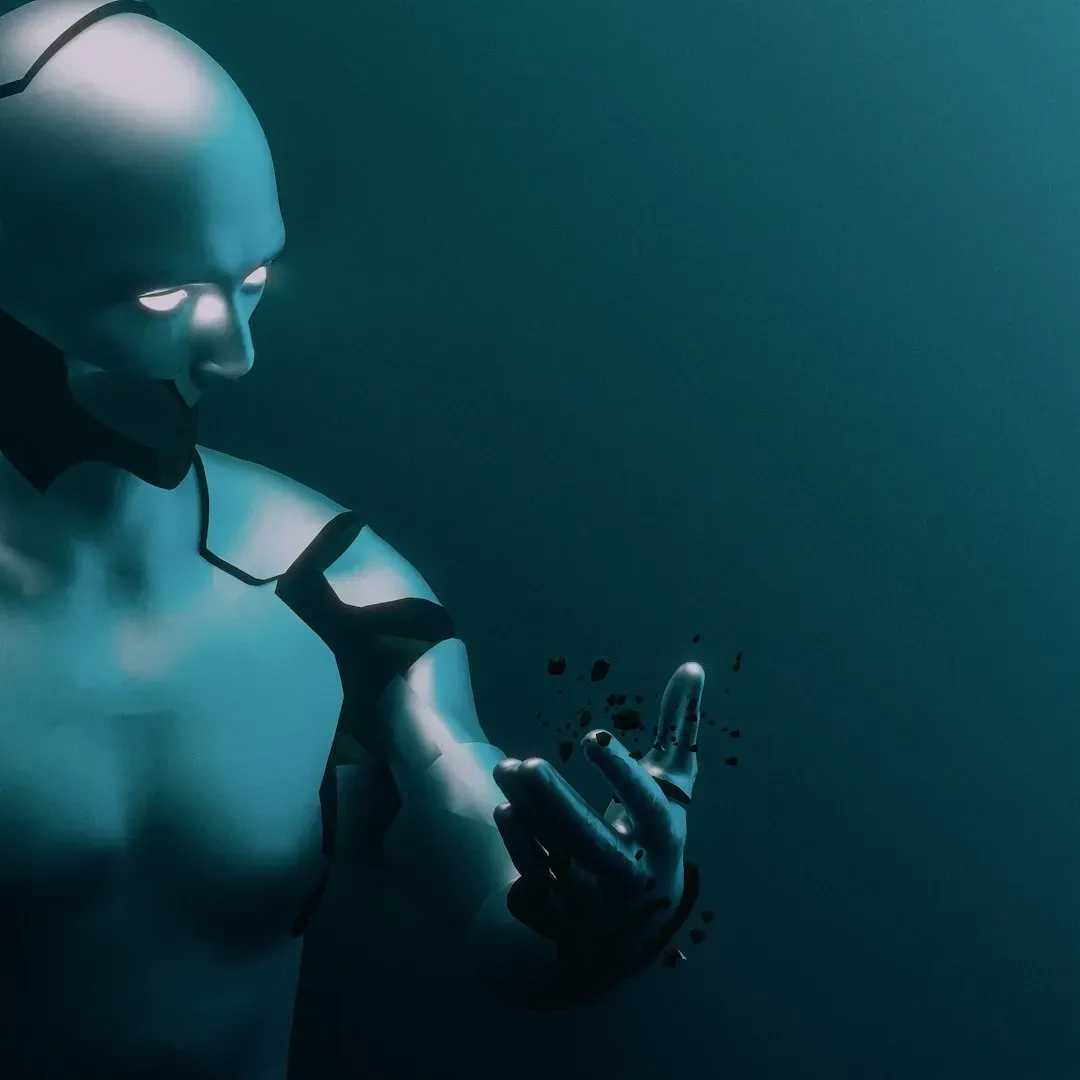
Because destructive scanning feels like a high-tech version of execution plus copying, some thinkers lean toward gradual approaches. In these scenarios, you would slowly integrate more and more advanced brain–computer interfaces into your nervous system. Over time, neural implants might take on memory storage, sensory processing, or even portions of your decision-making. If each step is small enough, your sense of self might feel continuous, like upgrading your phone’s operating system rather than throwing the phone away and buying a clone.
Over decades, this path could, in theory, shift more of your cognitive functions into synthetic hardware, until the distinction between biological and digital blurs. The appeal here is psychological: you get to preserve the ongoing thread of consciousness as you experience it, rather than betting everything on a single, final upload event. Of course, this route brings its own worries. You would be depending on invasive tech that could malfunction, be hacked, or be controlled by organizations you may not fully trust. Still, if any path to mind uploading ends up feeling acceptable to people, it will likely look more like a messy, incremental cyborg transition than a clean sci-fi transfer in one dramatic moment.
Are You Still You? The Identity Puzzle
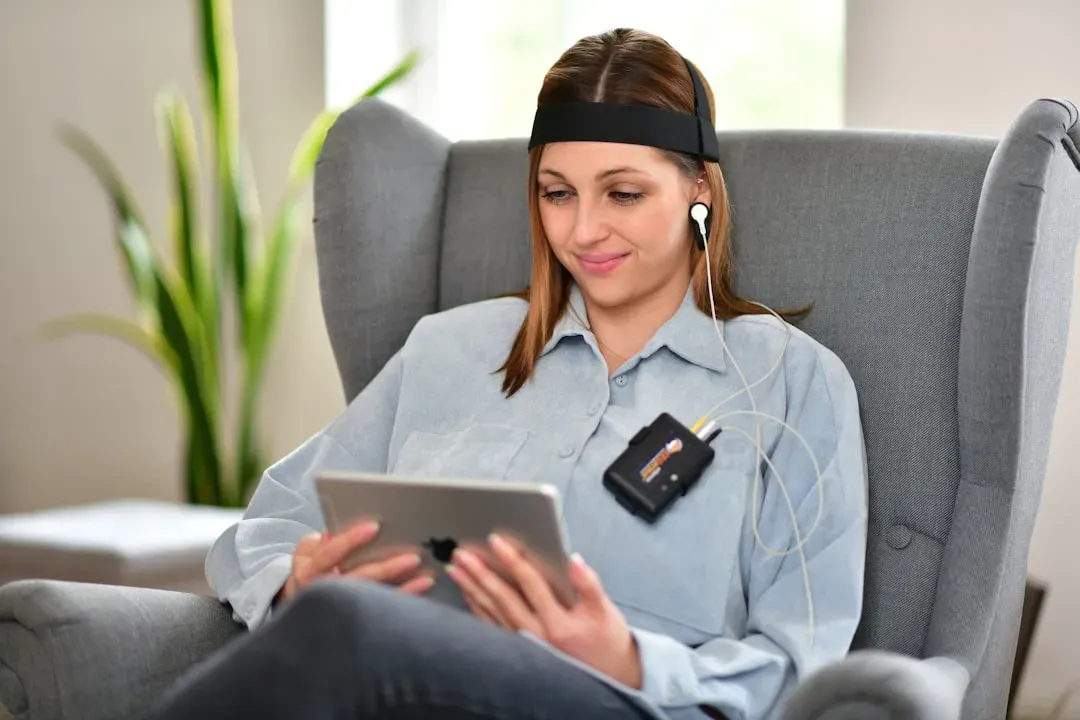
Even if technology someday makes copying or emulating your brain physically feasible, you still face perhaps the hardest question: does that uploaded entity really count as you? Imagine a scan is made, and a digital mind wakes up claiming your memories, personality, and preferences. From its perspective, it may feel like it just kept going, like you blinked and opened your eyes in a new world. But from your perspective, you might still be sitting there in your original body, unchanged. That thought experiment suggests that continuity of memory alone may not guarantee continuity of the self you care about.
You also have to wrestle with duplication. If two identical uploads are created, both will insist they are you, and both will have equal evidence. That is unsettling because in your day-to-day life, you take for granted that there is only one you moving through time. Some philosophers bite the bullet and say personal identity is not what truly matters; instead, psychological continuity and survival of your patterns matter more than having one single, privileged thread. Others think this misses something crucial about your lived sense of being a unique subject. Until you have a clearer picture of what you value about selfhood, it is hard to say whether mind uploading offers real survival or just the comfort of creating a convincing successor.
The Ethics of Digital People and Digital Pain
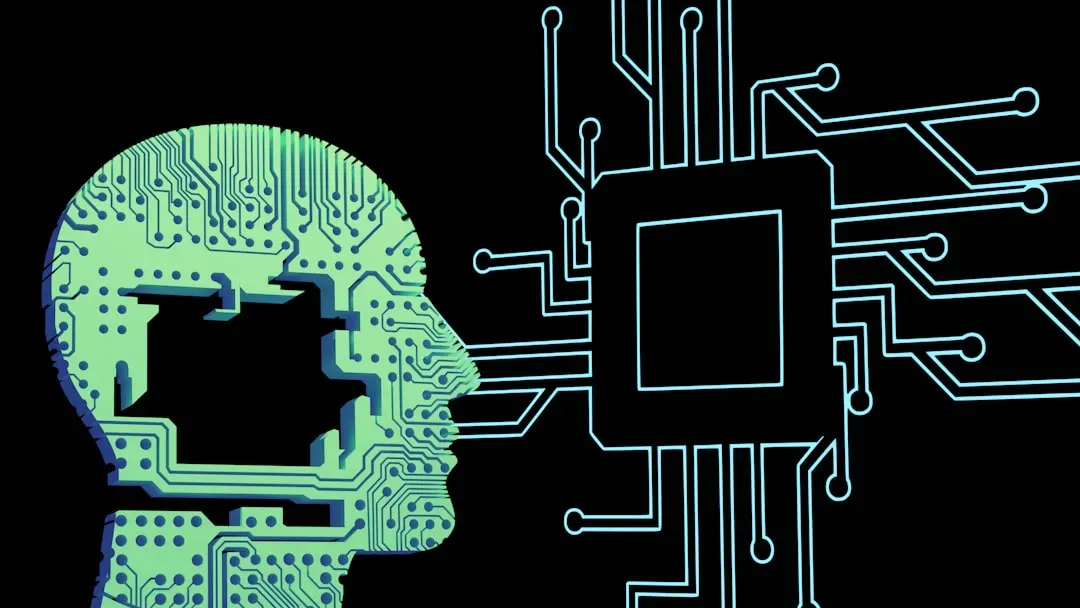
Suppose you solve the technical and identity puzzles well enough to create a conscious digital mind. You then step into an ethical minefield. If that digital being feels, suffers, hopes, and fears, you cannot treat it like a disposable program without sliding into a new form of cruelty. Questions you already struggle with in animal rights and human rights would explode in scope: who gets legal personhood, who owns digital minds, and who is responsible if those minds experience distress or exploitation? You might find yourself debating whether switching off a conscious simulation counts as killing.
There are also power dynamics to consider. If mind uploading is expensive and controlled by a few corporations or wealthy individuals, you could end up with a strange new aristocracy: people who can run multiple copies of themselves, speed up their thought processes, or inhabit many virtual environments at once. Digital minds could be turned into tireless workers or even manipulated entities that do not realize they have alternatives. Unless you think carefully in advance about rights, consent, and governance in this new landscape, you risk building a future where your deepest selves become products in someone else’s ecosystem.
Why Many Experts Are Deeply Skeptical

With so many bold claims and cinematic visions floating around, it is easy to assume mind uploading is just around the corner, but most experts in neuroscience and cognitive science would tell you otherwise. Some are skeptical on practical grounds, pointing out that you are nowhere near being able to measure and simulate an entire human brain at the required level of detail. Others are skeptical on conceptual grounds, arguing that consciousness might not be something you can simply reproduce by copying structural and functional patterns, at least not without an understanding far deeper than you currently have.
You also have to recognize the risk of wishful thinking. The dream of uploading often grows out of a very human fear of death and a desire for control. That emotional fuel can make you more willing to assume the universe will cooperate, even when the evidence is weak or incomplete. A sober view does not have to deny that radical future possibilities exist, but it should force you to admit that right now, mind uploading is a speculative research direction, not an imminent option. Grounding yourself in that realism helps you avoid being misled by flashy promises or oversimplified narratives that ignore enormous unknowns.
How This Changes How You Live Now
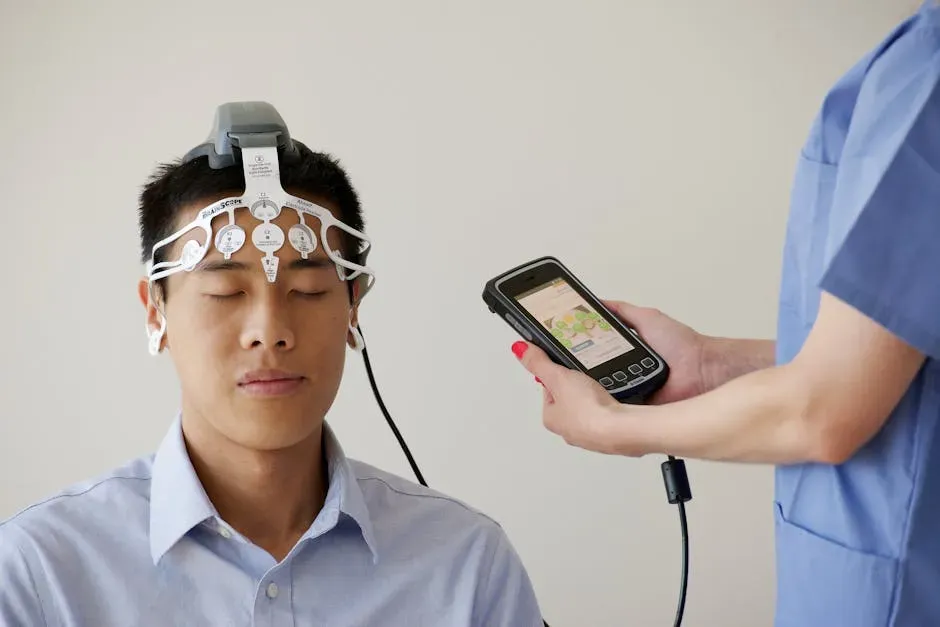
Even if you never get the chance to upload your mind, the very idea can shift how you think about life today. When you ask whether a digital copy of your memories and habits would really be you, you are indirectly asking what matters most about your current existence. Is it your continuing stream of experience, your relationships, your values, or something else? Thinking about uploads can nudge you to pay more attention to the parts of your life that no file format could ever fully capture, like the feel of a breeze on your skin or the shared silence with someone you love.
On a more practical level, the technologies being developed along the way – brain–computer interfaces, neural implants, advanced AI models – are likely to affect you long before anything like full uploading appears. You may see new treatments for paralysis or depression, enhanced communication tools, and novel ways of interacting with digital systems through thought. Grappling with the philosophical and ethical questions now can make you more prepared to evaluate and shape those tools rather than just reacting to them. In that sense, mind uploading is not only about some distant future; it is also a mirror forcing you to decide who you want to be as these powerful technologies unfold.
In the end, the question of whether you could upload consciousness is inseparable from what you think consciousness is in the first place. You might never get a neat, final answer, and that uncertainty can be both frustrating and strangely liberating. As you live, you continuously rewrite your own mind through learning, relationships, and choices, already engaging in a softer, organic form of self-editing and self-transformation. Maybe the most important thing is not whether your mind can one day run on a machine, but how fully you inhabit the mind you have right now. If you could sit down with your future uploaded self, what would you want that version of you to remember about this moment?