If you think of wildlife conservation in the United States, you might picture bald eagles soaring back from the brink and feel like the crisis has passed. But just beneath that hopeful storyline, there’s a tougher reality: some of America’s most remarkable animals are still slipping away in real time, often in places you might hike, fish, or even drive past every day. The battles over their survival are playing out quietly in forests, oceans, prairies, and even roadside ditches.
As you get to know these nine vanishing species, you’re not just reading about animals on a list; you’re walking into live court fights, controversial management decisions, and scrappy on-the-ground projects that can still tip the balance. You’ll see how your seafood choices, your driving habits, your lawn, and even the way you vote can nudge a species toward recovery or oblivion. By the end, you may find yourself looking at a butterfly, a salamander, or a patch of prairie in a very different way.
1. Red Wolf: The Ghost of the American South
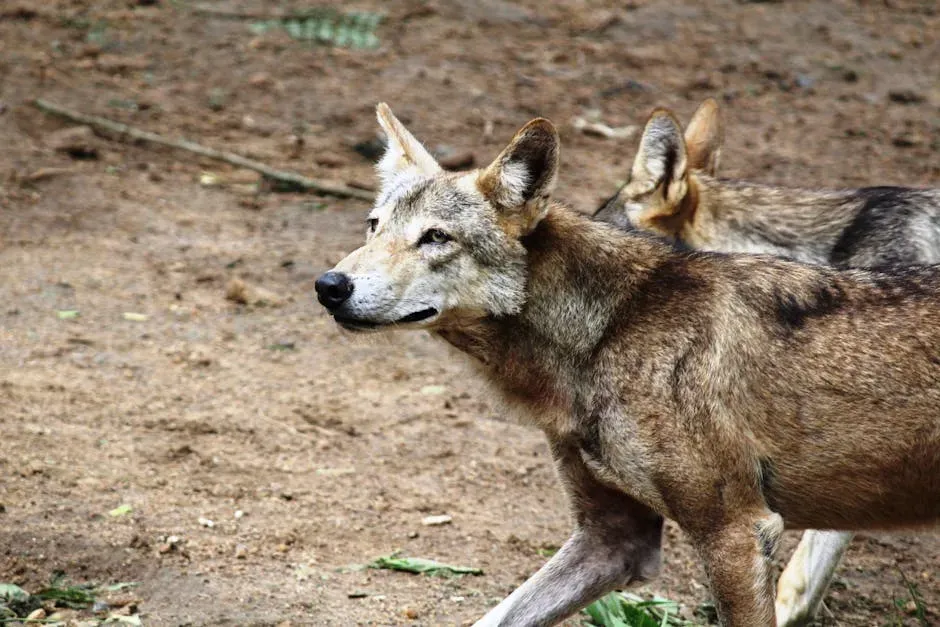
Imagine standing in a coastal North Carolina dusk and hearing a wild howl that almost nobody alive has ever heard: the call of a red wolf. Once spread across the southeastern United States, red wolves were pushed so close to extinction by hunting, predator control programs, and habitat loss that the species had to be declared extinct in the wild and rebuilt from a captive breeding program. Today, the only wild population clings to life in and around eastern North Carolina, where a few dozen animals pace a patchwork of public and private lands.
If you lived there, you’d be right in the middle of a long-running conflict about whether these wolves belong on that landscape at all. Some landowners worry about livestock or simply do not want a federal predator reintroduced onto their property, while biologists point out that red wolves help control overabundant deer and restore a missing piece of the ecosystem. You see lawsuits over hunting laws, nighttime spotlighting of coyotes that can accidentally kill wolves, and debates about how many animals should be released from captivity each year. When you think about red wolf conservation, you’re really thinking about a hard question: how much wildness are you actually willing to live next to?
2. Mexican Gray Wolf: A Second Chance in the Southwest
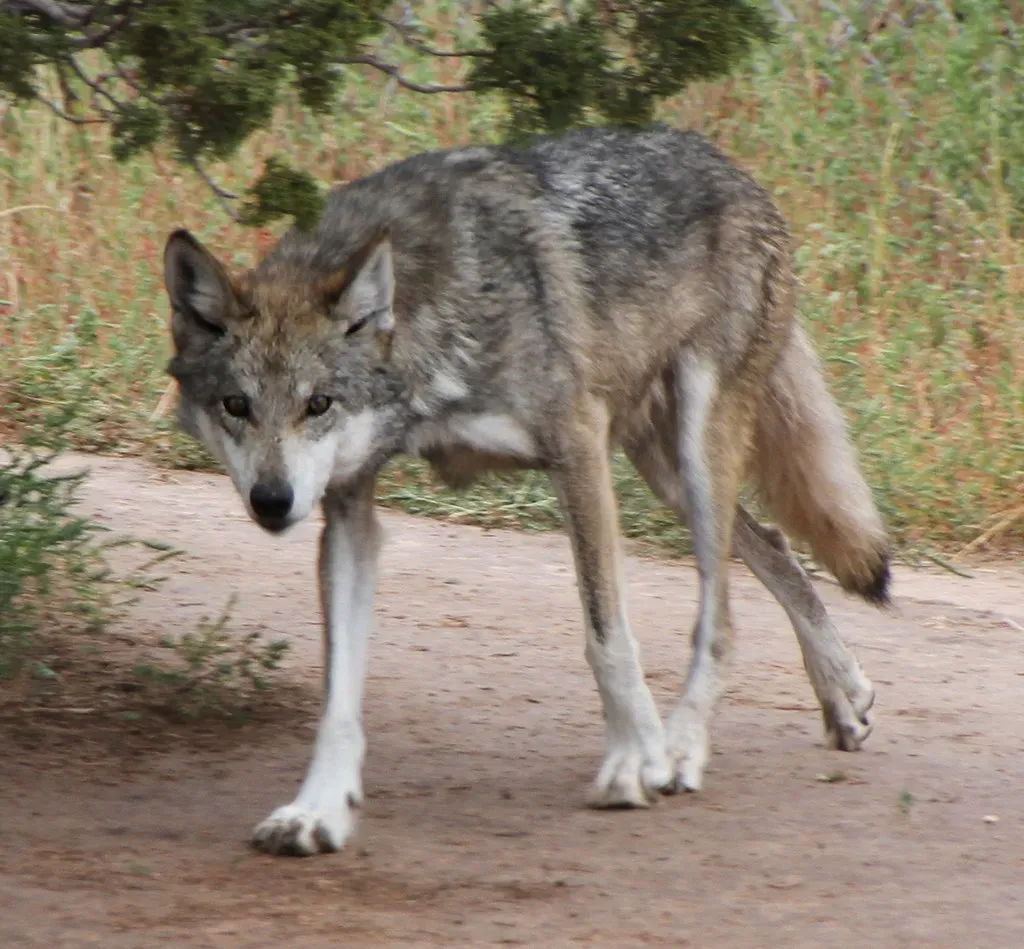
Head west in your mind to the mountains and forests of Arizona and New Mexico, and you run into the Mexican gray wolf, often called the “lobo.” This is the smallest and most southern-ranging gray wolf subspecies in North America, and it was nearly erased from the wild by predator control and bounty programs in the twentieth century. Federal biologists pulled the last few surviving animals into captivity and built a breeding program, then began carefully releasing wolves back into a designated recovery area spanning the two states.
If you ranch in that country, you feel the tension firsthand. Wolves can prey on cattle or sheep, and every loss is real money, even if compensation programs exist. On the other hand, if you value intact ecosystems, you see the lobo as a keystone predator that helps keep elk and deer from overrunning fragile habitats. Management plans now set population targets, radio-collar wolves, and sometimes remove or kill individuals that repeatedly take livestock. When you read about the Mexican gray wolf, you’re watching the long, messy experiment of trying to share a working Western landscape with a top predator that once had a bounty on its head.
3. North Atlantic Right Whale: A Giant in a World of Ship Traffic
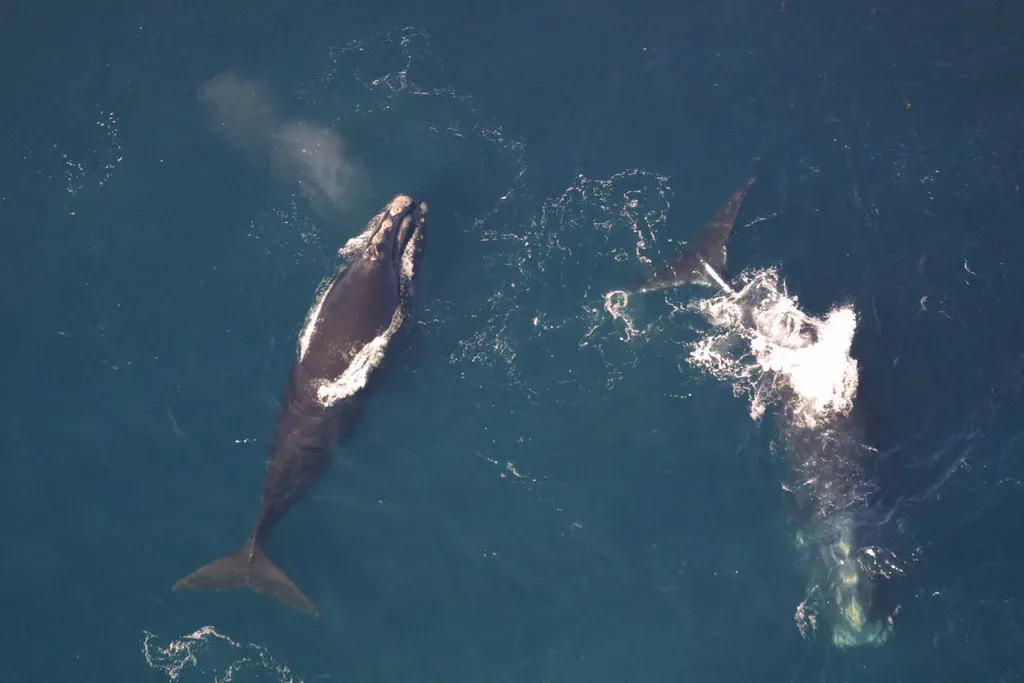
Now jump to the cold, gray waters off New England and the southeastern coast, and picture a massive dark whale surfacing just offshore. The North Atlantic right whale is one of the most endangered large whales on Earth, with only a few hundred individuals left. Centuries of commercial whaling nearly wiped them out, and even after the harpoons stopped, a new gauntlet appeared: busy shipping lanes, noise, and an ocean laced with fishing gear that can entangle and slowly kill these whales.
If you work in the lobster fishery or depend on maritime trade, you’re pulled straight into this conflict, whether you want to be or not. Restrictions on certain rope types, seasonal fishing closures, and speed limits for large ships are all designed to give right whales a better shot at survival, but they also change how you make your living. Conservation plans rely on things like weak links in fishing lines, ropeless gear trials, and speed rules in designated zones so whales have time to avoid collisions. When you think about ordering seafood or taking a whale‑watching trip, it’s worth remembering that the survival of this species hinges on how people balance ocean commerce with the quiet needs of an animal that surfaces only briefly, then disappears under the waves again.
4. Rice’s Whale: A Newly Named Mystery in the Gulf
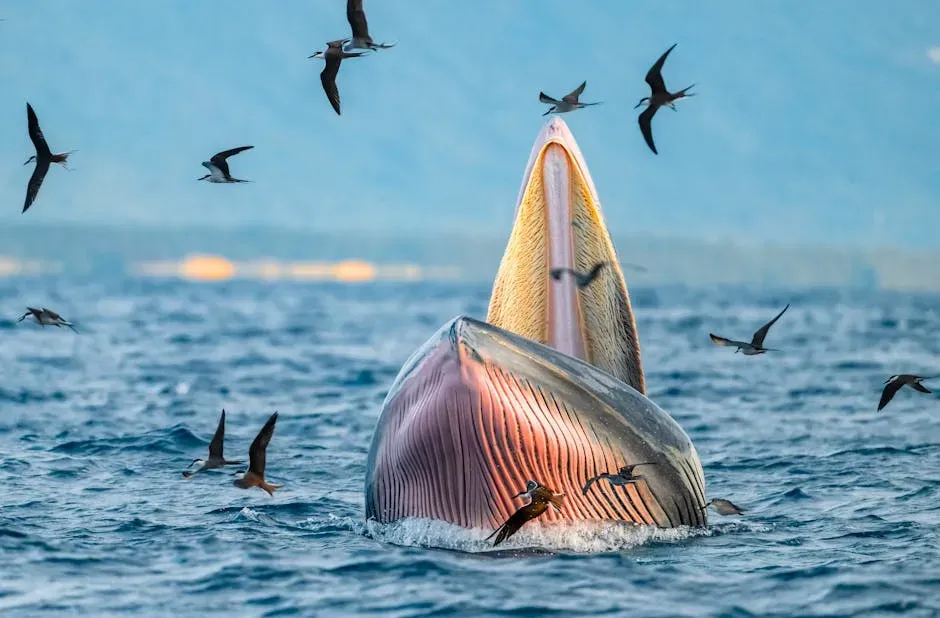
In the deep waters of the Gulf of Mexico, you have a whale that most people have never heard of, and that is exactly the problem. Rice’s whale, only formally recognized as a distinct species within the last few years, appears to number in the low hundreds or possibly fewer. It spends its life in a region crisscrossed by shipping routes and oil and gas infrastructure, including drilling platforms and associated noise and pollution risks. When you think about the Gulf, you might picture beaches and fishing, but far offshore, this whale is trying to survive in one of the most heavily industrialized seas on the planet.
If you care about this species, you quickly run into a lack of basic information. You do not have a complete map of its feeding areas, calving grounds, or migration routes, and yet management decisions about seismic surveys, ship speeds, and oil development are being made right now. Oil spills, chronic vessel noise, and nighttime ship strikes are all potential threats to a population with essentially no room for error. Protecting Rice’s whale asks you to accept a tough tradeoff: slowing or adjusting parts of a powerful regional economy for the sake of an animal almost no one will ever see in person, but whose existence says something about whether the Gulf can still support true wildness.
5. North American Wolverine: Ice, Isolation, and a Warming West
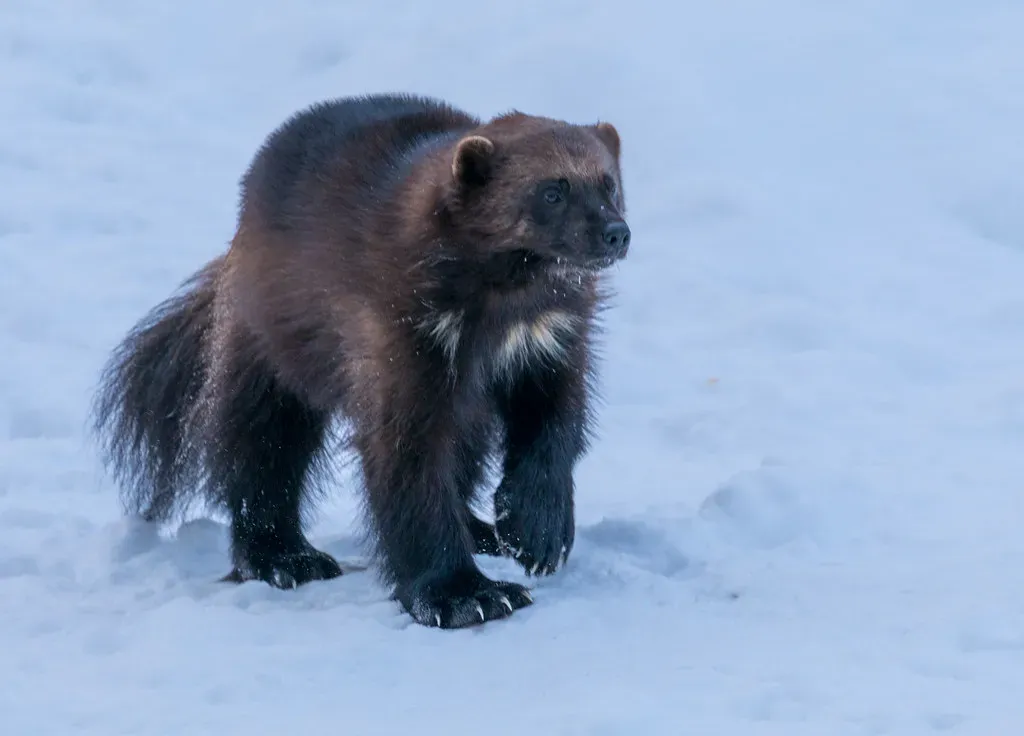
Picture a snow‑blanketed cirque high in the Rockies or Cascades, and imagine a stocky, fearless animal trotting across a snowfield, caching food in the cold like a living refrigerator. That’s the North American wolverine in the Lower 48, an animal that depends on late‑spring snow and remote, rugged terrain. Its numbers in the contiguous United States are small and widely scattered, and climate change is slowly eating away at the deep snowpack that females use for their dens.
If you love backcountry skiing, snowmobiling, or alpine development, you may not realize how your presence intersects with wolverines until you see a map of their habitat. Expanding roads, ski areas, and disturbance in high‑elevation zones can fragment territories that already stretch across hundreds of square miles. Recent federal decisions have granted the species threatened status in the Lower 48, recognizing that warming temperatures and habitat fragmentation pose a serious risk. Supporting wildlife corridors, thoughtful siting of recreation infrastructure, and strong climate policy becomes part of how you indirectly vote for or against the future of this tough, snow‑loving scavenger.
6. Eastern and Ozark Hellbender: The “Snot Otter” Beneath Your Feet
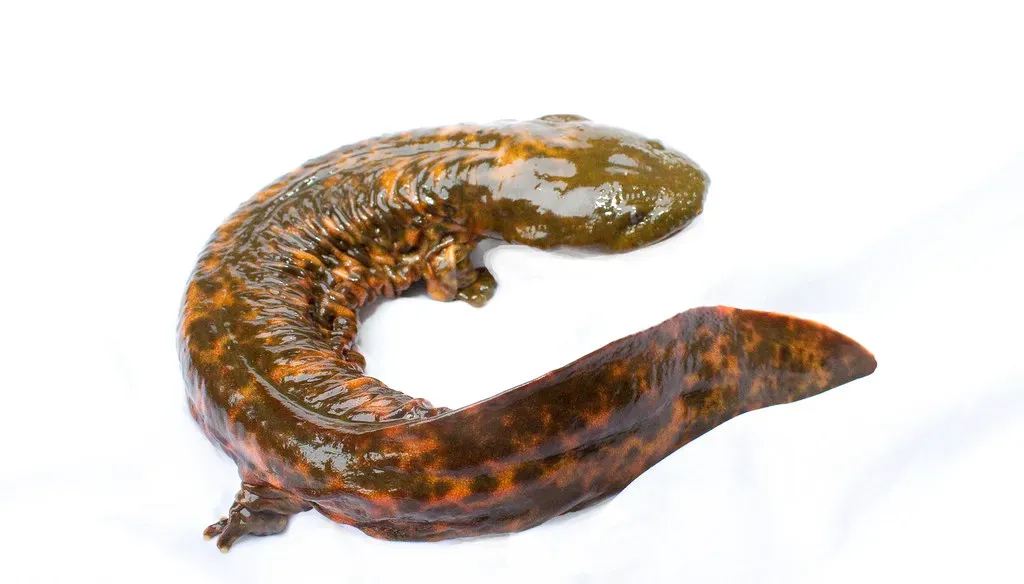
If you’ve ever waded in a cool Appalachian or Ozark stream and turned over a flat rock, you might have been inches from one of America’s strangest amphibians without realizing it. The hellbender, with its flattened body and wrinkled, lasagna‑like skin, can grow over two feet long and lives its entire life underwater. Eastern and Ozark hellbenders need cold, clear, well‑oxygenated streams with clean gravel and rock crevices where adults hide and lay eggs. When you cloud the water with sediment, dump pollutants, or allow livestock to trample banks, you quietly destroy hellbender real estate without ever seeing a salamander.
In many states, populations have crashed as streams warm, erode, and fill with silt, and in some places, the Ozark subspecies is listed as federally endangered. Biologists are responding with a surprisingly hands‑on approach: collecting eggs, raising young hellbenders in captivity until they are big enough, and then releasing them back into cleaned‑up stretches of river. Partnerships among zoos, universities, and state agencies are rebuilding sections of habitat, installing riparian buffers, and even placing artificial nest boxes. If you live in hellbender country, the way you manage your land, your septic system, and your local streams directly shapes whether future kids will ever discover a “snot otter” gliding under a rock where they’re swimming.
7. American Burying Beetle: A Nighttime Undertaker in Decline
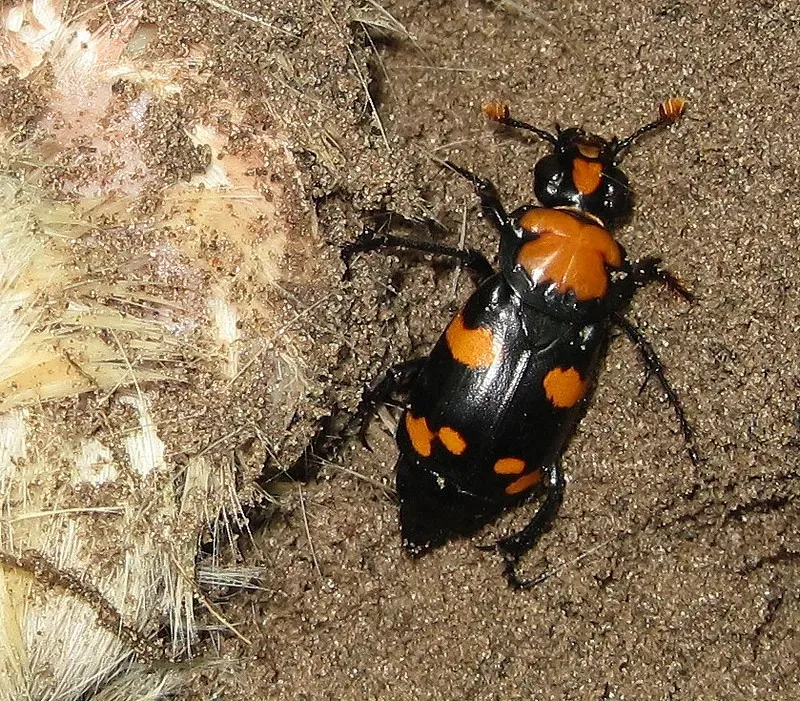
On a summer night in tall grass or open woodland, an American burying beetle might be hard at work performing one of nature’s most unglamorous but vital jobs. This large, black‑and‑orange insect finds small dead animals like mice or birds, buries the carcass, and uses it as a food source for its larvae. Once widespread across much of eastern North America, it now survives in scattered pockets, and conservation scientists are still piecing together exactly why it vanished from so much of its range.
Habitat fragmentation, changes in the availability of suitable carrion, pesticides, and perhaps competition from invasive species all appear to play a role in its decline. Even though it has been downlisted under federal law from endangered to threatened, the species is still considered at very high risk globally, and the debate over its true status can get political when development or energy projects overlap with its last strongholds. Field biologists now trap beetles at night, monitor populations, and sometimes reintroduce them to restored grasslands to see where they can persist. When you support large, connected patches of native prairie or avoid unnecessary pesticide use, you’re doing more than helping a beetle; you’re backing an entire hidden cleanup crew that keeps ecosystems cycling nutrients out of death and back into life.
8. Monarch Butterfly: The Vanishing Icon in Your Backyard
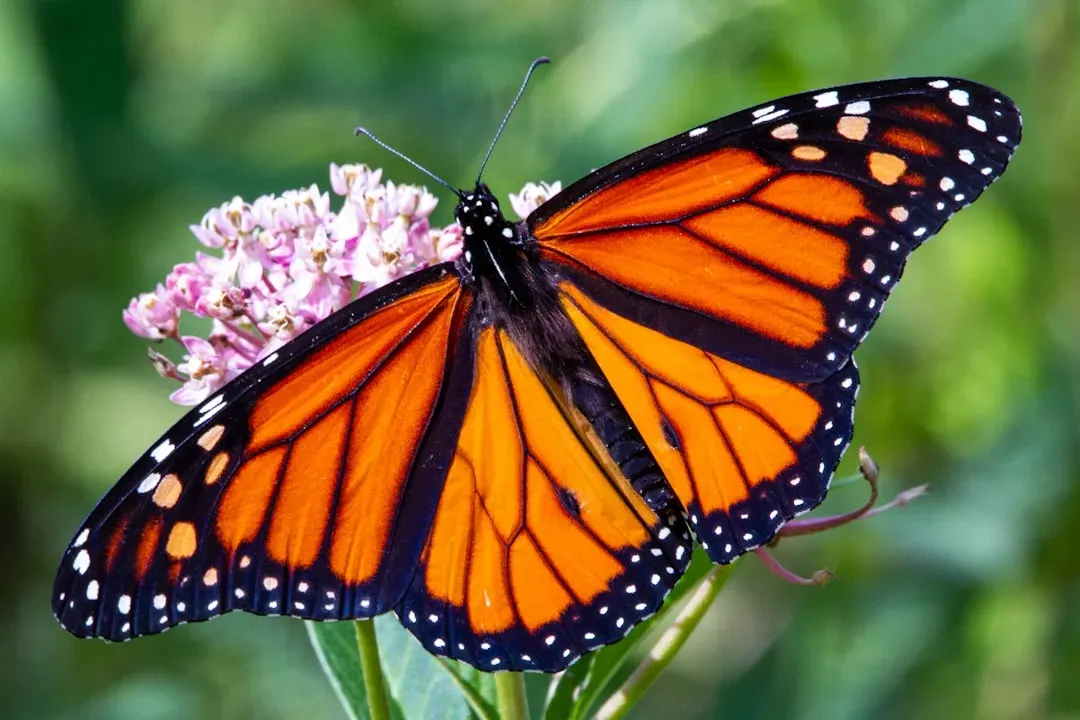
Unlike some of the species here, you actually know this one, and you probably grew up tracking its orange and black wings across late‑summer gardens. The monarch butterfly performs one of the most astonishing migrations on the planet, with multiple generations making their way from the United States and Canada to overwintering sites in Mexico and along the California coast. Over recent decades, however, monarch numbers in many regions have dropped sharply, linked to habitat loss, widespread herbicide use that wipes out milkweed, and climate‑driven weather extremes along migration routes.
This is the endangered story that literally lands in your yard, and that’s where you hold real power. By planting native milkweed and nectar plants, cutting back on insecticides, and supporting roadside and utility‑corridor habitat projects, you’re building a string of life‑saving pit stops for migrating monarchs. Larger‑scale efforts to protect Mexican fir forests where eastern monarchs overwinter and to restore California’s coastal groves are equally crucial, but they depend on political will and funding. When you watch a monarch loop past your porch, you’re seeing the result of hundreds of small decisions made by people like you between that butterfly’s birthplace and its winter refuge.
9. Lesser Prairie-Chicken: A Prairie Dancer on the Edge
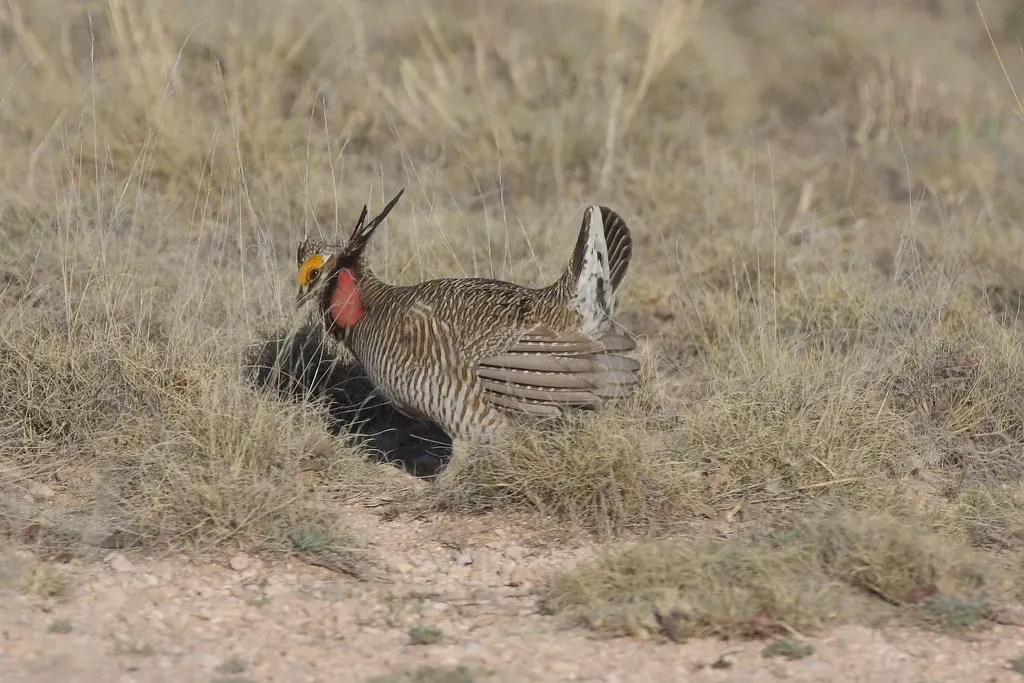
At dawn on a windy spring morning in the southern Great Plains, male lesser prairie‑chickens gather on open “leks” to stamp, boom, and strut with inflated orange air sacs glowing against the grass. This ritual is one of North America’s great wildlife spectacles, and it’s disappearing as native prairie is plowed, grazed intensively, fragmented by roads and energy infrastructure, and eaten away by encroaching shrubs and trees. Once widespread across parts of Kansas, Oklahoma, Texas, Colorado, and New Mexico, the species has lost a huge share of its habitat and now persists in a much more patchy pattern.
When you drive past wind turbines, oil pads, or endless fields of monoculture crops in former grassland country, you’re seeing the backdrop for this bird’s decline. Conserving lesser prairie‑chickens means keeping large, unbroken stretches of native vegetation, adjusting grazing practices, and carefully siting new infrastructure to avoid the most critical leks. Landowners, tribes, conservation organizations, and state and federal agencies are negotiating voluntary conservation agreements and incentive programs to keep prairies intact. If you eat beef from ranches that prioritize native grassland health or support policies that reward habitat conservation, you’re casting a quiet vote for those strange, booming dances to continue on the horizon.
Conclusion: Your Piece of the Battle for the Wild
When you step back and look across these nine species, a pattern starts to emerge: none of them are vanishing purely by accident. Wolves falter when you decide predators do not belong near people, whales suffer when you treat the ocean as a highway and a factory, salamanders disappear when you turn clear streams into muddy drains, and butterflies crash when your landscapes trade diversity for convenience. At the same time, every recovery story you’ve ever heard began when someone like you decided that losing a species was simply not acceptable and acted on that belief.
You do not have to be a biologist to join these conservation battles; you just have to notice where your own life touches theirs. You can ask how your seafood is caught, plant milkweed and native flowers, support dark, quiet streams and clean rivers, back leaders who take climate and habitat seriously, and give time or money to groups monitoring these animals on the ground. You live in a country wealthy enough and scientifically capable enough to save all nine of these species if the collective choice is made to do it. The question that lingers is simple and a little uncomfortable: when future generations ask what you did while these animals were hanging in the balance, what story do you want to be able to tell?