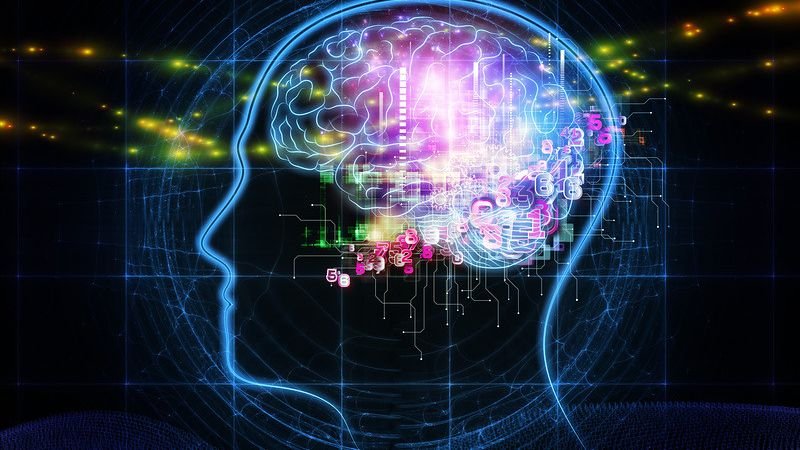

You wake up, open your eyes, and instantly there is a world: colors, sounds, memories, worries, hopes. All of that somehow arises from about eighty billion cells firing tiny electrical signals in your skull. When you stop and really think about that, it is almost shocking that any of this works at all. How can simple electrochemical events add up to the rich, continuous movie you call your life?
Neuroscientists have not solved consciousness yet, and anyone who claims they have is overselling it. But you do not need a final answer to start understanding some powerful ideas about how awareness might emerge from vast neural networks. As you explore these ideas, you begin to see your brain less like a static machine and more like a living orchestra, constantly tuning and retuning itself to play the electric symphony of your mind.
The Brain as an Electric City of Networks
If you could shrink down and walk through your brain, it would feel less like a solid organ and more like a glowing city seen from above at night. Every neuron is like a tiny building flicking its lights on and off, while highways of axons carry electrical traffic from one neighborhood to another. You are not dealing with a single, simple circuit; you are dealing with layer upon layer of networks, all buzzing at different rhythms and talking to each other at once.
In this electric city, no single neuron knows what “you” are, just like no single light bulb knows what a skyline is. Yet when billions of them fire in coordinated patterns, a new level of organization appears: thoughts, feelings, images, and intentions. You can think of consciousness as the citywide pattern that emerges from the local chatter of these neural neighborhoods. Instead of asking which neuron is conscious, you start asking how large-scale patterns of activity might give rise to the unified experience you live from moment to moment.
Spikes, Synapses, and the Language of Neural Codes
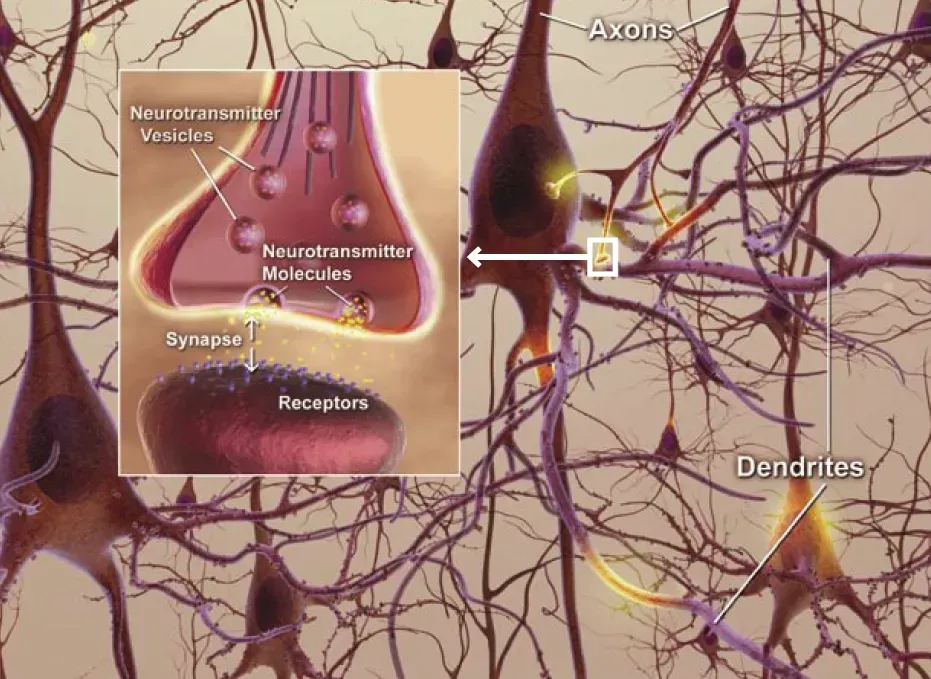
At the microscopic level, your brain speaks in spikes: brief electrical pulses that neurons send down their axons. Each pulse might last only a thousandth of a second, but the timing and pattern of these spikes carry information. Synapses, the tiny junctions between neurons, act like adjustable volume knobs, turning the influence of one cell on another up or down depending on past activity. Over time, these knobs are constantly tweaked, shaping how signals flow through the network.
You can picture this like a massive crowd doing a stadium wave. Each person’s decision to stand and sit is simple, but the timing, speed, and shape of the wave encode something about the group’s coordination. In your brain, different neural codes have been proposed: some rely on how often neurons fire over time, others on the exact millisecond timing, and still others on the precise pattern across many cells at once. Conscious experience may depend on special kinds of codes that allow information to be broadcast, integrated, and made available to many different brain systems at the same time.
From Islands of Processing to a Global Workspace
Your brain is full of specialized regions that each handle their own jobs: some deal with vision, others with sound, others with movement, language, or memory. If these areas could not share information, you might still process images or sounds unconsciously, but they would never come together into the seamless, multi-sensory world you experience. One influential idea suggests that consciousness arises when information escapes these local “islands” and gets promoted into a kind of global workspace.
You can imagine this workspace like a stage in a theater. Many unconscious processes operate backstage, preparing props, rehearsing lines, and checking cues. Most of this never reaches your awareness. But when something becomes important enough – say a sudden loud noise or an emotionally charged memory – it gets pushed onto the brightly lit stage. Once it is there, many different brain systems can access and use it: you can talk about it, remember it, plan around it, or feel emotions about it. In this view, consciousness is what it feels like when information is globally shared in this electric theater of the mind.
Rhythms, Synchrony, and the Binding of Experience
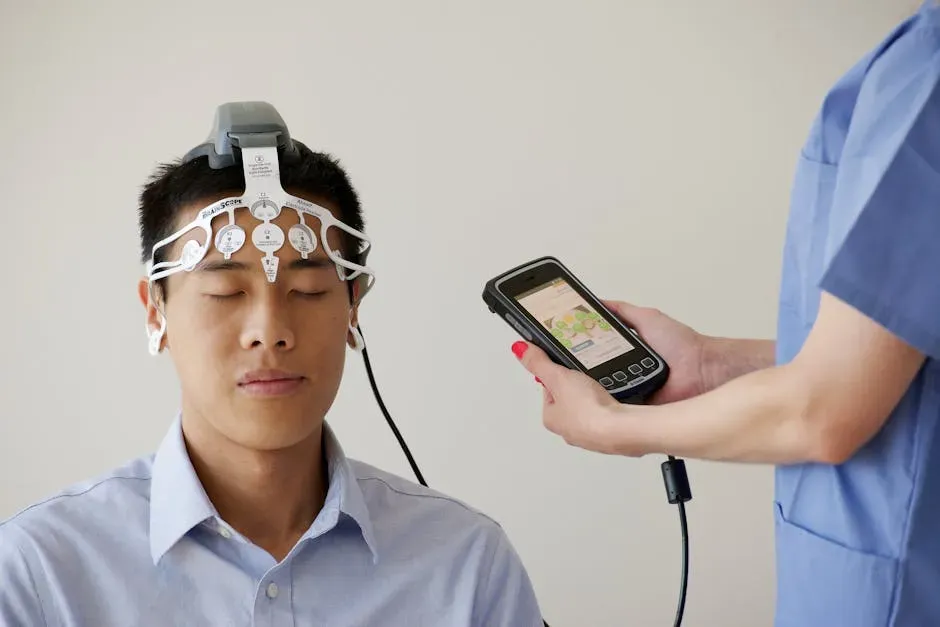
Your neurons do not just fire randomly; they tend to form rhythms, a bit like musical instruments locking into a beat. Different brain areas pulse at different frequencies – some slow, some fast – and these oscillations can sync up when regions need to communicate. When you pay attention to something, for example, parts of your visual cortex and frontal cortex often start oscillating together, as if two sections of the orchestra are suddenly playing in the same tempo.
This synchrony might help solve a deep puzzle: how you experience the world as unified instead of fragmented. When you look at a red ball, separate brain regions process its color, its shape, its motion, and its location. Yet you do not feel separate streams; you feel one coherent object. One possibility is that neurons representing different features of the same thing fire in a coordinated rhythm, effectively binding them into a single percept. Consciousness, in this rhythm-based view, could depend on large-scale synchrony that knits together what would otherwise be scattered sparks of activity into a single, flowing experience.
Complexity, Integration, and the Edge Between Order and Chaos
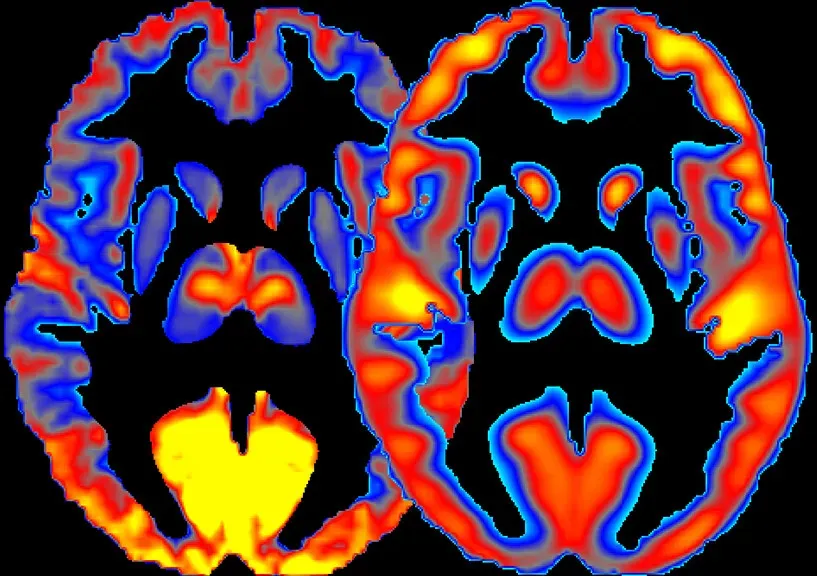
If your brain were too orderly, like a perfectly synchronized military parade, it would not be very flexible or creative. If it were too chaotic, like random static on a broken television, it would not preserve information long enough for you to think or act. Instead, your neural networks seem to operate on a delicate edge between order and chaos, where patterns are structured but still capable of rich variation. This balance allows you to both integrate information into a coherent whole and explore countless possible configurations.
Some theories suggest that consciousness depends on this sweet spot of complexity and integration. You can think of it like a jazz band: there is enough structure that everyone is playing the same song, but enough freedom that new melodies can emerge on the fly. In your brain, this might mean that many different regions share information in a highly interconnected way, while still maintaining distinct specializations. When integration is high and supported by rich, differentiated patterns of activity, your experience feels vivid, stable, and full of detail. When it is low, your awareness can fade, fragment, or disappear, as it does in deep sleep or under anesthesia.
What Artificial Neural Networks Teach You – and What They Cannot
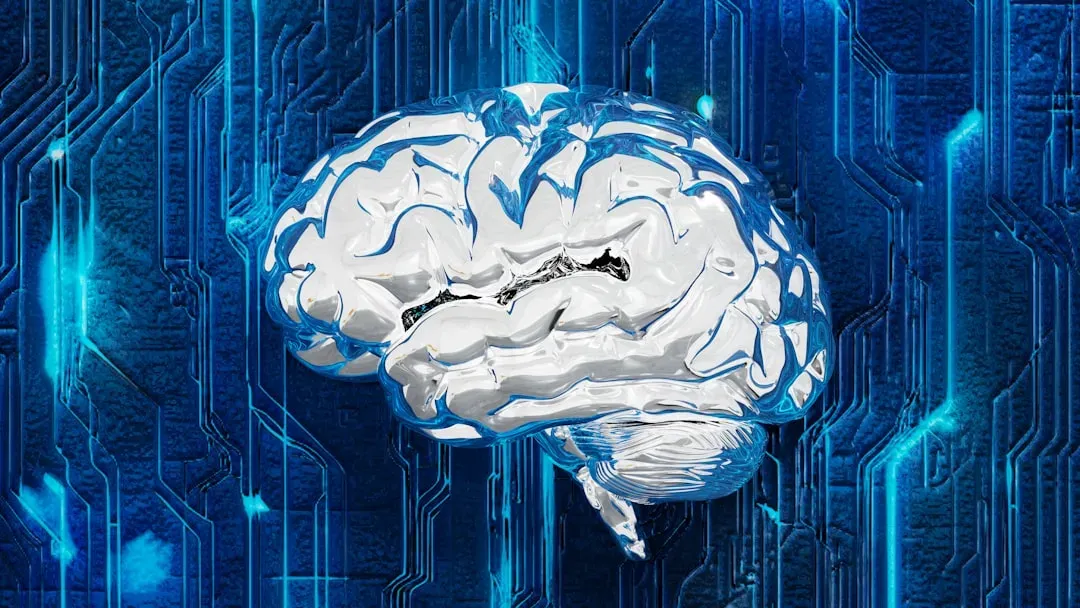
When you look at modern AI systems, you are seeing a crude echo of what your brain does. Artificial neural networks stack layers of simple units that adjust their connections based on experience, somewhat like synapses changing strength as you learn. These models can recognize faces, translate languages, and even generate fluent text, all by shaping patterns of activity in large networks. Studying them gives you a concrete way to test ideas about how complex behavior might emerge from simple components.
But there are important caveats if you are trying to connect AI to your own consciousness. Most artificial networks today lack the rich, recurrent wiring, continuous self-monitoring, and bodily grounding that your biological brain has. They process inputs and produce outputs, but they do not obviously have a unified, ongoing point of view. When you compare brain networks to artificial ones, you should treat AI as a kind of thought experiment or model rather than a proof that machines already share your inner life. The contrast can help you see what might be missing for genuine subjective experience to arise.
Attention, Self, and the Feeling of Being “You”
So far, you have looked at patterns, rhythms, and networks, but none of that explains why any of it feels like you. One key piece seems to be attention: the brain’s way of selecting some signals for deeper processing while filtering out the rest. When you attend to something, neural circuits enhance certain inputs, link them to goals and memories, and hold them in a kind of working buffer. This selected information is more likely to enter the global workspace, be integrated, and become part of your conscious scene.
Layered on top of attention is your sense of self, which is not a single structure but a collection of processes. Some brain networks track the body, others track your position in space, and others track your memories, traits, and social relationships. When these systems coordinate, they generate the feeling of being a continuous subject who owns experiences and makes decisions. You can think of “you” as the narrative your brain constructs from this ongoing self-model interacting with the electric symphony of perception, thought, and emotion.
Limits, Mysteries, and How to Live with an Unfinished Theory
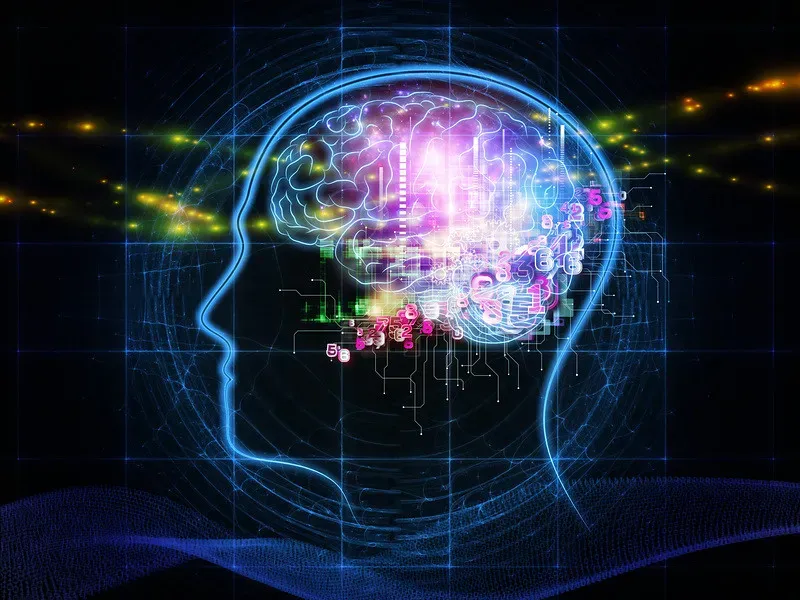
Even with all these ideas – global workspaces, synchrony, integration, self-models – you are still left with a stubborn mystery: why any of this should be accompanied by experience at all. This is sometimes called the hard problem of consciousness, and it reminds you to be humble. You can map brain activity and link it to reports, but the jump from physical processes to subjective feeling remains unexplained. That does not mean you are lost; it just means the story is still unfolding.
In practice, you can still learn a lot about your own mind from what is already known. You can notice how attention shapes your experience, how sleep and stress change your neural rhythms, and how practices like meditation or focused learning might reshape your networks over time. You are, in a very real sense, both the musician and the music: your brain’s wiring shapes your consciousness, and your habits and choices feed back to reshape that wiring. The theory is unfinished, but the life you are living inside this electric symphony is very real – and you get to keep listening, questioning, and gently tuning the instrument as you go.
In the end, you do not need a final equation for consciousness to feel the wonder of it. Every ordinary morning when you wake up, your brain silently pulls off a feat that outstrips any technology you have built so far. You ride the waves of neural rhythms, inhabit a self that your networks construct, and watch a world appear out of electrical sparks. Maybe the better question is not just how this symphony works, but what kind of person you want to become while you are still able to hear it. What note do you want your own mind’s music to leave behind?