You probably picture the deep ocean as a cold, lifeless void, a place where sunlight dies and nothing much happens. But if you could drop down a few kilometers beneath the waves, you’d find a world that looks more like an alien planet than anything on land. Strange animals glow in the dark, hot springs blast out metal-rich fluids, and entire food webs run without a single ray of sunlight.
As scientists explore these hidden places with submarines and robotic vehicles, they keep stumbling on discoveries that quietly rewrite what you think life needs to survive. The deep sea is forcing you to loosen your grip on old assumptions: that life depends on sunlight, that complex ecosystems are fragile, or that Earth’s extremes are mostly empty. Once you see what is actually happening down there, your sense of what is “normal” for life on this planet shifts in a pretty dramatic way.
The Sunless World Where Life Still Thrives
Take away sunlight from your daily life and everything collapses fast: crops fail, food chains fall apart, and even your mood takes a hit. So it feels almost outrageous to learn that the vast majority of Earth’s habitable space lies in permanent darkness under the sea. Down there, beyond the reach of light, life has built a different kind of normal, one where production, competition, and survival all play out without a sunrise.
In this world, you’re not dealing with gentle twilight but near-total blackness, crushing pressure, and temperatures that can be just above freezing. Yet fish, worms, jelly-like predators, microbes, and crustaceans still carve out niches and form communities. Instead of forests or grasslands, you have drifting “snow” made of dead plankton and organic debris, slowly raining down from surface waters. You realize that what looks like a dead abyss from the surface is actually the biggest continuous habitat on Earth.
Hydrothermal Vents: Fire-breathing Oases of the Abyss
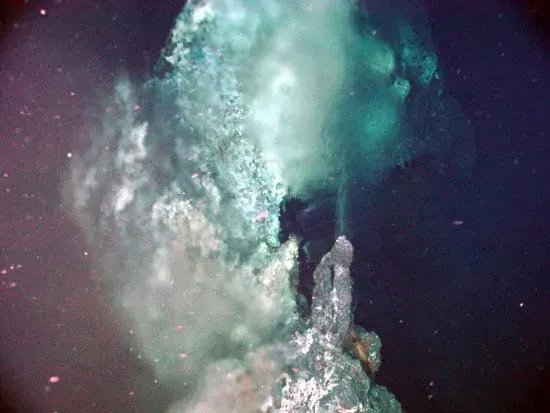
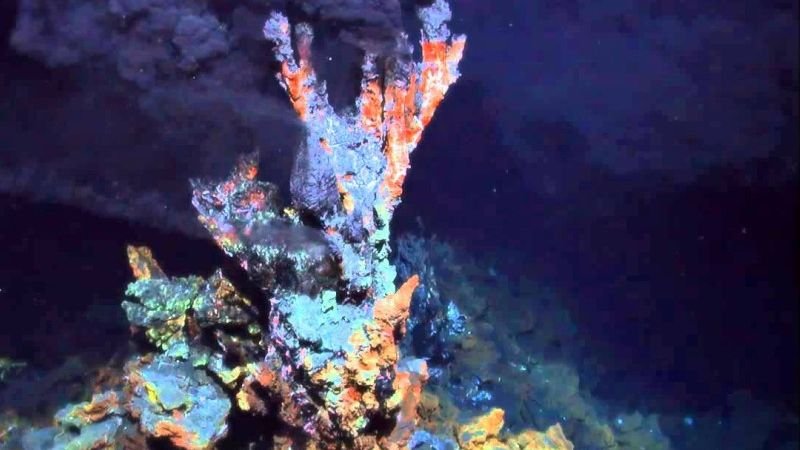
Now picture cracks in the seafloor spewing hot, mineral-rich fluids into ice-cold water, like underwater geysers made of metal and sulfur instead of steam. Around these hydrothermal vents, you find dense clusters of life clinging to chimneys that look like blackened skyscrapers. Here, bacteria use chemicals like hydrogen sulfide as fuel, turning toxic vent fluids into food in a process called chemosynthesis. For you, it is like watching someone grow an entire garden using fumes instead of sunlight.
Giant tube worms with blood-red plumes, ghostly white crabs, and strange clams crowd into these oases, forming bustling neighborhoods in an otherwise empty plain of mud. Their survival depends on intimate partnerships with vent microbes that live inside their tissues and feed them from the inside out. When you realize that these communities can spring up in total darkness, powered by the planet’s internal heat, your mental model of what an ecosystem looks like has to stretch a lot wider than a green forest under blue skies.
Life at Crushing Pressures and Freezing Temperatures
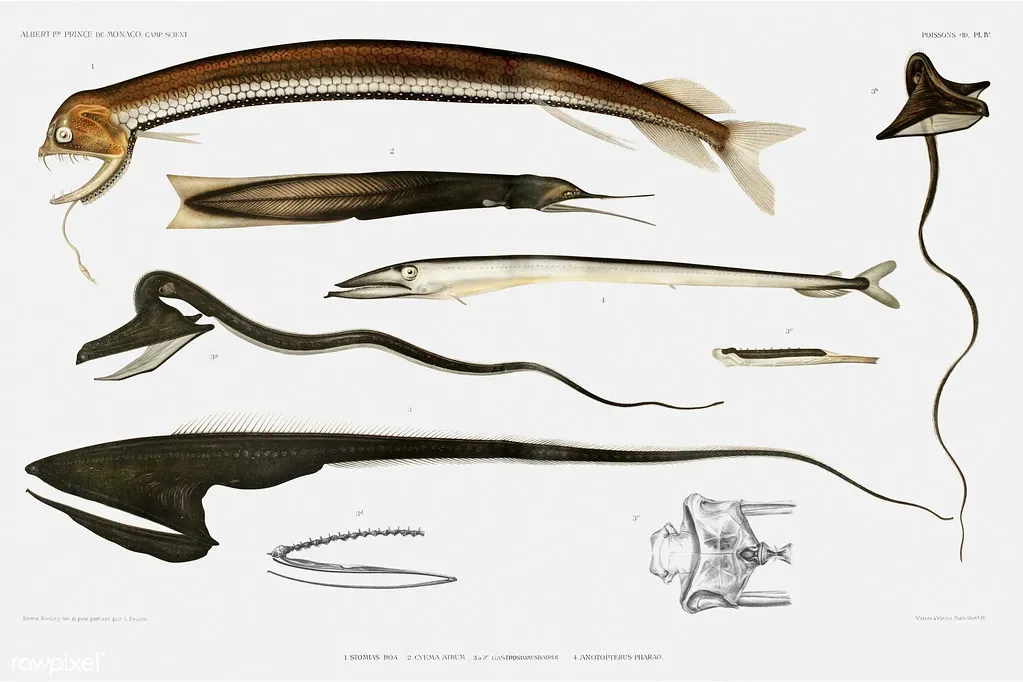
If you dropped to the deepest trenches, you’d experience pressures so intense they would crush a human-made submarine if it were not specifically reinforced. Yet animals down there carry on with their lives as if nothing is strange at all. Their bodies are built with flexible tissues, minimal gas-filled spaces, and special molecules that keep proteins stable under massive pressure. In other words, they reengineer the basic toolkit of life to match conditions you’d normally call impossible.
Temperatures hover just above freezing, food is scarce, and movement is slow, but these creatures still hunt, mate, and raise young. Many deep-sea fish have gelatinous bodies that look sloppy to your eye but are perfectly adapted to intense pressure. Microbes in these zones tweak their cell membranes and enzymes to function under conditions that would wreck the chemistry of a land-based organism. When you see how far biochemistry can bend without breaking, you’re forced to admit that the range of viable environments for life is much wider than you were taught in school.
Bioluminescence: Light as a Deep-Sea Language
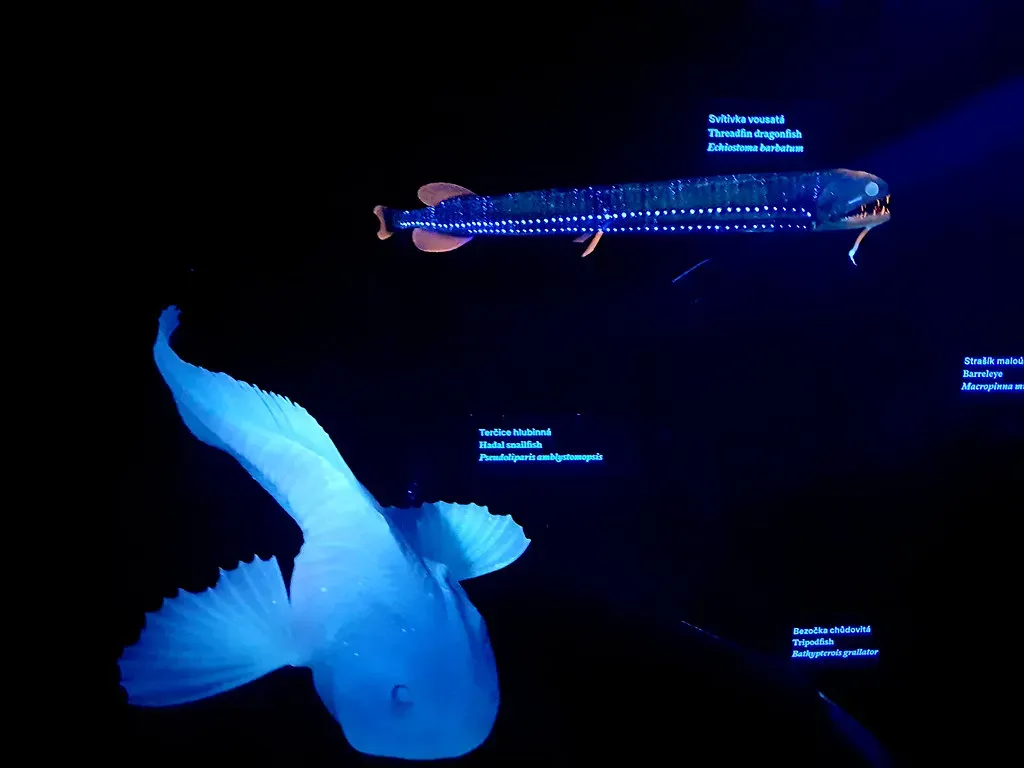
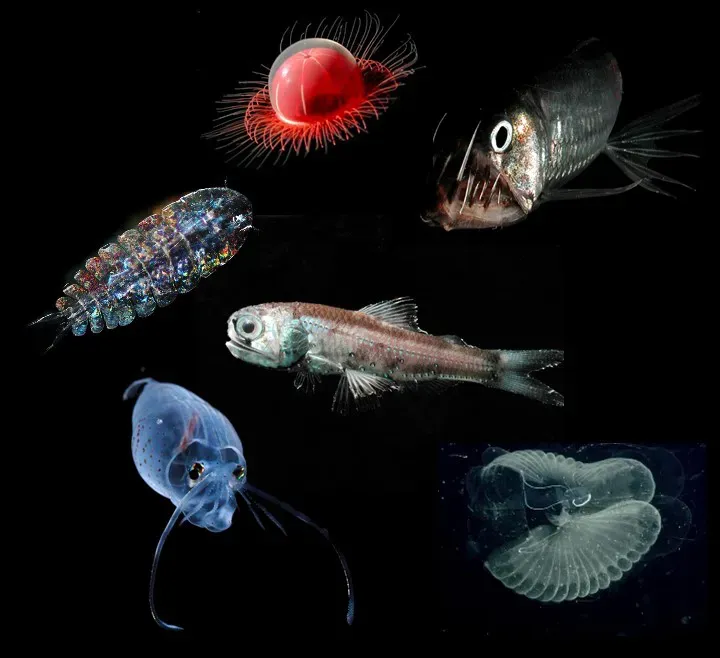
In a world without sunlight, you might assume that sight becomes useless, but the deep sea flips that idea on its head. A huge share of deep-sea animals can produce their own light, turning darkness into a kind of glowing conversation. Tiny plankton, elegant jellyfish, predatory fish, and even some sharks carry built-in light organs. For you, it is like discovering that flashlights, billboards, and camouflage cloaks grew directly out of living tissue.
Animals use these glows, flashes, and patterns to attract mates, lure prey, hide from predators, or confuse attackers with dazzling bursts. Some carry bacterial partners that create light for them, while others build the chemistry themselves inside their cells. When you watch these displays on video, it feels less like watching wildlife and more like viewing a city skyline at night, except every light is a living message. Suddenly, you see that in the deep sea, light is not just energy; it is a complex language written across the bodies of animals.
Food Webs That Break Your Surface-Based Rules
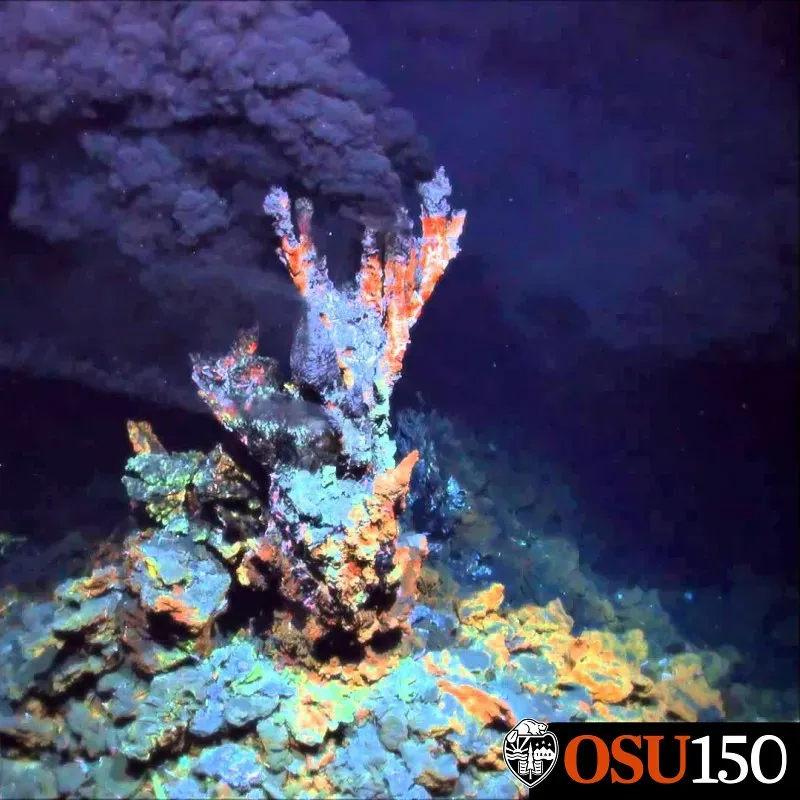
On land, every food web you know starts with sunlight: plants or algae capture light, then everything else eats, grazes, or hunts its way up from there. In the deep sea, that rulebook gets shredded. Some communities do rely on falling organic material from above, but many others are built entirely on chemical energy from vents or cold seeps. To you, it feels like someone quietly revealed a second operating system for life that runs alongside the sun-powered one you learned about.
Instead of green plants, the base of these chemical food webs is made of microbes that feast on substances like methane, sulfide, or hydrogen. Bigger animals depend on them either directly by housing them inside their bodies or indirectly by eating those that graze on microbial mats. Even in shallow seas, you find hybrid systems where both sunlight and chemical energy matter. The more you look, the harder it is to pretend that photosynthesis is the only way life can organize itself into thriving ecosystems.
Deep-Sea Discoveries and the Search for Life Beyond Earth
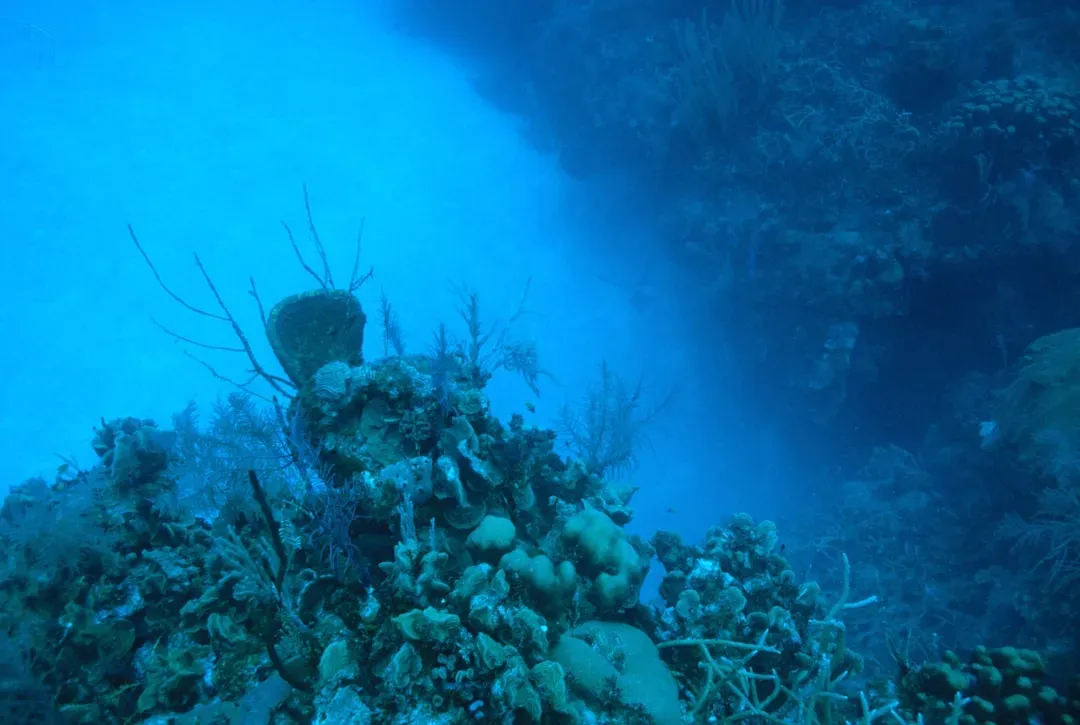
Once you accept that life can flourish around boiling-hot vents in total darkness or in frigid, high-pressure trenches, another idea sneaks in: maybe life beyond Earth does not need Earth-like conditions at all. When you hear that moons like Europa and Enceladus likely hide global oceans under ice, with possible hydrothermal activity on their seafloors, it becomes hard not to connect the dots. The same chemistry that feeds tube worms and vent microbes here could, in theory, support something strange and hardy out there.
This does not mean you should picture alien tube worms just yet, but it does mean the range of plausible habitats for life in the universe suddenly balloons. You no longer have to insist on warm, shallow, sunlit water as the gold standard. Instead, you can imagine dark oceans locked under ice, powered from below by the heat of a rocky core. The deep sea quietly teaches you that life is as much about adaptability to energy sources as it is about comfort or familiarity, and that realization reshapes how you think about the odds of company in the cosmos.
Why Deep-Sea Ecosystems Matter to Your Everyday Life
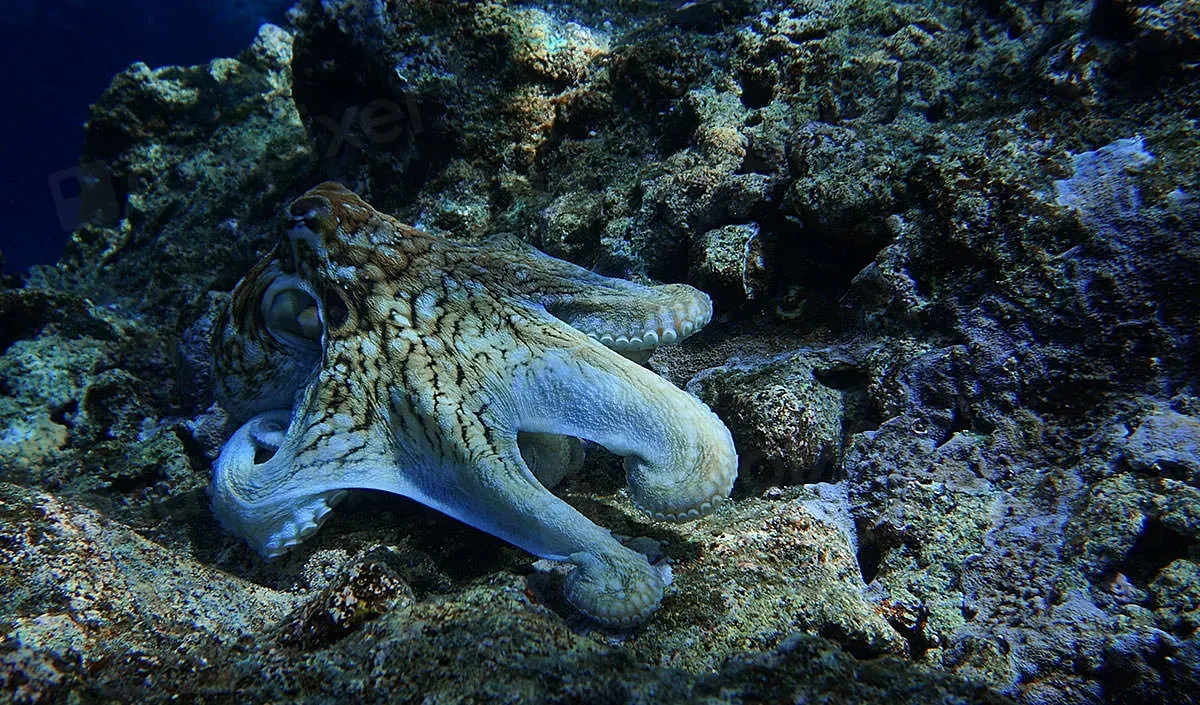
It is easy to treat the deep sea like a distant curiosity that has nothing to do with your daily routine, but that distance is more illusion than reality. Deep currents help move heat, carbon, and nutrients around the planet, influencing climate in ways that eventually show up in your weather, your crops, and your coastal communities. Many deep-sea organisms play a role in locking carbon away on the seafloor, helping to buffer some of the greenhouse gases humans release into the atmosphere.
On top of that, deep-sea microbes and animals carry biochemistries that can inspire new medicines, materials, and technologies. Enzymes from organisms that tolerate extreme pressure and temperature can help you improve industrial processes or medical tools. Even the way deep-sea creatures manage light and camouflage can fuel designs in engineering and imaging. When you start to see these ecosystems as laboratories that nature has been running for millions of years, you realize that protecting them is not just about preserving something beautiful; it is about guarding a library of ideas you have barely started to read.
Threats from Above: How Human Activity Reaches the Deep
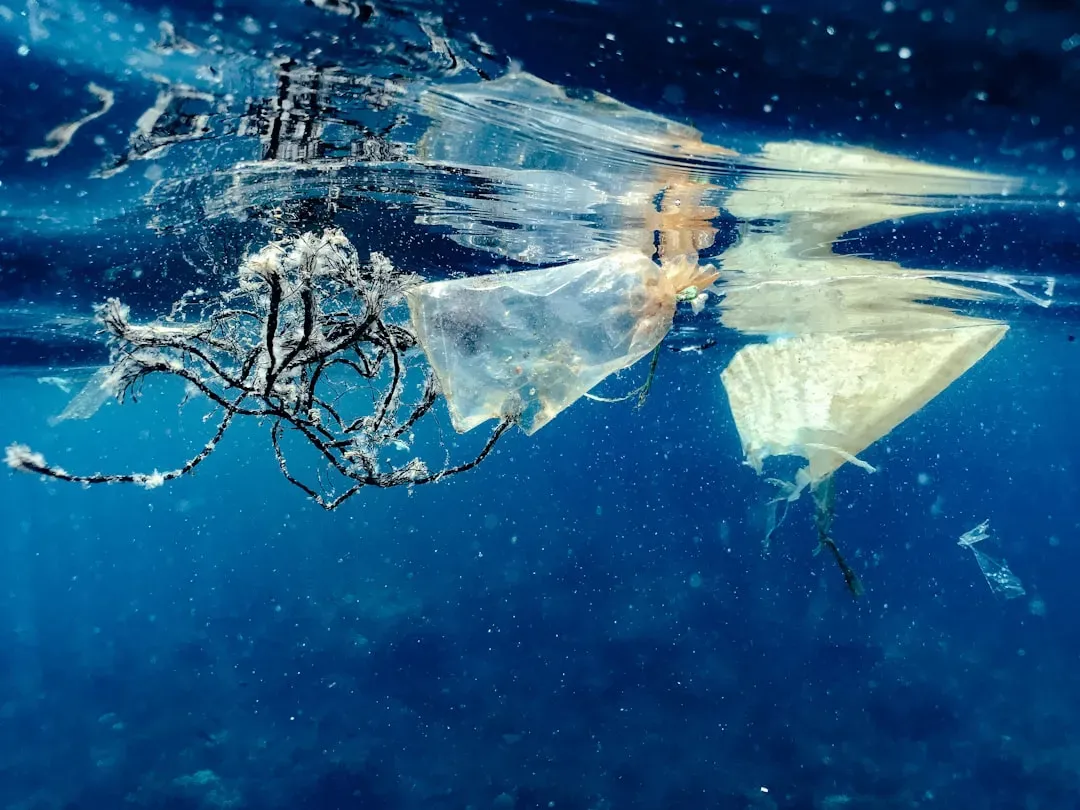
You might hope that the sheer depth of the ocean would shield it from human impact, but the evidence keeps telling a different story. Plastics, industrial chemicals, and even tiny fragments of clothing fibers have been found in deep-sea sediments and inside the bodies of animals living far below the surface. You are leaving fingerprints down there without ever seeing where they land. Noise from shipping and resource exploration can also echo into these dark realms, altering the soundscape some animals rely on to navigate and communicate.
Emerging industries like deep-sea mining raise tough questions about how much disturbance these ecosystems can take. Many deep-sea species grow slowly and live long lives, which means they do not bounce back quickly from damage. Sediment plumes, habitat destruction, and changes in chemistry could erase communities that took centuries to form, long before you fully understand how they work. When you realize how interconnected everything is, those distant seafloor plains start to feel less like someone else’s problem and more like part of your shared backyard.
Conclusion: Letting the Deep Sea Redraw Your Mental Map of Life
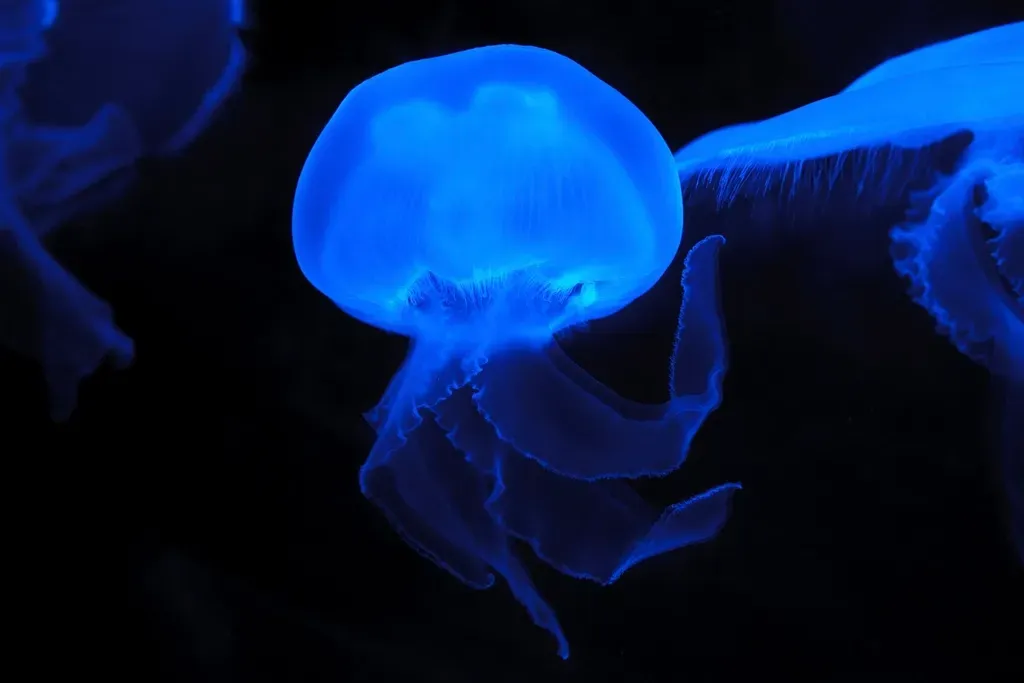
When you pull all these threads together – sunless ecosystems, chemical-powered food webs, glowing animals, and life thriving under crushing pressure – you are left with a picture of Earth that is far stranger and more generous than the one you started with. The deep sea shows you that life does not cling to a narrow comfort zone; it sprawls into every crack, every gradient, every odd combination of conditions it can exploit. Your usual ideas about what is normal, rare, or impossible begin to feel small compared with what actually exists beneath the waves.
Letting these discoveries sink in changes how you think about everything from climate and conservation to the search for alien life and the limits of biology itself. You stop asking whether life can handle extreme environments and start assuming that, given enough time and energy, it probably already has. Maybe the biggest secret of deep-sea ecosystems is not that they are exotic at all, but that they reveal what life has always been: restless, inventive, and endlessly adaptable. Knowing that, how can you look at your own world – and your place in it – the same way again?