You have probably grown up with the idea that Mars might be hiding alien life just out of sight. Maybe you remember those grainy telescope images, the talk of canals, or the dramatic headlines every time a new rover lands. Underneath all the hype, though, the real story is far more subtle, more technical – and honestly, much more exciting.
Right now, you are living at a moment when the answer to the old question “Is there life on Mars?” is finally moving from pure speculation into testable science. Rovers are drilling into ancient lakebeds, orbiters are sniffing the atmosphere, and engineers are planning to bring actual Martian rocks to labs on Earth. You still do not have proof of life, but you do have a stack of clues that would have sounded like science fiction a few decades ago.
Why Mars Is Such a Tempting Place to Look for Life
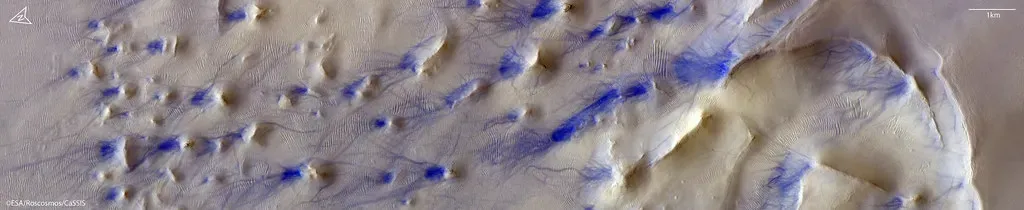
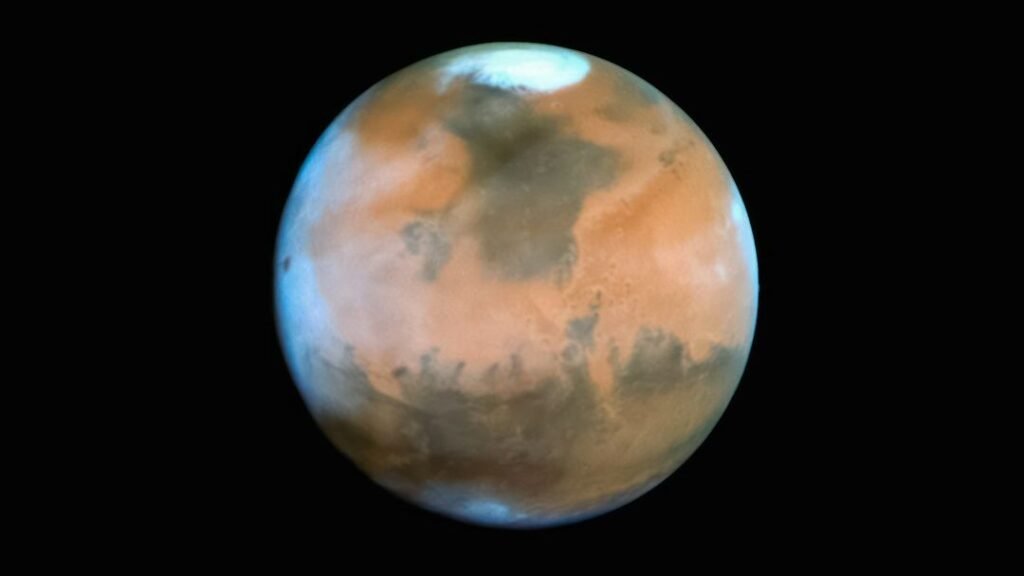
When you picture Mars today, you probably see a cold, dry desert with dust storms and craters as far as the eye can see. That image is mostly right, but it hides the reason scientists keep going back: in its deep past, Mars looked a lot more like a rough, younger cousin of Earth. Evidence from orbiters and rovers shows that liquid water once flowed across its surface, carving valleys, filling lakes, and leaving behind deltas and shorelines that you can still trace from space. You are not dealing with a world that was always dead; you are dealing with a planet that might have had a real shot at being habitable.
On Earth, wherever you find long-lasting liquid water, you almost always find life, even in places that seem hopeless – boiling hot springs, salty brines, deep ocean vents. That pattern is what keeps Mars in the spotlight. You know that early Mars had water, volcanic activity, and the basic chemical ingredients needed for life’s building blocks. The big question for you now is not “Could life ever survive there today?” but “Did life ever get started when conditions were much kinder billions of years ago?”
Ancient Lakes, River Deltas, and the Story Written in Martian Rocks
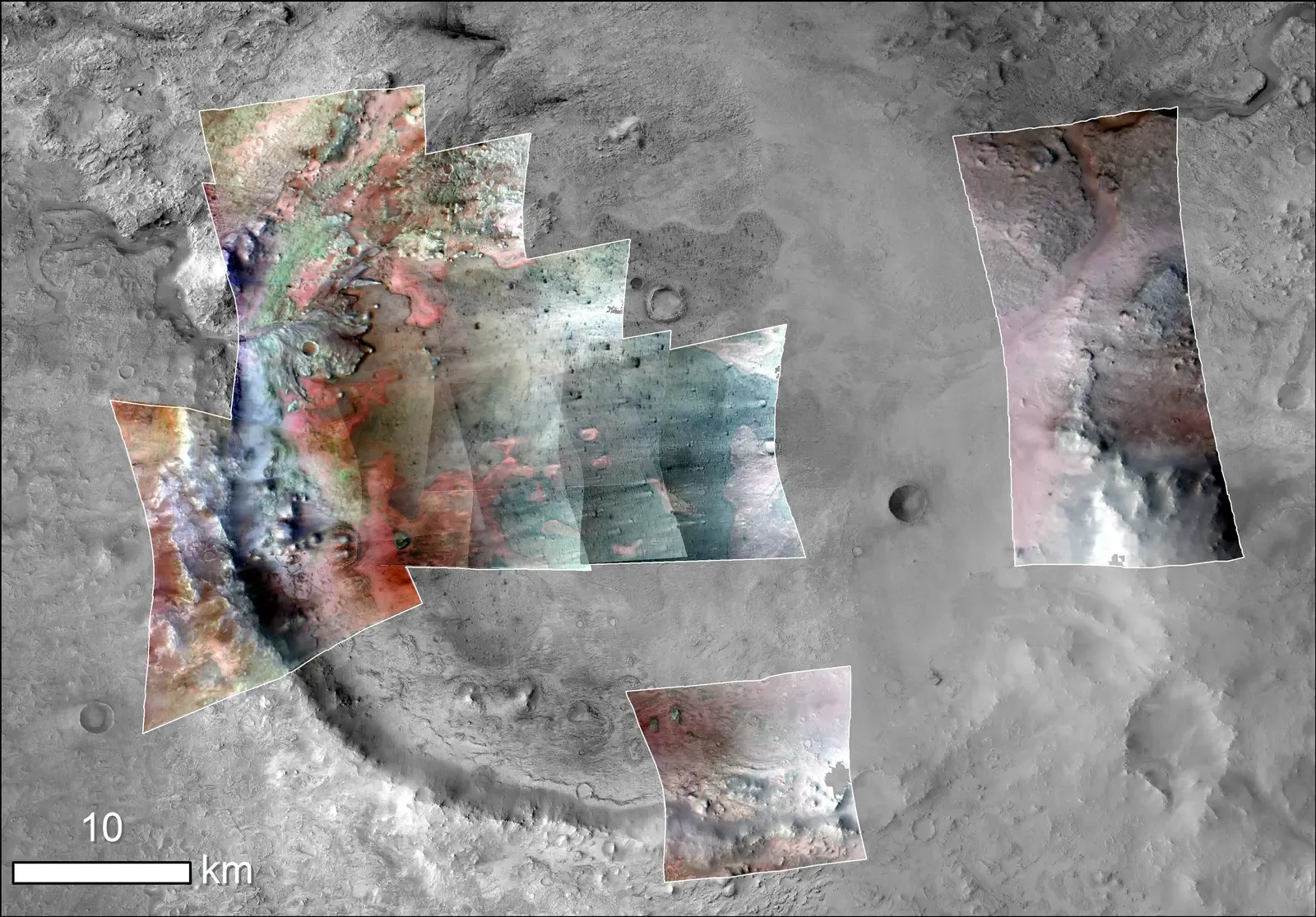
If you want to know whether life ever existed, you go where water used to linger, and that is exactly what current missions are doing. NASA’s Perseverance rover is exploring Jezero Crater, a place that once held a lake with a broad river delta feeding into it. You can think of that delta as a natural trap, a fan of mud and sand that slowly piled up and could have preserved tiny traces of whatever lived in the water. When you look at Jezero through the rover’s cameras, you are essentially staring at the fossilized memory of an ancient lake system.
Perseverance is not just taking pretty pictures; it is grinding and drilling into these rocks to read their history layer by layer. As the rover analyzes sediments and clays, you see more and more hints that this was a stable, long-lived environment with the right conditions for microbes: water that was not too acidic or salty, a variety of minerals, and energy sources that tiny organisms could have tapped. You are not seeing fossils yet, but you are seeing a setting that, on Earth, would almost certainly have hosted microbial life.
Organic Molecules on Mars: Building Blocks, Not Proof
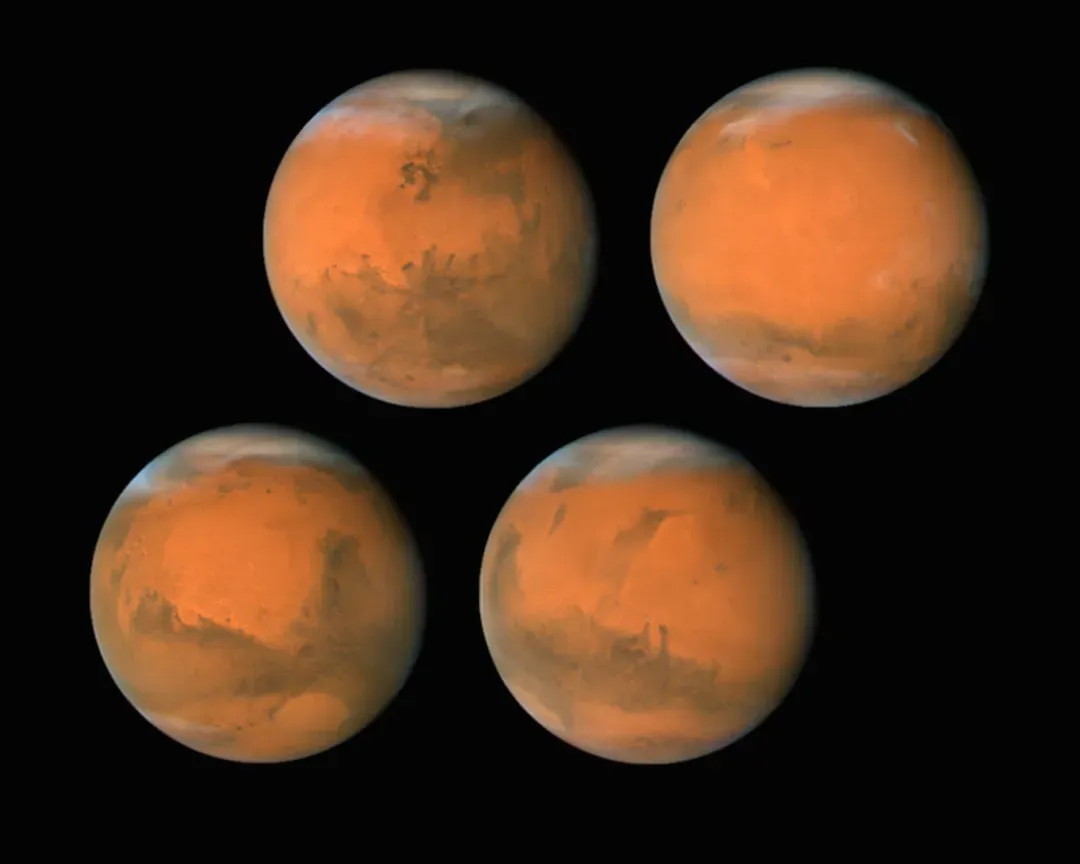
One of the most headline-grabbing pieces of the Mars puzzle is the growing list of organic molecules found in Martian rocks. Curiosity in Gale Crater and Perseverance in Jezero have both detected complex carbon-bearing compounds, including some that have never been seen on Mars before. When you hear “organics,” your mind might jump straight to “life,” but here you need to slow down. Organic molecules are like Lego bricks: life uses them, but geology and chemistry can build them too, without any biology involved.
What makes these discoveries so interesting to you is not just that organics are there, but where and how they show up. On Mars, they often appear nestled in fine-grained mudstones, clays, and mineral veins formed in water-rich environments. On Earth, those same kinds of settings are fantastic at preserving traces of ancient life. You still cannot say the Martian organics are biological, but you can say this: Mars had the right raw materials and the right environments to store delicate chemical fingerprints for billions of years. That alone is a huge shift from the old idea of a completely sterile world.
Methane Mysteries: A Flicker of Activity in a Thin Atmosphere
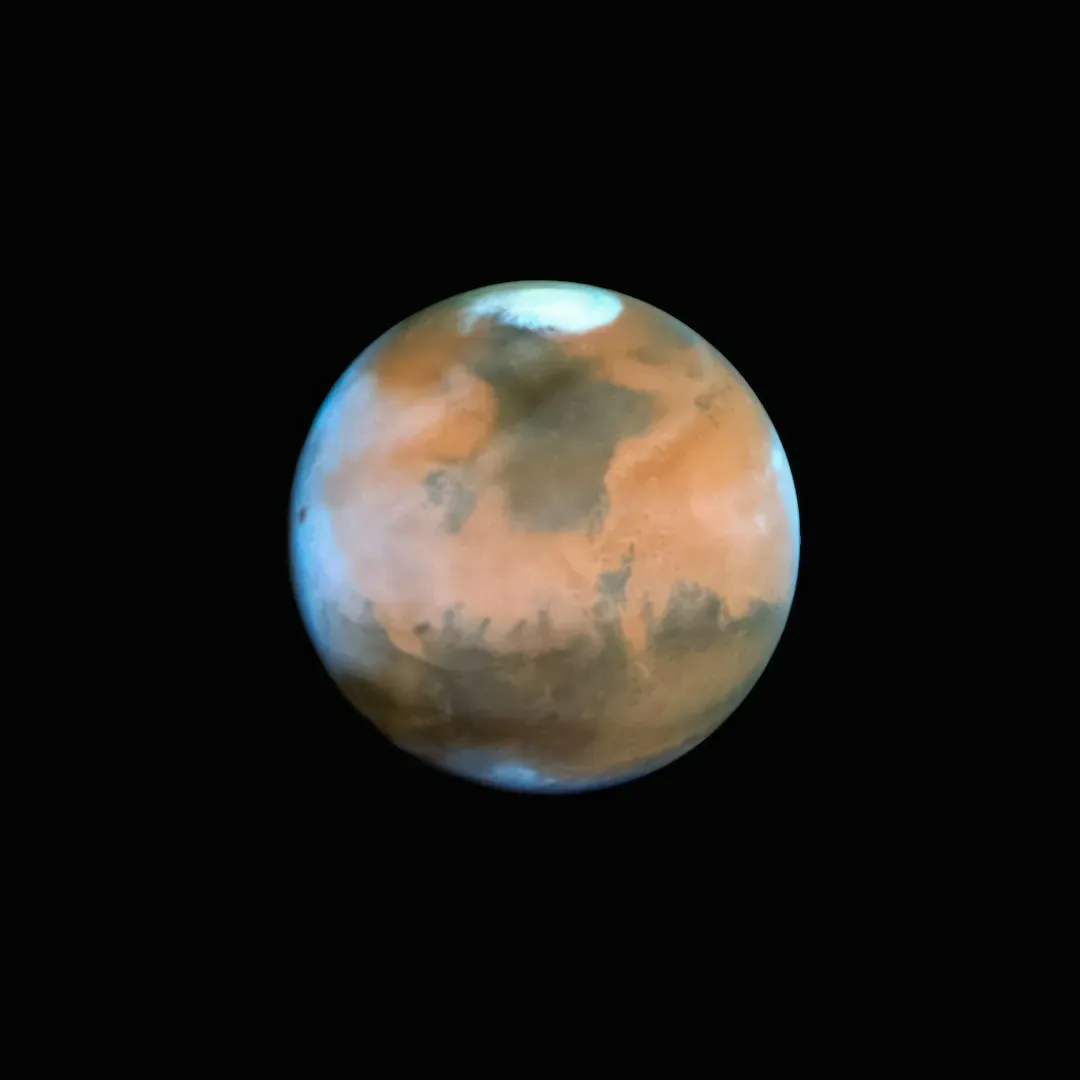
Another clue that keeps pulling you back to the Mars question is methane in the atmosphere. On Earth, most atmospheric methane comes from living things – microbes in wetlands, animals, and even human industry. On Mars, instruments like the Curiosity rover’s onboard lab have detected faint, variable whiffs of methane, sometimes appearing in seasonal spikes. That variability is strangely hard to explain with simple, slow geological processes alone, which is why this gas has become such a big part of the life-on-Mars conversation.
You do have to be careful here, though. Mars has several ways to make methane without any biology: chemical reactions between water and certain rocks, ancient methane trapped in ice-like structures and slowly leaking out, or deep underground processes you do not fully understand yet. On top of that, different spacecraft seem to measure different amounts, which tells you that something about how methane is made, moved, or destroyed in the Martian atmosphere is still a mystery. For you, methane is not a smoking gun; it is more like a blinking light on a control panel that says, “Something active is happening – figure out what.”
Martian Meteorites and the Rise and Fall of Famous “Microfossils”
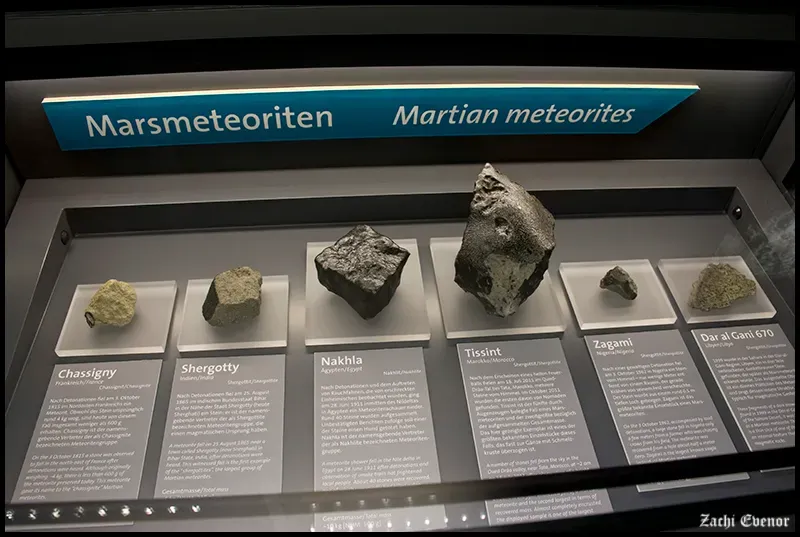
Long before you had rovers roaming Mars, some pieces of Mars came to you. A handful of meteorites found on Earth have been traced back to Martian rocks blasted off the planet by ancient impacts. One of the most famous, ALH84001, once made global news because some researchers argued it contained microscopic structures that might be fossilized bacteria. If you lived through that time, you probably remember the dramatic claim that Mars might already have given you proof of life in a rock sitting on Antarctic ice.
As more studies piled up, though, the story became much more cautious. Many of the features once labeled as possible microfossils can be explained by purely chemical processes: minerals forming under specific conditions, carbon compounds created by water-rock reactions, and even contamination from Earth after the meteorite landed. Today, the scientific consensus you see is that ALH84001 holds fascinating records of Mars’s early environment, but not clear evidence of life. That shift is important for you because it shows how seriously the scientific community treats this question: exciting claims are tested, re-tested, and, if needed, pulled back rather than left unchallenged.
Potential Biosignatures: The Most Intriguing Hints So Far
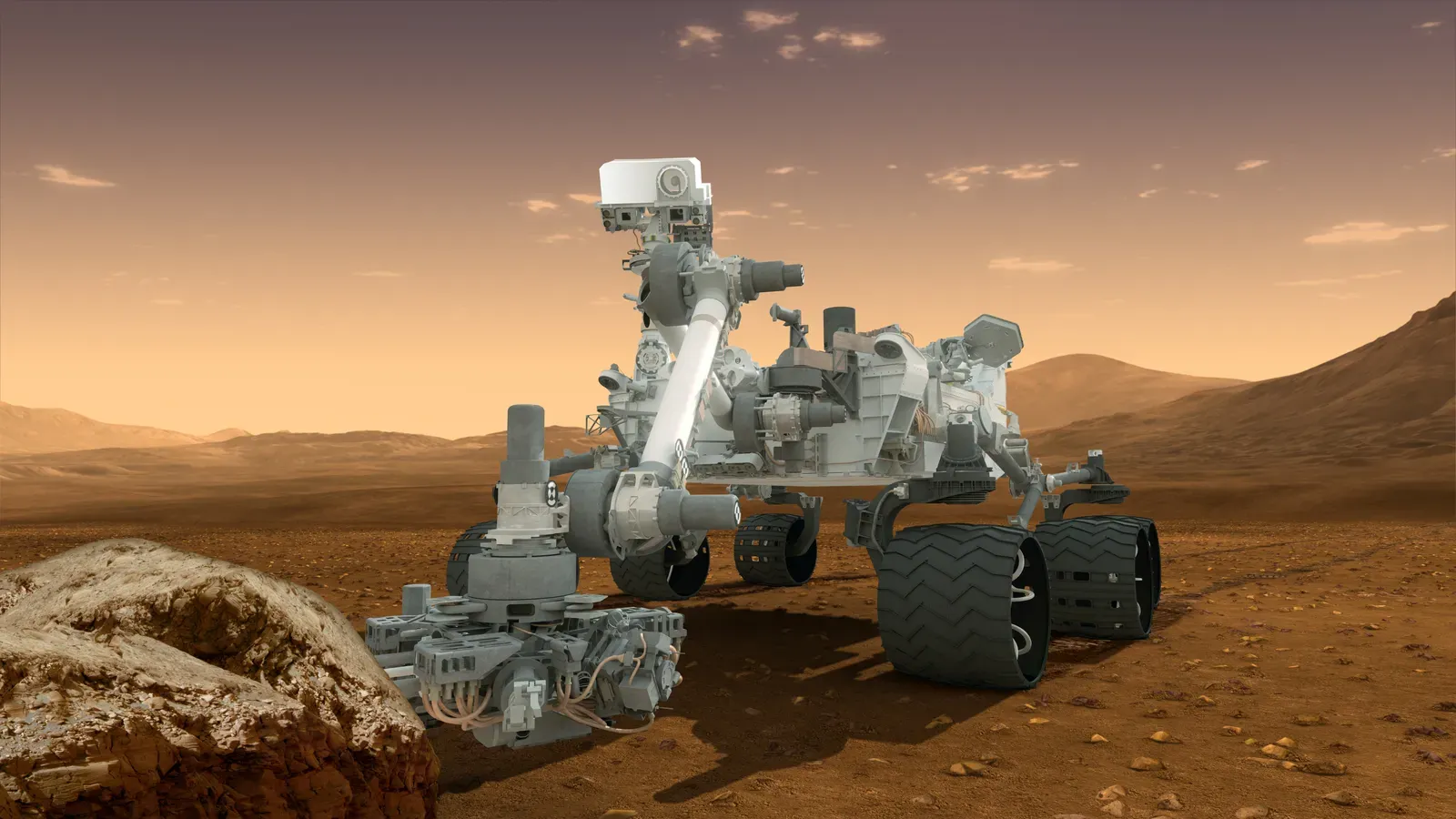
In the last few years, the language around Mars has subtly changed in a way you should notice. You now see more talk of “potential biosignatures” – patterns or features that could be explained by life, but also by non-living processes. For example, Perseverance has found certain textures in mudstones and chemical patterns in minerals that, on Earth, often emerge when microbes interact with iron, sulfur, and phosphorus over long periods in watery environments. In some Jezero rocks, you see small nodules and reaction fronts paired with organic carbon, which looks eerily similar to spots where microbial activity has altered sediments on Earth.
None of this lets you shout “Life!” with confidence, and scientists are very open about that. A potential biosignature is really a challenge to you: find out whether biology is the simplest explanation, or whether careful chemistry can do the same job. That is why so much current Mars work focuses on combinations of clues – mineralogy, texture, organic chemistry, and isotopes together – rather than any single signal. You are learning that if Mars ever hosted life, its traces are probably subtle, layered, and easy to confuse with clever geology.
Mars Sample Return: Bringing the Question Home
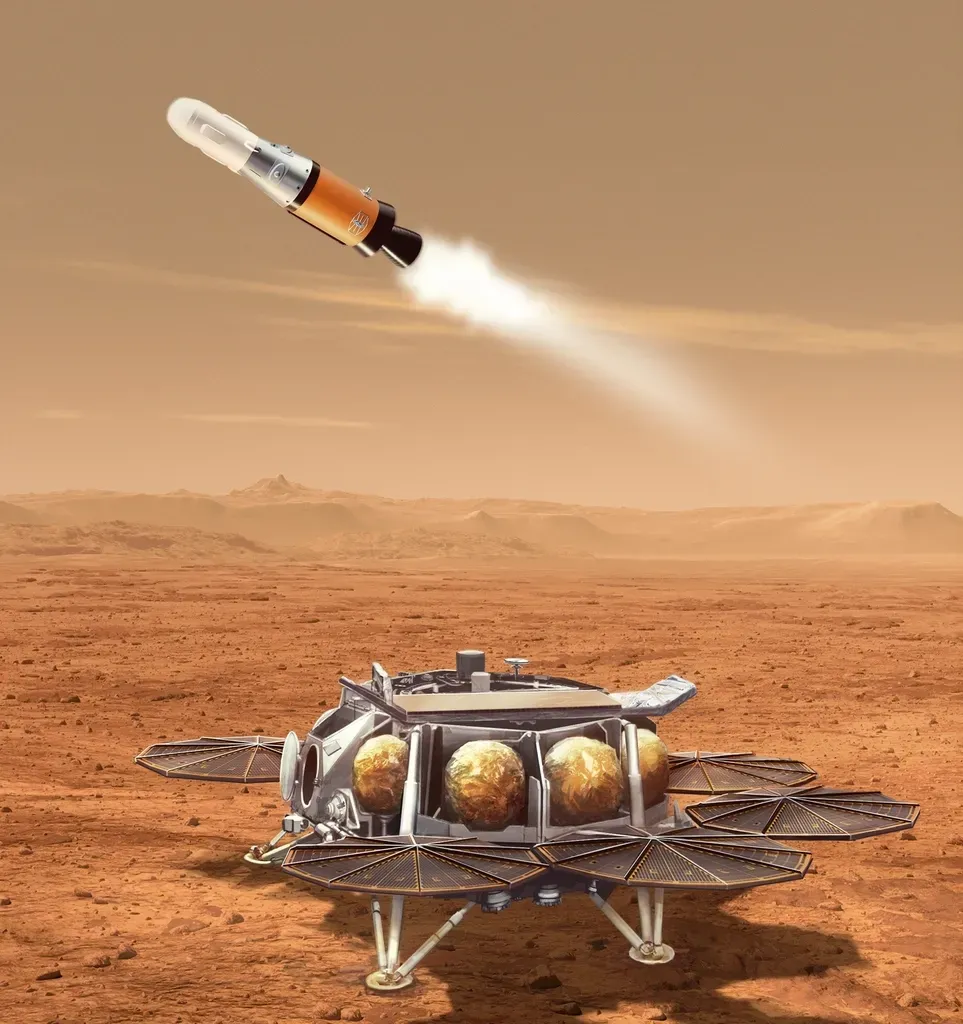
Here is where the story jumps from rovers and guesses to something much more powerful: bringing Mars rocks back to Earth. Perseverance is already drilling, collecting, and sealing carefully chosen cores from Jezero Crater – bits of lake sediments, delta deposits, and volcanic rocks. These tiny cores are being cached on the surface, waiting for a future set of missions to pick them up and launch them off Mars. You can think of them as time capsules from a three-and-a-half-billion-year-old lakebed, handpicked to answer the life question as directly as possible.
Once those samples eventually reach Earth, labs will be able to do things that are simply impossible on a rover: ultra-precise isotopic measurements, nanoscale imaging, detailed organic chemistry analysis, and cross-checks across many instruments at once. You will finally be able to test whether patterns in the organics, minerals, and isotopes match what you expect from purely chemical processes or whether they lean toward biological origins. That is not a quick path – the return and analysis will take many years – but if you are looking for the most realistic chance in your lifetime to get a decisive answer about ancient Martian life, this is it.
So, Is There Life on Mars Right Now – or Was There Ever?
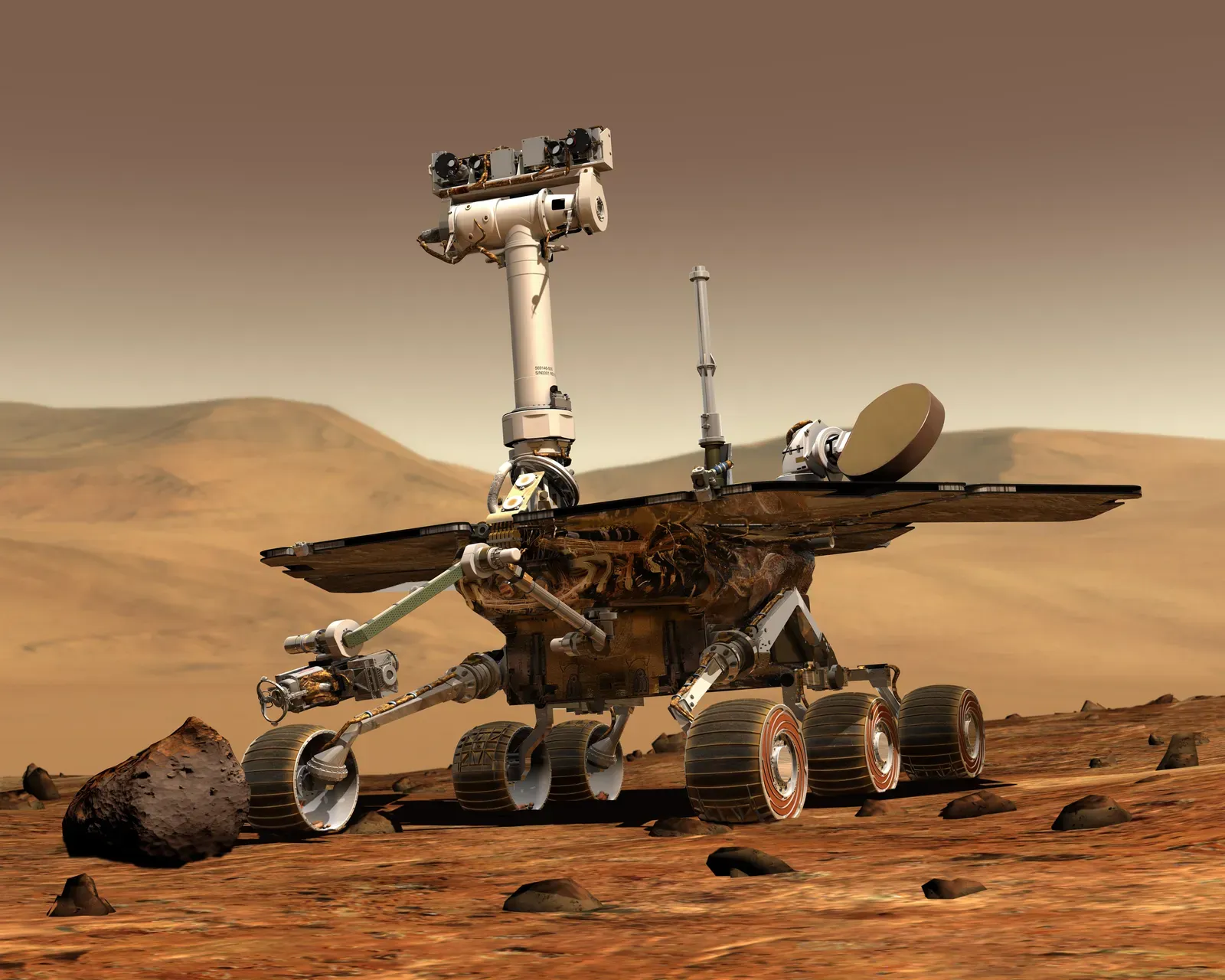
When you put all these threads together, you end up with a picture that is both humbling and thrilling. You do not have proof of life on Mars, either past or present. What you do have is a planet that was once clearly habitable, with lakes, rivers, and long-lasting water systems; rocks that preserve complex organic molecules; puzzling atmospheric methane; and a handful of geological and chemical features that look suspiciously like they might record biological activity. If you were betting purely on known patterns from Earth, you would be tempted to think that early Mars is exactly the kind of place where microbes could have taken hold.
At the same time, you have learned enough to respect just how tricky it is to separate life from chemistry. Every time you see a new hint, you also discover a possible non-biological explanation that cannot yet be ruled out. For now, the most honest answer you can give yourself is this: Mars looks less like a dead rock and more like a world that almost certainly could have hosted life, but you have not yet caught that life in the act or found its unmistakable fossils. The real turning point will likely come only when you hold Martian samples in terrestrial labs and test every possible alternative.
In the end, the question “Is there life on Mars?” is slowly transforming into “How hard are you willing to work to find out?” You are part of a generation that might finally move the answer from speculation to evidence, from suggestive clues to clear patterns written in stone and chemistry. Whether the verdict turns out to be yes, no, or something stranger in between, the search itself is forcing you to understand planets, atmospheres, and life’s boundaries in ways you never have before. When the first definitive result finally comes, will it match what you have always imagined, or will Mars surprise you yet again?