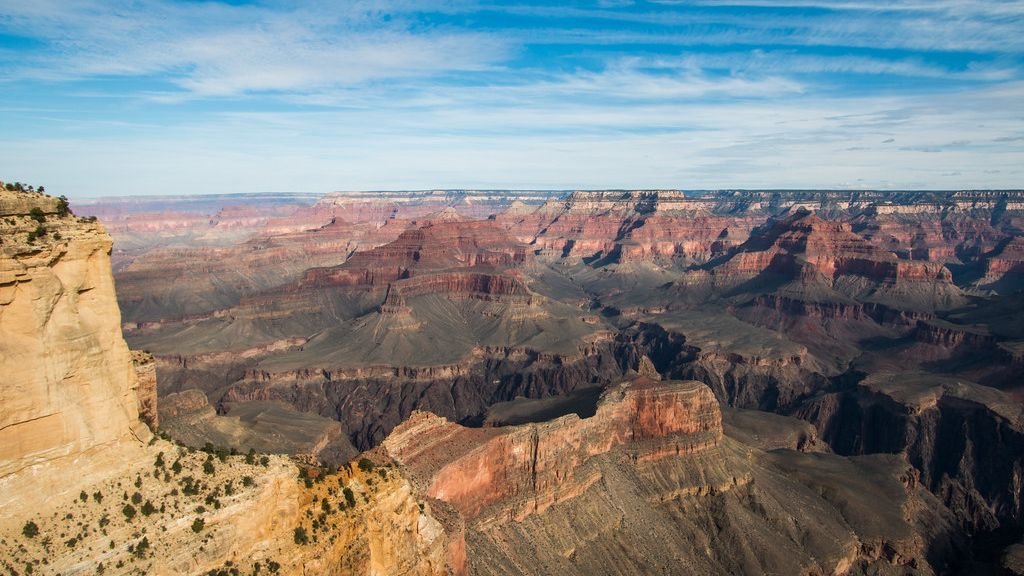
If you only think of the Grand Canyon as a pretty viewpoint with a deep chasm and a river at the bottom, you’re barely scratching the surface. When you stand on its rim, you are literally looking down through a cross‑section of Earth’s history, stacked like a vast, torn‑open library of stone. Some of those “pages” are older than complex life itself, and others vanish mysteriously as if an entire chapter was ripped out and thrown away.
As you start to notice the subtle color shifts, tilted layers, and oddly missing rocks, the canyon stops being just a scenic background and turns into a detective story. You find yourself asking questions you never thought to ask: Why are some layers almost perfectly flat while others are twisted like taffy? How did entire mountain ranges rise and vanish before this landscape ever looked like a canyon? Once you know what to look for, every cliff, ledge, and slope feels like a clue in a very old, very strange investigation.
The Canyon as a Time Machine You Can Walk Through
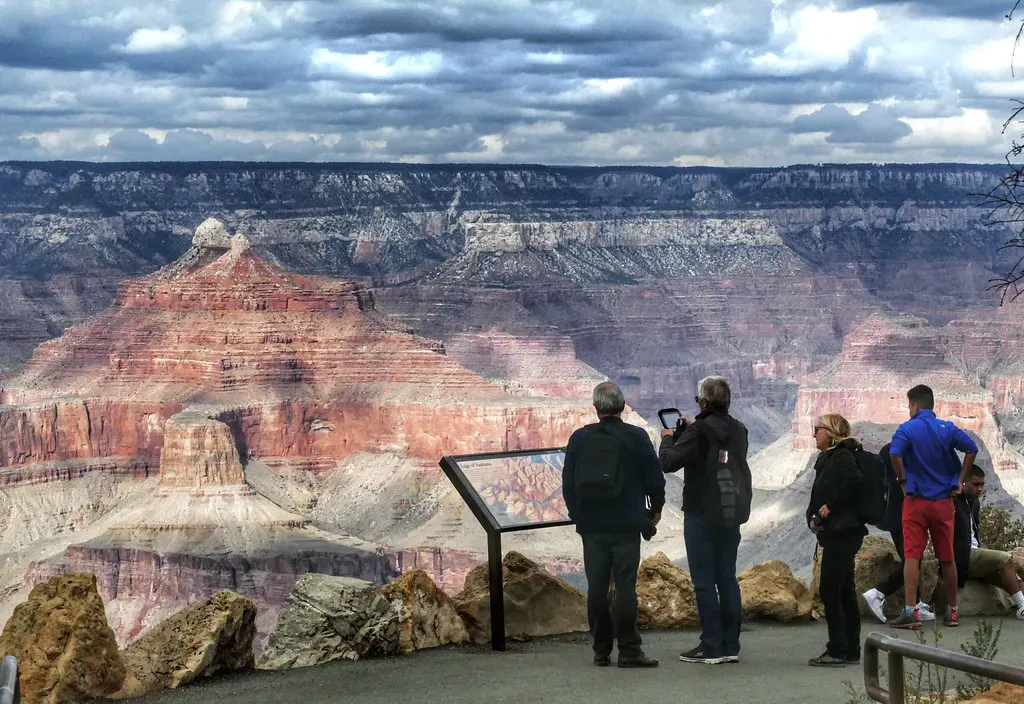
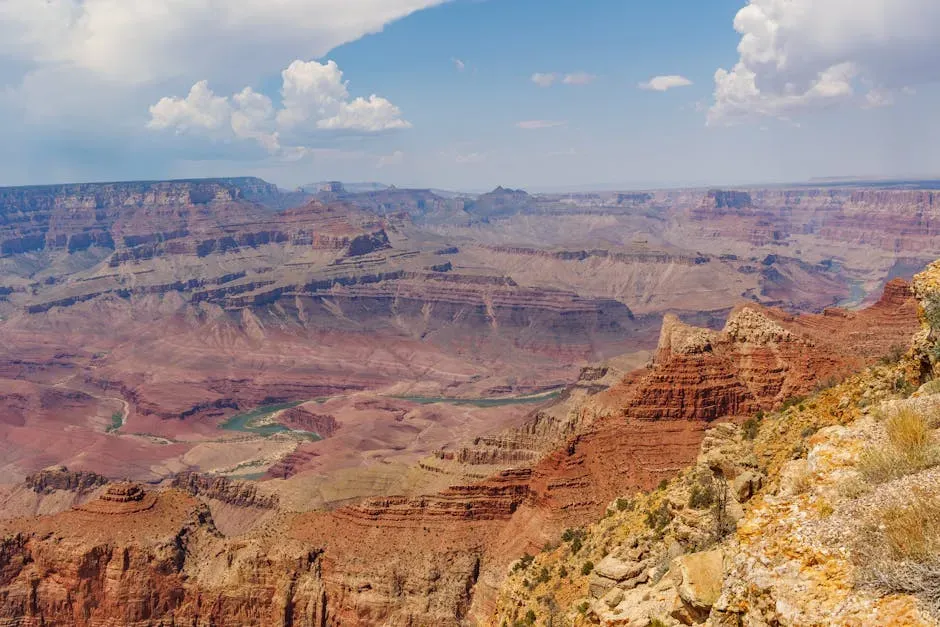
The Grand Canyon lets you do something that sounds impossible: you can walk along the rim and stare directly at nearly two billion years of Earth’s history all at once. When you look from the pale upper cliffs down to the dark, jagged rocks near the river, you’re not just seeing different colors; you’re looking deeper and deeper into time. Those bottom layers, the ancient basement rocks, were formed roughly when early life was still microbial, long before fish, forests, or dinosaurs were even ideas in the making.
As your eyes move upward toward the rim, you are moving ahead through time, passing through eras when shallow seas came and went, deserts grew and disappeared, and strange ancient creatures left faint traces of their lives. You can stand in one spot, trace a finger from dark crystalline rock at the base of a cliff up to a bright limestone ledge, and in that single gesture you are jumping from a very primitive Earth to an ocean world buzzing with marine life. The canyon turns something abstract and enormous – geologic time – into something you can almost feel under your boots.
How a Relentless River Carved a Colossal Chasm
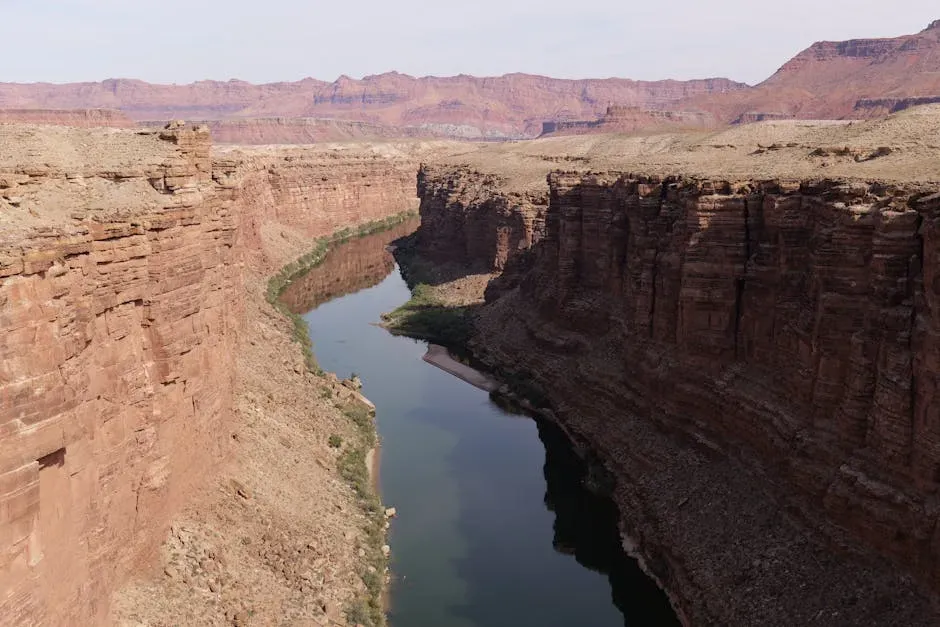
When you look at the Colorado River from the rim, it can seem surprisingly small compared with the size of the canyon that surrounds it. You might even think, there’s no way that little strip of water carved all of this, but that’s where time and persistence change everything. Over millions of years, the river has cut downward grain by grain, year after year, amplified by floods, landslides, and the slow, constant pull of gravity on weakened rock.
The key is that the land itself has been rising while the river keeps sawing down through it, like a moving knife cut in a loaf of slowly rising bread. As the plateau uplifted, the river gained more power to erode, slicing deeper and creating the dizzying vertical walls you see today. Side canyons, flash floods, and rockfalls widened and sculpted the main gorge into its intricate maze. When you put the river, the rising plateau, the climate, and the rock types together, you can finally see how such a seemingly modest stream could carve one of the most dramatic landscapes on Earth.
The Missing Billion Years: The Great Unconformity
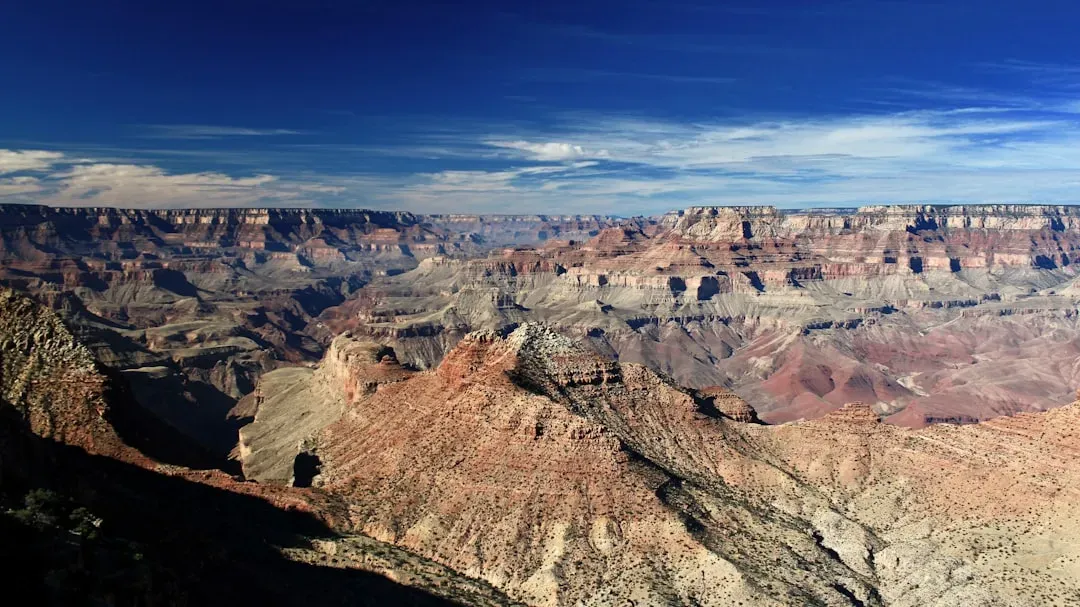
One of the strangest things you can discover in the Grand Canyon is not what you see, but what you don’t. In many places, you can stand at a viewpoint and literally place your hand on a boundary where flat sedimentary layers rest directly on much older, eroded rock. Between those two surfaces, nearly a billion years of Earth’s history are just gone, representing what geologists call the Great Unconformity. It is as if you open a book to find that the chapters in the middle have been neatly sliced out.
Scientists are still debating exactly why so much time is missing, but you can follow the clues. There is evidence that older rocks were once uplifted into mountains, intensely eroded away, and then later drowned under shallow seas that laid down new layers on top. Long before the canyon existed, entire worlds of rock were built up and sanded down, leaving this eerie break in the record. When you stand at that boundary, you are literally touching the edge of a mystery that even modern geology has not fully solved.
Ancient Seas, Desert Dunes, and Lost Landscapes in the Rock
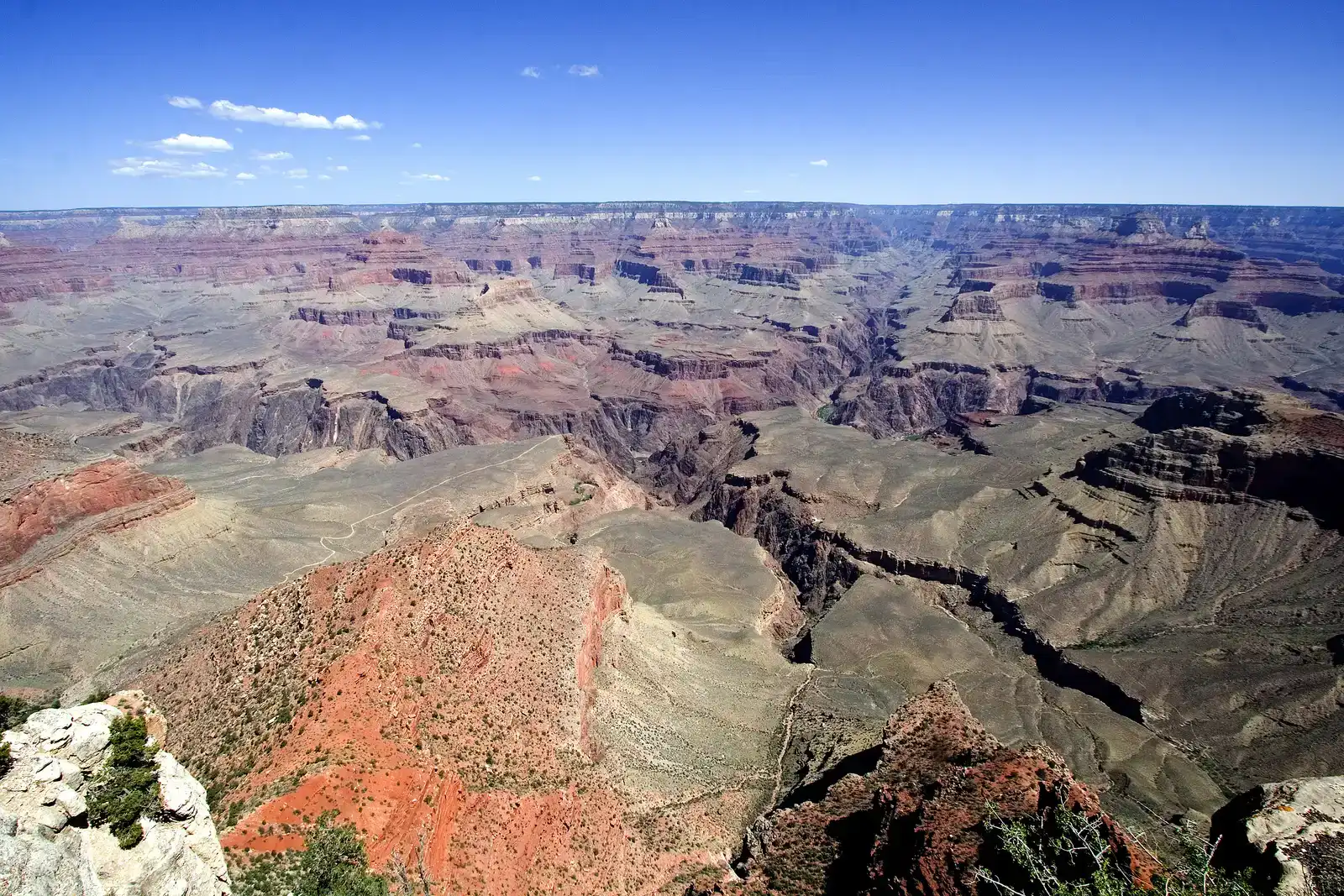
The canyon walls might look solid and still, but once you learn to read them, they become snapshots of vanished landscapes. The bright, layered limestones high on the walls were once the floors of warm, shallow seas teeming with marine life. Just below or above them, you can find sandstones with delicate cross‑beds that record ancient desert dunes, frozen in place like waves in a sandstorm caught mid‑motion. In other layers, you see mudstones laid down on floodplains, or coastal sands where waves once crashed.
Each rock type tells you something about the environment at the time it formed: clear tropical waters, sprawling river deltas, wind‑blasted deserts, or slowly subsiding shorelines. As you trace those layers along the canyon, you realize that what is now dry, high desert was once ocean bottom, beach, lagoon, and dune field at different times. It’s almost like flipping through an old family album where Earth tries on different outfits over hundreds of millions of years, and every layer is another portrait of a world you can never visit directly.
Colliding Crust and Buried Mountains Beneath Your Feet
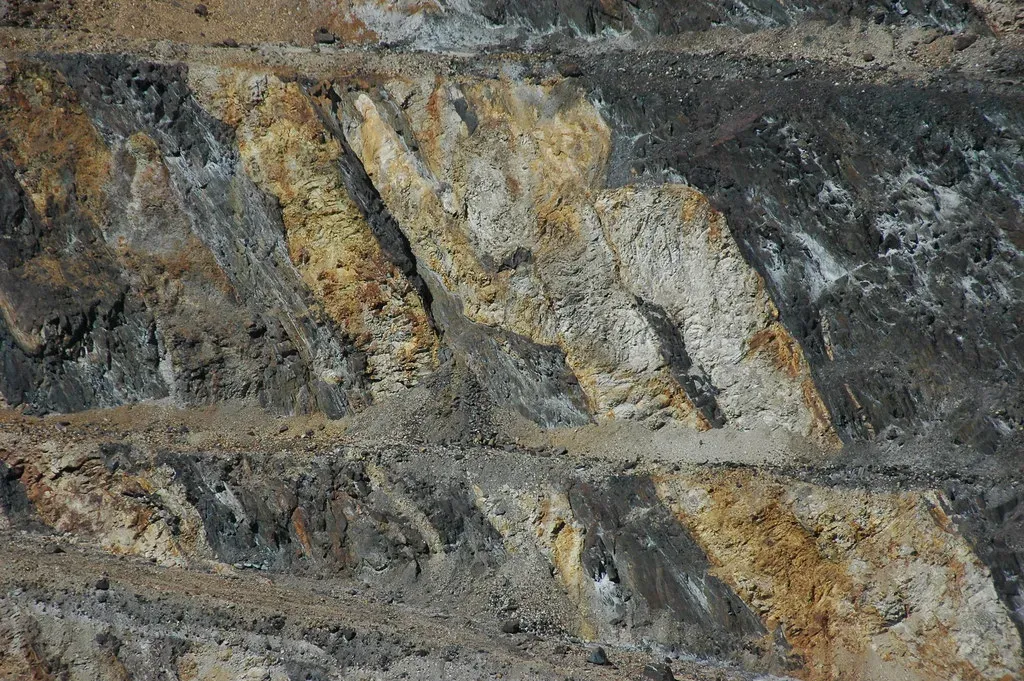
Deep within the canyon, the oldest rocks are not gentle, flat layers but twisted, folded, and baked formations that hint at violent origins. These dark metamorphic rocks and piercing granites formed when ancient crust was squeezed and heated during collisions of landmasses long before the modern continents took shape. You are looking at the roots of long‑vanished mountain belts, the kind of deep crustal material that is usually hidden far beneath your feet.
Later, those buried mountain roots were uplifted and then eroded to stumps, only to be covered by younger sedimentary layers, which you now see high on the walls. When the Colorado River finally began to carve the canyon, it sliced down through those younger rocks and exposed the older, deformed basement again. That is why, in a single view, you can see quiet, nearly horizontal layers resting above a chaotic, crystalline foundation. You’re not just seeing a canyon; you’re seeing the ghost of ancient mountain chains resurrected in cross‑section.
Volcanoes on the Rim and Lava Dams in the Gorge
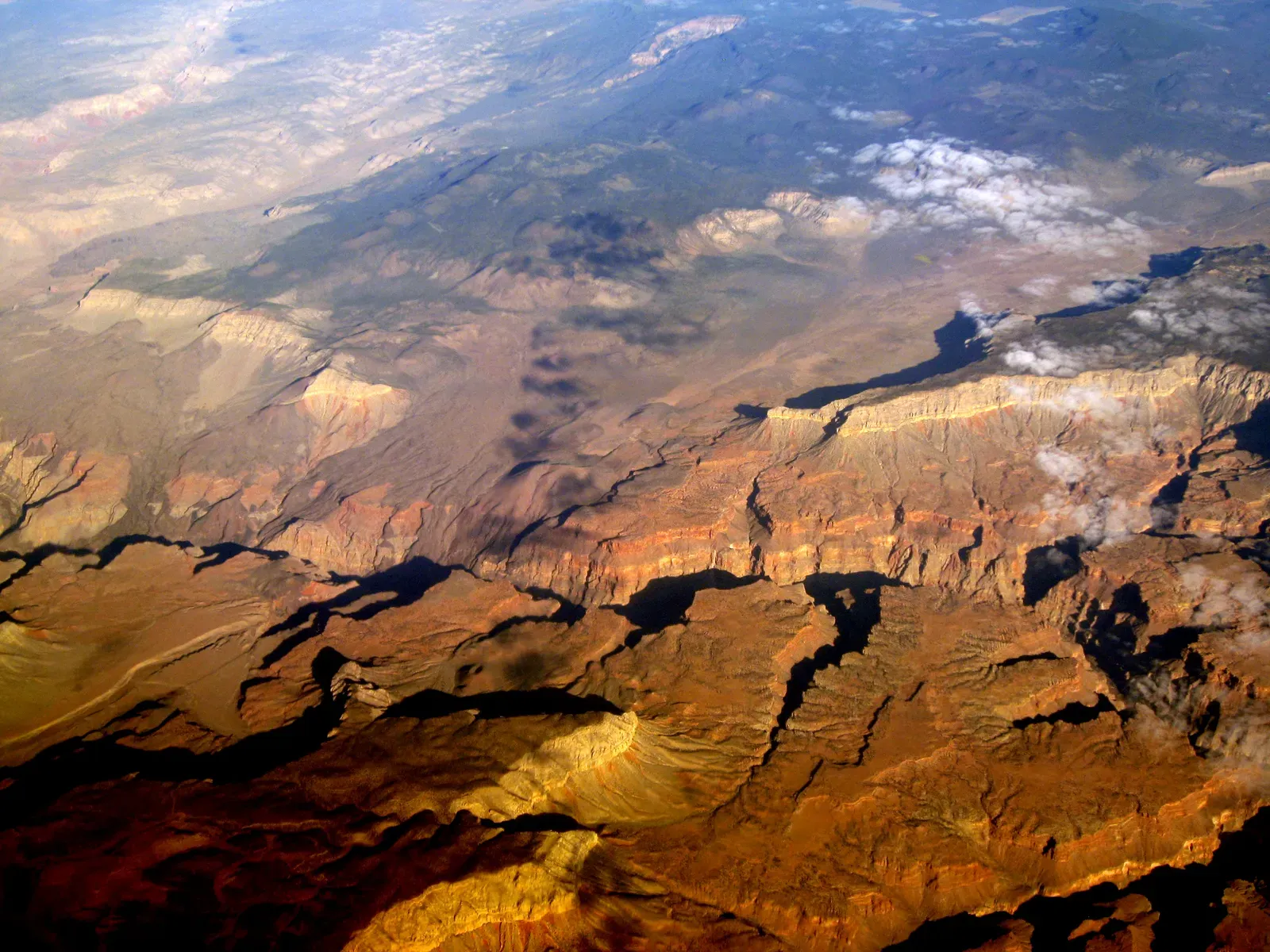
You might imagine the Grand Canyon as solely the product of water and time, but there is a fiery chapter in its story too. On the western part of the canyon region, relatively young volcanoes once erupted, sending lava flows spilling toward and into the canyon. In several places, those flows actually formed natural dams, temporarily blocking the Colorado River and creating deep, long lakes that backed up through the gorge.
Over time, those lava dams eroded, collapsed, and were eventually cut through by the persistent river, but they left behind strange basalt cliffs and terraces that you can still see if you know where to look. Some studies suggest that this pattern of repeated damming and failure may have unleashed catastrophic floods that reshaped parts of the canyon floor. When you picture the canyon’s past, it is not only a story of slow, steady erosion but also of occasional, dramatic events where fire and flood collided in spectacular fashion.
Clues Frozen in Fossils: Life Through Deep Time
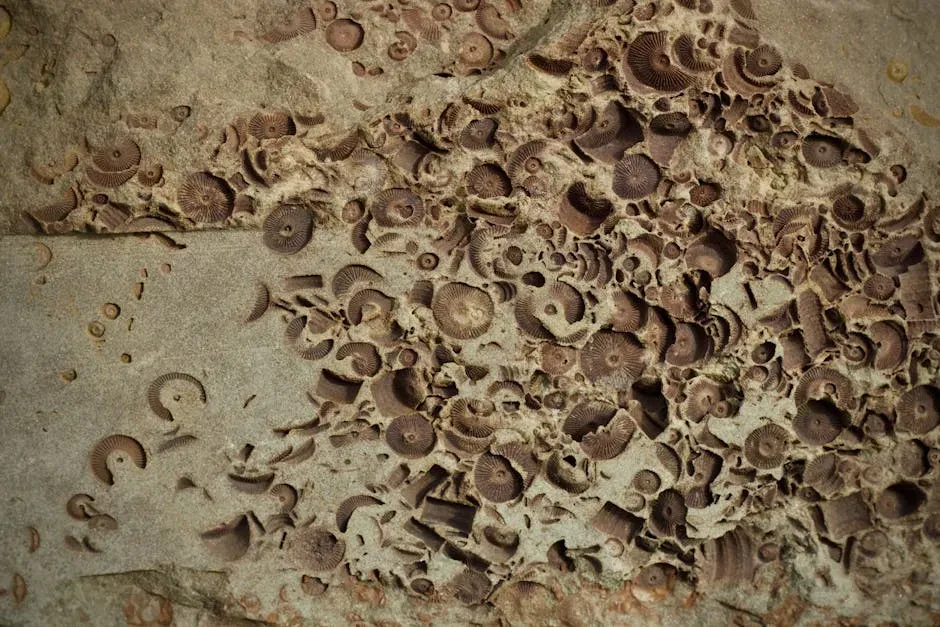
Scattered through the canyon’s rock layers, you can find fossils that act like postcards from long‑gone worlds. In certain limestones, you might find traces of marine creatures that once lived on the floor of ancient seas, such as shell fragments, corals, and other seafloor dwellers. In some younger layers, you can encounter tracks and burrows that show where animals once moved across tidal flats or shallow shorelines, going about their daily lives with no idea they would someday become part of a canyon wall.
What you do not find are dinosaur bones in the canyon’s main sequence of visible rocks, which surprises many visitors. The canyon exposes rocks that are mostly older than the age of dinosaurs, even though dinosaur fossils are found elsewhere on the broader Colorado Plateau. That detail reminds you that the canyon is not just a random stack; it is a very specific slice through time, preserving some chapters of life’s story while others are stored in different rocks miles away. By piecing together these separate records, you gain a deeper sense of how life and landscapes have evolved together through deep time.
How Old Is the Grand Canyon Really?
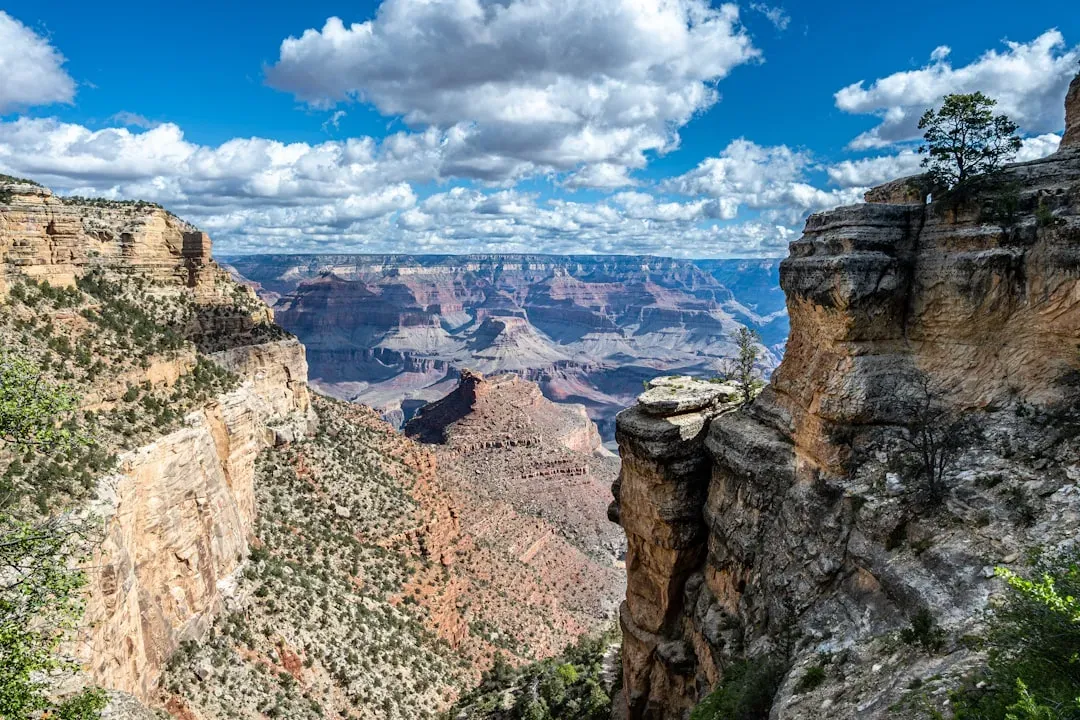
One of the most debated questions about the canyon is deceptively simple: how old is it? You might expect a single neat number, but the truth is more layered, just like the rocks themselves. The rocks are ancient, with some at the bottom being close to two billion years old, yet the canyon as a carved landform is far younger. Different methods and studies have yielded different ages for major stages of incision, ranging from tens of millions of years to a few million years for much of the modern gorge.
The best way to think about it is that certain segments of what is now the canyon region may have started forming earlier as smaller canyons or valleys, and only later did they connect and deepen into the continuous chasm you see today. Uplift of the plateau, changes in river course, and shifts in climate all influenced how fast and how deeply the river could cut. Instead of one birth date, you are looking at a process that unfolded in phases, with some stretches older and others younger, all superimposed on rocks that are unimaginably ancient by human standards.
Reading the Landscape: How You Become a Geological Detective
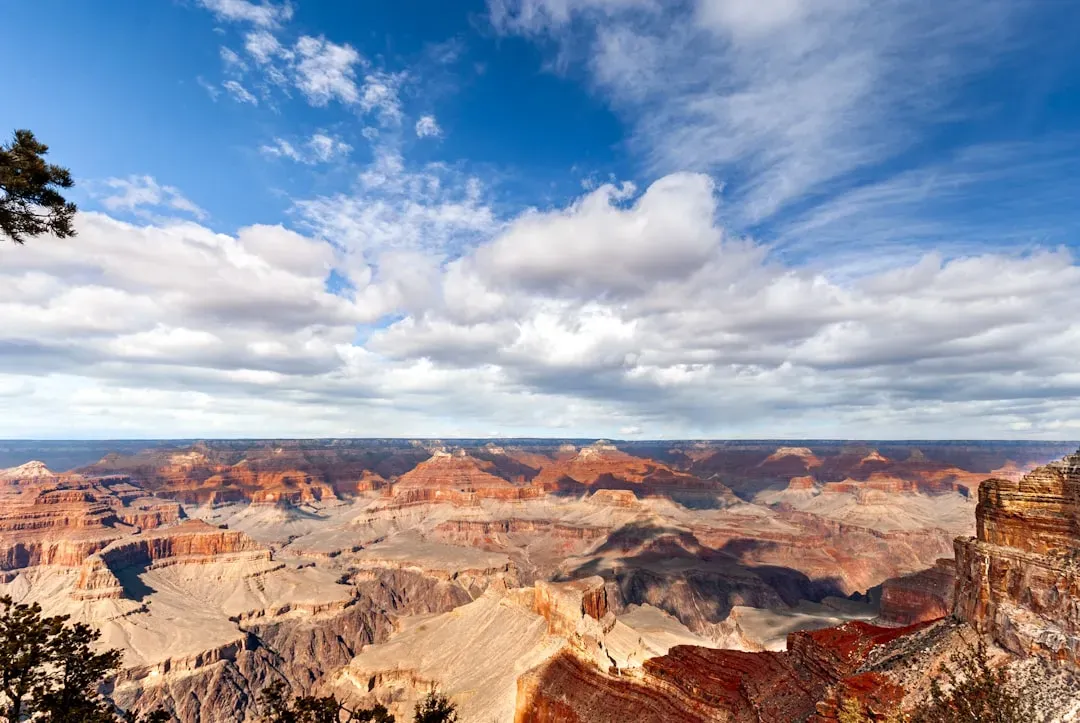
Once you know a bit of the canyon’s backstory, every viewpoint starts to feel like a puzzle you can actually solve. You can look across a side canyon and notice that certain colored bands match up exactly on both sides, telling you that the rocks were once continuous before erosion carved the gap. If you see layers that are gently tilted, you can infer that the region was flexed and uplifted after they were deposited. Sharp breaks or faults slice the rock and show you where the Earth shifted, sometimes long after the original sediments hardened.
Even the shape of the side canyons and slopes helps you decode the rock types: steeper cliffs often mark harder, more resistant layers, while gentler slopes align with softer, easily eroded ones. Soon, you find yourself spotting old river terraces, debris fans from rockfalls, and remnants of ancient landslides that hint at different climates and erosion rates in the past. With each insight, the canyon feels less like a static postcard and more like a story in motion that you are learning to read, one clue at a time.
Why This Deep Past Matters to Your Present
It’s easy to treat the Grand Canyon as something separate from your daily life, a spectacular but distant wonder you visit once and move on from. But when you grasp how much time, change, and uncertainty are written into its rocks, it quietly shifts how you think about your own moment on Earth. You see how landscapes can rise and erode, climates can swing, and entire ecosystems can appear and vanish, all as part of a natural rhythm that dwarfs human timelines. That perspective can feel humbling, but it can also be strangely calming.
At the same time, you notice how sensitive the canyon is to relatively small modern changes: shifts in river flow from dams, increasing heat and drought, more intense wildfires, and the pressure of millions of visitors each year. Set against the backdrop of billions of years, your choices suddenly matter more, not less, because they compress powerful impacts into a very short window. When you walk away from the rim, you are not just leaving a scenic viewpoint behind; you are carrying a reminder that you live in a world where deep history and present decisions are always tangled together.
Conclusion: Standing on the Edge of Deep Time
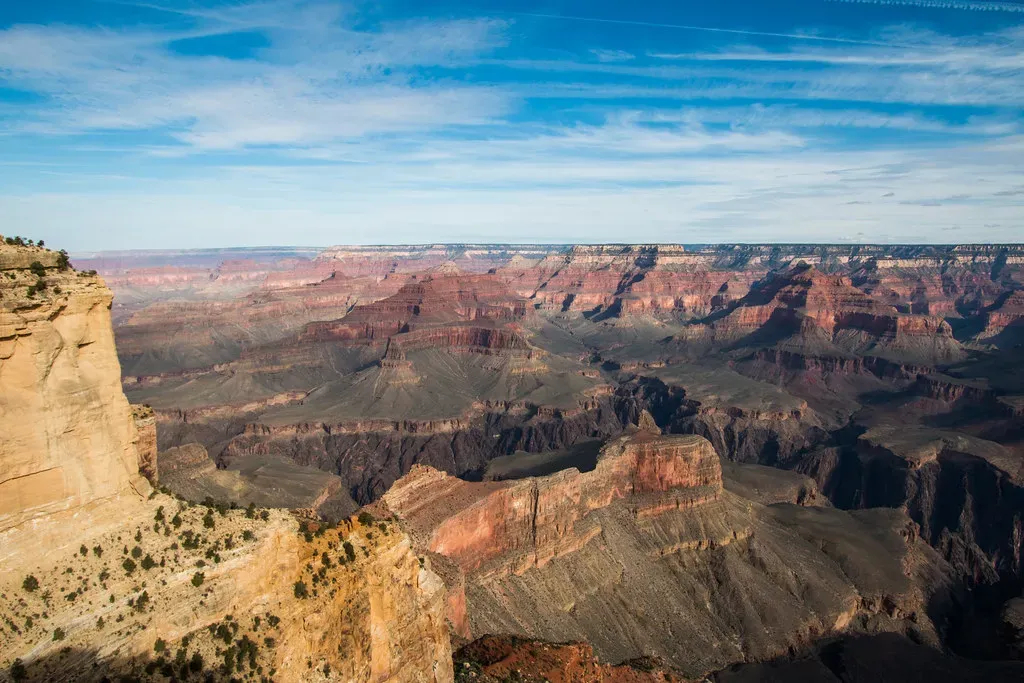
When you step back and put all of this together, the Grand Canyon stops being just a deep hole in the ground and becomes a living archive of Earth’s restless past. You see the relentless river carving downward, the plateau rising, the seas and deserts coming and going, and the eerie gap where an entire billion‑year chapter went missing. You sense buried mountains resurfacing as basement rock, long‑dead creatures leaving faint signatures in stone, and volcanoes briefly damming the river before giving way to its persistence.
Most of all, you realize that you are not just looking at geology; you are standing at the edge of deep time itself, with your own short life folded into that long story. The canyon’s hidden secrets are not really hidden once you know how to read them – they are right there in the colors, angles, and textures you can touch with your own hands. The mystery is not whether the canyon will change, but how you will see your place in a world that is always changing. Now that you know what you are really looking at, how differently will you stand at the rim the next time you peer over the edge?