Every now and then, archaeologists pull something out of the ground that makes the rest of us stop and quietly rethink what we thought we knew about being human. A clay tablet, a broken bone, a buried city – they look like scraps of the past, yet they’ve reshaped how we write, count, heal, govern, and even how we imagine the afterlife. What’s wild is that many of these breakthroughs are not new finds in 2026, but their real significance is still unfolding as new data, dating methods, and technologies sharpen the picture.
When you line up some of the most important ancient discoveries, a pattern appears: people thousands of years ago wrestled with the same big questions we do now. How do we remember? How do we share knowledge? How do we live together without everything collapsing into chaos? In a way, each discovery below is like a mirror, reflecting a version of us from long ago – familiar, brilliant, flawed, and endlessly inventive. Let’s walk through ten of the most remarkable ones and see how much of our modern life is built on very old ideas.
1. The Earliest Writing Systems: When History Finally Had a Memory
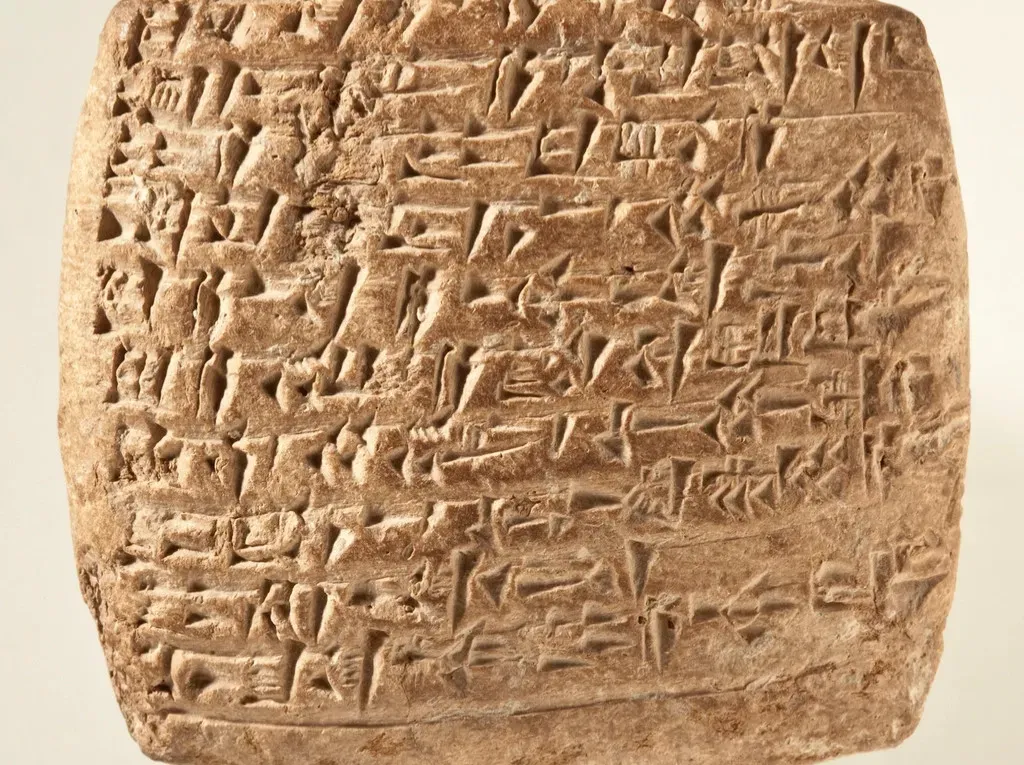
Imagine a world where nothing is written down – no contracts, no recipes, no to-do lists, no history books. For most of human existence, that was normal, until people in Mesopotamia and Egypt started scratching symbols into clay and carving signs into stone. In southern Mesopotamia, what began as simple tally marks on clay tokens evolved into cuneiform script, used for recording grain deliveries, temple inventories, and legal matters. Around the same time, Egyptian hieroglyphs emerged along the Nile, tying images to sounds and ideas in a sophisticated system.
The leap from oral memory to writing is hard to overstate: it turned fragile human recall into durable records that could outlive any individual. Laws, myths, scientific observations, and royal propaganda could suddenly be preserved, copied, and argued about centuries later. The discovery and decoding of these early texts showed that bureaucracy, tax headaches, and political spin are not modern inventions at all. In a real sense, the birth of writing is the birth of history, because before someone wrote it down, everything was just rumor.
2. The Code of Hammurabi: Law Carved in Stone
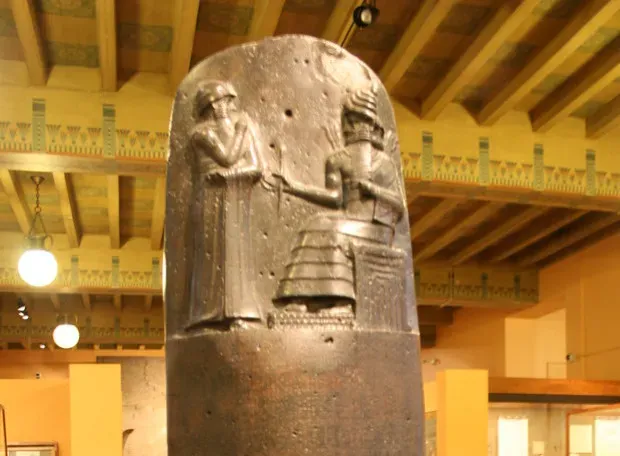
Finding a single basalt stele in early twentieth-century Iran might not sound very dramatic, but that black stone pillar carried something revolutionary: one of the oldest known extensive legal codes. Attributed to Babylonian king Hammurabi in the second millennium BCE, the text lays out rules and penalties for theft, trade, marriage, assault, and more. What makes it so striking is not that the laws are always fair by modern standards, but that they are publicly set out and organized, rather than arbitrary decrees whispered in a ruler’s court.
By carving laws into stone, the Babylonians turned justice into something people could point to, argue with, and somewhat rely on. It revealed an early attempt to create social order by rules rather than by pure force or whim, even if that order was sharply unequal across classes and genders. When historians studied the stele, it became clear that ideas like “innocent until proven guilty” and “proportionate punishment” have surprisingly deep roots. Our modern legal systems, for all their complexity, echo that ancient move toward writing the rules where everyone could, at least in theory, see them.
3. The Rosetta Stone: Cracking the Code of Lost Civilizations
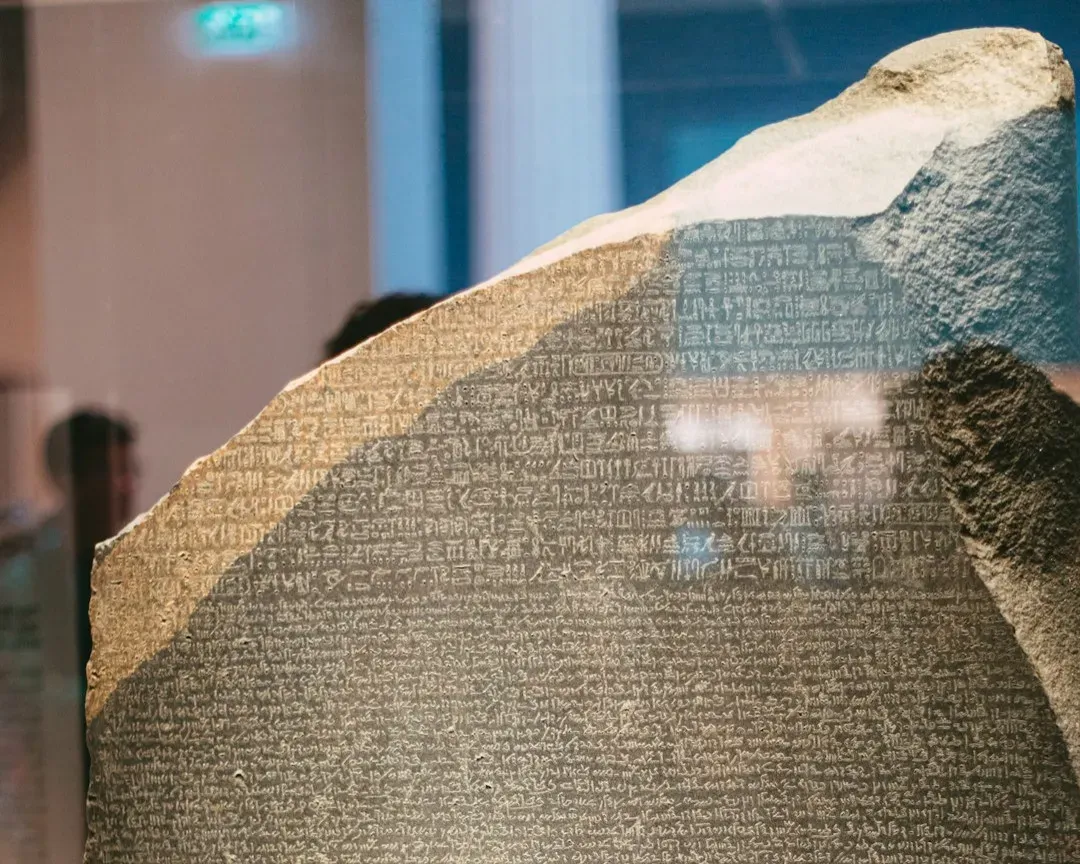
For centuries, the walls of Egyptian temples and tombs were covered with symbols that no one could read, like a library in a language the world had forgotten. That changed with the discovery of a single, not-very-beautiful slab of granodiorite near the town of Rashid (Rosetta) in 1799. The stone carried essentially the same text written in three scripts: hieroglyphic, a cursive Egyptian script known as Demotic, and ancient Greek, which scholars already understood. This side-by-side comparison was the key that allowed researchers to gradually unlock the meaning of hieroglyphs.
When hieroglyphs finally gave way under patient study, an entire civilization started talking again: royal decrees, religious hymns, administrative records, even casual graffiti. The impact goes far beyond Egypt itself, because the Rosetta Stone became the classic example of how comparative evidence and painstaking pattern-spotting can resurrect dead scripts. Every time a once-silent writing system gets decoded, from cuneiform to lesser-known alphabets, it follows a trail blazed by that stone. In a way, the Rosetta Stone didn’t just translate Egyptian; it showed the world how to listen to the past more intelligently.
4. The Library of Ashurbanipal and the Epic of Gilgamesh: Early Echoes of the Human Story
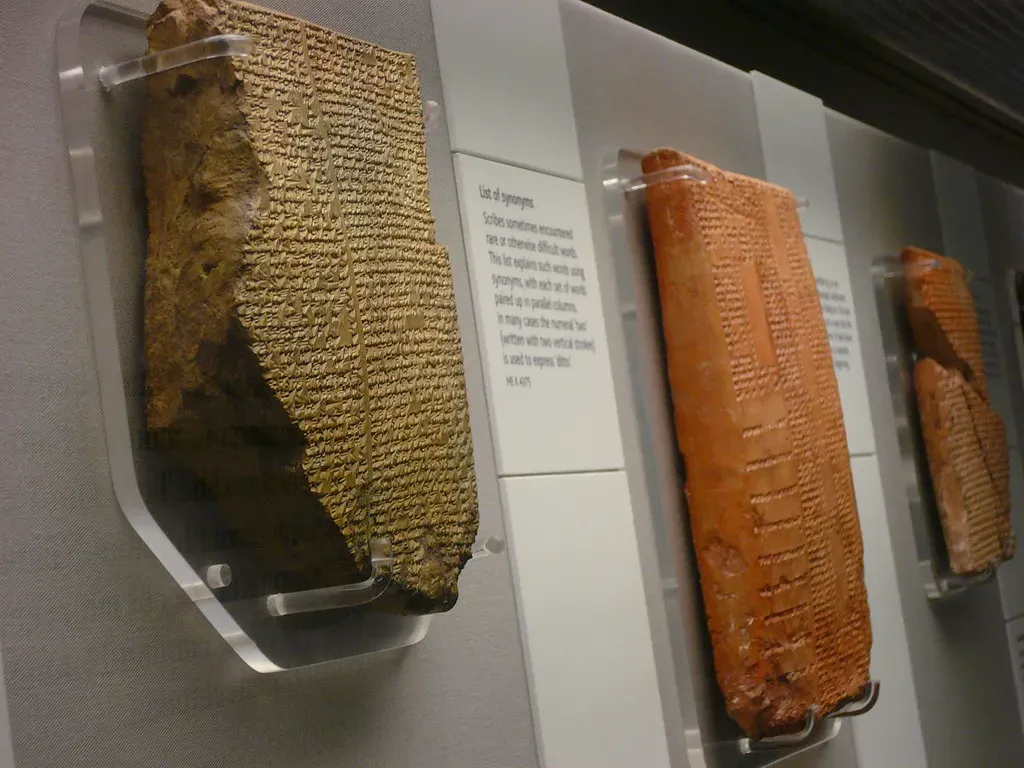
Buried in the ruins of Nineveh, the Assyrian king Ashurbanipal’s library looked like wreckage when nineteenth-century excavators first dug it up: shattered clay tablets scattered everywhere. But those fragments turned out to be one of the oldest, most ambitious collections of knowledge ever assembled, from omens and rituals to medical advice and great literature. Among the most powerful finds were tablets containing the Epic of Gilgamesh, a long narrative poem that explores friendship, grief, power, and the search for immortality.
Reading that ancient epic today is unsettling in a good way, because the emotional landscape feels shockingly recognizable despite being more than three thousand years old. The flood story, the hubris of a king, the terror of death – it all challenges the lazy idea that ancient people were somehow less complex or thoughtful. The discovery of Ashurbanipal’s library showed that archives and curated knowledge are not modern obsessions; rulers were already collecting and preserving texts to understand the world and legitimize their power. In a sense, it is the ancestor of every national library and database humanity has built since.
5. The Pyramids and Their Engineering Secrets: Stone Mountains Against Time
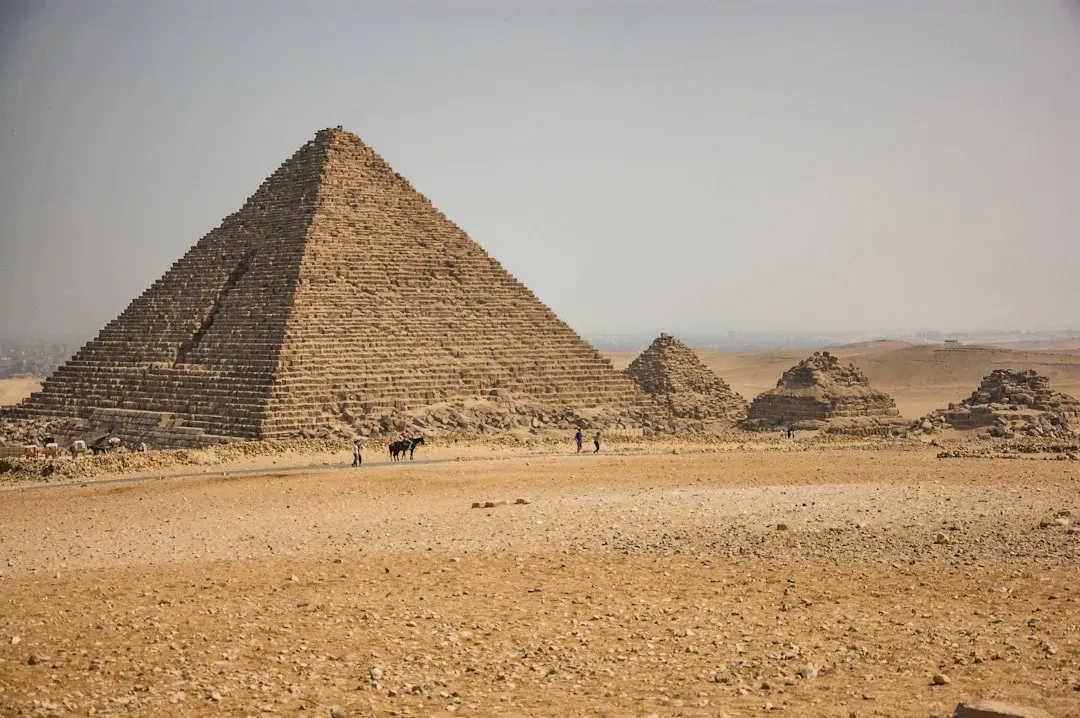
Standing in front of the Great Pyramid of Giza in person, many visitors feel the same stunned question rise up: how on earth did they build this? The pyramid is more than four thousand years old, made of millions of stone blocks, and remains almost unnervingly precise in its alignment and geometry. Archaeological discoveries around the Giza plateau – workers’ villages, tools, ramps, and quarry traces – have steadily replaced wild theories with a more grounded but still astonishing picture of massive human organization and engineering skill.
What the pyramids reveal is not alien intervention, but what determined humans can do with coordination, mathematics, and relentless labor over generations. The discovery of workers’ cemeteries and bread ovens shows these were not disposable slaves, but a managed workforce with food supplies, medical care, and social structure. In practical terms, studying their construction techniques feeds into modern engineering and logistics thinking, especially around large-scale projects. Symbolically, those stone mountains prove that ancient societies could plan on a scale that still humbles modern city planners.
6. Ancient Urban Planning at Mohenjo-daro: A Forgotten City of Order
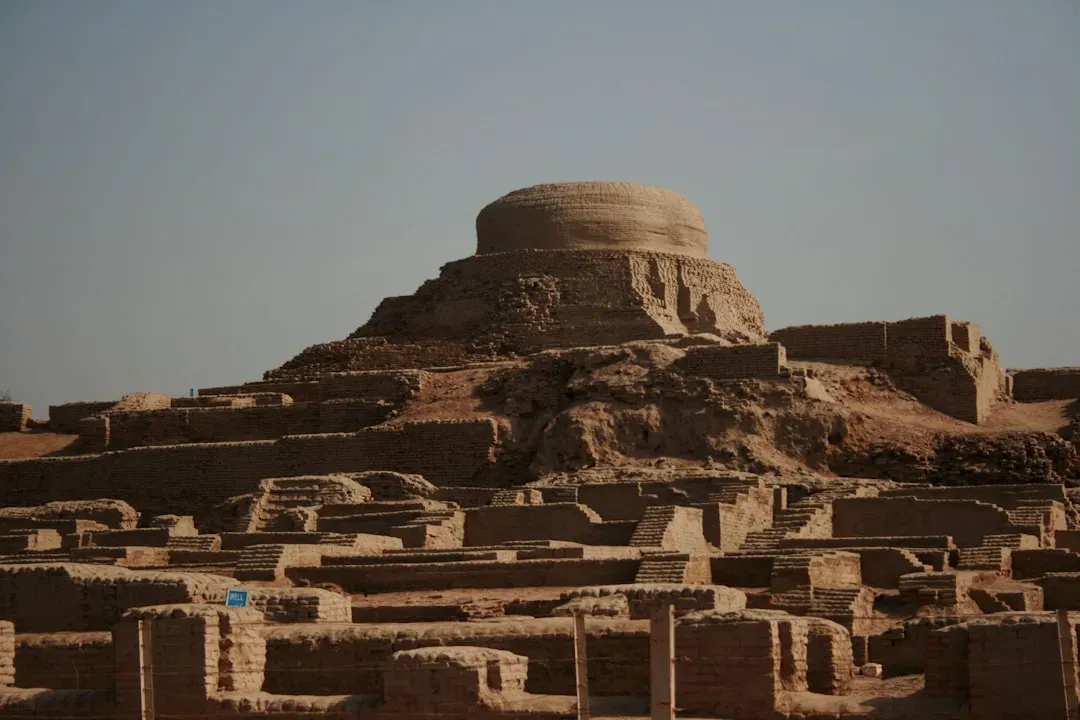
When archaeologists began uncovering Mohenjo-daro in the Indus Valley in the twentieth century, they realized they were walking through the remains of a city planned with a rigor that would impress many modern councils. Streets were laid out in a grid, houses often had standardized bricks, and perhaps most striking of all, there was an advanced drainage and sewage system running beneath the city. For a Bronze Age settlement, this level of civic infrastructure suggested a culture that cared deeply about cleanliness, order, and shared standards.
The really intriguing part is that we still cannot fully read their script, so much of Indus society remains a quiet mystery: no dramatic king lists, no boastful war records, no grand stone statues shouting their achievements. Yet the physical layout of Mohenjo-daro quietly tells another story, one of everyday stability and practical problem-solving. The discovery of this city reshaped historians’ assumptions about where complex urban planning first emerged, shifting attention away from just Mesopotamia and Egypt. It is a reminder that some of the most influential ideas in human history – like how to build a livable city – can come from cultures that left behind few words but brilliant streets.
7. The Antikythera Mechanism: An Ancient Computer in a Shipwreck
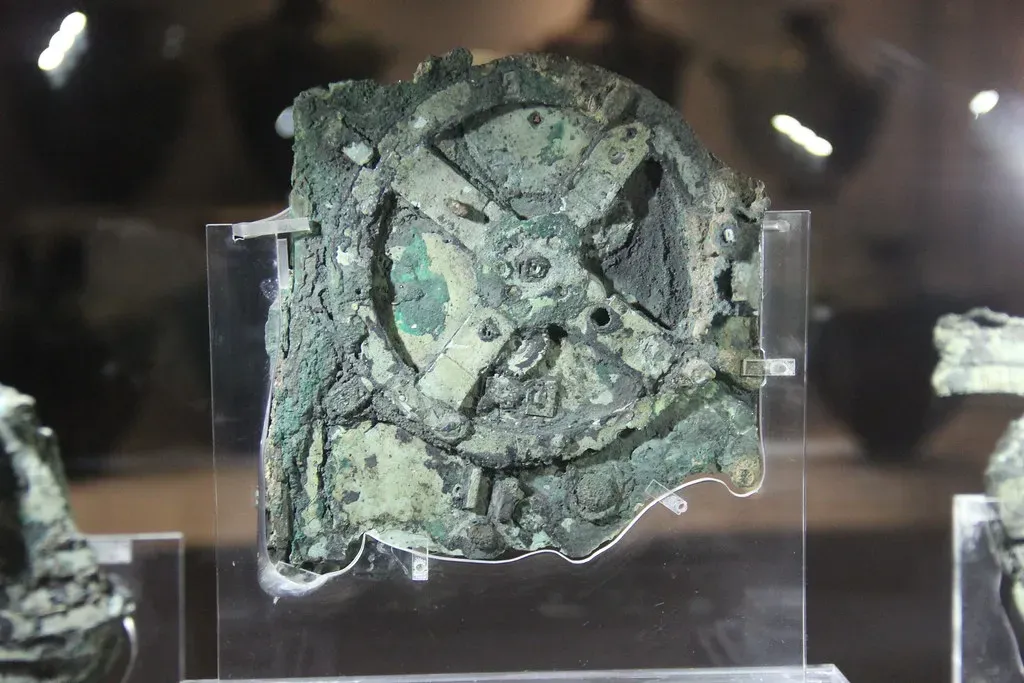
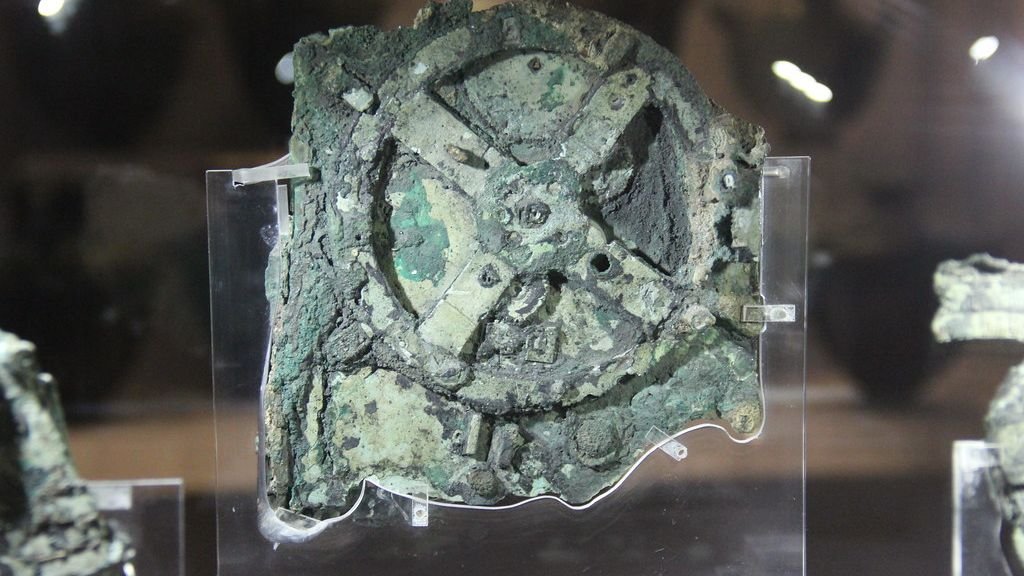
When sponge divers off the Greek island of Antikythera pulled up corroded bronze fragments from a Roman-era shipwreck in the early twentieth century, nobody guessed they had stumbled on something often described as the world’s first known analog computer. Decades of research, X-rays, and digital reconstructions gradually revealed a complex gear-driven device designed to predict astronomical positions and eclipses. Its internal structure, with interlocking bronze gears and precisely cut teeth, showed a level of mechanical sophistication that many thought did not exist until much later.
The Antikythera Mechanism has forced scholars to redraw their timeline of technological development in the ancient Mediterranean. It suggests that there was a tradition of high-level mechanical engineering that largely vanished, leaving only scattered references in texts. In practical terms, it shows that ancient scientists were not just stargazers but also skilled instrument makers who tried to model the cosmos in tangible form. Every time new imaging techniques reveal another dial or inscription on the device, it underlines a discomforting truth: we may have lost more advanced ancient knowledge than we have preserved.
8. Chinese Papermaking: Turning Fibers into a Global Revolution
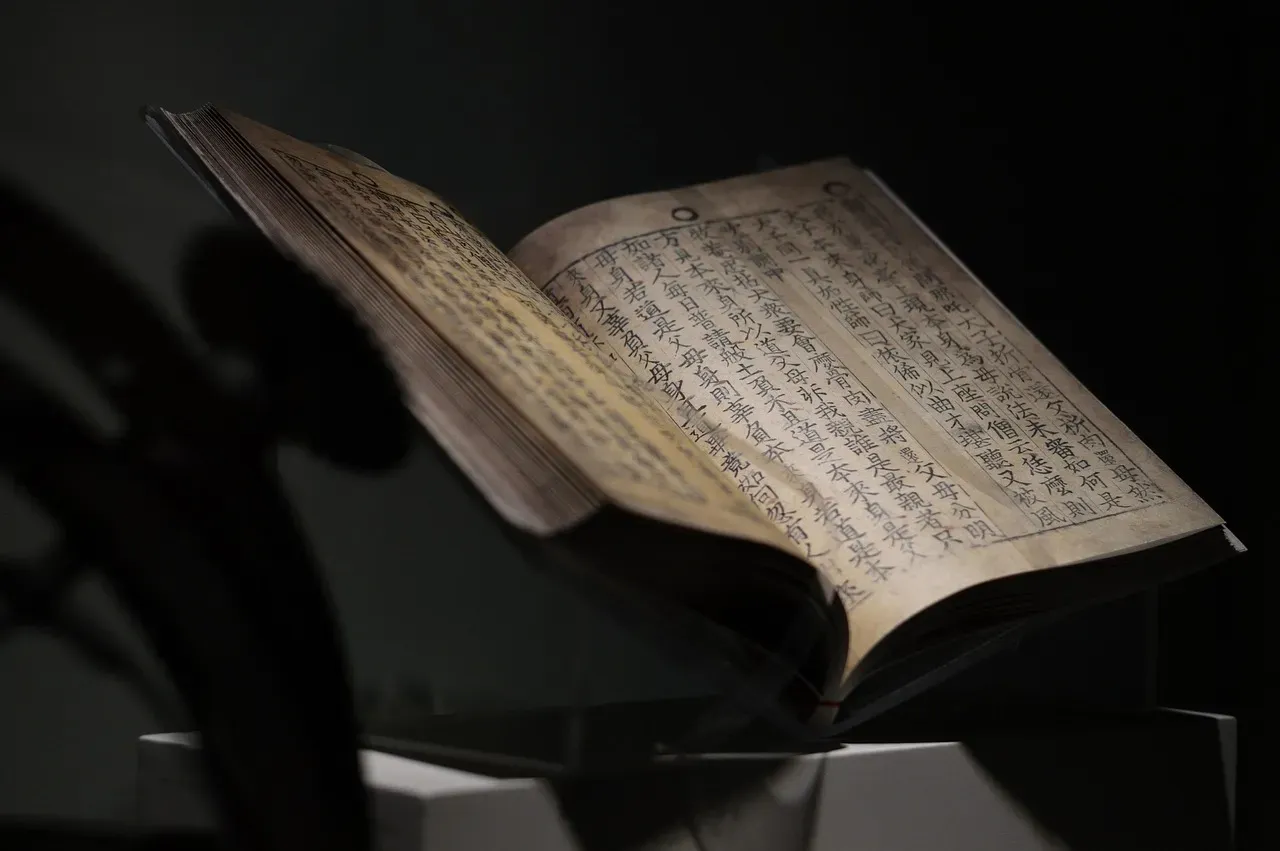
Today, we casually throw away scraps of paper without thinking about the technology behind them, but early Chinese papermakers changed the world by figuring out how to turn plant fibers, rags, and other materials into thin, flexible sheets. Archaeological finds suggest paper-like materials were used in China by the first centuries BCE, and by the early centuries CE, papermaking techniques became increasingly refined and widespread. Compared to heavy clay tablets, expensive parchment, or fragile bamboo slips, paper made writing, record-keeping, and administration far more efficient.
As papermaking techniques slowly spread across Asia and eventually into the Islamic world and Europe, they triggered chain reactions in education, religion, science, and government. Cheaper writing surfaces meant more books, more notes, more letters, and in the long run, more people with access to information. The uncovering of early paper fragments and papermaking sites has highlighted how technological revolutions can start quietly, in workshops and water-powered mills rather than in palaces. In its own understated way, ancient paper did more to change everyday human life than many grand monuments ever did.
9. Ancient Medical Texts: Healing Before Modern Science
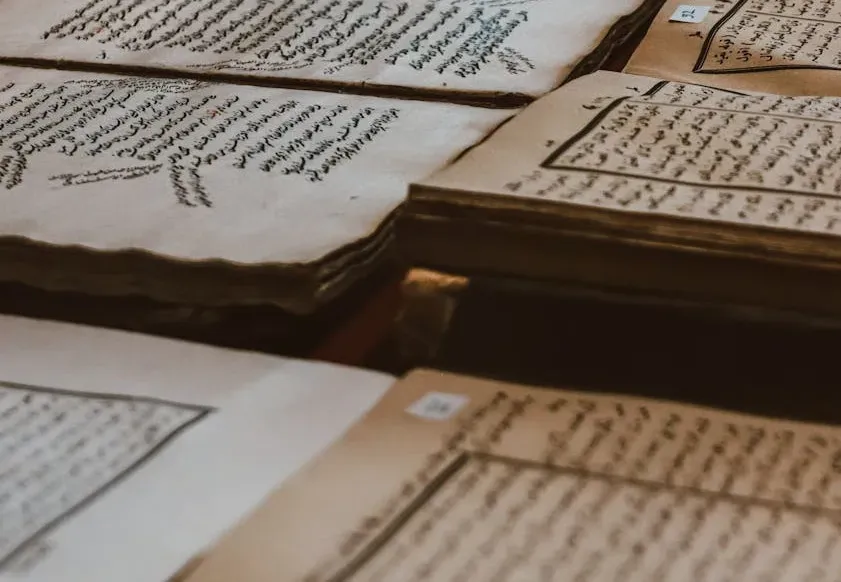
Clay tablets from Mesopotamia, papyri from Egypt, medical treatises from ancient India and Greece – together they show that long before modern hospitals, people were systematically studying the body and trying to codify what worked and what did not. For example, the so-called Ebers Papyrus from Egypt lays out treatments for wounds, digestive issues, and infections, blending observation with spells and religious language. In India, early medical texts associated with Ayurveda described surgical techniques, herbal remedies, and understandings of bodily balance that were surprisingly detailed.
These discoveries complicate any simple story that ancient medicine was just superstition, even though it certainly contained elements we would now reject. Understanding the evolution of diagnosis, surgery, and pharmacology through these texts helps modern historians trace how certain remedies survived, spread, or were abandoned. It also reminds us that today’s evidence-based medicine grew out of millennia of trial, error, and careful noting of what patients actually experienced. The fact that we can read some of these texts and recognize familiar concerns – pain relief, infection control, childbirth safety – closes the emotional distance between their world and ours.
10. Göbekli Tepe: Temples Before Cities
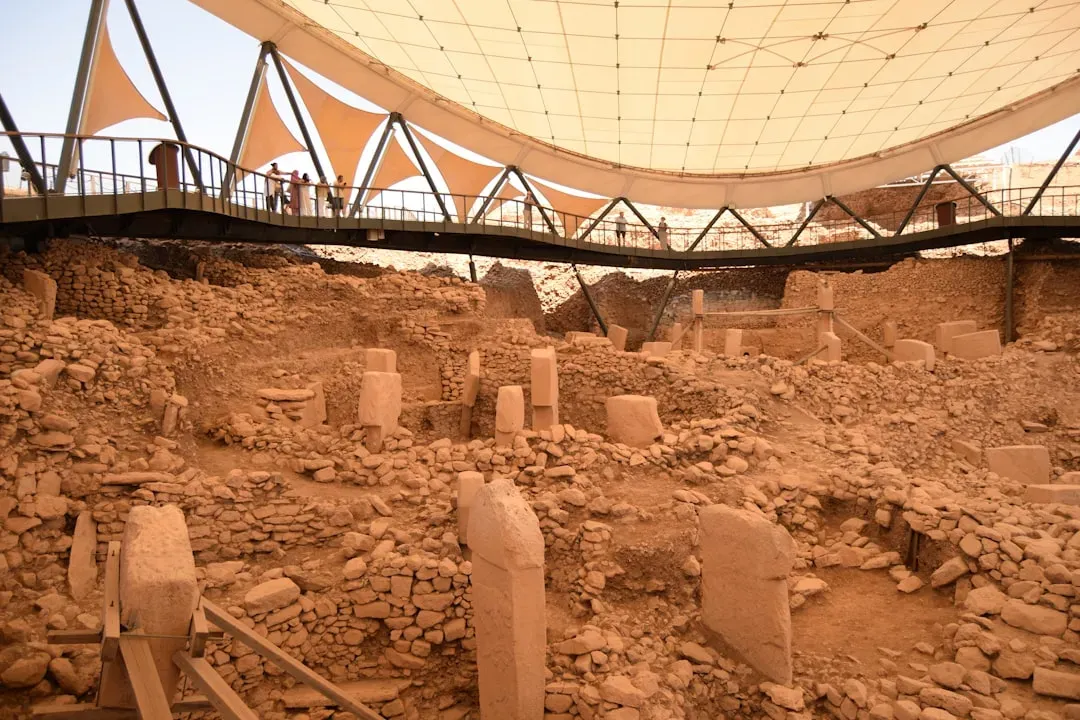
When Göbekli Tepe in southeastern Türkiye began to be excavated in the late twentieth century, it sent a quiet shock through archaeology. Here was a massive ritual site with towering T-shaped stone pillars, many carved with animals and abstract symbols, dating back to roughly ten thousand years ago. That meant these monumental structures were built by communities of hunter-gatherers or early farmers long before the rise of permanent, fully developed cities. It flipped the old assumption that agriculture and settled life naturally came first, and only then did people have the time and organization to build huge temples.
Göbekli Tepe suggests a different story: that shared ritual or spiritual projects may have been strong enough to pull people together into larger, more complex groups, nudging them toward more permanent settlements. The site is still being studied and debated, and there is much we do not yet understand about who built it and why they eventually buried parts of it. But its discovery has already changed how scholars think about the origins of religion, cooperation, and social complexity. Instead of seeing belief as a side effect of civilization, Göbekli Tepe hints that communal belief might have helped build civilization in the first place.
Conclusion: The Past Is Closer Than It Looks
Looking across these discoveries, it’s tempting to see them as distant marvels from another world: strange scripts, stone giants, bronze gears lost in the sea. But the more you sit with them, the more they feel like early drafts of our own lives. Writing, law, urban planning, precision tools, paper, medicine, shared rituals – we are still wrestling with the same tools and problems, just with more processing power and shinier screens. The ground keeps delivering reminders that we didn’t start from zero; we’re standing on a mountain of experiments and ideas left by people who were far more ingenious than we sometimes give them credit for.
Personally, I find it oddly comforting that someone chipping marks into clay four thousand years ago was already trying to solve issues that look a lot like ours: how to be fair, how to remember, how to organize, how to find meaning. Every new dig, every reinterpreted tablet, has the potential to nudge our origin story in a slightly different direction. So the real question might be this: if future archaeologists dig up traces of us, will our world seem as alien to them as these ancient discoveries once did to us – or will they recognize the same old human patterns hiding in the rubble?